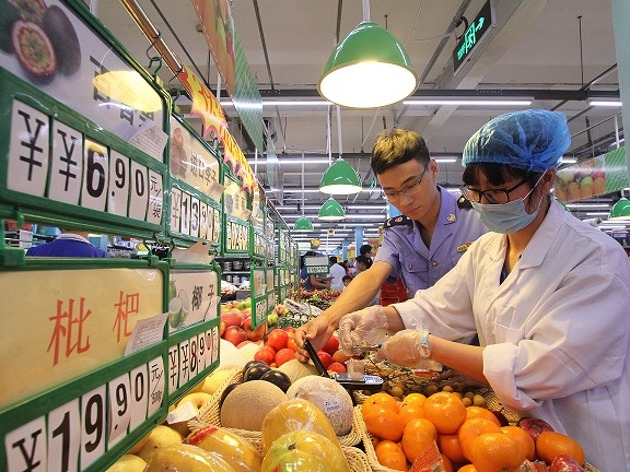
居民消费价格(CPI)

Search documents
国家统计局:2025年居民消费价格总体平稳
Xin Hua Wang· 2026-01-19 05:49
Core Viewpoint - The State Council Information Office held a press conference on January 19 to discuss the economic performance of the country in 2025, indicating that the Consumer Price Index (CPI) is expected to remain stable compared to the previous year, with a moderate recovery in core CPI [1] Economic Indicators - The overall CPI for 2025 is projected to be flat compared to the previous year [1] - Core CPI is anticipated to show a mild rebound, suggesting a potential increase in consumer demand and spending [1]
国家统计局:2025年居民消费价格与上年持平
Zhong Guo Jing Ji Wang· 2026-01-19 03:25
Core Viewpoint - The consumer price index (CPI) in China is projected to remain flat in 2025 compared to the previous year, indicating a stable inflation outlook for consumers [1] Group 1: Consumer Price Index (CPI) Analysis - Food and tobacco prices are expected to decrease by 0.7%, while clothing prices will increase by 1.5% [1] - Housing prices are projected to rise by 0.1%, and prices for daily necessities and services are expected to increase by 0.9% [1] - Transportation and communication prices are forecasted to decline by 2.6%, while education, culture, and entertainment prices will rise by 0.8% [1] - Healthcare prices are anticipated to increase by 0.8%, and other goods and services are expected to rise significantly by 9.3% [1] - Within the food and tobacco category, pork prices are expected to decrease by 6.1%, fresh vegetable prices by 3.9%, and grain prices by 1.0%, while fresh fruit prices will increase by 1.2% [1] - The core CPI, excluding food and energy prices, is projected to rise by 0.7%, an increase of 0.2 percentage points compared to the previous year [1] - In December, the year-on-year CPI increased by 0.8%, a rise of 0.1 percentage points from the previous month, with a month-on-month increase of 0.2% [1] Group 2: Industrial Producer Price Index (PPI) Analysis - The industrial producer price index is expected to decline by 2.6% in 2025 compared to the previous year [1] - In December, the year-on-year PPI decreased by 1.9%, with a month-on-month increase of 0.2% [1] - The annual industrial producer purchase price is projected to decline by 3.0%, with a year-on-year decrease of 2.1% in December and a month-on-month increase of 0.4% [1]
去年全年CPI与上年持平,猪肉价格下降6.1%
Sou Hu Cai Jing· 2026-01-19 03:02
Group 1 - The core viewpoint of the news is that the Consumer Price Index (CPI) for the year remained flat compared to the previous year, indicating stable consumer prices in 2025 [1] - By category, food and tobacco prices decreased by 0.7%, clothing prices increased by 1.5%, housing prices rose by 0.1%, and prices for daily necessities and services increased by 0.9% [3] - The core CPI, excluding food and energy prices, increased by 0.7%, with the growth rate expanding by 0.2 percentage points compared to the previous year [3] Group 2 - In December, the year-on-year CPI rose by 0.8%, with an increase of 0.1 percentage points compared to the previous month, and a month-on-month increase of 0.2% [3] - The Producer Price Index (PPI) for industrial producers decreased by 2.6% for the year, with a year-on-year decline of 1.9% in December and a month-on-month increase of 0.2% [3] - The purchase price index for industrial producers fell by 3.0% for the year, with a year-on-year decrease of 2.1% in December and a month-on-month increase of 0.4% [3]


2025年居民消费价格与上年持平
Bei Jing Shang Bao· 2026-01-19 02:37
Core Insights - The National Bureau of Statistics reported that the Consumer Price Index (CPI) for 2025 is expected to remain flat compared to the previous year [1] Price Changes - Food, tobacco, and alcohol prices decreased by 0.7% - Clothing prices increased by 1.5% - Housing prices rose by 0.1% - Prices for daily necessities and services increased by 0.9% - Transportation and communication prices fell by 2.6% - Education, culture, and entertainment prices rose by 0.8% - Medical care prices increased by 0.8% - Other goods and services saw a significant increase of 9.3% [1] Food Price Breakdown - Within the food, tobacco, and alcohol category: - Pork prices decreased by 6.1% - Fresh vegetable prices fell by 3.9% - Grain prices dropped by 1% - Fresh fruit prices increased by 1.2% [1] Core CPI - The core CPI, excluding food and energy prices, increased by 0.7%, which is an expansion of 0.2 percentage points compared to the previous year [1] Industrial Producer Prices - The annual industrial producer ex-factory prices decreased by 2.6% - In December, the year-on-year decline was 1.9%, with a month-on-month increase of 0.2% - The annual industrial producer purchase prices fell by 3% - In December, the year-on-year decline was 2.1%, with a month-on-month increase of 0.4% [1]
2025年12月CPI同比微涨
Xin Lang Cai Jing· 2026-01-14 23:51
Group 1 - The core viewpoint of the article indicates that the Consumer Price Index (CPI) in Huzhou increased by 0.2% year-on-year in December 2025, with a month-on-month stabilization compared to a decline in November 2025 [1] Group 2 - Among the eight categories of goods and services, the price changes showed a "two increases, three decreases, and three stable" trend month-on-month. Specifically, prices for other goods and services and clothing increased by 2% and 0.1%, respectively, while transportation and communication, daily necessities and services, and education, culture, and entertainment saw decreases of 0.6%, 0.1%, and 0.1% [1] - Year-on-year, the price changes among the eight categories displayed a "four increases and four decreases" trend. Prices for food and beverages, other goods and services, daily necessities and services, and clothing rose by 0.2%, 20%, 1.6%, and 0.9%, respectively, while transportation and communication, housing, healthcare, and education, culture, and entertainment experienced declines of 3.4%, 0.3%, 0.2%, and 0.1% [1]
2025年12月辽宁CPI同比上涨1.0%
Xin Lang Cai Jing· 2026-01-10 08:10
Core Insights - In December 2025, Liaoning Province's Consumer Price Index (CPI) increased by 1.0% year-on-year, surpassing the national average by 0.2 percentage points [1] - Month-on-month, the CPI rose by 0.1%, which is lower than the national average increase of 0.1% [1] Year-on-Year Price Changes - Among eight categories of goods and services, five experienced price increases while three saw declines [1] - Significant price increases were noted in: - Other goods and services: up 17.3% - Daily necessities and services: up 1.9% - Food, tobacco, and alcohol: up 1.7% - Education, culture, and entertainment: up 0.8% - Clothing: up 0.7% - Price declines were observed in: - Housing: down 0.1% - Medical care: down 0.1% - Transportation and communication: down 2.3% [1] Month-on-Month Price Changes - The month-on-month price changes showed three categories increased, two decreased, and three remained stable [2] - Food prices remained unchanged from the previous month [2] - Non-food prices increased by 0.1%, contributing approximately 0.10 percentage points to the overall price level increase [2] - Notable month-on-month increases included: - Gold jewelry prices: up 5.9%, contributing approximately 0.07 percentage points to the overall price level - Telephone prices: up 3.1%, contributing approximately 0.04 percentage points to the overall price level - Conversely, due to recent changes in international crude oil prices, gasoline prices decreased by 1.2% and diesel prices by 1.4%, together contributing to a decrease of approximately 0.04 percentage points in the overall price level [2]
国家统计局:CPI最近两个月出现积极变化
Sou Hu Cai Jing· 2025-12-15 03:46
Core Insights - In November, the Consumer Price Index (CPI) increased by 0.7% year-on-year, marking the highest growth rate of the year, with an increase of 0.5 percentage points compared to the previous month [1][3] Group 1: CPI Analysis - The core CPI, excluding food and energy, rose by 1.2% year-on-year, maintaining the same growth rate as the previous month, and has been above 1% for three consecutive months [3] - The increase in CPI is attributed to the rebound in food prices, rising industrial consumer goods prices, and stable service prices [3] Group 2: Month-on-Month Trends - On a month-on-month basis, the CPI slightly decreased, primarily due to seasonal declines in service prices following the end of the Mid-Autumn and National Day holidays, which led to a drop in travel-related prices [3] - The decline in international oil prices also contributed to the downward pressure on the month-on-month CPI [3] Group 3: Future Economic Measures - The government plans to continue implementing measures to boost consumption, advance the construction of a unified national market, strengthen capacity governance in key industries, regulate market competition, and enhance high-quality supply to promote reasonable price recovery and healthy economic development [3]
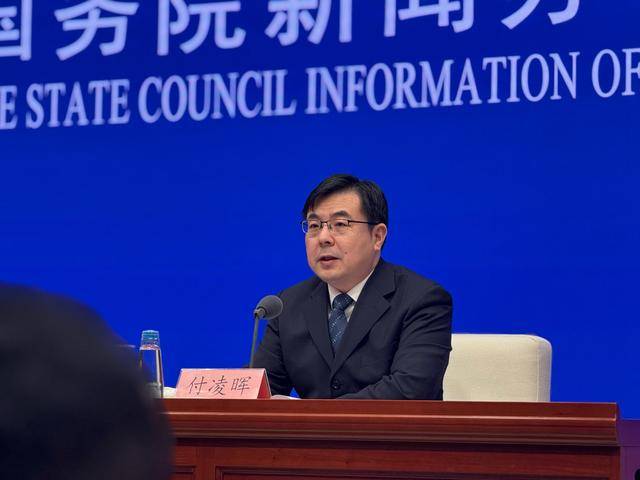
国家统计局:居民消费价格指标近两个月出现积极变化
Zheng Quan Shi Bao Wang· 2025-12-15 02:57
Core Viewpoint - The recent press conference by the State Council highlighted positive changes in the Consumer Price Index (CPI) over the past two months, indicating a potential recovery in consumer spending and economic health [1] Group 1: CPI Trends - In November, the national CPI increased by 0.7% year-on-year, with the growth rate expanding by 0.5 percentage points compared to the previous month [1] - The year-on-year increase in CPI was primarily driven by rising food prices, an increase in industrial consumer goods prices, and stable service prices [1] - The month-on-month CPI saw a slight decrease of 0.1%, mainly due to seasonal declines in service prices [1] Group 2: Future Economic Measures - The government plans to continue implementing special actions to boost consumption and further promote the construction of a unified national market [1] - There will be a focus on managing capacity in key industries, regulating market competition, and increasing high-quality supply to support reasonable price recovery [1] - These measures aim to foster healthy economic development [1]
11月北京CPI同比涨幅扩大
Zhong Guo Xin Wen Wang· 2025-12-11 06:22
Group 1 - In November, Beijing's Consumer Price Index (CPI) showed a year-on-year increase of 0.6%, with the growth rate expanding by 0.5 percentage points compared to the previous month [2] - The prices of fresh vegetables and fruits rose by 21.9% and 0.6% respectively, while pork and eggs saw declines of 15.1% and 12.1% [2] - Industrial consumer goods prices increased by 1.6%, with a growth rate increase of 0.4 percentage points from the previous month, while gold jewelry prices surged by 60.8% [2] Group 2 - Month-on-month, Beijing's CPI shifted from a 0.4% increase in October to a 0.2% decrease in November [1] - The price of fresh vegetables rose by 12.0%, an increase of 8.1 percentage points from the previous month, while accommodation and travel service prices fell by 9.8% and 8.3% respectively [1] - In November, the Producer Price Index (PPI) for industrial producers in Beijing decreased by 1.3% year-on-year and 0.2% month-on-month [2]
6月消费品零售总额增9% 消费对经济增长贡献率达78.5%
Mei Ri Jing Ji Xin Wen· 2025-11-24 04:09
Group 1: Economic Growth and Consumption - Consumption has become the primary driving force of China's economic growth, with a contribution rate of 78.5% in the first half of the year, an increase of 14.2 percentage points year-on-year [1] - In June, the total retail sales of consumer goods reached 30,842 billion yuan, showing a nominal growth of 9.0%, which is an improvement from May's 8.5% [1][5] - The first half of the year saw total retail sales of consumer goods amounting to 180,018 billion yuan, with a year-on-year growth of 9.4% [5] Group 2: Price Trends and Consumer Prices - The Consumer Price Index (CPI) rose by 2.0% year-on-year in the first half of the year, with food prices increasing by 1.4% and a notable 12.5% decrease in pork prices [2][4] - The Producer Price Index (PPI) increased by 3.9% year-on-year, which is considered reasonable for maintaining industrial profit growth while alleviating cost pressures on downstream products [4] - The stable performance of CPI is attributed to the influence of pork and agricultural product prices, despite rising oil prices that may take time to affect CPI [4] Group 3: Retail Sector Insights - The increase in retail sales in June is supported by a rebound in dining consumption and essential goods, with dining consumption up by 1.3 percentage points from the previous month [5][6] - The sales of food, beverages, tobacco, and clothing showed significant improvement, alongside a recovery in sales related to online shopping for furniture, home appliances, and communication equipment [5] - The decline in automobile sales due to the adjustment of import tariffs has temporarily affected overall retail sales, with automobiles accounting for approximately 13% of total retail sales [6]