数智经济

Search documents
剑指数智经济一线城市,武汉将力争人工智能产业规模三年翻番
21世纪经济报道· 2026-02-04 13:58
Core Viewpoint - Wuhan aims to become a leading city in the digital economy by 2028, focusing on artificial intelligence and data-driven development, with specific targets for industry scale and enterprise growth [1][2]. Group 1: Development Goals and Plans - The "14th Five-Year Plan" outlines Wuhan's ambition to achieve an artificial intelligence industry scale exceeding 200 billion yuan by 2028, with a target of over 15,000 P of high-performance computing power and 30 billion yuan in cumulative data transaction volume [1]. - The "Action Plan" for 2026-2028 includes three main paths and eight tasks to enhance technology, industry, and application, aiming for Wuhan to rank among the top cities in the digital economy [2]. Group 2: Data Infrastructure and Technology Foundation - Data is identified as the "fifth production factor" crucial for driving the digital economy, with Wuhan ranking 6th among data factor cities during the "14th Five-Year Plan" period [6]. - By 2026, Wuhan plans to enhance data governance and management, aiming to create a comprehensive digital resource management system and develop 30 data circulation scenarios [6][5]. Group 3: Strengthening Industrial Competitiveness - By 2025, the core industry scale of Wuhan's digital economy is projected to reach 1.1 trillion yuan, with 3,678 enterprises in the sector [9]. - The city aims to transition from "digital empowerment" to "intelligent driving," focusing on building a world-class intelligent industry cluster and promoting smart transformation across various sectors [9][10]. Group 4: Application-Driven Development - Scene-driven development is emphasized as a key to accelerating the application of AI technologies across various industries, with significant advancements in public safety and urban governance [12]. - The "Action Plan" includes initiatives to create a city-wide intelligent ecosystem, targeting the establishment of 50 major application scenarios by 2028 across different sectors [13].

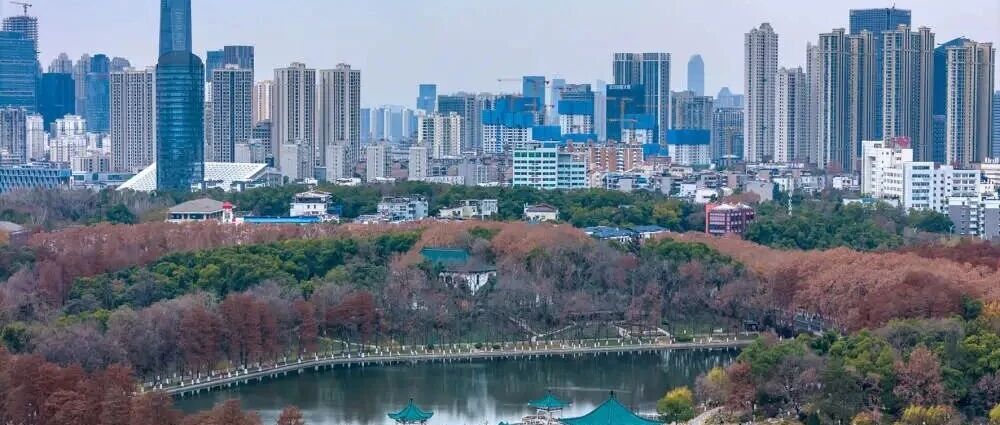
到2028年,人工智能产业规模超两千亿元
Chang Jiang Ri Bao· 2026-02-04 08:47
Core Insights - The Wuhan Municipal Government has officially released the "Wuhan Smart Economy Development Action Plan (2026-2028)", outlining a systematic approach to develop the smart economy over the next three years [1][2] - The plan aims for the artificial intelligence industry in Wuhan to exceed 200 billion yuan by 2028, with over 1,500 AI-related enterprises established, positioning Wuhan as a leading city in the national smart economy [1] Group 1: Industry Development - The plan emphasizes strengthening the cultivation of original production industries, particularly in the optoelectronic information sector, while enhancing collaboration across the industrial chain [1] - Key focus areas include nurturing intelligent native enterprises and smart terminal products, supporting high-growth companies, and establishing a tiered enterprise cultivation system to create a competitive industrial ecosystem [1] Group 2: Smart Technology Empowerment - The initiative aims to accelerate the smart transformation of the manufacturing sector by constructing intelligent production lines and factories [1] - In agriculture, the focus will be on developing smart agricultural scenarios to achieve high yield and efficiency [1] - The service industry will target key sectors such as finance, logistics, and law, implementing intelligent service entities to enhance industry efficiency and service capabilities [1] Group 3: Infrastructure and Ecosystem - The plan includes building a multi-layered application scenario and a city intelligence ecosystem, integrating smart technology into various urban development processes [2] - It aims to establish a diverse computing power supply system and optimize 5G base station coverage, alongside creating high-quality data sets to promote data product circulation [2] - The initiative will foster an open and collaborative innovation ecosystem, enhancing the environment for core technology breakthroughs and the conversion of scientific achievements [2] Group 4: Implementation and Support - The conference also introduced a system for optimizing resource allocation through the "965" key industrial chain management and the "Five Grains" advantageous industrial cluster management [2] - The development plan marks the beginning of an accelerated phase for Wuhan's smart economy, with a commitment to detailed task division and robust implementation to ensure high-quality development and enhance urban competitiveness [2]
2025年武汉数智经济核心产业规模达1.1万亿元
Chang Jiang Ri Bao· 2026-02-04 06:49
Core Insights - Wuhan aims to achieve a core industry scale of 1.1 trillion yuan in the digital economy by 2025, positioning itself as a strategic growth engine for industrial upgrades [1] - The development of the digital economy in Wuhan is characterized by "dual-core leadership and multi-industry penetration," with artificial intelligence technology deeply integrated into smart connected vehicles, achieving a penetration rate of over 30% [1] Group 1: Three Major Industries - In the electronic information manufacturing sector, Wuhan plans to focus on building three trillion-yuan-level industries: sensors, optical communication, and integrated computing [1] - The software sector will see the establishment of an industrial software ecosystem co-construction platform and four super software factories [1] - In the intelligent entity sector, the goal is to cultivate 200 application service providers, create 50 professional intelligent entities, and develop 15 outstanding intelligent terminal products [1] Group 2: Three Major Scenarios - Wuhan will promote the development of application work plans in healthcare, education, and transportation, establishing industry application empowerment centers [2] - In the state-owned assets scenario, there is a focus on supporting the procurement of local intelligent products, with a target of opening 200 state-owned asset scenarios by 2026 [1] Group 3: Three Major Innovation Elements - The new industrial space will rely on the artificial intelligence demonstration zone to create a "product + park" chain transformation model, fostering innovative small and medium-sized enterprises [2] - The open-source new ecosystem will advance the development of the Harmony OS Wuhan Innovation Center, aiming to complete the adaptation of 20 Harmony OS terminals by 2026 [2] - Capital and talent services will focus on "investing in people," enhancing the layout and direction of industrial funds to attract a group of industry-leading talents [2]
剑指数智经济一线城市!武汉将力争人工智能产业规模三年翻番
2 1 Shi Ji Jing Ji Bao Dao· 2026-02-04 05:32
Core Viewpoint - Wuhan aims to become a leading city in the digital economy by 2028, focusing on artificial intelligence and data-driven development, with specific targets for industry scale and infrastructure improvements [1][2]. Group 1: Development Goals and Plans - Wuhan's "14th Five-Year" plan sets a target for the artificial intelligence industry to exceed 200 billion yuan by 2028, with a focus on achieving a total computing power of over 15,000 PetaFLOPS and a cumulative data transaction volume of 3 billion yuan [1]. - The city plans to cultivate over 1,000 large-scale data enterprises and increase the number of AI-related companies to over 1,500 by 2028 [1]. Group 2: Data Infrastructure and Technology Foundation - Data is identified as a core driver of the digital economy, with Wuhan ranking 6th among cities for data factors during the "14th Five-Year" period [4]. - The city aims to enhance data governance and management, creating a unified digital resource management system and developing 30 data circulation scenarios by 2026 [4]. Group 3: Industry Competitiveness - By 2025, Wuhan's core digital economy industry is projected to reach 1.1 trillion yuan, with 3,678 enterprises in the sector [7]. - The city will focus on strengthening its core industrial advantages and transitioning from digital empowerment to intelligent driving, with specific initiatives in electronics, software, and intelligent systems [7][8]. Group 4: Application-Driven Development - Wuhan is expanding AI application scenarios, with significant implementations in public safety and urban governance, including the deployment of 142 unmanned aerial vehicles for city management [9]. - The city aims to create 50 major comprehensive application scenarios by 2028, with a focus on various sectors including industry, consumption, and social governance [9][11].

全市数智经济一线城市建设大会举行
Sou Hu Cai Jing· 2026-02-04 04:13
Core Viewpoint - The conference on building a smart economy in Wuhan emphasizes leveraging the smart economy as a key driver for high-quality economic development, aligning with national strategies and seizing opportunities from technological revolutions and industrial transformations [1][4]. Group 1: Conference Highlights - The conference was attended by key officials including the Mayor and leaders from various governmental bodies, and featured a report from Huawei's expert on smart economy development in Wuhan [3]. - The "Wuhan Smart Economy Development Action Plan (2026-2028)" was discussed, along with the release of project lists, policy compilations, scenario compilations, and practical case studies [3]. Group 2: Strategic Goals - The goal is to establish Wuhan as a national leader in the smart economy, focusing on becoming a source of smart technology, a hub for smart industries, and a pioneer in smart applications [4][8]. - Key initiatives include enhancing data resource integration, fostering smart entity development, expanding application scenarios, and building smart infrastructure [5][8]. Group 3: Implementation Mechanisms - A leadership and coordination mechanism will be established to enhance the effectiveness of the smart economy initiatives, including a focus on key industrial chains and collaborative efforts across various sectors [6][8]. - The "Nine Ones" work system will be implemented to create a comprehensive framework for each key industrial chain, ensuring effective execution and accountability [6]. Group 4: Emphasis on Collaboration - There is a strong emphasis on collaboration among city-level governance, district cooperation, and leveraging local advantages to enhance the smart economy [8]. - The need for a project-based, goal-oriented, and performance-driven management approach is highlighted to foster a culture of practical implementation and competitive spirit [8].
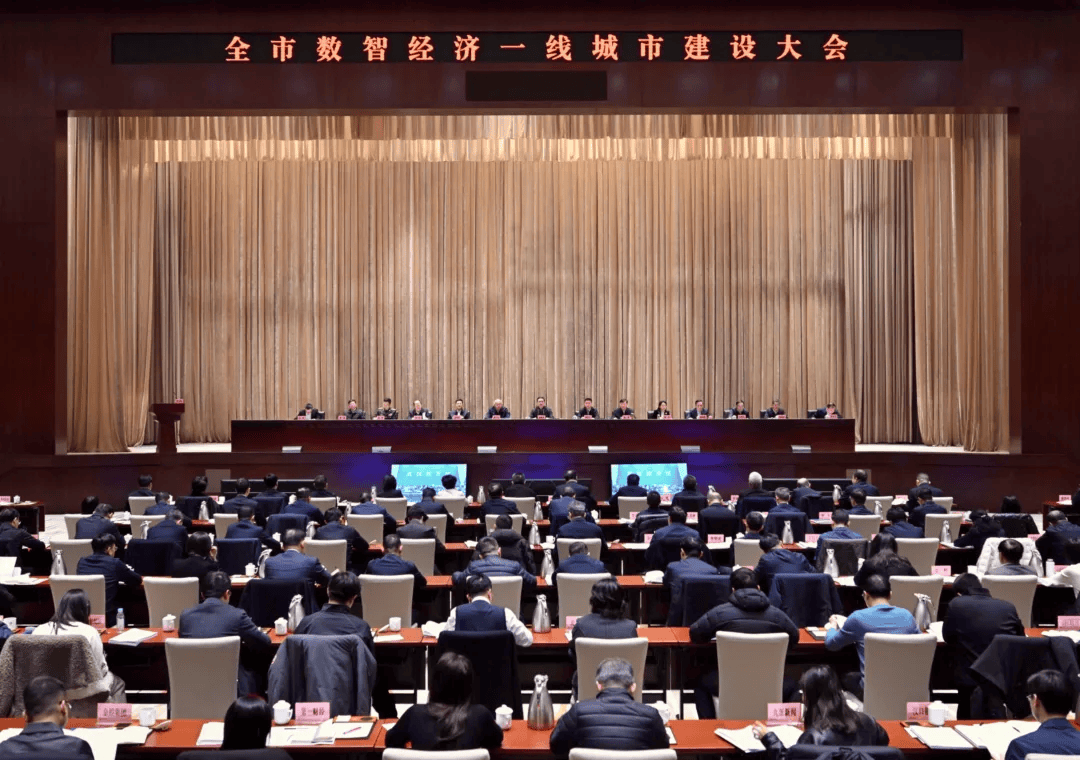
武汉发布数智经济发展行动方案到2028年,人工智能产业规模超两千亿元
Chang Jiang Ri Bao· 2026-02-04 01:03
Core Insights - The article discusses the launch of the "Wuhan Smart Economy Development Action Plan (2026-2028)" aimed at establishing Wuhan as a leading city in smart economy by 2028, with a target of over 200 billion yuan in AI industry scale and more than 1,500 AI-related enterprises [1][2][3] Group 1: Development Goals - By 2028, Wuhan aims for an AI industry scale exceeding 200 billion yuan and over 1,500 AI-related companies, establishing itself as a super-large AI city [1][6] - The plan emphasizes the integration of smart technologies with economic and social development across various sectors, including manufacturing, agriculture, and services [1][2] Group 2: Key Initiatives - The action plan includes eight major projects focusing on industrial upgrades, scene cultivation, infrastructure enhancement, data element development, and smart governance [7][14] - Specific targets include the production of high-performance computing power exceeding 15,000 P, a cumulative data transaction volume of 3 billion yuan, and the establishment of 1,000 large-scale data enterprises [6][10] Group 3: Infrastructure and Ecosystem - The plan outlines the construction of a multi-layered application ecosystem and advanced infrastructure to support smart economy initiatives, including enhanced 5G coverage and high-quality data sets [2][10] - It aims to create a collaborative innovation ecosystem that encourages technological breakthroughs and supports talent development [2][11] Group 4: Strategic Focus Areas - The strategy includes a shift from "Internet+" to "AI+" and emphasizes the importance of integrating smart technologies into various industries and public services [13][15] - The focus will be on three core industries: sensors, optical communication, and integrated computing, along with the development of application service providers and intelligent products [16][17] Group 5: Future Outlook - The plan anticipates that by 2025, the core industries of Wuhan's smart economy will reach a scale of 1.1 trillion yuan, positioning the city as a strategic growth engine for industrial upgrades [16][18] - The city aims to enhance its overall competitiveness and ensure the successful implementation of the smart economy development blueprint through detailed task assignments and organizational support [2][14]
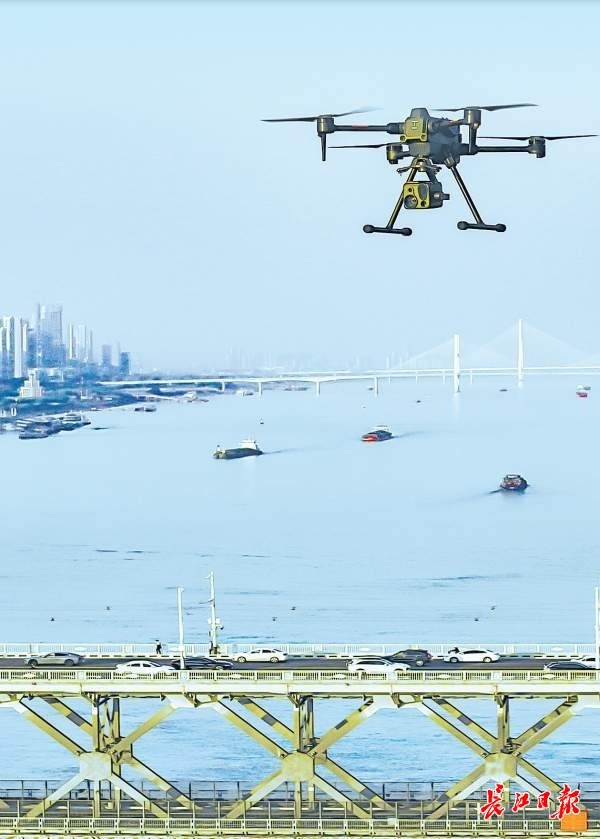
无人机巡飞、AI研新药、无人车上路数智生活照进现实
Chang Jiang Ri Bao· 2026-02-04 01:03
全市数智经济一线城市建设大会的会场内,"人工智能""场景开放""数智生态"是政府部 门负责人、企业代表、创新机构带头人交流时的高频热词。而会场外的江城街巷里,这些热 词早已落地成鲜活的实践——无人机在适飞空域实现时空格网下的"一键直飞";AI辅助设 计,新药研发周期从10年缩短至3—5年…… 武汉正以全域联动的姿态,将数智基因渗透进城市治理、产业升级、开放协同的每一个 环节,铺展成一幅"全城向智"的生动图景。 百度自动驾驶安全发展中心主任吴琼表示,武汉率先探索自动驾驶场景建设与治理创 新。从2016年至今,武汉完成自动驾驶政策3次迭代,而百度萝卜快跑在此扎根,已形成10 亿项全要素数据标注集,发布全球首个无人驾驶大模型ADFM。 长江国贸党委书记、董事长丁震介绍,该公司以商贸物流产业为载体,从实践中探索出 四大数智应用场景。企业通过垂类AI大模型提升与优化,生成多类数据产品,在纺织服装 产业,"长江云棉""长江云裳"数据资产打通"棉纱—面料—服装制造"闭环,推动棉纱供应链 整体效率提升,创新出"产业+AI+跨境"的全新生态。 编辑:张靖 在数智经济建设中,武汉将"城市安全"作为首要命题。万红介绍,武汉已引入科 ...
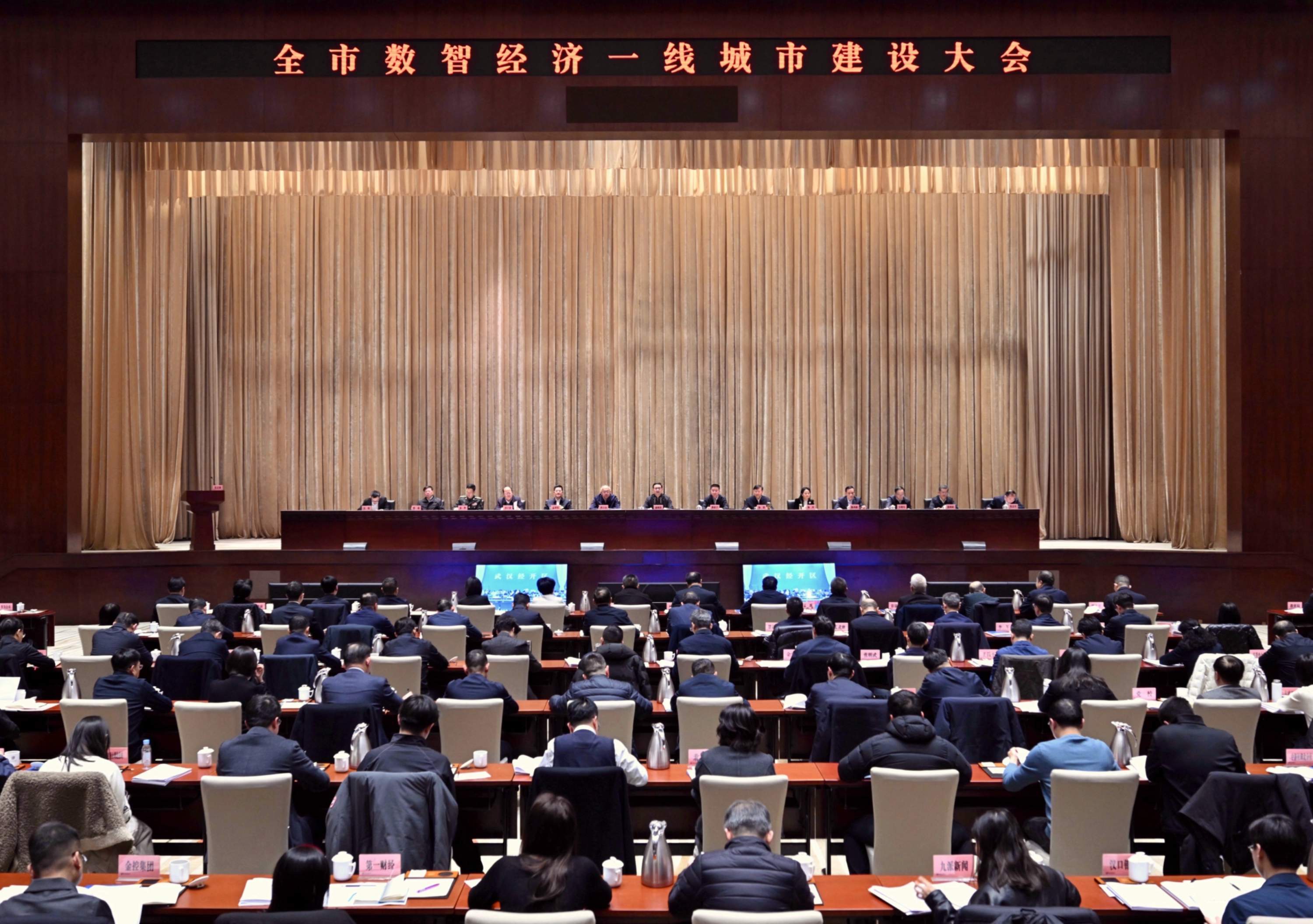
全市数智经济一线城市建设大会举行:牢记嘱托,抢抓机遇,以数智经济为重要抓手推动经济高质量发展
Chang Jiang Ri Bao· 2026-02-04 01:03
Core Insights - The city aims to become a leading smart economy city in China, leveraging the new round of technological revolution and industrial transformation to drive high-quality economic development [1][4][7] Group 1: Strategic Goals - The focus is on establishing Wuhan as a national hub for smart technology, industry aggregation, and application innovation, with an emphasis on data collection, application scenarios, and intelligent entity cultivation [4][5] - The city plans to implement eight major projects to promote the industrialization of smart technology and the digitization of industries, including enhancing infrastructure and optimizing the industrial ecosystem [5][6] Group 2: Action Plans - A "data element ×" initiative will be launched to enhance public data collection and utilization, aiming to unlock the value of data resources [5] - The city will promote the "Artificial Intelligence +" initiative to expand application scenarios across various sectors, ensuring that smart technologies serve economic development and social governance [5][6] Group 3: Leadership and Coordination - A comprehensive leadership and coordination mechanism will be established to strengthen the management of key industrial chains and ensure effective collaboration among various stakeholders [6][7] - The implementation of a "nine ones" work system will create a closed-loop management approach, focusing on industry mapping, innovation systems, and policy frameworks [6]
奋力谱写高水平开放高质量发展新篇章
Xin Lang Cai Jing· 2026-02-03 19:47
同时,该区还将奋力推进全面深化改革迈上新台阶,坚持做强做优做大区属国企,深入推进"五帮"专项 行动,激发民营主体活力,着力打造市场化法治化国际化营商环境;奋力推进新质生产力发展迈上新台 阶,大力发展数智经济,强化科技创新驱动,推动科技成果高效转化,支持建强各类创新平台,加快实 施人才引育计划,为发展注入强劲动力;奋力推进功能服务迈上新台阶,构建功能完备、保障有力的生 产配套支撑体系,着力打造宜居宜业的发展环境;奋力推进安全稳定迈上新台阶,坚定不移贯彻总体国 家安全观,切实维护国家安全、生态安全、生产安全、社会安全,构建立体化安全防护网络。 (贵阳日报融媒体记者 梁婧) (《奋力谱写高水平开放高质量发展新篇章》由贵阳日报为您提供,转载请注明来源,未经书面授权许 可,不得转载或镜像。) "十四五"以来,贵阳综保区坚定不移推进开放主责主业,深化"五个开放",推进"五优"改革,进出口额 率先在全省突破百亿元;坚定不移推进产业集群集聚,保税与工业并举、与创新并重,新引进产业项目 127个,规模以上工业企业数较"十三五"时期大幅倍增,招引一批链主企业集聚发展;坚定不移推进通 道互联互畅,建成全国首个综保型国际陆港,打通" ...
武汉打造全国数智经济一线城市
第一财经· 2026-02-03 13:23
Core Viewpoint - The article discusses the transformative impact of artificial intelligence (AI) on research paradigms, industrial forms, economic development methods, and urban competitiveness, highlighting Wuhan's strategic plan for developing its digital economy through AI initiatives [2]. Group 1: Wuhan's Action Plan - Wuhan aims to achieve an AI industry scale exceeding 200 billion yuan within three years, with a target of producing over 15,000 petaflops of computing power and a cumulative data transaction volume reaching 3 billion yuan [3]. - The "Action Plan" emphasizes the importance of foundational "root technologies" in the digital economy, which is characterized by data as a key element and intelligent technology as a core engine [3]. Group 2: Technological Innovation and Infrastructure - The city plans to establish a comprehensive technology innovation system focusing on "technical breakthroughs, innovation platforms, and results transformation," with over 30 R&D projects aimed at key technologies like AI chips [4]. - Wuhan will implement four major actions to deepen the integration of scientific innovation and industry, including breakthroughs in core technologies, AI empowerment in science, cross-industry integration, and optimizing the innovation ecosystem [4]. Group 3: Economic Growth Projections - By 2025, Wuhan's core digital economy industries are projected to reach 1.1 trillion yuan, with 3,678 enterprises in the sector, primarily in electronic information manufacturing and software industries, which together account for over 80% of the total [5]. - The city aims to maintain double-digit growth in its digital economy by 2026, focusing on key industries such as sensors, optical communication, and integrated computing [5]. Group 4: Data and Computing Power - Wuhan plans to establish a diverse computing power supply system, targeting 7,500 petaflops of computing power by 2026, with low latency for data processing [6]. - The city is also exploring the creation of a public service platform for AI and data, focusing on various sectors such as intelligent manufacturing and smart terminals [6]. Group 5: Strategic Recommendations - Experts suggest that Wuhan should leverage AICT (Artificial Intelligence, Communication Technology) for urban development, focusing on foundational technology innovation and avoiding competition in generic large models [8]. - Recommendations include enhancing urban data infrastructure and creating a collaborative AI infrastructure with neighboring cities to build a central data hub [9]. - The article emphasizes the need to cultivate interdisciplinary talent in AI, driven by application scenarios [10].