
文化数字化

Search documents
当《清明上河图》上的舟船开始摇橹
Xin Lang Cai Jing· 2026-01-02 17:26
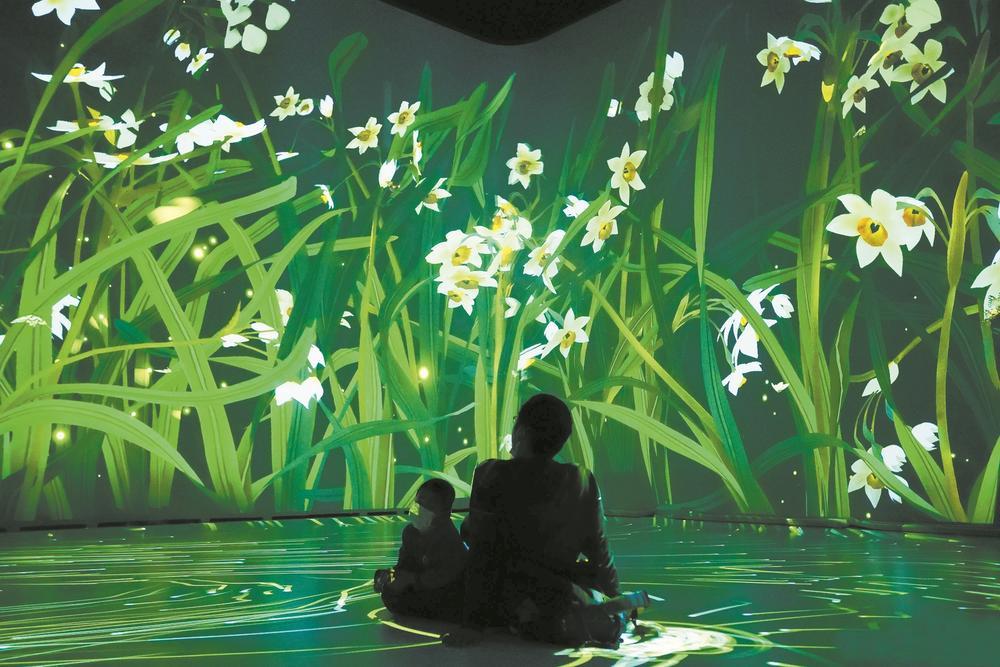
Core Viewpoint - The exhibition "盛世修典——'中国历代绘画大系'成果展之元画专题展" showcases the achievements of the "Chinese Historical Painting Series" over the past 20 years, highlighting the works of the "Four Masters of the Yuan Dynasty" [1] Group 1: Exhibition Overview - The exhibition is held at the Zhejiang University Museum of Art and Archaeology, featuring masterpieces from Huang Gongwang, Wang Meng, Wu Zhen, and Ni Zan [1] - The "Chinese Historical Painting Series" is a significant national cultural project that has compiled ancient Chinese paintings scattered worldwide into the largest collection of ancient Chinese painting images to date [1] Group 2: Digital Technology in Art - Digital technology is revitalizing ancient paintings, allowing them to be presented in more dynamic forms, thus enhancing public engagement with cultural heritage [2] - The project utilizes 3D modeling and printing technology to create movable replicas of cultural artifacts, such as the Yungang Grottoes, making them accessible to a wider audience [2] Group 3: Interpretation and Experience - Digital technology helps interpret the traditional meanings of ancient paintings, revealing the rich philosophical and aesthetic concepts embedded within them [3] - Interactive experiences, such as the "Light and Shadow Danqing" immersive project, allow audiences to engage with the artwork in innovative ways, merging culture with technology [3] - The integration of digital technology in cultural heritage is seen as a pathway for the development of cultural tourism and the revitalization of traditional Chinese culture [3]

山东数文集团实现省级重点科研平台全覆盖
Qi Lu Wan Bao· 2026-01-01 16:25
Core Insights - Shandong Digital Culture Group has successfully established the "Cultural Tourism Integration and Application Innovation Key Laboratory" as part of the 2025 annual key laboratory list by the Shandong Provincial Department of Culture and Tourism, focusing on technological innovation in the cultural and tourism sectors [1] Group 1: Laboratory and Research Initiatives - The newly approved laboratory aims to leverage Shandong's rich cultural tourism resources and the group's technological advantages in areas such as large model development, digital replication, and intelligent interaction [1] - The laboratory will focus on four core research directions: construction of large models and AI agents for the cultural tourism industry; decoding cultural genes and building high-quality datasets; panoramic digitalization of scenic spots based on 3DGS technology; and empowering local cultural tourism development through rural culture [1] Group 2: Cultural Gene Decoding and Model Development - The group is accelerating the implementation of the cultural gene decoding and utilization project, which has been recognized by the National Internet Information Office and included in the 2025 provincial government work report [2] - The project has achieved five-star certification from the China Academy of Information and Communications Technology and is part of the major scientific innovation projects in Shandong Province [2] - Collaborative efforts have led to the development of various cultural models, including the Confucius Digital Model and the Shandong Literature Model, in partnership with several cultural institutions [2] Group 3: Digital Platforms and Applications - The group has launched several digital platforms, including the "Star" intelligent agent development platform and the "Hao Yu" cultural tourism digital platform, to facilitate the creative transformation and innovative development of Qilu culture [3] - Over 60 national patents have been applied for, and more than 140 software copyrights have been obtained, showcasing the group's commitment to digital technology [3] - The group and its subsidiaries have received numerous accolades, including recognition as a national high-tech enterprise and inclusion in various prestigious brand rankings [3]
文旅产业破“圈”出彩
Shan Xi Ri Bao· 2025-12-26 00:43
Group 1: Cultural and Tourism Development in Shaanxi - Shaanxi has seen a vibrant growth in cultural tourism since the "14th Five-Year Plan," with rural tourism flourishing and intangible cultural heritage revitalizing through modern trends [1] - The province is focusing on product innovation, scene renewal, and new activities to stimulate the cultural tourism market, enhancing the immersive experience for visitors [1] Group 2: Concert Economy Impact - The concert economy has thrived in Xi'an, with 51 concerts held this year, attracting over 930,000 attendees, a year-on-year increase of 57.93% [2] - Approximately 60% of concertgoers are from outside the province, with average spending exceeding 2,000 yuan per overnight visitor, significantly boosting local hospitality, dining, and transportation sectors [2] Group 3: Economic Growth in Baoji - Baoji's concert market has experienced over 100% annual growth in direct revenue since 2023, with four major events projected to generate 72.63 million yuan in 2025, a 174.07% increase [3] - The integration of concert tickets with local tourism services has created a "ticket economy," enhancing visitor retention [3] Group 4: Innovative Cultural Experiences - Digital and immersive experiences, such as the XR project at the Qin Shi Huang Mausoleum, are reshaping visitor experiences and driving quality upgrades in cultural tourism consumption [4] - The province is leveraging technology to create new cultural consumption spaces and experiences, aligning with national digital cultural strategies [5] Group 5: Rural Cultural Tourism Integration - The "Village Light Road" initiative in Ning'an County has attracted over 158,000 visitors and generated 771 million yuan in tourism revenue, marking a 39.05% and 51.9% increase respectively [6] - This initiative combines cultural performances with tourism promotion and agricultural product exhibitions, showcasing a successful model of cultural and tourism integration [6] Group 6: Cultural and Creative Industry Growth - The demand for cultural and creative products has surged, with over 5,800 cultural enterprises in Shaanxi, ranking among the top in the country [8][9] - The cultural creative industry is projected to generate 18.55 billion yuan in revenue in 2024, reflecting a 6% year-on-year growth, contributing significantly to the province's cultural tourism market [9]
人民网联合多家文化龙头企业发布文化出海大模型普惠倡议
Ren Min Wang· 2025-12-25 13:16
Core Viewpoint - The "Cultural Export Large Model Inclusive Initiative" was officially launched to support China's cultural digitalization strategy and promote high-quality cultural exports of Chinese culture [1][2] Group 1: Initiative Overview - The initiative aims to create an intelligent and inclusive public service platform for cultural exports, inviting collaboration from various partners including China News Publishing Media Group and others [1] - It focuses on cultural technology enterprises in fields such as online literature, online games, and online audio-visual content [1] Group 2: Technological Integration - The initiative will leverage artificial intelligence technology to integrate high-quality industry resources and provide systematic support for cultural creation, overseas distribution, and operation [1] - It aims to lower technical barriers, enhance content adaptability, and improve dissemination accuracy for various institutions and platforms involved in cultural export [1] Group 3: Strategic Importance - The initiative emphasizes that cultural export is a systematic project requiring broad social forces and industry wisdom [1] - It is a concrete measure to implement the national cultural digitalization strategy and an attempt to promote the creative transformation and innovative development of Chinese culture [1]

数字技术,助古画“焕新、达意、致远”(新语)
Ren Min Ri Bao· 2025-12-23 22:31
Group 1 - The core idea of the articles is that digital technology, particularly AI, is revitalizing ancient Chinese paintings, allowing them to be experienced in immersive and interactive ways, thus bridging the gap between traditional art and modern expression [1][2]. - Digital technology is reshaping ancient paintings by transforming them from static exhibits into dynamic, cross-temporal experiences, exemplified by projects like the "Chinese Historical Painting Series" and movable replicas of the Yungang Grottoes [1]. - The integration of digital tools enables a deeper understanding of traditional painting aesthetics, revealing the philosophical and aesthetic concepts embedded within the artworks, such as the harmony between nature and humanity [2]. Group 2 - Digital technology is creating interactive cultural spaces that allow audiences to engage with ancient art in new ways, such as through immersive experiences like "Light and Shadow Danqing," which invites viewers to step into the artwork [2]. - The future of cultural digitalization is seen as a blend of technological innovation and scene expansion, aimed at meeting contemporary needs and enhancing the spiritual lives of the people, thereby opening new avenues for cultural development [2].
广电5G+文化数字化+国企改革概念联动3连板!广西广电9:42再度涨停,背后逻辑揭晓
Sou Hu Cai Jing· 2025-12-15 01:55
Group 1 - Guangxi Broadcasting has achieved a three-day consecutive limit-up, indicating strong market interest and performance [1] - The stock reached a trading halt at 9:42 AM with a transaction volume of 479 million yuan and a turnover rate of 6.56% [1] - Market attention is driven by the progress in 5G network construction, policies promoting cultural digitalization, and rising expectations for local state-owned enterprise reforms [1]

守护千年文脉 激活经济动能 西安打造“文化+”高质量发展新范式
Zhong Guo Jing Ji Wang· 2025-12-08 03:10
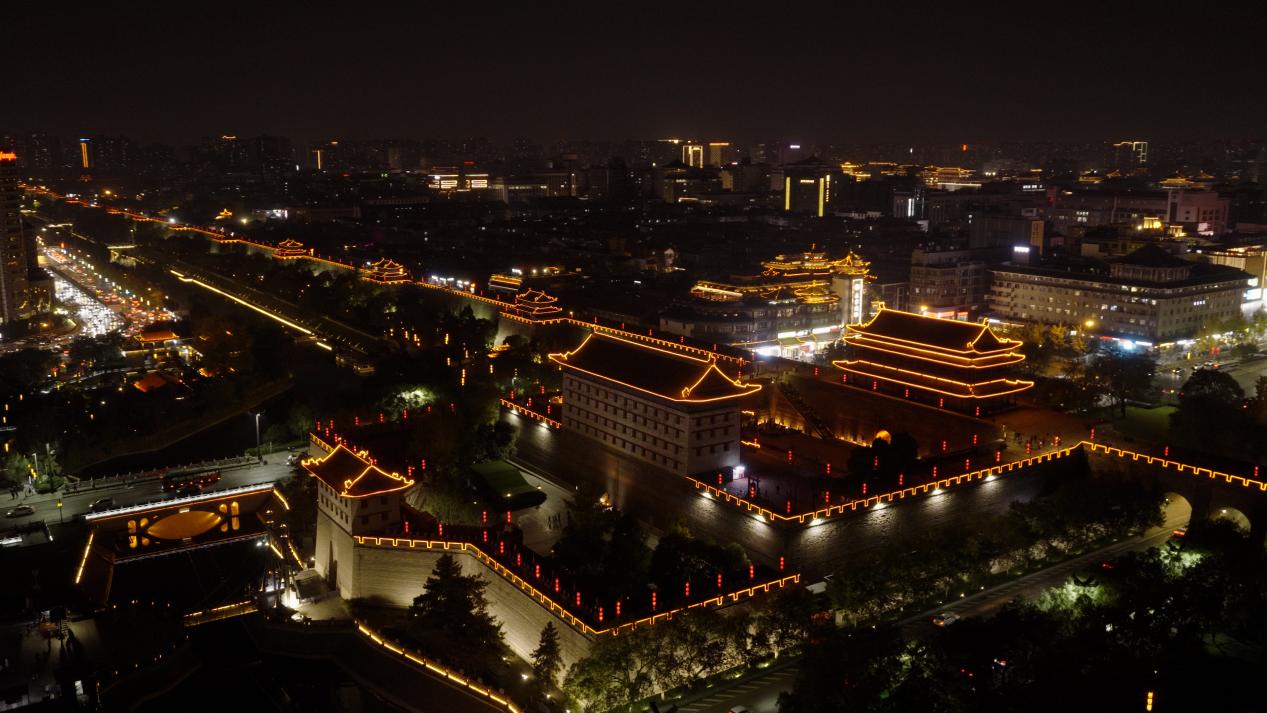
Core Perspective - Xi'an is undergoing an economic transformation driven by a "cultural revitalization" strategy, creating a virtuous cycle of "cultural preservation - industrial upgrading - consumption expansion" that rejuvenates cultural heritage and fuels economic growth [1] Group 1: Cultural Heritage Preservation - Xi'an City Wall has established a system for "cultural relic monitoring + environmental improvement + active utilization," utilizing AR and 3D printing technologies to enhance visitor engagement and cultural memory [1][3] - The "living protection" concept allows cultural heritage to transition from museums to everyday life, making it interactive and perceptible [4] Group 2: Cultural Innovation and Digitalization - The collaboration between Northwest University and the Qin Terracotta Army Museum on the "AI Virtual Restoration Project" significantly enhances traditional restoration efficiency [3] - Xi'an is focusing on creating a "Tang Poetry Capital" cultural brand, with plans to implement 26 specific tasks to showcase its historical significance [6] Group 3: Cultural and Commercial Integration - The "Daming Palace Night City" integrates dining, performances, and trendy experiences, attracting daily foot traffic of hundreds of thousands and showcasing Tang culture [11] - The "Chang'an Twelve Hours" themed street has received over 7 million visitors since its opening, demonstrating the successful integration of cultural IP and immersive experiences [11][13] Group 4: Night Economy and Consumer Engagement - Xi'an has hosted 51 concerts this year, attracting over 932,000 attendees, highlighting the role of events in driving consumer spending [13] - The city has successfully launched multiple night consumption seasons, establishing popular night-time landmarks and enhancing the overall cultural experience for residents and tourists [13][14]
7家单位现场签约,携手共建助力山东文学大模型建设
Qi Lu Wan Bao· 2025-12-03 09:04
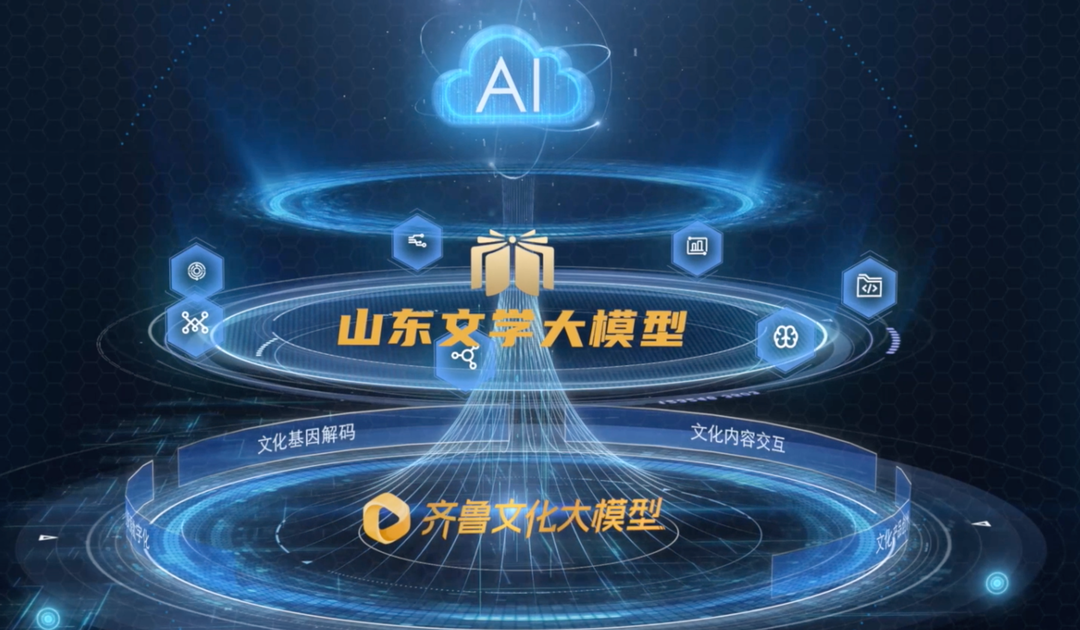
Group 1 - The first "Qing Weila" literary creation competition award ceremony and the public beta launch of the Shandong Literary Model took place in Jinan, Shandong, marking a significant step in the development of digital cultural infrastructure in the province [1] - The Shandong Literary Model is developed by Shandong Digital Culture Group and Shandong Writers Association, integrating a vast array of literary data including classics, images, and audio-visual materials, and aims to contribute to the modernization of cultural strength in Shandong [1][2] - The model utilizes a robust technical foundation from the Qilu Cultural Model and is designed to facilitate the digital transformation and intelligent evolution of Shandong literature, creating an immersive literary experience for users [2] Group 2 - The Shandong Literary Model features various innovative components such as a virtual map for literary landmarks, an AI interactive digital persona, and a VR literary museum that replicates the Shandong Literary Museum [2] - Since its establishment on April 1, 2025, Shandong Digital Culture Group has been actively building new cultural infrastructure, leveraging high-performance GPU clusters and self-developed content risk control platforms to support its initiatives [2] - The Shandong Literary Model is a significant achievement in the field of cultural digitization, with plans for continuous enhancement of its functionalities and database to promote the inheritance and development of Qilu culture in the digital age [2]
国内文学领域首个!山东文学大模型正式上线公测
Qi Lu Wan Bao· 2025-12-03 08:36
Core Insights - The first "Qing Weilai" literary creation competition award ceremony and the public beta launch of the Shandong Literary Model took place in Jinan, marking a significant step in integrating literature with technology in Shandong [1] - The Shandong Literary Model, developed by Shandong Digital Culture Group and Shandong Writers Association, is the first large model in the domestic literary field, aimed at enhancing the practice and application of literature [1][2] Group 1 - The event featured prominent figures including Zhang Wei, Vice Chairman of the Chinese Writers Association, and other notable literary and cultural leaders who jointly launched the public beta of the Shandong Literary Model [1][2] - A signing ceremony for co-construction units was held, with partnerships established between Shandong Writers Association, Shandong Digital Culture Group, and various academic institutions to explore practical applications of the model [1][2] Group 2 - The Shandong Literary Model is built on a robust technological foundation, utilizing a rich database of Shandong culture as its core training material, which includes a vast collection of literary works and historical documents [2][4] - Features of the model include a virtual literary museum, an interactive AI character, and a creative space for users to upload their literary works, all aimed at promoting the digital transformation and intelligent evolution of Shandong literature [4] - Since its establishment in April 2025, Shandong Digital Culture Group has been actively building cultural infrastructure, with the Shandong Literary Model being a significant achievement in the digitalization of culture [4]
山东数文集团六大数智产品闪耀信博会
Qi Lu Wan Bao· 2025-11-27 03:22
Core Insights - The 17th China (Jinan) International Information Technology Expo and "Artificial Intelligence +" Innovation Application Summit was held in Jinan, showcasing its significance as a major international event in the information technology sector since 2002 [1] Group 1: Event Overview - The expo is the only international regional information technology exhibition co-hosted by the United Nations Economic and Social Commission for Asia and the Pacific and China, recognized for its high standards and international influence [1] - A total of 5 "Shandong Province Outstanding Leading Industry Models," 10 "Shandong Province Excellent Innovative Industry Models," and 15 "Shandong Province Cultivating Growth Industry Models" were released during the summit [1] Group 2: Key Product Highlights - The Qilu Cultural Model, developed by Shandong Digital Culture Group, was awarded the "Shandong Province Excellent Innovative Industry Model" [1] - Six products were showcased, including the Qilu Cultural Model, Confucius Intelligent Model, Shandong Cultural Data Annotation Platform, "Memory Yiyuan" Intelligent Entity, "Wenqu" Digital Creative Interactive Platform, and "Haoyu" Cultural Tourism Digitalization Platform [1] Group 3: Technological Advancements - The Qilu Cultural Model is based on advanced large model algorithm technology, utilizing a self-built Shandong cultural database for training and a self-developed multi-modal content risk control platform for safety [2] - Since its launch in November 2024, the model has received multiple recognitions, including the National Cyberspace Administration's algorithm filing and generative AI service filing, and has been included in the 2025 Shandong Provincial Government Work Report [2] - The model has achieved a level 5 certification from the China Academy of Information and Communications Technology and holds 21 national invention patents [2] Group 4: Company Role and Strategy - Shandong Digital Culture Group plays a crucial role in implementing national cultural digitalization strategies and is a core operator in the cultural industry, focusing on data integration, technology research and development, and diverse service applications [2] - The company emphasizes the importance of technology-driven leadership, leveraging various laboratories to develop key products and platforms, including the "Yidian Tianyuan" Metaverse Activity Platform and "Yidian Tianji" Media Large Model [3]