国家文化数字化战略

Search documents
飞扬集团签约中国邮政学习强国新时代主题邮局,「山河宇宙计划」解锁国家文化战略新玩法
Jin Tou Wang· 2026-01-20 03:34
Core Viewpoint - The collaboration between Feiyang Group and the "Learning Power New Era Theme Post Office" represents a significant intersection of traditional postal services and modern cultural innovation, aiming to enhance the dissemination of Chinese culture through a new platform that integrates postal services, cultural tourism, and digital engagement [2][4]. Group 1: Strategic Collaboration - The partnership is a resource complementarity between two representative enterprises in the postal and cultural tourism sectors, aligning with national cultural strategies and market innovation [2]. - The "Learning Power New Era Theme Post Office" serves as a cultural dissemination window, leveraging unique cultural carriers like stamps and postmarks to enhance public trust and engagement [4]. Group 2: Feiyang Group's Role - Feiyang Group, as the first Hong Kong-listed tourism company in mainland China, has established a comprehensive industry chain in the cultural tourism sector, with an annual GMV exceeding 5 billion yuan and serving over 20 million people [3]. - The group has committed 100 million yuan to support the "Mountain River Universe Plan," with its core platform, Feiyou Travel Card, responsible for the operational aspects [3]. Group 3: Cultural Innovation and Market Potential - The collaboration aims to create a new cultural dissemination medium by combining "rights-based cultural cards" with postal services, targeting young audiences and international outreach [6]. - The Chinese card market is projected to exceed 35 billion yuan by 2026, with significant growth potential as current per capita spending is substantially lower than in developed countries [10]. - The "Mountain River Universe Plan" has already seen success with its first card series, achieving over 50 million yuan in subscriptions and demonstrating market acceptance of the "culture + rights + trendy play" model [10]. Group 4: Future Outlook - The strategic signing is viewed as a crucial step for the long-term development of the "Mountain River Universe Plan," with plans for continued collaboration to build a sustainable cultural dissemination ecosystem [12]. - Future product expansions will include diverse themes and formats, aiming to create a multi-dimensional cultural consumption system that integrates collection, experience, and dissemination [13]. - The initiative emphasizes an open mechanism for public participation, aiming to revitalize traditional Chinese culture through intergenerational transmission and continuous innovation [14].
学习规划建议每日问答丨实施公共文化服务提质增效行动需要把握哪些重点
Xin Hua She· 2026-01-10 05:16
Core Viewpoint - The article emphasizes the importance of enhancing public cultural services to better meet the cultural needs of the people and to promote a prosperous cultural sector in the context of the new five-year plan proposed by the Central Committee of the Communist Party of China [1] Group 1: Current State of Public Cultural Services - Since the 18th National Congress, various regions and departments have increased investment in public culture, improved cultural infrastructure, and implemented cultural benefit projects, achieving significant results [1] - Despite these efforts, there remains a considerable gap between the current public cultural services and the goals of building a socialist cultural power, as well as the growing cultural needs of the people [1] - Issues such as uneven resource allocation between urban and rural areas, lack of targeted supply of products and services, low facility utilization rates, and underutilization of digital potential highlight the need for quality and efficiency improvements in public cultural services [1] Group 2: Key Actions for Improvement - The first focus is on improving the grassroots public cultural service network by implementing national basic public service standards and enhancing both hardware and software at the grassroots level [2] - The second focus is on expanding the supply of high-quality public cultural services, including the transformation of public libraries and museums, and the promotion of inclusive cultural activities [2] - The third focus is on promoting the digital development of public cultural services through the application of new technologies such as AI and big data, and the establishment of online platforms for cultural resources [3] - The fourth focus is on innovating the operational mechanisms of public cultural services, encouraging interactive and demand-driven service models, and enhancing the participation of social forces in public cultural services [3]
学习规划建议每日问答丨为什么要提升信息化条件下文化领域治理能力
Xin Hua She· 2026-01-08 07:24
Group 1 - The core viewpoint emphasizes the necessity of enhancing governance capabilities in the cultural sector under information technology conditions, which is crucial for modernizing the national governance system and capabilities [2][3][4] - The rapid development of information technologies such as big data, blockchain, and artificial intelligence significantly impacts cultural governance, altering media forms, public opinion ecology, and cultural industry dynamics, while also presenting challenges like a complex governance landscape and digital divide [2][3] - Strengthening governance capabilities in the cultural sector is essential for solidifying the Party's ruling foundation and public support, especially in the face of evolving social structures and complex public opinion environments influenced by rapid technological advancements [3][4] Group 2 - Enhancing governance capabilities in the cultural sector is a necessary requirement for the prosperity and development of socialist culture, as it involves innovation and adaptation to the digital age, where technology and culture are increasingly intertwined [4] - The digital transformation in cultural production and consumption is creating new opportunities and challenges, necessitating a focus on cultural innovation and the protection of intellectual property rights [4]
提升信息化条件下文化领域治理能力(专题深思)
Ren Min Ri Bao· 2025-12-14 22:30
Group 1 - The governance of the cultural sector is a crucial part of national governance and is essential for building a culturally strong nation [1] - The rapid development of new information technologies such as the internet, big data, cloud computing, artificial intelligence, and blockchain has significantly impacted human production and life, leading to the rise of the digital economy and society [2] - The platform economy is emerging as a trend, breaking the spatial limitations of cultural dissemination and expanding governance from offline to online [3] Group 2 - The integration of digital technology with cultural governance is vital for innovating governance approaches and enhancing cultural competitiveness [4] - Cultural security is a key component of national security, necessitating the establishment of mechanisms to prevent cultural security risks and protect cultural rights [5] - High-level cultural talent is essential for improving governance capabilities in the cultural sector, requiring targeted talent cultivation and international cooperation [5]
毕马威发布“文创科技50”榜单 科技创新推动文创产业迸发新机
Zheng Quan Ri Bao Wang· 2025-12-03 12:49
Core Insights - The "Cultural and Creative Technology 50" awards by KPMG aim to promote sustainable development in the cultural and creative industries, highlighting the integration of technology and culture in China's modernization efforts [1][2] - The awards recognize companies in the cultural, tourism, and sports sectors that demonstrate innovation and potential for growth, serving as a reference for industry trends and applications [1][2] Group 1: Event Overview - The awards ceremony took place in Sichuan Guanghan on December 1-2, showcasing the first batch of recognized companies [1] - KPMG's initiative is a public project that has been in development for over a year, covering potential tech enterprises across China in the cultural, tourism, and sports sectors [1] Group 2: Economic Impact - In major cities like Beijing, Shanghai, and Chengdu, the cultural industry's GDP contribution exceeds 10%, marking it as a key driver for high-quality local economic development [2] - The event not only provides a platform for showcasing innovative capabilities but also fosters collaboration among various stakeholders in the cultural technology sector [2] Group 3: Future Prospects - The integration of digital technologies in cultural dissemination, tourism services, and sports operations indicates significant growth potential in the cultural technology sector [2] - KPMG plans to continue supporting the recognized companies with strategic advice and will facilitate connections between enterprises, experts, and capital to enhance brand value and industry influence [2]
大众报业集团党委书记、董事长、社长毕司东:开辟新赛道 培育增长极——大众报业集团组建山东数字文化集团的架构与思考
Sou Hu Cai Jing· 2025-11-25 05:52
Core Insights - The establishment of Shandong Digital Culture Group is a significant step in the transformation of mainstream media, aligning with the national cultural digitalization strategy and aiming to enhance the cultural industry in Shandong province [1][2][3] - The digital culture industry is seen as a crucial area for the transformation and development of mainstream media, which is expected to drive high-quality growth in China's cultural sector [2][6] - The group's mission includes becoming a leading enterprise in the digital culture sector, developing key projects, and playing a pivotal role in the cultural digitalization strategy [8][10] Group 1: Strategic Objectives - The Shandong Digital Culture Group aims to be a core entity in the new cultural infrastructure of Shandong, focusing on the integration of technology, culture, and media [1][4] - The group is tasked with implementing the national cultural digitalization strategy and contributing to the cultural strong province initiative, with a goal to enhance the province's competitiveness in the digital culture field [8][10] - The group will focus on three main roles: developing leading enterprises, creating key projects, and exerting leadership in the digital culture industry [10][12] Group 2: Development Pathways - The group will adopt a four-pronged development strategy focusing on innovation in business models, technology application, government project integration, and market expansion [12][13] - Key tasks include expanding the cultural industry layout, enhancing cultural infrastructure, developing competitive products, and exploring new profit models [17][18] - The group will leverage government projects to strengthen its foundation and actively engage in market development to create value [15][16] Group 3: Innovation and Collaboration - The group emphasizes the importance of innovation in technology and business models to stay competitive in the rapidly evolving digital landscape [5][14] - Collaboration with various stakeholders, including government entities and private enterprises, is essential for resource sharing and project co-development [18][21] - The group aims to build a strong team capable of driving innovation and adapting to the demands of the digital culture era [19][20]

数字赋能海洋文化创意产业发展机理与策略研究
Jin Rong Shi Bao· 2025-10-27 00:32
Core Insights - The rise of the digital marine cultural and creative industry is positioned at the intersection of a new technological revolution and the revival of Chinese marine culture, serving as both a new carrier for promoting marine civilization and a new engine for driving high-quality development of the marine economy [1][11]. Group 1: Policy and Strategic Framework - The Chinese government emphasizes the need for high-quality development of the marine economy and the integration of cultural and tourism industries, as highlighted by President Xi Jinping's directives [2]. - The implementation of a national cultural digitalization strategy has been elevated to a national strategic level, promoting the digital transformation of the cultural industry [3]. - Fujian Province has taken the lead in promoting marine cultural creative industries through specific regulations and initiatives [3][4]. Group 2: Cultural Resources and Heritage - China possesses rich marine cultural resources, including over 18,000 kilometers of coastline and various unique cultural heritages such as the Maritime Silk Road culture and Mazu culture [4]. - Effective exploration has been conducted in the protection, inheritance, and innovative development of marine cultural resources, including various cultural festivals and international exchange activities [5]. Group 3: Digital Empowerment Mechanisms - Digital technology enhances productivity in the marine cultural creative industry by transforming static resources into dynamic experiences [6][7]. - The integration of digital technology expands the dissemination capabilities of marine cultural products, breaking geographical barriers and improving efficiency [8][9]. - New consumption patterns are emerging through digital technology, allowing for personalized and immersive experiences in marine cultural consumption [10]. Group 4: Development Strategies - A multi-level policy support system is essential for optimizing the development ecosystem of the cultural creative industry, including financial support and the establishment of industry clusters [11][12]. - Emphasis on technological innovation is crucial for creating popular digital marine cultural products, encouraging collaboration between enterprises and research institutions [13]. - The integration of marine culture, technology, and tourism is necessary to innovate consumption scenarios and enhance market growth [14]. Group 5: Talent Development and Intellectual Property - Building a talent supply system that aligns with industry needs is vital, focusing on interdisciplinary education and attracting high-end creative talents [15]. - Strengthening intellectual property protection is essential to prevent the misuse and distortion of marine cultural resources, ensuring a healthy development environment for the industry [16].
国家文化大数据华中区域中心“鄂文创”平台焕新启航 助力湖北文化数字经济发展
Zheng Quan Shi Bao Wang· 2025-09-27 04:04
Core Insights - Huazhong Cultural Big Data Company announced a comprehensive upgrade of the "Ewen Chuang" platform on September 28, 2025, aiming to transform cultural resources into digital assets and promote the development of the digital economy in Hubei province [1][2] Group 1: Company Overview - Huazhong Cultural Big Data Company was established in 2022 with investments from Hubei Broadcasting, Wuhan Optics Valley Cultural Media, and Beijing Jiuyang Technology, and is a participant in the national cultural big data system standards [1] - The company is a state-owned enterprise actively responding to the national strategy for cultural digitization, focusing on the operation and maintenance of the Central China regional center for national cultural big data [1] Group 2: Platform Features and Services - The upgraded "Ewen Chuang" platform integrates blockchain, big data, and artificial intelligence technologies to create a digital ecosystem that includes cultural IP rights confirmation, digital asset issuance, and industry operation [2] - The platform offers three core cultural services: digital regeneration of cultural relics, support for intangible cultural heritage (ICH) transmission, and a cultural tourism integration model to reach younger audiences [2] Group 3: Partnerships and Future Plans - As of now, "Ewen Chuang" has signed over 1,000 IP authorization agreements with various museums and is advancing partnerships with cultural institutions in Hubei province [3] - The platform aims to build a digital collection ecosystem matrix covering cultural relics, ICH, and cultural tourism, enhancing user interaction and cultural perception while injecting new momentum into the digital economy in Central China [3]

持续壮大数字文化产业
Jing Ji Ri Bao· 2025-09-18 22:00
Group 1 - The core viewpoint is that various provinces in China are implementing specific measures to promote the high-quality development of the digital cultural industry, which has become an important component of economic growth in many regions [1][2]. - The digital cultural industry is experiencing continuous expansion in scale, driven by the integration of digital technologies such as 5G and artificial intelligence, which are transforming the industry towards digitalization and intelligence [2][3]. - The Chinese government has established a solid institutional framework for the high-quality development of the digital cultural industry through various policies and guidelines issued since 2017 [2][3]. Group 2 - There are several challenges facing the digital cultural industry, including insufficient competitive advantages in new digital technologies, a shortage of specialized talent, and an incomplete industry chain with low added value [2][3]. - To address these challenges, it is essential to enhance the research and development of key common technologies in digital culture and to enrich the forms of digital cultural tools [3]. - The cultivation of a skilled workforce in the digital cultural sector is crucial, with a focus on training talent proficient in disruptive technologies and new productivity tools [3].
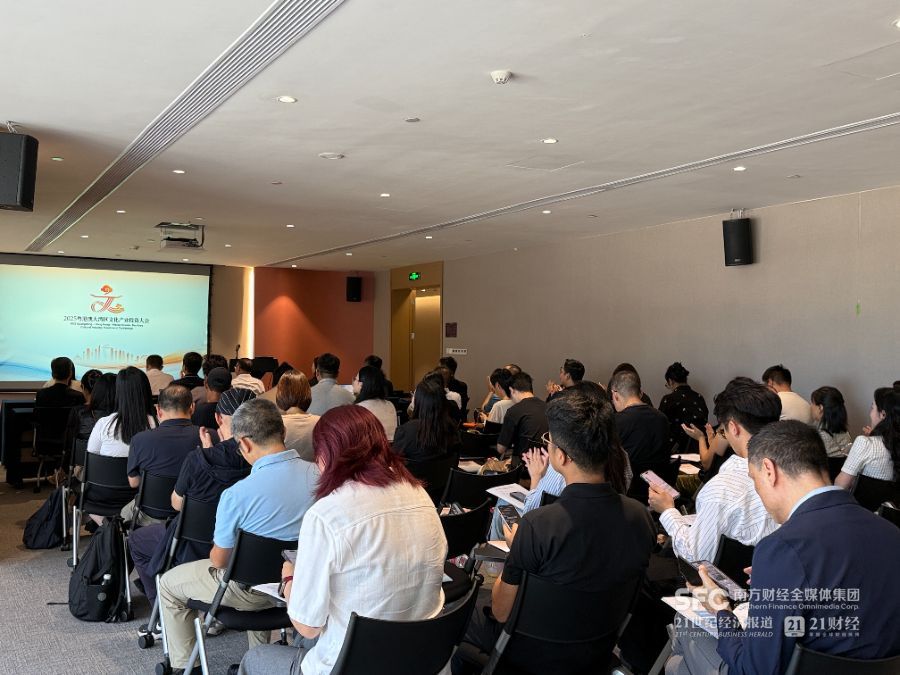
路演企业市场估值增23.6% 大湾区文投会成“超级合伙人”
2 1 Shi Ji Jing Ji Bao Dao· 2025-09-12 13:56
Core Insights - The Guangdong-Hong Kong-Macao Greater Bay Area Cultural Industry Investment Conference has announced a total investment fund of approximately 25 billion yuan over two years, with 2 billion yuan in intended investment signed in 2023 and 6.387 billion yuan in actual financing achieved so far in 2024 [1] - The average market valuation of companies participating in roadshows has increased by 23.6% [1] - The conference aims to connect cultural enterprises with investment institutions, promoting investment opportunities in the cultural sector [5] Investment Trends - The Greater Bay Area has created significant economic output, accounting for 1/9 of the national total with only 0.6% of the country's land area [2] - The cultural industry is evolving from traditional sectors to a "big cultural ecosystem" characterized by digital technology and cross-industry integration [2] - Investment in the cultural industry is seen as a shorter cycle compared to hard technology investments, making it easier to implement and capable of driving urban GDP growth [2] Conference Highlights - The 2025 Greater Bay Area Cultural Industry Investment Conference is scheduled for November 26-28 in Guangzhou, featuring a "3+365" model for year-round investment services [7] - The conference will include a main forum, eight specialized roadshows, and various supporting activities to showcase new products and technologies [7] - The event aims to facilitate the integration of culture, technology, and finance, promoting innovative cultural projects such as AIGC, digital humans, and the metaverse [7] Networking and Collaboration - The conference has attracted over 60 participating companies and investment institutions, including notable firms like CICC Capital and Zhuhai Development Investment Fund [1] - It serves as a platform for precise investment matching, showcasing cultural technology applications, and promoting brand visibility for cultural enterprises [5] - The event is designed to enhance collaboration between industrial parks, capital, and enterprises, fostering a robust cultural industry ecosystem [6]