
文明对话

Search documents
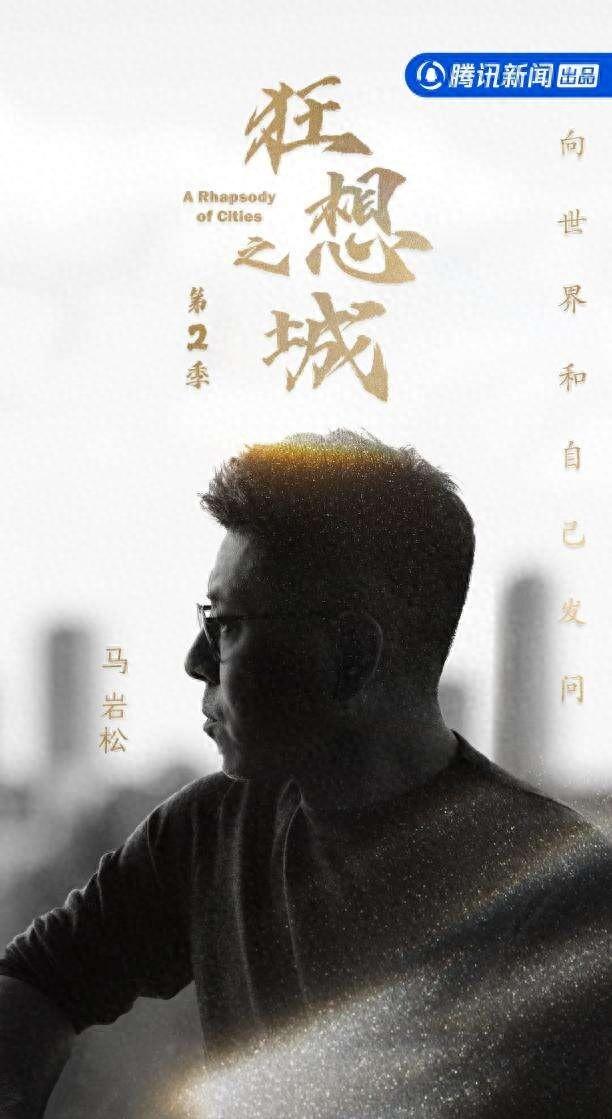
跟着马岩松漫步《狂想之城2》 以建筑为起点展开文明对话
Xin Lang Cai Jing· 2025-12-24 11:38
Core Viewpoint - The documentary "City of Fantasies 2," produced by Tencent News, explores the balance between preserving cultural uniqueness and resonating with global influences through architecture and civilization dialogues in five world cultural cities [1]. Group 1: Cultural Exploration - The series features architect Ma Yansong visiting Rio de Janeiro, Copenhagen, Rome, and Shanghai, engaging in discussions about cultural identity and architectural imagination [3][6]. - In Rio, the vibrant atmosphere of the Samba Avenue and daily life on rooftops are highlighted, showcasing the city's cultural richness [3]. - The journey includes reflections on how new and old can coexist, as seen in Rome's skateboard park beneath the Colosseum and museums that blend historical and contemporary elements [9]. Group 2: Architectural Philosophy - Ma Yansong questions how freedom shapes beauty, using the non-linear structures of the Samba Avenue and the Niterói Contemporary Art Museum as examples of "curves as freedom" [6]. - The documentary emphasizes the importance of living harmoniously with the environment, as illustrated by the design of Copenhagen as a livable city [6]. - In Shanghai, the juxtaposition of traditional and modern architecture is explored, suggesting that true renewal involves integrating modern needs while preserving the spirit of the past [12].

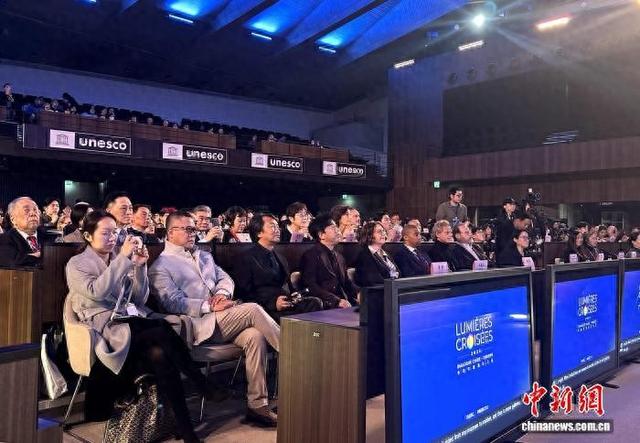
2025中欧年度演讲大会在联合国教科文组织总部举行
Xin Lang Cai Jing· 2025-12-22 03:54
Core Viewpoint - The 2025 China-Europe Annual Speech Conference was held in Paris, focusing on "civilizational dialogue and future foresight" to create a platform for cultural exchange between China and Europe [1][2]. Group 1: Event Overview - The conference took place at the UNESCO headquarters in Paris on December 19, 2025, organized by the European Times Cultural Media Group [1][3]. - The event aimed to gather thinkers and practitioners from key fields such as literature, education, technology, and social innovation to engage in discussions on cultural understanding and future collaboration [1]. Group 2: Key Participants and Contributions - Notable attendees included Yang Xinyu, China's permanent representative to UNESCO, and former UNESCO Director-General Audrey Azoulay, who emphasized the importance of dialogue for cooperation and peace [2]. - The president of the European Times Cultural Media Group, Zhong Cheng, highlighted the organization's evolution from a traditional media outlet to a cultural media group that spans multiple languages and media formats [2]. Group 3: Highlights of the Conference - The conference featured speeches from seven distinguished guests, including representatives from the British Museum and notable authors, who were awarded the "2025 China-Europe Friendship Influence Annual Ceremony" trophy for their contributions to cultural exchange [5]. - A roundtable discussion followed the speeches, focusing on themes such as multicultural coexistence, youth education, and the underlying logic of cultural understanding [5].
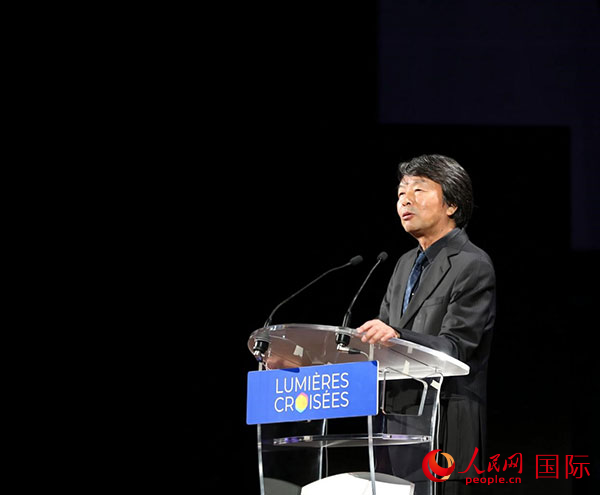
中欧年度演讲大会在联合国教科文组织总部举办
人民网-国际频道 原创稿· 2025-12-21 03:51
Group 1 - The conference, titled "Civilization Dialogue: Anticipating the Future," aims to create a platform for cultural exchange between China and Europe, focusing on key areas such as literature, education, technology, and social innovation [2][4] - Notable speakers at the event included French author Marc Levy, British Museum curator Jessica Harrison-Hall, and Chinese author Liu Zhenyun, among others, who delivered impactful speeches [4][3] - The event awarded the "2025 China-Europe Friendship: Influence Annual Ceremony" trophy to speakers in recognition of their contributions to promoting China-Europe exchanges and cultural understanding [4][5] Group 2 - A roundtable discussion followed the speeches, where the speakers engaged in high-density exchanges on topics such as multicultural coexistence, youth education, and the underlying logic of cultural understanding [7]
东西问|吴志良:何以澳门?
Xin Lang Cai Jing· 2025-12-19 14:23
Core Perspective - The article emphasizes Macau's unique position as a bridge between Eastern and Western civilizations, showcasing its historical and cultural significance in fostering dialogue and coexistence rather than conflict [3][5][15]. Group 1: Historical and Cultural Significance - Macau serves as a living example of the dialogue between Eastern and Western cultures, with its history characterized by negotiation and creativity rather than confrontation [6][7]. - The concept of "Macau Studies" is introduced as a means to explore the city's role in global history, breaking away from traditional narratives and focusing on its unique contributions to civilization [5][6]. Group 2: Development and Governance - Macau has developed a distinctive path of "institutional flexibility," understanding the philosophy of "one country, two systems" as essential for its governance and stability [8][9]. - The city has successfully diversified its economy beyond gambling, investing in traditional Chinese medicine, cultural creativity, and exhibition industries, demonstrating a model of "moderate diversification" [8][9]. Group 3: Innovation and Adaptation - Macau's approach to development is characterized by "space folding," extending its physical and institutional boundaries through innovative infrastructure and regulatory frameworks [9]. - The city has embraced technological advancements, such as blockchain, to enhance cross-border transactions, showcasing its ability to innovate despite resource limitations [9]. Group 4: Global Implications and Future Directions - Macau's governance model offers insights into managing cultural diversity and institutional differences, providing a framework for global dialogue and cooperation [11][12]. - The article raises questions about the sustainability of Macau's governance and cultural identity in the face of generational changes and evolving societal values [12][13].

“2025从都国际论坛”12月2日开幕 200多位中外嘉宾齐聚羊城
Nan Fang Ri Bao Wang Luo Ban· 2025-12-02 08:04
Group 1 - The "2025 Chengdu International Forum" is being held in Guangzhou from December 1 to 3, gathering over 200 global leaders, experts, and business leaders to discuss global development and cooperation [1][2] - The forum aims to address significant global challenges such as security, governance reform, and sustainable development, with a focus on enhancing international cooperation and understanding [2][3] - Since its inception in 2014, the forum has invited over 200 international dignitaries and 600 experts, increasing its global influence and fostering dialogue on various themes including multilateralism and sustainable development [3][4] Group 2 - The forum serves as a high-level platform for civil diplomacy, emphasizing the need for dialogue and cooperation in a complex international environment [3][4] - Guangdong province is highlighted as a key window for international engagement, showcasing China's development and reform achievements, and attracting global attention [5][6] - The forum is positioned as a significant opportunity for international participants to better understand China and its development path, reflecting the growing interest in China's role in global affairs [6][7]
多国诗人相聚第三届南宁国际诗歌周
Zhong Guo Qing Nian Bao· 2025-11-11 13:37
Group 1 - The third Nanning International Poetry Week was held in Nanning, focusing on cultural exchange with the theme "Let Poetry Illuminate the Green City" [1][3] - The event gathered 47 poets from China and countries such as Argentina, Colombia, Indonesia, and Russia, including notable figures like Ji Di Ma Jia and Li Shao Jun [3][5] - Activities included visits to Nanning's industrial developments, cultural landmarks, and rural revitalization sites, allowing poets to draw inspiration from the city's unique atmosphere [3] Group 2 - The event aimed to promote cultural dialogue and enhance the city's cultural character, contributing to the global poetry community [5] - The initiative included volunteer services in schools and communities, featuring poetry recitals and creative sharing to benefit the public [3][5] - Local cultural leaders emphasized the importance of poetry in enriching spiritual life and fostering emotional connections in modern urban settings [5]
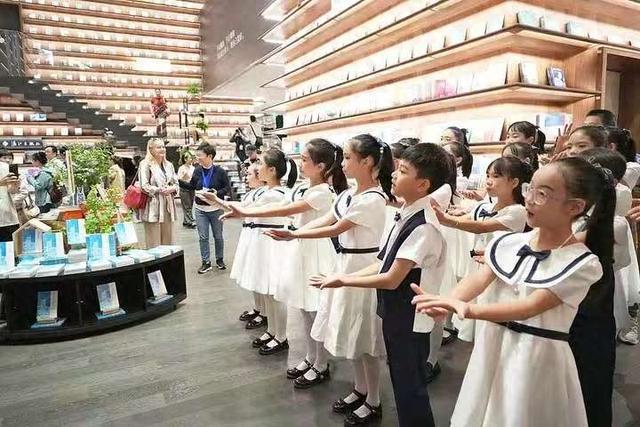
《百姓话思想》第六季以微观视角开启一场文明之旅 “城市掌纹”:文明孕育新生的“线索”
Jie Fang Ri Bao· 2025-10-13 01:49
Group 1 - The second World Sinology Conference is held in Shanghai, emphasizing the city as a significant venue for cultural dialogue and the fusion of Eastern and Western civilizations [1] - The "City's Palm Print" theme in the new season of the "Common People's Thoughts" video series highlights the diverse cultural interactions within Shanghai's urban space [1][2] - Shanghai is set to host a record 178 international and domestic sports events in 2024, showcasing the growth of the cultural and sports industries and their integration [2] Group 2 - The presence of diverse performers, such as Troy and Gize from London, illustrates the city's role in facilitating global cultural exchanges through unique art forms like electronic music and sign language rap [2] - The cultural landscape of Shanghai is enriched by various community activities, where people from different backgrounds find a sense of belonging and contribute to the city's vibrant atmosphere [2][3] - The concept of a "People's City" reflects the essence of a civilized city, focusing on nurturing and empowering every individual within the urban environment [3]
从帝王禁苑到人民博物院:故宫百年,何以“新生”?
Zhong Guo Xin Wen Wang· 2025-10-10 03:07
Core Perspective - The Palace Museum in Beijing celebrates its 100th anniversary, marking a significant transformation from a royal palace to a cultural institution accessible to the public [1][3]. Group 1: Transformation of Identity - The transition from a "symbol of power" to a "shared cultural space" began on October 10, 1925, when the Palace Museum was established, allowing public access to what was once a forbidden area [3]. - The essence of this transformation reflects a fundamental change in cultural heritage ownership and participation, evolving from a private royal collection to a public cultural asset [3][4]. - Over the past century, the concept of "sharing" has deepened, with over 80% of the museum now open to the public and the introduction of a "digital Palace Museum" allowing global audiences to engage with its treasures [3][5]. Group 2: Cultural Vitality - The Palace Museum has evolved from a "warehouse of artifacts" to a "living cultural entity," emphasizing not just preservation but also the creation of new cultural narratives [5]. - Initiatives like the documentary "I Repair Cultural Relics in the Palace Museum" showcase contemporary craftsmanship, while cultural products integrate classical aesthetics into modern life [5]. - Various exhibitions, lectures, and educational programs breathe life into static artifacts, fostering emotional connections with contemporary audiences [5]. Group 3: Globalization and Cultural Exchange - The museum's journey over the past century reflects a gradual emergence onto the world stage, transforming from "China's Palace Museum" to "the world's Palace Museum" [6][7]. - The internationalization process involves both inviting global civilizations into the museum and showcasing its artifacts and exhibitions worldwide, facilitating dialogue between Chinese and other cultures [7]. - As a UNESCO World Heritage site, the Palace Museum represents not only China's historical memory but also a shared cultural heritage for humanity, offering a model for balancing tradition and modernity in a globalized context [7]. Group 4: Future Prospects - Looking ahead, the Palace Museum faces both challenges and opportunities, including the need for enhanced artifact protection amid increasing visitor numbers and the balance between commercial development and cultural preservation [8]. - The future vision includes becoming a "super cultural IP," fostering innovative cultural experiences through the integration of technology and humanities [8]. - The museum aims to be a more influential platform for cultural dialogue, showcasing contemporary China's vitality and confidence while continuing to tell ancient Chinese stories [8][9].
“是文明的多样性才有了对话的空间”
Zhong Guo Jing Ji Wang· 2025-09-24 20:48
Group 1 - The core viewpoint emphasizes the importance of cultural diversity and dialogue as a means to foster understanding and respect among different civilizations [1] - Cultural dialogue is described as both material and emotional, relating to both philosophical values and everyday lifestyles [1] - The relationship between cultural dialogue and exchange is outlined, where dialogue serves as a method, exchange is the starting point, and mutual learning is the endpoint [1] Group 2 - The first aspect of promoting cultural dialogue is to eliminate misunderstandings, which can arise from individual cognitive limitations or external misinformation [1] - The second aspect is to encourage sharing, highlighting the discovery of commonalities between different civilizations, whether Eastern or Western [2] - The third aspect involves creating links through digital technology, which allows for a blend of online and offline interactions, enhancing the expression of cultural resources [2]
共生共荣 让民族文化在交流中更好传承
Ren Min Ri Bao· 2025-09-18 22:12
Group 1 - The event "Coexistence and Prosperity" emphasizes the necessity of dialogue and cultural exchange in today's world, highlighting the importance of understanding and collaboration among civilizations [1][2] - The Mosuo matriarchal culture is presented as a model for cultural coexistence, showcasing its historical significance and contemporary relevance in promoting social harmony and family values [2][3] - The National Grand Theatre has been actively fostering cultural exchange through initiatives like the World Theatre Alliance, enhancing international collaboration and appreciation of diverse cultures [3][4] Group 2 - UNESCO emphasizes the importance of cultural diversity as essential for communication, innovation, and creativity, with China committed to protecting its cultural heritage [4][5] - The China National Version Library plays a crucial role in preserving Chinese cultural heritage, with extensive collections and exhibitions aimed at promoting cultural confidence and international dialogue [7][8] - The cultural tourism brand "Colorful Daliangshan" in Liangshan Prefecture showcases the region's rich cultural heritage and promotes ethnic unity through various festivals and traditional practices [8][9] Group 3 - The integration of traditional culture with modern expressions is highlighted, with examples of successful performances and cultural events that resonate with both local and international audiences [14][15] - The preservation of intangible cultural heritage is crucial for maintaining cultural identity and fostering community engagement, as seen in the practices of the Mosuo people [10][11] - The promotion of traditional Chinese opera, such as Peking Opera, is essential for cultural transmission, with efforts to engage younger generations through educational initiatives and performances [16]