新殖民主义

Search documents
“我无罪,仍然是委内瑞拉总统”!遭美强行控制后马杜罗首次出庭,夫人在突袭时受伤,委内瑞拉下令抓“内鬼”
Hua Xia Shi Bao· 2026-01-06 00:55
Group 1 - Maduro and his wife appeared in court on January 5, where he denied all charges and claimed "I am innocent" [1][3] - The court session was presided over by Judge Alvin Hellerstein, and Maduro faces multiple charges including "drug terrorism conspiracy" and "cocaine smuggling conspiracy" [3][5] - Maduro's legal team questions the legality of his detention and plans to submit extensive documentation to counter the legal challenges [3][4] Group 2 - The UN Security Council held an emergency meeting on January 5, where multiple countries condemned the U.S. military actions against Venezuela [6][9] - The UN reported that the situation in Venezuela has reached a "serious moment" due to U.S. military actions, which are seen as a violation of the UN Charter [9][10] - Venezuela's UN representative stated that despite U.S. military aggression, the country's governmental structure remains operational [12] Group 3 - Oil prices rose over 1% on January 5, with light crude futures increasing by $1.00 to $58.32 per barrel, and Brent crude rising by $1.01 to $61.76 per barrel [20][21] - The market is assessing the potential impact of U.S. military actions on Venezuela's oil supply, as the country holds the largest proven oil reserves globally [22] - At least 16 oil tankers attempted to breach the U.S. blockade on Venezuela, with 4 successfully leaving its waters [25][26]

俄罗斯代表:国际社会不应允许美国自诩为“最高法官”
Xin Hua She· 2026-01-05 22:44
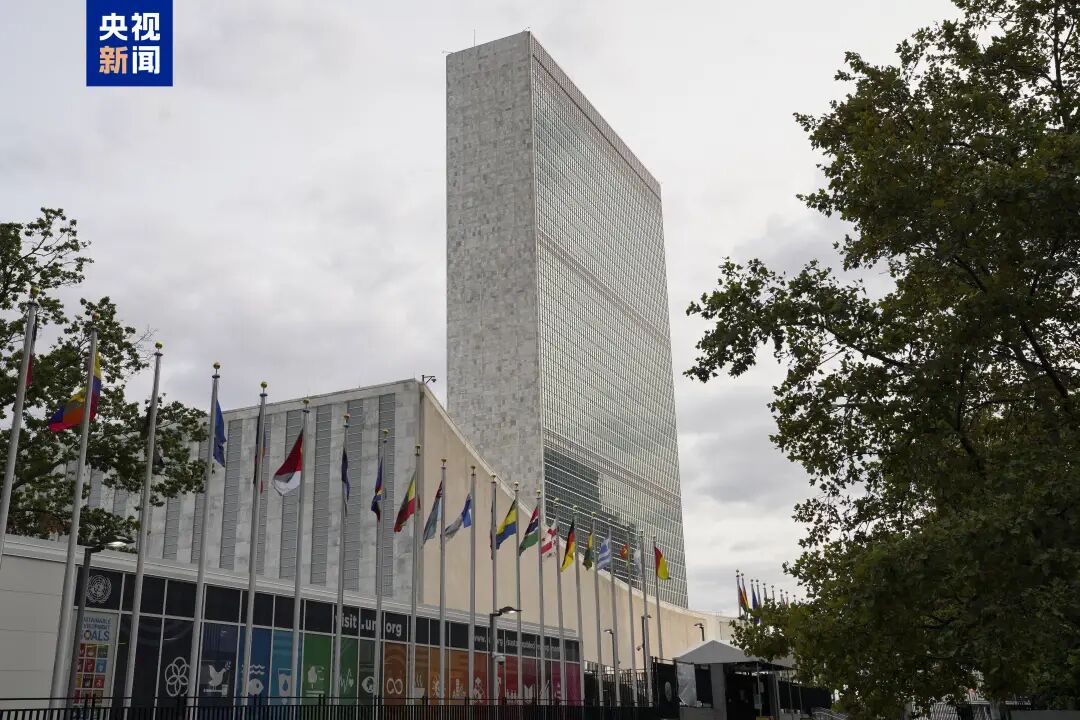
Core Viewpoint - The article emphasizes that the international community should not allow the United States to disregard international jurisdiction, sovereignty, and the principle of non-interference, positioning itself as a "supreme judge" capable of invading any country and punishing alleged "wrongdoers" [1] Group 1 - Russia's permanent representative to the UN, Nebenzya, criticized the U.S. for intensifying neo-colonial and imperialist policies in Latin America [1] - The U.S. is accused of openly pursuing the goal of unrestricted control over Venezuela's natural resources and establishing its hegemonic ambitions in Latin America, which is described as an unprecedentedly shameless act [1] - Russia expresses support for Venezuela in maintaining its national interests and sovereignty [1]
这就是绑架
Xin Lang Cai Jing· 2026-01-04 16:56
Core Viewpoint - The article discusses the implications of the recent U.S. military intervention in Venezuela, drawing parallels to past interventions in Latin America and highlighting the potential for a new wave of U.S. neo-colonialism aimed at controlling Venezuela's oil and gas resources [1][5]. Group 1: U.S. Intervention and Its Motivations - The U.S. military action against Venezuela is seen as an attempt to reclaim control over the region, reminiscent of past interventions under the Monroe Doctrine, with the goal of exploiting Venezuela's rich oil and gas reserves [1][4]. - The intervention is framed as a response to the need for the U.S. to assert its authority and gain political capital amid global instability, particularly under the Trump administration [2][4]. - The U.S. aims to achieve multiple objectives through this intervention, including resource acquisition, deterrence of other Latin American nations, and reshaping regional alliances to favor pro-U.S. leadership [9]. Group 2: Impact on International Order - The actions of the U.S. are viewed as a significant challenge to the post-World War II international order, which is based on principles of non-interference and the prohibition of the use of force [5][6]. - The lack of substantial evidence for the accusations against Venezuelan President Maduro raises questions about the legal justification for U.S. actions, highlighting a potential violation of international law [5][6]. - The article suggests that the U.S. and its allies are hypocritical in their claims to uphold international order while engaging in actions that undermine it, setting a dangerous precedent for other nations to follow [6][8].
中企在非遭800亿美元天价索赔,BBC老毛病又犯了
Guan Cha Zhe Wang· 2025-12-04 04:07
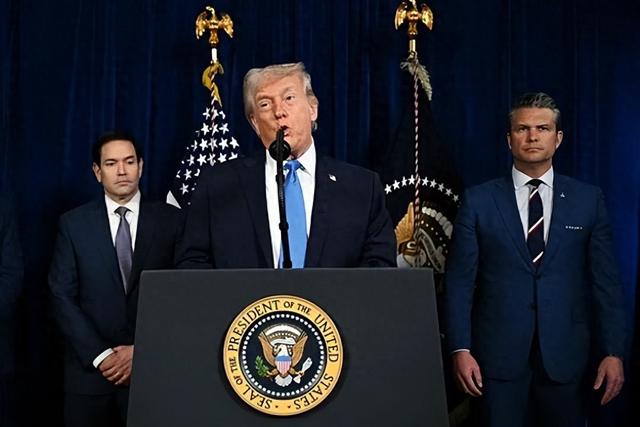
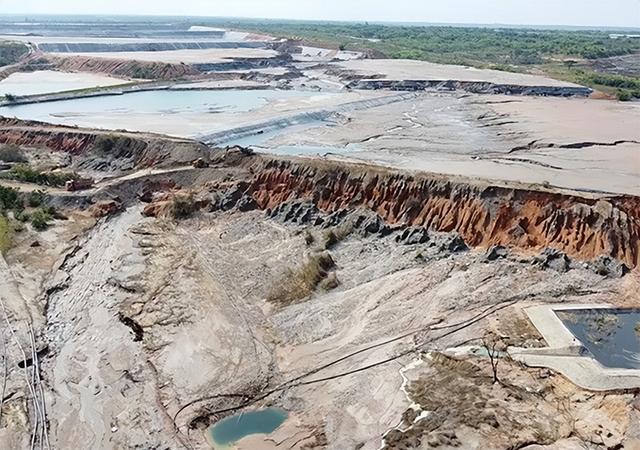
Core Viewpoint - The article critiques the BBC's reporting on a Chinese company's copper mine tailings dam collapse in Zambia, arguing that it misrepresents the facts and downplays the company's rapid response and local government assessments [1][2][3][4]. Incident Overview - The tailings dam collapse in Zambia was attributed to the theft of a waterproof membrane, leading to a leak that was contained within 24 hours by the Chinese company involved [1][3]. - The Zambian government confirmed that the pollution did not result in serious health issues or fatalities, and water quality has since returned to normal [1][6]. Compensation and Legal Actions - Following the incident, 176 Zambian farmers filed a lawsuit against the Chinese company, seeking $80 billion in compensation, which is significantly higher than any historical mining compensation claims [2][9]. - The Chinese company has stated that the lawsuit lacks basis and has engaged local legal teams to defend its interests [9]. Environmental Impact and Response - The BBC reported exaggerated claims regarding the environmental impact, citing a leak of 150,000 tons of toxic waste, while the Zambian government reported only 50,000 tons [4][6]. - The Chinese company has been proactive in addressing the incident, cooperating with the Zambian government for remediation and compensating affected families [6][8]. Political Context - The article suggests that the lawsuit and media coverage are influenced by local political dynamics, particularly with upcoming elections in Zambia, where opposition parties may leverage the incident to criticize the ruling party [7][8]. - The narrative around the incident is framed within a broader context of Western media and governmental efforts to undermine Chinese investments in Africa [9][10]. Industry Dynamics - The article highlights the growing trend of "resource nationalism" in Africa, where local populations increasingly demand higher compensation and benefits from foreign investments [14]. - It emphasizes the need for Chinese companies to improve risk management and community relations to navigate the complex political and social landscape in Africa [10][14].
刘海星出席中俄执政党对话机制第十一次会议
Xin Hua She· 2025-11-15 13:37
Core Points - The meeting between the Chinese Communist Party and the United Russia Party aims to strengthen policy communication and promote practical cooperation between China and Russia [1] - Both parties emphasize the importance of the consensus reached by President Xi Jinping and President Vladimir Putin as a guiding principle for their collaboration [1] - The discussions include enhancing exchanges at various levels and coordinating in multilateral areas to elevate the bilateral relationship [1] Summary by Categories Political Cooperation - The meeting is part of the 11th session of the China-Russia ruling party dialogue mechanism [1] - Liu Haixing, the head of the Chinese delegation, met with Dmitry Medvedev, Chairman of the United Russia Party, to discuss cooperation [1] International Relations - The forum also addressed the theme of "jointly resisting neo-colonialism," indicating a shared stance on global political issues [1]
委内瑞拉加强应对美军事威胁
Ren Min Ri Bao· 2025-10-19 22:30
Core Points - Venezuelan President Maduro has condemned U.S. CIA-led coup attempts, stating that such actions are unwelcome in Latin America [1] - The Venezuelan government is promoting a "全民皆兵" (全民皆兵) defense strategy, encouraging indigenous people to join militia organizations in response to U.S. military deployments in the Caribbean [1] - U.S.-Venezuela relations are increasingly strained, with the U.S. conducting military operations against alleged drug trafficking vessels off the Venezuelan coast [1][2] - The Venezuelan government has strongly refuted U.S. claims, asserting that U.S. actions are a violation of sovereignty and international law [2] - Regional leaders, including Bolivia's President Arce and Brazil's President Lula, have criticized U.S. military interventions in Latin America, likening them to a resurgence of neocolonialism [3] Summary by Sections U.S.-Venezuela Relations - Tensions between the U.S. and Venezuela have escalated, with the U.S. authorizing CIA operations and conducting military actions in the Caribbean [1][2] - The U.S. has offered a $50 million reward for Maduro's capture, citing drug trafficking as the reason for military presence [1] Venezuelan Government Response - Maduro has called for the formation of indigenous militia groups to counter perceived threats from U.S. military actions [1] - The Venezuelan government has initiated military exercises named "Independence 200" to showcase its defense strategy [2] Regional Reactions - Latin American leaders have expressed concerns over U.S. military actions, with Bolivia's President Arce describing it as a new form of Monroe Doctrine [3] - Cuba's Foreign Minister has criticized U.S. justifications for military deployments, stating they undermine regional peace and security [3]
委内瑞拉加强应对美军事威胁 多方强烈谴责美霸权行径
Ren Min Ri Bao· 2025-10-19 22:05
Core Viewpoint - The ongoing tensions between Venezuela and the United States are escalating, with Venezuela's government strongly opposing U.S. military actions in the Caribbean, which they perceive as a violation of sovereignty and international law [1][2]. Group 1: Venezuela's Response to U.S. Actions - Venezuelan President Maduro has called for the formation of indigenous militia groups to counter perceived threats from U.S. military deployments in the Caribbean [1]. - The Venezuelan government has initiated military exercises named "Independence 200" to demonstrate its commitment to national defense and sovereignty [2]. - Venezuela's Foreign Minister has formally requested an emergency meeting of the UN Security Council to discuss U.S. military threats and their implications for regional security [2]. Group 2: Regional Reactions to U.S. Military Presence - Bolivia's President Arce criticized the U.S. defense strategy in Latin America as a new form of "Monroe Doctrine" and a resurgence of neo-colonialism [3]. - Brazil's President Lula emphasized the need for Latin America to avoid the humanitarian disasters caused by military interventions seen in other regions [3]. - Cuba's Foreign Minister condemned the U.S. military's actions in the Caribbean, asserting that the justification of combating crime and drug trafficking is not credible [3].
热点问答|美国为何要在拉美加强军事布局
Xin Hua She· 2025-10-02 10:37
Military Deployment Situation - The U.S. military presence in Latin America is characterized by a "point distribution," with bases such as Guantanamo in Cuba and access to military facilities in Colombia, Honduras, and El Salvador [1] - Although the overall scale of U.S. troops in Latin America is smaller compared to Asia-Pacific and the Middle East, the military presence is diverse, including regular joint exercises like "UNITAS" and "Trade Winds" [1] - The U.S. Southern Command coordinates military cooperation with Latin American countries, planning joint exercises and maintaining close intelligence collaboration in strategic areas like the Panama Canal and the Caribbean [1] U.S. Intentions - The U.S. has historically viewed Latin America as its "backyard" under the Monroe Doctrine, maintaining a military presence even after the Cold War through "flexible deployment" [2] - Recent military deployments in the Caribbean, justified as efforts to combat drug trafficking, are seen as a means to strengthen U.S. political control and compel regional countries to compromise on economic and trade issues [2] - Bolivia's President Arce criticized the U.S. military presence as a new form of colonialism aimed at seizing Venezuela's natural resources and undermining democracy in the region [2] Regional Reactions - The planned joint military exercises with the U.S. in Argentina have sparked domestic backlash, with local leaders and organizations opposing foreign military presence as a violation of sovereignty [3] - Leaders from various Latin American countries, including Brazil's President Lula, have expressed concerns about the humanitarian disasters caused by military interventions in other regions, urging Latin America to avoid similar paths [3] - Cuba's Foreign Minister Rodríguez highlighted the increasing tensions in the Caribbean, dismissing U.S. justifications for military deployments as untrustworthy and harmful to regional peace [4]
拉美国家齐“开火” 美国形象大“翻车”
Xin Hua She· 2025-09-29 12:47
Core Points - Latin American leaders at the 80th UN General Assembly criticized unilateralism and power politics, particularly in response to increased U.S. military presence in the Caribbean and interference in Venezuela [1][2] - Brazilian President Lula emphasized the importance of multilateralism and warned against repeating past humanitarian disasters caused by military interventions [1] - Chilean President Boric condemned climate change denial as a lie that must be countered [1] - Colombian President Petro accused Trump of neglecting democracy and climate issues while promoting violence [1] - Bolivian President Arce described U.S. defense strategies as a new form of colonialism under the guise of combating drug trafficking [2] - Cuban Foreign Minister Rodriguez raised alarms about U.S. military actions in the Caribbean, claiming they violate international law and threaten regional peace [2] - The collective message from Latin American leaders called for a return to rule-based governance rather than power-based governance [2]
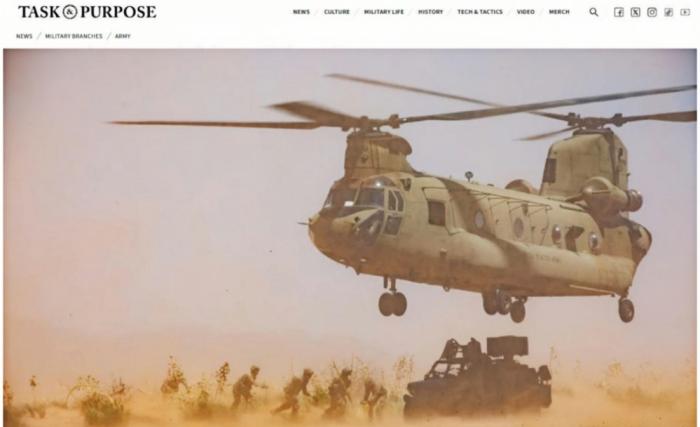
从全球收缩力量,美国下一步要拿美洲“开刀”?
Zhong Guo Xin Wen Wang· 2025-09-11 06:17
Group 1 - The core viewpoint of the articles indicates a shift in U.S. military strategy from global engagement to focusing on domestic and regional issues, particularly in the Americas [1][2][10] - The Pentagon is reportedly prioritizing the defense of the U.S. homeland and the Western Hemisphere, suggesting a move away from addressing global conflicts [1] - The U.S. military has begun withdrawing troops from Iraq, with plans to reduce its presence in the region by 2026, reflecting a commitment to end "endless wars" [2][3] Group 2 - The U.S. military has deployed significant resources to the U.S.-Mexico border, with nearly 8,000 troops and various military equipment, indicating a focus on domestic security and immigration issues [7][9] - The Trump administration has increased military actions within U.S. states, expanding the deployment of federal armed forces to major cities to combat crime and illegal immigration [9][10] - The U.S. has also engaged in military operations in the Caribbean and South America, including deploying warships and aircraft near Venezuela, which is seen as an assertion of control over the region [11][13] Group 3 - The Trump administration's actions are perceived as a revival of "New Monroe Doctrine," aiming to reinforce U.S. dominance in Latin America and counter perceived threats from drug cartels and other groups [10][13] - The designation of Mexican drug cartels as terrorist organizations and the military's readiness to conduct cross-border operations highlight a more aggressive stance towards regional security [11][12] - Analysts suggest that these military strategies may reflect a broader agenda of neo-colonialism, as the U.S. seeks to expand its influence in Latin America under the guise of combating drug trafficking and terrorism [13]