智能建造

Search documents
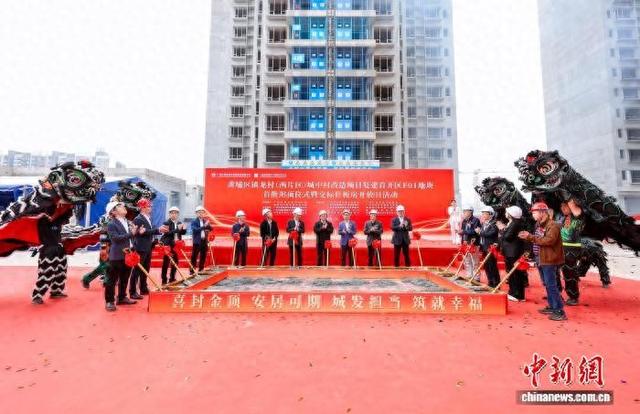
广州镇龙村(西片区)城中村改造项目首批安置房全面封顶
Zhong Guo Xin Wen Wang· 2026-02-11 00:44
Core Viewpoint - The renovation project in Zhenlong Village (West Area) of Huangpu District, Guangzhou, has reached a significant milestone with the completion of the main structure of the first batch of resettlement housing, marking the transition to a new phase focused on quality delivery and fulfilling the housing needs of nearly 2,000 residents [1] Group 1 - The Zhenlong Village renovation project is led by Guangzhou Development Zone Urban Development Group, with China State Construction Engineering Corporation (CSCEC) participating in the construction [1] - The project aims to improve living conditions and public services in the area while releasing over 60 hectares of quality land for industrial development, supporting key projects like the second phase of Xiaopeng Motors' intelligent connected vehicle manufacturing base [1] - The first batch of resettlement housing includes 1,956 units with a total construction area of approximately 317,000 square meters, promoting the upgrade from "housing for all" to "quality housing" [1] Group 2 - The project adheres to the "good housing" standard system, integrating concepts of "good design, good construction, good materials, and good service" [2] - The design incorporates the "Lingnan Harmony" concept, preserving and renovating nine historical cultural heritage sites while providing nearly 90,000 square meters of affordable housing [2] - Advanced technologies such as AI video monitoring, smart safety helmets, and BIM technology are utilized for comprehensive digital management and smart construction [2]
20个月封顶千套,两个月房票换新家!广州黄埔频刷旧改进度
Nan Fang Du Shi Bao· 2026-02-10 01:37
Core Viewpoint - The urban renewal projects in Huangpu District are achieving significant milestones, with multiple housing projects reaching completion, reflecting a turning point in the district's urban development efforts [1][2]. Group 1: Housing Projects and Developments - The completion of the Gangbei project, which includes 1,363 resettlement houses, marks a record for the district in terms of single project scale [1]. - The South Gangxi Road project has successfully delivered the first batch of housing tickets, allowing residents to move into new homes before the Lunar New Year [2]. - As of the end of January, Huangpu District has issued 3,553 housing tickets valued at 4.86 billion yuan, leading to the purchase of 7,546 units of commercial housing, totaling approximately 76,000 square meters [3]. Group 2: Construction Techniques and Quality - The Gangbei project utilized innovative construction methods, including BIM technology and prefabricated construction, achieving completion of all residential buildings in 20 months despite challenging site conditions [4][5]. - The introduction of construction robots in the Zhenlong Village project has enhanced efficiency and precision while reducing safety risks [5][6]. - A "sample house first" approach has been adopted across projects, allowing residents to provide feedback on designs and quality before finalizing construction [6]. Group 3: Economic and Industrial Impact - The dual approach of housing ticket issuance and resettlement construction is expected to reduce the need for new resettlement housing by 1.08 million square meters and promote the sale of 510,000 square meters of commercial housing [7]. - The Zhenlong West project is set to release over 60 hectares of land for industrial development, supporting key projects like the Xiaopeng Motors smart vehicle manufacturing base [7]. - The housing ticket model is facilitating faster capital turnover by redirecting funds from traditional resettlement projects to the commercial housing market [7]. Group 4: Community and Social Dynamics - The urban renewal efforts are not only focused on physical infrastructure but also on rebuilding social networks within the community, as residents transition from villagers to homeowners [10][12]. - The housing ticket system has led to the formation of "familiar communities," where residents maintain social ties despite moving to different commercial housing projects [10]. - The need for synchronized development of educational, medical, and commercial facilities alongside housing projects poses a challenge for cross-departmental collaboration [9][12].
特写丨京城核心区危旧老楼极速焕新记
Zhong Guo Zheng Quan Bao· 2026-02-10 00:11
Core Insights - The article highlights the rapid transformation of a dilapidated building in Beijing's Xicheng District into a modern residential complex, showcasing China's construction speed and urban renewal efforts [1][2]. Group 1: Project Overview - The 28th building in Sanlihe District, built in 1978, underwent significant renovations due to its deteriorating condition, which included plumbing issues, structural cracks, and lack of elevators [2][3]. - The project commenced on September 5, 2025, and remarkably completed the entire construction process in just six months, from resident relocation to receiving property certificates [2][3]. Group 2: Approval and Construction Efficiency - The project implemented a fully online approval process, achieving a 90% reduction in overall approval time compared to standard timelines, with key permits issued within a single day [3]. - The construction utilized a modular approach, with 90% of the building's components manufactured in a factory setting, leading to a 75% reduction in construction time compared to traditional methods [6][7]. Group 3: Technological Innovations - The project employed smart construction technology, specifically the MiC (Modular Integrated Construction) method, which allowed for high precision in assembly and significant reductions in waste and material loss [6][7]. - The new building features advanced amenities, including soundproof windows and smart home systems, enhancing the living experience for residents [4][5]. Group 4: Broader Implications - The successful execution of this project serves as a model for urban renewal in major cities across China, demonstrating the potential for similar initiatives in other urban areas [7].
京城核心区危旧老楼极速焕新记
Zhong Guo Zheng Quan Bao· 2026-02-09 20:25
Core Insights - The article highlights the rapid transformation of a dilapidated residential building in Beijing's Xicheng District, showcasing the efficiency of urban renewal projects in China, particularly through the use of innovative construction technologies and streamlined approval processes [1][2][3] Group 1: Project Overview - The 28th building in Sanlihe District, built in 1978, underwent a significant renovation, transforming from a deteriorating structure with numerous issues to a modern residential building equipped with elevators and smart home features [1][2] - The project was initiated on September 5, 2025, and completed in just six months, demonstrating a remarkable turnaround time for urban renewal projects [2][3] Group 2: Approval and Construction Efficiency - The project achieved a 90% reduction in approval time for essential permits, with project registration and site selection completed within 24 hours, and multi-regulatory consultations finalized within 48 hours [2][4] - The construction utilized a modular approach, with 90% of the building's components manufactured in a factory setting, leading to a 75% reduction in construction time compared to traditional methods [4][5] Group 3: Technological Innovations - The project employed the "smart construction-MiC technology," which integrates digital design and modular construction, allowing for high precision and quality control [4][5] - This technology not only reduced construction waste by 75% but also lowered material loss by 25% and carbon emissions by 30%, while significantly improving sound insulation and meeting seismic safety standards [4][5] Group 4: Broader Implications - The successful implementation of this project serves as a model for similar urban renewal initiatives across major cities in China, promoting the concept of "Beijing model" for urban redevelopment [6]
新春走基层 | 半年回迁,“咋这么快!” 揭秘京城核心区老楼极速“重生”密码
Zhong Guo Zheng Quan Bao· 2026-02-09 15:01
Core Viewpoint - The rapid transformation of the dilapidated 28th building in Sanlihe District, Beijing, showcases the efficiency of urban renewal processes in China, emphasizing the use of advanced construction technologies and streamlined approval procedures [1][4][9] Group 1: Project Overview - The 28th building, constructed in 1978, faced numerous structural issues, including cracked walls, aging pipelines, and lack of elevators, prompting strong resident demand for renovation [2][5] - The project commenced on September 5, 2025, and remarkably completed the entire construction process in just six months, from resident relocation to moving back into new homes [2][5] Group 2: Approval Process - The project implemented a fully online approval process, achieving project registration and site selection within 24 hours, and completing multi-regulatory consultations in 48 hours, resulting in a 90% reduction in overall approval time compared to promised timelines [4][9] Group 3: Construction Technology - The project utilized the "intelligent construction - MiC technology," which allows for modular construction, significantly reducing construction time by approximately 75% compared to traditional methods [7][9] - This technology also minimizes construction waste by 75%, reduces material loss by about 25%, and lowers carbon emissions by approximately 30%, while enhancing sound insulation performance by 80% [7][9] Group 4: Resident Experience - Residents reported significant improvements in living conditions, including new heating systems, larger kitchens, and the installation of smart home systems, which enhance convenience and comfort [6][7] - The project not only provided new homes but also ensured that residents received their property certificates simultaneously with their keys, setting a precedent for future urban renewal projects [4][5]

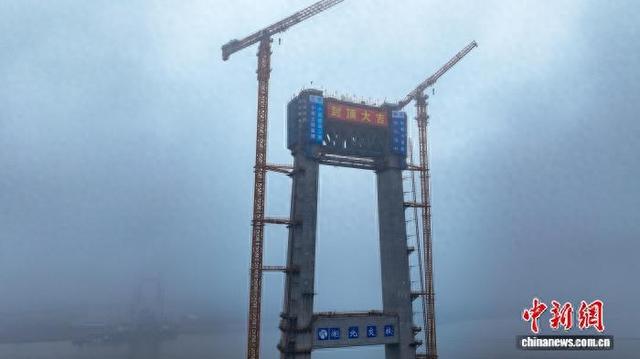
荆州李埠长江公铁大桥双主塔同日封顶
Xin Lang Cai Jing· 2026-02-09 12:03
Core Points - The Jingzhou Liubu Yangtze River Road-Rail Bridge has reached a significant milestone with the completion of the main towers, marking the transition to the upper structure construction phase [1][5] - The bridge features a unique "one bridge, three uses" layered design, accommodating both highway and railway traffic, enhancing regional connectivity [3][5] Group 1: Construction Details - The main towers on both banks utilize a portal frame structure, with the north tower standing at 215.5 meters and the south tower at 220.5 meters [2] - The bridge spans 1,723 meters in total, with a main span of 1,120 meters, designed to support vehicles and high-speed trains at a height of 50 meters above the river [2] - A custom lightweight intelligent tower construction machine has been developed to address the complex shape and precision requirements of the towers, improving construction efficiency by 30% and reducing labor by 40% [2] Group 2: Technological Innovations - The tower construction machine is equipped with an intelligent maintenance and temperature control system, which automates the curing process of large volumes of concrete to prevent harmful cracks [2] - A 5G remote control system for tower cranes allows operators to manage high-altitude lifting from the ground, enhancing safety and operational efficiency [2] - The project employs a bridge intelligent construction cloud platform, enabling a digital simulation of the construction process to reduce safety risks and improve precision [2] Group 3: Project Timeline and Impact - The Jingzhou Liubu Yangtze River Bridge is a key transportation project in Hubei Province and is expected to be completed and open to traffic by 2028, with the bridge's main structure expected to be finished by May 2027 [5] - Upon completion, the bridge will connect major highways and railways, significantly contributing to the development of the Yangtze River Economic Belt and enhancing the regional economic landscape [5]
智能建造筑就绿色丝路 中乌共建光伏项目实践示范基地启用
Jing Ji Wang· 2026-02-09 09:56
Core Viewpoint - The successful public open day for the Navoi photovoltaic project in Uzbekistan marks a significant step in the integration of renewable energy and smart construction, showcasing the collaboration between China and Uzbekistan in promoting green low-carbon development [1] Group 1: Event Overview - The public open day was held on February 7, coinciding with the Chinese Lunar New Year, and focused on the theme of "Visible Green Energy, Tangible Smart Construction" [1] - The event attracted nearly a hundred representatives from Uzbek government agencies, industry organizations, universities, media, and local communities, emphasizing the importance of social communication and consensus on green development [1] Group 2: Project Significance - The Navoi photovoltaic project is the first large-scale renewable energy project in Central Asia to utilize fully automated smart installation robots for photovoltaic components, marking a new phase in smart construction [1] - The project serves as a landmark for China-Uzbek energy cooperation, providing solid support for local energy structure optimization and sustainable development [1] Group 3: Smart Construction Demonstration - The smart construction practice demonstration base was officially inaugurated at the event, showcasing achievements in photovoltaic smart installation, digital construction management, and the application of intelligent equipment [2] - The base will serve as an open platform for government, industry, and universities, facilitating ongoing technical exchanges, observational learning, and talent cultivation [2] Group 4: Technological Highlights - The event featured the demonstration of fully automated smart installation robots, which captured significant attention [2] - The robots showcased their capabilities in automatic component grabbing, precise positioning, and efficient installation, utilizing high-precision robotic arms, visual recognition systems, and multi-sensor fusion technology for standardized operations [2]
如何打造韧性城市?江苏出台三年行动方案
Jiang Nan Shi Bao· 2026-02-09 06:44
Core Viewpoint - Jiangsu Province has launched an action plan to advance new urban infrastructure construction and enhance urban resilience from 2026 to 2028, aiming for significant progress in smart municipal facilities and urban safety resilience systems [1][2]. Group 1: Key Goals - By the end of 2028, the action plan sets several core targets, including achieving a 75% effective coverage rate for urban lifeline safety projects, constructing over 300 complete communities, and fostering more than three smart construction industry clusters [1]. - The plan aims for approximately 60% application of smart construction technologies in major projects and over 80% coverage of smart management in large-scale engineering projects, with 100% coverage of urban operation management service platforms at provincial, municipal, and county levels [1]. Group 2: Specific Initiatives - The action plan focuses on nine major enhancement actions to build a comprehensive resilient urban construction system, including the development of smart municipal infrastructure and the integration of intelligent sensing devices in underground networks, bridges, and utility tunnels [2]. - It also emphasizes the collaborative development of smart cities and intelligent connected vehicles, with plans to cover 2,800 kilometers of vehicle networking and upgrade 600 kilometers of smart roads, while establishing urban smart logistics and emergency material support systems [2]. Group 3: Smart Construction and Industrialization - Another core direction is the collaborative development of smart construction and building industrialization, with support for the establishment of smart construction industrial parks in cities like Nanjing and Suzhou, aiming to cultivate 80 related enterprises [3]. - The action plan includes detailed measures for digital home upgrades, urban information model (CIM) platform construction, and the enhancement of urban operation management service platforms, such as requiring new fully furnished residences to include basic smart products [3].
中关村数字经济总部园主体结构全面封顶
Xin Lang Cai Jing· 2026-02-08 18:30
Core Viewpoint - The construction of the Zhongguancun Digital Economy Headquarters Park is progressing well, with the main structure completed ahead of schedule, showcasing innovative construction techniques and strong team commitment [1][3]. Group 1: Project Overview - The total construction area of the Zhongguancun Digital Economy Headquarters Park is 407,900 square meters, making it the largest ongoing TOD industrial park in Haidian [1]. - The project is located near the Qinghe transportation hub and is expected to be completed by May 2027, integrating industrial offices, vibrant commercial spaces, high-end hotels, and serviced apartments [3]. Group 2: Construction Challenges and Solutions - The project faced significant challenges, including uneven groundwater levels and complex geological conditions, which were addressed through innovative dewatering methods [1]. - A combination of "vacuum pump lightweight well points + drainage wells" was successfully implemented to tackle the underground water issues, facilitating subsequent construction [1]. Group 3: Technological Innovations - A 350-meter long prefabricated steel bridge was constructed to enhance transportation efficiency, increasing horizontal transport capacity by 40% and concrete pouring volume by 85% [2]. - The use of intelligent construction robots has significantly improved efficiency, with construction speed increased by 2-3 times compared to manual labor [2]. Group 4: Team Commitment - The construction team demonstrated strong dedication, with many workers postponing their return home for the New Year to meet project deadlines, reflecting their sense of responsibility [3]. - At peak construction, over 2,000 workers were on-site, with a commitment to continue working through the holiday period to ensure project completion [3].

广州镇龙村(西片区)城中村改造项目首批安置房全面封顶
Xin Lang Cai Jing· 2026-02-08 11:22
本次首批封顶的F01地块及同步推进的F02地块,总建筑面积约31.7万平方米,规划建设安置房1956套, 将切实推动"住有所居"向"住有优居"升级,以好房子、好小区建设助力打造好社区、好城区。 广州开发区城市发展集团新晟公司副总经理黄浩铭表示,广州开发区城市发展集团在2025年超常规推进 24个地块、288万平方米、2.66万套安置房开工建设,开工地块数、面积、套数三项核心指标均位列全 市第一,并顺利实现区内首批新模式项目安置房封顶及交标样板房开放。 中新网广州2月8日电 (郭军 蔡颖 刘小琳)记者8日从中建四局了解到,广州市黄埔区镇龙村(西片区)城中 村改造项目复建首开区F01地块首批安置房主体结构近日全面封顶,标志着这一承载近两千户居民回迁 期盼的重大民生工程,正式进入全面冲刺与品质交付新阶段。 顶仪式现场。中建四局 供图 据悉,镇龙村(西片区)城中村改造项目由广州开发区城市发展集团作为改造主体、中建四局参建。该项 目通过整体规划、连片改造,不仅显著改善片区人居环境与公共服务配套,更通过空间重构为区域产业 发展释放出超60公顷优质用地,有力保障了小鹏汽车广州智能网联汽车智造基地二期等重点产业项目落 地,实 ...