本地生活业务

Search documents
小红书第三届马路生活节收官:参与商家同比超10倍,小红卡将继续运营
Xin Lang Ke Ji· 2025-10-14 10:56
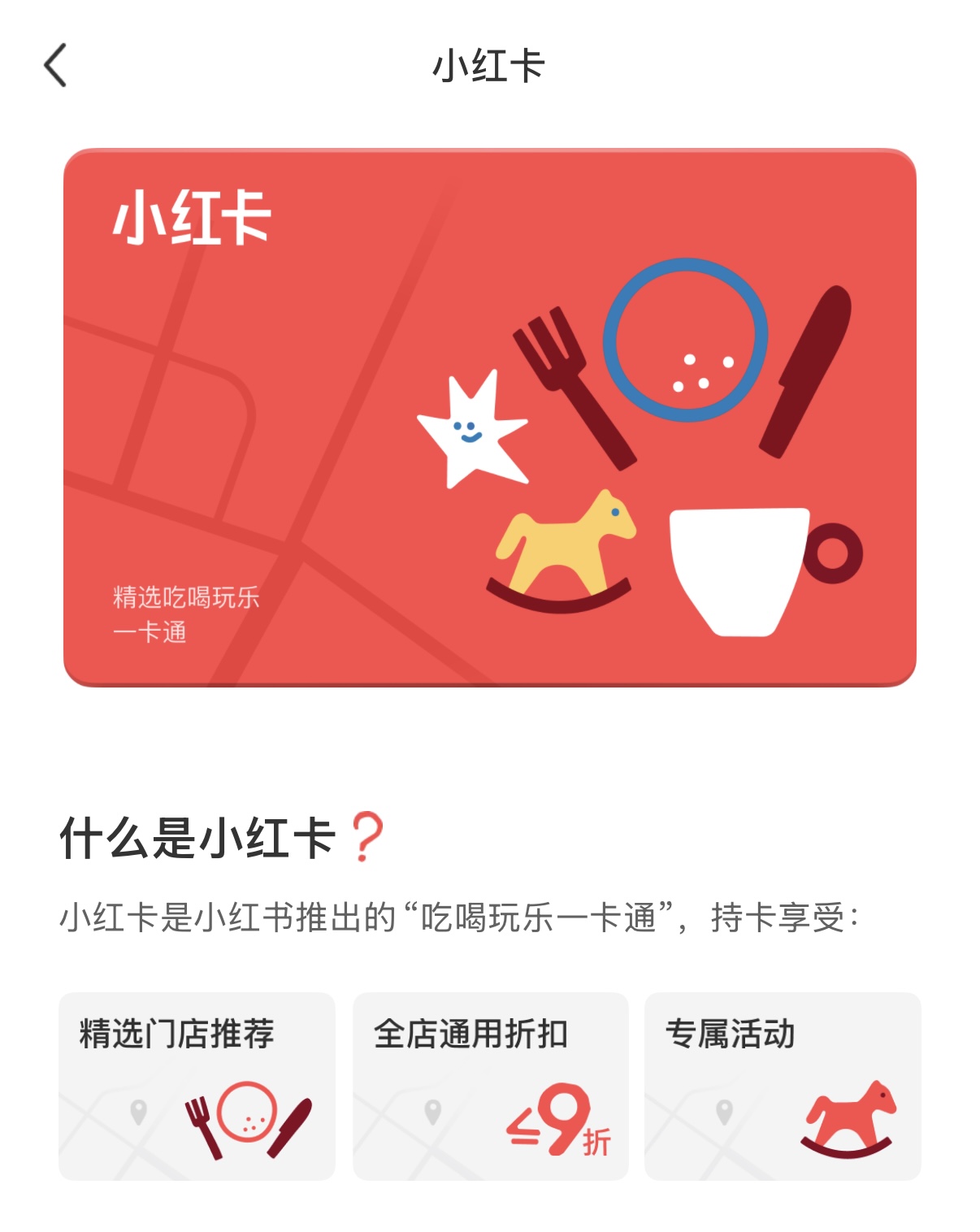
Core Insights - The third edition of the Xiaohongshu Street Life Festival concluded after 17 days, marking a significant expansion with simultaneous events in Shanghai, Guangzhou, and Hangzhou [1] - This year's festival featured 25 unique Citywalk routes, approximately 300 offline activities, and thousands of partner stores, showcasing a substantial increase in participation compared to previous years [1] Group 1: Event Expansion - The festival expanded from a single city to three cities for the first time, indicating a strategic growth in reach and engagement [1] - The number of participating merchants increased by over 10 times compared to the previous year, highlighting a successful outreach and partnership strategy [1] Group 2: Product Innovation - The introduction of the "Xiaohong Card," which offers a unified 10% discount, selected stores, and exclusive benefits, was a core innovation of this year's festival [1] - The Xiaohong Card aims to connect quality users with merchants, facilitating deeper conversion from traffic to consumption [1] Group 3: Business Focus - The local lifestyle business of Xiaohongshu focuses on inspiring users through quality content rather than solely on transaction volume [1] - The platform emphasizes the importance of generating real content through quality demand stimulation and fulfilling that demand with transactional products [1] Group 4: Future Operations - The Xiaohong Card will continue to operate post-festival, with plans for ongoing optimization based on merchant and user feedback [2]
以精选口碑商家切入本地生活,小红书用“9折”追随阿里和美团的脚步?
Sou Hu Cai Jing· 2025-09-29 11:38
Group 1 - The core idea of the article revolves around Xiaohongshu's strategic entry into the local lifestyle market through the launch of the "Malulu Life Festival" and the "Xiaohong Card" [2][3] - The "Malulu Life Festival" is a significant offline brand event that expands beyond a single city to Shanghai, Hangzhou, and Guangzhou, featuring 25 curated Citywalk routes and over 200 limited-time activities at partner stores [2] - The "Xiaohong Card" is designed as a "selected dining and entertainment all-in-one card," offering users benefits such as discounts and exclusive event participation rights, aiming to enhance user engagement and merchant visibility [2][3] Group 2 - Xiaohongshu's approach to local lifestyle services is seen as a natural evolution of its platform, which has transitioned from an overseas shopping guide to a lifestyle community over 12 years [3] - The "Xiaohong Card" aims to aggregate well-reviewed local businesses, facilitating easier discovery and consumption for users while providing merchants with increased visibility [3][6] - The competitive landscape in local lifestyle services is intensifying, with other platforms like Alibaba and Dazhong Dianping launching their own initiatives, such as the "Gaode Street Ranking" and upgraded takeaway services [4][5] Group 3 - Xiaohongshu's local lifestyle business is still in its early stages, focusing on understanding consumer willingness to pay and user engagement rather than immediate revenue metrics [6][10] - The company acknowledges the importance of pricing but emphasizes that it is not the core logic of its business model [7][10] - The platform is working on enhancing its local service infrastructure and improving the precision of exposure to better connect users with nearby businesses [9][10]


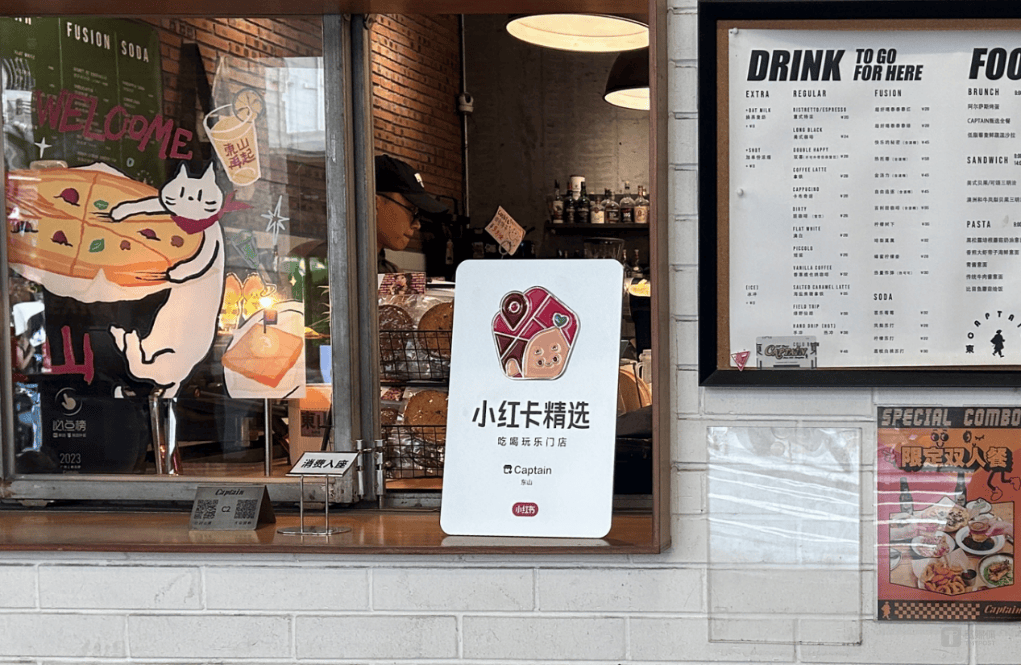
小红书正式发布“小红卡”:入驻门店统一打9折,仍在探索期
Guan Cha Zhe Wang· 2025-09-28 10:15
Group 1 - The local lifestyle market in China is becoming increasingly vibrant, highlighted by the launch of the "Xiaohongshu Small Red Card" during the "Third Street Life Festival" [1] - The Small Red Card is positioned as a "selected eat, drink, play, and have fun all-in-one card," allowing users to enjoy discounts at selected stores nationwide and participate in exclusive offline events [1] - Xiaohongshu's Vice President Xu Lei stated that the introduction of the Small Red Card significantly expands the number and distribution of participating merchants, leading to tangible orders for them [5] Group 2 - The local lifestyle business is a continuous focus for Xiaohongshu, with the Small Red Card offering a unified 10% discount at selected stores to simplify user consumption without the need to select packages or calculate discounts [5] - The core value of the Small Red Card lies in its selection process, which aims to connect high-quality users with well-reviewed stores, thereby generating more orders and enhancing reputation [5] - Currently, Xiaohongshu's local lifestyle business is not primarily driven by transaction volume but aims to enhance the influence of community content, with the Small Red Card still in the exploratory phase and subject to user feedback for optimization [5]

上线付费小红卡、不卷入行业竞争 小红书摸索本地生活
Bei Jing Shang Bao· 2025-09-28 08:43
Core Insights - Xiaohongshu is steadily exploring the potential pathways for its local lifestyle business, emphasizing that engaging in this sector is both necessary and inevitable for the company [1] - The local lifestyle market has become a competitive arena, with major players like Alibaba, JD, and Douyin vying for market share through subsidies and user acquisition [1] Business Model Exploration - Xiaohongshu has launched the "Xiaohong Card" to test the acceptance of a paid model among users and merchants, offering discounts and special activities at selected merchants in cities like Hangzhou, Shanghai, and Guangzhou [3][4] - The current focus is not on the scale of Gross Merchandise Volume (GMV) but rather on understanding user and merchant acceptance of the new model [3][4] - The core objective is to gauge users' willingness to pay for enhanced experiences and selected benefits from a few thousand curated stores [5] Strategic Positioning - Xiaohongshu aims to integrate high-quality offline experiences, emphasizing the importance of in-person interactions in the local lifestyle sector [4] - The company is not primarily focused on competing with other players but rather on continuously enhancing user value [4] - The initial selection of a few thousand merchants is a strategic decision to ensure quality and relevance, with plans for systematic and data-driven operations in the future [5] Content and Community Engagement - The company is working to ensure that quality content flows within the community, which is essential for the success of its local lifestyle business [5] - Xiaohongshu is leveraging user-generated recommendations and popular local content to create a positive feedback loop between content and consumption [5]
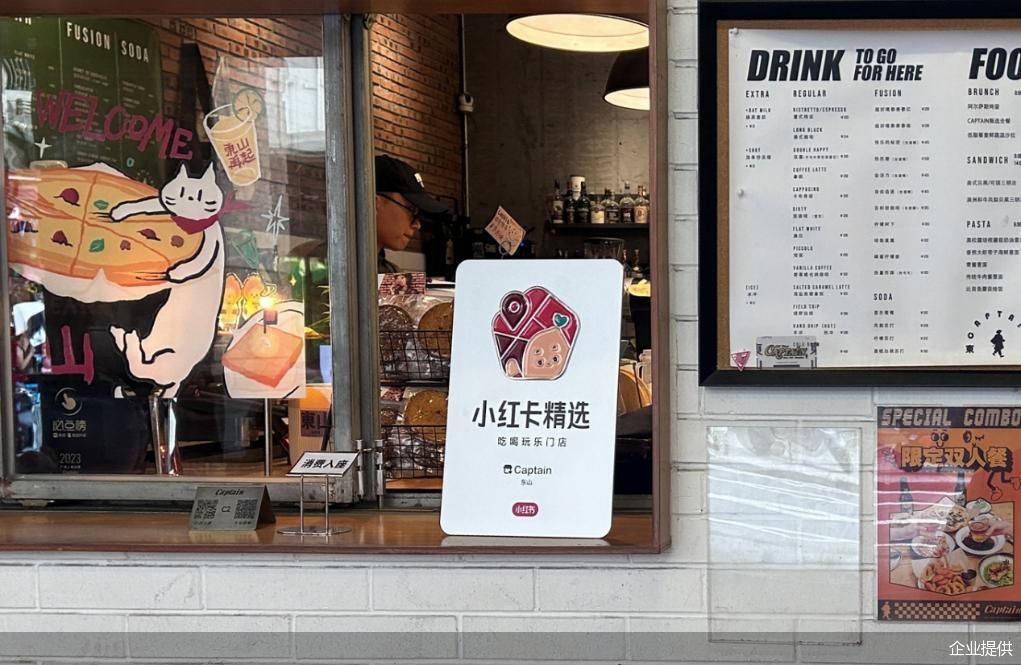
小红书本地产品负责人:本地生活业务目标是提升社区内容,并非加入外卖、团购竞争
Xin Lang Ke Ji· 2025-09-28 07:31
Core Insights - The third "Street Life Festival" organized by Xiaohongshu has launched simultaneously in Shanghai, Guangzhou, and Hangzhou, featuring 25 selected Citywalk routes and 200 unique activities, including four major events themed "Autumn Garden Party" [1] Group 1: Event Overview - The festival aims to enhance local engagement and consumer activity through a variety of events and activities across three major cities [1] - Xiaohongshu has introduced the "Xiaohong Card," which offers discounts at selected stores nationwide and access to exclusive offline events [1] Group 2: Business Strategy - Xiaohongshu's local business strategy focuses on meeting user demands for local lifestyle content, with an emphasis on quality over transaction volume [1] - The Xiaohong Card provides a unified 10% discount at participating stores, simplifying the consumer experience while promoting well-reviewed establishments [1] - The company is continuously exploring and optimizing the Xiaohong Card based on user feedback, aiming to enhance community content influence through genuine user-generated content post-transaction [1] Group 3: Competitive Positioning - Xiaohongshu does not view itself as a competitor in the local lifestyle market dominated by delivery and group-buying giants, but rather focuses on providing value and inspiration to users [2]
小红书发力本地生活,IPO前夕商业化又一块拼图?
Di Yi Cai Jing· 2025-09-27 04:44
Core Insights - Xiaohongshu's launch of the "Xiaohong Card" is a significant step in its commercialization strategy for 2025, indicating a shift towards local lifestyle services [1][4] - The "Xiaohong Card" offers users a year-long discount at selected local stores, aiming to enhance user engagement and drive transactions [1][4] - The initiative is part of a broader strategy to explore new business models and strengthen the company's market position in the local lifestyle sector [4][14] Company Strategy - Xiaohongshu's Vice President Xu Lei highlighted that the "Xiaohong Card" aims to convert user engagement into actual transactions, moving beyond mere product recommendations [4] - The company has expanded its partnerships from over 200 to thousands of local businesses, indicating a robust growth strategy [4][14] - The establishment of the "Big Commercial Sector" and the "Million Commission Waiver Plan" are part of Xiaohongshu's efforts to attract new merchants and streamline the conversion from content to commerce [15] Market Positioning - The initial rollout of the "Xiaohong Card" is limited to Shanghai, Hangzhou, and Guangzhou, chosen for their high consumer activity and alignment with Xiaohongshu's target demographic [14] - The local lifestyle market is seen as a critical area for Xiaohongshu, with the potential to reshape competition in the sector over the next three to five years [14] - Xiaohongshu's valuation has surged by 19% in three months, reaching $31 billion, reflecting investor confidence in its commercialization efforts [15] Future Outlook - The company is expected to accelerate its commercialization efforts, with the local lifestyle initiative potentially being a key component of its upcoming IPO plans [15] - Xiaohongshu's strategic moves in local lifestyle services could significantly enhance its market presence and capitalize on a trillion-dollar market opportunity [15]
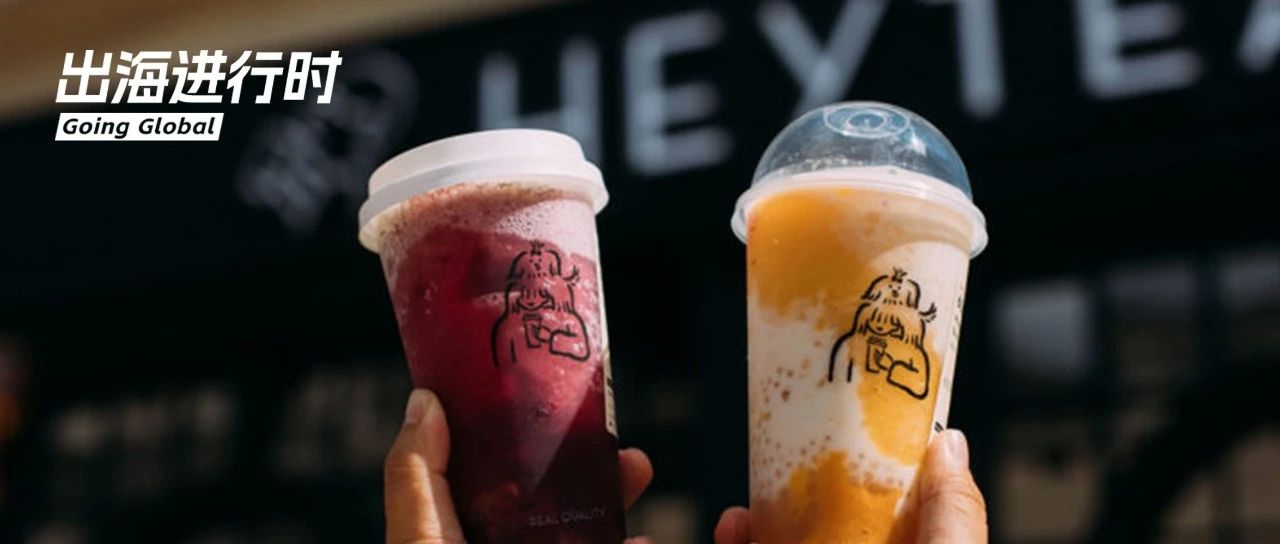
喜茶开店蹭苹果总部热点,“其实只是开到附近商场”;国内10座荟聚购物中心要被打包出售丨Going Global
创业邦· 2025-08-10 10:17
Key Points - SHEIN and Temu have captured a combined market share of 3.6% in South Africa's retail, apparel, textiles, footwear, and leather (CTFL) market, with sales reaching 7.3 billion Rand (approximately 405 million USD) in 2024 [5] - SHEIN alone holds 28% of the online CTFL sales for women in South Africa, while local retailers' market share has slightly decreased from 75.3% in 2011 to 74% in 2024 [5] - Temu has joined the International Trademark Association (INTA) to strengthen its compliance and lobbying efforts [9] - In Q1 2024, Temu's parent company PDD Holdings reported a net profit of 1.474 billion RMB (approximately 204.9 million USD), a 47% year-over-year decline, while revenue grew by 10% to 95.672 billion RMB (approximately 13.297 billion USD) [10] - Temu's active users in Southeast Asia reached 22 million by June 2024, with significant growth in the Philippines and Thailand [10] - TikTok is testing local lifestyle-related services in the U.S. by partnering with Booking.com, allowing users to book hotels directly through the platform [11][13] - Saudi Arabia's Othaim supermarket chain has joined Alibaba's AliExpress, enabling consumers to order various products online [14][16] - Heytea has expanded its overseas store count over sixfold in the past year, now exceeding 100 locations, while also closing some stores [19][21] - Meituan's Keeta has rapidly expanded in Saudi Arabia, covering 20 cities and achieving a 10% market share in the food delivery sector [22][24] - Xiaomi has become the second-largest smartphone brand in Europe, with a market share of 23% after a 11% growth in Q2 2025 [25][28] - Sweetlala has opened three new stores in Bali, Indonesia, and plans to extend its market reach to Europe and the Middle East [32][34] - Tencent led a funding round for Uzbekistan's fintech company Uzum, valuing it at 1.5 billion USD [50][52] - Luma AI's valuation has surged nearly 13 times to at least 3.2 billion USD within a year [53][55] - Naver is acquiring Spain's second-hand trading platform Wallapop for 377 million euros [59][61] - Anta is reportedly acquiring Reebok's China business, furthering its international expansion strategy [62][64]

京东外卖还差三步到达战场|深氪lite
36氪· 2025-03-05 13:17
Core Viewpoint - The article discusses the competitive landscape of the local delivery market in China, focusing on JD's entry into the food delivery sector and its strategies to attract merchants and consumers while facing challenges from established players like Meituan and Ele.me [2][22]. Group 1: JD's Strategy and Market Entry - JD is making a significant push into the local delivery market, particularly in food delivery, with a strategic focus on building a robust delivery network [4][5]. - The company has initiated a "0 commission" policy to attract merchants, which has generated considerable interest among restaurant owners [6][25]. - JD's active recruitment of service providers and merchants indicates a strong commitment to establishing its presence in the food delivery sector [10][19]. Group 2: Merchant and Consumer Reactions - Merchants have shown a keen interest in JD's offerings, with many expressing a desire to join the platform following its announcements [7][10]. - However, there are concerns regarding the clarity of JD's business model and operational challenges faced by merchants during the onboarding process [11][12]. - The initial excitement among merchants has been tempered by operational difficulties, leading to some disappointment as they navigate the platform's requirements [17][21]. Group 3: Competitive Landscape - JD's entry into the food delivery market is seen as a direct challenge to Meituan, which has established a strong foothold in the industry [22][24]. - While JD's current order volume is significantly lower than Meituan's, the high-profile nature of its entry has raised concerns among competitors [21][22]. - The competitive dynamics are further complicated by the presence of other players like Douyin, which has also entered the food delivery space [23][24]. Group 4: Operational Challenges - JD's operational systems have faced criticism for being cumbersome and not user-friendly, which has hindered the onboarding experience for new merchants [16][17]. - The company is working to improve its backend systems to better align with industry standards set by competitors like Meituan and Ele.me [17][18]. - Despite the challenges, JD is adjusting its requirements for service providers, indicating a shift towards a more structured approach in its operations [19][20].