
机制电价

Search documents
新能源上网电量全面入市,山东率先落地
中国能源报· 2025-09-22 08:44
Core Viewpoint - The article discusses the recent implementation of a market-oriented pricing mechanism for renewable energy in Shandong, marking a significant step in China's energy market reform. This mechanism allows renewable energy sources to enter the market through competitive bidding, with specific prices set for wind and solar energy [2][3][5]. Summary by Sections New Energy Pricing Mechanism - The Shandong Provincial Development and Reform Commission announced the results of the 2025 renewable energy pricing auction, with wind power selected at 5.967 billion kWh at a bid price of 0.319 yuan/kWh and solar power at 1.248 billion kWh at 0.225 yuan/kWh [2]. - A total of 1,200 projects were awarded, with a combined installed capacity of 4.8566 million kW and a total auctioned mechanism electricity volume of 7.215 billion kWh [2][5]. Auction Process and Dynamics - The mechanism pricing is akin to a dynamic price insurance for power generation companies, providing compensation when market prices fall below the mechanism price and requiring refunds when they exceed it [5]. - The auction process was designed to ensure fairness, with a closed evaluation model and a focus on both quantity and price, allowing for a competitive environment [3][5]. Market Impact and Future Outlook - The shift to a market-based pricing model is expected to drive renewable energy companies to focus on cost control and technological innovation, moving from a scale competition to an efficiency competition [6]. - As of August 2023, Shandong has a total renewable energy installed capacity of 123.67 million kW, with solar power leading at 91.45 million kW and wind power at 27.49 million kW [5].

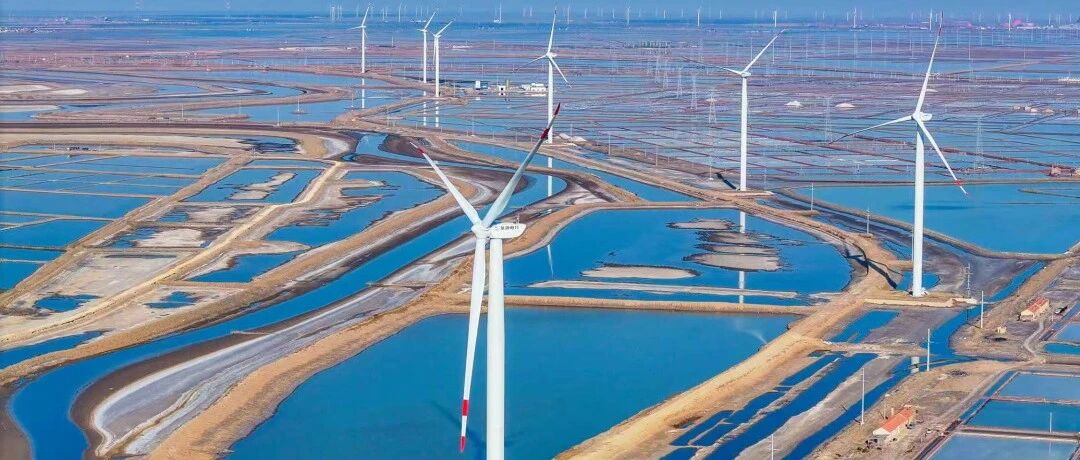
电价下滑、电量难保,新能源投资如何“转舵”
Di Yi Cai Jing· 2025-09-21 04:03
Core Insights - The recent auction results for renewable energy prices in Shandong Province have raised concerns among investors regarding the profitability of solar and wind projects, with solar prices dropping to 0.225 yuan/kWh and wind prices at 0.319 yuan/kWh, both significantly lower than expected [1][3][4] - The mechanism price is part of a new pricing system aimed at stabilizing revenue for renewable energy projects, but the low auction results indicate a potential shift in investment dynamics within the sector [1][2][3] Group 1: Auction Results and Market Reactions - The auction results revealed a mechanism price of 0.225 yuan/kWh for solar projects, with an 80% mechanism volume ratio, and 0.319 yuan/kWh for wind projects, with a 70% mechanism volume ratio, indicating a significant drop in expected returns [3][4] - Industry reactions to the low prices have been mixed, with some anticipating the price drop due to high competition among bidders, while others express disappointment as they had hoped for prices that would allow for profitability [3][4] - The mechanism price represents a 43% decrease for solar and a 19.2% decrease for wind compared to the benchmark coal price of 0.3949 yuan/kWh, highlighting the impact on new projects' profitability [4] Group 2: Policy Changes and Investment Dynamics - Recent policy changes from the National Development and Reform Commission and the National Energy Administration aim to accelerate the construction of the electricity spot market and promote new energy consumption, indicating a shift in investment models for renewable energy [2][5] - The low mechanism prices signal that the market may not require as many solar investors in the short term, suggesting a strategic shift towards wind energy projects [5] - The competitive landscape is changing, with many investors submitting low bids to secure project approvals, reflecting a challenging environment for maintaining profitability in solar energy investments [4][5] Group 3: Future Outlook and Strategic Adjustments - The current low mechanism prices may not become the norm, as the tight timeline for project approvals and the potential for even lower market prices could lead to greater losses for investors [5][6] - Industry experts suggest that to improve the situation, policies may need to allow for more flexible timelines and encourage companies to withdraw from unprofitable projects, which could fundamentally alter supply and demand dynamics [5][6] - The focus for future market development is expected to shift towards high-quality projects, with cost control becoming increasingly important for profitability in regions with less competitive solar markets [5][6]

深度|电价下滑、电量难保 新能源投资如何“转舵”
Di Yi Cai Jing· 2025-09-18 13:34
Core Insights - The recent auction results for renewable energy prices in Shandong Province have raised concerns among investors regarding the profitability of solar and wind projects, with solar prices dropping to 0.225 yuan/kWh and wind prices at 0.319 yuan/kWh, both significantly lower than expected [1][3][4] - The new pricing mechanism introduced by the government aims to stabilize revenues for renewable energy projects but has led to a competitive bidding environment where many participants are undercutting prices to secure contracts [1][3][5] Summary by Sections Mechanism Pricing and Market Reactions - The mechanism pricing for solar energy was set at 0.225 yuan/kWh, which is lower than the expected 0.26 yuan/kWh, causing alarm among investors as it may not cover operational costs for many projects [1][3][4] - The auction results indicate a significant drop in expected revenues, with solar and wind prices falling by 43% and 19.2% respectively compared to the benchmark coal price [4][5] Policy Changes and Industry Impact - Recent policy changes from the National Development and Reform Commission and the National Energy Administration aim to accelerate the construction of the electricity spot market and promote new energy consumption [2][5] - The new pricing mechanism is seen as a critical step for renewable energy to secure a foothold in the electricity market, but it also places the onus of demand on electricity users rather than the grid [2][5] Investment Trends and Challenges - The low mechanism prices have led to a reduction in investment enthusiasm, with many investors reporting difficulty in finding funding for projects due to the unfavorable pricing environment [3][6][7] - The competitive landscape has shifted, with fewer investors willing to engage in projects that do not meet profitability thresholds, leading to a consolidation of investment interest in high-quality projects [5][7] Storage and Future Prospects - The introduction of new policies has improved the outlook for independent energy storage projects, with significant growth in installed capacity reported [10][11] - However, challenges remain in ensuring that storage projects can effectively participate in the market, as many still lack the necessary performance metrics to be profitable [12][13] Long-term Outlook - The future of renewable energy deployment is expected to slow down due to various factors, including the need for coal power to support the grid and the ongoing adjustments in market mechanisms [13][14] - The industry is urged to focus on improving project economics and ensuring that policies align with market realities to foster sustainable growth in the renewable energy sector [14][15]
0.319元!0.225元!山东完成全国首次新能源机制电价竞价
Qi Lu Wan Bao Wang· 2025-09-11 06:07
Core Insights - The recent auction results for renewable energy prices in Shandong province mark a significant breakthrough in the market-oriented reform of electricity pricing for renewable energy sources [1][3] - The auction results indicate that wind power was awarded a total of 5.967 billion kilowatt-hours at a bid price of 0.319 yuan per kilowatt-hour, while solar power received 1.248 billion kilowatt-hours at a bid price of 0.225 yuan per kilowatt-hour [1][5] - Shandong province has implemented the first provincial-level market-oriented pricing reform for renewable energy in the country, allowing all wind and solar power generation to enter the electricity market [1][5] Summary by Sections Auction Results - The total scale of the mechanism electricity volume for the auction was set at 9.467 billion kilowatt-hours, with a bidding process that attracted over 3,000 renewable energy projects [5] - A total of 1,200 projects were selected in this auction, which is expected to shift the revenue model for renewable energy projects from guaranteed purchases and state subsidies to market-based revenues and competitive bidding [5] Mechanism Pricing - The mechanism pricing system is designed to provide a "dynamic price insurance" for power generation companies, ensuring compensation when market prices fall below the mechanism price and requiring refunds of excess profits when market prices exceed it [3][5] - The mechanism price is determined through a competitive bidding process, which allows for effective competition in pricing while ensuring reasonable growth in renewable energy volume [3][5] Impact on Energy Structure - The reform is expected to guide the energy structure towards a more diversified approach, promoting the integration of wind, solar, and storage technologies [5] - The pricing reform will not affect electricity prices for residential and agricultural users, while commercial electricity prices may fluctuate within reasonable limits based on supply and demand and the development of renewable energy [5]
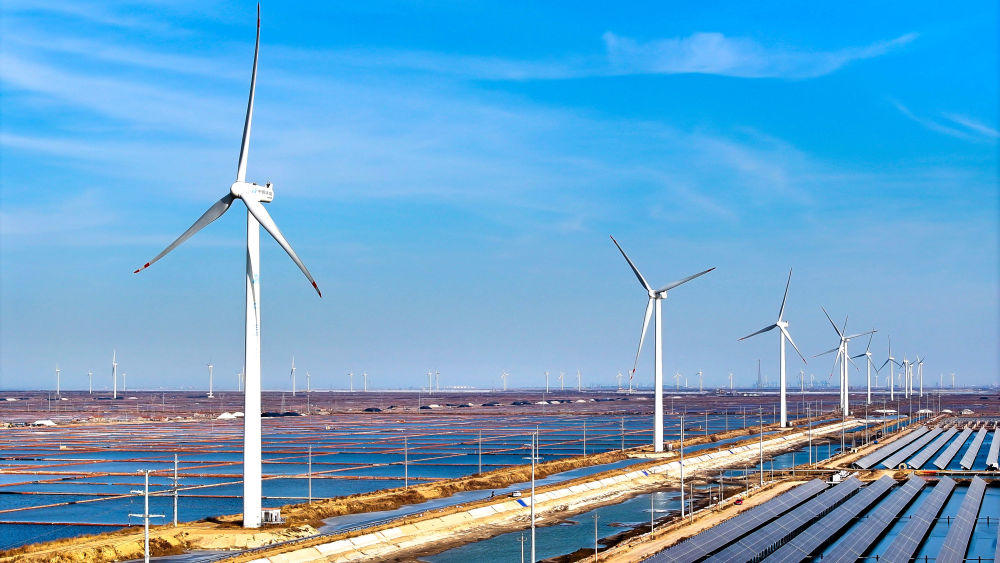
136号文省级配套政策重点内容对比分析
中关村储能产业技术联盟· 2025-07-09 09:10
Core Viewpoint - The article discusses the implementation of market-oriented pricing mechanisms for renewable energy in China, emphasizing the transition to a market-driven electricity pricing system as outlined in the "136 Document" issued by the National Development and Reform Commission and the National Energy Administration [1][12]. Summary by Sections Basic Comparison - "Mechanism electricity price" is designed as a transitional support policy to ensure reasonable returns for new renewable energy projects, formed through market competition rather than fixed subsidies [2]. Mechanism Electricity Pricing - For existing projects, the mechanism electricity price is linked to the benchmark price of coal-fired power, with typical prices ranging from 0.25 to 0.45 yuan per kilowatt-hour. Different provinces have specific pricing structures, with Xinjiang providing detailed classifications for subsidized and non-subsidized projects [3]. Mechanism Electricity Volume - The "mechanism electricity volume" is the guaranteed minimum electricity volume for renewable projects, ensuring basic returns through a price difference settlement mechanism [3]. Execution Period - The execution period for mechanism electricity prices is designed to ensure long-term investment returns for existing projects, with typical durations based on the project's lifecycle or a fixed number of years [5]. Competitive Mechanism - The competitive mechanism for pricing involves two aspects: projects included in the mechanism must participate in market trading, and a competitive bidding process is established for new projects before they enter the mechanism [7]. Market Participation - Projects included in the mechanism must participate in market trading, with price settlements based on market averages. For example, in Xinjiang, projects can participate without mandatory reporting of volume or price [8]. Mechanism Volume Competition - Different provinces have varying approaches to competition for mechanism electricity volume, with some using marginal clearing methods and others determining prices based on bids [11]. Policy Implementation and Transition - The implementation of the "136 Document" has accelerated the marketization of renewable energy, with significant growth in installed capacity. By May 2025, the total installed capacity reached 3.61 billion kilowatts, with solar and wind power showing substantial year-on-year growth [12][13]. Regional Policy Examples - Xinjiang has maintained strong support for existing projects, ensuring a smooth transition by linking new policies with previous ones. In contrast, Inner Mongolia has a high degree of marketization, allowing for a quicker shift to full market trading without mandatory price difference settlements [13][14]. Future Outlook - As the "136 Document" is further implemented, renewable energy development will increasingly align with electricity market dynamics, and the storage industry will transition from mandatory storage to market competition [14].

新能源项目将全面进入电力市场交易,如何定价合适?
Nan Fang Du Shi Bao· 2025-05-21 17:26
Core Viewpoint - The introduction of the 136 document marks a significant step in China's energy transition, allowing renewable energy to participate in market trading, which will impact the pricing and operational dynamics of the energy sector [4][8]. Group 1: Impact of 136 Document - The 136 document will stabilize expectations for renewable energy enterprises and require them to adapt to market conditions, promoting sustainable development in the industry [4]. - The document shifts the pricing mechanism from guaranteed purchase to a combination of mechanism electricity and market trading, influencing project revenues based on various factors such as renewable energy consumption rights and market node locations [6][8]. - The document is seen as a critical reform step, addressing the dual challenges of ensuring renewable energy consumption and maintaining grid stability [5]. Group 2: Market Dynamics and Challenges - The market will need to establish a capacity compensation mechanism to support various flexible resources, ensuring that all market participants can compete effectively [5][6]. - There are concerns about the potential for "self-cannibalization" of renewable energy prices and the need for a phased approach to market liberalization [5]. - The current market conditions reflect challenges such as access difficulties and the need for improved green certificate and carbon trading markets to enhance the competitiveness of renewable energy [8]. Group 3: Future Considerations - The successful integration of renewable energy into the market will depend on the development of auxiliary services and capacity mechanisms to ensure stable revenues for traditional power sources [6][8]. - The ideal market scenario would involve a well-functioning green certificate and carbon trading system, allowing renewable energy to compete effectively while receiving additional compensation [8]. - The ongoing evolution of the energy market necessitates continuous monitoring of policy changes and market dynamics to maintain competitive advantages for small and medium-sized renewable energy enterprises [5][6].
银星能源20250325
2025-04-15 14:30
Summary of Conference Call Company and Industry - The conference call primarily discusses the operations and market conditions of the energy sector, specifically focusing on the company involved in distributed energy projects, including wind and solar power generation. Key Points and Arguments 1. Power Generation and Pricing Trends - The company expects an increase in power generation due to improved wind conditions and solar resources in 2024 compared to 2023, with generation hours improving significantly post-renovation projects [2][3][4] - The average electricity price for the year is projected to decrease to approximately 0.49 yuan per kWh, reflecting a decline of about 0.02 yuan compared to the previous year [3][11] 2. Regional Pricing Mechanisms - The electricity pricing in regions such as Ningxia and Inner Mongolia is expected to remain stable, with minor fluctuations due to market conditions and the transition to a spot market [4][6][7] - In Shaanxi, the transition to a spot market has led to significant price volatility, with prices fluctuating between 0.04 yuan to 1.00 yuan [6][7] 3. Market Dynamics and Competition - The company is focusing on enhancing its competitive edge through the integration of large and small projects, aiming for better utilization rates of wind turbines [2][5] - The profitability of new projects in the region is under scrutiny, with concerns about the overall market conditions affecting the financial viability of new entrants [10][12] 4. Future Outlook and Strategic Initiatives - The company plans to complete 200,000 kW of distributed solar projects by June 2024, contributing to its growth strategy [20] - There is an emphasis on the importance of green electricity and the company's role in supporting national energy goals, particularly in high-demand sectors [21][22] 5. Regulatory Environment and Policy Impacts - The recent policy changes regarding distributed and centralized solar energy are expected to have a significant impact on the company's operations, with a focus on compliance and adaptation to new regulations [25][26] - The company is preparing for potential changes in market dynamics as the government continues to refine its energy policies, which may affect pricing and operational strategies [29][30] 6. Financial Considerations - The anticipated decrease in electricity prices could lead to a reduction in profits, with estimates suggesting a potential loss of around 50 million yuan due to price adjustments [11][12] - The company is also addressing asset integration and the quality of new energy assets, which may influence future financial performance [31][32] Other Important but Overlooked Content - The company is actively exploring partnerships and collaborations to enhance its project portfolio and market presence, particularly in regions with high energy demands [23][24] - There is a focus on the operational efficiency of existing projects and the potential for new project developments to contribute positively to the company's overall performance [18][19] This summary encapsulates the key discussions and insights from the conference call, highlighting the company's strategic direction, market conditions, and financial outlook within the energy sector.
