民俗文化

Search documents
回潮州看布马舞
Xin Lang Cai Jing· 2026-02-23 02:13
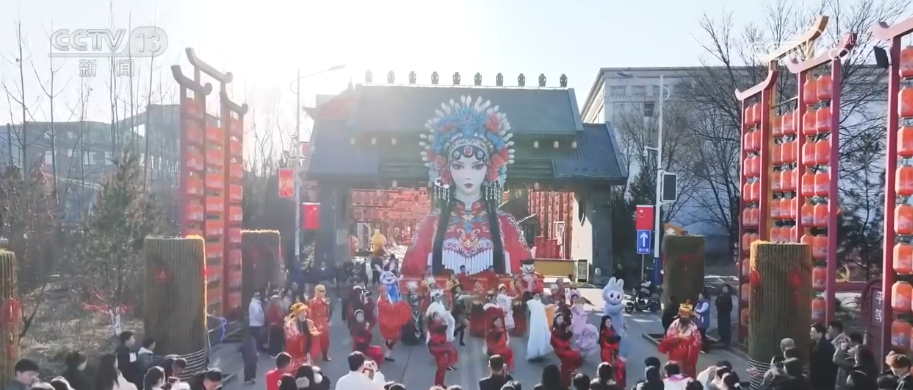
(来源:经济日报) 饶平县政府前的广场面积并不大,我等站在台阶上,与表演者近在咫尺,可以清晰看到其面部表情,一 笑一颦、一动一静,乃至不时飞洒出去的汗珠。这些薄施粉黛的少女,因扮演的是巾帼英雄,娇美之 转自:经济日报 因公或因私,我每年返乡多次,但从不选择春节期间,因这个时候的古城潮州实在太闹热了。早年主要 是在外闯荡者回家团聚,那已经够红火了;近年更因美食、英歌舞以及营老爷等,吸引天南海北无数好 奇的游客,小城于是变得人满为患。 架不住喜欢游玩的几位老友再三请求,前年春节,我终于破例带队回潮州过年。比起大都市的冷清来, 这座"活着的古城",此刻确实是分外妖娆,让我这个本地人都有"士别三日当刮目相看"的感觉。好吃、 好玩、好风景、好心情,这些都在预料之中;倒是大年初一应邀到潮州市饶平县黄冈镇做客,那里的布 马舞竟如此美妙,大大出乎我的意料。 黄冈位于闽粤交界处,宋元明清一直是粤东的军事重镇。读近代史的,大都记得清光绪三十三年(1907 年)的"潮州黄冈起义";如今饶平中山公园内,还矗立着省级文物保护单位"黄冈丁未革命纪念亭"。对 于我等来说,选择春节游黄冈,访古之外,更重要的是探今——在大街小巷以及县政府前广 ...
民俗活动引流 新春消费爆火
Xin Lang Cai Jing· 2026-02-22 21:01
(来源:新华日报) 2月22日,天气晴暖,苏州古运河畔玉兰花开,吸引游客观赏。 王建中 摄 (视觉江苏网供图) 2月22日,瘦西湖第四届梅花艺术季开幕。 刘江瑞 摄 2月22日,市民游客在徐州历史文脉——彭城七里参观游玩。 蒯创 摄 (视觉江苏网供图) 2月22日,如皋市如城街道集贤里古街年味十足,不少市民游客前来品咖啡、拍照打卡。 徐慧 摄 (视 觉江苏网供图) 马年春节期间,江苏各地民俗活动轮番上阵、亮点纷呈,非遗展演、新春巡游、古风市集、潮玩体验等 多元形式齐发力,强势为文旅市场"引流",带动餐饮、文创、特色消费全线升温,各地商圈、古镇、街 区人气爆棚、商气浓郁,新春消费持续"爆火"。 扬州 活动每日出新 古城人气爆棚 □ 本报记者 张 晨 2月22日中午,扬州古城皮市街上人流涌动。700多米长的石板街两侧,站满了等待进入沿街餐馆就餐的 游客,店内早已座无虚席,店员招呼客人忙得脚不沾地。春节期间,皮市街每天一个主题的民俗活动引 来了源源不断的游客,沿街100多家店铺生意火爆。 "特意带孩子从南京赶来逛皮市街,套圈、投壶、猜灯谜玩个不停,孩子全程兴致勃勃,这种满是传统 味的热闹劲儿,才是过年该有的样子!" ...
何以春节丨探马敲门,福气进门!解锁马背上的民间戏剧
Xin Lang Cai Jing· 2026-02-21 08:01
Core Viewpoint - The article highlights the significance of the "Horse Festival" in Shaanxi province, which symbolizes cultural heritage and community bonding during the Spring Festival, showcasing unique local traditions and artistic expressions [1][11]. Group 1: Cultural Significance - The Horse Festival, known as "Ma She Huo," is a traditional folk activity in Shaanxi that dates back to the Shang and Zhou dynasties, combining drama and parade elements [1][15]. - The festival serves as a medium for villagers to express their wishes for health, prosperity, and good fortune through symbolic acts such as "Da Hong" where red cloth is offered to historical figures [5][9]. Group 2: Historical Context - The region has a rich history of horse breeding, with over 2000 years of tradition, making horses an integral part of local culture and identity [11][13]. - Historical references indicate that the area was significant for horse breeding during the Western Zhou and Han dynasties, contributing to military needs [13][15]. Group 3: Community Involvement - The festival involves active participation from villagers, with many joining the performance teams upon returning home for the New Year, fostering community spirit and unity [17][19]. - The event is not just a performance but a way to strengthen neighborhood ties and cultural continuity across generations [9][19]. Group 4: Artistic Expression - The festival features traditional costumes adorned with auspicious patterns, reflecting the exquisite craftsmanship of local embroidery, particularly the West Qin embroidery, which has historical roots [25][27]. - The unique "Dieda" face painting technique used in the festival has evolved over centuries, showcasing the artistic heritage and cultural narratives of the region [31][39]. Group 5: Educational Initiatives - Local workshops are engaging youth in traditional arts, ensuring the transmission of skills such as embroidery and face painting, which are vital for preserving cultural heritage [41][43]. - Educational programs are being implemented to introduce children to traditional arts, enhancing their appreciation and understanding of local culture [41][43].

南宫新春文化市集开启!到丰台王佐逛花境奇遇夜、泡康养汤池
Xin Lang Cai Jing· 2026-02-21 05:57
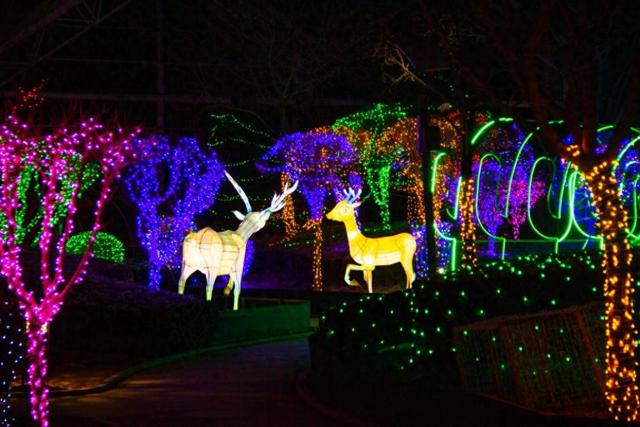
春节假期已经"余额不足",过年的新花样依旧不断上新。2月21日大年初五,丰台区王佐镇开启"南宫新 春文化市集",邀市民来南宫旅游休闲度假区,逛文化市集,感受花境奇遇夜,泡康养汤池,赴一场集 浪漫夜游、民俗年味、康养休闲于一体的新春之旅。 南宫新春文化市集,汇聚非遗展示、特色美食、民俗表演、祈福纳祥四大核心板块,以满满的烟火气与 厚重的文化味,为市民游客提供感受传统年味、寄托新春祈愿的好去处,也是展示京西全域旅游小镇王 佐镇乡村活力的重要窗口。 逛了市集还意犹未尽?即日起至3月4日,每天17时30分至21时,南宫五洲植物乐园将化身梦幻秘境—— 南宫花境奇遇夜邀您感受沉浸式亲子夜游。今年的夜游活动以"粉调星光·暖冬花境"为核心主题,将星 光花树、祈福花廊、梦幻造雪、精灵巡游等创意元素巧妙交织,勾勒出浪漫又温馨的冬日限定画卷,让 游客在光影流转间感受新春的灵动气息。 嬉玩尽兴之后,还可以移步南宫特色汤泉区,在暖意氤氲中洗去一身寒意,解锁新春康养新方式——依 托优质康养资源,王佐镇精心打造康养疗愈体验,南宫民族温泉养生园有藏药、牛奶、花瓣等多主题汤 池,满足人们的个性化康养需求。还有私汤的静谧舒适体验,让人卸下疲惫、 ...
“民俗+环保”欢喜迎新春
Xin Lang Cai Jing· 2026-02-21 04:52
曹妃甸六农场相关负责人表示,农场将继续深挖传统节日文化内涵,创新活动形式,让文明实践在基层 落地生根,让邻里温情成为乡村振兴的温暖底色。 活动现场年味浓郁,红气球与"福"字剪纸相映成趣。"福字拓印工坊"中,志愿者化身"文化向导",讲 解"福"字的民俗寓意与拓印秘诀,指导孩子们固定模板、匀蘸颜料、轻压慢揭。"环保鞭炮创意营"也趣 味十足,废旧红包、彩纸等闲置好物经孩子们的巧思妙想变身成零污染的环保鞭炮。"新春福运接龙"趣 味故事游戏中,孩子们围坐在一起,从"过年贴福字""环保小卫士"等关键词起头接龙编故事,欢声笑语 萦绕全场。 (来源:唐山劳动日报) 本报讯 (记者闫妍 通讯员王相怡、李芳菲)"孩子们能体会到传统文化的魅力,又学会了变废为宝,希 望这样的活动多多开展!"带着孙女参加活动的村民王大爷表示。近日,曹妃甸区六农场曾四村邻里互 助点举办了"福韵拓印·绿动新春"主题活动,农场的孩子们与志愿者齐聚一堂,在指尖传承民俗文化, 以创意践行绿色理念。 ...
中国剑河:民俗传温情 姑妈聚团圆
Xin Lang Cai Jing· 2026-02-20 11:25
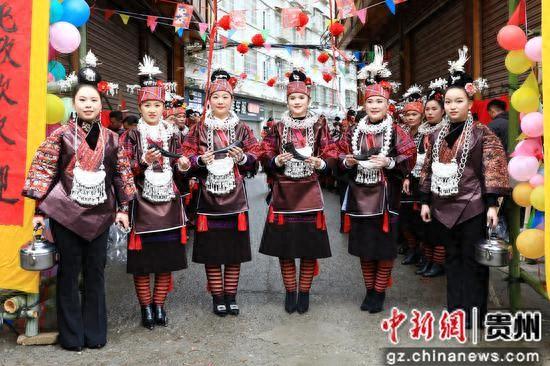
东寨村,舅妈们正在等待姑妈们的到来。钟成炫 摄 东寨村,姑妈和舅妈正在开展趣味篮球赛。钟成炫 摄 在剑河县仰阿莎街道革 在剑河县仰阿莎街道革 在剑河县仰阿莎街道革 在剑河县仰阿莎街道革东寨村,姑妈、姑爹们集体合照。 在剑河县仰阿莎街道革 东寨村,姑妈和舅妈们正在踩鼓。钟成炫 摄 新春佳节,乡愁正浓。2月19日,剑河县仰阿莎街道革东寨村张灯结彩,一场时隔20余年的"姑妈回娘 家"民俗活动,在全村人的期盼中温情开场。260多名远嫁他乡的姑妈,带着随行的姑爹和满心的牵挂归 巢,与娘家人一起踩鼓欢歌、玩趣味游戏、拉家常话团圆,村寨被团圆的暖意与节日的喜庆紧紧包裹, 处处洋溢着浓浓的亲情与烟火气。(钟成炫) 东寨村,姑妈和舅妈们正在踩鼓。钟成炫 摄 ...
老民俗“走”出来与新消费“连”起来 文旅市场暖意浓游客“乐”享假日
Yang Shi Wang· 2026-02-20 04:05
Core Viewpoint - The article highlights the vibrant and diverse non-heritage activities across various regions in China during the Spring Festival, showcasing a blend of traditional culture and modern consumer experiences. Group 1: Non-Heritage Activities - In Shanxi, a 16-day "Non-Heritage Carnival" features traditional customs like dragon and lion dances, engaging visitors in a cultural experience while promoting local consumption through night market activities [3] - Hunan's Zhangjiajie National Forest Park hosts a series of non-heritage performances, attracting both domestic and international tourists to a culturally immersive New Year celebration [3] - Jiangsu integrates national-level non-heritage crafts with festive customs, offering local delicacies and performances that enhance the festive atmosphere [5] Group 2: Cultural and Culinary Experiences - Sichuan's tourism market thrives with a mix of red culture, folk experiences, and local cuisine, creating a festive environment during the Spring Festival [5] - In Sichuan's Shimian County, a combination of red education and interactive experiences revitalizes the local tourism scene, making it a popular destination for New Year travelers [7] - The "Baba Banquet" in Sichuan features local delicacies, while various non-heritage experiences like lantern making attract significant visitor participation [9] Group 3: Technological Integration - In Jiangsu's Jianhu County, interactive robots engage with visitors, enhancing the festive experience through technology [12] - The "Wudang Dream" park in Hubei showcases a large-scale immersive performance that combines advanced light and shadow technology with traditional martial arts, creating a captivating cultural experience [16] Group 4: Traditional Celebrations - In Hunan and Hebei, ancient cities leverage their cultural heritage to offer a rich experience of traditional Chinese New Year celebrations, blending folk customs with modern technology [18] - The vibrant atmosphere in Hebei's Xingzhou Ancient City features numerous festive activities, with traditional decorations and local culinary offerings creating a lively environment for visitors [20]
走,叫卖声里寻年味儿!
Da Zhong Ri Bao· 2026-02-19 00:55
Core Viewpoint - The traditional market, known as "Sha Wo Da Ji," in Weifang City, continues to thrive despite challenges from supermarkets, serving as a vibrant cultural and commercial hub for local residents during the Lunar New Year season [1][2]. Group 1: Market Dynamics - The Sha Wo Da Ji has over 400 stalls and has been a significant cultural gathering since 1993, attracting many visitors during the Lunar New Year [1]. - Despite facing competition from supermarkets, the number of visitors to the market has been increasing as the Lunar New Year approaches, indicating a sustained interest in traditional customs [2]. Group 2: Cultural Significance - The market serves as a platform for both material transactions and the preservation of folk culture, showcasing the essence of traditional Chinese festivities [2]. - Community initiatives, such as writing Spring Festival couplets and folk performances, have been integrated into the market, enhancing its cultural vitality and making it a lively representation of local traditions [2].
泉州花灯:光与影的诗行
Xin Lang Cai Jing· 2026-02-18 23:26
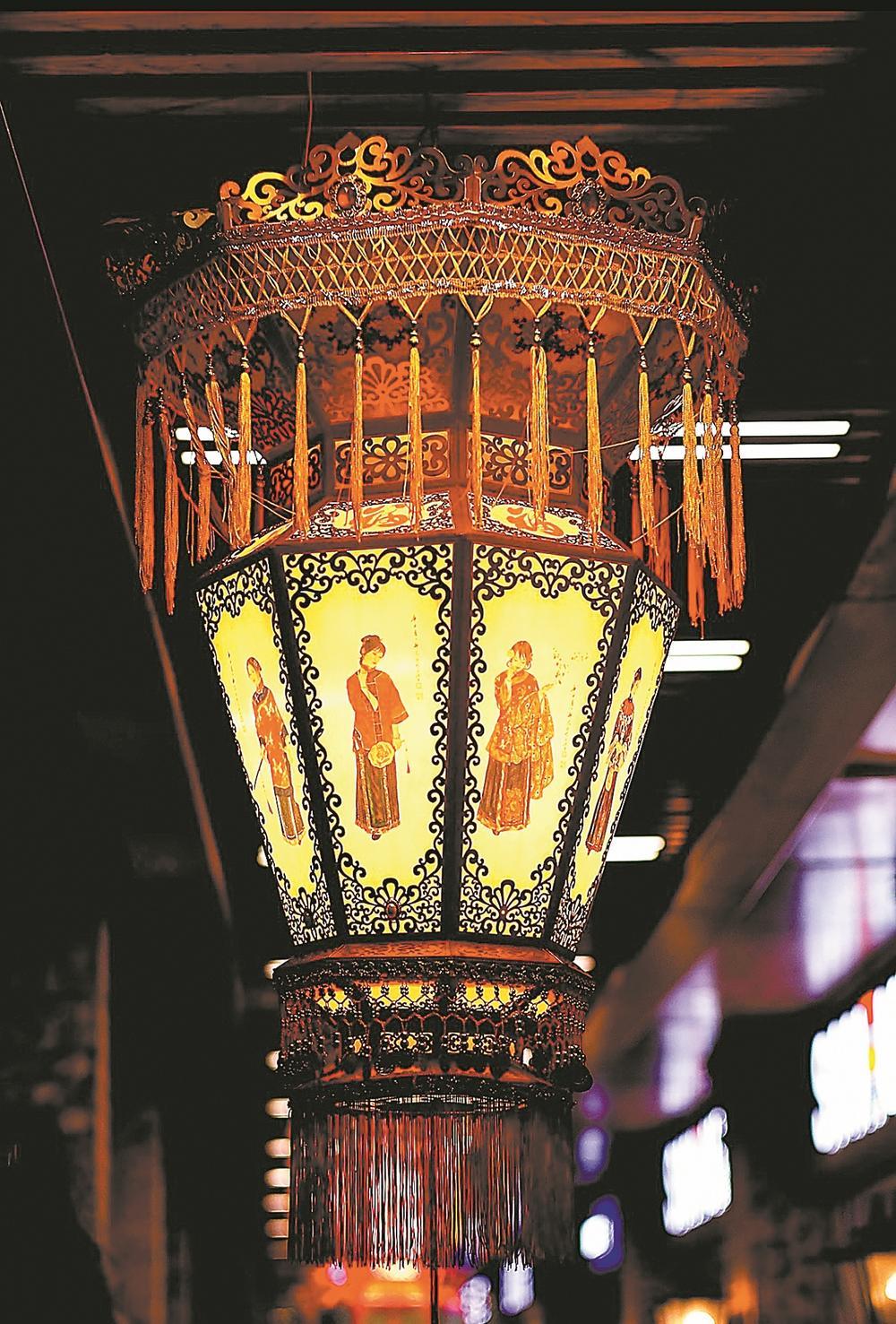
the was the to Act A GYP GPC 9 B CASG G. 0 C 05 NGKO ts e K Kist F ttp:/ t 800 2 210 pl es and the state 13 彩扎灯则展现了以实构巧的造型伟力,其灵魂在于骨架的扎制。工匠选取多年生老竹,劈出细匀柔韧的竹篾,全凭心手相应的功夫,通过核心 的排缝技艺,使竹篾纵横穿插,巧妙咬合,构建出亭台楼阁、龙凤瑞兽等场景的立体骨架,结构严谨而又充满生气。覆以手绘绸缎或玲珑刻 纸,再饰以流苏,一座座流光溢彩、叙事磅礴的微型世界便豁然眼前。 玲珑剔透的料丝灯、刀法精妙的刻纸灯等,共同构成了泉州花灯璀璨多姿、互为补充的工艺体系,每一盏都是材料、结构与美学的精密统一。 泉州花灯艺术远超视觉的内涵,早已成为一种深刻的民俗文化符号,参与构建地方社会的空间秩序、伦理规范与精神图景。在空间层面,花灯 是塑造城市环境的纽带。元宵时节,花灯从家庭厅堂蔓延至街巷、市集、庙宇与城门,沿城市的脉络布局,将分散的物理空间连缀成一个充满 神圣性与庆典感的整体场域,使观灯成为一种在文化图式中沉浸体验的仪式旅程。 在民俗与伦理层面,花灯是维系社群认同与传递 ...
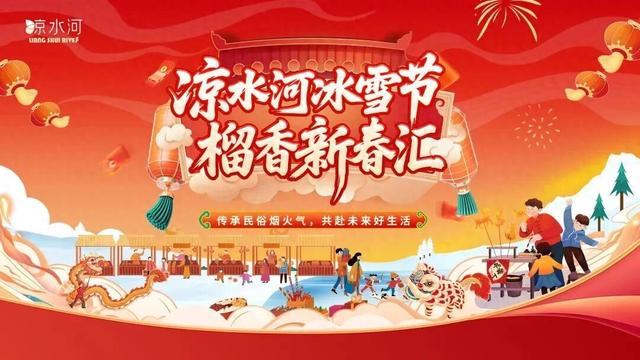
白天逛庙会,夜晚赏“极光”!凉水河畔年味满满
Xin Lang Cai Jing· 2026-02-18 16:14
2月18日,大年初二,寒意未减,凉水河榴香森林公园内却暖意升腾、人声鼎沸,凉水河冰雪节榴香新 春汇如期展开。 此次新春汇活动 从大年初一持续至十五 依托凉水河滨水生态资源 打造了"冰雪+民俗+美食" 特色场景 成为南城居民家门口的新春打卡地 解锁沉浸式亲子冰雪娱乐 与新春年味交织的乐趣 伴随着激昂的鼓点,威风凛凛的舞狮昂首登场,腾跃、翻滚、摇头、摆尾,动作灵活矫健,热闹的民俗 表演将现场氛围一次次推向高潮。 这场集冰雪浪漫、美食飘香、非遗雅韵、民俗欢腾于一体的新春盛会,让不用远行、下楼即达的年味儿 成为周边市民马年新春最贴心的仪式感,无论是全家携手出游,还是好友相伴同逛,都能在欢声笑语中 捕捉属于自己的新春欢喜。 金黄酥脆的章鱼小丸子、酸甜回甘的冰糖葫芦、焦香冒油的烧烤大串……逛市集,寻年味,美食也是绝 对的"主角"。刚踏入市集,阵阵香气便扑面而来,烟火气直钻鼻腔,各类特色小吃摊位前早已吸引了不 少游客。 非遗糖人糖画摊位前,老师傅用娴熟的手法搅动融化的糖浆,手腕轻转间,一匹栩栩如生的小马糖人便 成形了,"太逼真了!师傅,我要一个小马造型的,祝我马年学业进步!"四年级的浩然举着刚做好的糖 人兴奋地说。 美食暖 ...