
流感防护

Search documents
流感高发,请收好这份防护指南(服务窗)
Ren Min Ri Bao· 2025-12-11 22:11
Core Viewpoint - The current flu season in China is experiencing a high prevalence, with a positive detection rate of 54.2% for flu viruses in outpatient and emergency departments from December 1 to 7, indicating an upward trend in flu virus detection, although the rate of increase is slowing down [1] Group 1: Flu vs. Common Cold - The pathogens detected in China are common known pathogens, with no new infectious diseases reported [2] - Flu symptoms are more severe, including sudden high fever (over 39°C), chills, headaches, muscle aches, and fatigue, potentially leading to serious complications in vulnerable populations [2] - Common colds are generally caused by rhinoviruses and have milder symptoms, typically resolving within a week without fever [2] Group 2: Treatment and Prevention - Flu is self-limiting, with mild cases recovering at home; severe cases may require antiviral treatment and management of complications [2][3] - Vaccination is the most effective and economical way to prevent flu, especially for high-risk groups such as children, the elderly, and those with underlying health conditions [4] - Vaccination can significantly reduce the risk of flu and severe cases, and while some vaccinated individuals may still contract the flu, their symptoms are usually milder [4] Group 3: Vaccination Guidelines - Children aged 6 months to 8 years require two doses of inactivated vaccine for their first vaccination, while those previously vaccinated need only one dose [5] - For individuals aged 9 and above, only one dose is required annually, regardless of previous vaccinations [5] - Vaccination is necessary each flu season due to the variability of flu viruses and the waning immunity from previous vaccinations [5] Group 4: Post-Recovery Care - After recovery, individuals should maintain good hygiene practices, such as wearing masks and frequent handwashing, to prevent reinfection [6][7] - It is advised that flu patients stay in separate rooms and minimize close contact with others [6] - Vulnerable populations should take extra precautions in crowded places, and schools should monitor health and maintain cleanliness to prevent disease spread [7]
中红医疗:全品类医用手套为流感季健康保驾护航
Quan Jing Wang· 2025-12-03 10:36
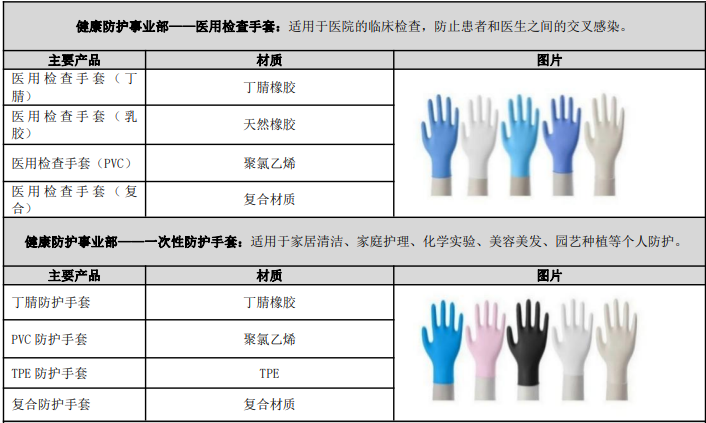
Core Viewpoint - The flu virus is becoming increasingly active in China as the autumn and winter temperatures drop, with the positive rate of flu-like cases nearing 45%, indicating a significant rise in respiratory infectious diseases [1] Group 1: Flu Activity and Prevention - The flu virus can spread through droplets and contact with contaminated surfaces, emphasizing the need for effective protective measures [1] - The Chinese Center for Disease Control and Prevention highlights the importance of hand protection in preventing the transmission of the flu virus [1] Group 2: Company Overview - Zhonghong Medical, a state-controlled listed company, is a leading player in the domestic medical protection sector, offering a comprehensive range of medical gloves to enhance health protection during the flu season [1][2] - The company provides various types of disposable protective gloves, including medical examination gloves and household protective gloves, catering to different scenarios from professional medical use to home care [2] Group 3: Product Features and Innovations - Zhonghong Medical's gloves are designed to meet industry standards and utilize innovative materials and processes to create a multi-layered hand protection system for flu prevention [2] - The company emphasizes the importance of proper glove usage, including the "one-use-one-change" principle, to minimize the risk of secondary contamination [2] Group 4: Future Focus and Product Expansion - In addition to disposable health protection gloves, Zhonghong Medical is expanding its product line to include condoms, safety infusion devices, wireless monitoring sensors, and other health-related products [2] - The company plans to focus on developing life support devices, surgical instruments, implantable devices, and assisted reproductive technology products in the future [2]

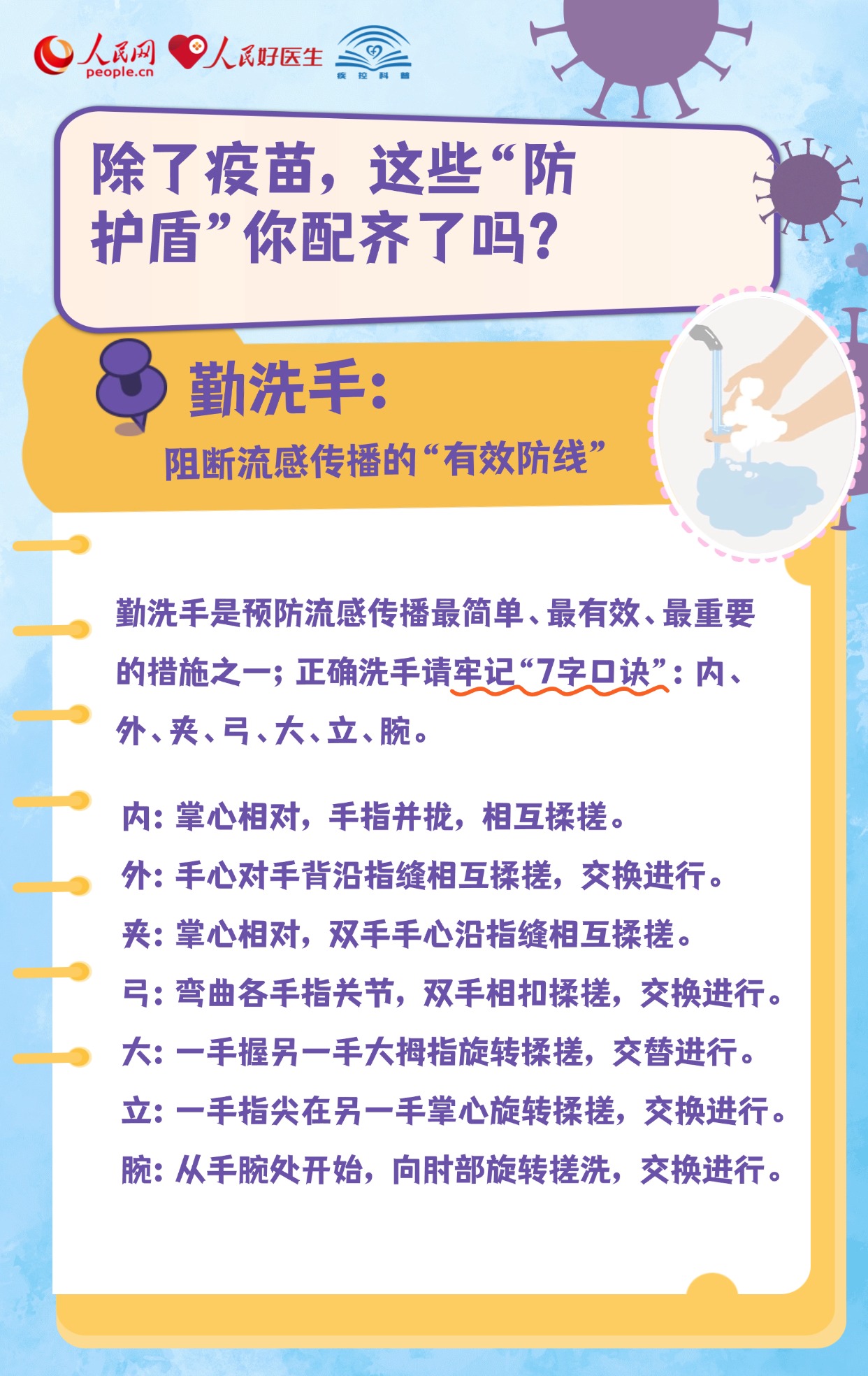
除了疫苗,这些“防护盾”你配齐了吗?
Ren Min Wang· 2025-12-03 08:57
Core Viewpoint - The article emphasizes the importance of flu prevention measures beyond vaccination, highlighting personal daily protective actions as crucial during the flu season [1]. Group 1: Daily Protection Measures - Maintaining cleanliness and disinfection in the home environment is essential, especially if there are flu patients present. Recommendations include regular hand hygiene and proper ventilation [4][5][8]. - For households with flu patients, it is advised to wear masks, practice cough etiquette, and avoid sharing personal items to minimize transmission [5][7]. Group 2: Enhancing Immunity - Strengthening the immune system is vital for resisting viruses. Key lifestyle habits include maintaining a regular sleep schedule, balanced nutrition, and regular physical activity [10][11]. - Specific dietary recommendations include consuming vitamin C-rich fruits and vegetables, quality proteins, and engaging in moderate exercise [10][11]. Group 3: Natural Remedies - The article suggests natural remedies such as herbal teas and soups that may help in flu prevention and recovery, including ingredients like mulberry leaves, chrysanthemum, and pear [12][15][19].
秋冬季节流感高发 科学防护守护健康
Qi Lu Wan Bao· 2025-12-02 16:06
Core Viewpoint - The article emphasizes the importance of scientific prevention against influenza, highlighting vaccination as the most effective protective measure and encouraging annual flu shots in the fall to strengthen health defenses [1] Group 1: Vaccination and Prevention - The article recommends timely vaccination against influenza each autumn as a key protective strategy [1] - It stresses the significance of maintaining good hygiene practices, such as frequent handwashing and proper ventilation [1] - The article advises minimizing visits to crowded and poorly ventilated public places and wearing masks when necessary to reduce infection risk [1] Group 2: Health and Wellness - The article suggests maintaining a regular sleep schedule, balanced diet, and moderate exercise to enhance personal immunity [1] - It encourages individuals to rest at home if flu-like symptoms appear and to seek medical attention promptly if symptoms worsen [1] - The article reassures that influenza can be prevented and treated, urging a scientific approach to health protection [1]
近期流感高发!发烧了怎么办?
证券时报· 2025-12-01 08:22
Core Points - The article provides a comprehensive guide on flu prevention and management during the flu season, emphasizing the importance of vaccination and proper treatment methods [1] Group 1: Flu Diagnosis and Symptoms - Influenza is primarily caused by type A and B flu viruses, with common symptoms including fever above 38°C, headaches, muscle aches, and fatigue [3] - Diagnosis can be confirmed through throat swab tests for flu virus antigens or nucleic acids, which typically take 15 minutes to 1 hour [3] Group 2: Treatment Recommendations - Antiviral medications should be taken within 48 hours of symptom onset for effective treatment, while antibiotics are ineffective against viral infections [3] - Overuse of antipyretics to control symptoms is discouraged, especially in vulnerable populations such as the elderly and infants [4] Group 3: Emergency Situations - High-risk individuals should seek immediate medical attention if they experience persistent high fever, excessive phlegm, difficulty breathing, or severe symptoms [4] Group 4: Vaccination Importance - Vaccination remains one of the most effective and economical methods for flu prevention, even for those who have previously contracted the flu [5] - Different flu virus subtypes may circulate in a single season, and vaccination can provide protection against multiple strains [5]

流感流行进入上升期,还有必要接种疫苗吗?
财联社· 2025-12-01 04:19
Core Viewpoint - The article highlights the rising trend of influenza cases in China, with a reported positive rate of nearly 45% among flu-like cases, indicating a significant increase in flu activity across the country [1][2][3]. Group 1: Current Situation of Influenza - The positive rate of influenza among flu-like cases reached 44.8% during the 47th week of the year, indicating a substantial rise in flu activity [2][3]. - Hospitals in major cities like Beijing and Shanghai are experiencing a high volume of pediatric patients with fever, with a notable increase in flu-positive cases among children and adolescents [2][3]. Group 2: Understanding Influenza Monitoring - The positive rate of 44.8% serves as a key indicator for assessing the intensity of influenza outbreaks [3]. - Various pathogens, including influenza, can cause acute respiratory infections, making it essential to confirm flu cases among flu-like symptoms [3]. Group 3: Health Protection Measures - To protect health during the flu season, it is recommended to control the source of infection, cut off transmission routes, and prioritize the protection of vulnerable populations [4]. - Health monitoring in key institutions such as schools and nursing homes is crucial for early detection and management of outbreaks [4]. Group 4: Vaccination Insights - Vaccination is emphasized as the most effective and economical method for preventing influenza, with recommendations for eligible populations to get vaccinated promptly [5][6]. - The updated flu vaccine for the current season shows improved matching for the H3N2 strain, with over 95% similarity to circulating strains [5]. - Even if individuals have previously contracted influenza, vaccination is still advised to enhance immunity and reduce the severity of future infections [6]. Group 5: Treatment Options - Antiviral medications like Oseltamivir and Baloxavir are highlighted as effective treatments for confirmed influenza cases, with specific usage guidelines based on patient demographics [6]. - It is noted that antiviral medications may not provide immediate relief from symptoms like high fever, and additional medications may be needed for symptom management [6].

流感季别慌!这份防护攻略请收好
Xin Hua She· 2025-11-30 22:09
Core Points - The article discusses the rising incidence of influenza and respiratory infectious diseases, highlighting a significant increase in sales of flu test kits and antiviral medications on various e-commerce platforms [2]. Group 1: Influenza Overview - Influenza is primarily caused by type A and B influenza viruses, with common clinical symptoms including fever above 38°C, headaches, muscle aches, and fatigue [5]. - Diagnosis can be made through throat swab tests for influenza virus antigens or nucleic acids, typically completed within 15 minutes to 1 hour [5]. Group 2: Treatment Recommendations - Antiviral medications should be taken within 48 hours of symptom onset for effective treatment, while antibiotics are ineffective against viral infections [5]. - Caution is advised against excessive use of antipyretics, especially combining different medications with the same active ingredients, to avoid adverse drug reactions [6]. Group 3: High-Risk Groups - High-risk populations, such as the elderly and young children, should seek immediate medical attention if experiencing severe symptoms like persistent high fever, excessive phlegm, or difficulty breathing [6][7]. Group 4: Vaccination Guidance - Vaccination remains one of the most effective and economical methods to prevent influenza, even for those who have previously contracted the virus [8]. - Different influenza virus subtypes may circulate in a single season, and vaccination can provide protection against other subtypes not previously encountered [8].

流感季防护,这些误区要避开
Xin Hua She· 2025-11-29 22:57
Group 1 - The flu is currently in a rapid increase phase nationwide, and recognizing common misconceptions is crucial for scientifically addressing the flu and protecting health [6] - Not all flu patients exhibit fever; symptoms can vary, especially in children, the elderly, and immunocompromised individuals, who may only show cough, fatigue, or lethargy [2][3] - For mild flu symptoms, hydration and rest can aid recovery, but severe symptoms like persistent high fever, severe cough, or difficulty breathing require immediate medical attention and antiviral medication within 48 hours of onset [3][4] Group 2 - After recovering from the flu, the body develops temporary immunity to the specific strain of the virus, but this immunity is not permanent and does not protect against other strains [4] - It is a misconception that one cannot contract the flu again shortly after recovery; individuals remain susceptible to other flu virus subtypes [4]

流感季防护 这2个隐藏细节比戴口罩还关键
Ren Min Wang· 2025-11-15 01:20
Core Points - The article emphasizes that wearing masks alone is insufficient for flu prevention, highlighting the importance of two additional measures: proper ventilation and disinfection of frequently touched surfaces [2] Group 1 - Opening windows for ventilation can quickly replace indoor stale air, reducing virus proliferation [2] - Disinfecting high-contact surfaces such as doorknobs and mobile phones is crucial as they act as "invisible carriers" for virus transmission [2] - Combining these measures with mask-wearing can significantly enhance flu protection levels [2]
早识别、早治疗、积极接种疫苗
Ke Ji Ri Bao· 2025-11-09 01:11
Core Viewpoint - The recent emergence of the H3N2 influenza virus has led to increased public concern, with symptoms reported to be more severe than those of a common cold, as indicated by the China CDC's report showing over 90% of positive samples being H3N2 [1] Group 1: Differentiating Between Common Cold and Influenza - Influenza symptoms typically appear suddenly, including high fever, headache, sore throat, cough, significant fatigue, and muscle aches, while common cold symptoms develop more gradually and are generally milder [2] - High fever (above 39°C) lasting 3-5 days is common in influenza, whereas common cold fever is usually below 38°C and resolves within 1-2 days [2] - Early identification of symptoms is crucial for appropriate treatment and resource management [2] Group 2: Recovery Timeline and Potential Aftereffects - Antiviral treatment is most effective when administered within 48 hours of symptom onset, with medications like Oseltamivir and Marbofloxacin recommended [3] - Influenza itself does not typically leave aftereffects, but delayed treatment can lead to serious complications such as pneumonia or myocarditis, which may have long-term health impacts [3] - Healthy adults usually recover from typical influenza symptoms within a week, but some may experience lingering cough and fatigue for up to two weeks [3] Group 3: Preventive Measures for H3N2 Influenza - Vaccination is strongly recommended as the most effective and economical preventive measure against influenza [4][5] - The composition of the flu vaccine is adjusted annually to match circulating strains, enhancing its effectiveness [5] - Public health recommendations include wearing masks in high-risk areas and isolating when symptomatic to prevent the spread of the virus [5]