混合战争

Search documents
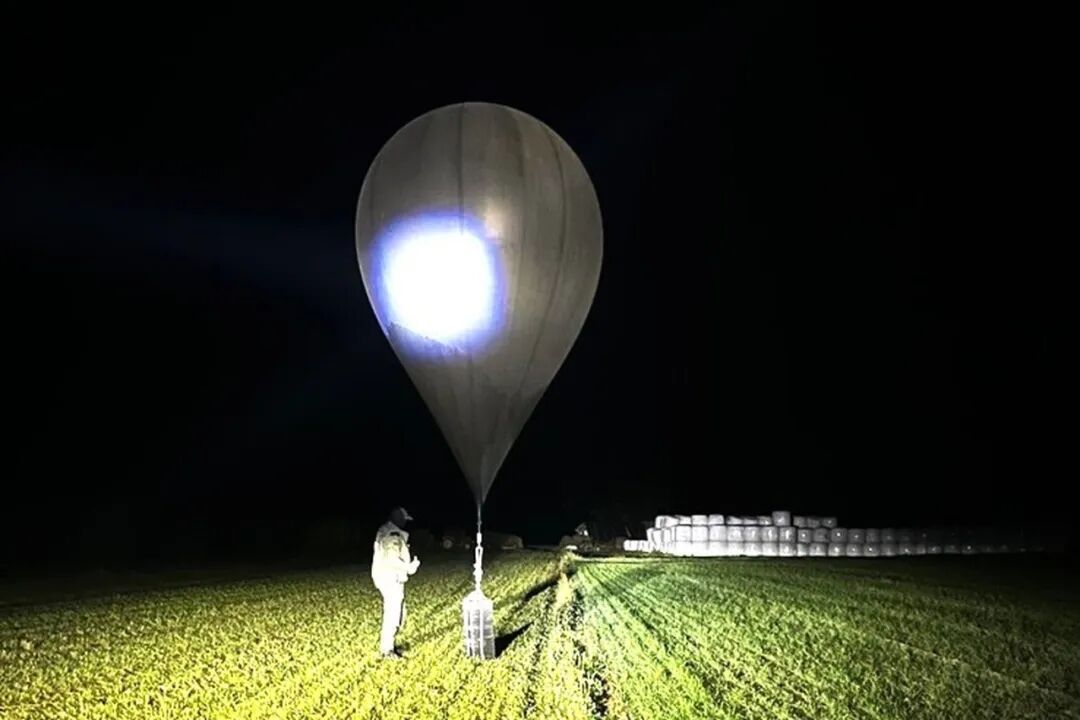
立陶宛称白俄罗斯气球侵犯领空,宣布进入国家紧急状态!立陶宛总理:我们必须采取最严厉的措施!卢卡申科回应……
Mei Ri Jing Ji Xin Wen· 2025-12-10 00:36
Core Viewpoint - Lithuania has declared a state of emergency due to security risks posed by weather balloons from Belarus, which have repeatedly violated its airspace and disrupted airport operations [1][3]. Group 1: Security and Emergency Measures - The Lithuanian government announced the state of emergency on December 9, citing safety concerns from balloons that have forced multiple airport closures, stranding thousands of people [1]. - A total of 599 smuggling balloons and 197 drones have entered Lithuanian airspace this year, resulting in 320 flight delays and nearly 60 hours of airport closures [3]. - Lithuanian officials emphasize the need for stringent measures to protect the most affected areas and enhance cooperation among relevant agencies to address the threats posed by these balloons [5]. Group 2: Political Context and Reactions - The situation has escalated tensions between Lithuania and Belarus, with Lithuanian officials suggesting that the balloon incidents may be part of a hybrid warfare strategy orchestrated by Belarus [3][5]. - Belarusian President Alexander Lukashenko has dismissed Lithuania's claims as exaggerated and politically motivated, expressing a desire for normal relations and urging dialogue [5][7]. - The declaration of emergency allows Lithuanian soldiers to gain special rights to work more effectively with internal security officials against the balloon threats [5].

格鲁吉亚总理:有团体利用BBC虚假报道发动“混合战争”
Yang Shi Xin Wen· 2025-12-07 05:28
Core Viewpoint - The Prime Minister of Georgia, Irakli Garibashvili, has strongly denied a BBC report claiming that the Georgian government used chemical weapons during protests, labeling it as fabricated and politically motivated [2] Group 1: Government Response - Garibashvili stated that the BBC's report is being used by certain groups to incite anger and initiate a "hybrid war" against Georgia and its people [2] - The Prime Minister emphasized that the aim of this "hybrid war" is to undermine the stability and sovereignty of Georgia, creating social unrest and harming national interests [2] - Investigations into Georgian individuals assisting foreign entities in hostile activities will continue [2] Group 2: Allegations and Legal Action - The report included serious allegations, particularly the claim that Georgian police used "prohibited chemical weapons" against protesters, which Garibashvili refuted [2] - The State Security Service of Georgia has confirmed that the police have never used or imported such substances [2] - The ruling party, "Georgian Dream - Democratic Georgia," announced plans to file a lawsuit against the BBC in an international court [2]
耐心耗尽,普京向欧洲发出最严厉敲打:只要开打就是闪电战
Sou Hu Cai Jing· 2025-12-04 13:36
Core Viewpoint - Russian President Putin's warning at the investment forum has heightened tensions across Europe, indicating Russia's readiness for a rapid military response if Europe initiates conflict [1][6]. Group 1: Diplomatic Engagements - A five-hour dialogue took place between Putin and U.S. representatives, but no compromises were reached, highlighting the lack of progress in U.S.-Russia relations [3]. - The U.S. presented a modified peace plan aimed at promoting a ceasefire, but Putin rejected it, citing ongoing European interference and key disagreements over territorial and security issues [4]. Group 2: Military Preparedness - Russia has made substantial military preparations for a potential "lightning war," with significant troop deployments and strategic assets positioned near Europe, indicating readiness for rapid military action [9][19]. - The logistical weaknesses of NATO were exposed, with slow troop deployment capabilities and reliance on aging infrastructure, which could hinder effective military responses [11]. Group 3: European Vulnerabilities - European public opinion is divided on military engagement, with low support for conscription and military spending, complicating collective defense efforts [12]. - The EU's commitment to support Ukraine has faced challenges, with unfulfilled promises and internal dissent among member states regarding continued military aid [11][14]. Group 4: Geopolitical Dynamics - The ongoing crisis reflects a complex four-way geopolitical struggle, with Russia seeking to establish a buffer zone in Ukraine, while the U.S. grapples with its strategic focus on China amidst European dependencies [14]. - Ukraine's position has become precarious, caught between major powers, with its territorial integrity under threat as Russian forces continue to gain ground [15]. Group 5: Hybrid Warfare - An "shadow war" is reportedly underway in Europe, with incidents of drone incursions and sabotage of energy infrastructure, blurring the lines between war and peace [17][20]. - The conflict has expanded to energy facilities, with both sides targeting critical infrastructure, indicating a shift towards asymmetric warfare tactics [20].
欧洲大乱斗!政坛分裂、能源危机,留1350亿缺口,美国袖手旁观?
Sou Hu Cai Jing· 2025-11-24 09:03
Group 1: Geopolitical Tensions and Infrastructure Attacks - Recent attacks on critical infrastructure in Poland, including the destruction of a key railway line, highlight the severity of mixed warfare tactics being employed, particularly by Russia [1][3] - Experts suggest that these attacks are part of a broader strategy outlined in Russia's Gerasimov Doctrine, indicating a shift towards more aggressive mixed warfare tactics [3] - The ongoing attacks aim to disrupt civilian life and create societal chaos, emphasizing the need for heightened vigilance among the public [3] Group 2: Military Aid to Ukraine - Ukrainian President Zelensky has been actively securing military support, including a recent agreement with France for 100 Rafale fighter jets and air defense systems, which are crucial for maintaining air superiority in the ongoing conflict [5] - Spain has committed a record €11.29 billion in military aid to Ukraine, marking the largest foreign aid package in its history, reflecting increasing European support for Ukraine [5] - Despite the influx of military aid, Ukraine faces a significant funding gap, with an urgent need for €135 billion over the next two years to sustain operations [7] Group 3: Energy Crisis and Strategic Responses - The energy crisis in Europe is exacerbated by sanctions against Russian oil and gas, leading to fears of supply shortages in countries like Serbia [8] - Poland is actively working on building a second LNG terminal, while Greece is facilitating the transport of U.S. LNG to Ukraine, indicating a strategic shift towards reducing dependency on Russian energy [8] - The European Union is exploring various solutions to address Ukraine's funding needs, including potential debt issuance and utilizing frozen Russian assets [7] Group 4: Political Instability in Central Europe - Political tensions are rising in Central Europe, with Poland reopening border crossings under specific conditions, reflecting ongoing security concerns related to Belarus [10] - In the Czech Republic, political deadlock over the prime ministerial position is linked to differing views on Ukraine, while Slovakia faces public protests against pro-Russian policies [12][13] - The interconnectedness of security issues and political stability in Europe underscores the impact of geopolitical dynamics on domestic governance [13] Group 5: Overall European Landscape - The current European landscape is characterized by a series of crises, including security threats, energy shortages, and political turmoil, all stemming from the ongoing Russia-Ukraine conflict [15] - The necessity for European nations to unite in the face of these challenges is emphasized, as internal divisions could lead to vulnerabilities that external forces may exploit [15]
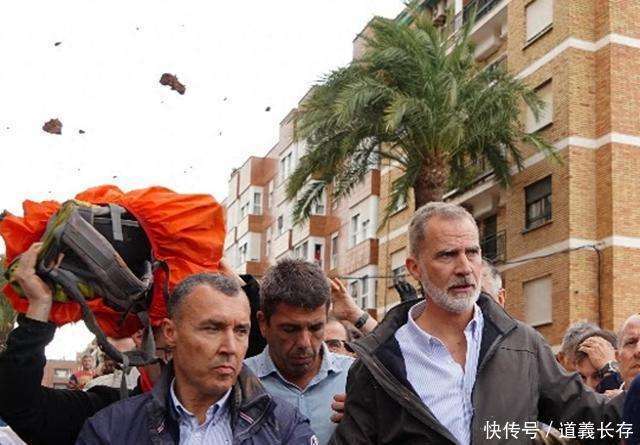
拉夫罗夫与普京关系紧张?克宫回应
中国基金报· 2025-11-08 16:05
来源:参考消息 据新加坡《联合早报》网站11月7日援引路透社报道,俄罗斯外交部长拉夫罗夫本周缺席 了通常应该出席的克里姆林宫重要会议,普京还选择其他代表出席本月晚些时候在南非举 行的二十国集团(G20)峰会。过去两周,俄罗斯外交部一直没公布拉夫罗夫接下来一周 的出访计划,以及公开演讲安排。 英国《金融时报》引述消息人士报道称,拉夫罗夫与美国国务卿鲁比奥的通话,令华盛顿 却步。俄外交部发言人扎哈罗娃7日暗示,《金融时报》的报道旨在煽动对莫斯科不利的 猜测,是针对俄罗斯"混合战争"的一部分。 报道称,现年75岁的拉夫罗夫是苏联时期资深外交官,以强硬谈判风格著称,已担任俄外 长20多年。 les & FR 点击下载中国基金报客户端 ■ 中国基金报内容矩阵 ■ 巅峰对话 投资热点说 ETF风向标 IPO情报站 fe o 1 ■ a a - 444 and 4 4 CHINAFUND CHINAFUND CHINAFUND CHINAFUND 开盘速递 港股日报 全球早班车 数说人物 √ � [ 8 a 4 a g a d 4 4 4 CHINAFUND CHINAFUND CHINAFUND CHINAFUND ●微 ...

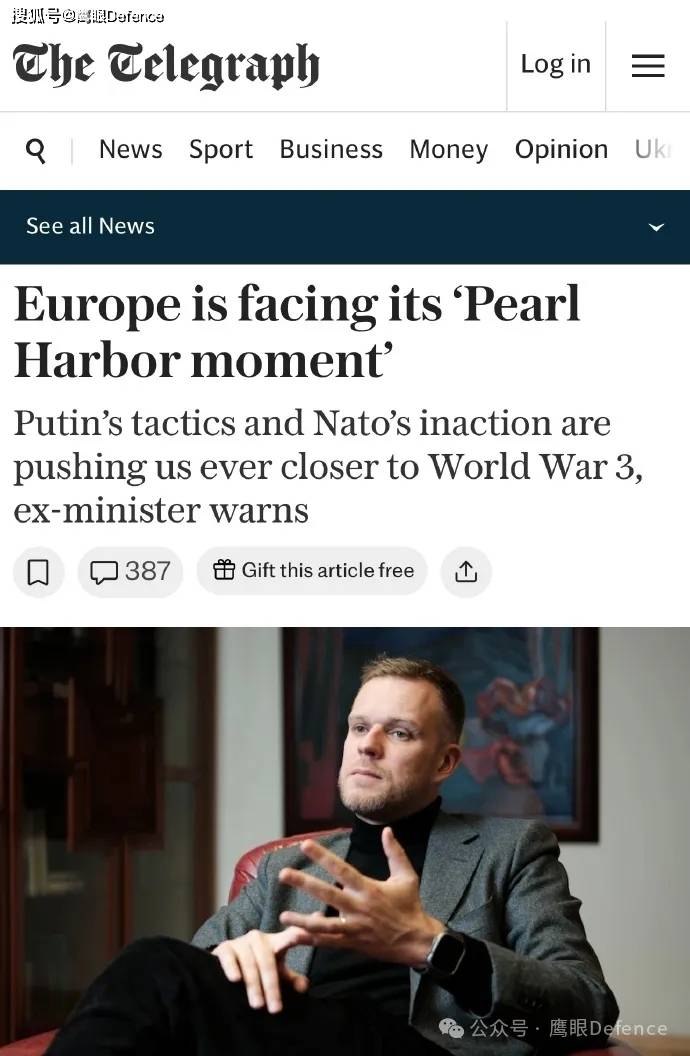
欧洲担忧“珍珠港”!立陶宛前外长:我们是否会冒险阻止三战?
Sou Hu Cai Jing· 2025-10-10 04:08
Group 1 - The article discusses the increasing tensions between Russia and NATO, highlighting concerns over potential military escalation in Europe, with some political figures suggesting that Russia's actions could lead to a "Pearl Harbor" scenario [1] - The Institute for the Study of War (ISW) indicates that Russia has entered the first phase of preparing for war against NATO, which includes military restructuring near NATO borders and ongoing drone provocations [1] - NATO has taken precautionary measures, such as stopping the use of public transponders for aircraft in European airspace, to conceal flight paths and potentially deter Russian incursions [1] Group 2 - The European Union is leveraging economic power against Russia, planning to sanction a major cryptocurrency used for cross-border payments that supports approximately $68 billion in transactions [6] - Hungary's Prime Minister Viktor Orbán has criticized the West's reluctance to negotiate with Russia, despite Hungary's recent significant liquefied natural gas contracts, indicating a complex stance on energy supply diversification [8] - Turkey is also reducing its dependence on Iranian and Russian gas by increasing domestic production and importing more liquefied natural gas from the United States, with expectations that this shift will meet over half of its gas demand by 2028 [10]
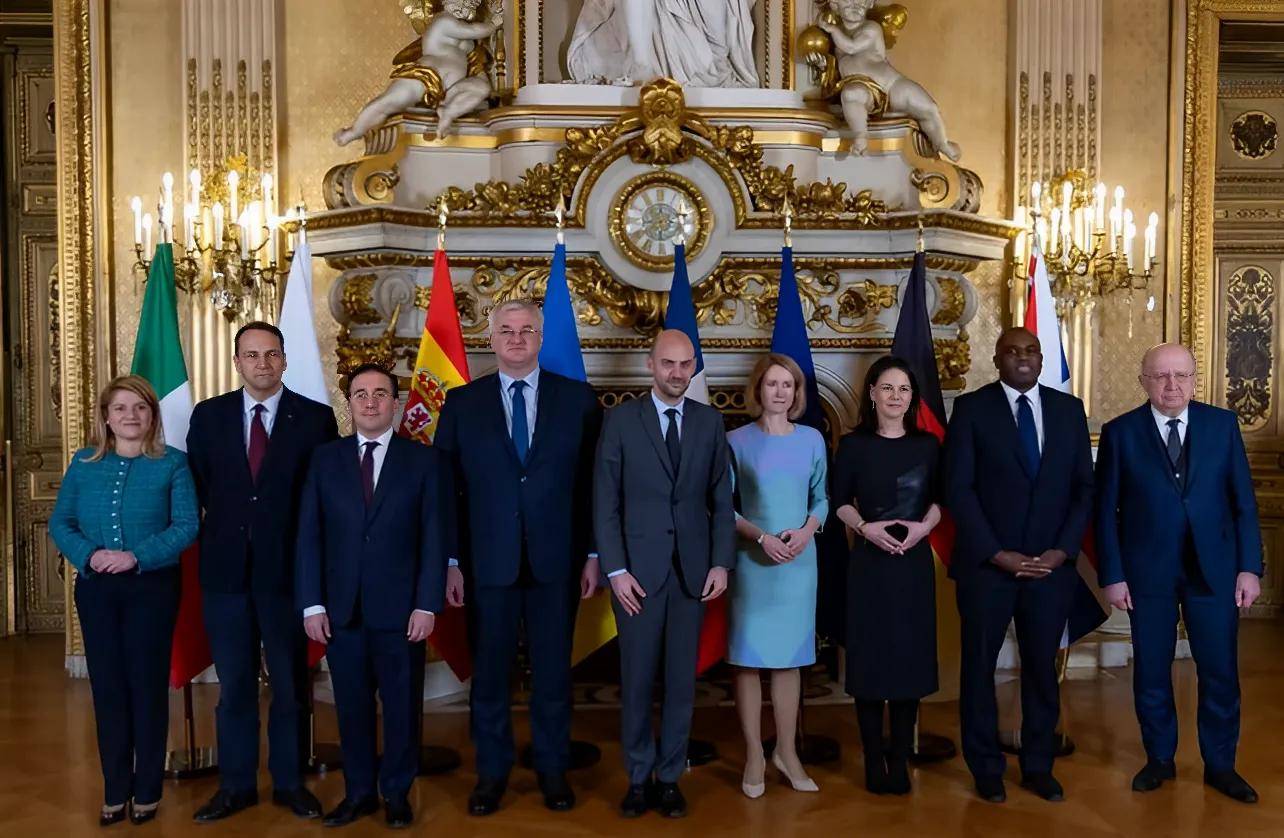
欧盟27国在丹麦开会,对俄罗斯亮明态度前,欧洲要先解决一个问题
Sou Hu Cai Jing· 2025-10-09 10:48
Core Points - The EU leaders convened in Copenhagen to address the escalating threats posed by Russia, highlighting a shift from peace to a state of "hybrid warfare" in Europe [1][4] - The summit revealed a consensus among EU nations to enhance defense capabilities, with a proposed investment of €800 billion to establish a robust European defense system [4][5] - Discussions included the potential use of frozen Russian assets to support Ukraine or bolster national defense, although this proposal faced opposition from several member states [4][6] Group 1: Security Threats - Recent incidents across Europe, including drone harassment in Denmark and cyberattacks in Finland, have raised alarms about security vulnerabilities linked to Russia [1][2] - Investigations traced the origins of these attacks to Russia, indicating a broader cyber warfare strategy alongside military actions in Ukraine [2][4] Group 2: Defense Initiatives - The EU plans to create a "NATO-shared radar system" along borders in Denmark, Finland, and Poland to enhance early warning capabilities against potential Russian aggression [5] - There is a growing recognition among EU nations, including traditionally neutral countries like Portugal and Greece, of the need for a collective defense strategy [5][8] Group 3: Internal Challenges - Despite a unified front against Russian threats, the EU faces internal divisions regarding funding allocation, equipment deployment, and command coordination [8] - The summit did not declare a state of full confrontation, reflecting a cautious approach to maintaining peace while preparing for potential conflicts [8]
美国政府关门,东大“一剑封喉”,比中美交战更可怕,特朗普认怂
Sou Hu Cai Jing· 2025-10-07 06:00
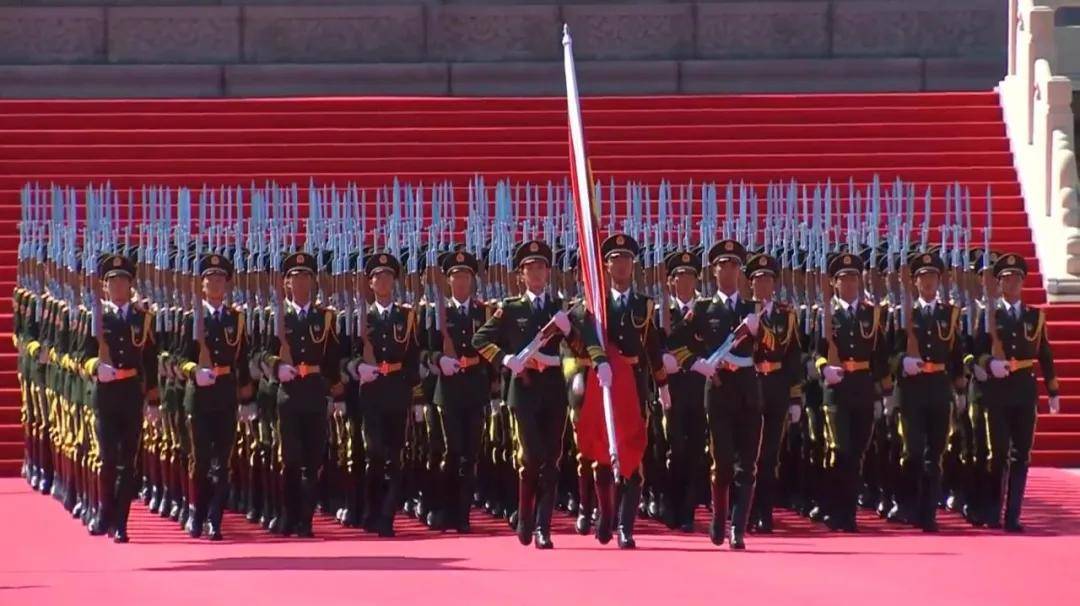
Group 1 - The core issue revolves around the U.S.-China economic dispute, with Trump making concessions to China amid domestic political challenges, particularly the impact on U.S. soybean farmers [1][3]. - The decline in U.S. soybean exports, especially to China, has significantly affected American farmers, who were once Trump's supporters, leading to a loss of confidence in his administration [3]. - Despite efforts to find alternative markets and promises of subsidies, the inability to replace China's demand for soybeans has forced Trump to reconsider trade relations with China [3]. Group 2 - The ongoing "soybean tug-of-war" illustrates the depth of U.S.-China competition, which has evolved from traditional diplomatic and military confrontations to a more complex economic and technological rivalry [5]. - China's strategic responses, such as rare earth export controls and halting soybean imports, have effectively countered Trump's unconventional tactics, showcasing a "mixed warfare" approach [5]. - China's military strength plays a crucial role in this competition, with recent military displays enhancing its negotiating power against U.S. sanctions and blockades [5]. Group 3 - While large-scale military conflict between the U.S. and China is unlikely, localized conflicts in hotspots like the Taiwan Strait or South China Sea could arise as the U.S. seeks to contain China's rise [7]. - The U.S. military faces challenges such as outdated equipment and budget issues, reducing the likelihood of a significant confrontation with China [7]. - The complexity and danger of the ongoing "invisible battlefield" between the two nations indicate that their competition will persist [7].
欧盟27国领导人全部到齐,对俄罗斯是战是和,欧洲来到了十字路口
Sou Hu Cai Jing· 2025-10-06 09:22
Core Points - The current security situation in Europe is described as the most dangerous since World War II, with Denmark's Prime Minister directly blaming Russia for the escalating tensions [3] - Recent incidents of drone incursions into the airspace of Poland, Estonia, and Sweden have raised concerns about whether these are isolated events or indicative of a systemic issue [4] - The European Union has categorized these threats as "hybrid warfare," which includes cyberattacks, espionage, and infrastructure sabotage, raising questions about Europe's ability to respond effectively [6] Defense Initiatives - The EU has announced the launch of four major defense projects, including space defense, enhanced missile defense systems, and the establishment of anti-drone barriers [8] - A total of €150 billion in loan funding has been allocated, with €100 billion specifically earmarked to support frontline countries like Poland and the Baltic states, raising questions about the effectiveness of such investments [8] Legal and Political Challenges - The French Navy's seizure of a Russian oil tanker in international waters marks the EU's first military interception based on "hybrid attack suspicion," which could escalate tensions further [10] - The EU plans to freeze €210 billion of Russian assets to secure loans for Ukraine, but this approach has sparked legal debates, particularly from Belgium and Luxembourg regarding its legality [10][12] - Hungary's Prime Minister openly opposes Ukraine's EU membership, highlighting internal divisions within the EU that complicate unified responses to strategic challenges [12] Financial Considerations - According to the International Institute for Strategic Studies, Europe may need to invest approximately $1 trillion over the next 25 years to achieve defense autonomy, raising concerns about the willingness of member states to shoulder such financial burdens [13] - The Royal Elcano Institute emphasizes the importance of reassessing Europe's financial capabilities to determine if it is prepared to invest significantly in strategic autonomy [15] Conclusion - Establishing a defensive line against drones may be relatively straightforward, but addressing the complex political and legal issues presents a more significant challenge for Europe [17]
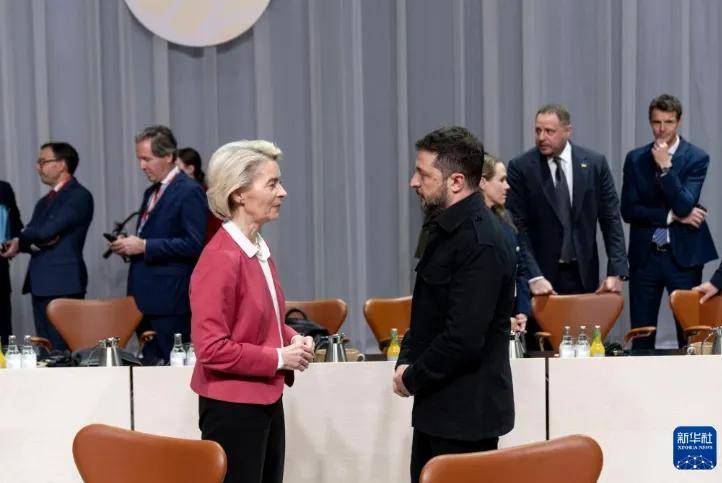
欧盟27国领导全部到齐,对俄罗斯是战是和,欧洲来到了十字路口
Sou Hu Cai Jing· 2025-10-06 06:00
Core Points - The Copenhagen summit held in October 2025 focused solely on the issue of Russia, reflecting a shift in European leaders' approach to security concerns in the region [1][3][19] - The atmosphere at the summit was tense, with leaders acknowledging the reality of "hybrid warfare" and the need for enhanced defense measures against potential Russian aggression [3][6][19] Group 1: Security Concerns - A series of unusual incidents in Northern Europe, including unidentified drones and underwater cable disruptions, have raised alarms about potential Russian provocations [5][8] - Countries like Denmark, Sweden, and Finland have reported targeted cyberattacks, indicating a coordinated threat that has prompted increased military readiness across the region [5][8][10] - The summit highlighted a collective realization among EU nations that peace is no longer a given, leading to discussions on proactive defense strategies [6][19] Group 2: Defense Initiatives - The EU has launched the "Readiness 2030" defense plan, proposing an investment of €800 billion for military upgrades and rapid response capabilities [8][10] - A coalition of countries, including France and Poland, has formed to create a rapid support framework for joint military action in response to Russian threats [10][14] - The summit resulted in a commitment to utilize frozen Russian assets for defense funding, although this sparked debate over potential legal repercussions [14][19] Group 3: Political Dynamics - The summit marked a significant shift in the stance of traditionally neutral countries, such as Portugal and Greece, towards supporting regional security cooperation [18][21] - Leaders expressed a desire for peace but acknowledged the necessity of preparing for potential conflict, indicating a pragmatic approach to security [18][21] - The discussions underscored the pressure on EU unity, driven by the need to address immediate security threats rather than idealistic aspirations [21]