
特高压输电

Search documents
美国AI,离不开中国变压器
3 6 Ke· 2026-01-22 08:05
Core Insights - The article highlights the significant role of Chinese transformers in supporting the burgeoning AI industry in the United States, emphasizing the dependency of the U.S. on Chinese manufacturing for critical electrical components [1][4][26]. Group 1: Transformer Market Dynamics - In 2022, China's transformer exports reached a record 64.6 billion RMB, marking a nearly 36% year-on-year increase, with orders extending into 2026 due to high demand [1]. - European customers are willing to pay a 20% premium for Chinese transformers to secure production capacity, while the U.S. imported $4 billion worth of transformers and related components from China in 2024, remaining the largest buyer [1][3]. - The demand for transformers in the U.S. has surged, with a 116-119% increase in overall transformer demand since 2019, and a staggering 274% increase for power transformers [17]. Group 2: U.S. Electrical Infrastructure Challenges - Approximately 70% of the U.S. transmission lines and large transformers are over 25 years old, nearing the end of their design life, due to a lack of significant upgrades since the 1960s [10]. - The aging electrical grid has led to frequent power outages, with ten major outages occurring in the past decade, highlighting the urgent need for infrastructure renewal [14]. - The U.S. Department of Energy has initiated the "Speed to Power" plan to expedite transmission line projects, but the core issue remains the outdated transformer technology and limited domestic production capacity [16][17]. Group 3: Chinese Manufacturing Advantages - China dominates the production of oriented silicon steel, a critical material for transformers, with a production capacity that is five times that of Japan and eight times that of the U.S. [20][23]. - Chinese manufacturers have developed advanced transformer technology, producing thinner silicon steel sheets (0.18 mm), which significantly reduce energy loss and improve efficiency [21][22]. - The scale and cost advantages of Chinese manufacturing make it more feasible for the U.S. to source transformers from China, as domestic production cannot meet the growing demand [25]. Group 4: Future Implications - The dependency on Chinese transformers is expected to continue as the U.S. faces structural constraints in upgrading its electrical infrastructure, while China is rapidly advancing in power generation capabilities [29]. - The article suggests that the competition between the U.S. and China will increasingly revolve around energy supply, with projections indicating that China's power generation could reach three times that of the U.S. by 2026 [29].

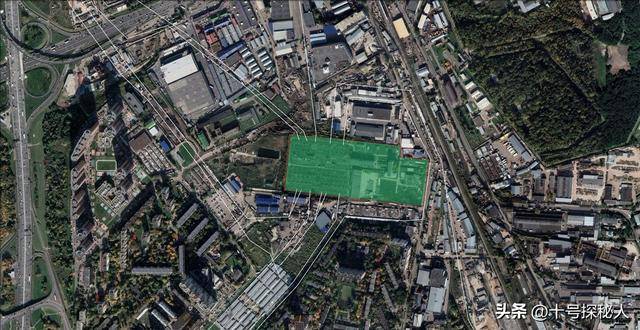
俄电天价,中国硬气掀桌!10 万亿需求又有何妨?国产电力教其做人
Sou Hu Cai Jing· 2026-01-20 15:46
Core Viewpoint - China has officially halted electricity imports from Russia, ending a 14-year energy partnership due to unprofitability and rising costs [1][5][15]. Group 1: Electricity Demand and Pricing - China's total electricity demand has recently surpassed 10 trillion kilowatt-hours, with industrial electricity consumption growing at an annual rate of 4% to 6% [3]. - The price of electricity from Russia has increased to 0.48 RMB per kilowatt-hour, while domestic prices remain around 0.35 RMB, leading to a loss of 0.13 RMB per kilowatt-hour for China [5][8]. - In 2012, the price of Russian electricity was 0.3 RMB per kilowatt-hour, making it a cost-effective option compared to domestic sources [7]. Group 2: Cost and Efficiency Disparities - The cost of electricity generation in Russia's Far East has surged by 42% year-on-year due to outdated infrastructure and rising maintenance costs [7][10]. - China's investment in clean energy has led to a 60% to 80% reduction in generation costs over the past decade, resulting in surplus electricity supply at times [12][14]. - The efficiency of China's electricity generation and advanced transmission technology allows for effective distribution of energy resources, contrasting sharply with Russia's outdated systems [18][20]. Group 3: Strategic Energy Decisions - The decision to stop importing Russian electricity is based on market principles rather than diplomatic issues, reflecting China's strong technical capabilities and cost considerations [15][27]. - Despite halting electricity imports, China continues to deepen energy cooperation with Russia, particularly in oil imports, which have reached record levels due to attractive pricing [29][31]. - The price of Russian oil is significantly lower than international benchmarks, making it a more appealing option compared to high-cost electricity imports [31][34]. Group 4: Implications for Russia - The cessation of electricity exports to China highlights the inefficiencies in Russia's energy sector, which relies heavily on resource exports without effective conversion to high-value industrial products [38][39]. - The ongoing conflict in Ukraine has exacerbated the challenges faced by Russia's energy sector, including reliance on low-quality coal for electricity generation [21][36]. - The loss of the Chinese electricity market may prompt Russia to reassess its energy export strategies and improve its technological capabilities [39]. Group 5: Conclusion on Market Dynamics - The termination of Russian electricity imports is a clear indication of China's growing self-sufficiency in energy production and its ability to leverage market dynamics to its advantage [42].
全球仅中国掌握!一关键技术每年省煤炭1200万吨,美日俄望尘莫及
Sou Hu Cai Jing· 2026-01-19 10:11
Core Viewpoint - China's ultra-high voltage (UHV) transmission technology has emerged as a global benchmark, showcasing its technological prowess and strategic importance in energy distribution, particularly in the context of energy security and international competition [2][21][28] Group 1: Challenges Faced by Western Countries - The extreme cold weather in Texas in February 2021 exposed the vulnerabilities of developed countries' power grids, leading to widespread power outages affecting over 4 million residents [4][6] - The fragmentation of the U.S. power grid into three independent systems has hindered cross-regional support, turning Texas into an isolated "energy island" during crises [6][10] - Existing ultra-high voltage technologies in many countries have reached their performance limits, making long-distance power transmission economically unfeasible [8][10] Group 2: China's Energy Distribution Dilemma - China faces a significant energy distribution imbalance, with major energy resources located far from consumption centers, necessitating the development of UHV technology to address this issue [12][13] - The reliance on coal transportation from the northwest to the eastern coastal regions has strained supply capabilities, leading to power shortages and economic constraints [15] Group 3: Development of UHV Technology in China - The decision to pursue UHV technology was a high-stakes gamble for China, requiring substantial investment and overcoming significant technical challenges [15][17] - After intense debates among experts, a UHV plan was approved, leading to a collaborative effort involving over 300 organizations and thousands of researchers to tackle core technical issues [17][19] - China successfully developed new materials and transportation solutions, enabling the construction of UHV systems that were previously deemed impossible [19] Group 4: Global Leadership and Standardization - By 2025, China plans to have 45 UHV projects operational, providing clean energy to nearly 900 million residents and significantly reducing coal consumption and pollution [21][25] - China has established itself as a leader in the global UHV sector, setting international standards and influencing global energy practices, even compelling the U.S. to adopt Chinese standards [23][25] - The ambition extends to creating a global energy internet, aiming to interconnect power grids worldwide and break down regional energy barriers [23][25] Group 5: Systemic Advantages and Future Outlook - The rise of China's UHV technology reflects the country's ability to mobilize resources effectively, innovate under pressure, and collaborate across industries [27] - This achievement demonstrates China's capability not only to catch up with global trends but also to define future directions in energy technology [28]

国家电网:哈密-重庆±800千伏特高压 直流输电工程投产送电
Xin Hua Wang· 2026-01-14 08:13
大美风光出天山,绿电千里耀巴渝。6月10日,国家电网有限公司哈密-重庆±800千伏特高压直流输 电工程(以下简称哈密-重庆工程)投产送电。这是我国首个投产送电的沙戈荒新能源基地外送特高压 直流输电工程,是西南地区首个特高压直流受入工程,对于推动哈密能源资源的开发与外送,促进清洁 能源大范围优化配置,提高重庆电力供应保障能力,助力实现"双碳"目标具有重要意义。 作为履行国家战略使命的国有重点企业、保障国家能源安全的电力骨干企业、服务国计民生的公用 事业企业,国家电网公司深入落实"四个革命、一个合作"能源安全新战略,深入推进能源绿色低碳转 型,加快构建新型电力系统和建设新型能源体系,着力提升电网能源资源配置能力,践行央企责任担 当。 国家电网公司董事长、党组书记张智刚表示,哈密-重庆工程是我国首个投产的"沙戈荒"大基地外 送工程,工程投产将有效带动西部地区能源产业发展,在更大范围内促进新能源消纳利用,有力支撑新 疆能源资源优势转化为经济优势、发展优势,服务成渝双城经济圈高质量发展,满足重庆度夏高峰负荷 需求,显著增强电力供应能力。公司将充分发挥好工程保供应、促转型的重要作用,为奋力谱写西部大 开发新篇章作出新的更 ...
蒙西至京津冀±800千伏特高压工程开工
Xin Lang Cai Jing· 2025-12-30 13:56
Core Points - The construction of the ±800 kV UHVDC project from Mengxi to Beijing-Tianjin-Hebei has officially commenced, marking a significant step in China's "14th Five-Year" electricity planning [1][3] - This project is designed to transport renewable energy primarily from the "Shage Desert" wind and solar power base, with a total investment of approximately 17.2 billion yuan [1][3] - The project aims to enhance the power supply capacity in Hebei and the entire Beijing-Tianjin-Hebei region, with an expected annual delivery of at least 18 billion kWh of clean electricity [3] Project Details - The Mengxi to Beijing-Tianjin-Hebei UHVDC project will span 700 kilometers, starting from the Daqing Station in Ordos, Inner Mongolia, and ending at the Cangzhou Station in Hebei [1] - It is expected to be completed and operational by 2027, with the construction of two new converter stations at both ends [1][3] - The project will support an installed capacity of 16 million kW at the associated power sources [1] Strategic Importance - The project is crucial for optimizing the energy consumption structure in Hebei, a key manufacturing and energy-consuming province in China [3] - It will provide a replicable model for resource conversion, ecological governance, and cross-regional consumption for the development of the "Shage Desert" base [3] - Inner Mongolia's UHV grid construction aligns closely with national energy strategy, having established multiple UHV transmission channels since 2016, significantly enhancing power delivery capabilities [3]
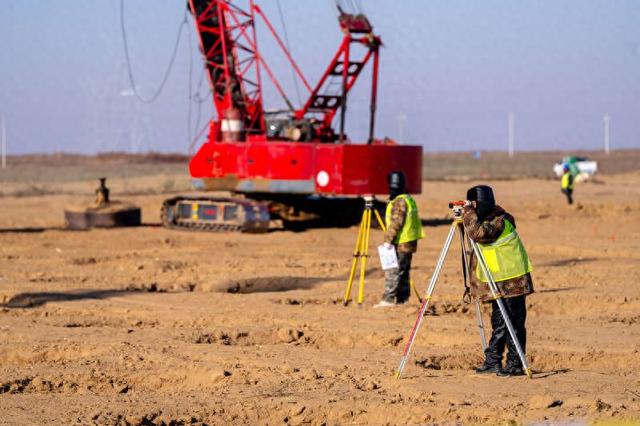
陇电入浙工程配套新能源330千伏送出工程取得核准批复
Xin Hua She· 2025-12-25 09:09
Core Viewpoint - The Gansu-Zhejiang ±800 kV UHVDC transmission project, known as the Long Electric Power into Zhejiang project, has received approval from the Gansu Provincial Energy Bureau for its supporting 330 kV renewable energy transmission project, marking a significant step in the construction of the associated power grid [1] Group 1 - The approval from the Gansu Provincial Energy Bureau indicates progress in the Long Electric Power into Zhejiang project [1] - The project aims to enhance the transmission capacity of renewable energy from Gansu to Zhejiang [1] - The construction of the supporting power grid is crucial for the successful implementation of the UHVDC transmission project [1]
时代电气:公司深耕输配电领域近20年
Zheng Quan Ri Bao· 2025-12-22 13:53
Core Viewpoint - The company has extensive experience in the power transmission and distribution sector, having served over 40 domestic and international ultra-high voltage direct current and flexible direct current transmission projects, indicating a strong market position and expertise in the industry [1] Group 1: Company Overview - The company has been deeply engaged in the power transmission and distribution field for nearly 20 years [1] - The company holds approximately 50% market share in the domestic power transmission and distribution sector, competing with international peers [1] - The company offers a wide range of products and complete solutions, with plans to continue developing higher capacity, high power density, and highly reliable products based on the needs of the power grid and energy application fields [1]

西藏首个特高压工程投运
Ren Min Ri Bao Hai Wai Ban· 2025-12-19 01:30
Group 1 - The core point of the news is the successful commissioning of the Jinshang-Hubei ±800 kV UHVDC transmission project, marking the entry of Tibet into the "UHV era" for clean energy transmission [1] - The project, which spans approximately 1900 kilometers, utilizes ±800 kV rated voltage and has a capacity of 8 million kW, connecting regions from Tibet to Hubei [1] - Upon operation, the project is expected to deliver around 40 billion kWh of clean electricity annually, equivalent to replacing approximately 12 million tons of standard coal and reducing CO2 emissions by about 30 million tons [1] Group 2 - State Grid has completed a total of 42 UHV projects, with a cross-regional and cross-provincial transmission capacity of 370 million kW, forming a backbone network across East, North, Central, and Southwest China [2] - The company continues to enhance the capacity and reliability of cross-regional transmission channels, facilitating efficient delivery of clean energy from the western and northern regions to the eastern and central load centers [2]
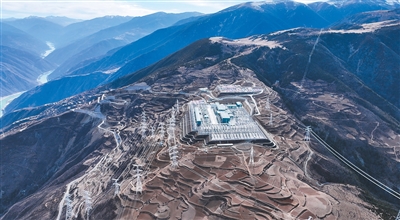
我国首个进入川藏高原腹地特高压工程今日建成投运
Yang Shi Xin Wen Ke Hu Duan· 2025-12-18 00:04
Core Viewpoint - The first ultra-high voltage project entering the Tibetan Plateau, the State Grid's Jinsha River to Hubei ±800 kV UHVDC transmission project, has been completed and put into operation, marking a significant milestone in China's energy infrastructure [1] Group 1: Project Overview - The total investment for the project is 33.4 billion yuan [1] - The project starts from the upper reaches of the Jinsha River and passes through Tibet, Sichuan, Chongqing, and Hubei, covering a transmission distance of nearly 1,900 kilometers [1] Group 2: Environmental Impact - Once fully operational, the project is expected to deliver nearly 40 billion kilowatt-hours of clean electricity to Central China annually [1] - The project can replace approximately 12 million tons of standard coal, leading to a reduction of about 30 million tons of carbon dioxide emissions [1]
宏远股份董事长杨绪清:深耕电磁线核心赛道,打造电力设备行业标杆
Zhong Guo Zheng Quan Bao· 2025-12-08 14:52
Core Viewpoint - The company, Hongyuan Co., has established a strong position in the electromagnetic wire sector, focusing on high-voltage and large-capacity transformer wire products, and is committed to innovation and market expansion in both traditional and new energy sectors [1][2][3]. Group 1: Company Overview - Hongyuan Co. has been deeply engaged in the ultra-high voltage transmission and transformation sector for decades, achieving significant results in the electromagnetic wire niche market [2]. - The company has developed various advanced electromagnetic wire products, including ladder-shaped combination wires and high-temperature self-adhesive wires, which meet the technical requirements of China's high-voltage transformer upgrades [2][3]. - The company benefits from a robust industrial chain in Shenyang, which enhances its cost control and supply chain efficiency [3]. Group 2: Market Position and Strategy - The company’s products are utilized globally, covering all major domestic ultra-high voltage equipment manufacturers and expanding into overseas markets in the Middle East, North America, and Southeast Asia [3]. - The global demand for electricity is increasing, driving the growth of the electromagnetic wire industry, which presents opportunities for the company to optimize its product structure and enhance market competitiveness [4]. Group 3: Innovation and R&D - Hongyuan Co. has made significant advancements in ultra/high voltage applications, participating in leading projects such as the ±1100kV ultra-high voltage direct current transmission project [4][5]. - The company emphasizes a systematic approach to innovation, focusing on high-value products and establishing a research and development center to tackle performance challenges under extreme conditions [5][6]. - As of the end of 2024, the company holds 80 patents and has contributed to the formulation of national and industry standards, reinforcing its competitive edge [6]. Group 4: Capital Market and Future Growth - In August, Hongyuan Co. became the first company from Shenyang to be listed on the Beijing Stock Exchange, marking a new phase in its development [7]. - The company plans to leverage its public listing to strengthen its core business, expand its scale, and enhance its industrial chain layout, particularly in the new energy vehicle sector [7][8]. - The company is developing a production base for special electromagnetic wires for high-efficiency electric motors in new energy vehicles, aligning with industry trends towards higher voltage and efficiency [8][9].