
现代化人民城市

Search documents
推动郑州都市圈实现从地理相邻到功能融合的深刻转变
Zheng Zhou Ri Bao· 2026-01-14 00:35
Core Insights - The "Henan Urban Development Report (2026)" focuses on accelerating the construction of modern people-oriented cities, addressing urbanization layout optimization, urban construction quality enhancement, urban governance efficiency improvement, and the establishment of new urbanization systems and mechanisms [1][2] Group 1: Urbanization Development - The report reviews the main practices and achievements in promoting new urbanization in Henan during 2025, identifying existing issues and analyzing the challenges for 2026 [1] - It proposes strategies for 2026, emphasizing the role of modern people-oriented city construction in leading new urbanization development in Henan [1] Group 2: Zhengzhou Urban Circle - The report highlights the need for Zhengzhou urban circle to transition from geographical proximity to functional integration through actionable implementation paths [2] - It states that the construction of the Zhengzhou urban circle has entered a critical phase, requiring significant breakthroughs in transportation, industry, culture and tourism, public services, and collaborative mechanisms [2] Group 3: Urbanization Structure - The report outlines the goal for Henan to establish an urbanization pattern of "one main city, two sub-centers, one circle, two belts, and multiple points" in the near future [2] - It emphasizes the historical shift from scale expansion to quality improvement in urban development, advocating for coordinated efforts in digital transformation, urban renewal, and refined planning and governance [2]
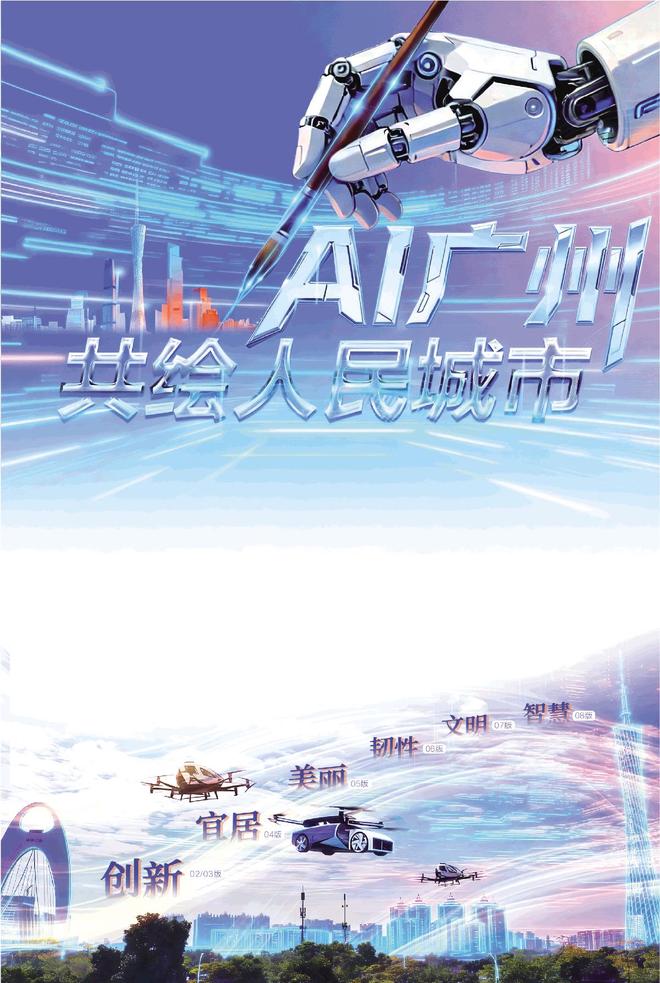
AI广州 共绘人民城市
Nan Fang Du Shi Bao· 2025-12-30 23:09
Group 1 - The core viewpoint emphasizes Guangzhou's commitment to high-quality development, showcasing its economic growth and innovation capabilities, particularly in AI [4][5] - By 2025, Guangzhou aims to enhance urban vitality, with a focus on increasing disposable income for urban and rural residents while narrowing the income gap [4] - The city is integrating more deeply into the Greater Bay Area, with infrastructure projects like the Nansha development and the completion of the Guangzhang high-speed railway [4] Group 2 - The report highlights the importance of new productivity and innovation as key factors in maintaining Guangzhou's economic dynamism [5] - It discusses the city's approach to modern governance, addressing public needs and transforming challenges into governance highlights through a "media+" strategy [5] - The narrative suggests a collaborative future with AI in shaping the city's development trajectory as it transitions into 2026 [5]

市委经济工作会议举行
Nan Jing Ri Bao· 2025-12-25 02:05
会议指出,今年以来,全市上下深入贯彻习近平总书记对江苏工作重要讲话精神,坚决落实党中央 决策部署和省委、省政府工作要求,着力打好"三大关键仗""三大攻坚仗",经济运行稳中有进、质效提 升、动能增强,各项工作取得新进展新业绩,经济社会发展迈上新台阶。成绩的取得,根本在于以习近 平同志为核心的党中央领航掌舵,在于习近平新时代中国特色社会主义思想科学指引,是全市上下凝心 聚力、攻坚突破、真抓实干、说到做到的结果。 12月24日,市委经济工作会议举行。会议深入学习贯彻中央经济工作会议精神,落实省委经济工 作会议部署,总结今年经济工作,分析当前经济形势,部署明年经济工作。市委书记周红波讲话,代市 长李忠军作会议总结,市人大常委会主任吕德明、市政协主席王立平、市委副书记李佰平出席。 会议指出,明年是"十五五"开局之年,做好明年经济工作,要按照中央经济工作会议和省委经济工 作会议部署,深入贯彻落实习近平总书记对江苏工作重要讲话精神,坚持稳中求进工作总基调,持续扩 大内需、优化供给,做优增量、盘活存量,因地制宜发展新质生产力,着力稳就业、稳企业、稳市场、 稳预期,持续打好经济强基提振、产业科技创新、改革集成突破"三大关键仗" ...
“规划赋能城市高质量发展 建设现代化人民城市”专场报告会举行
Chang Jiang Ri Bao· 2025-12-22 02:09
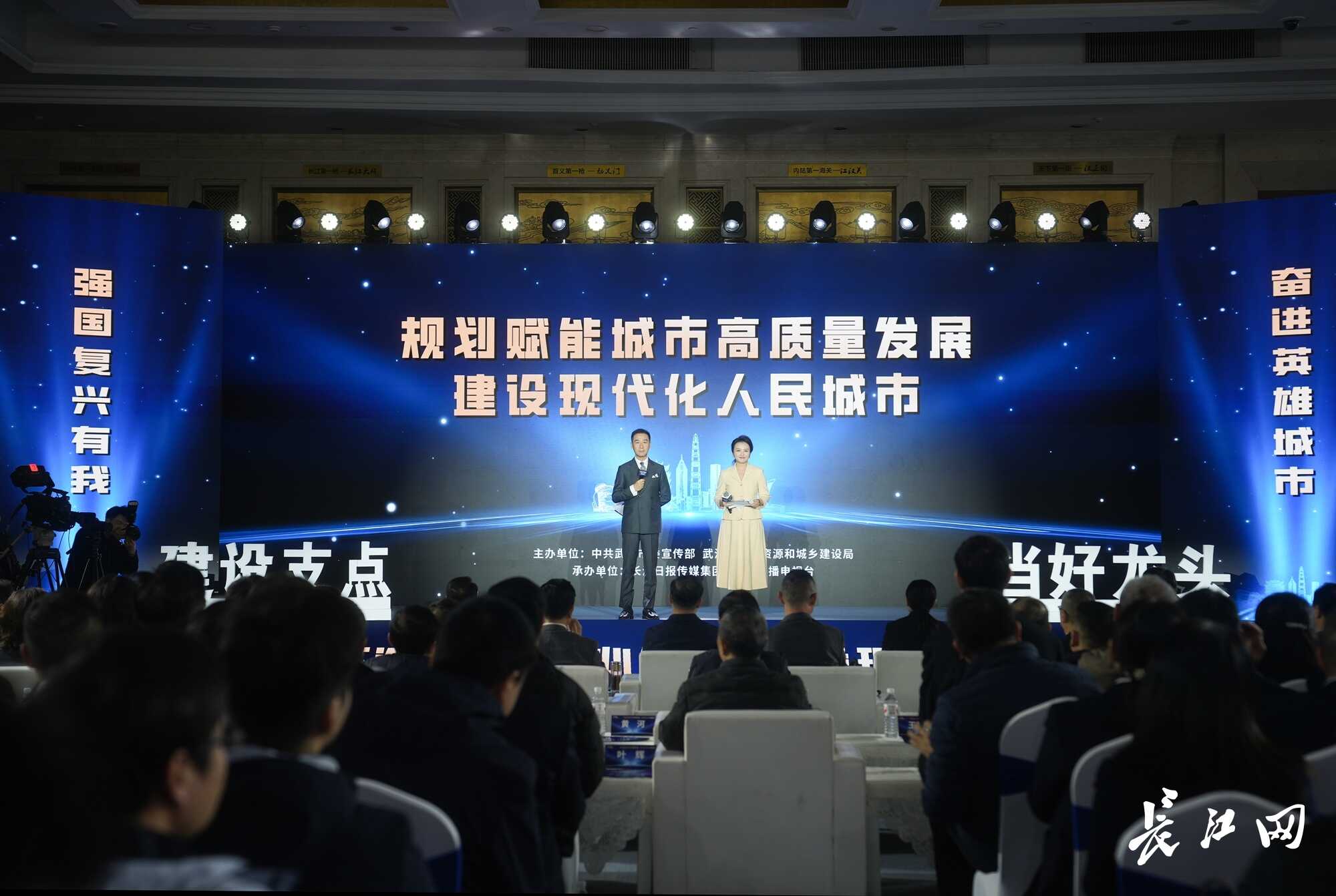
"建设支点 当好龙头"主题报告会"规划赋能城市高质量发展 建设现代化人民城市"专场现场 在沙龙环节,省人民政府咨询委员秦尊文等四位专家学者,就"激活存量资源,构建武汉高质量城市发展新路径"展开对话交流。现场 还通过视频展示了武汉设计之都这张"世界级名片"已成为驱动城市发展的核心引擎,获得联合国教科文组织创意城市网络秘书长丹尼丝·巴 克斯和联合国人居署亚太区高级人居官员布鲁诺・德肯的肯定。中国工程院院士、武汉大学姜卫平教授寄语武汉,期待武汉成为全国自然 资源数字化治理的典范。 为深入学习贯彻党的二十届四中全会精神和省委十二届十一次全会、市委十四届十二次全会精神,12月19日,武汉市"建设支点 当好 龙头"主题报告会"规划赋能城市高质量发展 建设现代化人民城市"专场在武汉规划展示馆举行。市委常委、宣传部部长吴朝安出席。 市自然资源和城乡建设局党组书记、局长吴俊勤以"规划赋能五个中心建设 奋力绘就现代化人民城市新画卷"为题作主旨报告,全方位 展现武汉大力提升城市规划建设和精细化治理水平,持续向创新、宜居、美丽、韧性、文明、智慧的现代化人民城市迈进,确保一张蓝图 绘到底,全力打造"五个中心",全面建设现代化大武汉的实 ...
苏超、票根经济等入选2025年度十大新词语
Zhong Guo Xin Wen Wang· 2025-12-16 02:55
Core Insights - The "Top Ten New Words of 2025" highlights significant trends in various sectors, including sports, technology, economy, and culture, reflecting a year of innovation and development [1][2] Group 1: Sports and Economy - "苏超" (Su Super League) emerges as a notable urban sports league, enhancing regional culture and serving as a new engine for city branding [1] - The rise of "票根经济" (Ticket Root Economy) revitalizes traditional ticketing through the integration of AR technology and blockchain, unlocking new consumption potential [1] Group 2: Technology and Urban Development - "杭州六小龙" (Hangzhou Six Little Dragons) represents a group of cutting-edge tech companies making breakthroughs in AI, robotics, and game development [1] - The concept of "现代化人民城市" (Modernized People's City) is advancing, utilizing big data and cloud computing for refined and intelligent urban management [1] Group 3: Social Policies and International Trade - "育儿补贴" (Childcare Subsidy) is being upgraded to alleviate pressure on young families, contributing to population structure optimization and family stability [1] - The "跨境支付通" (Cross-Border Payment System) is being fully upgraded, enhancing efficiency and security in international trade and investment [2] - New agreements on "对等关税" (Reciprocal Tariffs) are being established, injecting vitality into the open world economy [2] Group 4: Culture and Lifestyle - "新大众文艺" (New Mass Culture) continues to thrive, with innovations in online literature, short videos, and live streaming, allowing amateur creators to shine [2] - The "轻体" (Light Lifestyle) concept promotes simplicity, environmental consciousness, and health as new trends [2] - The trend of "拉布布" (Labubu) toys, characterized by unique design and multicultural elements, becomes popular among youth as a means of self-expression [2]
安伟在市委城市工作会议上强调 准确把握形势任务 加快转变发展方式 加快打造具有时代特征中原特色国际风采的现代化人民城市
Zheng Zhou Ri Bao· 2025-12-15 03:19
安伟强调,要认真践行人民城市理念,强化"三标"引领,以推动城市高质量发展为主题,以坚持内涵式 发展为主线,以高效能治理为保障,以推动城市更新为重要抓手,大力推动城市结构优化、动能转换、 品质提升、绿色转型、文脉赓续、治理增效,加快打造具有时代特征、中原特色、国际风采的现代化人 民城市。要着力构建"一平台两中心组团式网络化"城镇格局,加快建设富有活力的创新郑州、舒适便利 的宜居郑州、绿色低碳的美丽郑州、安全可靠的韧性郑州、崇德向善的文明郑州、便捷高效的智慧郑 州。要聚焦聚力、攻坚克难,着力提升城市更新工作质效,加快完善防洪排涝体系,推动房地产高质量 发展、"文旅城"深度融合发展,不断提升城市国际化水平。 12月13日,市委城市工作会议召开,深入学习贯彻习近平总书记关于城市工作的重要论述和在河南考察 时重要讲话精神,落实中央和省委城市工作会议部署,引导全市上下准确把握形势任务,加快转变城市 发展方式,围绕"创新、宜居、美丽、韧性、文明、智慧",打造具有时代特征、中原特色、国际风采的 现代化人民城市。省委常委、市委书记安伟出席会议并讲话。 市委副书记、市长庄建球主持会议。市领导周富强、杜新军、路云、陈明、陈宏伟、虎 ...
坚持保障和改善民生,扎实推进共同富裕
Zheng Zhou Ri Bao· 2025-12-15 00:53
郑 旗 要突出人民至上价值追求。人民性是马克思主义最鲜明的品格。我们党抓改革、促发展,归根到底 就是为了让人民过上更好的日子。推动"十五五"时期经济社会高质量发展,要把造福人民作为根本价值 取向,把"投资于物"同"投资于人"紧密结合起来,努力在高质量发展中提高人民生活品质,在满足民生 需求中拓展发展空间,让现代化建设成果更多更公平惠及全体人民。 要在高质量发展中增进民生福祉。"为政之道,以顺民心为本,以厚民生为本"。习近平总书记指 出,增进民生福祉是发展的根本目的,发展为了人民是马克思主义政治经济学的根本立场。要用心用力 用情保障民生福祉,持续促进高质量充分就业,推动教育资源扩优提质,健全社会保障体系,统筹推进 房地产高质量发展和住房保障体系建设,加快建设健康郑州,构建全龄友好型社会,加强普惠性、基础 性、兜底性民生建设,提高基本公共服务可及性和均等化水平,切实解决好群众的操心事、烦心事、揪 心事,让人民群众获得感、幸福感、安全感更加充实、更有保障、更可持续。 习近平总书记指出,中国式现代化,民生为大。党的二十届四中全会和省委十一届十次全会聚 焦"保障和改善民生,扎实推进共同富裕",作出战略部署、提出明确要求 ...
“机关大院”变身街区公园 深圳“无界之城”探索再进一步
2 1 Shi Ji Jing Ji Bao Dao· 2025-11-25 14:18
Core Viewpoint - The transformation of the "government compound" into a public park in Nanshan District, Shenzhen, reflects a shift towards a more open and integrated urban environment, promoting a complete community model that enhances public services and ecological leisure [2][3]. Group 1: Urban Development and Planning - The Nanshan District launched the "Boundaryless Nanshan, Integration and Synergy" initiative, celebrating the 16th anniversary of the Nanshan Bureau, aiming to create a pedestrian-friendly living circle by breaking down barriers between government, residential, commercial, and educational spaces [2]. - The concept of "Boundaryless" is rooted in Shenzhen's urban culture, with historical precedents such as the establishment of the first wall-less municipal government building in 2005, symbolizing transparency and cultural confidence [3]. - The shift in urban development from large-scale expansion to improving existing urban quality is emphasized, aligning with the central government's focus on creating a "modernized people's city" [2][3]. Group 2: Innovation and Education - The "Boundaryless City" concept is being integrated into educational and technological developments, with plans for high-level construction of international science and education cities, fostering a blend of education, technology, and industry [3]. - The establishment of the Shenzhen University Town International Campus, which includes several prestigious universities, exemplifies the implementation of the "Boundaryless" philosophy in higher education [3]. Group 3: Urban Governance and Global Connectivity - The Shenzhen Urban Index (SUI) was introduced to measure not only traditional economic indicators but also urban innovation, cultural warmth, ecological sustainability, and global connectivity [4]. - The "Boundaryless" concept will be incorporated into the SUI, showcasing Shenzhen's open and inclusive charm to the world, particularly during the 2026 APEC event [4].
“从南京看到城市如何实现更好发展”
Ren Min Ri Bao· 2025-11-22 22:00
Core Points - The "2025 World Mayors Dialogue" event was launched in Nanjing, focusing on sharing urban governance experiences and discussing sustainable urban development trends with representatives from various countries [1][2][3] Group 1: Ecological Practices - Nanjing's ecological practices serve as a model for global waterfront cities, emphasizing ecological priority and green development [2] - The city has implemented measures such as shoreline restoration, pollution control, and a ten-year fishing ban to protect the Yangtze River dolphin, a key indicator of ecological health [2][3] - Nanjing's industrial sector, exemplified by the Nanjing Steel Group, has achieved a 38% reduction in carbon intensity over five years, showcasing a successful integration of industrial and ecological development [3] Group 2: Cultural Exchange - The event featured various cultural exchanges, including a soccer match between mayors and local students, symbolizing cooperation and mutual respect among cities [4][5] - Participants engaged in activities that highlighted Nanjing's historical and cultural heritage, such as visiting the Ming City Wall Museum and non-heritage workshops [4][5] - The dialogue emphasized the importance of cultural heritage preservation as a means of maintaining human memory and fostering international relationships [5][6] Group 3: Urban Development Philosophy - Nanjing's approach to urban development focuses on minimal intervention and maximum respect for existing structures, promoting sustainable urban renewal [6] - The "Granular Return" project encourages citizen participation in heritage protection, successfully recovering over 600,000 Ming dynasty bricks for restoration [6] - The event aimed to deepen city exchanges and promote mutual learning, enhancing friendships and creating a collaborative future [7]
从场馆赛区到无界街区,广州把赛事“装进”市民客厅
2 1 Shi Ji Jing Ji Bao Dao· 2025-11-21 07:02
Core Viewpoint - Guangzhou is leveraging the 15th National Games to transform urban spaces into "delicate districts," integrating sports facilities with community life and enhancing urban quality through meticulous urban renewal strategies [1][2][5]. Group 1: Urban Transformation Strategy - The concept of "delicate districts" emphasizes urban renewal without large-scale demolition, focusing on enhancing existing spaces with precision [2][4]. - Over a few months, 17 surrounding districts have undergone micro-renovations, showcasing a model for urban renewal in the context of existing infrastructure [2][5]. - The planning approach involves a "string of pearls" concept, creating a cohesive network of delicate districts that connect key nodes and pathways [2][3]. Group 2: Community Integration - The design promotes seamless access for citizens to sports facilities, reducing physical barriers and enhancing community engagement [3][5]. - The transformation includes creating "boundary-less sports parks" that integrate sports centers with surrounding green spaces and pedestrian pathways [3][4]. - The focus on "people-oriented" design principles aims to improve the quality of urban life, making facilities accessible for all demographics [3][5]. Group 3: Long-term Sustainability - The strategy includes a full-cycle management approach, ensuring that the benefits of the renovations extend beyond the event, serving the community in the long term [5][6]. - The model aims to convert event resources into long-term urban assets, avoiding short-term constructions that do not serve ongoing community needs [5][6]. - Future urban development will expand beyond sports to include historical, cultural, technological, and ecological themes, promoting a holistic approach to urban renewal [8].