
生物能源

Search documents
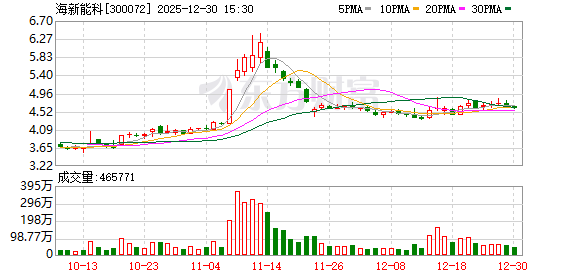
海新能科:子公司海南环宇主要产品为高凝烃基生物柴油,年产能5万吨
Mei Ri Jing Ji Xin Wen· 2025-12-30 09:24
Group 1 - The core viewpoint of the article highlights the ongoing development of the Hainan Free Trade Port and its impact on the company's subsidiary, Hainan Huanyu, which is involved in bioenergy production [2] - Hainan Huanyu's main product is high-congealing hydrocarbon-based biodiesel, with an annual production capacity of 50,000 tons [2] - The company plans to leverage the policies and geographical advantages of the Hainan Free Trade Port to focus on bioenergy business and actively explore development opportunities for high-quality growth [2]


构建第二增长曲线 维尔利加速转型绿色能源供应商
Zhong Guo Zheng Quan Bao· 2025-12-22 22:03
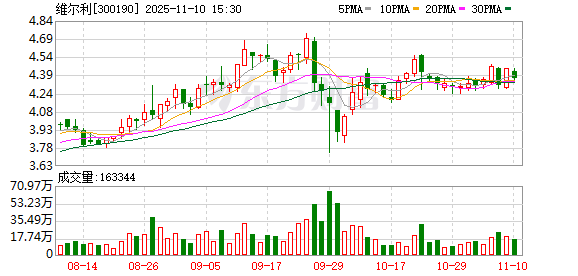
Core Viewpoint - The company, Weili (300190), is transitioning from a traditional urban waste management operator to a green energy supplier, focusing on biogas and biofuel oil, with a strategic upgrade to enhance its business model and explore new growth opportunities [1][4]. Group 1: Biogas Projects - Weili's biogas projects utilize organic waste from agriculture, livestock, and food industries to produce renewable natural gas through anaerobic digestion and purification [2]. - The company has established a cooperative model where raw gas is provided by owners, and Weili manages the investment, construction, and operation of the biogas resource utilization system, ensuring stable income for raw gas suppliers [2]. - Each biogas project is expected to yield stable returns over a period of more than 10 years, with a guaranteed internal rate of return due to long-term agreements on gas pricing [2][5]. Group 2: Biofuel Oil Initiatives - Weili is also expanding into the biofuel oil sector, leveraging over a decade of experience in food waste management to create a dedicated team for biofuel oil and establish a waste oil collection system [3]. - The company aims to develop a sustainable aviation fuel (SAF) supply chain by collaborating with suppliers and international customers in the SAF production sector [3]. Group 3: Business Model Transformation - The transition to bioenergy is seen as a natural extension of Weili's existing organic waste processing business, driven by favorable policies promoting renewable energy [4]. - The company has accumulated significant resources, with 2 million cubic meters per day of biogas waiting to be developed, providing a solid foundation for its transition [5]. - Weili plans to shift its customer focus from municipal projects to industrial clients, aiming to validate its technological advantages in more market-driven sectors [5]. Group 4: Growth Strategy - The company is building a specialized energy business platform and has initiated several biogas development projects across various regions, targeting a production capacity of 1 million cubic meters per day within two years [6]. - Weili is also establishing waste oil processing plants in strategic locations to create an integrated supply chain for biofuel oil, enhancing its market position [6].

构建第二增长曲线维尔利加速转型绿色能源供应商
Zhong Guo Zheng Quan Bao· 2025-12-22 20:19
Core Viewpoint - The company is transitioning from a traditional waste management operator to a green energy supplier, focusing on biogas and biofuel oil, with significant growth potential in the renewable energy sector. Group 1: Transition to Bioenergy - The company has successfully launched the Linjiang demonstration project and achieved rapid gas production at the Zhejiang Shanying project, with a target biogas production capacity of 1 million cubic meters per day within two years [1] - Biogas is produced from various organic waste materials through anaerobic fermentation and purification, with the company responsible for the investment, construction, and operation of biogas resource utilization systems [1] - The company aims to leverage its existing expertise in organic waste management to establish a stable revenue model through long-term agreements for gas sales and raw material purchases [2] Group 2: Business Model Restructuring - The company has over 20 years of experience in the environmental sector, focusing on organic waste resource utilization, and is now seeking to reshape its business model to find a second growth curve [3] - The transition to bioenergy is seen as a natural extension of its existing organic waste processing business, supported by favorable policies promoting renewable energy [3] - The company plans to shift its customer base from municipal to industrial clients, enhancing its market presence in higher market-oriented sectors [4] Group 3: Rapid Scaling and Market Penetration - The company has established a dedicated energy business platform and professional team to facilitate the full chain from raw materials to products in the biogas sector [5] - Current projects have a combined daily biogas production exceeding 200,000 cubic meters, with a goal to reach 1 million cubic meters per day in the next two years [5] - In the biofuel oil sector, the company is developing pre-treatment facilities to convert waste oils into sustainable aviation fuel (SAF) compliant materials, aiming to create an integrated supply chain for international clients [6]
维尔利:公司正联合相关院校开展基于生物燃气与绿氢的生物甲醇制备课题研究
Mei Ri Jing Ji Xin Wen· 2025-11-11 01:08
Core Viewpoint - The company is actively advancing its bioenergy business transformation while continuing to deepen its traditional operations, focusing on green energy sectors such as biogas and biofuel oil [2] Group 1: R&D Achievements - The company is conducting research on the preparation of bio-methanol based on biogas and green hydrogen in collaboration with relevant academic institutions [2] - The company holds two utility model patents related to bio-jet fuel production, specifically a "catalytic dual-stage radial fixed bed reactor for producing aviation biofuels" and a "novel catalytic hydrogenation suspended bed reactor for producing biodiesel" [2]
生物航煤、生物船燃赛道市场空间放大,海新能科推动生物能源产业共赢
Zheng Quan Shi Bao Wang· 2025-11-05 09:52
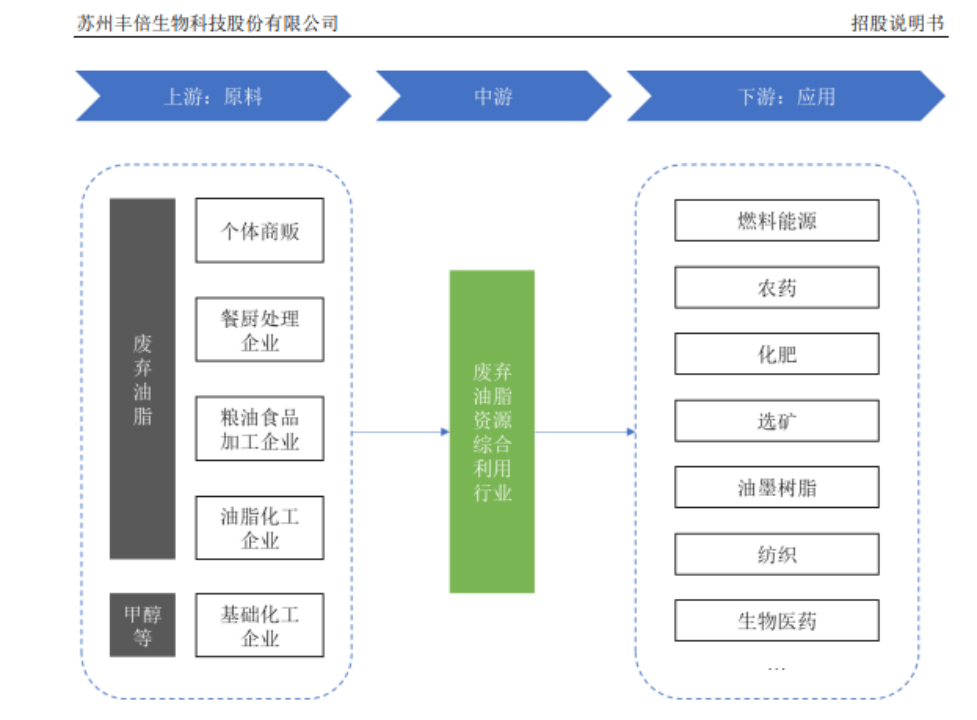
Core Viewpoint - The A-share biodiesel sector experienced a significant surge, driven by the strong debut of Fengbei Bio on the Shanghai Stock Exchange and increasing global support for sustainable aviation fuel (SAF) procurement and application, indicating a positive outlook for the biodiesel industry chain [1] Industry and Company Summary - Fengbei Bio, a high-tech enterprise in the field of waste resource utilization, focuses on producing resource-based products from waste oils. The company has established a stable partnership with HXN Energy, which is expected to be its second-largest customer by mid-2025, benefiting from the rising demand for industrial-grade blended oils due to the SAF and biodiesel industry [2] - HXN Energy has been deeply involved in the biodiesel industry for years, aiming to become a global leader in green energy and chemical products. The company is enhancing its raw material supply system and plans to expand its biodiesel raw material sources while improving procurement transparency and controlling costs [4] - According to the International Energy Agency (IEA), global biodiesel consumption is projected to grow from approximately 42.42 million tons in 2023 to 59.93 million tons by 2028, reflecting a compound annual growth rate of about 7.16%. Both Fengbei Bio and HXN Energy are positioned to benefit from this growth in global biodiesel demand [7] - Policy initiatives are creating new opportunities in the bioenergy sector, with countries expanding the application of biofuels in various transportation modes. For instance, Singapore's new legislation mandates that departing flights must use at least 1% SAF starting in 2026, increasing to 3-5% by 2030, marking a significant step in decarbonizing transportation [8] - The European market is expected to be a core area for biodiesel demand, with the EU set to implement large-scale SAF blending mandates starting in 2025. The International Maritime Organization's strategy aims for net-zero greenhouse gas emissions from ships by 2050, further driving the demand for biodiesel as a shipping fuel [9]
海新能科第三季度营收增长63.82%,把握SAF上行机遇大幅提升盈利能力
Zheng Quan Shi Bao Wang· 2025-10-27 01:03
Core Viewpoint - The company has successfully turned around its performance in the hydrocarbon biodiesel market, achieving significant revenue growth and profitability in the first three quarters of 2025 [1][3]. Financial Performance - The company reported a total revenue of 1.942 billion yuan and a net profit attributable to shareholders of 57.95 million yuan for the first three quarters of 2025 [1]. - In Q3 2025, the company achieved a revenue of 958 million yuan, representing a year-on-year increase of 63.82% [1]. - The net profit for Q3 2025 was 93.33 million yuan, following a profit of 14.52 million yuan in Q2 2025 [1]. - The company's debt ratio decreased to 29.81% by the end of September 2025, down from 38.99% at the end of 2024, reflecting a reduction of 9.18 percentage points [1]. - Financial, management, and sales expenses all decreased year-on-year [1]. Strategic Focus - The company has identified bioenergy as its core strategic pillar, implementing innovative sales strategies to expand its non-EU customer base and successfully fulfilling long-term sales contracts with these clients [1]. - The operational management level has improved steadily, with ongoing optimizations in quality control, supplier management, and catalyst solutions [1]. Industry Trends - Sustainable Aviation Fuel (SAF) is highlighted as a key growth area, with the company focusing on this sector due to its significant carbon reduction capabilities and compatibility with traditional aviation fuels [2]. - The company has established a stable operation of its subsidiary project, enhancing its supply chain capabilities and securing long-term contracts with core suppliers [2]. - The company has received approval for SAF exports, allowing it to independently apply for export licenses, which will enhance its production planning and international competitiveness [2]. Market Outlook - Global demand for SAF is expected to surge due to mandatory blending policies, with the EU projected to consume approximately 610,000 tons of SAF in 2024 and an additional 1.3 million tons in 2025 [3]. - In China, the SAF demand is estimated to reach around 2.49 million tons by 2030, driven by a blending ratio target set by IATA [3]. - The price of SAF has risen significantly, with the offshore high-end price reaching 2,500 USD per ton as of October 18, 2025, marking a 38.9% increase since the beginning of the year [3]. - The company is expected to achieve a full-year turnaround in 2025, providing better returns to shareholders while continuing to invest in long-term growth [3].
生物航煤订单已排至年底!嘉澳环保:第三季度营收17.07亿元,同比增长511.45%!
synbio新材料· 2025-10-20 08:04
Core Viewpoint - The article highlights the significant growth in revenue for Jiaao Environmental Protection, driven by its successful expansion in the bio-aviation fuel sector, despite still facing net losses in the first three quarters of 2025 [1][2]. Group 1: Financial Performance - In Q3 2025, Jiaao Environmental Protection reported a revenue of 1.707 billion yuan, representing a year-on-year increase of 511.45% [1]. - For the first three quarters of 2025, the total revenue reached 3.005 billion yuan, with a year-on-year growth of 189.39% [1]. - The net profit attributable to shareholders for the first three quarters was a loss of 25.366 million yuan, indicating a reduction in the loss compared to the previous year [1]. Group 2: Business Expansion and Achievements - The substantial revenue growth is primarily attributed to the increase in sales of bio-aviation fuel from Lianyungang Jiaao, showcasing the company's successful positioning in this market [2]. - The Lianyungang Jiaao Bio-aviation Fuel Project, constructed by its subsidiary, began construction in April 2023 and is expected to start trial production in November 2024, featuring two new 500,000-ton/year bio-aviation fuel units [2]. - Jiaao Environmental Protection became the first company in China to be included in the "white list" for bio-aviation fuel exports, successfully exporting 13,400 tons of bio-aviation fuel [2]. Group 3: Product Performance - In the first three quarters of 2025, the production capacity for biomass energy products was 261,000 tons, with sales volume reaching 203,500 tons, generating revenue of 246.1 million yuan [3]. - The main products and their performance include: - Environmental plasticizers: Production of 54,244.47 tons, sales of 58,690.595 tons, and revenue of 498.59 million yuan [4]. - Environmental stabilizers: Production of 3,626.218 tons, sales of 3,474.100 tons, and revenue of 38.51 million yuan [4]. - Biomass energy: Production of 260,960.140 tons, sales of 203,512.742 tons, and revenue of 246.14 million yuan [4].


海新能科(300072) - 300072海新能科投资者关系活动记录表
2025-10-16 09:48
Group 1: Company Overview and Recent Developments - Beijing Haineng Technology Co., Ltd. has obtained approval for 158,000 tons of bio-jet fuel export capacity, enhancing its international competitiveness and market expansion [2][3] - The company’s 200,000 tons/year bio-diesel isomerization project is operational, producing approximately 160,000 tons of bio-jet fuel annually [3][8] Group 2: Financial Performance - In the first half of 2025, the company reduced its losses by 89.15% year-on-year, with a positive trend continuing into the third quarter [4] - The company has successfully diversified its customer base and increased sales in non-EU markets, leading to significant growth in this segment [4] Group 3: Production and Cost Management - The company has improved key operational parameters of its Shandong Sanju project, achieving better performance than design specifications and reducing processing costs [4] - Through refined management and strategic supplier partnerships, the company has lowered sales, management, and financial expenses year-on-year [4] Group 4: Market Trends and Pricing - Recent prices for Sustainable Aviation Fuel (SAF) have risen to approximately $2,700 per ton due to increased demand and regulatory support from the EU [5][6] - The EU has implemented subsidy programs to encourage SAF procurement, which is expected to sustain high industry demand [6] Group 5: Future Development Plans - The company aims to become a world-class green energy supplier and a leader in bio-energy technology over the next three years, focusing on core business growth and innovation [7] - Strategic initiatives include enhancing bio-energy production, improving supply chain management, and expanding market share in catalyst purification products [7] Group 6: Production Capacity and Certifications - The company’s existing bio-jet fuel capacity is 50,000 tons, with an additional 160,000 tons/year expected from the new project [8] - The bio-jet fuel products have received certifications from the Civil Aviation Administration of China and international standards [8]
四部门批复,日照市获批成为全国生物航油“白名单”出口试点城市
Qi Lu Wan Bao Wang· 2025-10-14 08:15
Group 1 - The city of Rizhao has been approved as one of the second batch of pilot cities for the national bio-aviation fuel "white list" export, with Shandong Sanju Bioenergy Co., Ltd. included as one of the three companies with a certified export capacity of 158,000 tons [1] - Bio-aviation fuel is produced from waste oils such as kitchen waste oil, creating a low-carbon economic model from "waste oil" to "aviation fuel" [1] - The national bio-aviation fuel "white list" export pilot program is an innovative measure by multiple government departments to promote bio-aviation fuel exports, allowing eligible companies to apply for export licenses within their certified capacity [1] Group 2 - Rizhao City aims to leverage its new energy industry foundation and port advantages to enhance the international competitiveness of bio-aviation fuel, focusing on supporting Shandong Sanju Bioenergy Co., Ltd. in exporting its products [2] - The local government has actively engaged with various departments to establish a regulatory framework for the bio-aviation fuel export "white list" system, ensuring comprehensive oversight and support for the industry [2] - A collaborative mechanism has been established to facilitate inter-departmental coordination and information sharing, ensuring seamless regulation of the entire bio-aviation fuel export process [2] Group 3 - Shandong Sanju Bioenergy Co., Ltd. has developed a production line capable of processing 500,000 tons of waste animal and plant oils annually, utilizing advanced processing techniques to produce clean biofuels [3] - The company plans to invest in a bio-aviation fuel production line, which is expected to start normal operations by May 2025, with an annual production capacity of 160,000 tons and a reduction of 350,000 tons in carbon emissions per year [3] - The anticipated annual export revenue from bio-aviation fuel is projected to exceed 2 billion yuan, significantly contributing to the outward-oriented economic development of Rizhao City [3]
海新能科:子公司山东三聚于9月初停产检修换剂,9月23日已复产,四季度将主要生产生物航煤
Mei Ri Jing Ji Xin Wen· 2025-09-25 09:20
Core Viewpoint - The company has confirmed that its subsidiary, Shandong Sanju, underwent maintenance and resumed production on September 23, focusing on bio-aviation fuel for the fourth quarter, indicating a proactive approach to market demand and production planning [1] Group 1: Production and Maintenance - There were rumors regarding the potential shutdown for maintenance of the HVO/SAF plant in Rizhao, Shandong, which is set to occur shortly after starting production [1] - The company clarified that the Shandong Sanju facility had a maintenance shutdown in early September and has since resumed operations [1] Group 2: Market Strategy and Demand - The company aims to leverage opportunities in the bio-energy market to drive high-quality development [1] - Following the launch of the Hainan HVO plant in July, the company is assessing its operational capacity and order situation [1]