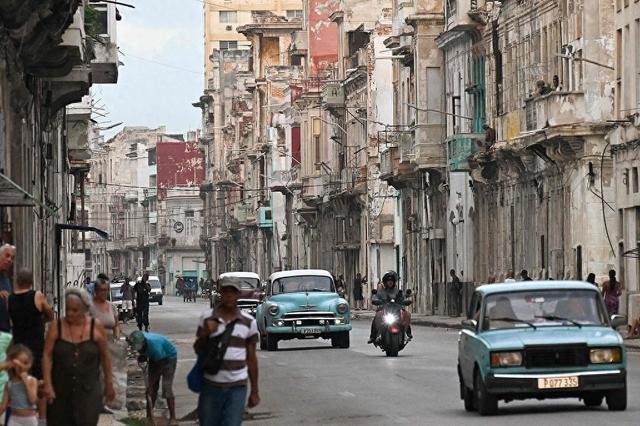
石油封锁

Search documents
美石油封锁,迫使古巴停供航空煤油
Yang Shi Xin Wen Ke Hu Duan· 2026-02-11 09:02
Group 1 - The U.S. has imposed a new round of oil sanctions on Cuba, leading to a suspension of aviation fuel supply at nine major airports, including Havana, from February 10 to March 11 [1][2] - The suspension of Jet A-1 aviation fuel, which is crucial for the operation of flights, will significantly impact the Cuban aviation industry, increasing operational costs and causing uncertainty for travelers [1][2] - Cuba's tourism sector, a vital source of foreign exchange, is particularly vulnerable as the traditional peak travel season runs from December to March, raising concerns among travelers about potential disruptions to their itineraries [4] Group 2 - The relationship between Cuba and the U.S. is currently tense, with recent military actions against Venezuela and threats from U.S. President Trump regarding tariffs on countries supplying oil to Cuba [6] - Cuban President Díaz-Canel has condemned the U.S. sanctions, labeling them as indicative of fascism, crime, and genocide [6] - Travelers are expressing anxiety over the impact of the fuel supply suspension on their return flights, highlighting the immediate effects on individuals planning to leave Cuba [7]

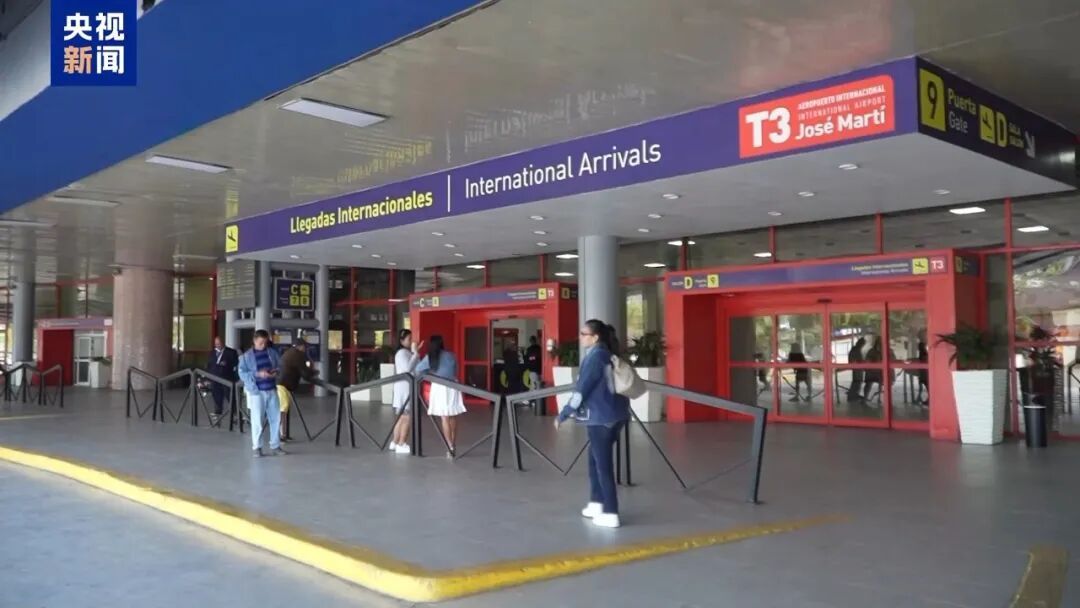
古巴多家机场停供航空煤油一个月
Xin Lang Cai Jing· 2026-02-10 17:00
Core Viewpoint - The Cuban aviation industry faces significant challenges due to the suspension of aviation fuel supply at nine major airports, including Havana, as a result of new U.S. oil sanctions [1] Group 1: Impact on Aviation Industry - From February 10 to March 11, Cuba will halt the supply of aviation fuel at nine airports nationwide [1] - This decision is a direct consequence of the latest round of U.S. oil embargoes against Cuba [1] - The suspension is expected to have a substantial negative impact on the Cuban aviation sector [1]
美石油封锁,迫使古巴停供航空煤油
中国能源报· 2026-02-10 09:59
Group 1 - The core issue is that the new round of U.S. oil sanctions has led to a suspension of aviation fuel supply in Cuba, affecting the operations of nine major airports including Havana from February 10 to March 11 [1][2] - The aviation fuel Jet A-1, which is crucial for international civil aviation, is now in short supply due to these sanctions, impacting flight operations and increasing costs for airlines [2] - Cuba's tourism industry, a significant source of foreign exchange, is heavily reliant on air travel, and the timing of these sanctions coincides with the peak tourist season from December to March, raising concerns among travelers about potential disruptions to their plans [4] Group 2 - Travelers are expressing uncertainty regarding their return flights, as they may not know if flights will continue to operate due to the fuel supply issues [6] - The geopolitical context is tense, with the U.S. recently targeting Venezuela and indicating that Cuba could be next, leading to heightened scrutiny and sanctions against Cuba [8] - Cuban President Díaz-Canel has condemned the U.S. sanctions, labeling them as indicative of a fascist and criminal nature [8]
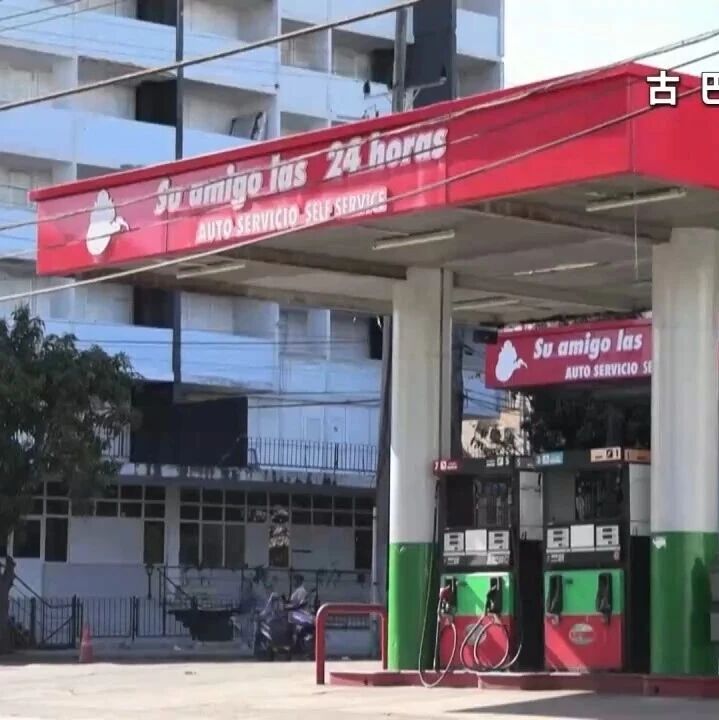
【环球财经】航空燃油短缺 加航暂停古巴航线
Xin Hua She· 2026-02-09 22:29
Core Viewpoint - Canadian airlines, including Air Canada, have suspended flights to Cuba due to a fuel shortage impacting operations, with plans to operate empty flights to repatriate approximately 3,000 travelers [1] Group 1: Company Actions - Air Canada announced the suspension of flights to Cuba starting February 9 due to the fuel shortage [1] - The airline plans to operate empty flights to Cuba to bring back around 3,000 passengers [1] - WestJet Airlines and its subsidiaries have also introduced flexible rebooking or cancellation policies for travelers on routes to Cuba [1] Group 2: Industry Context - The Canadian government has issued travel advisories regarding Cuba, indicating that the ongoing fuel shortage may affect resort operations and flight services [1] - Cuban officials announced measures such as fuel rationing in response to a new round of U.S. oil sanctions [1]
参考消息:古巴航空燃油24小时内耗尽
Xin Lang Cai Jing· 2026-02-09 13:07
Core Viewpoint - The Cuban government has issued a warning about an impending aviation fuel shortage due to the impact of the U.S. oil blockade, which is expected to affect international airlines operating in Cuba, particularly those from the U.S., Spain, Panama, and Mexico [1] Group 1: Government Actions and Responses - The Cuban government has announced a strict emergency plan in response to the oil and derivative import crisis, which includes halting diesel sales, reducing operating hours for hospitals and government offices, and closing some hotels [1] - The U.S. has escalated pressure on Cuba's energy supply, with President Trump signing an executive order threatening tariffs on countries supplying oil to Cuba, citing national security concerns [1] Group 2: Economic Context - Cuba's energy needs are only about one-third self-sufficient, with the remaining two-thirds reliant on imports, of which approximately 30% is expected to come from Venezuela in 2025 [1] - The country is currently facing a severe economic crisis that has lasted for six years, characterized by significant economic decline, high inflation, and shortages of essential goods such as food, medicine, and fuel [1]
古巴航空燃油告急
中国能源报· 2026-02-09 07:45
Core Viewpoint - Cuba is facing a severe aviation fuel shortage due to the U.S. oil blockade, which is expected to impact all international airports in the country [1][3]. Group 1: Fuel Shortage Impact - The Cuban government has issued a warning to international airlines operating in the country, indicating that aviation fuel will run out starting February 9 [3]. - An official navigation notice from the Cuban government states that the fuel shortage will affect all international airports and is valid for one month, from February 10 to March 11 [3]. Group 2: Government Response - In response to the fuel crisis, the Cuban government has announced an emergency plan aimed at maintaining operations without importing crude oil or refined products [3]. - Measures included in the emergency plan are the cessation of diesel sales, reduced working hours for hospitals and government institutions, and the closure of certain hotels [3]. Group 3: International Travel Advisory - The Chinese embassy in Cuba has issued a notice advising Chinese citizens to stay informed about changes to flights and travel risks due to the aviation fuel shortage affecting international flights [3].
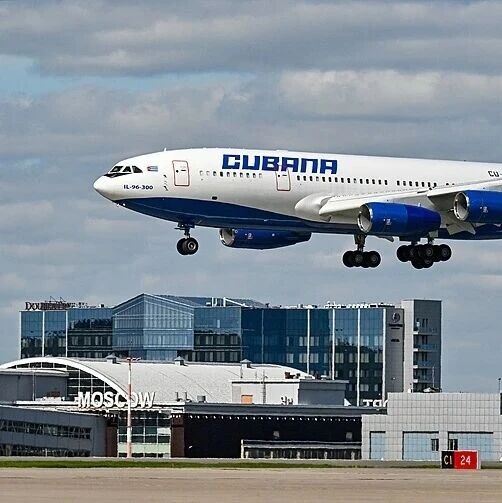
古巴航空燃油告急 预计将影响该国所有国际机场
Jing Ji Guan Cha Wang· 2026-02-09 05:41
Group 1 - The Cuban government has issued a warning to international airlines operating in the country about an impending fuel shortage due to a U.S. oil blockade, which will lead to the depletion of aviation fuel starting from February 9 [1] - The official navigation notice from the Cuban government states that the aviation fuel shortage will affect all international airports in Cuba, with the notice being effective for one month from February 10 to March 11 [1] - The Chinese embassy in Cuba has advised Chinese citizens to pay attention to changes in flights to Cuba and associated travel risks, indicating that the fuel shortage has already impacted international flights [1] Group 2 - In response to the fuel crisis, the Cuban government has announced an emergency plan aimed at maintaining operations without importing crude oil or refined products, which includes measures such as halting diesel sales, reducing working hours for hospitals and government institutions, and closing some hotels [1] - The situation has been exacerbated by an executive order signed by U.S. President Trump on January 29, threatening to impose tariffs on goods from countries supplying oil to Cuba [1]
美国关税威胁下 古巴航空燃油短缺影响国际航班!使馆发提醒
Nan Fang Du Shi Bao· 2026-02-09 03:17
Group 1 - Current fuel shortages in Cuba are affecting international flights, prompting the Chinese embassy to advise citizens to check flight information and adjust travel plans accordingly [1] - The relationship between Cuba and the United States is highly tense, with recent actions including a military strike by the U.S. on Venezuela and threats from President Trump regarding tariffs on goods from countries supplying oil to Cuba [2] - The Cuban government has implemented fuel rationing measures to cope with the new U.S. oil blockade, prioritizing fuel for essential public services and economic activities [2] Group 2 - The Cuban Vice Prime Minister announced that fuel will be rationed and normal supply will be restored gradually once conditions improve, ensuring basic medical services and defense readiness are maintained [2] - The Cuban Minister of Transportation stated that the transportation sector will prioritize operations at ports and airports, as well as the transport of essential goods like food, fuel, and medical supplies [2]
【环球财经】古巴宣布措施应对美国新一轮石油封锁
Xin Hua She· 2026-02-07 09:55
Group 1 - The Cuban government announced fuel rationing measures in response to a new round of U.S. oil sanctions, prioritizing basic public services and essential economic activities [1] - The government will continue to promote the construction of solar photovoltaic power plants to ensure sustainable operation of the national power system and reduce dependence on imported fuel [1] - The transportation sector will prioritize the operation of ports and airports, as well as the transportation of essential goods such as food, fuel, and medical supplies [1] Group 2 - U.S.-Cuba relations are currently highly tense, with recent U.S. military actions against Venezuela raising concerns about Cuba being the next target [2] - U.S. President Trump signed an executive order threatening tariffs on goods from countries supplying oil to Cuba, highlighting the aggressive stance towards the island [2] - Cuban President Díaz-Canel criticized the U.S. for its new oil sanctions, labeling them as indicative of fascism, crime, and genocide [2]
古巴实施燃料配给制应对美国石油封锁,国企改为一周工作四天
Xin Lang Cai Jing· 2026-02-07 09:25
Group 1 - The Cuban government announced a series of emergency measures to address the worsening energy crisis exacerbated by increased U.S. sanctions, including a four-day workweek for state-owned enterprises and fuel sales restrictions [1][3]. - The measures prioritize fuel for essential services and key economic activities, while non-essential activities will be postponed. The government aims to restore fuel supply, increase domestic oil production, and accelerate green energy projects [3]. - The recent U.S. pressure includes cutting off oil supplies from Venezuela, a key ally, and imposing tariffs on countries supplying oil to Cuba, which has led to a significant fuel shortage [3][4]. Group 2 - The oil shortage may lead Cuba to face widespread blackouts, with power plants struggling to maintain electricity supply. The Cuban government has accused the U.S. of attempting to "suffocate" its economy [4]. - Cuban President Díaz-Canel expressed willingness to engage in dialogue with the U.S. on any topic, provided it is based on equality and respect for Cuba's sovereignty, without preconditions or pressure [4].