
科技农业

Search documents
“十四五”海南农业土地产出率突破每亩1.2万元 稳居全国第一
Zhong Guo Xin Wen Wang· 2026-01-29 15:36
Core Viewpoint - Hainan Province has made significant advancements in modern agriculture over the past five years, focusing on industrial structure adjustment and enhancing agricultural productivity, with a goal to further develop its agricultural sector in the upcoming years [1][2]. Group 1: Agricultural Development Achievements - Hainan has established 51 national and provincial modern agricultural industrial parks, strong towns, and industrial clusters, achieving an agricultural land output rate exceeding 12,000 yuan per mu, ranking first in the country [1]. - The output value of the southern breeding industry has surpassed 20 billion yuan, while the proportion of tropical characteristic high-efficiency agriculture in total agricultural output value has exceeded 65% [1]. - The rural landscape has improved significantly, with 500 beautiful villages and 5,000 clean villages being developed, leading to a reduction in the income gap between urban and rural residents from 2.28 to 1.97 over the past five years [1]. Group 2: Future Agricultural Plans - Hainan aims to achieve an agricultural output value of 200 billion yuan by the end of the 14th Five-Year Plan and reduce the urban-rural income gap to 1.89 [2]. - The province plans to promote major scientific research projects in the southern breeding industry, aiming to double the output value of the southern breeding industry in five years [2]. - Hainan intends to create 1,000 beautiful villages and 10,000 clean villages in the next five years, while enhancing the development capacity of new rural collective economies and attracting more research institutions and international cooperation organizations [2].
农业农村部:统筹发展科技农业、绿色农业、质量农业、品牌农业
Xin Lang Cai Jing· 2026-01-27 14:46
Core Viewpoint - The Ministry of Agriculture and Rural Affairs emphasizes the importance of implementing Xi Jinping's directives and the decisions made during the 20th Central Commission for Discipline Inspection's fifth plenary session to ensure the successful execution of the "14th Five-Year" agricultural and rural goals [1][2] Group 1 - The meeting highlighted the need to unify thoughts and actions with Xi Jinping's important speech and the decisions from the plenary session, focusing on strict governance within the party to support agricultural and rural objectives [1] - There is a strong emphasis on political supervision and adherence to political discipline, ensuring that Xi Jinping's directives are effectively implemented [1] - The ministry aims to enhance the management of significant policies, projects, and administrative approvals, establishing a transparent and accountable system for power usage [1] Group 2 - The meeting calls for a comprehensive understanding of the spirit of the 20th Central Committee's fourth plenary session, guiding the high-quality development of the "14th Five-Year" agricultural and rural planning [2] - It stresses the importance of integrating technology, green practices, quality, and branding in agriculture while maintaining focus on food production and the sustainability of poverty alleviation efforts [2] - The ministry aims to improve capabilities in agricultural and rural work, emphasizing practical approaches and systematic planning to ensure a strong start for the "14th Five-Year" period [2]
【光明时评】从“颗粒归仓”到“舌尖盈香”
Xin Lang Cai Jing· 2026-01-25 19:17
Core Viewpoint - Food security is a top priority for the nation, with a projected grain output of 14,298 billion jin by 2025, marking an increase of 168 billion jin, maintaining stability above 14 trillion jin for two consecutive years [1] Group 1: Agricultural Development and Policies - The increase in grain production is a result of the "storing grain in the ground and technology" strategy, emphasizing the importance of technology in enhancing yield and efficiency [1] - The implementation of policies such as the "Seed Industry Revitalization Action" and "Quality Grain Project" has accelerated the promotion of high-yield, quality varieties [2] - The average taste score of rice in China has improved from 74.9 to 80.3 from 2009 to 2023, indicating significant advancements in quality across multiple dimensions [2] Group 2: Transformation in Agricultural Logic - The shift in agricultural development logic is reflected in the emphasis on a "big agriculture, big food" concept, which has been reiterated in key national documents and strategies [3] - The development of "four types of agriculture" (scientific, green, quality, and brand agriculture) is crucial for achieving deep structural changes in the agricultural sector [3][4] - Technological innovations in breeding have addressed the challenges of quality, while green agriculture ensures safety through reduced chemical use [4] Group 3: Economic Implications and Consumer Impact - The enhancement of agricultural quality has created a direct economic incentive for farmers, transforming the value chain from selling raw grain to selling branded products [4] - The definition of food has evolved from merely filling stomachs to meeting high-quality lifestyle demands, reflecting a shift in consumer expectations [4] - The focus on both quantity and quality in grain production is essential for ensuring food security and supporting economic development [5]
科技农业绘出新风景
Xin Lang Cai Jing· 2026-01-25 18:15
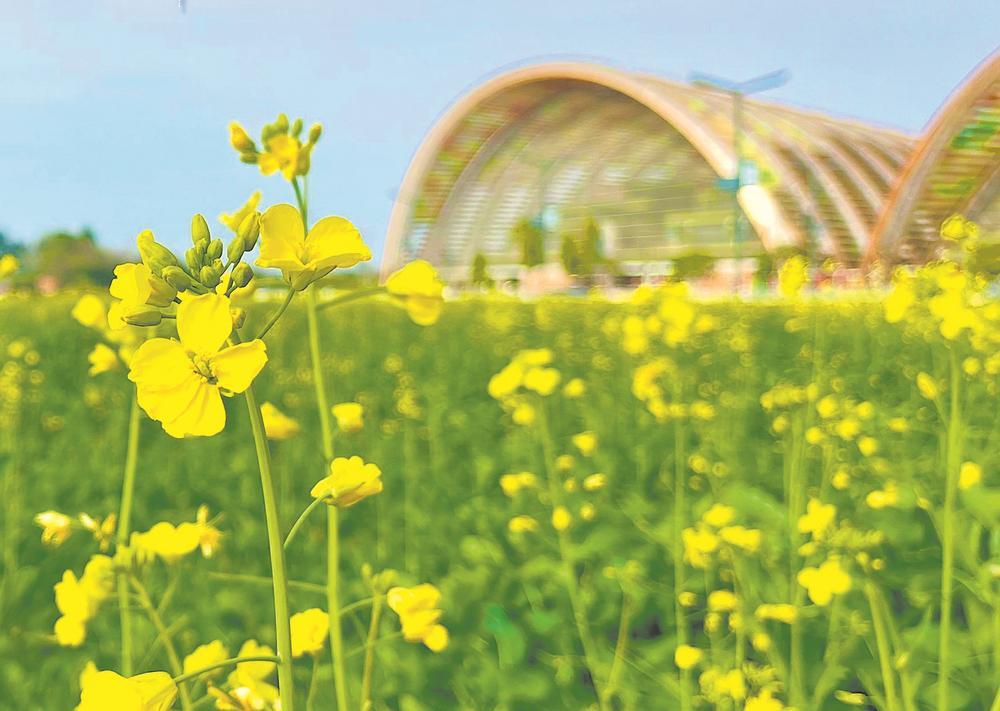
Core Insights - The article highlights the transformative impact of agricultural technology in Chengdu, showcasing how innovations are redefining traditional farming practices and enhancing food diversity in winter [4][6][7]. Group 1: Agricultural Innovations - Chengdu's agricultural landscape is evolving with the introduction of "black technology," allowing for year-round production of crops like strawberries and oilseed rape, even in winter [4][6][7]. - The use of advanced techniques such as double haploid induction and controlled environment agriculture has led to the development of cold-resistant, early-blooming crop varieties [4][7][8]. - Facilities like vertical farms and smart greenhouses are enabling the cultivation of crops without reliance on traditional seasonal constraints, thus ensuring a steady supply of fresh produce [9][12]. Group 2: Seafood Production in Xinjiang - Xinjiang is emerging as a significant player in the seafood industry, producing species like salmon and shrimp through innovative inland aquaculture techniques [10][11]. - The use of saline-alkaline water for aquaculture has been optimized to create environments suitable for marine species, showcasing a breakthrough in resource utilization [10][11]. - Advanced closed-loop water recycling systems are being implemented to ensure sustainable and efficient fish farming practices in arid regions [11][12]. Group 3: Solar-Agriculture Integration - The "agriculture-photovoltaics" model is gaining traction, where solar panels not only generate electricity but also create favorable microclimates for crop growth beneath them [13][14]. - This dual-use approach is enhancing agricultural productivity in arid regions by improving soil conditions and reducing water evaporation [13][14]. - Projects like "fishing-solar" and "pasture-solar" are demonstrating the potential for synergistic benefits, leading to increased yields and diversified income streams for farmers [14][15]. Group 4: Global Agricultural Technology Trends - The global agricultural sector is witnessing a shift towards data-driven practices, moving away from traditional methods to more scientific approaches [16][17]. - Technologies such as IoT, AI, and autonomous machinery are being integrated into farming operations worldwide, enhancing efficiency and sustainability [16][17]. - China's advancements in agricultural technology are not only improving domestic production but also contributing to global agricultural practices, showcasing a blend of local innovation and international collaboration [17].

连云港冬季农事忙 科技管护蓄力花果产业迎春
Yang Zi Wan Bao Wang· 2026-01-24 12:38
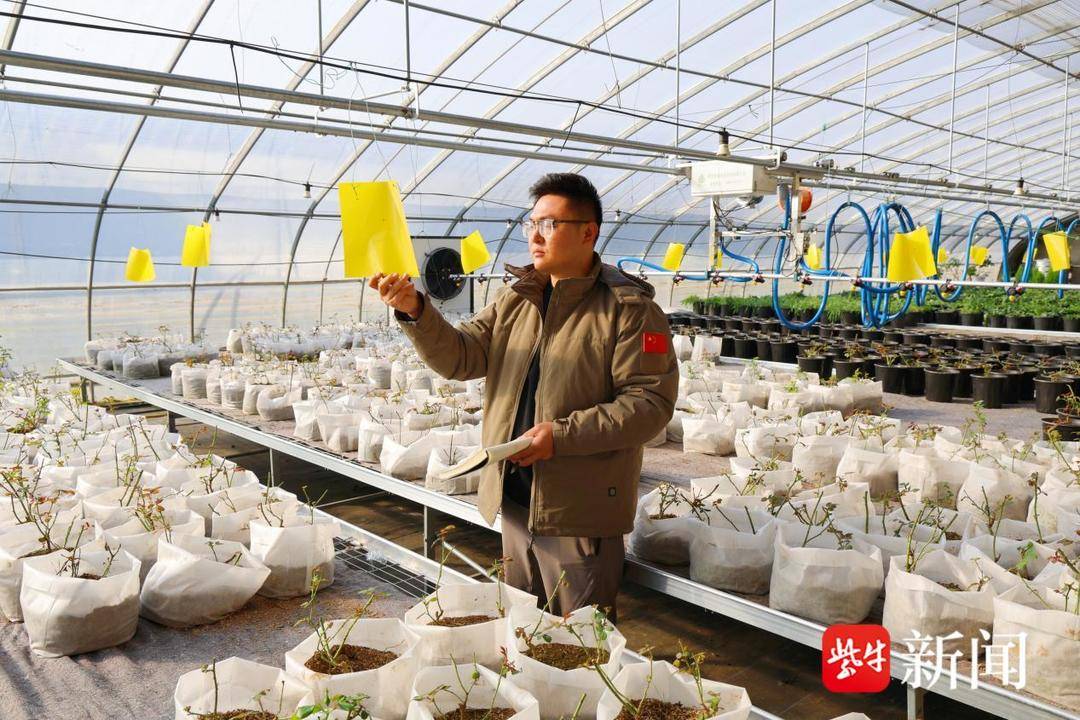
从设施农业的精准调控到露天果园的科学管护,海州区现代农业发展的科技成色在这场冬季管护中得到充分展现。岗埠农场通过绿色防控和精细管理,推 动着高效设施农业产业结构优化升级;云台农场则通过标准化作业增强果树抗逆能力,为提升果实品质、保障稳产高产创造条件,同时也为打造高品质生 态采摘体验区、推动农旅融合发展提供坚实保障。 通讯员徐卫刘丹刘静扬子晚报/紫牛新闻记者张凌飞 时值寒冬,连云港市海州区现代农业园区内却是一派繁忙景象。在岗埠农场高效农业示范园的育苗大棚里,6000株盆栽月季花苗正接受着精心的冬季养 护;与此同时,云台农场云水湾景区的桃树、葡萄等果树的标准化防寒修剪作业也在同步展开。一场以科技为支撑、以精细管理为核心的冬季农业管护, 正在海州区的田间地头全面推进。 尽管室外寒风凛冽,岗埠农场高效农业示范园的育苗大棚内却温暖如春。一排排盆栽月季花苗整齐排列,绿意盎然。技术人员手持剪刀,精准地进行枝杈 修剪。"冬季是月季花苗生长的关键时期,"园区技术员王斯达介绍说,"通过科学修剪去除弱枝、老枝,能促进养分集中,为来年春天的新芽萌发和花朵 绽放打好基础。"一位经验丰富的工作人员补充道:"修剪要看每株花苗的具体情况,判 ...

四川盐亭:川农大研究生团队开展县域农业高质量发展主题调研
Xin Lang Cai Jing· 2026-01-21 09:16
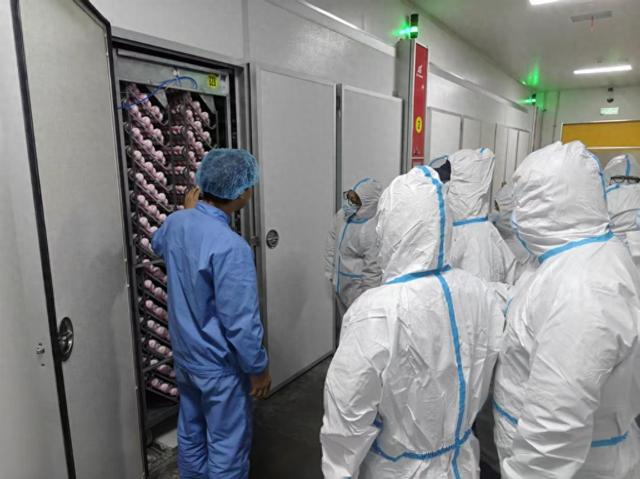
Core Insights - The research team from Sichuan Agricultural University conducted a field study in Yanting County to explore the internal logic and practical experiences of high-quality agricultural development [1][3] - The study aimed to clarify development fundamentals, explore innovative growth, and empower industrial upgrades through various methods such as site visits and discussions [1][3] Group 1: Agricultural Development Practices - Yanting County has developed a complete industrial chain for egg production, becoming the "number one county in the country for the egg chicken industry" by collaborating with Fengji Food Group [1][3] - The research team focused on issues such as standardized large-scale breeding, production operations, market expansion, deep processing technology of agricultural products, and models for extending the industrial chain [1][3] Group 2: Collaboration and Knowledge Sharing - The collaboration between Sichuan Agricultural University and Yanting County Agricultural and Rural Bureau aims to leverage academic expertise to systematically outline the development paths of order agriculture and the regional public brand "Lezhiwei" [3] - This partnership also serves to fulfill social responsibilities by providing a practical platform for talent cultivation and integrating theoretical research with local agricultural practices [3] Group 3: Modern Agricultural Goals - The "14th Five-Year Plan" emphasizes the modernization of agriculture and rural areas as crucial to China's overall modernization, advocating for the development of technological, green, quality, and brand agriculture [4] - The practices observed in Yanting County exemplify high-standard paradigms for modern agricultural development, enhancing the understanding of how theoretical knowledge can support local agricultural economic growth [4]
“空心村”变“网红村” 广州黄埔迳下村蜕变焕新颜
Xin Lang Cai Jing· 2026-01-08 14:51
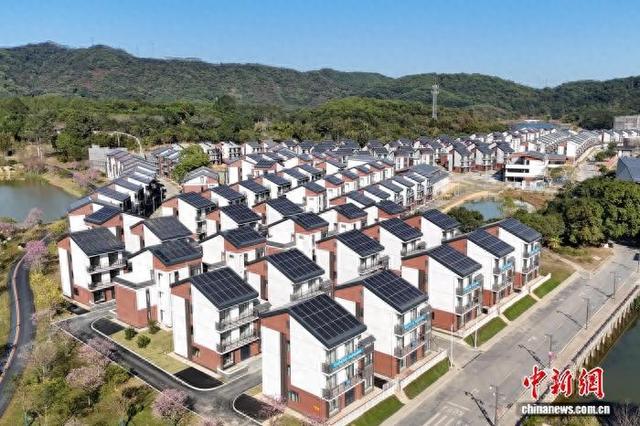
Core Insights - Huangpu District's Jingxia Village has transformed from a "hollow village" into a national 3A tourist attraction and a model village in Guangdong's "Hundred Million Project" [2] - The village has undergone comprehensive land remediation, reconstructing ecological production and living spaces, resulting in a significant improvement in its appearance and environment [2] - The introduction of technological agricultural projects and cultural tourism has attracted numerous visitors for leisure activities [2] Group 1 - The new agricultural housing model in Jingxia Village features solar panels on rooftops, showcasing a blend of modern technology and rural development [2] - Local cultural institutions, such as the coffee bookstore and art museum, have become popular attractions for tourists [6][7] - Visitors are enjoying the winter sun by the lakeside, indicating the village's appeal as a leisure destination [8][10]
科技“点绿”冬季 设施农业成为农民增收“新引擎”
Xin Lang Cai Jing· 2026-01-04 21:06
Core Viewpoint - The development of facility agriculture in Heilongjiang Province is significantly enhancing farmers' income and providing fresh produce during winter months, supported by advanced technology and innovative farming practices [1][2][3] Group 1: Facility Agriculture Development - Heilongjiang Province is strengthening facility agriculture construction, with high-standard greenhouses becoming a crucial source of income for farmers, allowing them to achieve "year-round income" [1] - As of the end of Q3 2025, the area of facility agriculture in Heilongjiang reached 427,000 acres, marking an 11% year-on-year increase, establishing it as a vital pillar for off-season agricultural product supply and farmer income growth [3] Group 2: Technological Innovations - The use of advanced technologies such as intelligent control systems in greenhouses allows for precise monitoring and adjustment of temperature, humidity, and light, leading to improved crop yield and quality [2] - Modern greenhouses in Heilongjiang utilize techniques like membrane drip irrigation and dual-layer temperature control, saving water by 40% compared to traditional methods [2] Group 3: Economic Impact - The implementation of facility agriculture is projected to enhance farmers' earnings, with some modern greenhouses generating over 30,000 yuan in additional income annually [2] - The continuous supply of fresh fruits and vegetables from greenhouses is expected to enrich the local market while boosting farmers' financial returns [2]
盐碱地上,创业村正创业(迈向“十五五”的发展图景·大国小村)
Ren Min Ri Bao· 2026-01-02 22:14
Core Viewpoint - The article highlights the transformation of a village in Jilin Province, China, through agricultural innovation and branding, leading to increased production and income for local farmers [2][3]. Group 1: Agricultural Development - The village faced significant challenges due to poor soil conditions, initially yielding only 300-500 jin (150-250 kg) of corn per hectare [2]. - The introduction of research on saline-alkali land rice cultivation by the Jilin Agricultural Academy marked a turning point for the village [2]. - The village's rice planting area expanded from 280 hectares to over 950 hectares due to successful trials and community engagement [2]. Group 2: Branding and Market Strategy - The establishment of a green agricultural brand aimed to enhance the market value of local rice, with green rice priced 20% higher than ordinary rice [3]. - The village adopted an "order agriculture" model, allowing farmers to focus on cultivation while ensuring market access [3]. - The "Zhanlai Rice" brand has achieved a public brand value exceeding 1 billion yuan, with 155,900 acres of rice cultivation in the region [3]. Group 3: Economic Impact - The village collective's financial status improved significantly, with revenues surpassing 500,000 yuan in 2025, allowing for infrastructure development and community benefits [4]. - The village plans to establish its own rice processing factory and enhance training for farmers to further improve agricultural practices and market reach [4].

“寸土生金”,一场都市现代农业突围战
Xin Lang Cai Jing· 2025-12-28 22:35
Core Viewpoint - Nanjing's agricultural sector demonstrates significant advancements through innovative practices and technology, achieving record yields and integrating various agricultural industries to enhance overall productivity and value [1][4][10]. Group 1: Agricultural Productivity - The Liyou Agricultural Machinery Cooperative in Nanjing achieved a record yield of 975.8 kg per mu, marking a 20% increase in per mu benefits [1]. - Nanjing's agricultural area and total output have consistently led the southern Jiangsu region, with a projected annual growth rate of over 10% during the 14th Five-Year Plan period [1][4]. - The contribution rate of agricultural technology progress in Nanjing exceeds 74%, significantly higher than the national average [4]. Group 2: Technological Innovation - Nanjing has shifted from traditional farming practices to a technology-driven approach, utilizing hybrid rice varieties and precision farming techniques [2][3]. - A large-scale single production enhancement initiative has been launched, involving expert teams providing comprehensive services across 450,000 mu of farmland [3][4]. - The city has developed a robust agricultural technology application support system, enhancing the integration of research and practical application [3][10]. Group 3: Industry Integration - Nanjing is moving from a raw material selling model to a value-added chain approach, integrating production, processing, and services [6][7]. - The city has identified eight key agricultural industries, including high-quality rice and green vegetables, to drive economic growth [7][10]. - Innovative practices such as shared gardens and urban agriculture have been implemented, generating significant local income [8][9]. Group 4: Branding and Market Access - Nanjing has developed a public brand strategy, "Food Gift Qinhuai," to unify and promote local agricultural products, resulting in sales of approximately 1.85 billion yuan over five years [11][12]. - The city actively facilitates market access for farmers through direct connections with supermarkets and e-commerce platforms [12]. - Nanjing's agricultural products are expanding into international markets, enhancing brand recognition and value [12].