
科技助残

Search documents
超15项世界纪录,第十五届残特奥会今晚深圳收官
2 1 Shi Ji Jing Ji Bao Dao· 2025-12-15 13:47
Core Viewpoint - The 15th National Paralympic Games concluded successfully in Shenzhen, showcasing significant achievements in sports performance and organizational collaboration among Guangdong, Hong Kong, and Macau [1][2]. Group 1: Event Achievements - Over 15 world records and 156 national records were set by athletes in various events including athletics, swimming, shooting, weightlifting, and cycling [1]. - Among the 34 participating units, 32 won gold medals and 33 secured medals overall, with Guangdong, Hebei, Liaoning, and Zhejiang leading in performance [1]. - The event highlighted the strong competitive spirit and achievements of athletes from various regions, including notable performances from Shandong, Beijing, and Yunnan [1]. Group 2: Collaborative Efforts - The event marked the first collaboration among Guangdong, Hong Kong, and Macau, integrating three competition zones into a cohesive operational unit [2]. - Various facilitation measures were implemented, such as expedited customs processes and dedicated channels for athletes, enhancing the efficiency of the event [2]. - A high-quality development exchange meeting for disabled persons was held, promoting experience sharing among workers from the three regions [2]. Group 3: Accessibility and Services - The event featured extensive accessibility measures, including 462 barrier-free restrooms and 2,398 accessible seating options across 36 venues [3]. - A comprehensive service platform was established to provide various support services, achieving an average response time of just 45 seconds for service requests [3]. - Medical support was robust, with 90 designated hospitals and over 2,300 medical personnel ensuring timely assistance for athletes [3]. Group 4: Promotion and Legacy - The event initiated a "Sports for All" campaign, engaging sports stars to promote inclusivity and respect for disabled athletes [4]. - Online coverage of the event reached over 8.52 million articles and 710 million clicks, creating a positive public sentiment [4]. - The legacy of the event includes ongoing accessibility improvements and a service system that will continue to support disabled individuals in the future [4]. Group 5: Future Implications - The event is seen as a crucial step in preparing for the 2028 Los Angeles Paralympics, focusing on enhancing athletes' competitive strength and building a talent pipeline [5]. - The collaboration among the three regions is expected to foster long-term development in sports for disabled individuals, enhancing social awareness and support [5].
释放科技助残“乘数效应”,苏州市首个孵化器科协成立
Yang Zi Wan Bao Wang· 2025-12-15 12:22
Core Viewpoint - The establishment of the Suzhou Technology Assistance Incubator Association marks a significant step in enhancing grassroots organizational construction and innovation in the field of technology assistance for the disabled in Suzhou [1][3]. Group 1: Incubator Overview - The Suzhou Technology Assistance Incubator is the first national incubator platform focused on technology assistance for the disabled, covering an area of nearly 10,000 square meters and integrating various functions such as exhibition, industry, experimentation, digital, and entrepreneurial community [3]. - Since its opening in May this year, the incubator has developed a complete chain for technological innovation and industrial transformation, housing 50 technology assistance enterprises and institutions, including Suzhou Liji Medical Technology and Kunshan Jiakangshun Medical Devices [3]. Group 2: Future Focus and Goals - The incubator will concentrate on five key industrial areas: intelligent components, information accessibility, smart medical care for the disabled, biomedicine, and smart home technology, aiming to enhance the entire ecosystem of technology assistance [5]. - The city of Suzhou has been recognized as a key contact area for national technology assistance, indicating its innovative practices and development potential in this field [7]. - Future efforts will focus on aligning technology resources with the needs of disabled individuals and elderly people with disabilities, promoting the transformation of scientific and technological achievements into practical applications [7].

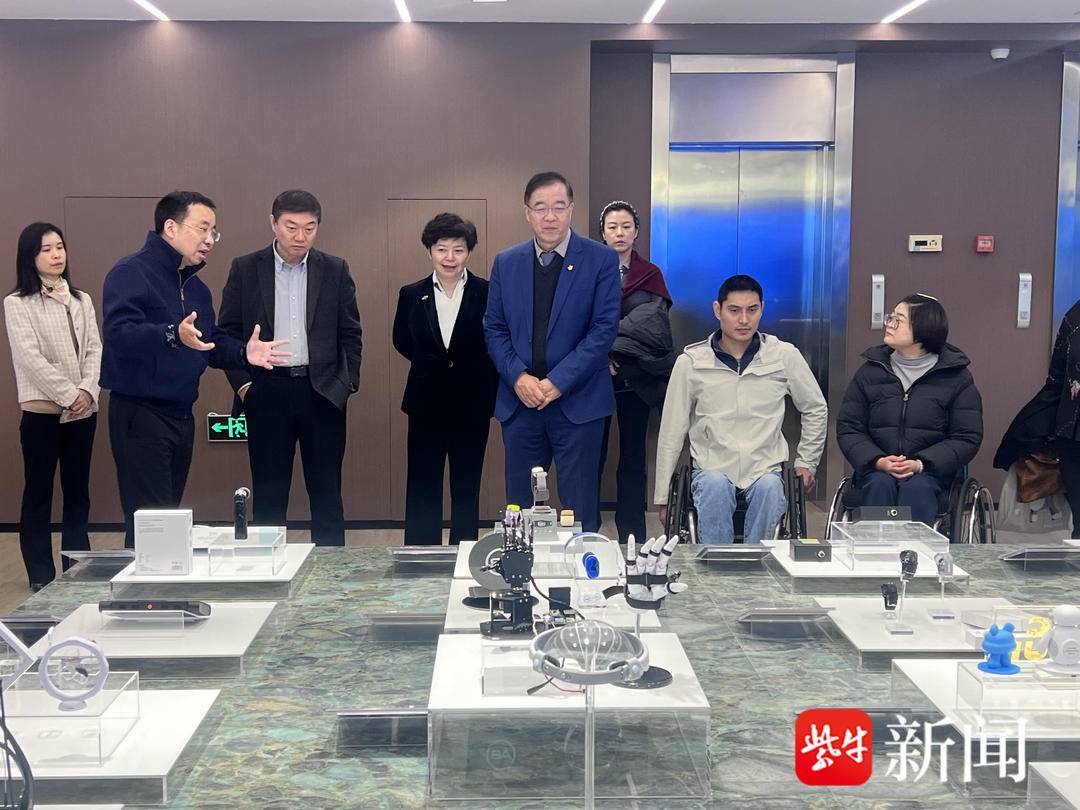
追光 | 科技之光,点亮他们的“出彩人生路”
Xin Hua She· 2025-12-11 09:24
Core Viewpoint - The integration of advanced technology in assistive devices for people with disabilities is showcased at the National Special Olympics, highlighting the trend towards personalized and intelligent solutions in this sector [1][6]. Group 1: Technological Innovations - Various innovative assistive technologies, such as AI-driven wheelchairs and smart rehabilitation robots, were displayed, attracting significant attention [1][3]. - The use of a six-legged guide dog robot and a digital twin technology for real-time venue management demonstrates the practical application of these technologies in sports and daily life [3][4]. Group 2: Policy and Support - The event serves as a platform to promote the Guangdong-Hong Kong-Macao Greater Bay Area as a hub for technological innovation and assistive device development, emphasizing the importance of refined management and advanced equipment [6]. - A joint initiative by multiple government departments aims to enhance the research and application of assistive technology, with policies already yielding positive results [9][10]. Group 3: Community Impact - The introduction of a WeChat mini-program for sign language translation services has improved accessibility for athletes and coaches, ensuring an inclusive experience throughout the event [7]. - The advancements in assistive technology are expected to not only support athletes but also enhance the quality of life for individuals with disabilities, making these innovations more widely available [15]. Group 4: Recognition and Collaboration - Recognition of technology companies and initiatives at national events underscores the growing importance of assistive technology in society, with programs like iFlytek's "Three Voices of Fortune" creating numerous accessible applications [12][13]. - Collaborative efforts between tech companies and organizations like the China Disabled Persons' Federation aim to address the needs of people with disabilities, fostering employment and innovation in this field [13]. Group 5: Vision for the Future - The evolution of technology in the Special Olympics reflects a broader societal commitment to equality and integration, with a vision of a future where assistive technologies are commonplace in households [17]. - The ongoing development of assistive technologies is seen as a pathway to empower individuals with disabilities, enabling them to excel in sports and life [15][17].
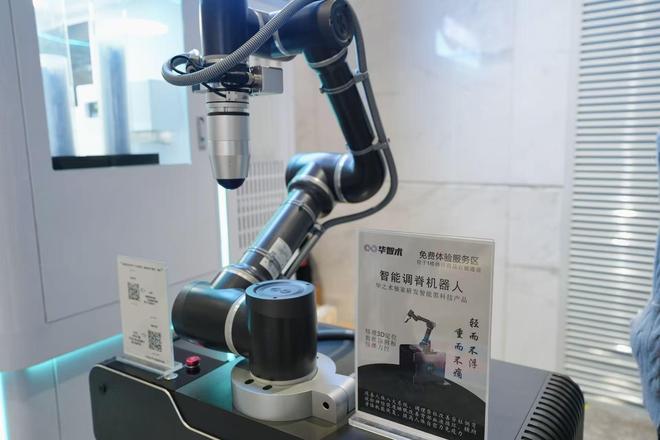
全国残特奥会 | 科技赋能,成就残疾人不凡奋斗路
Xin Hua She· 2025-12-11 08:42
Group 1: Core Insights - The National Special Olympics showcases the integration of technology in assisting disabled individuals, highlighting the "love without barriers" concept in the Guangdong-Hong Kong-Macao Greater Bay Area [1] - The event features various technological innovations, including guide dogs, all-terrain wheelchairs, and smart transcription applications, enhancing the lives of participants [1][8] - The emphasis on "technology assisting the disabled" is a significant highlight of this year's event, with practical tech solutions deployed for athletes' training and recovery [4][8] Group 2: Technological Innovations - The "All Sports Guangzhou" WeChat mini-program provides instant access to sign language translation services, connecting users with volunteers for real-time assistance [2][4] - The Guangzhou venue has implemented a smart barrier-free construction, featuring emergency buttons, smart query platforms, and online sign language translation machines, all integrated into a central management system [5] - The use of AI models and 5G technology in barrier-free service systems, along with innovative products like guide dogs and all-terrain wheelchairs, enhances safety and convenience for disabled individuals [6][8] Group 3: Industry Development - Guangdong's rehabilitation aid industry has developed a "trillion-level aid + billion-level service" dual-drive model, rapidly applying cutting-edge technologies in the field [8] - The collaboration between the China Disabled Persons' Federation and various sectors aims to strengthen the development and application of assistive technology, fostering a cooperative framework among government, industry, academia, and research [8][9] - The introduction of smart electronic dartboards and other assistive devices at the event demonstrates the potential for these technologies to improve the quality of life for disabled individuals [10][13]

孙志洋调研残特奥会广州赛区组织保障工作
Guang Zhou Ri Bao· 2025-12-10 02:03
Core Insights - The article emphasizes the importance of ensuring that the 12th National Games for Persons with Disabilities and the 9th Special Olympics are organized with the same level of excellence as other major sporting events [2][3] Group 1: Event Organization and Service Assurance - The city of Guangzhou is actively preparing for the upcoming events, with a focus on detailed organization and service support [2] - The mayor highlighted the need for a comprehensive understanding of the unique requirements of athletes with disabilities, ensuring fair and smooth competition through proper equipment adaptation and venue maintenance [3] - There is a commitment to enhancing the quality of reception services, including transportation, accommodation, and venue access, reflecting a human-centered approach [3] Group 2: Promotion and Public Engagement - The event organizers plan to strengthen promotional efforts by utilizing various media platforms to share inspiring stories of athletes, showcasing the collaborative spirit of the Guangdong-Hong Kong-Macao Greater Bay Area in promoting sports for persons with disabilities [3] - The focus will also be on creating a safe environment, addressing aspects such as event safety, food security, public health, and social safety [3] Group 3: Infrastructure and Accessibility - The initiative aims to optimize the city's accessibility environment, leveraging technology to empower persons with disabilities and establish Guangzhou as a model city for accessibility that can be replicated nationwide [3]
从残特奥会看千亿级辅具产业 广东打造科技助残超级场景
2 1 Shi Ji Jing Ji Bao Dao· 2025-12-09 23:06
Group 1 - The twelfth National Games for Persons with Disabilities and the ninth Special Olympics are being held in Guangdong, showcasing the province's advancements in assistive technology [1] - Guangdong's rehabilitation industry has reached a scale of "hundred billion-level services" alongside "trillion-level assistive devices," indicating significant growth and development [1][4] - The event highlights the integration of technology in assistive devices, with local companies providing innovative solutions such as AI guide glasses and brain-controlled wheelchairs [1][3] Group 2 - The assistive device industry in Guangdong benefits from a robust manufacturing base and strong technological innovation, supported by the Greater Bay Area's mature industrial system [2][8] - The demand for assistive products is driven by the increasing need for rehabilitation services and the growth of the aging population, with the elderly care product market projected to exceed 650 billion yuan by 2024 [6][7] - Recent policies in Guangdong aim to enhance the quality and efficiency of the assistive device industry, providing a favorable regulatory environment for growth [7] Group 3 - Local companies are leveraging the Special Olympics to showcase their advanced products, such as all-terrain stair-climbing robots and brain-controlled wheelchairs, which are in high demand [4][5] - The integration of new materials and smart technologies is accelerating the evolution of assistive devices, making them more accessible and affordable for users [3][5] - The event serves as a platform for companies to gather user feedback, facilitating continuous product improvement and broader market reach [8]
追梦出彩人生 成就体育梦想
Ren Min Ri Bao Hai Wai Ban· 2025-12-09 22:50
Core Viewpoint - The 12th National Games for Persons with Disabilities and the 9th Special Olympics are being held in the Guangdong-Hong Kong-Macao Greater Bay Area, marking the first joint hosting by the three regions and the second time in history that these events coincide with the National Games [3][5]. Group 1: Event Overview - The event features a total of 46 major categories and 1,876 subcategories, including 11 major categories and 131 subcategories for mass sports, 9 major categories and 599 subcategories for Special Olympics, and 26 major categories and 1,146 subcategories for Paralympic and Deaflympic events [5]. - A total of 34 delegations with 7,824 athletes are registered to participate, with 5,398 athletes, 2,746 referees, 115 classifiers, and 2,772 coaches and staff involved during the concentrated competition period from December 8 to 15, representing a growth of approximately 30% compared to the previous edition [5]. Group 2: Sports and Participation - The event includes popular sports such as table tennis, badminton, blind football, sitting volleyball, and wheelchair basketball, designed to encourage broad participation among athletes with disabilities [6]. - The Special Olympics segment focuses on athletes with intellectual disabilities, promoting the spirit of "brave attempts and striving for victory" through scientific grouping based on gender, age, and athletic ability [6]. Group 3: Infrastructure and Accessibility - The organizing committee emphasizes a "green, shared, open, and clean" philosophy, utilizing shared venues and facilities with the National Games to achieve cost-effective event management [6]. - The Guangdong competition area has 36 venues, with 22 shared with the National Games, and improvements have been made to ensure accessibility for athletes and spectators with disabilities [6]. Group 4: Technological Integration - The event showcases assistive technology products, including smart devices for athletes with disabilities, highlighting the integration of technology into sports and daily life [10]. - The Guangdong region is leveraging the event to promote advancements in assistive technology, enhancing training and recovery for athletes [10]. Group 5: Cultural and Collaborative Aspects - The event incorporates cultural elements from Guangdong, Hong Kong, and Macao into its branding, including the logo, mascot, and medals [11]. - Unified standards for competition organization, classification, and anti-doping measures have been established across the three regions to facilitate smooth cross-border participation [11].
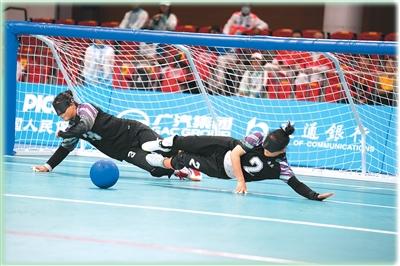
从残特奥会看千亿级辅具产业:广东打造科技助残超级场景
2 1 Shi Ji Jing Ji Bao Dao· 2025-12-09 12:55
Core Viewpoint - The article highlights the development of a billion-level assistive device industry in Guangdong, showcasing its technological advancements and the integration of assistive technology in the context of the National Special Olympics and the 12th National Games for Persons with Disabilities [2][4]. Group 1: Industry Overview - Guangdong's rehabilitation industry has formed a structure of "hundred billion-level services" alongside a "billion-level assistive device" market, driven by the Special Olympics as a platform for showcasing assistive technologies [3][4]. - The assistive device industry in Guangdong benefits from a mature manufacturing system and strong technological innovation capabilities, enabling upgrades in new materials, intelligence, and information technology [3][9]. Group 2: Technological Innovations - The article discusses various innovative assistive devices showcased at the Special Olympics, including AI guide glasses, brain-controlled wheelchairs, and smart stair-climbing robots, all developed by local companies [4][5][10]. - The brain-controlled wheelchair, which utilizes brain-machine interface technology, has been in development since 2019 and has undergone multiple iterations, indicating a focus on continuous improvement and adaptation to user needs [7][10]. Group 3: Market Demand and Growth - There is a significant demand for assistive devices in Guangdong, with over 1.2 million individuals requiring rehabilitation services, and high service rates for basic rehabilitation and assistive device fitting [8]. - The aging population is driving growth in the elderly assistive products market, with projections indicating that the overall scale of the elderly products industry in Guangdong will exceed 650 billion yuan by 2024 [8]. Group 4: Policy Support - The Guangdong government has implemented various policies to support the development of the assistive device industry, including specific measures aimed at enhancing the quality and efficiency of elderly products [8][9]. - Recent initiatives emphasize the importance of sports economics and the integration of assistive technology into broader economic development strategies [7][8].

有爱无碍、温情同行 “粤式服务”暖心护航残特奥会
Yang Guang Wang· 2025-12-09 07:06
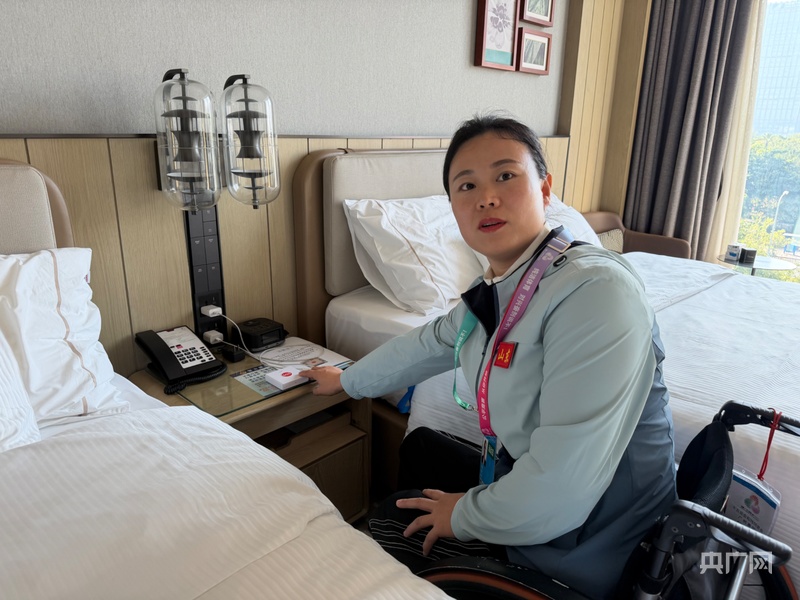
Core Viewpoint - The 12th National Games for Persons with Disabilities and the 9th Special Olympics are being held from December 8 to 15 in Guangdong, Hong Kong, and Macau, emphasizing the importance of accessibility in event planning and execution [1]. Group 1: Accessibility Initiatives - The event does not have an athlete village or new venues but focuses on enhancing existing facilities for accessibility, setting higher standards for barrier-free environments [1]. - The Guangzhou organizing committee has systematically advanced the accessibility renovations of reception hotels, ensuring a seamless experience for athletes with disabilities from arrival to accommodation [2]. - A total of 762 accessible guest rooms have been upgraded, and 6 public restrooms have been permanently modified to meet accessibility standards [6]. Group 2: Specific Accessibility Features - The hotels have implemented detailed modifications to cater to various disabilities, including optimized room layouts for wheelchair users and tactile guide maps for visually impaired guests [2][3]. - Emergency call buttons and safety features have been installed in accessible rooms, enhancing the comfort and safety of athletes [3][4]. - The hotels have also provided specialized services, such as one-on-one assistance for athletes with severe disabilities, ensuring their specific needs are met promptly [9]. Group 3: Technological Integration - Technology plays a crucial role in facilitating communication for hearing-impaired athletes through the use of sign language translation machines [11]. - Smart technologies, including 5G, IoT, and AI, have been integrated into the venues to enhance the overall experience for attendees and participants [13]. Group 4: Community Engagement and Volunteer Support - A volunteer team of 15,000 trained individuals is providing detailed support across various venues, ensuring that athletes receive the assistance they need [14]. - The event aims to create a comprehensive barrier-free network that connects the venues and surrounding areas, enhancing the overall experience for all participants [14].
粤港澳联动打造暖心体育盛会 本届残特奥会46个大项、1876个小项覆盖广泛 赛事规模空前
Nan Fang Ri Bao Wang Luo Ban· 2025-12-09 01:32
Group 1 - The 12th National Paralympic Games and the 9th Special Olympics are being held in the Guangdong-Hong Kong-Macao Greater Bay Area, marking the first time these regions host such a high-level event for disabled athletes, showcasing their spirit and serving as a significant platform for societal support for disability initiatives [1][2] - The event features 46 major categories and 1,876 subcategories, including 11 major public categories and 131 subcategories, as well as 9 major Special Olympics categories and 599 subcategories, with a focus on both competitive and participatory aspects [2][3] - A record number of 7,824 athletes from 34 delegations are participating, with an expected total of over 11,000 individuals involved, representing a 30% increase from the previous edition [3] Group 2 - The event emphasizes the integration of technology to assist disabled athletes, with initiatives aimed at upgrading assistive devices and enhancing the overall experience through smart technologies [4] - All venues have been modified to meet accessibility standards, with 2,398 new accessible seating areas and 462 accessible restrooms added, ensuring compliance with national standards [5] - The event incorporates cultural elements from the three regions in its branding, including the event emblem and anthem, and establishes unified operational standards to facilitate cross-regional collaboration [6]