融合教育

Search documents
遵化普特融合联谊活动举办
Xin Lang Cai Jing· 2026-02-21 04:54
Core Viewpoint - The event "融爱于行 微光暖春" organized by the Zunhua Disabled Persons' Federation in collaboration with Zunhua Fourth Experimental Primary School and Zunhua Special Education School promotes inclusive education and emotional connections among students through interactive activities [1] Group 1: Event Overview - The event involved students from Zunhua Fourth Experimental Primary School visiting their peers at the special education school, where they engaged in various activities and shared gifts such as red scarves and handmade cultural artworks [1] - Students collaborated to create small orange lanterns, enhancing their friendship through teamwork and mutual assistance [1] Group 2: Educational Impact - The event emphasized the core values of red culture and utilized the small lanterns as a medium to embody the principles of inclusive education [1] - Through singing "童心向党," participants expressed their good wishes, highlighting the importance of emotional support and humanistic care in the growth of every child [1]
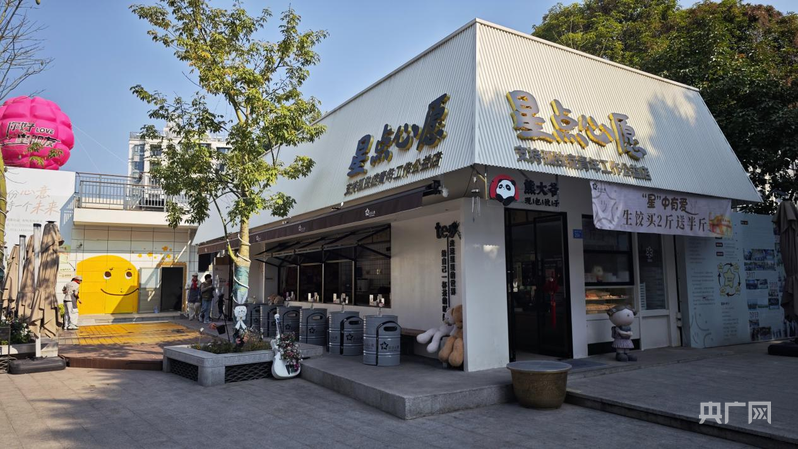
新春走基层《小店故事·新春版》丨烟火气里的星点微光
Yang Guang Wang· 2026-02-16 03:11
Core Viewpoint - The article highlights the story of a dumpling shop in Fuzhou, China, which employs young individuals with autism, providing them with skills training and job opportunities, thereby promoting social integration and awareness of autism [1][23]. Group 1: Shop Overview - The shop, named "Star Point Wish," is a public welfare store that offers handmade dumplings and tea, employing young people with autism to help them learn skills and integrate into society [2][23]. - The store was established in April of the previous year, with the support of parents of children with autism, creating job opportunities for these young individuals [2][23]. Group 2: Training and Employment - The shop employs 21 young individuals, aged between 19 and 22, who rotate shifts and receive hourly wages for their work [5][9]. - Training includes simple, repetitive tasks like making dumplings, which align with the characteristics of individuals with autism, allowing them to develop vocational skills [5][23]. - A dedicated team of five staff members provides training in skills, social interaction, and customer service [5][9]. Group 3: Daily Operations - The young employees engage in various tasks, including cleaning, making dumplings, and serving customers, with a focus on teamwork and skill development [9][10]. - The shop also features a coffee cart offering over 30 types of beverages, with some employees advancing to operate this cart successfully [10][13]. Group 4: Community Engagement - The shop has become a community hub, attracting customers from nearby areas and fostering a supportive environment where patrons can donate dumplings to those in need [18][23]. - Customers often leave positive messages and blessings for the shop, indicating strong community support and engagement [18][19]. Group 5: Future Aspirations - The shop's founder expresses hopes for the young employees to eventually transition to independent roles in the workforce, with aspirations to open a second location by 2026 [21][24].

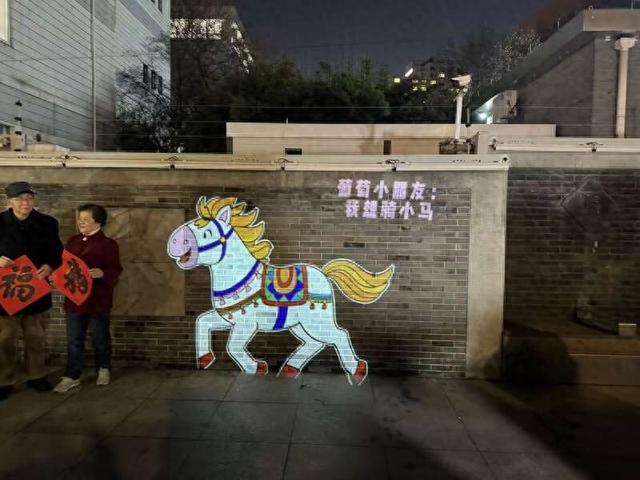
小马“跑”上了南京明城墙 作者是一群“星星的孩子”
Xin Lang Cai Jing· 2026-02-15 12:40
Core Idea - The article highlights a creative project in Nanjing where children with autism created drawings of horses that were transformed into animated projections on historical landmarks, showcasing their artistic expressions and dreams [1][12]. Group 1: Project Overview - The project involved a modified electric vehicle called "war horse" that projected animated images of colorful horses based on drawings made by children with autism [1][3]. - The initiative was inspired by a third-grade student's winter homework assignment, which led to the collaboration between various stakeholders, including a children's rehabilitation center and a technology entrepreneur [5][6]. Group 2: Artistic and Technological Collaboration - The project utilized advancements in AI video generation technology, allowing for the transformation of static drawings into dynamic animations, overcoming previous technical limitations [6][11]. - The artistic process involved a unique approach where the children's original drawings were preserved while being enhanced for animation, emphasizing their creativity and imagination [8][9]. Group 3: Social Impact and Awareness - The event aimed to shift public perception of children with autism from being seen as vulnerable to being recognized as artists, fostering a sense of dignity and visibility [12][13]. - The project not only provided a platform for artistic expression but also aimed to promote inclusivity and understanding within the community, encouraging ongoing engagement beyond special occasions [15][16].
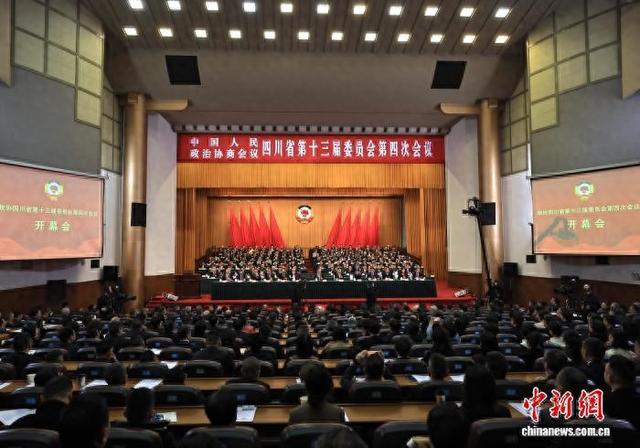
政协四川省第十三届委员会第四次会议在蓉开幕
Xin Lang Cai Jing· 2026-02-02 12:51
Group 1 - The Sichuan Provincial Political Consultative Conference aims to enhance collaboration and democratic supervision to support the implementation of the "14th Five-Year Plan" and promote modernization in Sichuan [1][3] - A total of 1,461 proposals were submitted since the last conference, with 1,255 proposals officially filed and all addressed by the end of 2025 [3] - The conference emphasizes the importance of political responsibility and the active role of committee members in advocating for policies and maintaining social harmony [3] Group 2 - There is a significant increase in R&D investment and the number of high-tech enterprises in Sichuan, highlighting the province's focus on technological innovation [4] - Recommendations include leveraging "Artificial Intelligence+" to drive the development of modern industrial systems and creating a collaborative innovation ecosystem in the western region [5] - The conference also addresses the need for a normalized exchange mechanism for integrated education between Sichuan and Hong Kong, aiming to enhance support for children with special needs [5]
用心用情用力做好残疾人各项工作 扎实推进成都残疾人事业全面发展
Xin Lang Cai Jing· 2026-01-20 17:50
Group 1 - The core message emphasizes the importance of enhancing support and protection for people with disabilities in Chengdu, aligning with national and provincial directives [1][4] - The "Beautiful Workshop · Rongguang Shining" cultural and creative industry park aims to transform traditional skills into economic opportunities, promoting employment for people with disabilities [2] - The establishment of a three-tier rehabilitation system involving hospitals, communities, and families is highlighted, focusing on intelligent rehabilitation services [2][3] Group 2 - The initiative aims to improve inclusive education for disabled children, ensuring they receive comprehensive educational services from preschool to high school [3] - There is a strong emphasis on enhancing the quality of rehabilitation services and expanding social security systems for people with disabilities [4] - The integration of technology in assisting people with disabilities is seen as a new hope for improving their quality of life, with a call for increased investment in technological research and application [4]
“星星的孩子”长大后怎么办?也需要职业技能培训与支持性就业
Xin Lang Cai Jing· 2026-01-17 00:12
Core Viewpoint - The article discusses the growing need for comprehensive support systems for children with autism spectrum disorder (ASD) as they transition into adulthood, emphasizing the importance of inclusive education, vocational training, and supportive employment opportunities [1][5]. Group 1: Prevalence and Diagnosis - According to the World Health Organization, 1 in 160 children globally is diagnosed with ASD, with a reported prevalence of 0.7% among school-aged children in China based on a study involving over 120,000 children across eight cities [1]. - The increasing diagnosis rates of ASD in China reflect improved diagnostic capabilities and societal awareness, indicating a shift from viewing autism solely as a public health issue to recognizing it as a complex social challenge [1]. Group 2: Inclusive Education - In Lianyungang, Jiangsu Province, schools have implemented inclusive education models, employing "shadow teachers" to assist children with ASD and other disabilities, resulting in significant behavioral improvements within three months [2][3]. - The local education system has achieved a 97.88% screening rate for children aged 0-6 and a 100% diagnosis rate, with an 82.8% enrollment rate for ASD children in kindergartens [3]. Group 3: Vocational Training and Employment - The article highlights various initiatives in Jiangsu Province aimed at providing vocational training and transitional employment for young adults with ASD, including the establishment of supportive work environments like the "Star Youth Car Wash" [5][6]. - A comprehensive support system is being developed to ensure that individuals with ASD can transition from school to the workforce, with programs designed to enhance their social skills and work readiness [5][6]. Group 4: Community Support and Integration - Community-based programs, such as the "community family" model, focus on integrating individuals with ASD into society through daily living skills training and social interaction [4][5]. - The establishment of supportive employment centers, like the Zhongde Rongchuang Workshop, aims to provide dignified job opportunities for individuals with intellectual disabilities, fostering a sense of respect and belonging [6][7]. Group 5: Policy Framework - The upcoming "Jiangsu Province Autism Population Comprehensive Care Service Implementation Plan (2025-2028)" aims to extend care services across the entire lifespan of individuals with ASD, creating a robust policy framework for support [5][7]. - The "Autism Children Care Promotion Action Implementation Plan (2024-2028)" emphasizes the need for improved financial mechanisms and service capacity at the grassroots level, aiming to establish a unified quality standard for autism rehabilitation services nationwide [7][8].
丛台区星光学校 获评“全国先进社会组织”
Xin Lang Cai Jing· 2026-01-15 00:53
Core Insights - The Xingguang Special Education Training School in Congtai District has been awarded the title of "National Advanced Social Organization" for 2025, recognizing its innovative six-in-one service system in special education [1][3] - Since its establishment in 2008, the school has served over 5,800 special needs students and provided support to more than 7,000 parents, demonstrating a strong commitment to the special education sector [1][2] Service System - The school has developed a comprehensive service system that includes rehabilitation training, inclusive education, independent living, vocational training, skills employment, and care placement [1][3] - Rehabilitation training is the core service, with a success rate of over 95% in achieving rehabilitation goals, helping over 500 children transition to kindergartens and regular schools [1][2] Inclusive Education - The school has implemented an innovative "layered assessment + personalized curriculum" system, integrating rehabilitation training into engaging teaching scenarios to enhance students' social skills [2] - It has established a community integration platform, facilitating interactions between special needs students and mainstream schools to improve adaptability and promote social acceptance [2] Independent Living Training - The school focuses on essential life skills, including daily living and social etiquette, to help students gain independence and prepare for employment [2] - Staff members are attentive to the specific needs of special students, ensuring a supportive environment [2] Vocational Training and Employment - The school addresses employment challenges for older special needs youth by offering vocational training courses aligned with market demands, such as handicrafts and baking [2] - It has successfully placed 40 mentally challenged youths in supportive employment, completing 700,000 production orders, thus transforming them from "care recipients" to "value creators" [2] Care and Support Services - The school provides integrated care services that combine centralized care, daily living support, and rehabilitation, ensuring a warm and professional environment for its clients [3] - The commitment to "one person cared for, a happy family" reflects the school's dedication to alleviating the burdens of families with special needs [3] Future Development - The school aims to leverage its recognition as a "National Advanced Social Organization" to enhance its service system and professional standards, while fostering social collaboration to support special needs groups [3]
兰州新区省级一类幼儿园增至11所
Xin Lang Cai Jing· 2026-01-07 03:48
Group 1 - The core point of the article is that the number of provincial-level first-class kindergartens in Lanzhou New Area has increased to 11, with the Gansu Provincial Hearing and Language Rehabilitation Center Kindergarten being newly recognized [1] - The newly recognized kindergarten integrates regular preschool education with special education, having opened in September 2016 and actively exploring inclusive education models for children with special needs alongside typically developing children [1] - By 2025, the kindergarten has trained a total of 3,068 children, including 348 children with special needs who have received inclusive education [1]
鼓楼区举行省融合教育示范区成果汇报会
Xin Lang Cai Jing· 2025-12-28 22:35
Group 1 - The core theme of the event is the development of inclusive education in Nanjing's Gulou District, highlighting its 40-year journey and the commitment to equity and warmth in education [1][2] - The event featured six exemplary classes across various subjects, emphasizing the differentiated needs of students and showcasing collaborative teaching methods [1] - The district aims to enhance its educational framework through the "Four Integrations" initiative and a "Five Full" structure, targeting more quality, inclusivity, and intelligence in education [1] Group 2 - The event recognized outstanding units and individuals, with Tianfeigong Primary School being awarded as a "Jiangsu Province Inclusive Education Demonstration School" and several teachers receiving various awards [2] - The establishment of the "Star Protection" education research alliance aims to create a three-tier autism research system, promoting systematic development in related education [2]
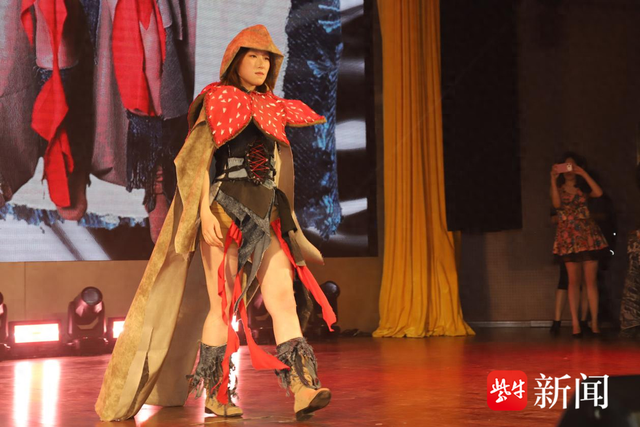
太潮了!仙外国际部上演牛仔时装秀
Xin Lang Cai Jing· 2025-12-28 13:12
Core Viewpoint - The event "The Jeaneration" at Nanjing Xianlin Foreign Language School's International High School showcases the school's innovative educational philosophy through a student-designed fashion show that emphasizes sustainability and interdisciplinary learning [1][3][5]. Group 1: Event Overview - "The Jeaneration" combines "Jean" (denim) and "Generation," symbolizing students' effort to "redefine classics" [3]. - Nearly 60 participants, including 21 student models and 6 teachers, showcased garments designed by 33 students [3]. - The designs drew inspiration from architectural aesthetics and natural elements, highlighting the school's project-based learning outcomes [3]. Group 2: Sustainability and Education Philosophy - Several pieces were created using discarded materials and old clothing, reflecting the school's commitment to sustainable development education [5]. - Teacher Duan Ran noted that hands-on transformation of waste into art enhances students' understanding of sustainability beyond classroom teachings [5]. - The school promotes a holistic education philosophy where art education contributes to value formation and worldview development [5]. Group 3: Interdisciplinary Learning - The fashion show emphasized student involvement in the entire process from concept design to final production, integrating knowledge from multiple disciplines [6]. - A participating student mentioned the need for geometric calculations and mechanical principles while deconstructing a denim jacket, showcasing the integration of STEM and arts [6]. Group 4: Community and Resource Integration - The event was guided by the resident MAD Art and Design Studio, reflecting a strategy of resource integration between internal and external support [8]. - Liu Mingyuan, the studio founder and alumnus, emphasized the creation of a comprehensive support system linking school courses with professional practice [8]. - The event included students from various projects and classes, breaking the notion that only art students can participate in artistic activities [8]. Group 5: Impact on Future Opportunities - The school’s diverse art education has opened various pathways for students, with an increasing proportion choosing art-related fields and gaining admission to top institutions like the London College of Fashion and Parsons School of Design [10]. - The guidance emphasized that art education is equally important as academic education for personalized development [10]. - Many participants, even those pursuing non-art majors, acknowledged that the skills gained from this experience are crucial for advancement in any field [10].