科技霸权

Search documents
中美谈判中的稀土逆袭:美国科技霸权的脆弱真相
Sou Hu Cai Jing· 2025-06-12 02:17
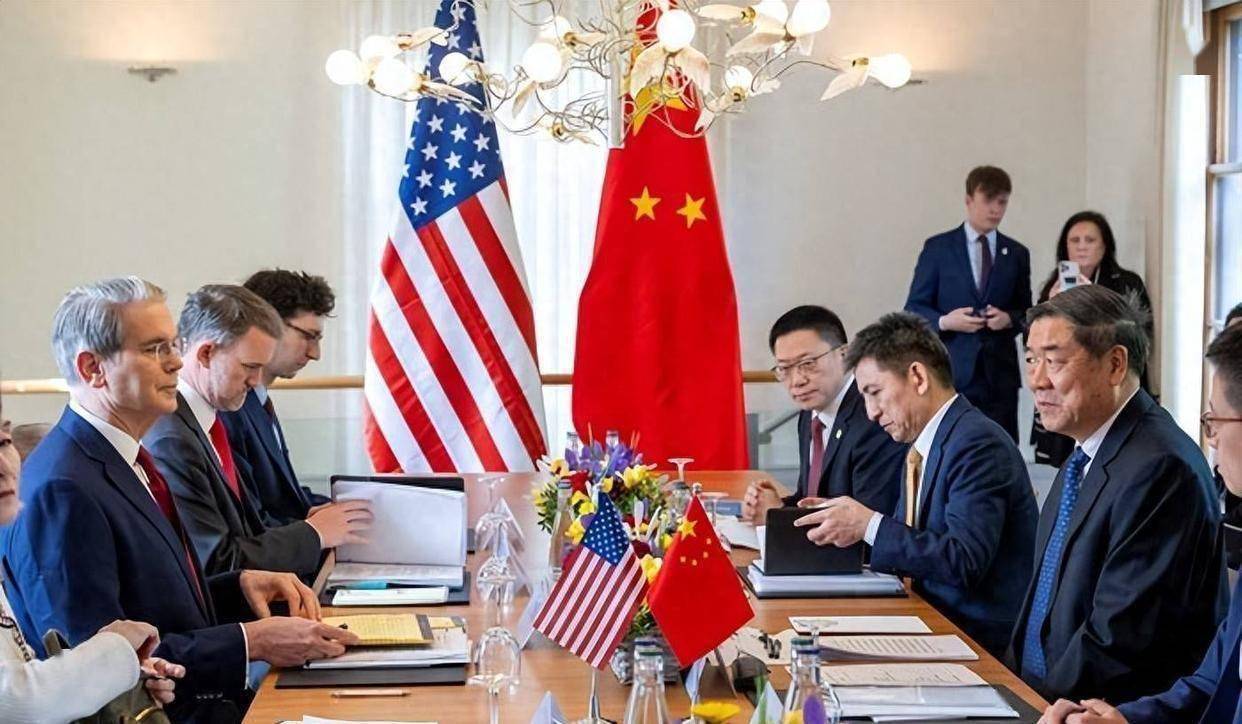
Group 1 - The negotiation between the US and China highlights the critical dependence of the US high-tech industry on Chinese rare earth resources, with the US military realizing its vulnerability when production lines were halted due to a lack of essential materials [3][5] - The US has a significant reliance on China for rare earth elements, as evidenced by the F-35 fighter jet requiring 417 kilograms of rare earths per unit, and the majority of the 750 active weapon systems in the US also depend on these resources [3][5] - The US is facing a crisis in its industrial sector, with companies like Tesla and Apple experiencing production delays due to shortages of rare earth materials, indicating a broader impact on the US manufacturing landscape [3][5] Group 2 - The US presented a "concession list" during negotiations, which included easing restrictions on chip design software and engine parts, but China's response emphasized the need for core technology unblocking, particularly regarding SMIC and Huawei [5][9] - Despite the US government's rhetoric about "decoupling" from China, multinational companies are increasingly investing in China, demonstrating a strong reliance on Chinese rare earth resources for their operations [7][9] - China is strategically using its rare earth resources as leverage in negotiations, implementing strict export controls and ensuring compliance, which challenges the US's long-standing dominance in technology and supply chain management [9]




中国稀土管制震动西方美进口暴跌163%外媒:“卡脖子”轮到我们了?
Sou Hu Cai Jing· 2025-06-08 11:03
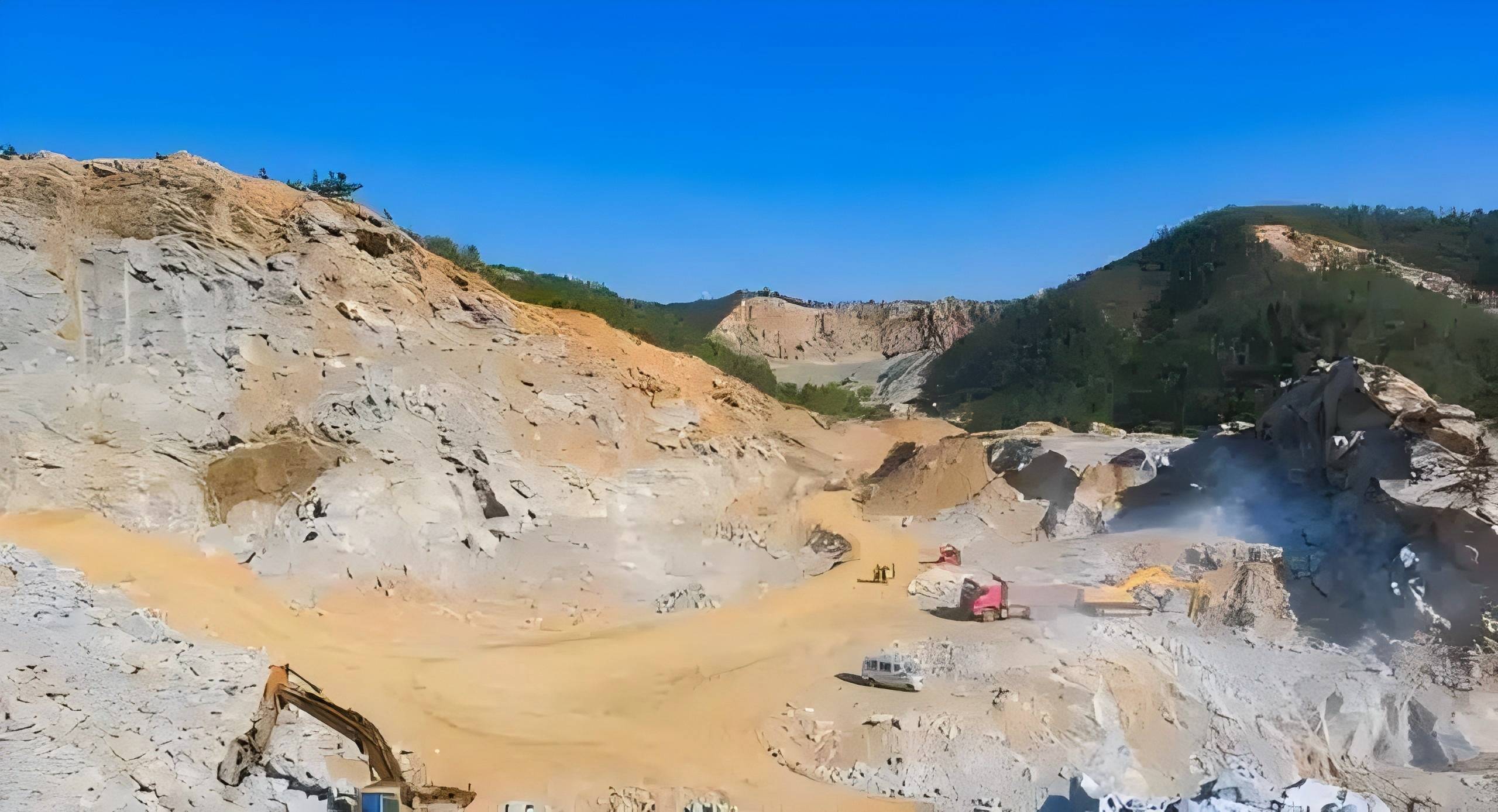
Core Viewpoint - The recent export control on rare earths by China has triggered significant global repercussions, highlighting the strategic importance of rare earths in the tech and military sectors, and escalating the ongoing competition between the US and China for technological supremacy [1][6][18] Group 1: Impact of China's Export Control - China's export control on seven categories of medium and heavy rare earths has led to a dramatic price increase, with international prices soaring by 210%, and specific prices like dysprosium oxide exceeding $850 per kilogram [6][12] - The US military-industrial complex is heavily reliant on Chinese rare earths, with the F-35 fighter jet requiring 417 kilograms of rare earths, and the US Department of Defense having stockpiled 3,000 tons of rare earth permanent magnets, which still may not suffice [5][6] Group 2: US Response and Strategy - In response to the export controls, the US has attempted to mitigate the impact by approving exemptions for rare earth mining and planning investments in rare earth mines in Brazil and Mongolia, but remains dependent on China for processing, which accounts for 90% of global refining capacity [7][8] - The US has also imposed significant tariffs on Chinese goods, citing issues like fentanyl, while simultaneously seeking to secure rare earth supplies, reflecting a contradictory approach [6][8] Group 3: Global Reactions and Economic Consequences - Major automotive companies, including Ford and General Motors, are facing severe operational challenges, with Ford resorting to layoffs and GM's stock price dropping by 12% due to supply chain disruptions caused by rare earth shortages [9][12] - The European Union has reacted by introducing the "Critical Raw Materials Act," and German automakers have united to challenge US policies, indicating rising tensions among allies [9][12] Group 4: China's Strategic Position - China's domestic demand for rare earths is increasing, particularly in the electric vehicle and wind power sectors, with a reported 15% year-on-year growth in consumption in Q1 2025, which helps offset losses from exports [12][18] - Chinese companies are transitioning from merely selling raw materials to offering technology, as evidenced by a 727% increase in net profit for Northern Rare Earth and a 40% growth in orders for Ningbo Yunsheng [12][18] Group 5: Future Outlook - The demand for rare earths is expected to surge with advancements in technology, such as Tesla's Optimus robot potentially requiring an additional 400,000 tons of rare earths if mass production is achieved [13][18] - China's control over rare earth processing patents and its established supply chain create significant barriers for foreign companies attempting to bypass Chinese resources, with Japan's efforts to develop "no-rare-earth magnets" failing [17][18]

美国万万没料到,中国大幅抛售美债,特朗普想亲自来中国一趟?
Sou Hu Cai Jing· 2025-05-21 10:50
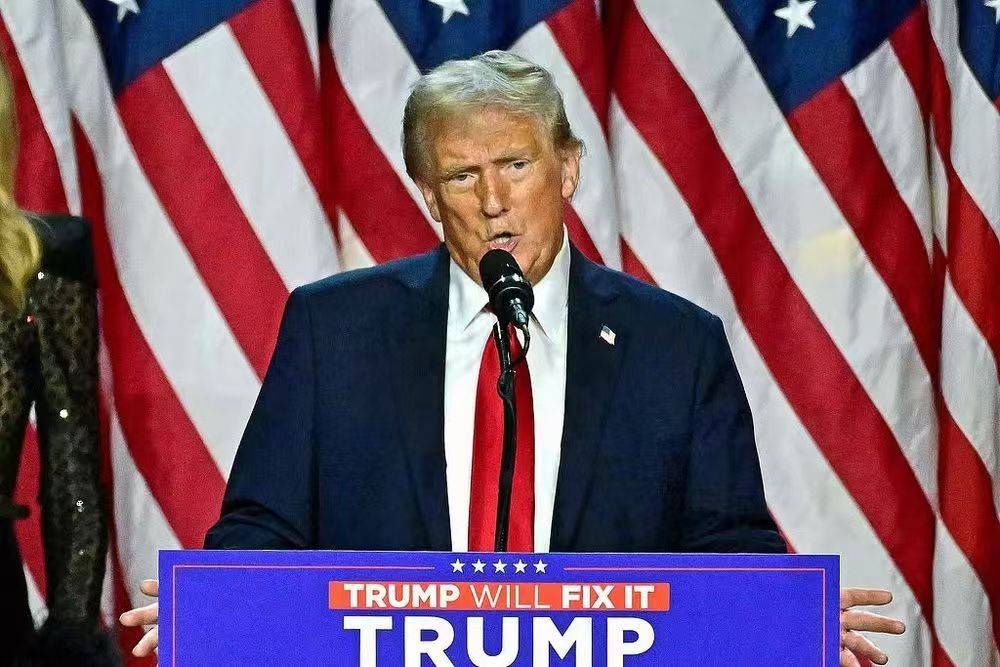
Group 1 - The core point of the news is that as of March 2025, Japan and the UK have increased their holdings of US Treasury bonds, while China has reduced its holdings, causing China to drop from the second-largest to the third-largest holder of US debt [1][3] - China's holdings of US Treasury bonds have decreased to $765.4 billion, which is a significant reduction that has allowed the UK to surpass China in bond holdings [3][6] - The reduction in China's US Treasury holdings is seen as a strategic move that could impact the US financial system, especially amid ongoing trade tensions [3][6][8] Group 2 - The trade war has led to a large-scale sell-off of US Treasury bonds, resulting in a spike in bond yields and raising concerns about the US federal government's debt situation [3][6] - China has been strategically positioning itself in the international economic landscape, including building gold reserves and a cross-border payment system, which indicates a long-term strategy rather than a reactive measure [8] - The geopolitical implications of China's actions, including the reduction of US Treasury holdings and export controls on rare earth elements, suggest a broader challenge to US financial and trade dominance [8]
美财长表示若中方不主动让步,美国将升级局势,可能对华实施禁运
Sou Hu Cai Jing· 2025-04-30 11:25
Group 1 - The core message from U.S. Treasury Secretary Janet Yellen is a warning to China to make concessions on trade and economic issues, or face escalated tensions from the U.S. [1][3] - Yellen's statements are seen as a psychological tactic aimed at pressuring China to comply with U.S. demands, such as reducing exports to the U.S. and opening more markets [5][9] - The backdrop of Yellen's remarks includes domestic economic challenges in the U.S., such as inflation and supply chain issues, as well as the shifting global economic landscape where China's influence is growing [7][9] Group 2 - The U.S. is concerned about China's advancements in high-end manufacturing and technology sectors, particularly in semiconductors, which could threaten U.S. technological dominance [11][18] - Yellen's tough stance is also influenced by the political climate in the U.S., as upcoming elections create pressure for politicians to adopt a hardline approach towards China [9][20] - China's economic resilience and strategic partnerships globally provide it with leverage against potential U.S. sanctions, making a complete economic decoupling challenging for the U.S. [11][14] Group 3 - The potential for U.S. sanctions or embargoes on Chinese goods raises concerns about the impact on American consumers and businesses, as many rely on Chinese manufacturing [13][14] - The complexity of implementing sanctions is highlighted, as it could lead to significant disruptions in the U.S. economy, affecting prices and corporate operations [14][16] - The ongoing U.S.-China rivalry is characterized as a long-term strategic battle, with both sides needing to maintain their positions without overreacting to threats [16][18]