脑卒中

Search documents
最新报告显示,我国出血性脑卒中呈现发病年轻化特征
Xin Jing Bao· 2025-11-02 08:48
Core Insights - Stroke has become the leading cause of death and disability among adults in China, with at least one in five deaths attributed to stroke [1] - The "China Neurological Disease Report 2024" highlights the increasing incidence of stroke, particularly among younger populations, and notes significant gender and regional differences in stroke prevalence [1][2] Summary by Sections Stroke Incidence and Mortality - In 2019, there were 3.94 million stroke cases in China, with 2.87 million being ischemic strokes, accounting for approximately 72.8% of cases [1] - The age-standardized incidence rate for ischemic stroke is rising, currently at 145 per 100,000, while the age-standardized mortality rate is 56.5 per 100,000 [1] Trends in Ischemic Stroke - The number of deaths from ischemic stroke in China increased by 171.1% from 1990 to 2019, correlating with the aging population [2] - The age-standardized mortality rate for ischemic stroke has shown a declining trend from 2005 to 2009, attributed to improvements in the healthcare system and public health education [2] Hemorrhagic Stroke Characteristics - The age-standardized incidence rate for hemorrhagic stroke is approximately 56 per 100,000, with a mortality rate of 65.1 per 100,000 [2] - Hemorrhagic stroke is characterized by a younger demographic, with higher incidence rates in males compared to females, and regional disparities showing higher rates in the north versus the south [2] Preventive Measures - Over 85% of hemorrhagic strokes are preventable through the management of risk factors such as high blood pressure, poor diet, air pollution, tobacco use, high body mass index, and high blood sugar [3] - Effective intervention on these risk factors can not only prevent the occurrence of hemorrhagic strokes but also reduce the risk of recurrence [3]
专家:警惕脑卒中,早识别早救治!
Xin Hua She· 2025-10-29 10:15
Core Points - The article emphasizes the importance of early recognition and immediate medical attention for stroke, highlighting the theme of World Stroke Day as "Recognize Early, Seek Immediate Care" [1][2] Group 1: Stroke Recognition and Response - Stroke is characterized by high incidence, mortality, disability, recurrence, and costs, but early identification and scientific prevention can mitigate these risks [1] - The "Stroke 120" mnemonic is introduced for quick assessment: "1" for an asymmetrical face, "2" for unilateral arm weakness, and "0" for unclear speech [1] - Immediate medical attention is crucial; patients should not wait for self-recovery and must call emergency services while ensuring the patient's airway is clear and avoiding food or medication [1][2] Group 2: Treatment Timelines - There are strict time windows for stroke treatment: intravenous thrombolysis can be performed within 4.5 hours for ischemic stroke, and endovascular thrombectomy within 6 hours, with some patients eligible up to 24 hours [2] - For hemorrhagic stroke, prompt surgical or interventional treatment is necessary to reduce intracranial pressure and brain tissue damage [2] Group 3: Prevention Strategies - Controlling risk factors such as diabetes, hypertension, hyperlipidemia, carotid artery stenosis, and heart diseases is essential for stroke prevention [2] - Lifestyle modifications are recommended, including a low-salt, low-fat, low-sugar diet, regular aerobic exercise, and avoiding smoking and excessive alcohol [2] - The perception that stroke is primarily an elderly disease is outdated, as there is a rising trend of stroke incidence among younger individuals, necessitating increased awareness and preventive measures among this demographic [2]
年轻人为何也会得脑卒中?专家解析四方面原因
Zhong Guo Xin Wen Wang· 2025-10-27 09:33
Core Points - The article discusses the increasing incidence of strokes among young people and identifies four main factors contributing to this trend [1] - It emphasizes the importance of early detection and management of risk factors to prevent strokes [2] Group 1: Factors Contributing to Strokes in Young People - Many young individuals neglect regular health check-ups, leading to undiagnosed conditions such as diabetes, hypertension, and hyperlipidemia, which can result in strokes [1] - Lifestyle choices, including late-night activities and lack of exercise, contribute to obesity and atherosclerosis, increasing the risk of stroke [1] - Cardiac issues, particularly atrial fibrillation or congenital heart diseases, can lead to blood clots that may block cerebral blood vessels, causing strokes [1] - Systemic diseases, such as autoimmune disorders, blood diseases, or arteritis, can also increase the likelihood of strokes in younger populations [1] - Specific risk factors for women include long-term use of contraceptives and smoking, which elevate stroke risk [1] Group 2: Early Detection and Prevention - The article highlights the "120 mnemonic" for early detection of stroke symptoms: - "1" refers to checking for facial symmetry and any drooping [2] - "2" involves assessing for weakness or numbness in one side of the body [2] - "0" indicates checking for difficulties in speech or understanding language [2] - Immediate action, such as calling emergency services (120) and seeking treatment at a specialized stroke center, is crucial upon noticing these warning signs [2]
气温骤降 心脑血管疾病进入高发期
Yang Shi Wang· 2025-10-26 19:25
Core Insights - Recent temperature drops across the country have led to a noticeable increase in patients with cardiovascular diseases visiting hospitals [1] - Clinical research indicates that for every 1 degree Celsius decrease in temperature, the risk of stroke increases by 1.13% [2] Group 1 - The sudden drop in temperature has resulted in a higher number of emergency visits for cardiovascular issues, particularly at Beijing Anzhen Hospital [1] - The consumption of high-calorie foods during winter may contribute to elevated cholesterol and blood lipid levels, further increasing health risks [2] Group 2 - There is a need for public awareness regarding the timely identification of stroke symptoms and appropriate responses when symptoms occur [2]
气温骤降 一个动作教你科学预防脑卒中
Yang Shi Xin Wen Ke Hu Duan· 2025-10-26 02:31
Core Insights - The recent drop in temperatures across the country has led to a significant increase in heart attack patients visiting hospitals, particularly among those with pre-existing cardiovascular conditions [1][2] Group 1: Cardiovascular Disease Risks - Cold weather causes blood vessels to constrict, leading to increased blood pressure and added strain on the heart, which can trigger coronary artery spasms and worsen existing conditions [2] - Symptoms of heart issues can manifest in various forms, including chest pain, dizziness, and discomfort in different body parts, necessitating immediate medical attention [2][3] - The incidence of heart attacks is rising among younger individuals due to lifestyle factors such as obesity, stress, and smoking, highlighting the need for regular blood pressure monitoring and medical guidance [3] Group 2: Stroke Awareness and Prevention - A decrease in temperature by 1 degree Celsius increases the risk of stroke by 1.13%, with winter diets high in calories potentially raising cholesterol and blood lipid levels [4] - Recognizing stroke symptoms is crucial, with immediate treatment within a 4.5-hour window being vital for minimizing brain damage [4] - Establishing emergency protocols in hospitals for stroke treatment is essential, including ensuring airway clearance and timely emergency calls [4] Group 3: Lifestyle Recommendations - Adopting a healthy lifestyle, including proper hydration, balanced diet, and regular exercise, can significantly reduce the risk of stroke [5] - Maintaining good mental health and adequate sleep is important, as stress can contribute to immune issues and blood clot formation [5] - Engaging in consistent physical activity, even at home, can enhance overall cardiovascular health and reduce the likelihood of thrombus formation [5]
身体有这3种信号,可能是脑梗!千万别大意
Qi Lu Wan Bao· 2025-10-18 00:40
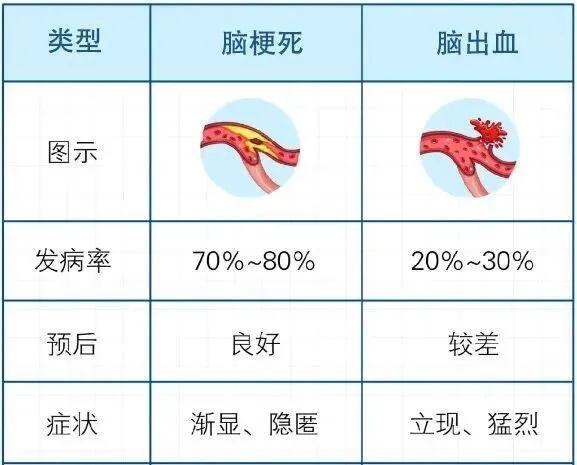
Core Insights - The article highlights the increasing incidence of cerebrovascular diseases, particularly strokes, during the autumn and winter seasons, emphasizing the urgency of timely medical intervention to prevent severe consequences [1][2]. Group 1: Cerebrovascular Disease Overview - Cerebrovascular diseases, including ischemic stroke and hemorrhagic stroke, are categorized under the term "stroke," with ischemic strokes accounting for 70% to 80% of cases and hemorrhagic strokes for 20% to 30% [2]. - The recurrence rate of strokes in autumn and winter is over 30% higher than in spring and summer, attributed to climatic factors such as lower temperatures leading to increased blood pressure and blood viscosity [2]. Group 2: Warning Signs of Stroke - Three critical warning signs indicate potential cerebrovascular blockage: transient vision loss, sudden motor function impairment, and temporary speech difficulties [3][4][6][8]. - These symptoms often precede a stroke and should prompt immediate medical attention [3]. Group 3: Risk Factors for Stroke - Common risk factors for stroke include poor diet, sedentary lifestyle, chronic dehydration, small vessel disease, and nighttime hypertension [10][11][12][14]. - A diet high in salt, sugar, and fat can significantly increase stroke risk, with studies indicating that reducing salt intake by 3 grams daily can lower stroke risk by 20% [10]. - Sedentary behavior, defined as sitting for more than 8 hours a day, raises stroke risk by 20% [11]. - Chronic dehydration can nearly double the risk of stroke, highlighting the importance of adequate fluid intake [12]. Group 4: Prevention Strategies - Experts recommend lifestyle modifications to prevent strokes, such as avoiding sudden physical exertion, managing emotional stress, and maintaining proper hydration [16][17]. - Regular health check-ups for individuals over 30 are advised to monitor blood pressure, blood sugar, and blood lipid levels [13].

科普|气温突破33℃就应警惕“热中风”!
Di Yi Cai Jing· 2025-07-10 14:55
Core Insights - The article highlights the increased risk of cerebrovascular diseases during both cold and hot seasons, emphasizing that high temperatures can also trigger conditions like ischemic stroke, particularly when temperatures exceed 33°C [1][3] Group 1: Health Risks - A significant rise in the incidence of cerebrovascular diseases is observed when temperatures surpass 33°C, with ischemic stroke being particularly prominent [1] - The risk of cardiovascular diseases is exacerbated by the temperature difference between air-conditioned environments and outdoor heat, especially when the difference exceeds 7°C [3] - High temperatures can lead to dehydration, reducing blood volume and increasing blood viscosity, which heightens the risk of stroke [3] Group 2: Vulnerable Populations - High-risk groups for stroke include individuals with pre-existing cerebrovascular conditions, the elderly with vascular hardening, and younger individuals with unhealthy lifestyles [3][4] - The article stresses the importance of recognizing risk factors for stroke prevention, including maintaining hydration and avoiding extreme temperature fluctuations [4] Group 3: Emergency Response - Immediate action is crucial when a stroke occurs, including moving the individual away from extreme temperatures and ensuring clear breathing [4] - The critical window for treatment is between 4.5 to 6 hours post-stroke onset, where timely interventions can significantly reduce disability rates [4]
如何快速判断是否中暑或已经引发热射病?怎么急救?医生解答来了!
Yang Shi Wang· 2025-07-05 03:16
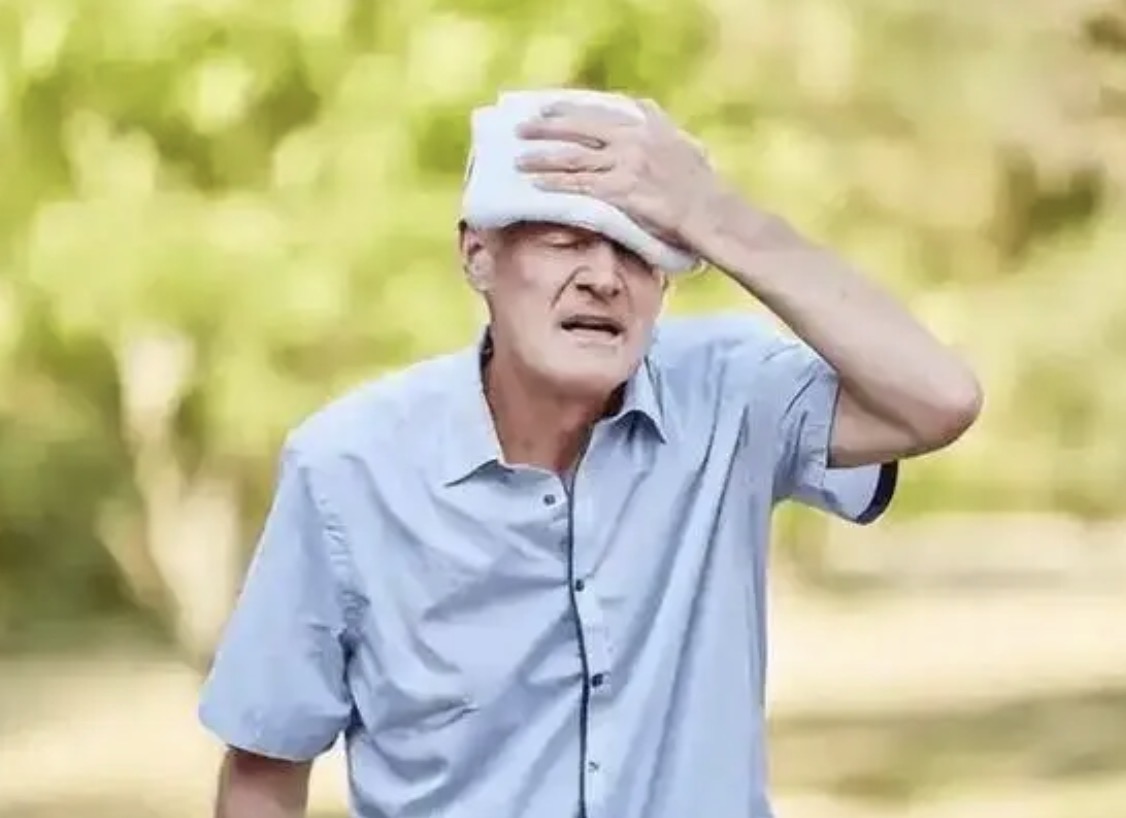
Core Viewpoint - The article highlights the ongoing extreme heat wave affecting multiple regions in China, with temperatures exceeding 35°C and reaching as high as 40°C in certain areas, prompting health risk warnings and advisories for the public [1][2][4]. Group 1: Heat Wave Impact - The Central Meteorological Observatory issued a yellow warning for high temperatures, predicting daytime highs above 35°C in regions including southern North China, Huanghuai, Jianghuai, Jianghan, and much of Jiangnan [1]. - Specific areas such as the Turpan Basin in Xinjiang, northern Shandong, and central-northern Henan may experience temperatures exceeding 40°C [1]. Group 2: Health Risk Warnings - The National Disease Control and Prevention Bureau, in collaboration with the China Meteorological Administration, has issued continuous high-temperature health risk warnings, advising the public to avoid outdoor activities during peak heat hours and ensure adequate hydration [2]. - The high-temperature health risk warning differs from regular high-temperature warnings by focusing on the potential health impacts of elevated temperatures, categorizing risks into five levels: low, moderate, high, and extremely high [2][4]. Group 3: Symptoms and Emergency Measures - Symptoms of heat-related illnesses include dizziness, thirst, fatigue, and elevated body temperature above 38°C, indicating potential heat stroke [5]. - In cases of severe symptoms such as a body temperature exceeding 40°C, confusion, and rapid heart rate, immediate medical attention is required [7][9].
朝“问”健康丨夏季高温易诱发 三步快速识别脑卒中
Yang Shi Xin Wen· 2025-06-22 01:47
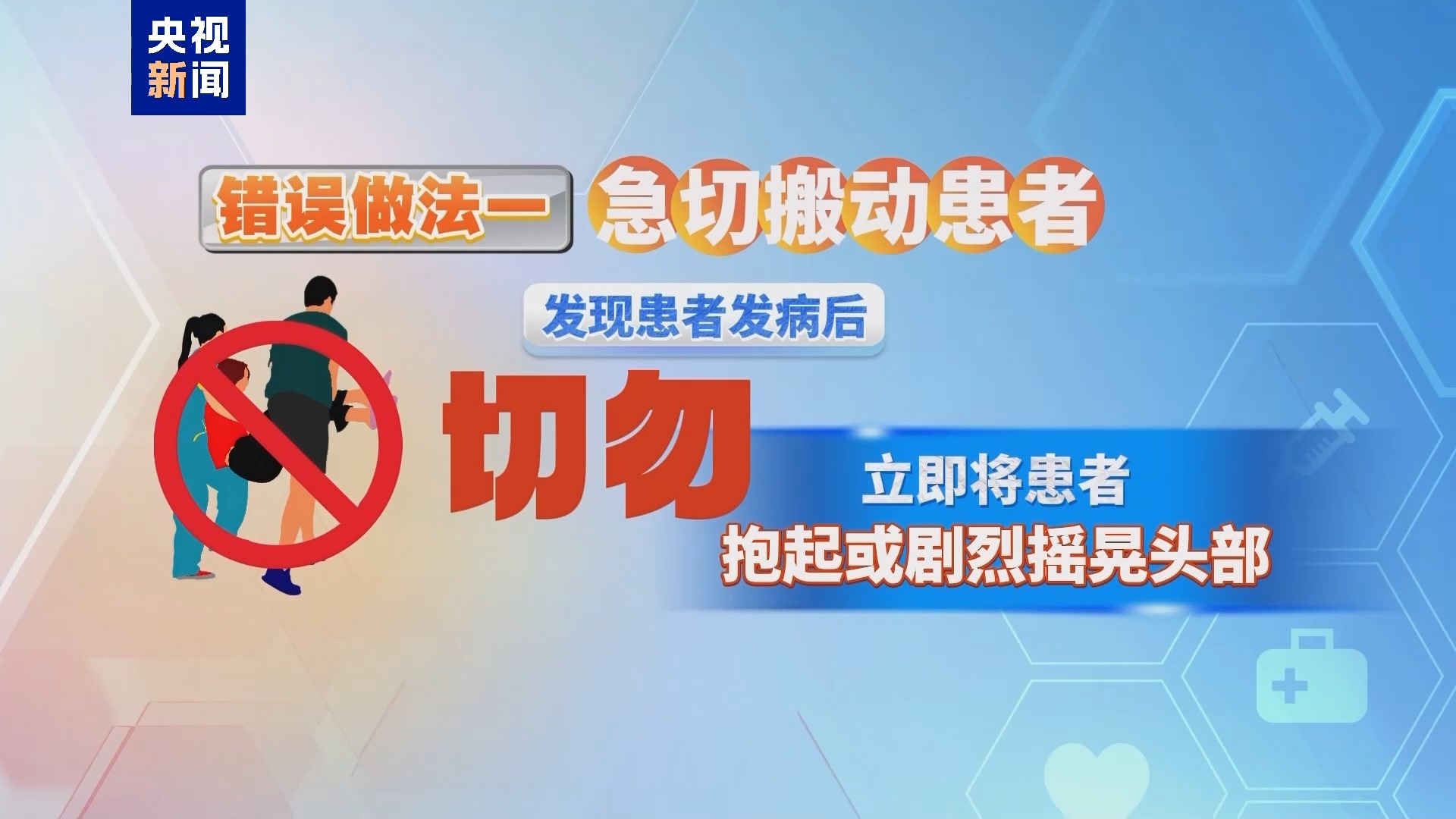
Core Viewpoint - Stroke, commonly known as cerebrovascular accident, is a leading cause of death and disability among residents in China, with high temperatures also posing a significant risk for stroke occurrence [1][2]. Group 1: Stroke Types and Risks - Stroke is categorized into ischemic and hemorrhagic types, with acute ischemic stroke (acute cerebral infarction) accounting for approximately 70% of cases [3]. - High temperatures, particularly above 32°C, significantly increase the risk of stroke, with the danger escalating as temperatures rise [1][4]. Group 2: Factors Contributing to Stroke in High Temperatures - Dehydration: High temperatures lead to excessive sweating and fluid loss, increasing blood viscosity and slowing blood flow, which raises the risk of ischemic stroke [4]. - Blood Pressure Fluctuations: Heat causes blood vessels to dilate, potentially lowering blood pressure, but can also lead to erratic blood pressure changes due to environmental stressors, increasing the risk of hemorrhagic stroke [4]. - Thermoregulation Burden: The body's effort to cool down increases heart rate and cardiac workload, which may affect cerebral blood supply [4]. Group 3: Recognizing and Responding to Stroke - Early warning signs include dizziness and limb numbness, which are critical indicators of a potential stroke [5]. - The "120 Rule" for quick identification of stroke symptoms involves observing facial symmetry, checking arm strength, and listening for clear speech [6]. Group 4: Common Missteps in Emergency Response - Avoid moving the patient abruptly, as this can worsen bleeding [8]. - Do not shout at the patient, as loud noises can elevate blood pressure and exacerbate the condition [9]. - Refrain from administering medication without a clear diagnosis, as incorrect medication can worsen symptoms [10]. - Do not feed or give drinks to the patient, as this can lead to choking and interfere with timely medical intervention [11]. Group 5: Misconceptions about Stroke Treatment - Immediate medical attention is crucial, and the golden window for effective treatment is within 4.5 hours of symptom onset [13]. - It is a misconception that stroke patients should be taken to distant hospitals; local hospitals can often provide adequate emergency care [13]. - Young and middle-aged individuals are also at risk for stroke due to unhealthy lifestyles, including hypertension and obesity [15].