资金盘

Search documents
炒股亏了保险兜底,月收益高达100%?“安我股保”宣称推出全网首款炒股保险,两大机构连忙撇清关系
Mei Ri Jing Ji Xin Wen· 2025-11-18 14:53
Core Viewpoint - The article discusses a new investment product called "An Wo Gu Bao," which claims to provide insurance coverage for stock investments, promising high returns while minimizing risks. However, investigations reveal significant doubts about its legitimacy and the underlying business model [2][11][18]. Group 1: Product Overview - "An Wo Gu Bao" is marketed as the first insurance product for stock investments, offering a monthly return of 60% to 100% [3][5]. - The product allows users to invest with minimal effort, as it is managed by a strategic partnership with CITIC Securities, which handles stock trading on behalf of the investors [5][10]. - Users can invest amounts ranging from 100 yuan to 1 million yuan, with the option to choose investment durations of 1, 3, or 5 days [5][7]. Group 2: Profit and Loss Mechanism - The product claims that if an investment results in a loss, the insurance company will cover the entire loss, while profits will incur a fee of 30% [7][10]. - An example provided shows a user investing in a technology stock, resulting in a profit after deducting the insurance fee [8][9]. Group 3: Regulatory Concerns - Experts express skepticism about the viability of insuring stock investments, as stock trading is considered speculative risk and not typically insurable [11][18]. - The Hong Kong Insurance Authority does not recognize stock insurance as a valid category, raising questions about the product's legitimacy [11][12]. - Both Hong Kong An Wo Insurance and CITIC Securities have denied any association with "An Wo Gu Bao," indicating it may be a fraudulent scheme [12][14]. Group 4: Marketing and Recruitment Strategy - The product employs a multi-level marketing strategy, offering rewards for referrals and promoting a "star customer" program that incentivizes recruitment [14][16]. - The structure resembles a Ponzi scheme, relying on new investments to pay returns to earlier investors, which is a hallmark of such fraudulent schemes [18][19]. Group 5: Expert Opinions - Industry experts warn that the promised returns far exceed reasonable market expectations, indicating a high likelihood of fraud [18][20]. - Investors are advised to remain cautious and skeptical of any investment promising guaranteed returns, especially those lacking transparency and regulatory approval [20].



切莫跌入资金盘陷阱
Jing Ji Ri Bao· 2025-11-06 00:08
Core Insights - The article highlights the resurgence of Ponzi schemes, emphasizing the need for public awareness regarding "high return, low risk" investment projects [1][2][3] Group 1: Nature of Ponzi Schemes - Ponzi schemes are characterized by promises of high returns, often using complex technology concepts as a facade for fraudulent activities [1] - These schemes operate on the principle of "using new investors' money to pay returns to earlier investors," lacking any legitimate cash flow-generating products or services [1] - Common tactics include claiming participation in significant projects for high returns, impersonating legitimate financial institutions, and offering commission for referrals [1] Group 2: Regulatory Challenges - The difficulty in regulating Ponzi schemes is a significant factor in their persistence, as they often disguise themselves under the guise of commercial or technological innovation [2] - The shift from traditional offline schemes to more covert online operations has made detection and enforcement increasingly challenging [2] - Online Ponzi schemes can operate with lower costs and faster withdrawal rates, complicating the tracking of funds and increasing the speed at which they can disappear [2] Group 3: Participant Dynamics - The ecosystem of participants in Ponzi schemes includes not only victims but also "professional players" who actively seek out these schemes for profit [3] - These "leaders" often recruit others, creating a network that can temporarily benefit from the scheme, but they are also at risk of being exploited [3] - The article stresses the importance of collective efforts from society and regulatory bodies to combat these schemes and protect investors [3]
揭秘资金盘生态圈:散户成了接盘侠
第一财经· 2025-10-31 08:19
Core Viewpoint - The article highlights the emergence and evolution of Ponzi schemes, emphasizing their deceptive nature and the risks they pose to investors, particularly in the context of a growing ecosystem that facilitates these schemes [3][7]. Group 1: Types and Characteristics of Ponzi Schemes - Ponzi schemes can be categorized into ten types, including online shopping, investment and financial management, entrepreneurship, tourism, education, charity, intermediary platforms, franchise models, sales rewards, and stock fund investments [6]. - These schemes exploit human weaknesses by promoting phrases like "guaranteed profits," "high returns," and "government support," targeting inexperienced investors seeking quick gains [6][9]. - Ponzi schemes exhibit characteristics of pyramid schemes, relying on recruitment to sustain operations, with no actual revenue generation [6][9]. Group 2: The Ecosystem of Ponzi Schemes - The Ponzi scheme ecosystem consists of three layers: the "operators" at the top, "team leaders" in the middle, and individual investors at the bottom [7][10]. - Operators often hide abroad, designing the framework and rules of the schemes, while team leaders play a crucial role in recruitment and promotion, leveraging their experience to attract new investors [8][9]. - Team leaders may offer guarantees to potential recruits, creating a false sense of security and encouraging participation in these schemes [8]. Group 3: Risks and Consequences - The article notes that as Ponzi schemes become more sophisticated, they often utilize covert and cross-border financial transactions, making it difficult for authorities to track and intervene [7][10]. - Team leaders and their recruits may not remain loyal to any single scheme, often moving on to new opportunities once they have maximized their gains, leaving later investors to bear the losses [9]. - Legal perspectives suggest that participants in Ponzi schemes are considered "capital contributors" rather than "victims," indicating a need for greater public awareness and resistance to high-yield temptations [10].

年化收益率超6倍、碰瓷知名创投:“启明创投QMVP”套牌资金盘被曝崩盘
Di Yi Cai Jing· 2025-10-31 07:04
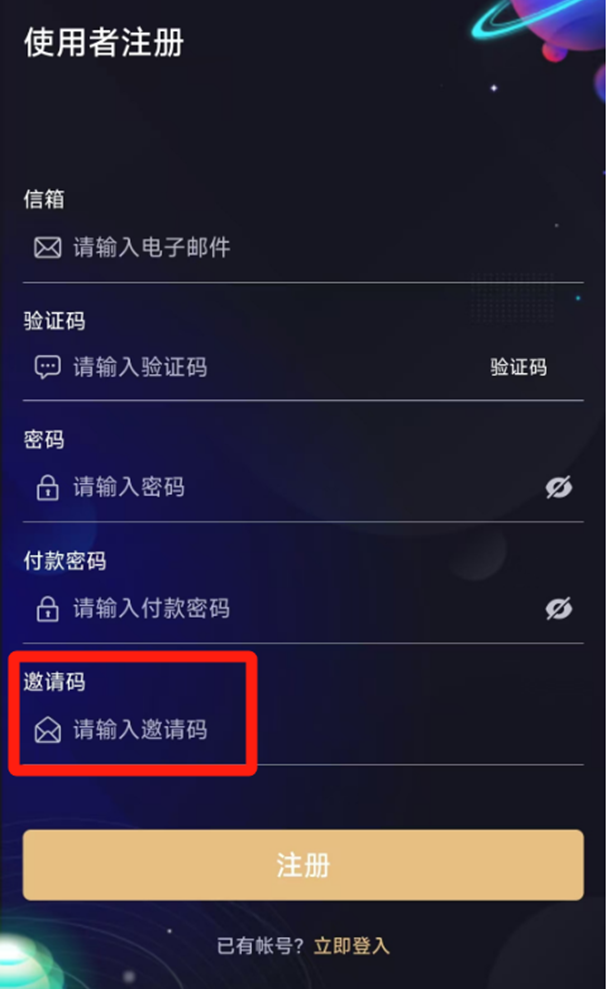
Core Viewpoint - The article discusses the collapse of a fraudulent investment platform named "启明创投QMVP," which misappropriated the branding of a legitimate private equity firm,启明创投, to lure investors with unrealistic returns [1][8]. Group 1: Company Misrepresentation - "启明创投QMVP" used the name and logo of the reputable private equity firm,启明创投, to gain credibility among potential investors [8][11]. - The fraudulent app claimed to offer extraordinary returns, such as "monthly interest of 30%" and "annualized returns of up to 200%" [1][5]. - The legitimate启明创投 has issued multiple statements clarifying that it does not have an official app and only raises funds from qualified investors [9][11]. Group 2: Investment Products and Returns - The app offered various investment products with high daily returns, such as "因诺尊享CTA" with a daily return rate of 1.23% and a minimum investment of 4,500 yuan [3][5]. - Some products were named after publicly listed companies, boasting annualized returns as high as 657% [5][7]. - The investment cycles for these products were notably short, appealing to users looking for quick profits [7]. Group 3: User Registration and Access - Users could only register on the app by entering an invitation code, making it difficult for ordinary users to access the platform [2][3]. - The app's download link became inaccessible shortly after the reports of its fraudulent activities surfaced [3]. Group 4: Legal Implications and Fraud Mechanisms - The fraudulent platform employed a multi-level marketing strategy, rewarding users for recruiting others, which aligns with characteristics of pyramid schemes [7][19]. - Legal experts indicated that such operations could violate multiple laws, including fraud and illegal fundraising [7][19]. - The article highlights that many fraudulent platforms utilize the names and materials of legitimate companies to mislead investors [19].
揭秘资金盘生态圈:海外操盘手搭台、境内“团队长”唱戏、散户成了接盘侠
Di Yi Cai Jing· 2025-10-31 07:03
Core Insights - Investment schemes that appear too good to be true often lack a clear understanding of their value source and business model, indicating they may be fraudulent operations [1][2] - In October alone, 200 fraudulent investment schemes were warned about, representing only a fraction of the total [1] Types of Schemes - The article categorizes investment scams into ten types, including online shopping, investment and financial management, entrepreneurship, tourism, education, charity, intermediary platforms, franchise models, sales rewards, and stock fund investments [2] - Common tactics used by these schemes include promises of guaranteed returns, high rebates, government support, and insider information, targeting inexperienced investors seeking quick profits [2] Operational Mechanisms - Investment schemes often rely on a pyramid structure, where new investors' funds are used to pay returns to earlier investors, leading to inevitable collapse when new investments slow down [2] - The flow of funds has become increasingly concealed and cross-border, utilizing methods like QR code transfers and cryptocurrencies, making it difficult to trace [3] Ecosystem of Scams - The ecosystem of these schemes consists of "operators" at the top, who design the framework and rules, often hiding abroad, while "team leaders" operate within the country to recruit new investors [4] - Team leaders play a crucial role in promoting new schemes and often have extensive experience in the field, acting as both investors and recruiters [5] Recruitment and Exit Strategies - Team leaders use social media to recruit participants, offering guarantees and support to entice new investors, but they often exit before the scheme collapses, leaving latecomers to bear the losses [5] - Some team leaders have been known to receive warnings about the risks of certain schemes and preemptively withdraw their teams [5] Legal and Ethical Considerations - Individuals involved in these schemes, particularly team leaders, may be considered as co-conspirators and should face legal consequences for their roles in perpetuating fraud [6] - The article emphasizes the need for regulatory bodies to not only target the schemes themselves but also to hold team leaders accountable for their involvement [6]
“零成本、零门槛”“全家注册购买任务包,一年获利上百万”?多地警示→
Di Yi Cai Jing Zi Xun· 2025-10-26 10:56
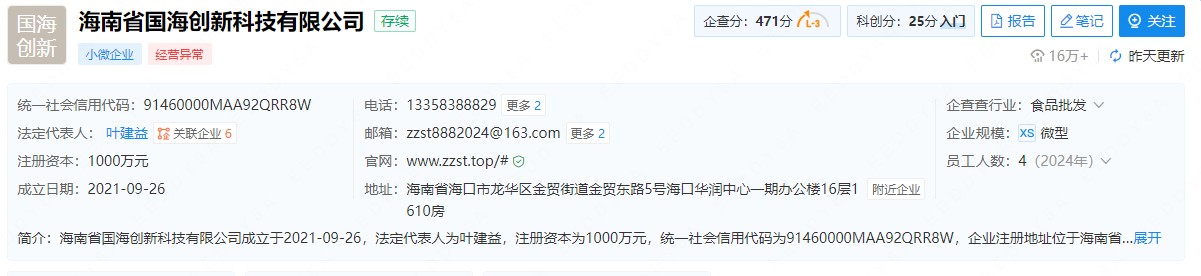
Core Viewpoint - The article highlights the emergence of a new fraudulent platform named "Phoenix Tide," which operates as a multi-level marketing scheme disguised as a legitimate investment opportunity, attracting users with promises of zero-cost participation and minimal effort for rewards [2][3]. Group 1: Platform Overview - "Phoenix Tide" is operated by Hainan Guohai Innovation Technology Co., Ltd., established in September 2021 with a registered capital of 10 million yuan [3]. - The platform claims to offer various services, including convenient payment, agricultural product sales, and support for small businesses, but has been flagged for operating in an abnormal state since September 22, 2023 [3][7]. Group 2: Operational Model - The platform employs a multi-tiered operational model, starting with a deceptive "zero-cost" earning scheme that requires users to complete simple tasks for minimal rewards [7]. - Users can earn "work points" through daily check-ins and other tasks, but the returns are disproportionately low compared to the time invested [7][8]. - To increase earnings, users are encouraged to purchase "task packages," which range from hundreds to tens of thousands of yuan, promising high returns through reinvestment [8]. Group 3: Recruitment and Expansion - The platform incentivizes users to recruit others, creating a pyramid-like structure where earnings are tied to the number of new participants brought in [9][10]. - Users are categorized into different levels, with higher levels offering greater rewards and requiring more significant investments, further entrenching the multi-level marketing aspect [9][10]. Group 4: Regulatory Response - Multiple regions, including Guizhou and Hunan, have issued warnings about the risks associated with "Phoenix Tide," highlighting its similarities to pyramid schemes and fraudulent fundraising activities [10][12]. - Local authorities have initiated anti-fraud campaigns to educate the public about the dangers of such platforms, emphasizing the lack of legal protections for investors [12]. Group 5: Psychological Factors - Many individuals are aware of the fraudulent nature of such schemes but choose to participate due to the allure of quick profits, social pressure, and the fear of missing out on potential gains [15][16]. - The article suggests that the majority of participants are driven by greed and unrealistic expectations, often ignoring the risks involved [17].

“零成本、零门槛”“全家注册购买任务包,一年获利上百万”?多地警示→
第一财经· 2025-10-26 10:44
Core Viewpoint - The article discusses the emergence of a new fraudulent investment platform called "Phoenix Tide," which operates under a multi-level marketing scheme, luring users with promises of easy earnings through minimal effort and investment [3][4]. Summary by Sections Overview of "Phoenix Tide" - "Phoenix Tide" claims to offer a "zero-cost" and "zero-threshold" investment opportunity, requiring only daily check-ins to earn points and rewards [4][10]. - The platform is operated by Hainan Guohai Innovation Technology Co., Ltd., which has been flagged for operational irregularities [6][10]. Multi-Level Operation Model - The platform employs a multi-tiered operation model, starting with a deceptive "zero investment" earning scheme that requires users to complete simple tasks for minimal rewards [10][11]. - Users can progress through six task levels, with higher levels requiring investment in "task packages" that promise inflated returns [11][12]. - The platform creates a false sense of value for points through limited-time offers and price increases, encouraging users to reinvest [12][13]. Recruitment and Dynamic Earnings - "Phoenix Tide" incorporates a recruitment mechanism, incentivizing users to bring in new participants to increase their earnings, resembling a pyramid scheme [13][14]. - Users can achieve different "agent" levels based on their recruitment success, which unlocks additional benefits and earnings [14][15]. Spread and Public Response - The platform has gained traction primarily through personal networks, with many users recruiting family and friends [16][17]. - Multiple local governments and agencies have issued warnings about the risks associated with "Phoenix Tide," highlighting its similarities to traditional Ponzi schemes [19][24]. Psychological Factors and User Behavior - Many participants are aware of the risks but choose to engage due to greed, social pressure, and the fear of missing out on potential profits [24][25]. - The article concludes that individuals often succumb to their own desires and fantasies rather than being purely victims of fraud [25].

“全家注册购买任务包,一年获利上百万”?多地警示“凤凰潮”资金盘
Di Yi Cai Jing· 2025-10-26 07:43
Core Viewpoint - The article highlights the emergence of a new "funding platform" called "Phoenix Tide," which operates under a deceptive model promising zero-cost and zero-threshold participation, luring users into a complex multi-level investment scheme that resembles a pyramid scheme [1][10]. Group 1: Platform Overview - "Phoenix Tide" is operated by Hainan Guohai Innovation Technology Co., Ltd., which was established on September 26, 2021, with a registered capital of 10 million yuan [2][3]. - The company has been listed as operating under abnormal conditions since September 22, 2023, due to being unreachable at its registered address [2][3]. Group 2: Operational Model - The platform employs a multi-layered operational model, starting with a misleading "zero-cost earning" approach that requires users to complete simple tasks to earn points, which ultimately yield minimal returns [6][7]. - Users are encouraged to invest in "task packages" with prices ranging from hundreds to tens of thousands of yuan, promising high returns through reinvestment, which leads to a cycle of continuous investment [7][8]. Group 3: Recruitment and Expansion - The platform promotes a pyramid-like structure where users are incentivized to recruit others, creating a dynamic reward system that relies on new investments to sustain returns for existing users [8][9]. - "Phoenix Tide" has been spreading primarily through familial networks, with users often pressuring relatives to join, despite warnings from authorities [10][12]. Group 4: Regulatory Response - Multiple regions, including Guizhou and Hunan, have issued risk alerts regarding "Phoenix Tide," with local governments and institutions actively conducting anti-fraud campaigns to educate the public about the platform's risks [10][12]. - Legal experts categorize "Phoenix Tide" as a "pyramid scheme-style fundraising fraud," emphasizing that the platform's operations lack legal safeguards for investors [12][14].
银价创新高,买银条要排队?
Mei Ri Jing Ji Xin Wen· 2025-10-19 14:39
Core Insights - Precious metals, particularly gold and silver, have seen significant price increases this year, with silver prices surpassing $50 per ounce for the first time on October 9, marking a year-to-date increase of over 70%, outpacing gold [1][9] - The surge in silver prices has led to increased demand for silver bars, with reports of long wait times for delivery from certain platforms [1][5] Market Conditions - The Shenzhen Shui Bei market, a major trading hub for jewelry, has seen a rise in customer inquiries for silver bars, although the overall activity is less intense compared to the gold market [3][4] - Silver bars are available at prices ranging from 12.82 to 13.82 yuan per gram, which is higher than the real-time silver price due to additional costs associated with trading [4][5] - There is a notable scarcity of available silver bars, with some stores requiring customers to pre-order and wait approximately one month for delivery [5][6] Supply and Demand Dynamics - The World Silver Association reports that global silver supply has consistently fallen short of demand from 2021 to 2024, with a projected shortfall of 3,659 tons in 2025 [6][9] - The current market conditions have led to a lack of available silver bars on certain online platforms, with all products sold out as of October 18 [7][8] Price Drivers - The recent price increases in precious metals are attributed to several factors, including heightened global economic and geopolitical risks, changes in the dollar and interest rate environment, and increased central bank purchases of gold [9][10] - The demand for silver has been particularly strong due to its industrial applications and the recent surge in physical delivery requirements, which has led to a tight supply situation [10][11] Future Outlook - Analysts suggest that while the current bullish trend in precious metals may continue, potential risks such as declining global inflation, a strengthening dollar, or reduced geopolitical tensions could lead to a correction in prices [11] - The ongoing trend of "de-dollarization" and central bank gold purchases are expected to enhance the strategic value of gold, while silver's role in the green economy may provide long-term growth potential [11]
小心!ARK 方舟之境资金盘内部消息:跑路计划已实施,别抱希望!
Sou Hu Cai Jing· 2025-10-12 07:59
Core Insights - The digital currency market is experiencing a significant crisis as the DeFi platform ARK, known as the "crypto bank," initiates a fund withdrawal process, leading to its potential self-destruction [1] Group 1: Fund Withdrawal Process - The withdrawal operation was executed in three key phases: unlocking smart contract backdoor at 3 AM UTC, transferring $32 million in stablecoins to Tornado Cash at 5:23 AM, and moving the remaining $58 million in crypto assets to an anonymous address on Avalanche at 8:47 AM [2] - All transactions bypassed conventional on-chain confirmation processes, indicating a "separation of accounting" feature, as transaction hashes were not found in the project's audit logs [2] Group 2: Technical Evidence of Fraud - The platform's technical collapse exhibits textbook fraud characteristics, with the latest app version containing a self-destruct module that erases local wallet data and transaction history [4] - The project’s node servers are executing a "double destruction" program, deleting all database files and simultaneously demagnetizing hard drives, with physical destruction of servers already underway in Singapore [4] Group 3: Investor Traps - While most investors were unaware, the platform displayed a deceptive "flashback" state, reopening deposit channels with enticing "10x rewards" while marking all withdrawal requests for "manual review" [5] - Users discovered discrepancies between displayed account balances and actual on-chain data, revealing that their wallets had been emptied, a phenomenon termed "interface balance illusion" [5] Group 4: Regulatory Response - In response to the unfolding situation, multiple financial regulatory bodies have activated emergency plans, with the Monetary Authority of Singapore issuing a red alert to halt trading of ARK-related assets [7] - The SEC in the U.S. convened an emergency meeting to consider listing the project on the "international financial fraud list," while Chainalysis is tracking the funds, which have reportedly been laundered through multiple layers before reaching offshore accounts [7] - This meticulously planned exit scam is becoming one of the worst cases in crypto history, severely undermining industry trust and leading to the disappearance of the founding team [7]