
量子信息

Search documents
2026年地方两会收官——图观地方两会第8期
一瑜中的· 2026-02-09 15:23
Core Viewpoint - The article discusses the GDP target adjustments of 31 provinces in China for the year 2026, highlighting a trend of downward adjustments and the implications for economic growth [4][6]. Summary by Sections GDP Target Adjustments - 16 provinces have lowered their GDP targets by 0.5 percentage points, while 12 provinces have kept their targets largely unchanged [6]. - The weighted average GDP target for 2026 across the 31 provinces is set at 5.27%, which is 0.27 percentage points higher than the national target of 5.0% for this year [6]. Specific Provincial Targets - Guangdong and Zhejiang are among 7 provinces that have set range targets, with Guangdong's target set between 4.5% and 5.5% [6]. - Historical context shows that only in 2016 and 2019 did major provinces set range targets, coinciding with significant economic events [6]. Economic Performance Indicators - In 2025, the GDP growth was reported at 5.5%, with fixed asset investment declining by 9.2%, and retail sales increasing by 4.2% [11]. - The expected GDP growth for 2026 is projected to be between 5% and 5.5%, with a focus on achieving better results in practice [12]. Investment and Consumption Goals - The investment target for 2026 includes starting over 2000 key projects, while the retail sales target is set to grow by approximately 4% [12][14]. - The focus on consumption includes expanding cultural industries and enhancing the quality of goods and services available [17]. Employment and Income - The target for urban employment in 2026 is to create around 680,000 new jobs, with an urban unemployment rate aimed at approximately 5.5% [12][18]. - The plan includes measures to increase disposable income for both urban and rural residents, aiming for growth rates above the national average [12][18]. Technological and Industrial Development - The emphasis on technological innovation includes establishing influential centers for smart automotive technology and quantum information [17]. - The strategy involves enhancing the capabilities of emerging industries and fostering a conducive environment for innovation [17].


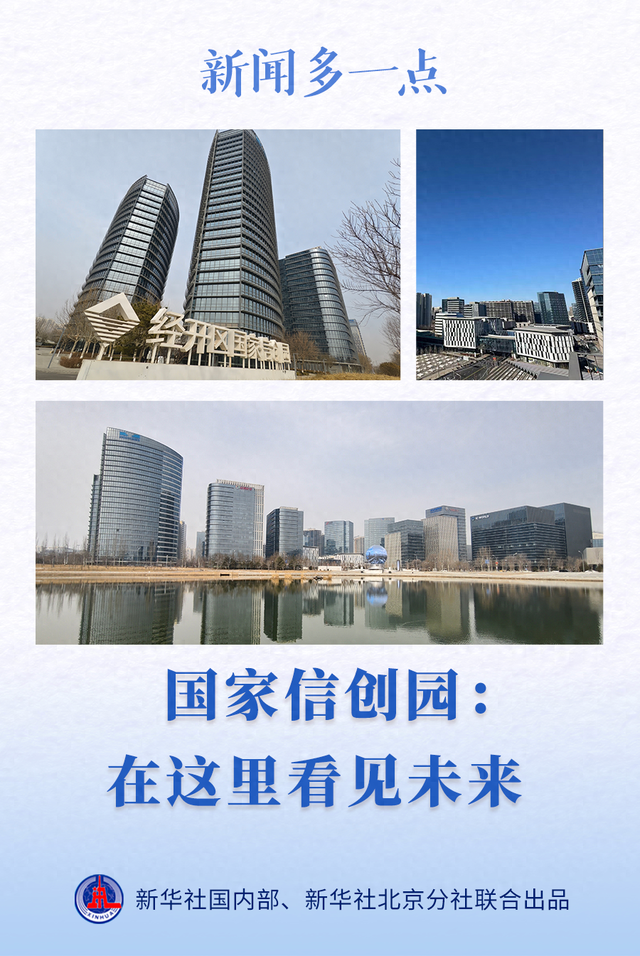
新闻多一点|国家信创园:在这里看见未来
Xin Lang Cai Jing· 2026-02-09 06:54
Group 1 - The core focus of the National Innovation Park is on the application of information technology innovation, aiming to build a domestic software and hardware infrastructure and ecosystem [6][8] - The park has successfully attracted 1,000 enterprises covering various fields such as CPU, operating systems, databases, servers, and cybersecurity services, creating a vibrant development atmosphere [8][10] - The park is expanding its industrial coverage to include cutting-edge areas like artificial intelligence, quantum information, 6G communication, and smart hardware, enhancing the integration of emerging technologies with information technology applications [8][10] Group 2 - The initial area of the National Innovation Park spans 530,000 square meters and has begun to release scale effects that drive industrial development, with an additional 1,170,000 square meters of industrial space set to be fully operational this year [10] - The growth of the National Innovation Park reflects the accelerated development of new productivity in Beijing, showcasing the innovative vitality that technology brings to the future [10]
长江经济带十年奔腾动能澎湃 撑起全国经济总量“半壁江山”
Chang Jiang Shang Bao· 2026-02-09 01:58
Core Viewpoint - The Yangtze River Economic Belt has become a crucial national development strategy, contributing nearly 50% of the national economic output and serving as a key ecological protection barrier in China [1][2][4]. Group 1: Economic Contribution - The Yangtze River Economic Belt covers about one-fifth of China's land area and contributes nearly 50% of the national economic total, solidifying its role as a vital economic corridor [2][4]. - By 2025, the economic output of the Yangtze River Economic Belt is projected to reach approximately 66.8 trillion yuan, more than doubling over the past decade with an average growth rate of 5.4%, surpassing the national average by 0.4 percentage points [4]. Group 2: Ecological and Environmental Initiatives - The concept of "grasping major protection without large-scale development" has taken root in the Yangtze River Economic Belt, leading to significant ecological improvements, including the enhancement of water quality from class V to class II along the main river [6][7]. - The region has implemented pollution control measures across various sectors, including industrial and agricultural pollution, resulting in the closure or transformation of nearly 10,000 chemical enterprises and the elimination of 1,361 illegal docks [6][7]. Group 3: Industrial Transformation and Innovation - The Yangtze River Economic Belt has fostered industrial transformation by nurturing 41 national-level advanced manufacturing clusters and 30 strategic emerging industry clusters, accounting for 51% and 45% of the national totals, respectively [6][7]. - The region is actively promoting the green transformation of traditional industries, establishing 24 national carbon peak pilot cities and parks, and supporting the scrapping and updating of approximately 10,000 old operating vessels [7]. Group 4: Future Development Plans - The next phase of development will focus on high-level ecological protection, enhancing innovation support systems, and strengthening regional collaboration, with an emphasis on building a "Five Great Yangtze" framework encompassing ecological, innovative, open, cultural, and happy aspects [8].
东西问|徐飞:中国三大国际科创中心如何成为全球创新“关键极”?
Zhong Guo Xin Wen Wang· 2026-02-07 13:50
中新社北京2月6日电 题:中国三大国际科创中心如何成为全球创新"关键极"? 作者 徐飞 福耀科技大学常务副校长 在新一轮科技革命与产业变革交织演进的当下,科技创新已成为大国战略博弈的核心场域。2025年末召开的中央经济工作会议提出,建设北京(京津冀)、 上海(长三角)、粤港澳大湾区三大国际科技创新中心。这既是中国应对全球竞争的战略抉择,也是培育新质生产力、抢占未来发展制高点的关键举措。 2025年12月8日,上海,工程师在量产工厂调试机器人。当日,智元第5000台通用具身机器人——灵犀X2正式量产下线。中新社记者 汤彦俊 摄 从国际经验来看,顶尖科技创新中心往往是全球创新要素的集聚枢纽、产业变革的策源地和国家核心竞争力的集中体现。美国硅谷凭借半导体与互联网技 术重塑全球产业格局,波士顿依托生命科学与人工智能引领前沿突破。这些案例无不印证,国际科创中心的崛起能够推动区域经济能级跃升,形成"创新 —产业—财富"的正向循环,为国家在全球分工体系中赢得战略主动。 中国选择京津冀、长三角、粤港澳大湾区作为国际科创中心承载地,是基于区域禀赋的战略考量。三大区域凭借差异化的核心优势,构成了中国国际科技 创新的"黄金三角"。 ...
19条产业链将累计获超6600亿元授信支持
Da Zhong Ri Bao· 2026-02-06 00:59
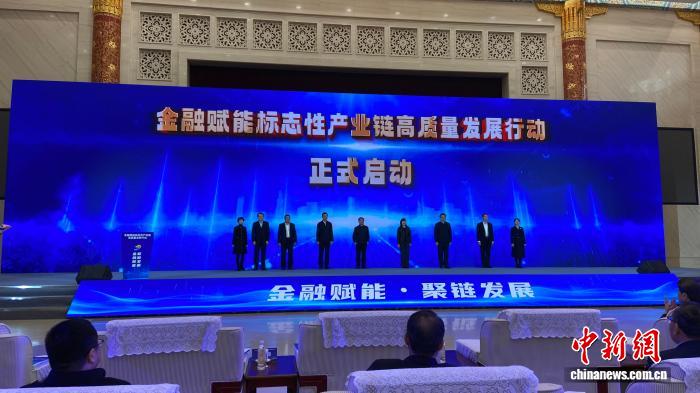
Group 1 - The "Financial Empowerment for High-Quality Development of Iconic Industrial Chains" initiative was launched in Jinan, focusing on 19 iconic industrial chains and selecting 14 banks as "financial chain leaders" to provide over 660 billion yuan in credit support [1] - By the end of 2025, the industrial loan balance in Shandong is projected to reach 3.19 trillion yuan, with a year-on-year growth of 11.4% [1] - The initiative aims to enhance financial resource integration into industrial development, particularly in key areas of the industrial chain, through various activities such as "one chain per month" and "integrating finance with chains" [1] Group 2 - Agricultural Bank of Shandong has launched the "Agricultural Machinery Loan" financial scheme for the specialized equipment industry chain, while China Everbright Bank has expanded financing targets to automotive parts to meet the financing needs of small and micro enterprises in the automotive industry chain [2] - The China Bank of Shandong plans to cover over 400 enterprises in the artificial intelligence industry chain through financial salons and project roadshows this year [2] - Financial institutions are introducing specialized financial products like computing power loans and low-carbon transformation loans, while also embedding resources deeper into industrial chain research, investment attraction, and chain extension [2] Group 3 - Shandong's industrial chain dominance is solidified, with 19 iconic industrial chains accounting for over 90% of the province's industrial enterprises and revenue [3] - By 2025, the province's industrial added value is expected to grow by 7.6%, surpassing the national growth rate by 1.7 percentage points [3] - The province's manufacturing loans increased by 187.5 billion yuan, with long-term loans exceeding 1 trillion yuan, reflecting a year-on-year growth of 10.6% [3]
中国各地区的未来产业全景图:6大重点方向与10大创新标志性产品
材料汇· 2026-02-05 15:00
点击 最 下方 关注《材料汇》 , 点击"在看"和" "并分享 添加 小编微信 ,遇见 志同道合 的你 正文 未来产业由前沿技术驱动,当前处于孕育萌发阶段或产业化初期,是具有显著战略性、引领性、颠覆性和不确定 性的前瞻性新兴产业。大力发展未来产业,是引领科技进步、带动产业升级、培育新质生产力的战略选择。 | 地区 | 未来制造 | 未来信息 | 中国各地区的未来产业全景图 未来材料 | 未来能源 | 未来空间 | 未来健康 | | --- | --- | --- | --- | --- | --- | --- | | | 智能制造 激光制造 循环制造 共享制造 | 卫星互联网 量子信息; 大模型 | 先进基础材料升级 高性能碳纤维、先 | 核聚变 氢能 新型储能 | 载人航天 探月探火 ア星导航 深海作业装备 深海智能无人平台 | 细胞和基因技术 合成生物 脑 交互 | | | 生物制造 | | | | | | | | 纳米制造 | 下一代移动通信 | | 核能 | | | | | | | | | 临空无人系统 | | | | | | | | 先进高效航空器 | | | | | | | | 深海潜水器 | | ...

山东促金融活水流向工业领域 赋能标志性产业链高质量发展
Zhong Guo Xin Wen Wang· 2026-02-05 14:43
Group 1 - The core viewpoint of the article emphasizes the launch of financial empowerment initiatives for key industrial chains in Shandong Province, aiming to enhance high-quality development through tailored financial products and services [1][3][5] - Shandong has identified 19 key industrial chains that encompass over 90% of the province's industrial enterprises and contribute more than 90% of industrial revenue, with a projected industrial added value growth rate of 7.6% by 2025, exceeding the national average by 1.7 percentage points [1][5] - The province plans to strengthen overall research on industrial chains and customize financial solutions, integrating various financial resources such as funds, insurance, and venture capital to support different sectors and stages of industrial chain development [1][3] Group 2 - The Shandong Provincial Financial Committee aims to establish "financial chain leaders" for the identified industrial chains, providing innovative financial policies and tools to enhance efficiency and effectiveness in financial support [3] - Agricultural Bank of China Shandong Branch has achieved full coverage of financial services for the 19 key industrial chains, providing credit support to 79 chain leader enterprises with a total credit line of 238.8 billion yuan [3] - The province's industrial clusters include critical sectors such as new-generation information technology, high-end equipment, and modern pharmaceuticals, which require precise financial resources to support their autonomous control and capability enhancement [5]
江苏这样留住青年心
Sou Hu Cai Jing· 2026-02-04 23:16
Core Insights - Jiangsu province is committed to creating a youth-friendly community that resonates with young people, particularly those in innovation and entrepreneurship, by implementing supportive policies and initiatives [1][2] Group 1: Policy Initiatives - By 2025, all 13 cities in Jiangsu will introduce 125 measures to promote youth development, including job subsidies and housing benefits, aiming to create over 2 million market-oriented job opportunities for young graduates [1] - Policies will be designed from the perspective of young people, integrating youth development into urban planning and ensuring accessible public services [2] Group 2: Community Development - The Suzhou district's Yijia Youth Community features smart apartments, fitness centers, and spaces for cultural and entrepreneurial activities, reflecting a modern living environment for young professionals [3] - Kunshan aims to create a "15-minute convenient living circle" with diverse facilities such as gyms, libraries, and co-working spaces, promoting a collaborative community for young innovators [3] Group 3: Innovation and Entrepreneurship - The rapid advancement of artificial intelligence is seen as a catalyst for youth innovation and entrepreneurship, necessitating a supportive ecosystem for young entrepreneurs [3] - Recommendations include the establishment of an AI entrepreneurship ecosystem and the provision of resources like "computing vouchers" to facilitate access to essential tools for young innovators [3] Group 4: Long-term Talent Development - Investment in human capital should not only focus on financial resources but also on providing time and strategic support for emerging talents in fields like AI and quantum information [4] - A call for a long-term evaluation and support mechanism for young leaders in strategic scientific fields to maximize their creative potential [4]

把握四个着力点 下好未来产业“先手棋”
Zhong Guo Fa Zhan Wang· 2026-02-03 11:40
中国发展改革报社评论员|张守营 1月30日,中共中央政治局进行第二十四次集体学习。新年举行的首次集体学习,主题聚焦前瞻布局和 发展未来产业。习近平总书记在主持学习时强调,新一轮科技革命和产业变革加速演进,前沿技术不断 涌现,引领和支撑未来产业快速崛起。要站在推进强国建设、民族复兴伟业的战略高度,立足客观条 件,发挥比较优势,坚持稳中求进、梯度培育,推动我国未来产业发展不断取得新突破。 在当前全球格局深刻调整、科技竞争空前激烈的背景下,发展未来产业已远不止于单纯的经济命题,更 是关乎国家长远发展和战略安全的时代答卷。这一战略要求既展现出"抬头看路"的高瞻远瞩,精准锚定 人工智能、量子信息等可能重塑未来的领域;又体现了"低头拉车"的务实笃行,强调立足现有产业基础 与比较优势,稳扎稳打。纵观这一战略布局,其精髓可提炼为几个清晰而有力的着力点。 首要一点,在于"精准落子,因地制宜"。未来产业不能是脱离实际的"空中楼阁",也不可能"千城一 面"。我们的优势在于幅员辽阔、产业体系完整,这就如同一个丰富的"创新试验场"。有的地区科研资 源密集,便承担起攻坚"从0到1"原始创新的重任,勇闯技术"无人区";有的地区制造业基础雄 ...
行业洞察 | 中国量子信息产业城市竞争力TOP50榜单发布 北京、深圳、上海位列前三
Xin Hua Cai Jing· 2026-02-03 11:00
Core Insights - The quantum information industry is a key area for cultivating new productive forces and building a future industrial system in China, playing a critical role in promoting high-quality economic development [2][8] - The 2025 China Quantum Information Industry City Competitiveness Top 50 list ranks Beijing, Shenzhen, and Shanghai as the top three cities, with scores of 92.68, 91.87, and 87.61 respectively [2][4] Summary by Categories City Competitiveness Rankings - The top ten cities in the 2025 China Quantum Information Industry City Competitiveness list are Beijing, Shenzhen, Shanghai, Hangzhou, Hefei, Wuhan, Guangzhou, Nanjing, Suzhou, and Chengdu, with scores ranging from 87.12 to 92.68 [2][5][6] Evaluation Criteria - The rankings are based on six dimensions: industrial scale, quality enterprises, innovation capability, financing capability, industrial efficiency, and growth capability [2][4] Beijing's Position - Beijing leads the rankings due to its strong performance in quality enterprises, innovation capability, financing capability, and growth capability, with a focus on quantum computing, communication, and sensing [8][9] - The city has established a cluster of quantum enterprises centered in Haidian and the Economic and Technological Development Zone, promoting applications in AI, energy, and communication [8] Shenzhen's Development - Shenzhen excels in industrial scale, innovation capability, and industrial efficiency, with plans to build a first-class research and development platform and a quantum science center in the Greater Bay Area [9] - The city is set to complete China's first large-scale dedicated optical quantum computer manufacturing facility by November 2025 [9] Shanghai's Initiatives - Shanghai has made significant progress in quantum computing, communication, and precision measurement, supported by a special fund for long-term development [9][10] - The city has initiated the "Quantum City" concept, with ongoing projects aimed at bridging the gap between laboratory research and industrial application [10] Hefei's Role - Hefei is recognized as an important hub for the quantum information industry, with several key enterprises and a focus on integrating technological innovation with industrial development [10] - The city has launched a three-year action plan for quantum industry development, emphasizing core technology breakthroughs and ecosystem optimization [10]
