
霍尔木兹海峡局势

Search documents
特朗普鼓动油轮“拿出点胆量”通过霍尔木兹海峡
第一财经· 2026-03-13 10:54
Group 1 - The article highlights President Trump's encouragement for oil tankers to navigate the Strait of Hormuz, asserting that there is no significant risk as Iran lacks a navy and has lost its ships [2][3] - Iran's new Supreme Leader, Mujtaba Khamenei, stated that Iran will not abandon its pursuit of revenge and will continue to use the blockade of the Strait of Hormuz as a tactic [3] - The Strait of Hormuz is identified as a critical global shipping route, with reports indicating that at least 16 vessels have been attacked in the Persian Gulf since military actions by the US and Israel against Iran [3] Group 2 - Iran's Deputy Foreign Minister, Lavanchy, mentioned that Iran permits certain countries' vessels to pass through the Strait of Hormuz, indicating a selective approach to maritime security [4]


美方:伊朗开始在霍尔木兹海峡布雷,伊朗:并未在海峡水域布雷
中国能源报· 2026-03-13 03:34
Core Viewpoint - The article discusses the escalating tensions in the Strait of Hormuz, highlighting claims from U.S. officials about Iran laying mines, which Iran denies. The situation reflects ongoing military actions and threats in the region, particularly concerning oil and shipping security [1]. Group 1 - U.S. officials claim that Iran has begun laying mines in the Strait of Hormuz, while Iran denies these allegations [1]. - The U.S. Central Command reported that U.S. military actions have resulted in the destruction of over 90 Iranian naval vessels, including more than 30 mine-laying ships [1]. - Iranian Deputy Foreign Minister stated that Iran allows certain countries' vessels to pass through the Strait and has not laid mines in the waterway [1]. Group 2 - Iranian Supreme Leader Mujtaba Khamenei declared that Iran will not abandon its pursuit of revenge and will continue to use the blockade of the Strait of Hormuz as a tactic [1]. - Since the onset of military actions by the U.S. and Israel against Iran, at least 16 oil tankers, cargo ships, and other commercial vessels have been attacked in the Persian Gulf [1].
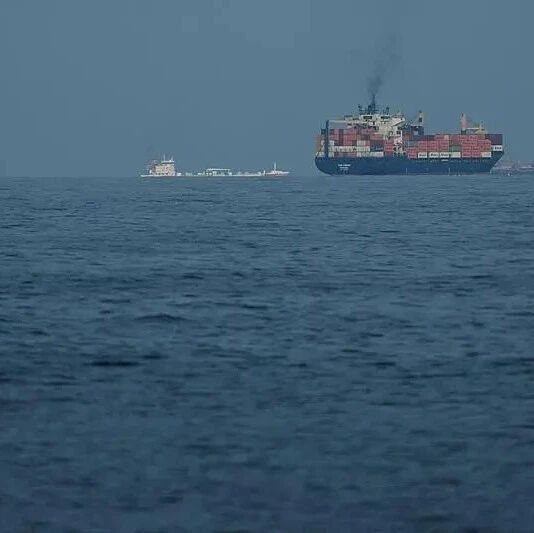
特朗普:必要时美军会护航,美军:护不了
第一财经· 2026-03-11 13:53
Core Viewpoint - The article discusses the heightened tensions in the Strait of Hormuz, where U.S. Navy has been reluctant to escort oil tankers due to the high risk of Iranian attacks, despite requests from shipping companies for protection [2][3]. Group 1 - U.S. President Trump stated that the U.S. military would escort oil tankers through the Strait of Hormuz if necessary, but this has not been put into action as the U.S. Navy has refused escort requests citing high risks [2]. - Since the outbreak of conflict, numerous commercial vessels have requested U.S. Navy escorts daily, but all requests have been denied due to the perceived threat from Iran [2]. - As of March 10, the assessment of risk for U.S. Navy escorts in the region remains unchanged, indicating a continued state of caution [2]. Group 2 - The Strait of Hormuz is currently experiencing a de facto blockade, with hundreds of vessels anchored nearby and only a few daring to pass through, resulting in approximately 10 ships having been attacked [3]. - A Thai cargo ship was reported to have been attacked in the Strait, with 20 crew members rescued and relocated to Oman [5].

聚酯链跌后反弹,核心仍在霍尔木兹海峡
Hua Tai Qi Huo· 2026-03-11 05:08
1. Report Industry Investment Rating No relevant content provided. 2. Core Viewpoints of the Report - On March 10, the main contracts of PX, PTA, PF, PR, and MEG in the polyester industry chain fluctuated significantly, first dropping sharply and then rebounding with narrower declines. The main reasons were Trump's statement that the war was basically over and the G7's plan to jointly release crude oil reserves, which led to a significant adjustment in crude oil prices. However, releasing strategic reserves can only slow down the rise of crude oil prices, and the fundamental issue lies in the passage situation of the Strait of Hormuz. The war has not completely ended, and the Strait of Hormuz has not resumed normal navigation, so there is a need to be vigilant about the risk of repeated fluctuations in the market [1]. - In terms of fundamentals, due to the excessive market fluctuations recently, spot market transactions are still scarce, and the market is currently in a wait - and - see mood. Some factories still maintain a closed - market or suspended - shipment status, and there are still supply risks and hoarding phenomena. The market also shows differentiation due to the fundamentals and inventory conditions of each variety. If the cost - side prices remain high, attention should be paid to the possible negative feedback effects such as production cuts in the downstream [1]. - The market focus recently has been on the Iranian situation. Under the tense situation, crude oil prices have risen. In the PX market, the PXN was $355/ton (a month - on - month increase of $51.88/ton). Affected by the Iranian situation, the Strait of Hormuz traffic is still low. Under the concern of supply interruption, the PX spot structure has changed to a Back structure, and the floating price has become stronger. The PTA operating rate has increased, and the polyester load is being restored, so the demand for PX has further increased. At the same time, the PX supply problem has further intensified, and the PX load has decreased, with a larger inventory reduction [2]. - In the TA market, the PTA spot basis is - 15 yuan/ton (a month - on - month change of +0 yuan/ton), the PTA spot processing fee is 178 yuan/ton (a month - on - month increase of 7 yuan/ton), and the main contract's processing fee on the disk is 360 yuan/ton (a month - on - month decrease of 33 yuan/ton). The weaving and polyester loads are slowly recovering from a low level. After the centralized restart of PTA devices, the inventory reduction rhythm has been postponed, and inventory has continued to accumulate in March. However, supported by costs, the PTA trend is strong, and the processing fee has been compressed. Currently, the PTA basis is also rebounding, and the futures and spot markets are rising in resonance. In the long - term, as the cycle of concentrated capacity release ends, the PTA processing fee is expected to gradually improve, and the long - term outlook is still good [2]. - In terms of demand, the polyester operating rate is 84.1% (a month - on - month increase of 4.6%). After the Spring Festival, the polyester and weaving loads have been gradually recovering. The continuous rise in raw material prices recently has also driven some speculative demand and inventory reduction. The inventory pressure of polyester products is not large, and the short - term price increase is relatively healthy. Currently, the inventories of domestic and foreign textile and clothing are not high. Attention should be paid to the downstream restocking actions and the situation of textile and clothing export orders. After the digestion of the existing raw material inventory, it may also have a negative feedback effect on the downstream operating rate [3]. - In the PF market, the spot production profit is 168 yuan/ton (a month - on - month increase of 375 yuan/ton). The Middle East conflict has led to a sharp rise in oil prices, and the raw material prices have continued to soar. Direct - spun polyester staple fibers have quickly followed the price increase, but the increase is less than that of raw materials, and the processing margin of direct - spun polyester staple fibers has been compressed. The operating load of direct - spun polyester staple fibers is increasing. In the early stage of the price increase of staple fibers, the sales were active, and downstream customers stocked up intensively, and the factory inventory decreased. However, in the later stage, as the price reached a high level, the market entered a wait - and - see state [3]. - In the PR market, the bottle - chip spot processing fee is 622 yuan/ton (a month - on - month decrease of 173 yuan/ton). The price of polyester bottle - chips has risen significantly following the raw materials. In terms of fundamentals, after the Spring Festival, polyester bottle - chip devices have been restarted one after another, and the overall supply has increased slightly. The bottle - chip factories' shipments are relatively concentrated, and the inventory has decreased significantly. In the short term, the bottle - chip price increase is smooth, and the processing fee is expected to remain strong. Attention should be paid to the transaction situation after the continuous price increase [3]. 3. Summary According to the Directory Price and Basis - The report includes figures such as the TA main contract, basis, and inter - period spread trend; PX main contract trend, basis, and inter - period spread; PTA East China spot basis; and short - fiber 1.56D*38mm semi - bright natural - white basis [9][10][13] Upstream Profits and Spreads - Figures cover PX processing fee PXN (PX China CFR - naphtha Japan CFR), PTA spot processing fee, South Korean xylene isomerization profit, and South Korean STDP selective disproportionation profit [19][23] International Spreads and Import - Export Profits - Figures include toluene US - Asia spread (FOB US Gulf - FOB South Korea), toluene South Korea FOB - Japan naphtha CFR, and PTA export profit [25][27] Upstream PX and PTA Start - up - Figures show the operating rates of PTA in China, South Korea, and Taiwan, as well as the operating rates of PX in China and Asia [28][31][33] Social Inventory and Warehouse Receipts - Figures display the weekly social inventory of PTA, monthly social inventory of PX, total PTA warehouse receipts + forecast volume, PTA warehouse warehouse receipt inventory, PX warehouse receipt inventory, and PF warehouse receipt inventory [39][41][42] Downstream Polyester Load - Figures include the production and sales of filaments and short - fibers, polyester load, direct - spun filament load, polyester staple fiber load, polyester bottle - chip load, filament DTY factory inventory days, filament FDY factory inventory days, filament POY factory inventory days, Jiangsu and Zhejiang loom operating rate, Jiangsu and Zhejiang texturing machine operating rate, and Jiangsu and Zhejiang printing and dyeing operating rate [49][51][59] PF Detailed Data - Figures cover 1.4D physical inventory, 1.4D equity inventory, recycled cotton - type staple fiber load, original - recycled spread (1.4D polyester staple - 1.4D imitation large - chemical fiber), pure polyester yarn operating rate, pure polyester yarn production profit, polyester - cotton yarn operating rate, polyester - cotton yarn processing fee, pure polyester yarn factory inventory available days, and polyester - cotton yarn factory inventory available days [70][77][80] PR Fundamental Detailed Data - Figures include polyester bottle - chip load, bottle - chip factory bottle - chip inventory days, bottle - chip spot processing fee, bottle - chip export processing fee, bottle - chip export profit, East China water bottle - chip - recycled 3A - grade white bottle - chip, bottle - chip next - month spread (next month - base month), and bottle - chip next - next - month spread (next - next month - base month) [86][88][94]
霍尔木兹海峡局势变化,十大产业链危机脉络梳理
财联社· 2026-03-06 05:33
Core Viewpoint - The modern world order is built around efficiency and minimal costs, creating a highly interdependent system that can lead to widespread crises from localized disruptions, particularly in energy supplies like oil and LNG, which can trigger inflation and food shortages [1] Group 1: Supply Chain Vulnerabilities - The global polyester supply chain starts with petrochemical products, and disruptions in raw materials like naphtha or PTA can lead to significant reductions in polyester production, affecting the apparel industry [2][3] - The nitrogen fertilizer chain begins with natural gas; interruptions can lead to increased costs for farming inputs and pressure on the food system within a single planting cycle [3] - The extraction of copper and cobalt relies on sulfuric acid, which is dependent on the supply of sulfur; any disruption can halt copper extraction operations, impacting electrical and automotive sectors [4] - The polypropylene supply chain, starting from propylene, faces shortages in packaging and medical supplies if propylene supply is interrupted [5] - The chlor-alkali industry, reliant on salt and electricity, will see immediate pressure on water treatment and PVC production if disrupted [6] - The tire industry, starting from natural and synthetic rubber, will face production cuts and extended replacement cycles due to supply interruptions [7] - The steel industry, dependent on iron ore and metallurgical coal, will experience production cuts and delays in construction and manufacturing if raw materials are restricted [8] - The aluminum supply chain, starting from bauxite and requiring significant electricity, will see reduced smelting capacity affecting packaging and transportation sectors [9] - The flat glass supply chain, reliant on soda ash and natural gas, will face production challenges impacting construction and solar energy sectors if inputs are disrupted [10] - The semiconductor supply chain, starting from ultra-pure gases and stable electricity, will see yield issues and delivery delays if these inputs are affected [11] Group 2: Impact Timeline - The first level of impact involves disruptions in maritime energy transport, with significant daily oil and LNG logistics bottlenecks [13] - The second level involves shortages in refining and industrial chemicals due to the depletion of sour crude oil, leading to immediate sulfur shortages [15] - The third level sees mining and metal extraction affected by sulfur shortages, halting copper and cobalt extraction processes [17] - The fourth level indicates a worsening copper shortage affecting power transformers and electrical hardware, leading to extended delivery times [19] - The fifth level highlights semiconductor supply chain disruptions due to LNG shortages in Taiwan, causing voltage drops in manufacturing equipment [21] - The sixth level indicates a freeze in data center expansion due to silicon supply constraints and transformer unavailability [23] - The seventh level focuses on capital markets, where raw material cost inflation leads to severe profit compression and stock revaluation [25] - The eighth level discusses national responses involving strategic oil reserves, constrained by physical limitations [27] - The ninth level addresses the restructuring of trade frameworks, marked by a shift towards non-dollar energy settlements [29] - The tenth level emphasizes social stability, where energy and fertilizer inflation leads to structural food crises in emerging markets [30] - The eleventh level indicates a shift in industrial structure, with aluminum replacing copper facing engineering limits [31] - The twelfth level represents a long-term redesign of social civilization, prioritizing resource security over economic efficiency [33]
“伊朗完全控制霍尔木兹海峡,十多艘油轮被炮弹击中”
中国能源报· 2026-03-04 02:24
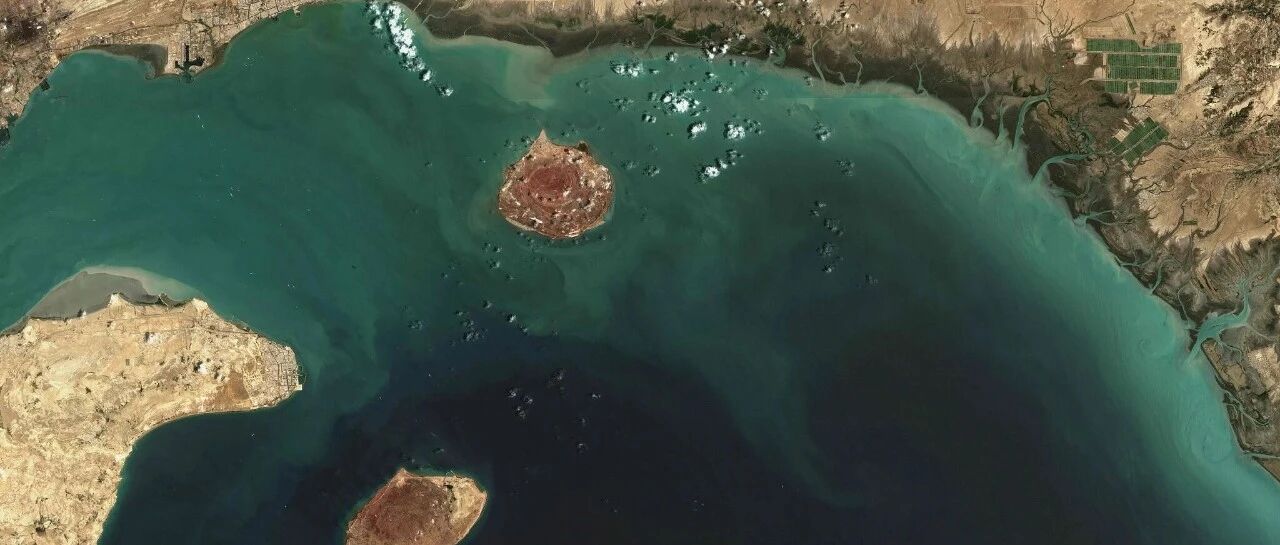
Group 1 - Iran's Islamic Revolutionary Guard Corps Navy has declared complete control over the Strait of Hormuz, warning that any vessels may be targeted by missiles or drones [3] - More than ten oil tankers have reportedly been hit by missiles in the Strait, resulting in their destruction [3] - Following Iran's announcement of a navigation ban in the Strait, oil tankers, merchant ships, and fishing vessels are unable to pass through [3]
伊朗称完全控制霍尔木兹海峡,10多艘油轮被炮弹击中
21世纪经济报道· 2026-03-04 02:22
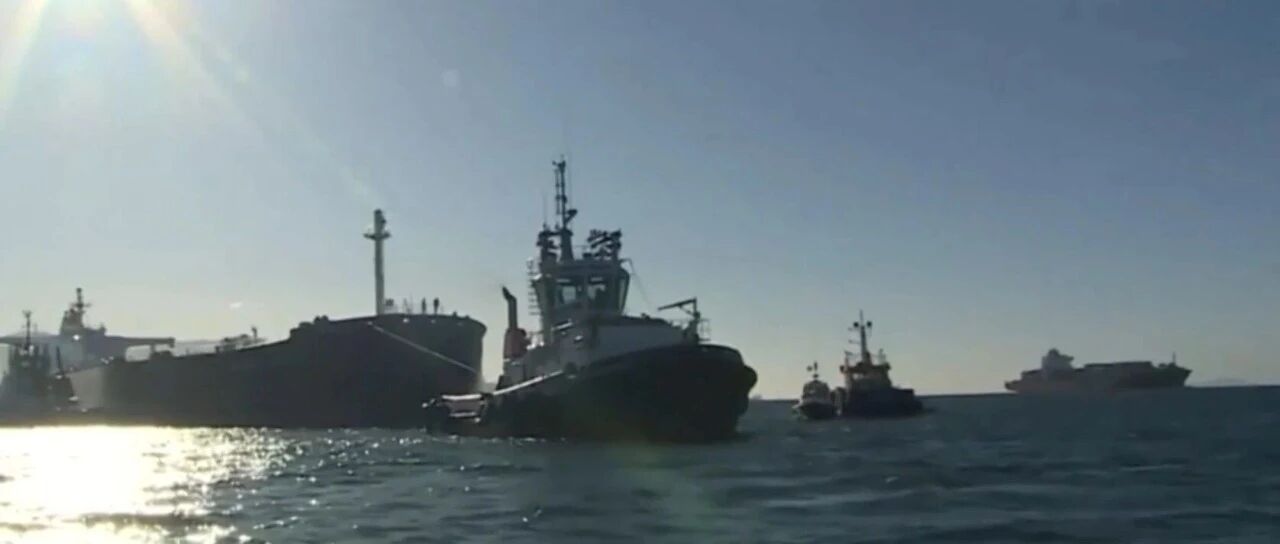
Group 1 - The Iranian Navy has declared complete control over the Strait of Hormuz, with over ten oil tankers reportedly hit by artillery fire [2] - The Iranian Revolutionary Guard Corps has warned that the Strait of Hormuz is in a state of war, indicating that any vessels could be targeted by artillery or drones [2] - Following Iran's announcement of a navigation ban in the Strait of Hormuz, oil tankers, merchant ships, and fishing boats are unable to pass through the strait [2]
“伊朗完全控制霍尔木兹海峡,十多艘油轮被炮弹击中”
财联社· 2026-03-04 01:09
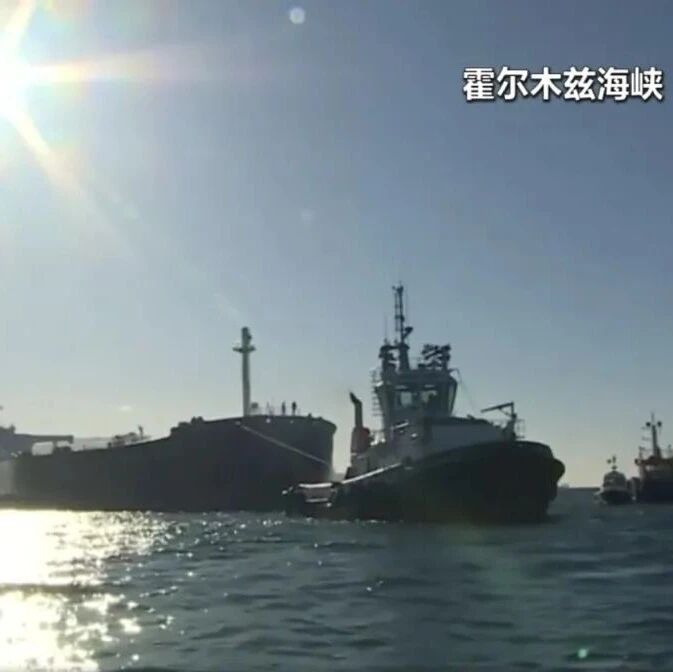
据新华社,据伊朗法尔斯通讯社3日报道,伊朗伊斯兰革命卫队海军副司令穆罕默德·阿克巴尔扎德表示, 霍尔木兹海峡已完全处于伊朗海 军的控制之下,十多艘油轮在该海峡被炮弹击中。 阿克巴尔扎德说,革命卫队海军多次警告霍尔木兹海峡处于战争状态,任何船只都可能被炮弹或无人机击中。但仍有十多艘油轮无视警告, 已被炮弹击中并烧毁。 阿克巴尔扎德强调,在伊朗宣布霍尔木兹海峡禁止航行后,油轮、商船和渔船已无法通过该海峡。 ...
伊朗称完全控制霍尔木兹海峡,十多艘油轮被炮弹击中
第一财经· 2026-03-04 00:34
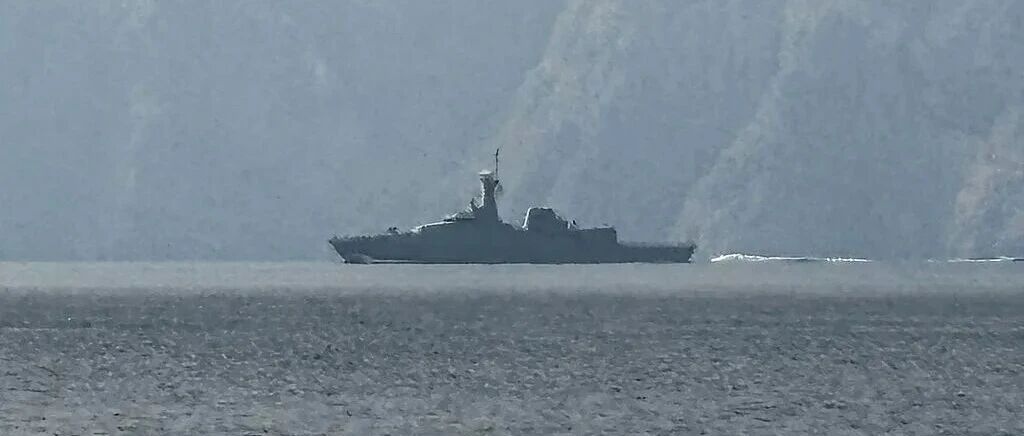
据伊朗法尔斯通讯社3日报道,伊朗伊斯兰革命卫队海军副司令穆罕默德·阿克巴尔扎德表示,霍尔 木兹海峡已完全处于伊朗海军的控制之下,十多艘油轮在该海峡被炮弹击中。 来源 | 新华社 编辑 | 七三 阿克巴尔扎德强调,在伊朗宣布霍尔木兹海峡禁止航行后,油轮、商船和渔船已无法通过该海峡。 资料图:当地时间2026年3月1日,霍尔木兹海峡,一艘海军船只正在航行。(视觉中国) 阿克巴尔扎德说,革命卫队海军多次警告霍尔木兹海峡处于战争状态,任何船只都可能被炮弹或无人 机击中。但仍有十多艘油轮无视警告,已被炮弹击中并烧毁。 ...
若霍尔木兹全面封锁,油价冲击200美元?德银拆解三种情景
美股IPO· 2026-03-02 11:47
德银将霍尔木兹局势划分为三类情景:若两周内重开,油价将回落至70美元区间;若维持当前的"模糊封锁",油价将在80至 100美元波动;若演变为大规模布雷的"强制封锁",导致OPEC增产失效,布伦特原油或飙升至200美元。哈尔格岛损毁程度 与封锁时长将成为研判未来的核心变量。 中东局势骤然升级,全球能源市场面临数十年来最大不确定性。据追风交易台消息,德意志银行在3月2日的报告中梳理了霍 尔木兹海峡走势的三种情景,其中最极端的全面封锁情景下,布伦特原油价格或向每桶200美元冲击。 伊朗最高领袖哈梅内伊在2月28日上午遇袭身亡。以色列方面称,哈梅内伊及其高级助手,包括伊朗国防委员会秘书阿里·沙 姆哈尼和伊朗伊斯兰革命卫队总司令穆罕默德·帕克普尔,均在空袭中丧生。随后媒体相继报道伊朗伊斯兰革命卫队 (IRGC)随即宣布封锁霍尔木兹海峡,并对驻扎在卡塔尔、科威特、阿联酋和巴林的美军基地实施打击。 油市对上述事件迅速作出反应。据彭博报道,多艘商业船只收到伊朗海军广播,称通行已被禁止,包括赫伯罗特(Hapag- Lloyd)和马士基(Maersk)在内的主要航运商已宣布暂停霍尔木兹海峡航行。OPEC+则宣布将在4月增产20. ...
