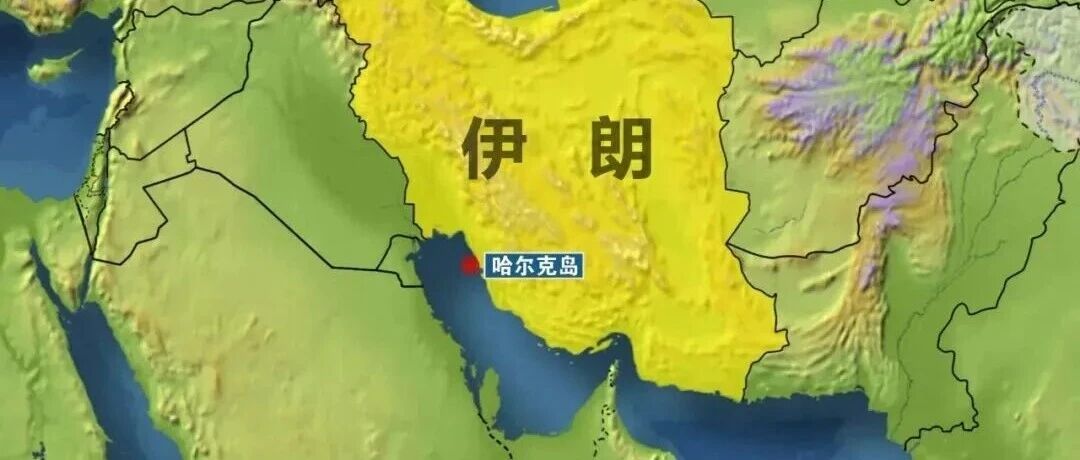
霍尔木兹海峡局势

Search documents
美军使用钻地弹!中东突变,特朗普表态!霍尔木兹海峡,再现“罗生门”?
证券时报· 2026-03-31 05:55
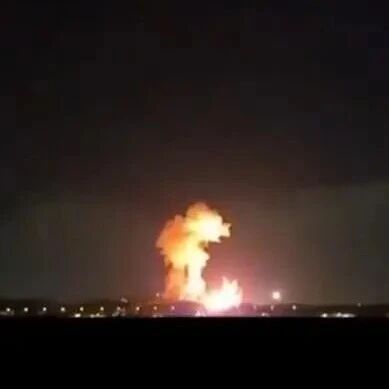
Core Viewpoint - The article discusses recent military actions by the U.S. against Iran, including the use of a 2000-pound bunker buster bomb on a large munitions depot in Isfahan, Iran, and the broader implications for U.S.-Iran relations and global oil prices [1][3][4]. Group 1: Military Actions - The U.S. military has targeted over 11,000 Iranian sites in the past month, focusing on Iran's offensive capabilities [3]. - A 2000-pound bunker buster bomb was used in an attack on a munitions depot in Isfahan, resulting in significant explosions and smoke [1]. Group 2: Diplomatic Efforts and Economic Implications - President Trump is willing to end military actions against Iran, despite the ongoing closure of the Strait of Hormuz, and aims to weaken Iran's naval and missile capabilities while using diplomatic means to restore shipping in the region [4]. - The longer the Strait of Hormuz remains closed, the greater the impact on the global economy, leading to sustained increases in oil prices [4]. Group 3: Iranian Response - Iran's parliament has established a management plan for the Strait of Hormuz, prohibiting vessels from the U.S., Israel, and countries imposing unilateral sanctions from passing through [5]. - An Iranian official stated that no vessels from hostile nations would be allowed to transport goods through the Strait without an agreement with Iran [5].

收费通过!霍尔木兹海峡,突传大消息!美国特种兵,已抵达中东!
券商中国· 2026-03-30 08:02
Core Viewpoint - The article discusses the escalating tensions in the Strait of Hormuz, highlighting Iran's plans to implement stricter access and fee regulations for vessels passing through the strait, alongside increased military presence from the U.S. [1][5] Group 1: Iran's Actions and Statements - Iranian officials are considering exiting the Non-Proliferation Treaty and plan to establish a new management system for the Strait of Hormuz, requiring vessels to obtain permission and pay fees [1] - Iran claims full control over the Strait of Hormuz and intends to model its management system after Turkey's Bosporus Strait and Egypt's Suez Canal [1] - Since March 20, Iran has reportedly not attacked any vessels, with a total of 21 confirmed incidents against ships and maritime infrastructure [2] Group 2: U.S. Military Movements - Hundreds of U.S. special forces have arrived in the Middle East, potentially to secure control over the Strait of Hormuz or to target Iran's oil export hub, Khark Island [5] - The total number of U.S. troops in the region has exceeded 50,000, with an increase of about 10,000 compared to normal deployment levels [5] - President Trump indicated that the U.S. might take control of Khark Island, asserting that Iran has no defensive capabilities [5] Group 3: Regional Security Dynamics - The maritime threat level in the Persian Gulf remains high, but recent electronic signal interference has decreased, allowing for clearer tracking of vessels [2] - Analysts suggest that the reduction in interference may be due to U.S. actions against Iran or a decrease in Iranian attacks [2] - Israeli military operations continue to target Iranian facilities, indicating ongoing regional tensions [6]

周末!霍尔木兹海峡,传来大消息!以色列,出动50余架战机!
券商中国· 2026-03-28 09:40
Core Viewpoint - The article discusses the recent developments in the Strait of Hormuz, highlighting agreements between Thailand and Iran for safe passage of oil tankers, as well as the ongoing tensions involving military actions and threats from Iran and Israel [1][2][3]. Group 1: Agreements and Developments - Thailand's Prime Minister Anutin announced an agreement with Iran allowing Thai oil tankers to safely pass through the Strait of Hormuz, aimed at addressing domestic oil price crises [2]. - Malaysia's Prime Minister Anwar stated that Iran will permit Malaysian vessels to transit the Strait, indicating a broader regional cooperation [3]. - Morgan Stanley reported an increase in vessel traffic through the Strait, with up to 12 ships passing from March 23 to 26, compared to only three ships during the previous four days [1][3]. Group 2: Military Actions and Threats - The Israeli Defense Forces conducted airstrikes on Iranian nuclear facilities and weapon bases, escalating military tensions in the region [1]. - Iran's Islamic Revolutionary Guard Corps warned that any military actions in the Strait could lead to its complete closure, emphasizing the potential for severe repercussions [6][7]. - Iran has stated that any vessels associated with U.S. and Israeli allies are prohibited from passing through the Strait, reflecting the heightened security measures in place [7]. Group 3: Energy Market Implications - The New York Times noted that while Iran has allowed a limited number of ships to pass, this will not alleviate the pressures on the shipping and energy markets in the short term [8]. - The ongoing conflict has led to a significant reduction in shipping traffic, with nearly 3,000 vessels waiting to transit the Strait, compared to approximately 120 vessels per day before the conflict [8][9]. - Analysts predict that the congestion and risks associated with shipping in the region may delay the return to pre-war shipping levels, maintaining pressure on global oil and gas markets [9][10].

刚刚,集体拉升!马来西亚,突然宣布!涉及霍尔木兹海峡
券商中国· 2026-03-27 05:31
Core Viewpoint - The recent announcement from Malaysia regarding Iran allowing its oil tankers to pass through the Strait of Hormuz alleviates concerns about potential disruptions in energy supply due to the ongoing tensions in the region [1][3]. Group 1: Market Reactions - In the past 24 hours, there has been a slight increase in the number of vessels related to Iran attempting to pass through the Strait, primarily consisting of bulk carriers and liquefied petroleum gas (LPG) transport ships [2][4]. - Major stock indices showed significant gains, with the MSCI China A50 index rising by 1.20% and the Nikkei 225 futures increasing by over 2% [2]. - A-shares and Hong Kong stocks also experienced upward movement, with the ChiNext index up by over 1% and the Hang Seng Technology Index rising by 1.38% [2]. Group 2: Developments in the Strait of Hormuz - Malaysian Prime Minister Anwar announced that Iran would allow Malaysian vessels to pass through the Strait, which is crucial for Malaysia as it relies on this route for nearly half of its oil supply despite being an oil-producing country [3]. - The Strait of Hormuz is a vital artery for global oil circulation, with approximately one-fifth of the world's oil and gas passing through it [7]. Group 3: U.S. Government Actions - U.S. Treasury Secretary Mnuchin stated that an insurance plan aimed at facilitating shipping through the Strait of Hormuz would soon be launched, potentially restoring the flow of global oil and gas supplies [6]. - The U.S. has previously announced that the International Development Finance Corporation would provide insurance guarantees to ensure the safe passage of tankers through the Strait [7]. - U.S. Secretary of State Rubio mentioned that negotiations between the U.S. and Iran have made progress, although details remain undisclosed [8].
伊朗回应特朗普开放霍尔木兹海峡“最后通牒”
财联社· 2026-03-22 11:43
Core Viewpoint - The article discusses the escalating tensions between the U.S. and Iran, particularly regarding the strategic importance of the Strait of Hormuz and the potential impact on oil prices due to military threats [1][2]. Group 1: U.S.-Iran Relations - U.S. President Trump issued an ultimatum for Iran to open the Strait of Hormuz within 48 hours, threatening military action against Iranian power plants if they do not comply [2]. - Iranian parliamentary speaker, Ghalibaf, responded by stating that any attack on Iran's infrastructure would lead to significant retaliatory actions against energy and oil facilities across the Middle East, suggesting a long-term increase in oil prices [1]. Group 2: Impact on Oil Market - The potential military actions and threats could result in irreversible damage to critical energy infrastructure in the region, which may lead to sustained increases in oil prices [1].

突然,跳水!霍尔木兹海峡,传来新消息!
券商中国· 2026-03-18 10:44
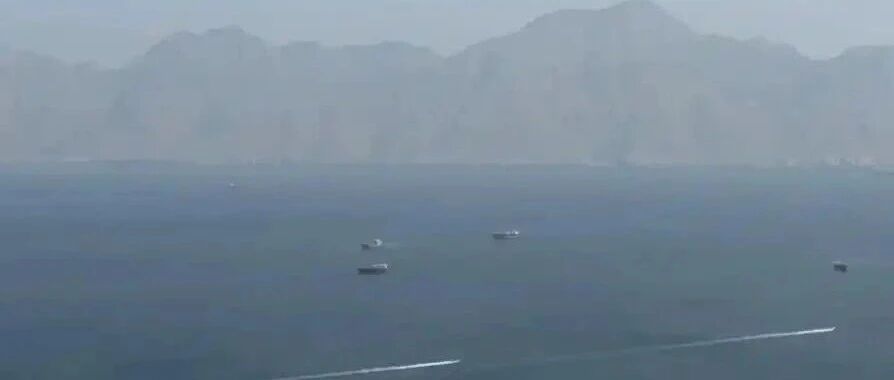
Core Viewpoint - The article discusses the significant impact of the ongoing Middle East conflict on oil prices and shipping through the Strait of Hormuz, highlighting the geopolitical tensions and their implications for global oil supply and security [1][3][4]. Group 1: Oil Price Movements - International oil prices experienced a sharp decline, with WTI crude futures dropping over 4% and Brent crude futures falling nearly 3% during Asian trading hours [1]. - As of March 18, WTI crude futures were reported at $94.1 per barrel, reflecting a daily decrease of 1.5%, while Brent crude was at $103.2 per barrel, down 0.21% [3]. Group 2: Shipping and Maritime Security - The International Maritime Organization (IMO) is holding a special council meeting in London to discuss the impact of the conflict on shipping in the Strait of Hormuz and surrounding areas [1][3]. - Shipping through the Strait of Hormuz has drastically decreased, with only an average of 2 oil tankers passing daily compared to approximately 100 before the conflict [6]. - The shipping situation is described as "controlled passage," with vessels needing to navigate through alternative routes close to the Iranian coastline due to security concerns [6]. Group 3: Geopolitical Tensions - Iran has launched missiles towards Israel in retaliation for the assassination of a senior Iranian official, escalating regional tensions [2]. - The United Nations Secretary-General is engaging in urgent discussions with European officials regarding the security of navigation in the Strait of Hormuz [3]. - Analysts suggest that the threat posed by Iran's asymmetric capabilities, including mines and drones, complicates the security of maritime routes, making them potentially "unbearable" for shipping companies [7].

霍尔木兹海峡,大消息!特朗普威胁北约盟友
证券时报· 2026-03-16 04:44
Core Viewpoint - The article discusses the geopolitical tensions surrounding the Strait of Hormuz, emphasizing the U.S. President Trump's threats to NATO allies regarding military support to ensure the strait remains open, which is crucial for global oil transportation [2][3]. Group 1: U.S. and NATO Response - President Trump warned NATO allies that failure to assist the U.S. in keeping the Strait of Hormuz open would lead to a "very bad" future for NATO [2]. - Trump urged European nations to join military actions concerning Iran, highlighting the importance of reopening the Strait of Hormuz due to rising global costs [3]. Group 2: International Reactions - The UK Prime Minister's office confirmed discussions between Prime Minister Starmer and President Trump about the Middle East situation and the significance of the Strait of Hormuz [3]. - Germany's Foreign Minister, Baerbock, stated that Germany would not participate in international military actions to protect commercial vessels in the Strait of Hormuz, emphasizing a clear stance against involvement in the conflict [3]. - Australia's Transport Minister announced that Australia would not send naval vessels to protect oil-carrying ships from Iranian attacks in the Strait of Hormuz [3].

中辉农产品观点-20260316
Zhong Hui Qi Huo· 2026-03-16 03:45
1. Report Industry Investment Rating No relevant information provided. 2. Core Views of the Report - **Short - term Bullish and Volatile**: Soybean meal, rapeseed meal, palm oil, soybean oil, and rapeseed oil are expected to have short - term bullish and volatile trends. For example, soybean meal is affected by crude oil and US biodiesel policies; rapeseed meal is influenced by low inventory and soybean meal trends; palm oil follows crude oil price increases; soybean oil benefits from international positive factors; and rapeseed oil is supported by international crude oil and ICE rapeseed futures [1][4][7][9]. - **Bullish and Volatile with Large Fluctuations**: Cotton is expected to have a bullish and volatile trend with large fluctuations. Internationally, the US cotton is affected by the US - Iran conflict but may strengthen due to production expectations and export performance. Domestically, it faces short - term callback pressure but is expected to strengthen later due to production reduction expectations and demand [1][11][12][13]. - **Under Pressure**: Red dates are under pressure. Although the trading sentiment in the Zhengzhou red date market is strengthened by external factors, the off - season supply - demand pattern restricts price increases [1][16]. - **Beware of Rebounds**: Live pigs' short - term prices are under pressure. The supply side has a large inventory and slow de - stocking, while the demand side is in the off - season. However, long - term contracts may have opportunities if they decline significantly, and attention should be paid to the impact of production reduction rumors on long - term sentiment [1][18][19]. 3. Summary by Variety Soybean Meal - **Price Changes**: The futures price of the main contract rose from 3054 yuan/ton to 3128 yuan/ton, a 2.42% increase; the national average spot price rose from 3401.14 yuan/ton to 3438.86 yuan/ton, a 1.11% increase [3]. - **Market News**: As of the week ending March 5, 2025/2026 US soybean exports and exports to China had different changes. Market rumors suggest that the US EPA will set the 2026 biomass diesel blending obligation (RVO) at 5.4 billion gallons, much higher than the 2025 mandatory blending volume of 3.35 billion gallons [4]. - **Outlook**: Short - term bullish and volatile. Pay attention to the US - Iran situation, the implementation of US biodiesel policies, and the outlook for US soybean planting areas. Be cautious when chasing long positions and manage positions and risks well [1][4]. Rapeseed Meal - **Price Changes**: The futures price of the main contract rose from 2492 yuan/ton to 2591 yuan/ton, a 3.97% increase; the national average spot price rose from 2702.63 yuan/ton to 2832.63 yuan/ton, a 4.81% increase [5]. - **Market News**: As of the week ending March 8, Canadian rapeseed exports decreased by 44.1% to 113,500 tons, and the cumulative exports from August 1, 2025, to March 8, 2026, decreased by 27.5% year - on - year. The commercial inventory was 1.4705 million tons. Domestic rapeseed will arrive in March and later, but the quantity is lower than last year [7]. - **Outlook**: Short - term bullish and volatile. Pay attention to domestic rapeseed meal inventory accumulation, crude oil trends, and soybean meal trends [1][7]. Palm Oil - **Price Changes**: The futures price of the main contract rose from 9684 yuan/ton to 9768 yuan/ton, a 0.87% increase; the national average price rose from 9753 yuan/ton to 9803 yuan/ton, a 0.51% increase [8]. - **Market News**: In 2025, Indonesia's crude palm oil production increased by 7.3% year - on - year to 51.66 million tons, and the inventory at the end of the year decreased by 25% month - on - month. In February 2026, India's palm oil imports increased by about 11% [9]. - **Outlook**: Short - term bullish, treat it as a short - term event - driven market. Pay attention to Indonesia's B50 policy, crude oil trends, and the subsequent export performance of Malaysian palm oil with high inventory [1][9]. Cotton - **Price Changes**: The main contract CF2605 decreased from 15545 yuan/ton to 15415 yuan/ton, a 0.84% decrease; the US cotton main contract rose from 65.14 cents/pound to 65.85 cents/pound, a 1.09% increase. The spot CCIndex (3218B) rose from 16848 yuan/ton to 16877 yuan/ton, a 0.17% increase [10]. - **Market News**: In the USDA's March supply - demand balance sheet, global cotton production increased by 246,000 tons, consumption decreased by 139,000 tons, and the inventory - to - consumption ratio increased by 1.15%. In China, production and consumption increased, and the monthly inventory - to - consumption ratio decreased by 1.18% [11]. - **Outlook**: The US cotton is expected to be bullish and volatile with large fluctuations in the short term. The domestic market faces short - term callback pressure but is expected to strengthen later. Pay attention to the implementation of the target price subsidy policy and import and export situations [1][11][12][13]. Red Dates - **Price Changes**: The futures price of the main contract CJ2605 rose from 9080 yuan/ton to 9095 yuan/ton, a 0.17% increase. The spot prices of various regions remained stable [14]. - **Market News**: The downstream market has started trading, and the overall spot price is stable. The inventory of 36 sample points decreased by 117 tons this week but was 805 tons higher than the same period last year. The demand is weak due to rising temperatures [16]. - **Outlook**: Under pressure. Be cautious about the rebound height and watch out for valuation retracement when the sentiment cools down [1][16]. Live Pigs - **Price Changes**: The futures price of the main contract LH2605 rose from 11130 yuan/ton to 11150 yuan/ton, a 0.18% increase; the national average slaughter price rose from 10040 yuan/ton to 10070 yuan/ton, a 0.30% increase [17]. - **Market News**: As of March 10, the overall completion of the planned slaughter of key provincial breeding enterprises was 33.00%. The number of piglets born in February increased by 43,000 to 5.7804 million. The inventory of breeding sows decreased slightly. The terminal consumption is in the off - season, and the slaughter volume and demand are limited [18]. - **Outlook**: The short - term price is under pressure. Pay attention to short - term secondary fattening entry. The long - term contract may have opportunities for phased long - position allocation if it declines significantly. Also, focus on the impact of production reduction rumors on long - term sentiment [1][18][19].
刚刚!霍尔木兹海峡,突传大消息!以色列,重磅发声!
券商中国· 2026-03-16 01:54
Core Viewpoint - The situation in the Strait of Hormuz is significantly impacting the global energy market, with rising tensions between the U.S., Israel, and Iran leading to military actions and potential disruptions in oil supply [1]. Group 1: U.S. and International Response - The U.S. government plans to announce the formation of a "protective alliance" for the Strait of Hormuz, with some countries agreeing to provide escort for vessels in this critical oil shipping route [3]. - President Trump has threatened NATO allies, stating that failure to assist the U.S. in keeping the Strait open could lead to a "very bad future" for NATO [2]. - Responses from various countries indicate a lack of public commitment to the escort call, with France explicitly stating it will not send vessels, while Japan emphasizes independent decision-making [4][5][6]. Group 2: Military Actions in the Region - Israel has expanded its military operations against Iran, targeting over 200 sites in western and central Iran, with operations expected to continue for at least three more weeks [8]. - Iran has launched its "Mudstone" ballistic missiles against Israeli targets, marking the first use of this missile type in the current conflict, which has a range exceeding 2000 kilometers [9]. - Iranian forces have reportedly destroyed over 80% of U.S. military base strategic radars and key facilities, indicating a significant escalation in military capabilities [10].

霍尔木兹海峡,突发!特朗普:发动猛烈空袭!伊朗:发射30枚超重型导弹
券商中国· 2026-03-14 01:56
Core Viewpoint - The article discusses the recent military actions taken by the U.S. against Iran, specifically targeting the oil export hub of Khark Island, and the subsequent retaliatory actions by Iran against Israel, highlighting the escalating tensions in the region. Group 1: U.S. Military Actions - On March 13, President Trump announced that the U.S. military had launched "intense airstrikes" against military targets on Khark Island, which is crucial for Iran's oil exports [1][2] - Trump claimed that the airstrikes "completely destroyed" all military targets on the island but did not damage the oil infrastructure [3] - Trump warned that if Iran or any other party interfered with the safe passage of vessels through the Strait of Hormuz, he would reconsider his decisions regarding military actions [4] Group 2: Iran's Response - Iran's Islamic Revolutionary Guard Corps (IRGC) launched a significant military operation named "Real Commitment-4," targeting specific locations in Israel with heavy ballistic missiles [10][11] - The IRGC claimed to have fired 30 heavy ballistic missiles weighing 1 to 2 tons at Israeli targets, marking one of the most intense airstrikes against Israel to date [11] - Iran's leadership has stated that they will not abandon their pursuit of revenge and will continue to use the blockade of the Strait of Hormuz as a tactic [9] Group 3: Maritime Developments - A Turkish ship named "Rozana" was granted permission by Iran to pass through the Strait of Hormuz, while 14 other Turkish vessels are waiting to cross [8][9] - The Strait of Hormuz is a critical waterway for oil exports from the Middle East, and its security is a major concern amid rising tensions [9]