预制菜产业发展

Search documents
拒餐厅“投喂”预制菜 消费者盼餐饮“于东来”
2 1 Shi Ji Jing Ji Bao Dao· 2025-09-16 00:09
Core Viewpoint - The ongoing debate surrounding pre-prepared meals (pre-cooked dishes) highlights consumer concerns about transparency and quality in the restaurant industry, with a call for industry leaders who prioritize consumer rights and operational efficiency [1] Group 1: Consumer Attitudes - Many consumers express strong opposition to being served pre-prepared meals in restaurants that offer freshly cooked dishes, indicating a desire for transparency in food sourcing [1] - A significant disparity exists in consumer acceptance of pre-prepared meals based on dining context; over 50% of consumers accept them in fast-food settings, while only 8.8% do so in high-end restaurants [8][9] - Consumers are not entirely resistant to pre-prepared meals; they prefer to choose them from retail channels rather than being served them in restaurants [9] Group 2: Industry Perspectives - Industry professionals argue that pre-prepared meals, when produced under proper standards, can enhance food safety and efficiency, countering negative perceptions [1][5] - The pre-prepared meal sector is seen as a solution to challenges faced by large-scale chain restaurants, such as high rental and labor costs [5][6] - The pre-prepared meal market in China is projected to reach 617.3 billion yuan by 2025, reflecting a 27.3% year-on-year growth [7] Group 3: Regulatory and Standardization Issues - Current regulations prohibit the use of preservatives in pre-prepared meals, ensuring their natural quality and safety through cold chain logistics [5] - There is a pressing need for clearer definitions and standards for pre-prepared meals to address consumer confusion and enhance trust [11][12] - The upcoming national standards for pre-prepared meals are expected to clarify their classification and usage in restaurants, marking a significant shift towards regulatory compliance in the industry [12] Group 4: Future Outlook - The future of the restaurant industry will likely see a coexistence of artisanal cooking and pre-prepared meal solutions, emphasizing the need for technological integration and robust regulations [13]

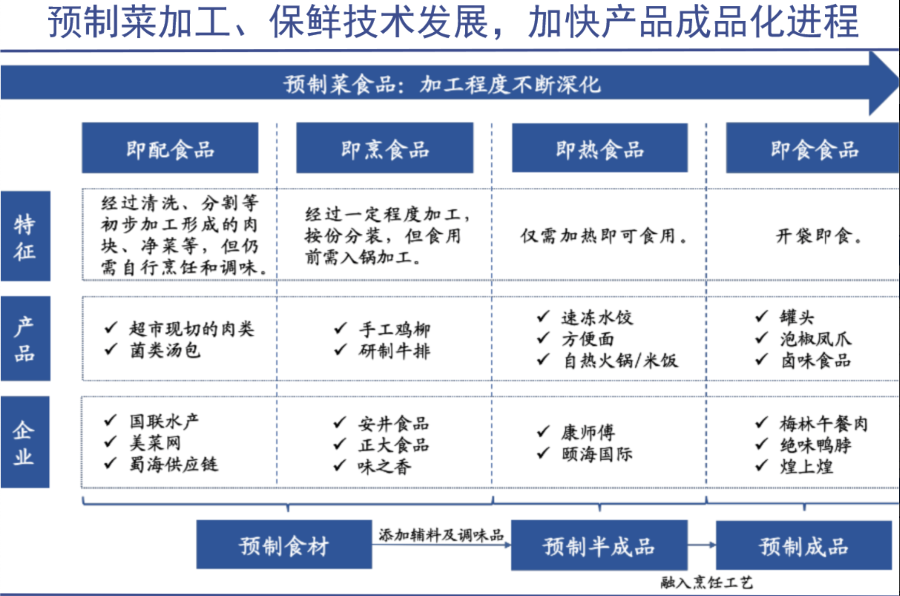
新华视点丨关于预制菜 必须厘清的几个问题
Xin Hua She· 2025-09-15 23:54
Core Viewpoint - The recent discussions surrounding pre-prepared meals (pre-cooked dishes) have gained significant attention, prompting consumers to deepen their understanding of these products and promoting food safety measures [1] Group 1: Definition and Regulation of Pre-prepared Meals - The definition of pre-prepared meals has been a focal point of debate, with a recent notification from six government departments clarifying that pre-prepared meals should not contain preservatives and do not include staple foods or ready-to-eat salads [3][4] - The notification aims to delineate pre-prepared meals from other food categories, helping to prevent market confusion and protect consumer interests [3][4] - There is a discrepancy between consumer perceptions and regulatory definitions, as many consumers equate pre-packaged and pre-processed foods with pre-prepared meals [3] Group 2: Consumer Awareness and Labeling - Consumers express a desire for transparency regarding the use of pre-prepared meals in restaurants, emphasizing the importance of informing them about the nature of the food they are consuming [4][5] - Various regions are actively exploring labeling requirements for pre-prepared meals, with regulations set to take effect in 2025 that mandate clear identification of such products [5][6] - Despite the push for transparency, many businesses are hesitant to disclose the use of pre-prepared meals due to concerns about consumer backlash [6] Group 3: Safety Concerns and Additives - There are widespread consumer concerns regarding the use of preservatives and additives in pre-prepared meals, with many believing that these products may pose health risks [7][9] - Regulatory guidelines prohibit the use of preservatives in pre-prepared meals, and proper storage techniques can mitigate the need for such additives [7][9] - The use of food additives is strictly regulated, and any deviations from these standards can lead to increased health risks [9] Group 4: Future Development of the Industry - The pre-prepared meal sector has been recognized in national policy documents, indicating a commitment to developing this industry further [10][11] - Comparisons with international markets show that pre-prepared meals have a penetration rate of over 60% in countries like the U.S. and Japan, suggesting potential for growth in China [10] - Recommendations include establishing national standards for the production and handling of pre-prepared meals, as well as encouraging technological innovations in preservation and packaging [10][12]
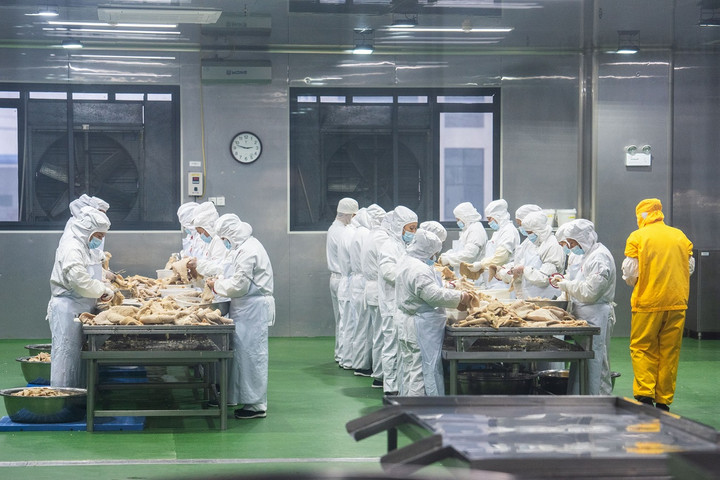
新华视点:关于预制菜,必须厘清的几个问题
Xin Hua She· 2025-09-15 13:37
Core Viewpoint - The recent discussions surrounding pre-prepared meals (pre-cooked dishes) have gained significant attention, particularly after several restaurant companies announced a shift to freshly made dishes in-store, enhancing consumer awareness and food safety [1] Group 1: Definition and Regulation of Pre-prepared Meals - The definition of pre-prepared meals has been a focal point of debate, with a recent notice from six government departments clarifying that pre-prepared meals should not contain preservatives and do not include staple foods or ready-to-eat salads [3] - The notice aims to delineate the boundaries between pre-prepared meals and other food categories, helping to prevent market confusion and protect consumer interests [3] - There is a discrepancy between consumer perceptions and regulatory definitions, as many consumers equate packaged, pre-processed foods with pre-prepared meals, which may not align with official definitions [3] Group 2: Consumer Awareness and Rights - Consumers express a desire for transparency regarding the use of pre-prepared meals in restaurants, emphasizing the importance of knowing the true nature of the food they consume [4] - Various regions are actively exploring ways to promote the clear labeling of pre-prepared meals, with regulations set to take effect in 2025 requiring explicit identification of such products [5] - Despite the push for transparency, many businesses are hesitant to disclose the use of pre-prepared meals due to concerns about consumer backlash [6] Group 3: Safety and Quality Concerns - There are widespread consumer concerns regarding the use of preservatives and additives in pre-prepared meals, with many believing that these products may pose health risks [7] - Regulatory frameworks dictate that pre-prepared meals cannot contain preservatives, and proper storage and handling techniques can mitigate safety concerns [7] - The safety of pre-prepared meals is compared to freshly cooked dishes, with both having potential risks depending on preparation methods and ingredient quality [8] Group 4: Future Development of the Industry - The inclusion of pre-prepared meals in national policy documents indicates a growing recognition of their potential within the food industry, with calls for standardized regulations to ensure safety and quality [8][9] - The industry is encouraged to innovate in areas such as freezing, vacuum packaging, and cold chain logistics to enhance the quality of pre-prepared meals [8] - Ongoing efforts to establish clearer industry standards and improve regulatory oversight are essential for the sustainable development of the pre-prepared meal sector [9]
关于预制菜,必须厘清的几个问题
Xin Hua She· 2025-09-15 13:30
Core Viewpoint - The recent discussions surrounding pre-prepared meals (pre-cooked dishes) have gained significant attention, leading to some restaurants announcing a shift to freshly made dishes in-store, which enhances consumer awareness and food safety [1] Group 1: Definition and Regulation of Pre-prepared Meals - The definition of pre-prepared meals has been a focal point of debate, with a recent notice from six government departments clarifying that pre-prepared meals should not contain preservatives and do not include staple foods or ready-to-eat salads [3] - The notice aims to delineate the boundaries between pre-prepared meals and other food categories, helping to prevent market confusion and protect consumer interests [3] - There is a discrepancy between consumer perceptions and regulatory definitions, as many consumers equate packaged and pre-processed foods with pre-prepared meals [3] Group 2: Consumer Awareness and Rights - Consumers express a desire for transparency regarding the use of pre-prepared meals in restaurants, emphasizing the importance of being informed about the nature of the food they consume [4] - Various regions are actively exploring ways to promote the clear labeling of pre-prepared meals, with specific regulations set to take effect in 2025 [5] - Despite the push for transparency, many businesses are hesitant to disclose the use of pre-prepared meals due to concerns about consumer backlash [6] Group 3: Safety and Quality Concerns - There are widespread concerns among consumers regarding the use of preservatives and additives in pre-prepared meals, although regulations prohibit the use of preservatives in these products [7] - The production of pre-prepared meals involves strict food safety requirements, and reputable companies typically adhere to regulations regarding food additives [7] - The safety of pre-prepared meals is compared to freshly cooked dishes, with both having potential risks depending on preparation methods and ingredient quality [8] Group 4: Future Development of the Industry - The pre-prepared meal industry has been recognized in national policy, with calls for its development and regulation to ensure quality and safety [8] - There is a need for unified national standards to guide the production, transportation, and handling of pre-prepared meals, which would enhance industry practices [8] - The industry is encouraged to innovate in preservation and packaging technologies to improve the quality of pre-prepared meals [8] Group 5: Regulatory and Industry Support - The National Health Commission is set to solicit public opinions on national standards for pre-prepared meals, aiming to establish clearer operational guidelines [9] - Regulatory bodies are committed to enforcing food safety responsibilities among businesses and conducting regular inspections to ensure compliance [9] - Industry associations are urged to promote scientific understanding of pre-prepared meals among consumers to foster informed choices and market growth [9]
河南一地预制菜园区加速改名
第一财经· 2025-09-15 09:17
Core Viewpoint - The pre-prepared food industry, once thriving, is experiencing a resurgence in public interest due to ongoing disputes and developments, despite a shift in local government focus towards "green food" instead of pre-prepared meals [3][9]. Industry Development - The pre-prepared food industry in a certain agricultural county has achieved a revenue of 20 billion yuan in 2024, ranking fourth nationally and first in Central China according to the 2024 Pre-prepared Food Industry Top 100 Base list [4]. - The local government is investing 20 billion yuan to build a pre-prepared food innovation demonstration industrial park covering 8,650 acres, aiming to integrate various industry chains [5]. - In the first half of the year, multiple government officials visited the area to assess the pre-prepared food industry, indicating strong governmental interest [7]. Market Dynamics - Despite the investment and government interest, there is a notable decline in the public's enthusiasm for pre-prepared food, with local officials now promoting "green food" instead [9]. - The local pre-prepared food enterprises have shifted their focus from direct consumer sales (C-end) to business-to-business (B-end) sales, targeting large clients such as restaurants and bulk buyers [12]. - Previous sales successes in pre-prepared food have diminished, with companies reporting significant layoffs in their e-commerce departments due to declining market demand [12]. Challenges Faced - The decline in the pre-prepared food market is attributed to food quality and hygiene issues reported in schools using these products, as well as controversies surrounding certain pre-prepared dishes [12].
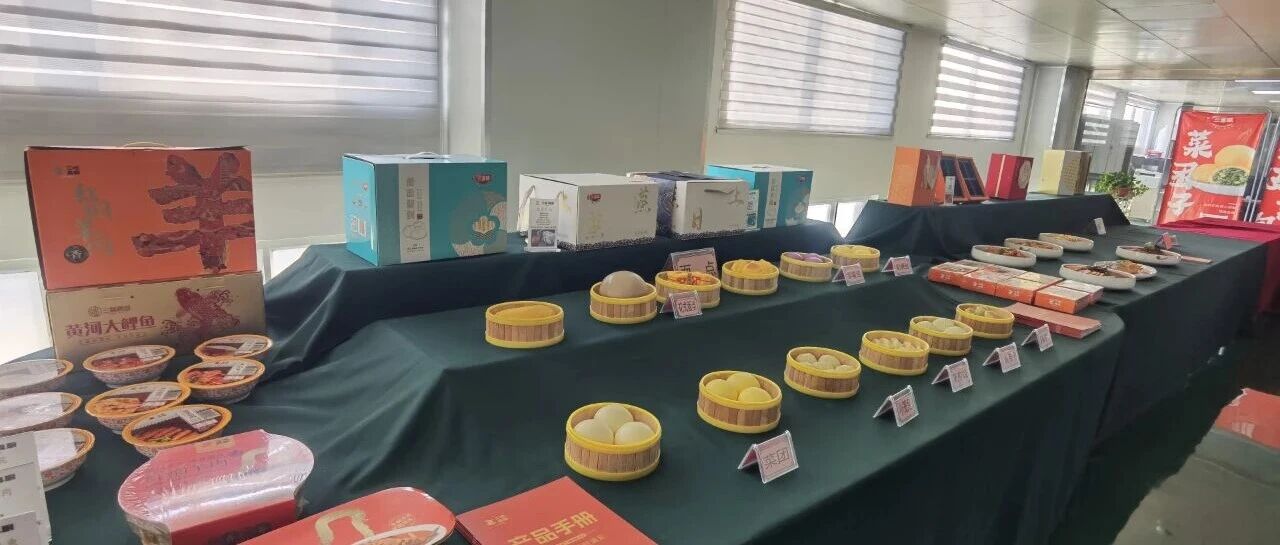
刚刚,西贝致歉!A股“预制菜”集体大涨!人民日报、新华社、央视集体发文
天天基金网· 2025-09-15 06:23
Core Viewpoint - The article discusses the recent surge in the pre-prepared food (pre-cooked meals) sector in the A-share market, driven by public discourse and controversies surrounding the industry, particularly involving the West Be restaurant chain and influencer Luo Yonghao [3][4][14]. Group 1: Market Activity - On September 15, several pre-prepared food stocks experienced significant movements, with Delisi hitting the daily limit, and Huifa Foods and Sanjiang Shopping also seeing sharp increases [3][4]. - The pre-prepared food industry is witnessing a high growth trend, with a reported CAGR of 19% from 2019 to 2022, and projected revenue reaching 475.7 billion yuan by 2025 [17]. Group 2: Industry Controversy - The controversy began with Luo Yonghao criticizing West Be's pre-prepared meals, leading to a public debate that attracted attention from major media outlets like People's Daily and Xinhua News [3][14][15]. - West Be issued an apology, acknowledging discrepancies between their production methods and customer expectations, and announced plans to adjust their cooking processes to enhance customer experience [5][6][7][8][9][10][11][12][13]. Group 3: Regulatory and Industry Insights - Major media outlets emphasized the need for transparency and consumer trust in the pre-prepared food sector, highlighting the importance of clear standards and regulations [14][15][16]. - The article notes that the pre-prepared food industry is an essential part of the food industry, and its healthy development is crucial to meet the diverse needs of consumers [16]. Group 4: Future Outlook - Experts suggest that the future of the pre-prepared food industry lies in standardization, transparency, and innovation, with calls for national standards to guide production and processing [16][17]. - The current penetration rate of pre-prepared meals in China is between 10% and 15%, significantly lower than the 60% seen in mature markets, indicating substantial growth potential [17].


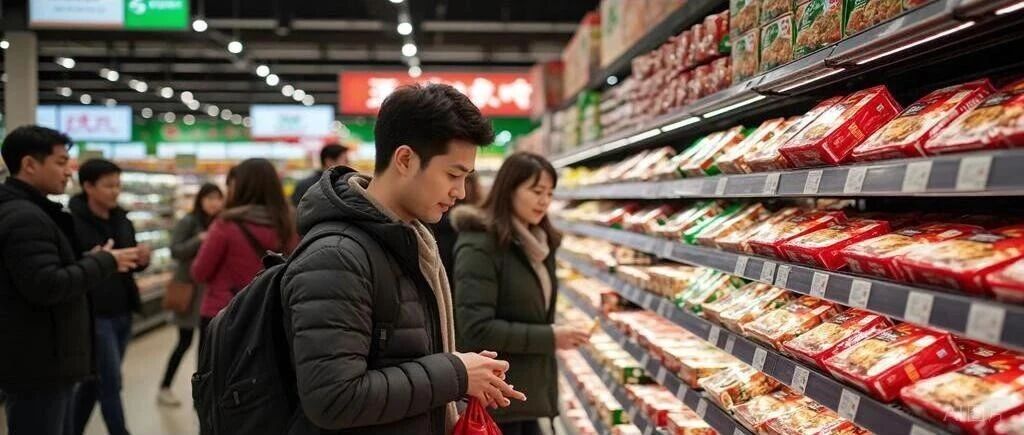
预制连锁餐饮没有未来
Hu Xiu· 2025-09-15 04:42
Core Viewpoint - The article discusses the implications of the pre-prepared food industry and its relationship with chain restaurants, highlighting concerns about food quality, pricing, and the future of traditional dining experiences. Group 1: Industry Dynamics - The pre-prepared food industry and chain restaurants are interdependent, suggesting a potential for a bright future if managed well [8] - Many suppliers for chain restaurants are also involved in the pre-prepared food sector, indicating a lack of diversity in food sources [2][3] Group 2: Consumer Concerns - There are significant concerns regarding food freshness and hygiene standards in the pre-prepared food industry, emphasizing the need for transparency about ingredient sources and preparation methods [9][10] - The pricing of pre-prepared meals should be standardized across different outlets to avoid consumer confusion and dissatisfaction [10] Group 3: Advertising and Marketing - The article criticizes the use of gourmet food advertising by pre-prepared food providers, arguing that it misrepresents the actual quality of the food [11] - There is a call for the industry to respect traditional dining experiences and allow space for small, local restaurants to thrive [12] Group 4: Regulatory and Operational Suggestions - The article suggests implementing more surveillance and transparency in food preparation processes to build consumer trust [15] - It argues that the perception of large cities being limited to pre-prepared food is misleading, advocating for a return to traditional dining experiences [18]
预制菜大讨论
3 6 Ke· 2025-09-15 04:09
Core Viewpoint - The dispute between Luo Yonghao and Xibei has escalated into a broader societal discussion regarding the acceptance of pre-prepared dishes in the restaurant industry, highlighting differing perspectives between consumers and the business community [3][22]. Group 1: Industry Standards - Xibei's founder, Jia Guolong, claimed that the restaurant does not use pre-prepared dishes according to national regulations, which define pre-prepared dishes differently from consumer perceptions [1][6]. - The definition of pre-prepared dishes in China has evolved, with the China Cuisine Association categorizing them into four types in 2022, reflecting a lack of strict regulation prior to this [5][6]. - The 2023 central government document emphasizes the development of the pre-prepared dish industry as a key initiative for rural revitalization and agricultural modernization [6][8]. Group 2: Consumer Perception - Consumers are increasingly skeptical about pre-prepared dishes, particularly regarding the use of preservatives and long shelf lives, which they associate with lower quality [8][11]. - The lack of transparency from restaurants regarding the use of pre-prepared dishes can lead to consumer distrust, especially when dishes are marketed as freshly made [18][19]. Group 3: Technological Aspects - Current technology allows for long shelf lives without preservatives through methods like high-temperature sterilization and rapid freezing, but these methods require significant cold chain logistics [11][15]. - Japan's pre-prepared dish industry serves as a model, having established a robust cold chain logistics system and focusing on minimizing the negative impacts of processing on nutrition and flavor [12][15]. Group 4: Business Model Implications - The shift towards pre-prepared dishes represents a fundamental change in the restaurant business model, prioritizing supply chain efficiency and operational replicability over traditional culinary skills [19][22]. - The rise of pre-prepared dishes may threaten traditional restaurant jobs and entrepreneurship, raising concerns about the future of employment in the industry [23].

法规持续完善方能保障预制菜行业健康发展
Di Yi Cai Jing· 2025-09-15 00:49
Core Viewpoint - The controversy surrounding pre-prepared meals (pre-made dishes) highlights a lack of unified understanding and standards within the industry, which could hinder its healthy development [2][4]. Industry Development - The pre-prepared meal industry has significant growth potential, as emphasized in the 2023 Central Document No. 1, which aims to enhance the standardization and regulation of this sector [4]. - The global pre-prepared meal market is substantial, with the U.S. market projected to reach $47.56 billion by 2024, making it the second-largest globally. Japan's market is also notable, with a scale exceeding 10 trillion yen in the same year [4]. - China currently has the largest pre-prepared meal market, which, despite its late start compared to more mature international markets, is expected to grow rapidly, with projections of surpassing 800 billion yuan by 2025 and reaching approximately 1.5 trillion yuan by 2030 [4]. Issues and Challenges - The development of the pre-prepared meal industry has raised public concerns and controversies, which are considered normal. However, any misleading information or practices that compromise food safety are unacceptable [5][6]. - The recent discussions have led to a consensus that pre-prepared meals should neither be demonized nor overly westernized, and public figures should be cautious with their influence [5]. Regulatory Framework - There is a pressing need to improve standards and regulations to address the controversies surrounding pre-prepared meals. The National Market Supervision Administration and other departments are working on establishing a national food safety standard for pre-prepared meals [7][8]. - The revised Food Safety Law, effective December 1, will focus on specific regulatory aspects, including the transportation of liquid foods, which can also serve as a basis for enhancing regulations related to pre-prepared meals [7][8]. Regulatory Enforcement - The recent notification emphasizes the importance of inspecting the quality and safety measures in the production and distribution of pre-prepared meals, as well as ensuring transparency for consumers regarding their choices [8]. - Addressing these regulatory aspects is crucial for alleviating public concerns and disputes regarding pre-prepared meals [8].

法规持续完善方能保障预制菜行业健康发展
第一财经· 2025-09-15 00:45
Core Viewpoint - The article discusses the ongoing debate surrounding the pre-prepared food industry, highlighting the lack of unified understanding and standards, which hinders healthy development of the industry [2][4][9]. Group 1: Industry Development - The pre-prepared food industry has significant growth potential, as emphasized in the 2023 Central Document No. 1, which aims to enhance the standardization and regulation of the industry [4]. - The global pre-prepared food market is substantial, with the U.S. market projected to reach $47.56 billion by 2024, making it the second-largest globally. Japan's market is also notable, with a scale exceeding 10 trillion yen and 24% of working adults relying on pre-prepared foods [5]. - China's pre-prepared food industry, despite starting later than its international counterparts, is rapidly expanding, with projections indicating a market size exceeding 800 billion yuan by 2025 and potentially reaching 1.5 trillion yuan by 2030 [5]. Group 2: Regulatory and Standardization Issues - There is a pressing need to improve standards and regulations to address the controversies surrounding pre-prepared foods. The National Market Supervision Administration and other departments are working on establishing national safety standards for pre-prepared foods [7]. - The revised Food Safety Law, effective December 1, 2023, will focus on specific regulatory aspects, including the transportation of liquid foods, which can serve as a critical point for enhancing regulations in the pre-prepared food sector [7]. - Strengthening oversight is essential to ensure compliance with existing regulations, particularly in areas such as quality control during production and transportation, as well as ensuring consumer rights to information and choice [8].