IEEPA

Search documents
21深度|特朗普关税战被裁定“越权”背后:三大关键悬念待解
2 1 Shi Ji Jing Ji Bao Dao· 2025-05-29 13:34
Core Viewpoint - The U.S. International Trade Court ruled against President Trump's tariff policy, stating that he overstepped his authority by imposing tariffs on countries with trade surpluses with the U.S. This ruling challenges the legality of the tariffs and emphasizes the constitutional power of Congress in regulating trade [1][2][3]. Group 1: Legal Challenge and Court Ruling - The U.S. International Trade Court's ruling on May 28, 2023, blocked Trump's tariff policy, asserting that the President does not have the authority to impose broad tariffs without Congressional approval [2][3]. - The lawsuit was initiated by a coalition of 12 states, arguing that Trump's tariff policy was an unlawful exercise of power [2]. - The court's decision undermines Trump's use of the International Emergency Economic Powers Act (IEEPA) as a legal basis for imposing tariffs, which could lead to the cancellation of tariffs imposed under this act [2][3]. Group 2: Implications for Trade Policy - The ruling is expected to significantly impact the Trump administration's trade agenda, potentially limiting its ability to use tariffs as a tool for trade protectionism [3][6]. - The decision may embolden other countries in their negotiations with the U.S., as it strengthens their position against U.S. trade pressures [3][9]. - The ruling could lead to a reassessment of U.S. trade policies, as domestic pressures from affected industries and political divisions grow [9][10]. Group 3: Market Reactions - Following the court's decision, there was a notable market reaction, with the S&P 500 and Nasdaq futures rising over 1%, indicating optimism regarding a potential easing of trade tensions [7][8]. - The ruling is likely to influence sectors such as technology and industrials, which may see gains, while defense and domestic steel industries could experience pullbacks [8]. - The overall market sentiment reflects a belief that the tariff policies may become more moderate in the future, despite ongoing uncertainties [9].
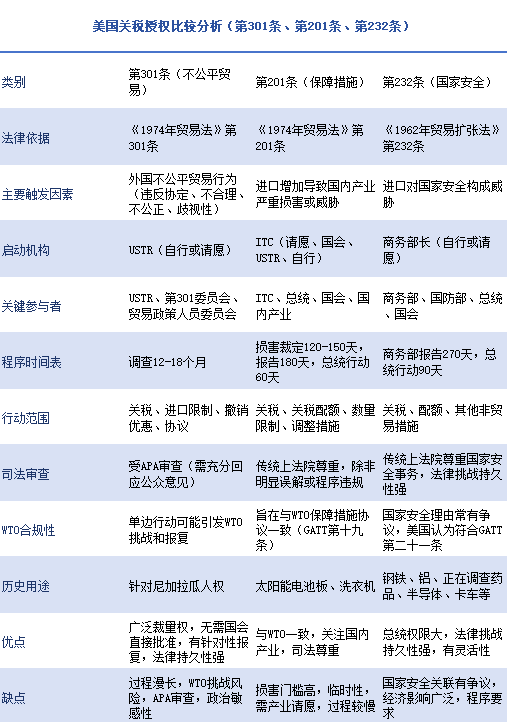
如何看待美国法院裁定特朗普关税违法?——关税“压力测试”系列之十(申万宏观·赵伟团队)
申万宏源宏观· 2025-05-29 13:06
Core Viewpoint - The U.S. International Trade Court ruled on May 29 that President Trump's imposition of tariffs under the International Emergency Economic Powers Act (IEEPA) was illegal, challenging the legitimacy of the U.S. trade war and potentially leading to significant changes in trade policy [2][24]. Summary by Sections Current Status of the U.S. International Trade Court Ruling - The court found that the President lacked the authority to unilaterally impose tariffs on all imported goods under IEEPA, infringing on Congress's constitutional trade legislative powers [2][25]. - A permanent injunction was issued against the Customs and Border Protection (CBP) to cease the collection of tariffs imposed under IEEPA, effective within 10 days unless a stay is granted by a higher court [2][25]. Who Are the Plaintiffs? - The ruling was a result of a combined lawsuit from 12 Democratic state attorneys general and five importers represented by a nonprofit organization [3][26]. - The court's reasoning included that Trump's tariffs exceeded the authority granted by IEEPA and lacked a reasonable connection to the issues of fentanyl and immigration [3][26]. Which Tariffs May Become Invalid? - Tariffs related to fentanyl and those imposed on Mexico and Canada, as well as a global 10% baseline tariff, are likely to be affected [4][27]. - However, tariffs from Trump's earlier policies, such as the Section 301 tariffs on China, remain in effect, with potential reductions to around 12% [4][27]. Impact of the Ruling and Trump's Possible Responses - Trump has appealed the ruling and may seek a stay from the Federal Circuit Court, with the appeal process potentially lasting 6 to 18 months [5][28]. - The administration still has other tools available, such as Sections 301, 232, and 122, to impose tariffs, although these come with more constraints compared to IEEPA [5][28]. Historical Context and Market Reaction - Historically, major trade wars initiated by Republican presidents have ended in three ways: domestic opposition leading to electoral defeat, achieving specific trade goals, or WTO rulings against the U.S. [6][29]. - Following the court's decision, risk assets surged while safe-haven assets declined, with the S&P 500 rising by 1.2% and the 10-year Treasury yield increasing by 3.2 basis points [6][29].


如果对等关税被叫停,特朗普还能怎么加关税?
Hua Er Jie Jian Wen· 2025-05-29 08:08
Core Viewpoint - The U.S. International Trade Court has halted President Trump's tariff policy, which may lead to the administration exploring alternative legal avenues to impose tariffs [1][2]. Group 1: Court Ruling and Government Response - The U.S. International Trade Court ruled against Trump's tariff policy, stating that he overstepped his authority by imposing comprehensive tariffs on countries with trade surpluses with the U.S. [1] - Goldman Sachs described the court's decision as a "Nothingburger," suggesting that the Trump administration may utilize Section 122 of the Trade Act to impose tariffs while seeking time for further investigations under Section 301 [2][3]. Group 2: Alternative Legal Provisions - The Trump administration has several alternative legal provisions to impose tariffs, including Sections 122, 301, 338, and 232 of various trade laws [5][6]. - Section 122 allows for a rapid imposition of tariffs up to 15% without lengthy procedures, but it has a maximum duration of 150 days [6]. - Section 301 is a powerful tool that permits the U.S. Trade Representative to investigate unfair trade practices and impose unlimited tariffs, although investigations can take 12-18 months [7]. - Section 232 grants the president broad authority to impose tariffs on imports based on national security concerns, which has been upheld in legal challenges [8]. Group 3: Implications of the Court Ruling - The court ruling signifies a structural shift in U.S. tariff policy from unilateral executive action to a more bureaucratic and transparent process, increasing the time required for tariff actions [10]. - The loss of the IEEPA as a "tariff nuclear button" diminishes Trump's unilateral influence in trade negotiations, shifting focus to specific industries or unfair trade practices rather than broad tariffs [11]. - The ruling establishes a precedent that the executive branch cannot impose tariffs arbitrarily and must adhere to established legal procedures involving public input and congressional oversight [12].