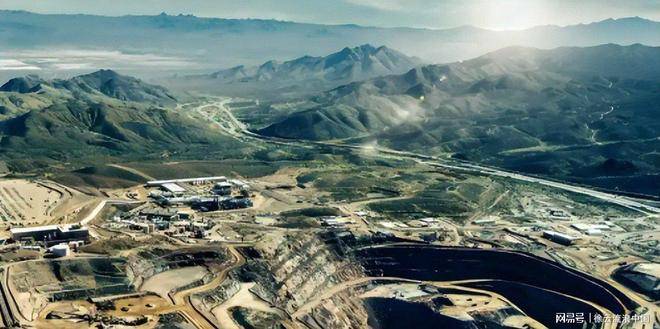
稀土出口管制

Search documents
特朗普顶不住了!将降对华关税,以此换取稀土和恢复采购美国大豆
Sou Hu Cai Jing· 2025-10-20 16:20
Group 1 - The U.S. President Trump indicated a potential reduction in tariffs on Chinese goods while seeking changes in China's stance on rare earth metals and the resumption of U.S. soybean purchases [1] - Starting November 1, the U.S. will impose a 100% tariff on products from China, which could significantly impact the U.S. military-industrial complex due to reliance on rare earth metals [3] - China has ceased importing soybeans from the U.S. since September, marking the first time in seven years that imports have dropped to zero, which poses a significant threat to American soybean farmers [3] Group 2 - The imposition of tariffs by Trump appears to lack prior effect assessment, and while other countries may hesitate to retaliate, China possesses the capability to respond effectively [3] - The situation could lead to a substantial political impact for Trump, especially with upcoming midterm elections, as the loss of soybean exports could alienate Republican voters [3]

刚上市又砸8.5亿扩产!天和磁材产销量下滑,新增产能消化存疑
Sou Hu Cai Jing· 2025-10-20 12:11
Core Viewpoint - Tianhe Magnetic Materials (603072.SH) is planning a significant investment in a high-performance rare earth permanent magnet project, with a total investment of approximately 850 million yuan, in response to the increasing demand for high-performance materials and the new export control situation in the rare earth industry [2][3]. Investment Plans - The project will be constructed in two phases, with the first phase requiring an investment of 210 million yuan, focusing on the necessary facilities and equipment for high-performance rare earth permanent magnets [3]. - The project site covers approximately 67 acres and is expected to take 18 months to complete, from March 2026 to August 2027 [3]. - The project aligns with national industrial policies and aims to enhance the company's market competitiveness and overall profitability [3]. Financial Performance - Despite the planned expansion, Tianhe Magnetic's performance has been underwhelming compared to peers, with a notable decline in production and sales in the first half of the year [2][10]. - The company reported a revenue of 940 million yuan and a net profit of 53.45 million yuan for the first half of 2025, reflecting a year-on-year decline of 25.80% and 18.48%, respectively [10][14]. - The company's cash flow remains stable, with 682 million yuan in cash and a debt ratio of 35.43% as of June 30, 2025 [5]. Market Context - The rare earth industry is experiencing increased demand due to new applications such as humanoid robots, which are expected to drive future growth in the sector [10][13]. - The company has faced challenges due to export control policies, which have impacted its international sales, but it is actively working to regain market share [13][14]. - The overall market for rare earth permanent magnets is anticipated to improve, driven by domestic and international demand [2][10].
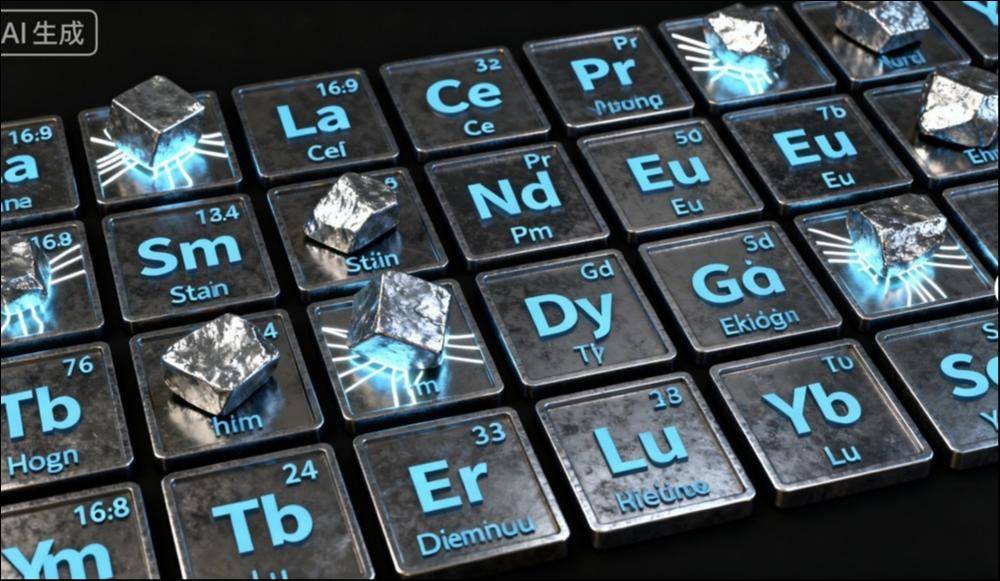
9月数据降了,“西方不习惯被中国拿捏,但得适应”
Guan Cha Zhe Wang· 2025-10-20 08:24
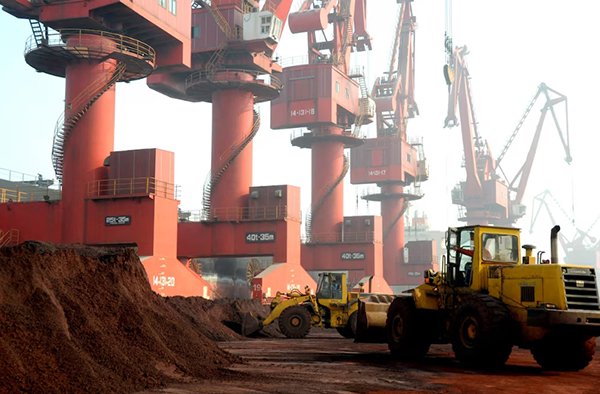
数据显示,今年9月份,中国对美国的稀土磁铁出口环比下降28.7%,而对越南的出口增长57.5%。 此外,荷兰稀土磁铁加工量较8月份增长109%,但该数据受鹿特丹港这一欧洲重要中转枢纽的影响较 大。 【文/观察者网 熊超然】据海关总署10月20日公布的数据显示,今年9月份,中国稀土磁铁的出口量较8 月份下降了6.1%,为5774吨,结束了此前连续三个月的增长势头。 路透社当天援引经济学人智库(EIU)高级分析师李子谦(Chim Lee)认为,中国稀土磁铁出口的大幅 波动表明,中方知道自己在国际贸易谈判中握有关键牌。"中国对稀土实施出口管制的能力,是一种极 其强大的手段。"咨询机构欧亚集团(Eurasia Group)的中国区主管王单则这样表示。 王单补充称,西方国家不习惯遵守"另一边"(the other side)国家对关键资源的控制,而"全世界必须适 应中国的管理模式"。 云港等待出口的稀土 路透社 资料图:江苏连 据报道,中国今年9月份的稀土磁铁出口量,从8月份的6146吨(七个月以来的高点)降至5774吨。报道 认为,目前中方施行的稀土出口审查力度,与今年4月贸易战爆发之初最激烈的时期相似。 而若按年计 ...
“欧企只按季度计划,中国却着眼二十年规划,今天看到的就是这种战略的成果”
Guan Cha Zhe Wang· 2025-10-20 03:59
Core Insights - China's recent export restrictions on rare earths have caught Western countries off guard, prompting European companies to reflect on their strategic planning compared to China's long-term approach [1][3][5] - China controls approximately 69% of the global rare earth mining market and about 99% of the processing market, making foreign companies increasingly dependent on Chinese supplies [1][4] - The tightening of export controls has led to significant price increases, with some products experiencing price hikes of up to 200%, raising concerns about supply stability for German industries [3][4] Group 1: Market Dynamics - Rare earths are essential for the production of high-tech products such as smartphones, wind turbines, and electric vehicles [1][4] - Despite having around 470 rare earth deposits globally, Western countries remain heavily reliant on China due to its largest reserves and production capabilities [4][5] - The German economy is particularly affected, as the tightening of Chinese export controls has made it difficult for German companies to secure rare earth imports, leading to rising prices and potential production disruptions [1][3] Group 2: Strategic Implications - European companies are recognizing the need for long-term strategic planning similar to China's, as they have historically operated on shorter quarterly planning cycles [1][3] - The opportunity to find alternative suppliers or establish independent supply chains has largely been missed, leaving European industries vulnerable [3][4] - The U.S. has also been slow to respond to its dependence on Chinese rare earths, with past awareness of risks not translating into effective policy or investment in domestic production [5][6] Group 3: International Response - In light of China's export restrictions, Western officials, including those from the G7, are considering coordinated measures to address the impact on global supply chains [5][6] - China's government has stated that its export control measures are in line with international norms and aimed at maintaining global supply chain stability [6]
沪铜周报:沪铜周报中美关税扰动,铜高位调整-20251020
Zhong Hui Qi Huo· 2025-10-20 02:51
Report Industry Investment Rating - Not provided in the document Core Viewpoints of the Report - Amid Sino-US tariff disruptions, copper prices are undergoing a high-level adjustment. It is recommended to set trailing stops for existing long positions. In the long term, copper is still favored due to its status as a strategic resource in the Sino-US game and a substitute for precious metals, along with tight copper concentrate supply and surging green copper demand [6][7][84] Summary by Relevant Catalogs Viewpoint Summary - The core view is that Sino-US tariff disruptions lead to a high-level adjustment of copper prices. It is advised to set trailing stops for long positions, and copper is still promising in the long run. The operation strategy is to hold long positions cautiously, avoid blind chasing, and set trailing stops. New long positions should wait for the price to stabilize after a pullback. Production enterprises can consider selling hedges at high prices (around 86,000 - 87,000), while processing enterprises should wait for price pullbacks to buy hedges [6][7][84] Macroeconomic Analysis - **Sino-US Trade Tensions**: Trump's tariff threats show a "TACO" pattern. China has implemented countermeasures such as rare earth export controls, special port fees on US-related ships, anti-monopoly investigations, and adding some US enterprises to the unreliable entity list. The S&P 500 Volatility Index (VIX) rose slightly, and the market should be wary of further market fluctuations caused by Trump's inconsistent stance. The US Treasury Secretary mentioned that if China stops strict rare earth export controls, the US may extend the three-month exemption period for additional tariffs on China [12][15][84] - **Federal Reserve's Stance**: Fed Chairman Powell signaled a dovish stance, hinting at an early end to balance sheet reduction, which strengthened market expectations of a 25-basis-point interest rate cut in October. However, there are differences among Fed officials regarding the pace of interest rate cuts [18] - **China's Macroeconomic Data**: In September, China's manufacturing PMI improved, CPI decline narrowed, PPI decline also narrowed, and export data exceeded expectations. The growth rate of social financing stock slowed down, and new RMB loans decreased year-on-year [21] Supply and Demand Analysis - **Supply Side** - **Copper Concentrate**: Disruptions in major copper mines such as Indonesia's Grasbreg, Congo's Kamoa-Kakula, and Chile's El Teniente have tightened global copper supply. In 2025, the output of global mainstream copper mining enterprises is expected to be revised down to 1.22 billion tons, a year-on-year decrease of 3.18%. The import of copper concentrate increased in August, and the port inventory increased slightly. The copper concentrate TC is at a historically low level, and the smelting processing fee is deeply inverted [47] - **Scrap Copper**: Supply is tight due to restrictions on European high-quality scrap copper exports, Sino-US tariff frictions, and domestic policy adjustments. The refined-scrap copper price spread has narrowed [52] - **Refined Copper**: In September, China's electrolytic copper production decreased significantly. In October, due to smelter maintenance, production is expected to continue to decline. Overseas, smelters are facing a survival crisis due to low TC/RCs. The import of refined copper showed mixed trends [57] - **Demand Side** - **Downstream Enterprises**: High copper prices have suppressed demand, and downstream enterprises are adopting a wait-and-see attitude and making purchases only for essential needs. However, the operating rates of some downstream processing enterprises rebounded slightly in September [63] - **End-User Industries**: Power and new energy vehicle sectors show strong demand. In the first eight months, power grid investment increased, and new photovoltaic installations were prominent. In September, automobile production and sales reached record highs. The home appliance industry is expected to have a front-loaded strong performance followed by a weaker second half, and the real estate market is still at the bottom [69] Summary and Outlook - In the short term, due to Sino-US tariff disruptions and profit-taking by long positions, copper prices have adjusted at a high level. It is recommended to set trailing stops for existing long positions and wait for price pullbacks to enter the market. Attention should be paid to the support level of 80,000 - 82,000. Unless Sino-US relations deteriorate rapidly, the probability of a deep adjustment in copper prices is low. In the long term, copper is favored as a strategic resource and a substitute for precious metals, along with tight copper concentrate supply and surging green copper demand. The price range for Shanghai copper is expected to be between 80,000 and 88,000, and for LME copper, between $10,000 and $11,000 per ton [7][84]
稀土战略地位进一步强化,稀土ETF嘉实(516150)连续6天净流入,成分股大洋电机10cm涨停
Sou Hu Cai Jing· 2025-10-20 02:50
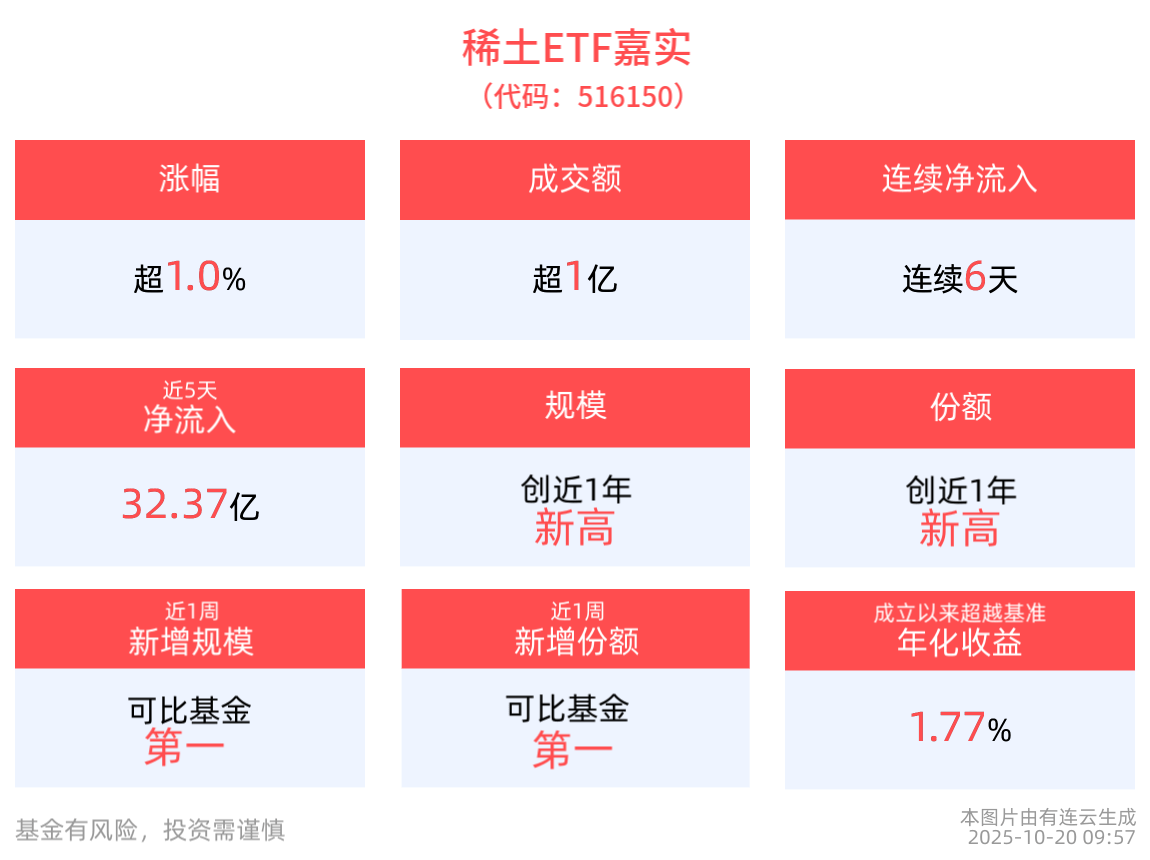
Group 1 - The liquidity of the rare earth ETF managed by Jiashi has a turnover rate of 1.54% and a transaction volume of 1.65 billion yuan [3] - The latest scale of the Jiashi rare earth ETF reached 107.14 billion yuan, marking a new high since its establishment and ranking first among comparable funds [3] - The Jiashi rare earth ETF has seen continuous net inflows over the past six days, with a maximum single-day net inflow of 1.184 billion yuan, totaling 3.328 billion yuan [3] Group 2 - As of October 17, the Jiashi rare earth ETF has increased by 93.31% in net value over the past year, ranking 4th out of 3069 index equity funds, placing it in the top 0.13% [3] - The highest monthly return since the establishment of the Jiashi rare earth ETF was 41.25%, with the longest consecutive monthly increase being 4 months and the longest cumulative increase being 83.89% [3] - The average return rate during the months of increase is 10.78% [3] Group 3 - The top ten weighted stocks in the Zhongzheng Rare Earth Industry Index account for 61.96% of the total, including Northern Rare Earth, Wolong Electric Drive, Lingyi Zhi Zao, China Rare Earth, Shenghe Resources, Greeenmei, Goldwind Technology, Baotou Steel, Xiamen Tungsten, and China Aluminum [3] - The Ministry of Commerce has issued four documents to strengthen rare earth export controls, adding five categories of medium and heavy rare earth export controls and regulating the export of equipment, technology, and raw materials across the entire industry chain [4] - The upgrade of rare earth export controls is expected to enhance the global competitive advantage of China's electric motor industry, as China holds 69% of the global smelting and separation capacity and over 90% of the precision processing capacity [4]

有色及贵金属周报合集-20251019
Guo Tai Jun An Qi Huo· 2025-10-19 11:51
Report Industry Investment Rating There is no information provided in the content about the report industry investment rating. Core Viewpoints - The copper market is in a state of caution due to the game between supply constraints and trade uncertainties. Macro risks have eased, and the supply shortage logic persists, providing long - term opportunities for bulls. Attention should be paid to the development of trade frictions. [6][10] - For aluminum, it is still testing the 21,000 - yuan level. The market is worried about the escalation of Sino - US trade frictions. In the short - term, the price shows a convergent oscillation. In the long - term, there is a bullish view on the unilateral price, volatility, and smelting profit. [78] - Regarding alumina, it is necessary to focus on whether the bottom has been found below 2,800 yuan. The spot market is weak in the short - term, but it has entered the cost - valuation support test phase. [79] Summary by Directory Copper Industry Trading End - Volatility: The volatility of LME and COMEX copper has increased. COMEX copper price volatility is around 27%, and SHFE copper volatility is around 25%. [16] - Term Spread: The term structure of SHFE copper has flattened, the spot discount of LME copper has narrowed, and the near - end structure of COMEX copper has changed from B to C. [18][22] - Position: The positions of SHFE and international copper have decreased, while the position of COMEX copper has increased. SHFE copper position decreased by 47,700 lots to 530,600 lots. [23] - Capital and Industry Position: The net short position of LME commercial enterprises has decreased, and the net long position of CFTC non - commercial has also decreased slightly. [29] - Spot Premium: The domestic copper spot premium has strengthened, and the bonded - area copper premium has declined. [32][34] - Inventory: The global total copper inventory has increased, with a significant increase in domestic social inventory. [35][37] - Position - to - Inventory Ratio: The position - to - inventory ratio of LME copper has recovered, while that of SHFE copper is at a historically low level. [38] Supply End - Copper Concentrate: The import of copper concentrate has increased year - on - year, the port inventory has decreased, and the processing fee has remained weak. [41] - Recycled Copper: The import and domestic production of recycled copper have increased year - on - year. The scrap - refined copper price difference has narrowed, and the import loss has also decreased. [42][47] - Blister Copper: The import of blister copper has decreased, and the processing fee is at a low level. [51] - Refined Copper: The production and import of refined copper have increased year - on - year, and the spot import loss has narrowed. [54][55] Demand End - Operating Rate: The operating rate of copper product enterprises has rebounded in September, and the operating rate of wire and cable has increased marginally. [58] - Profit: The processing fee of copper rods is at a historically low level, while that of copper tubes has recovered. [60][62] - Raw Material Inventory: The raw material inventory of wire and cable enterprises remains at a low level. [63] - Finished - Product Inventory: The finished - product inventory of copper rods has increased, while that of wire and cable has decreased. [66] Consumption End - Apparent Consumption: The apparent consumption of copper is good, and grid investment is an important support. The grid investment has accelerated, and the cumulative investment from January to August reached 379.6 billion yuan, a year - on - year increase of 14%. [71][73] - Air - Conditioner and New - Energy Vehicle: The production of air - conditioners has resumed growth, and the production of new - energy vehicles is at a historically high level. [74] Aluminum and Alumina Industry Trading End - Term Spread: The spot premium of A00 aluminum and alumina has strengthened, and the near - month spread of SHFE aluminum has narrowed. [82][85] - Volume and Position: The position of SHFE aluminum and alumina main contracts has increased slightly, while the trading volume has decreased slightly. [88] - Position - to - Inventory Ratio: The position - to - inventory ratio of SHFE aluminum and alumina has declined. [93] Inventory End - Bauxite: The port inventory and inventory days of bauxite have increased. The inventory of alumina enterprises has continued to accumulate, the port shipping volume and floating inventory have decreased, and the out - port and in - port volumes have also declined. [98][103][104] - Alumina: The social inventory of alumina has increased, and the price has continued to decline. [79] - Aluminum: The social inventory of aluminum has decreased, and the spot premium has changed from discount to flat or premium. [78]
中国稀土出口管制政策对全球高端制造业的影响分析
Sou Hu Cai Jing· 2025-10-19 06:57
Core Insights - China's new rare earth export regulations, effective from October 9, 2025, significantly impact the global supply chain, reflecting a shift in strategic resource management and the competitive landscape in technology [1][11] - The regulations introduce a comprehensive control system that includes not only the export of raw materials but also extends to products containing Chinese rare earth elements, with a threshold of 0.1% for controlled substances [3][11] Regulatory Framework - The new regulations feature a "full-chain penetration control" approach, covering all aspects of the rare earth industry from mining to recycling [3] - Key elements include a 0.1% content threshold focusing on critical applications like high-performance magnets and semiconductor materials, and a 45-day approval cycle affecting global supply chain timelines [3][11] Global Manufacturing Impact - Rare earth elements are essential in high-end manufacturing, with significant applications in products like the F-35 fighter jet and Tesla Model 3 [4] - China dominates the rare earth market, controlling 70% of global mining, 90% of separation processing, and 93% of permanent magnet manufacturing [4] Case Studies - ASML, the sole producer of advanced EUV lithography machines, faces potential production disruptions due to the new regulations, as its products contain 0.3% dysprosium, exceeding the new threshold [5] - The U.S. military and semiconductor industries are also at risk, with rising costs and potential delays in production schedules due to increased rare earth prices [5][6] Market Reactions - The stock market has reacted variably, with Chinese rare earth companies seeing price increases while U.S. firms like Applied Materials experienced declines, indicating a reassessment of the strategic value of rare earths [6][11] Strategic Responses - Countries are diversifying their supply chains in response to the new regulations, with the U.S. supporting domestic rare earth industries and forming partnerships with countries like Australia and Canada [8] - Companies are adjusting inventory and procurement strategies, with some exploring alternative technologies to reduce reliance on rare earths [8] Industry Evolution - China's rare earth industry is focusing on upgrading and transitioning towards high-end, circular, and clustered development, enhancing its competitive edge in advanced processing technologies [9] - The new regulations signify a shift in China's role in global governance, moving from rule adaptation to active participation in rule-making [11][12]



“最强板块”,突然调整!刚刚,解读来了
中国基金报· 2025-10-19 04:20
Core Viewpoint - The non-ferrous metal sector has emerged as one of the strongest performing sectors in the market since 2025, with the China Securities Shenyin Wanguo Non-Ferrous Metals Index leading 31 first-level sub-industries with a nearly 70% increase [2][4]. Group 1: Driving Factors Behind Sector Strength - The recent strength in the non-ferrous metal sector is attributed to multiple factors including macroeconomic easing, supply-demand dynamics, market sentiment, and sector rotation effects [17][18]. - The expectation of interest rate cuts by the Federal Reserve and a globally loose liquidity environment have weakened the dollar, enhancing the appeal of non-ferrous metals as a hedge against currency depreciation [17][18]. - Supply constraints coupled with rising demand from emerging sectors such as electric vehicles and photovoltaics have led to a tight supply-demand balance, driving prices higher [17][18]. - The valuation of the non-ferrous metal sector remains below historical averages, attracting capital inflows as other sectors face valuation pressures [17][18]. Group 2: "Davis Double Play" Phenomenon - The non-ferrous metal sector has experienced a "Davis Double Play" phenomenon this year, characterized by rising metal prices leading to significant improvements in corporate profit expectations, alongside a recovery in valuations from historically low levels [20][21]. - The sector's strong performance is further supported by its high beta characteristics and the strategic value of physical assets in an inflationary environment [20][21]. Group 3: Growth Potential Compared to Traditional Cycles - The non-ferrous metal sector exhibits better growth potential compared to traditional cyclical sectors, driven by demand from high-end manufacturing and strategic industries such as electronics, military, and renewable energy [23][24]. - The sector's demand is less reliant on real estate, which is currently under pressure, allowing for more stable growth prospects [23][24]. Group 4: Long-term Investment Value - The non-ferrous metal sector is viewed as having solid long-term investment value due to constrained supply and attractive valuations, especially in a low-risk yield environment [26][27]. - Key signals to monitor include the pace of Federal Reserve interest rate cuts, mining disruptions, domestic growth policies, and signs of stabilization in the Producer Price Index (PPI) [27][28]. Group 5: Strategic Value of Rare Earths - The recent tightening of rare earth export controls is expected to enhance China's competitive advantage in the global supply chain, reinforcing the strategic value of rare earths in high-tech industries [30][31]. - The strategic importance of rare earths is being re-evaluated, with their role in key sectors like electric vehicles and renewable energy expected to support long-term demand [30][31]. Group 6: Internal Logic and Investment Opportunities - The non-ferrous metal sector has significant internal logic differences, with precious metals driven by safe-haven demand, while industrial and energy metals benefit from macroeconomic recovery and energy transition [33][34]. - Investment opportunities may arise from sectors with strong demand certainty and clear supply constraints, as well as from rotational opportunities within sub-sectors [33][34].

31国或对华发难,欧盟拉上G7,稀土问题升级
Sou Hu Cai Jing· 2025-10-19 04:01
Core Viewpoint - The EU and G7's planned joint response to China's new rare earth export regulations appears strong but is fundamentally weak due to internal divisions and differing national interests [1][5][18]. Group 1: Internal Divisions within G7 and EU - The G7 is marked by significant internal disagreements, with the U.S. expressing concerns while companies like Tesla seek to negotiate with China for rare earth usage [7][10]. - Japan publicly supports G7's stance but privately backs French rare earth companies, indicating a conflict of interest as its automotive industry relies heavily on Chinese supplies [7][10]. - Within the EU, countries like Denmark and France face potential crises due to their reliance on rare earths for industries such as wind turbine manufacturing and lack of domestic production capacity [7][12]. Group 2: Ineffectiveness of Proposed Measures - The EU's intention to emulate U.S. sanctions on China may backfire, as U.S. sanctions have not yielded significant results, with major U.S. rare earth companies still not operational [10][12]. - European automotive suppliers have warned that restrictions on rare earth supplies could lead to factory shutdowns, highlighting the potential risks of such measures [12][18]. Group 3: Challenges in Establishing Alternative Supply Chains - The EU's efforts to reduce dependence on China for rare earths are hindered by a lack of alternative supply chains, with proposals lacking the necessary technology and capacity to compete with China [17][20]. - Countries like Australia have rare earth resources but lack processing capabilities, necessitating reliance on China for processing [17][20]. - Even if new production capacities are established, cost competitiveness remains a significant issue, as European policies and subsidies are insufficient compared to those in China and the U.S. [17][20].