
民族团结

Search documents
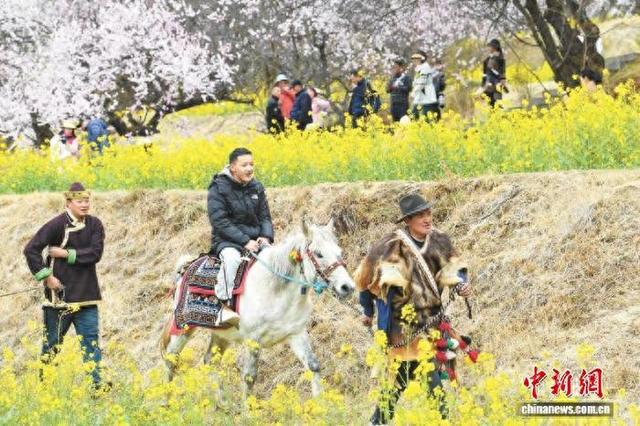
探访西藏林芝嘎拉村 民族团结浇筑幸福“桃花源”
Zhong Guo Xin Wen Wang· 2025-08-14 07:45
"看着北斗星走不迷路,跟着共产党走会幸福。"西藏自治区林芝市嘎拉村村民尼玛多吉近日对《中国新 闻》报记者说,这句饱含着我们感情的谚语,体现着我们嘎拉村全体村民对习近平总书记关心关怀的难 忘之情。 2021年7月,习近平总书记在西藏考察时曾到嘎拉村看望慰问村民。今年是西藏自治区成立60周年,嘎 拉村全体村民近日给习近平总书记写信,汇报村里发展变化情况,表达感恩奋进、创造更加美好生活的 决心。6月27日,习近平总书记给全体村民回信,对他们提出殷切期望。 嘎拉村隶属林芝市巴宜区林芝镇,地处尼洋河谷地,毗邻318国道。近年来,"绿水青山就是金山银 山"的发展理念根植于嘎拉村村民心中,当地从"晴天一身土、雨天两脚泥"的过去,发展至如今远近闻 名的"桃花源",漫山遍野的野桃树,变成了村民名副其实的"致富树",嘎拉村也成为中外游客争相打卡 的"桃花村"。 民族交融如桃花 瓣瓣不同却瓣瓣同心 在嘎拉村村民次旦扎西家中,一张拍摄于上世纪70年代的照片格外引人注目。照片中,不同民族的家人 身着各种不同服饰。次旦扎西说,身着不同民族服装的人,组成了一个家庭,家里就是"民族一家亲的 场景"。 这是嘎拉村有记录以来,第一个民族团结家庭 ...

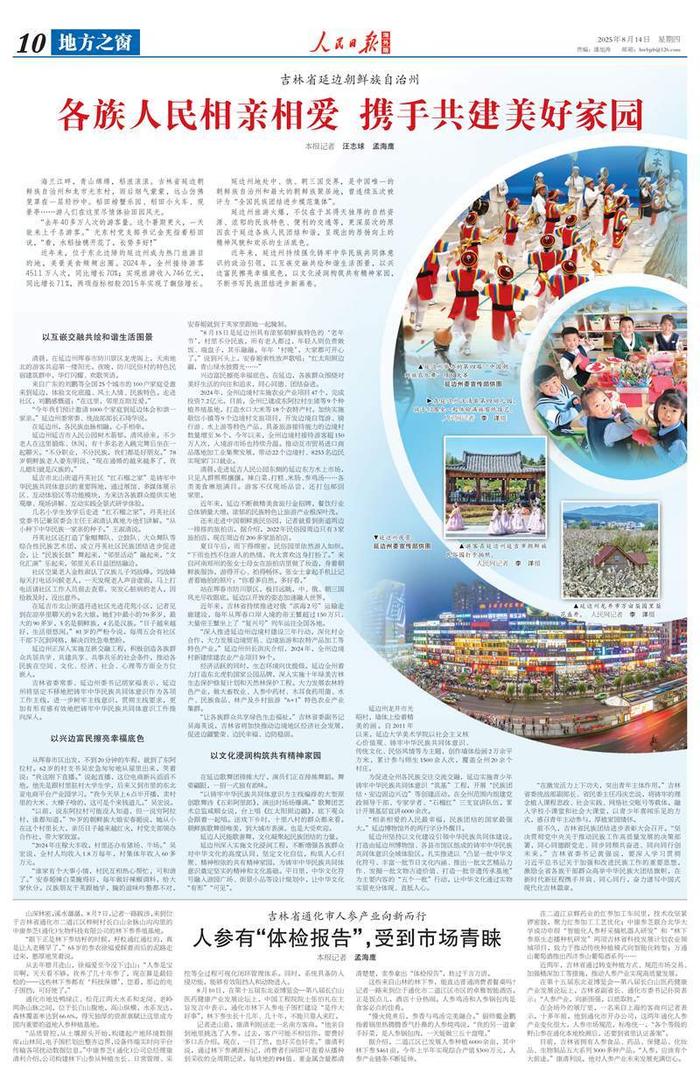
人民日报海外版整版聚焦吉林:各族人民相亲相爱 携手共建美好家园
Ren Min Wang· 2025-08-14 00:46
Group 1: Tourism Growth - In 2024, Yanbian Prefecture received 45.11 million tourists, a 70% increase year-on-year, and achieved tourism revenue of 74.6 billion yuan, up 71% from the previous year, with both metrics doubling since 2015 [7][12] - The region's appeal as a tourist destination is attributed to its unique natural resources, rich ethnic culture, and convenient transportation [7][8] - The local government plans to invite 1,000 families from across the country to experience the harmonious community life in Yanbian [8][9] Group 2: Cultural Integration - Yanbian promotes ethnic integration through community activities, fostering friendships across different ethnic groups, as seen in local community centers [8][9] - The "Red Pomegranate Home" initiative in Danying Community serves as a platform for cultural exchange and education, emphasizing the importance of unity among different ethnicities [8][9] - The region has implemented various cultural programs to enhance the sense of belonging and cultural confidence among its diverse population [14][15] Group 3: Economic Development - Yanbian has initiated 47 agricultural projects in border villages with an investment of 720 million yuan, enhancing local economic conditions [12] - The average annual income per person in East Alar Village is 18,000 yuan, with collective income exceeding 6 million yuan [11][12] - The region is focusing on developing border trade and tourism, with over 150,000 tourists visiting border villages this year [12][13] Group 4: Environmental and Cultural Initiatives - Yanbian is actively working on ecological protection and cultural promotion, including the establishment of the Northeast Tiger and Leopard National Park [13][14] - The local government is enhancing cultural identity through various artistic performances and community events, which have gained popularity among residents and visitors alike [14][15] - The province aims to integrate cultural education into youth programs to foster a sense of national unity and pride [15][16]
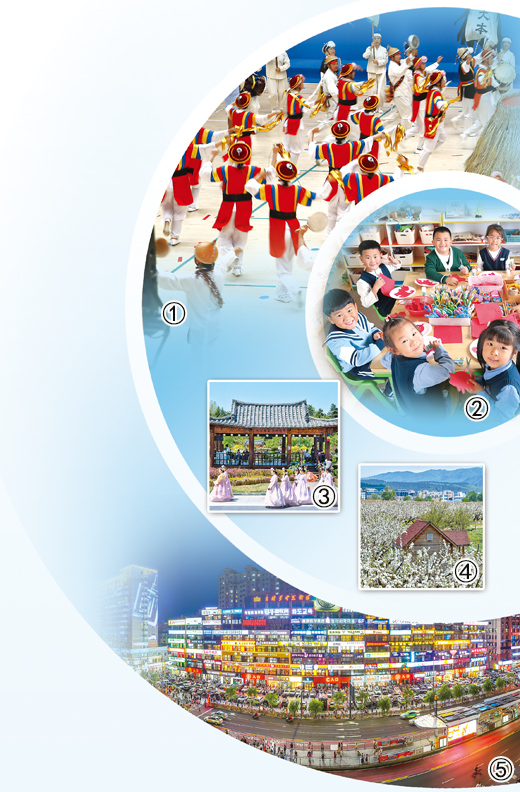
各族人民相亲相爱 携手共建美好家园
Ren Min Ri Bao Hai Wai Ban· 2025-08-13 21:50
Core Insights - Yanbian Prefecture has become a popular tourist destination, with a projected 45.11 million visitors and a tourism revenue of 74.6 billion yuan in 2024, marking a 70% and 71% increase year-on-year respectively [3][9] - The region's unique cultural and natural resources, along with the harmonious coexistence of various ethnic groups, contribute to its tourism success [3][4] - Yanbian is actively promoting cultural integration and community building among different ethnic groups, enhancing the sense of national unity [5][7][13] Tourism Growth - The number of tourists in Yanbian increased significantly, with over 400,000 visitors last year and thousands visiting daily during peak seasons [3] - The region's tourism revenue has doubled compared to 2015, showcasing its rapid growth and appeal [3] - The establishment of various tourism projects, including agricultural and cultural experiences, has bolstered visitor numbers [9][10] Cultural Integration - Yanbian is implementing initiatives to strengthen the awareness of a shared national identity among its diverse ethnic groups [7][12] - Community programs and cultural events are fostering relationships and mutual support among residents of different backgrounds [5][6] - The promotion of traditional arts and cultural performances is enhancing community engagement and cultural pride [12][14] Economic Development - The region is focusing on agricultural projects and e-commerce to improve local economies, with significant investments in agricultural infrastructure [8][9] - The average annual income per person in some villages has reached 18,000 yuan, reflecting economic improvements [8] - The development of border trade and tourism is creating job opportunities for local residents [9][10] Environmental and Cultural Initiatives - Yanbian is committed to ecological preservation while promoting economic growth, including the establishment of national parks and sustainable agricultural practices [11] - Cultural projects, such as murals and community art initiatives, are being implemented to enhance cultural identity and community spirit [13][14] - The region is actively engaging youth in cultural and community activities to foster a sense of belonging and national pride [14]
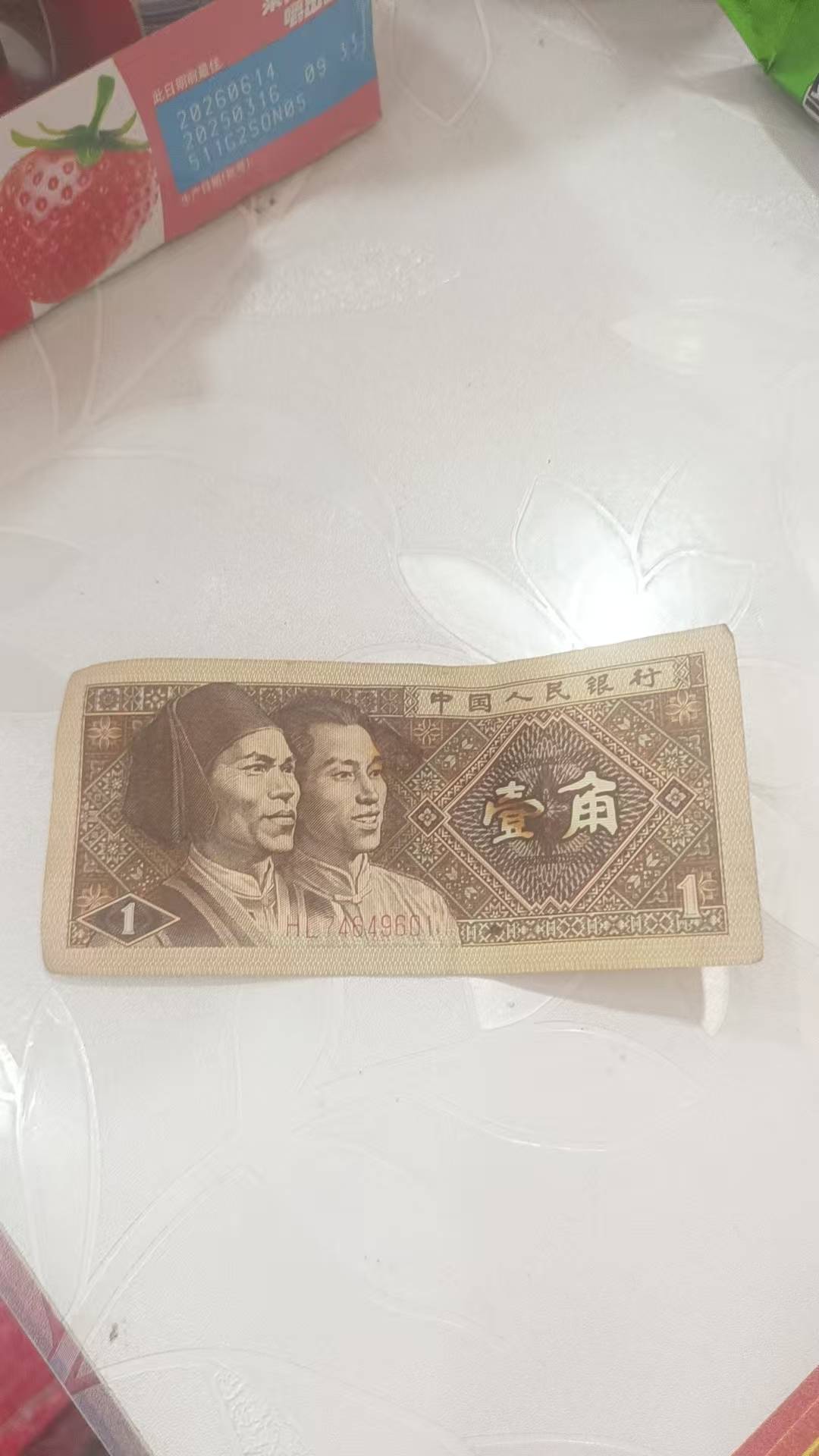
第四套人民币1角券:时代经济与文化的微缩印记
Sou Hu Cai Jing· 2025-08-13 06:28
Group 1 - The fourth set of RMB 1 jiao note plays a crucial role in daily small transactions, filling the gap in the circulation of jiao currency and facilitating retail consumption and convenience in change [1] - The design of the note incorporates traditional cultural elements and reflects the aesthetic of the era, becoming a familiar symbol of "small money" in people's lives [1] - The front of the note features the portraits of the Gaoshan and Manchu ethnic groups, symbolizing the concept of a "big family of the Chinese nation" and promoting values of equality, unity, and inclusiveness among different ethnicities [4] Group 2 - The reverse side of the note prominently displays the national emblem and includes inscriptions in various ethnic languages, showcasing the authority of RMB as the national legal currency and its respect for cultural diversity [4] - The 1 jiao note has deeply penetrated everyday life, serving as a key player in numerous small transactions and helping to activate grassroots economic vitality during the early market economy [5] - For many individuals born in the 70s and 80s, the 1 jiao note represents a significant part of their childhood memories, linking family consumption, school life, and local commerce [5] Group 3 - As the fifth set of RMB is gradually promoted, the 1 jiao note has gained new value dimensions in the collector's market, influenced by its condition, serial number, and unique features [8] - Although the circulation value of ordinary notes is relatively limited due to their large initial issuance, their historical and cultural significance makes them valuable for collectors and researchers [8] - The collection and exchange of the 1 jiao note have become a means of promoting currency culture and enhancing public interest in monetary history [8] Group 4 - The fourth set of RMB 1 jiao note reflects the evolution of multiple values, from an economic tool to a cultural symbol, encapsulating themes of national unity, economic change, and social life [9] - It serves as a tangible reference for understanding Chinese currency culture and social development, inviting further exploration and appreciation of its historical significance and value [9]
张家港援疆首个校园示范性石榴籽书屋投用
Su Zhou Ri Bao· 2025-08-12 00:12
Group 1 - The newly completed "Pomegranate Seed Book House" at Gengliu Jiayang High School represents a cultural initiative supported by Jiangsu's aid to Xinjiang, addressing the growing reading needs of students [1] - The modern library, with an investment of 3 million yuan and covering an area of 1,000 square meters, features a design that integrates elements of ethnic unity and Suzhou culture, creating a comprehensive cultural space for reading and interaction [1] - The establishment of the "Pomegranate Seed Book House" is part of a broader cultural brand project aimed at enhancing cultural exchange and unity among different ethnic groups in the region [2] Group 2 - A total of 104 "Pomegranate Seed Book Houses" have been established in Gengliu County, forming a public reading service system that includes a main library and various branch libraries across towns and communities [2] - The event also marked the launch of the "Cultural Enrichment Su-Kong Relationship" series of actions, which includes various educational and cultural initiatives aimed at fostering community engagement and cultural exchange [2] - The "Chinese Music Culture" exhibition showcased ethnic musical instruments from 23 different ethnic groups, highlighting the rich cultural diversity and integration within the region [3]
以歌会友 山歌传唱新时代
Zhong Guo Xin Wen Wang· 2025-08-07 01:11
Core Viewpoint - The 2025 National Hakka Mountain Song Invitation Competition aims to promote traditional Hakka culture and heritage through a series of events, emphasizing themes such as rural revitalization, national unity, and red culture [1] Group 1: Event Overview - The competition will take place from August to September in Yichun Tonggu and Nanchang, featuring four stages: preliminary, semi-final, final, and evening performance [1] - The theme "Singing a Mountain Song for the Party" integrates various contemporary elements, aiming to engage participants and audiences alike [1] Group 2: Cultural Significance - The event showcases the rich and diverse intangible cultural heritage of Hakka culture, allowing audiences to appreciate its profound depth and unique charm [1] - A special segment for "Red Hakka Mountain Songs" will be included, highlighting the cultural and historical significance of Hakka songs [1] Group 3: Participation and Activities - The competition attracts singers and teams from regions including Jiangxi, Hunan, Hubei, Guangdong, and Fujian, with participants spanning all age groups [1] - Additional cultural tourism activities such as scenic area singing, guest field trips, and self-driving tours will be organized to enhance the immersive cultural experience [1]
三地青少年心手相连!广州援疆工作队助力“石榴籽一家亲”交流营圆满落幕
Nan Fang Nong Cun Bao· 2025-08-05 03:33
Core Viewpoint - The "Pomegranate Seed Family" youth exchange camp, organized by the Guangzhou aid team, successfully concluded, promoting cultural exchange and unity among youth from Guangzhou, Shufu, and Bomi [2][3][4]. Group 1: Event Overview - The youth exchange camp lasted for six days and was held at Chaotian Primary School in Guangzhou's Yuexiu District [3]. - The event involved 100 youth from Guangzhou and Shufu participating in various themed activities such as "Science Summer," "Intangible Cultural Heritage Summer," "Volunteer Summer," and "Sports Summer" [6][7]. Group 2: Organizational Support - The event was organized by multiple entities including the Guangzhou Youth League Committee, Guangzhou Ethnic and Religious Affairs Bureau, and the Guangzhou Aid Team, among others [9][10][11]. - The camp aimed to deepen cultural understanding and promote ethnic interactions through carefully designed educational routes [30][43]. Group 3: Activities and Experiences - Participants engaged in historical learning at significant sites like the Memorial of the First National Congress of the Communist Party of China and Huangpu Military Academy, enhancing their understanding of revolutionary history [15][16][19]. - Youth experienced local culture through activities such as Cantonese opera performances and visits to cultural landmarks, fostering a connection with the region's heritage [20][21][23]. Group 4: Cultural Exchange and Friendship - The camp facilitated friendships among youth, including 50 participants from Bomi, who joined the exchange program, marking the beginning of their journey [34][35][41]. - The event concluded with a talent show and the exchange of souvenirs, symbolizing the bonds formed during the camp [38][41]. Group 5: Broader Impact - The initiative aligns with the broader goal of strengthening the sense of national unity and cultural integration among different ethnic groups, contributing to the "Pomegranate Seed" concept of unity [43][46].

辉煌60年•我们的家园│行走在高原之上:触摸新时代幸福西藏的脉搏
Yang Shi Wang· 2025-08-02 14:11
Core Viewpoint - The article highlights the significant ecological, cultural, and economic developments in Tibet, showcasing the region's transformation and the harmonious coexistence of nature and society in the new era [1][8][34]. Ecological Development - The afforestation project in the Gongga section of Lhasa has successfully transformed barren mountains into green landscapes, demonstrating the commitment to ecological restoration despite challenging conditions [3][6][8]. - The ecological corridor along the Lhasa River enhances urban ecology, providing recreational spaces for citizens and fostering a connection between people and nature [6][10]. Cultural Heritage - The article emphasizes the importance of cultural transmission, illustrated by the traditional arts and crafts in the ancient Shazha Courtyard, which reflect the rich history and ongoing cultural evolution in Tibet [9][11][15]. - The Zaza clothing in Zhazha Village serves as a living representation of cultural heritage, intertwining history with contemporary identity [11][15]. Economic Innovation - The operation of the world's highest wind farm in the Zhaozha Grassland signifies a breakthrough in technology and green development, embodying the spirit of resilience and innovation in the region [16][18]. - Modern agricultural practices in Lhasa, including the establishment of demonstration zones, illustrate the integration of technology and ecological principles, contributing to local economic growth and rural revitalization [18][21]. Social Harmony - The article describes the harmonious coexistence of various ethnic groups in Lhasa, highlighting community support and mutual assistance as a reflection of national unity [26][30]. - Community service stations in Lhasa exemplify the warmth of social services, fostering a sense of belonging and cooperation among residents [30][34].
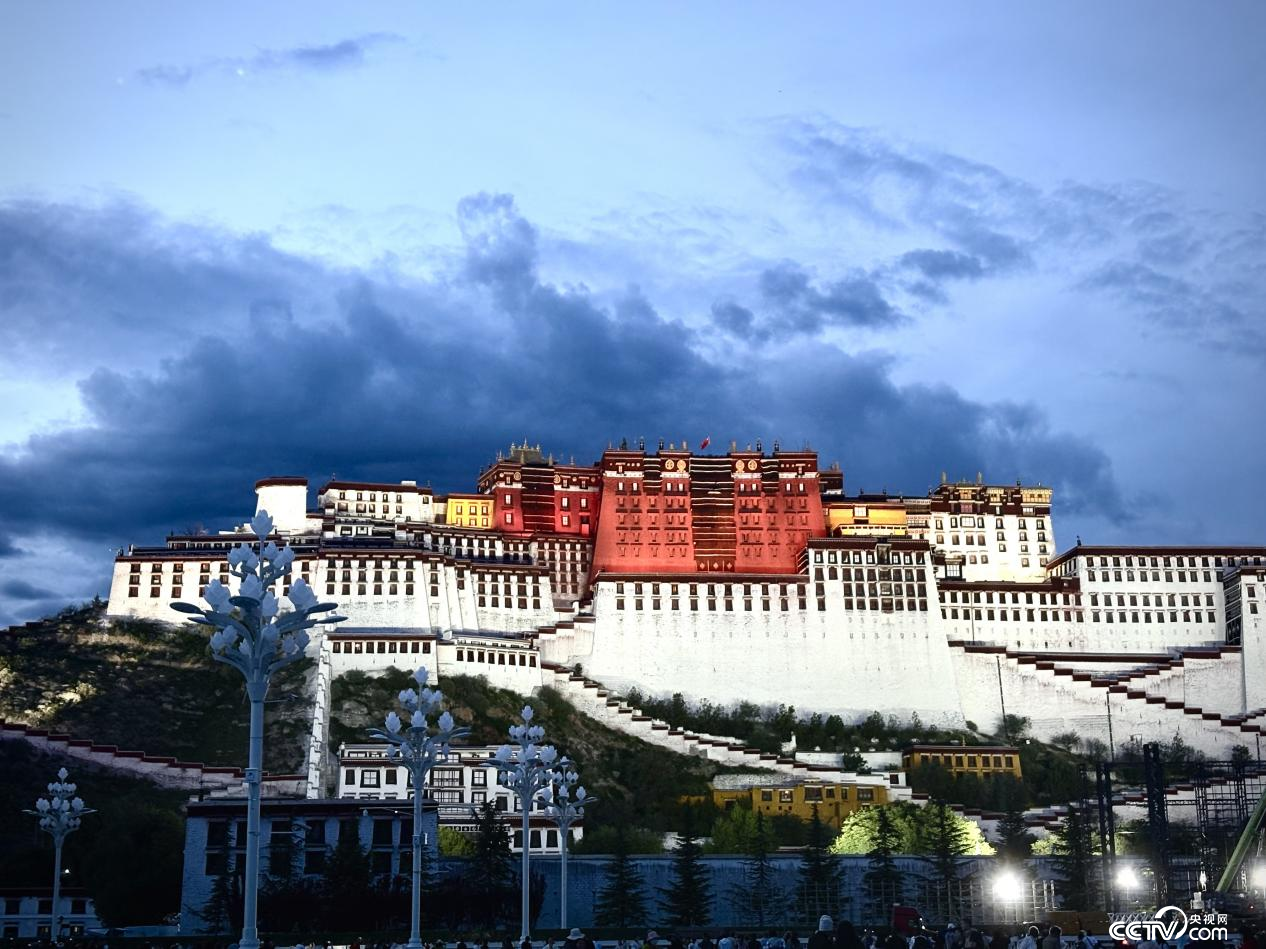
辉煌60年•我们的家园│行走在高原之上:触摸新时代幸福西藏的脉搏——“辉煌60年·我们的家园 幸福美丽西藏”网络主题活动手记
Yang Shi Wang· 2025-08-02 14:09
Core Viewpoint - The article highlights the transformative development and ecological restoration efforts in Tibet, showcasing a harmonious relationship between nature and human activities, as well as cultural preservation and innovation in various sectors [1][8][33]. Group 1: Ecological Restoration - The ecological restoration project in the Gongga section of Lhasa has successfully transformed barren landscapes into green areas, demonstrating the commitment to environmental protection and sustainable development [3][6][8]. - The planting of saplings, such as the Chinese fir, in challenging conditions reflects the dedication of builders to restore the fragile ecosystem of the Tibetan plateau [3][7]. Group 2: Cultural Heritage - The preservation of cultural heritage is evident in places like the ancient Shazha Courtyard, where traditional Tibetan art and stories are interwoven with modern life, showcasing the continuity of cultural practices [9][11][15]. - The Zaza clothing, representing cultural narratives, serves as a living testament to the region's rich history and traditions [11][15]. Group 3: Innovative Development - The operation of the world's highest wind farm in Zhaozha demonstrates technological advancements and a commitment to green energy in Tibet [16][18]. - Modern agricultural practices, including the establishment of agricultural demonstration zones, highlight the integration of technology and ecological principles to enhance local livelihoods and promote self-sufficiency [18][21]. Group 4: Social Harmony - The coexistence of multiple ethnic groups in Lhasa, characterized by mutual support and community bonds, exemplifies the spirit of unity and cooperation among diverse populations [25][29]. - Community service stations in Lhasa provide essential support and foster a sense of belonging, reinforcing the idea that social harmony is built on everyday interactions and assistance [29][32].
辉煌60年 我们的家园│行走在高原之上:触摸新时代幸福西藏的脉搏——“辉煌60年·我们的家园 幸福美丽西藏”网络主题活动手记
Yang Shi Wang· 2025-08-02 13:12
Core Viewpoint - The article highlights the significant ecological, cultural, and economic developments in Tibet, showcasing the region's transformation and the harmonious coexistence of nature and society in the new era [1][34]. Group 1: Ecological Development - The afforestation project in the Gongga section of Lhasa has successfully transformed barren mountains into green landscapes, demonstrating the commitment to ecological restoration despite challenging conditions [3][6][8]. - The ecological corridor along the Lhasa River enhances urban ecology, providing recreational spaces for citizens and fostering a harmonious relationship between people and nature [6][10]. Group 2: Cultural Heritage - The article emphasizes the importance of cultural transmission, with traditional arts like Thangka painting being preserved and celebrated in modern contexts, reflecting the rich history of the region [9][11][15]. - The Zaza clothing in Zhazha Village serves as a living representation of cultural heritage, intertwining ancient stories with contemporary identity [11][15]. Group 3: Economic Innovation - The operation of the world's highest wind farm in the Zhaomei area symbolizes technological advancement and commitment to green development in Tibet [16][18]. - Modern agricultural practices, including space-bred crops, are being implemented to enhance local food security and economic self-sufficiency, contributing to rural revitalization [21][25]. Group 4: Social Harmony - The article illustrates the spirit of unity among diverse ethnic groups in Lhasa, where mutual support and community engagement are prevalent, embodying the essence of social cohesion [26][30]. - Community service stations in Lhasa are designed to be welcoming and supportive, fostering a sense of belonging and cooperation among residents [30][33].