
生态修复

Search documents
生态好、乡村美、产业兴……夏日里的神州大地铺展生机盎然旖旎画卷
Yang Shi Wang· 2025-07-21 08:41
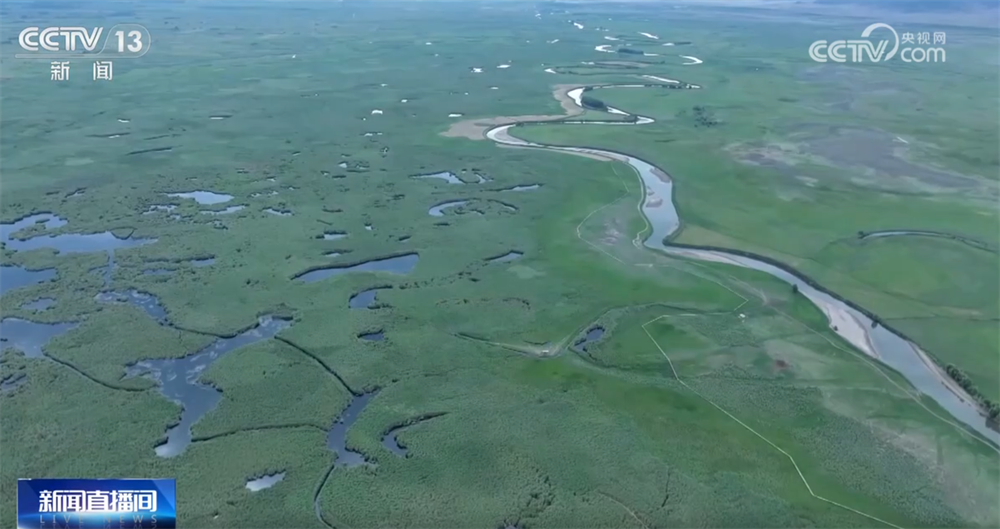
Group 1: Ecological and Agricultural Developments - The Nala Ti National Wetland Park in Xinjiang has entered its best viewing period, showcasing a vibrant ecosystem with various water birds [1] - Local ecological restoration and intelligent monitoring have led to a significant increase in bird populations and improved wetland ecological conditions [3] - In Yunnan's Wenshan, the marigold harvest season has begun, providing economic benefits to local villagers through large-scale cultivation [4][6] - The marigold, an annual herb, is a key source of natural lutein, with a cultivation area of over 290,000 acres and an annual output value of 550 million yuan [8] - In Jiangxi's Xunwu County, the eagle beak peach has entered its harvesting period, with a planting area of 23,000 acres and an annual output of 25,000 tons [9][13] - The eagle beak peach industry has expanded due to favorable geographical conditions, contributing to an increase in local income by over 5,000 yuan per person [11][13] Group 2: Tourism and Infrastructure Development - The development of transportation in Gansu's Longnan has enhanced accessibility to scenic areas, promoting a new model of integrated tourism and transportation [14] - The Tianchi Lake in Wenxian County, a national 4A scenic area, attracts tourists with its picturesque landscape and recreational activities [16] - In Tibet's Linzhi, the Yani National Wetland Park has become a popular tourist destination, with ongoing infrastructure improvements and ecological restoration enhancing visitor experiences [17][19] - The unique highland river wetland landscape in Yani National Wetland Park draws numerous visitors, contributing to local tourism growth [19]

江西永丰:花海铺展十里画卷 “花经济”绽放“好钱景”
Yang Shi Wang· 2025-07-21 07:44
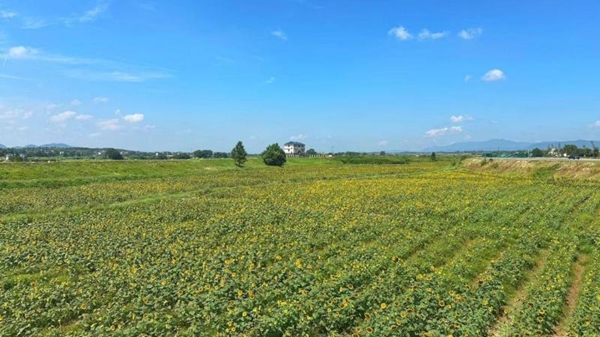
Core Viewpoint - The transformation of the previously neglected wetland area into a vibrant sunflower sea has not only enhanced the local ecology but also stimulated economic growth through tourism and agriculture [1][3][4]. Group 1: Ecological Transformation - The area along the Enjiang River in Yongfeng County has been transformed from a weed-infested wetland into a flourishing wetland park, attracting tourists and enhancing local biodiversity [3][4]. - The local government has focused on ecological restoration, initiating the construction of the Enjiang South Wetland Park in July 2023, emphasizing ecological protection and landscape continuity [3][4]. Group 2: Economic Impact - The sunflower variety "Salt Sun 2" has been chosen for planting due to its drought resistance and low maintenance costs, with an expected yield of approximately 200 pounds of sunflower seeds per acre, potentially generating an additional income of around 100,000 yuan for the village collective [3][4]. - The park has led to increased tourism, with local businesses reporting a doubling of revenue compared to the previous year, significantly benefiting from the influx of visitors drawn by the sunflower bloom [4]. Group 3: Tourism Development - Yongfeng County is developing a year-round tourism model centered around the "Ten-Mile Enjiang Scroll," incorporating seasonal activities such as flower viewing in spring, summer retreats, autumn fruit picking, and winter wellness [4]. - By mid-2025, the Enjiang Riverside Comprehensive Tourism Leisure Area is projected to receive approximately 7.8 million visitors, generating around 13.2 million yuan in sales [4].
从“修复工程”到“生态画卷”,艺术设计如何让生态修复华丽变身?
Zhong Guo Huan Jing Bao· 2025-07-21 01:48
Core Viewpoint - The ecological restoration of plains is essential for improving local environmental quality and fulfilling people's aspirations for a better life, with aesthetic value playing a crucial role in this process [1] Group 1: Ecological and Aesthetic Integration - The integration of art and design in ecological restoration can enhance both ecological vitality and human warmth, achieving a harmonious coexistence between humans and nature [1] - The restoration of water systems in plains should address connectivity and water quality while also reconstructing spatial relationships through artistic design, transforming water systems into linear landscapes that carry ecological functions and cultural memories [2] Group 2: Water System Design - Emphasis on ecological aesthetics in waterfront spaces can be achieved through tiered and gentle sloping ecological banks, incorporating native aquatic plants to create rich and layered waterfront landscapes [2] - Seasonal water level fluctuations in plain water systems can be transformed into unique landscape experiences through flexible space design, such as creating variable water level areas in wetland restoration [3] Group 3: Agricultural Ecological Restoration - The ecological restoration of farmland should balance production functionality, ecological benefits, and aesthetic value, creating a sustainable agricultural system that integrates production, ecology, and landscape [4] - Aesthetic reconstruction of farmland patterns can be achieved by planting crops with varying colors and heights, creating visually appealing "landscape patterns" [4] Group 4: Artistic Transformation of Agricultural Facilities - Agricultural facilities such as irrigation systems can be transformed into landscape elements through artistic design, enhancing both efficiency and aesthetic appeal [5] Group 5: Lake and Village Integration - The ecological restoration of lakes should break administrative boundaries and achieve systematic integration of ecological elements through artistic design, creating harmonious overall landscapes [6] - The design of lakefront buffer zones should unify functionality and aesthetics, employing multi-layered vegetation to create a natural transition from land to water [6] Group 6: Pollution Control and Community Aesthetics - The design of river mouths entering lakes is critical for controlling pollution, utilizing tiered artificial wetlands for multi-level water purification while creating visually appealing landscapes [7] - The preservation of local village characteristics around lakes is essential, avoiding excessive commercialization and ensuring ecological functionality through careful restoration of local waterways [7]
环西丽湖的绿道奇遇记 | 寻美南粤⑤
Nan Fang Nong Cun Bao· 2025-07-21 01:35
环西丽湖的绿道 奇遇记 | 寻美南 粤⑤_南方+_南 方plus 暑假里,阳光灿 烂的环西丽湖绿 道上,欢声笑语 此起彼伏。这条 绿道将城市、村 落、山林和水系 相连,孩子们在 其间奔跑、骑 行、嬉戏、探 索,尽享大自然 的童趣。 0:00 / 2:31 (环西丽湖的绿道奇遇记,时长共2分31秒) 在绿道,和自然 做朋友 环西丽湖绿道是 深圳首个绿道与 碧道合二为一的 绿色生态廊道。 绿道的建设遵 循"低干扰、轻 介入"建设模 式,以16.2公里 长的绿道主线环 线西丽水库,围 合出超过100万 平方米人与自然 共享的"森林居 所" 。 环西丽湖绿道总平面图 整条绿道被自然 绿意所覆盖,栈 道蜿蜒绕树,观 景台依山就势, 人与万物共享期 间。其中的示范 段更荣获"设计 界奥斯 卡"MUSE设计 奖和香港A&D 设计奖景观类金 奖,设计融合自 然与人文,形 成"一环九景"的 空间格局。 环西丽湖绿道 沿着环湖主线一 路前行,绿 道"一环九景"犹 如明珠镶嵌山林 湖畔:问山叠 水、白芒拓印、 写意三河、萤灯 碧苑、稻香尺案 等,九大景观节 点各有其美。期 间又有汇流花 园、昆虫森林等 景观小节点点 缀,湿地、溪 ...

武汉“西大门”40亩向日葵迎宾
Chang Jiang Ri Bao· 2025-07-21 00:24
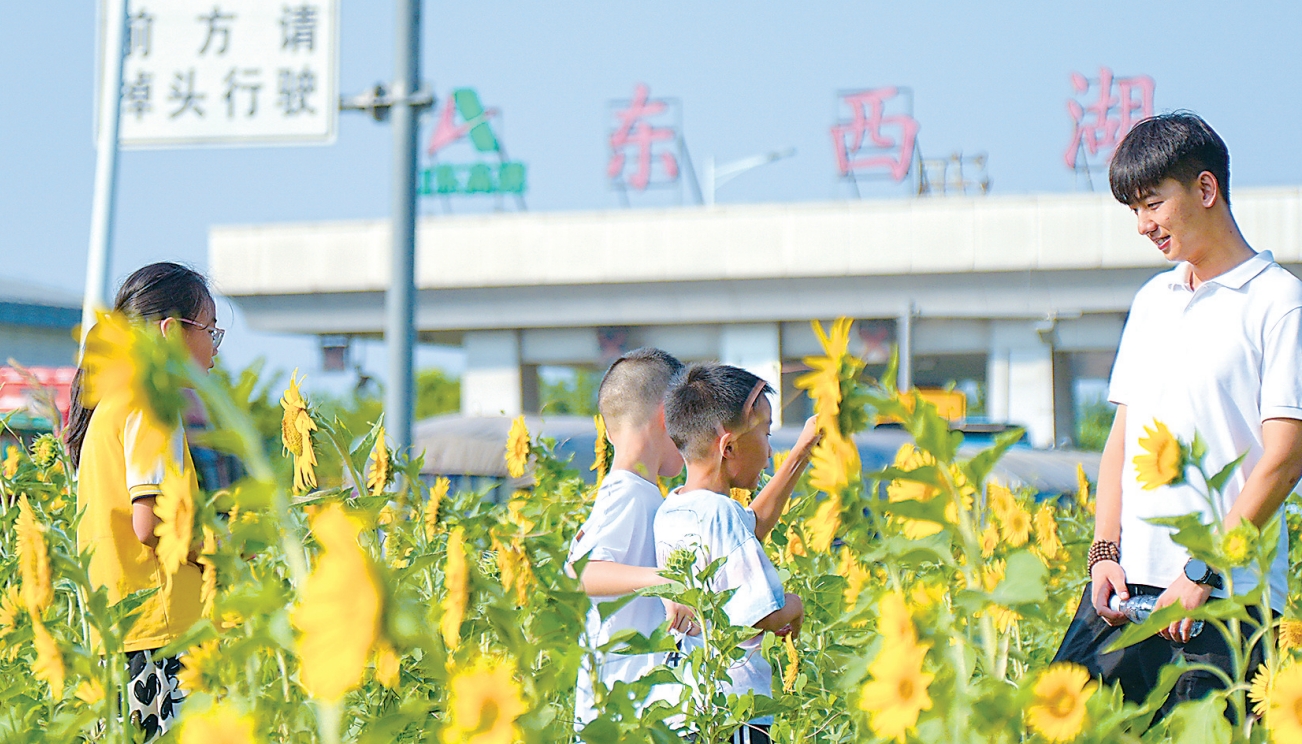
Core Points - The transformation of the area around the Dongxihu toll station has significantly improved the local environment, with the introduction of a sunflower field and other greenery [1][2] - The project involved collaboration between various local authorities and organizations to enhance the landscape and promote ecological restoration [1][2] Group 1 - The Dongxihu toll station area has been transformed from a barren landscape to a vibrant sunflower field covering approximately 40 acres, along with the planting of around 2,300 trees of 20 different species [1] - The local government and the toll station management have actively engaged in maintaining cleanliness and improving the aesthetics of the area, including regular garbage collection and planned renovations [2] Group 2 - The initiative reflects a broader trend of enhancing urban landscapes along major transportation routes, which can positively impact local communities and attract visitors [1][2] - The collaboration between the Dongxihu toll station and local authorities demonstrates a proactive approach to environmental management and community engagement [2]

蒙草土壤科技牵头内蒙古重大科技专项通过验收,助力矿山修复提质增效
Quan Jing Wang· 2025-07-18 12:41
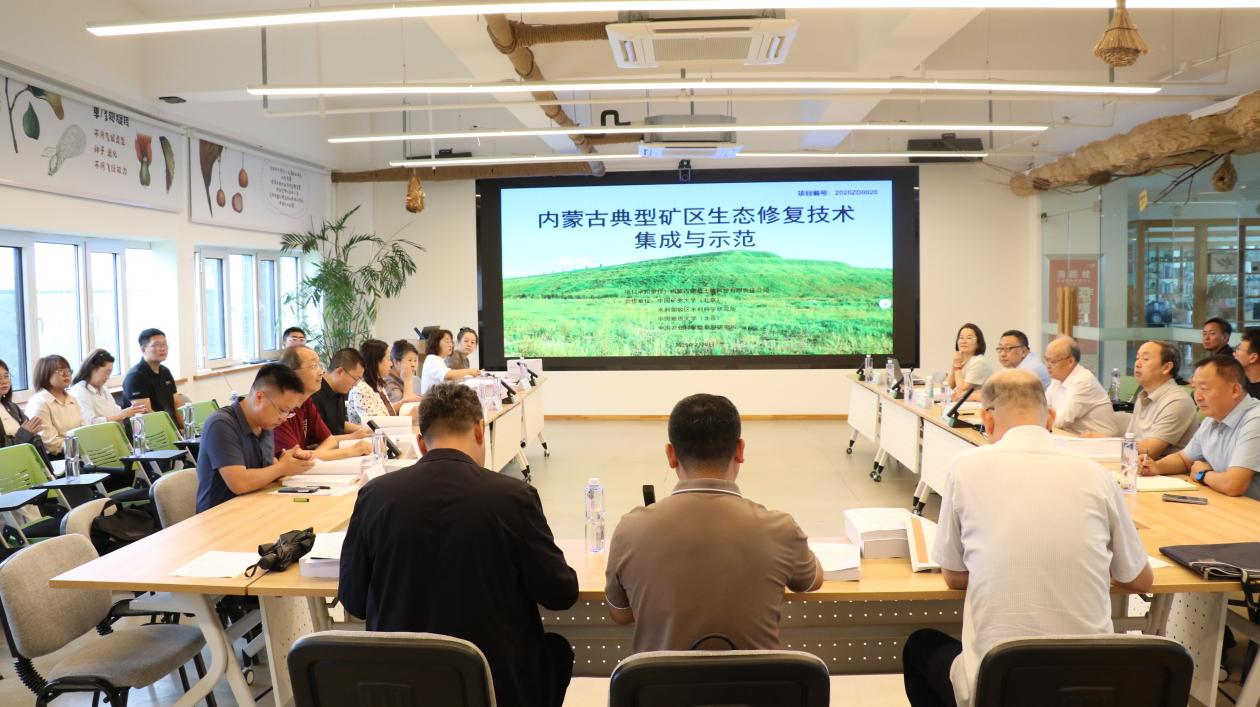
Core Insights - The project led by Mongolian Grass Soil Technology Company focuses on ecological restoration technology integration and demonstration in typical mining areas of Inner Mongolia, achieving successful project acceptance [1][3] Group 1: Project Overview - The project involves collaboration with several institutions, including China University of Geosciences (Beijing) and the Ministry of Water Resources, aiming to address ecological challenges in Inner Mongolia's grassland mining areas [1][3] - A comprehensive ecological big data system for grassland mining areas has been developed, providing automated, intelligent, and precise ecological restoration solutions [3] Group 2: Technical Achievements - The project has produced 12 replicable mining restoration technology models and developed 3 intelligent monitoring, simulation, and early warning technology systems [4] - It has established 4 national standards, 3 local standards, and 1 group standard, along with 10 authorized invention patents and 42 published papers [4] Group 3: Practical Applications - The technology has been widely applied in various ecological restoration projects, including Hesige Ula open-pit mine and Ulan Had open-pit mine, covering an area of 75,000 acres [4] - The ecological restoration at Hesige Ula open-pit mine has significantly improved water resource utilization and restored wildlife, creating a stable ecological community [7] Group 4: Future Directions - The company aims to enhance its focus on "local seed source assurance" and "ecological big data navigation" to contribute to the ecological security of northern regions [9]
从“工业伤疤”到“城市绿肾” 这些生态“蜕变”背后藏着美丽中国的发展密码
Yang Shi Wang· 2025-07-18 08:03
Core Viewpoint - The article highlights the transformation of the former coal mining area in Huainan City, Anhui Province, into an ecological park named Chunshen Lake, showcasing efforts in urban transformation and ecological restoration [1][6]. Group 1: Ecological Restoration - Chunshen Lake Park covers over 10,000 acres and was previously a subsided area with water pollution due to coal mining activities [4]. - The park features over 40,000 trees, including bald cypress and zelkova, along with 135,000 square meters of lawn, contributing to its lush greenery [4]. - The park's design incorporates a multi-layered terraced purification system to enhance water quality and clarity, effectively filtering pollutants [11]. Group 2: Historical Context - Huainan's coal resources significantly contributed to the Yangtze River Delta and the national energy supply, with one out of every six kilowatt-hours supplied to Shanghai originating from Huainan [6]. - The area experienced severe land subsidence, with the deepest part of Chunshen Lake reaching 19 meters, indicating the extent of the subsidence [6]. Group 3: Visitor Experience - The park is designed with six distinct zones to cater to visitors of all ages, including ecological lakes, leisure fields, and urban green corridors [13]. - Features such as aerial walkways, pedestrian paths, and waterway tours allow visitors to fully appreciate the park's beauty [13]. - Interactive experiences, such as feeding deer and fruit picking, enhance visitor engagement and promote a harmonious relationship between people and nature [13].
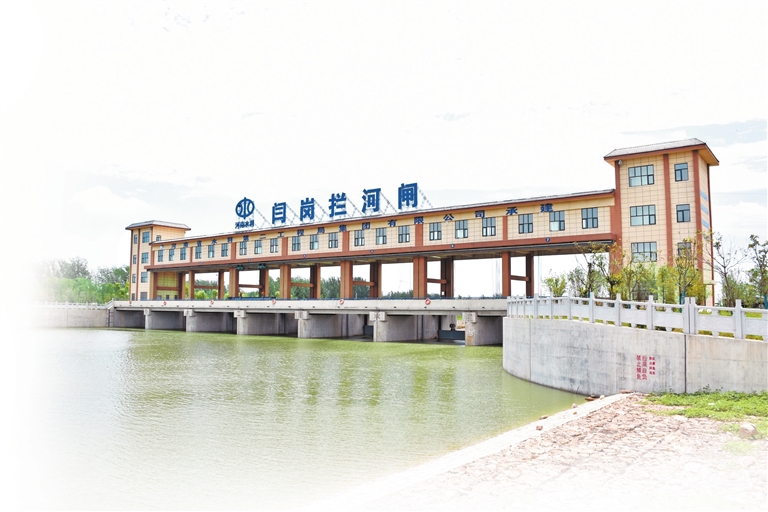
沟渠连通 周口这样做
He Nan Ri Bao· 2025-07-15 23:27
Core Viewpoint - The article highlights the ongoing efforts in rural water management and irrigation system improvements in Zhoukou, Henan Province, emphasizing the importance of water infrastructure for agricultural productivity and flood control [3][4][5][6][10][17]. Water Management Initiatives - Zhoukou is implementing a three-year action plan for rural channel connectivity, aiming to create a comprehensive agricultural water management system that can handle both drought and flooding [3][4]. - The construction of the new Fugu North Gate dam on the Jialu River is a significant development, designed to manage flood risks with a flow capacity of 1,370 m³/s for a 50-year flood event and 1,620 m³/s for a 100-year event [5][6]. - Since 2021, Fugu County has invested 1.27 billion yuan in water system connectivity projects, enhancing irrigation and disaster prevention capabilities across the region [5][6]. Agricultural Impact - The Yan Gang dam in Xihua County supports irrigation for 460,000 acres of farmland, showcasing the critical role of water infrastructure in boosting agricultural yields [9][10]. - The article notes that the modernization of irrigation systems has led to significant improvements in crop yields, with reports of wheat yields reaching approximately 1,200 jin per acre [9]. Ecological and Community Benefits - The comprehensive water management efforts have resulted in improved water quality and ecological conditions, transforming rivers into vital irrigation channels and recreational areas for local communities [13][15][16]. - The integration of modern agricultural projects with water system governance has created a synergistic effect, enhancing both agricultural productivity and environmental sustainability [10][16]. Future Developments - Zhoukou is planning to continue expanding its irrigation infrastructure, with initiatives to modernize existing irrigation areas and construct new large-scale irrigation projects [12][17]. - The establishment of a multi-tiered management system for irrigation and river management is being pursued to ensure effective oversight and maintenance of water resources [12][17].
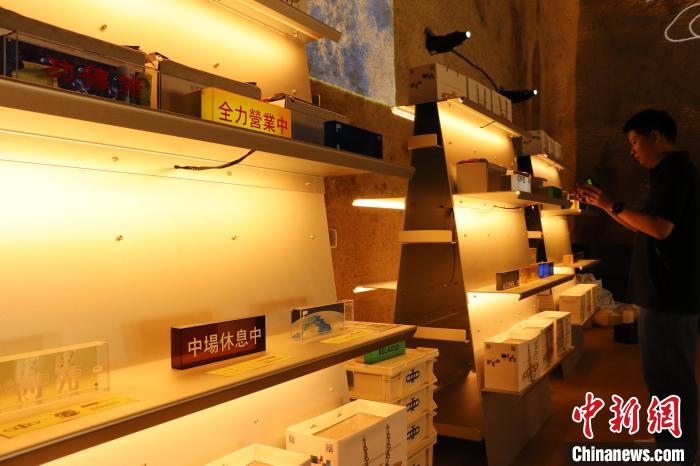
废弃矿坑“点石成金”,生态修复更新中国文旅版图
Zhong Guo Xin Wen Wang· 2025-07-14 01:49
Core Insights - Huangyan Grottoes has transformed from an industrial site into a cultural tourism hotspot, attracting over 350,000 visitors since its reopening in 2023 [2][5] - The renovation, led by a team from Tsinghua University, emphasizes ecological restoration and minimal intervention, enhancing the natural landscape while integrating modern cultural elements [2][6] - Local businesses, such as cafes and creative shops, have flourished due to increased foot traffic, significantly boosting local economies [4][5] Group 1: Transformation and Development - Huangyan Grottoes, historically a quarry since the Tang Dynasty, ceased operations in the mid-1980s and was revitalized in 2023 with a total volume of 367,000 cubic meters and over 2,000 meters of visitor pathways [2] - The design philosophy of "minimal intervention" aims to stimulate the overall vitality of the natural landscape while introducing new cultural tourism formats [2][6] - The site features various attractions, including an AI light show, art installations, and immersive exhibitions, enhancing visitor engagement [1][2] Group 2: Economic Impact - Local entrepreneur Tan Yuheng opened a cafe in the grotto, reporting daily revenues of 4,000 to 8,000 RMB during peak times, showcasing the economic benefits of increased tourism [4] - The village of Shanshalang has established a collective company, with villagers earning around 150 RMB daily from various jobs related to the tourism project, leading to a significant increase in collective income from over 100,000 RMB annually to over 3.4 million RMB in early 2025 [5] - The transformation of Huangyan Grottoes reflects a broader trend in China, where similar abandoned industrial sites are being repurposed into cultural and tourism assets, contributing to local economies [6]
蒙草生态:态构建“保·育·繁·推”一体化体系 以草种创新驱动生态修复与草业高质量发展
Quan Jing Wang· 2025-07-12 01:23
Core Viewpoint - Mongcao Ecological has established an integrated industry system of "Conservation, Breeding, Promotion" focusing on grass seed technology innovation, which is crucial for ecological restoration and agricultural development [1][2]. Group 1: Industry System and Research - The company has built a comprehensive "Conservation, Breeding, Promotion" system for grass seed, ensuring high-quality seed sources through a national germplasm resource library and various specialized research institutes [1]. - Over 20 years, the company has collected and preserved more than 2,300 plant germplasm resources and 650,000 soil samples, supporting ecological restoration and agricultural needs [1][2]. Group 2: Technological Innovation and Intellectual Property - The company has developed a robust grass seed breeding technology system, with 295 native plant species selected and 105 proprietary rights for grass varieties, including 7 national plant variety rights [2]. - The company collaborates with universities and research institutions to overcome technical bottlenecks in germplasm identification and genetic editing, enhancing its competitive edge in the market [2]. Group 3: Production and Ecological Solutions - Mongcao Ecological has established 21 grass seed breeding bases across various regions, producing approximately 3,000 tons of seeds annually to meet ecological restoration and forage needs [2]. - The company utilizes ecological big data to provide tailored solutions for land restoration and ecological protection, promoting high-quality development in the grass industry [2].
