投资者保护

Search documents
证监会:对从事IPO业务的中介机构开展常态化滚动式现场检查
Sou Hu Cai Jing· 2025-09-23 07:42
Core Viewpoint - The China Securities Regulatory Commission (CSRC) is actively implementing reforms and rectifications based on the feedback from the recent inspection, focusing on enhancing the capital market's functionality and ensuring compliance with regulations [1][3][16]. Group 1: Political Responsibility and Reform Implementation - The CSRC is treating the inspection rectification as a major political task, emphasizing the importance of political leadership and responsibility in executing reforms [3][4]. - A comprehensive responsibility system has been established to ensure accountability throughout the rectification process, with the CSRC leadership directly overseeing the implementation of corrective measures [3][4]. Group 2: Capital Market Reform and Development - The CSRC is committed to deepening the stock issuance registration system and tightening the entry standards for public offerings, while also enhancing the responsibilities of intermediary institutions [5][7]. - New measures are being introduced to support high-quality technology enterprises in their public offerings, alongside initiatives to invigorate the mergers and acquisitions market [7][8]. Group 3: Investor Protection and Market Stability - The CSRC is enhancing mechanisms to protect the rights of small and medium investors, ensuring that their interests are prioritized in regulatory frameworks [6][8]. - Efforts are being made to improve market risk monitoring and prevention capabilities, including the establishment of a comprehensive risk monitoring system [10][15]. Group 4: Regulatory Enforcement and Compliance - The CSRC is intensifying its regulatory oversight, focusing on preventing financial fraud and ensuring compliance among listed companies and intermediary institutions [8][9]. - A comprehensive system for punishing violations and enhancing the effectiveness of regulatory enforcement is being developed [9][10]. Group 5: Long-term Rectification and Continuous Improvement - The CSRC is committed to maintaining a long-term rectification approach, ensuring that reforms are not only implemented but also sustained over time [17][19]. - Continuous monitoring and evaluation of the rectification outcomes will be conducted to prevent regression and ensure ongoing improvement [19].


吴清:过去五年证监会统筹发展与安全,筑牢监管防线,严守风险底线
Zhong Guo Jing Ying Bao· 2025-09-22 14:40
Core Viewpoint - The China Securities Regulatory Commission (CSRC) emphasizes the importance of maintaining market stability, reducing risks in key areas, enhancing regulatory effectiveness, and protecting investors' rights during a recent press conference. Group 1: Market Stability - The CSRC has focused on maintaining stable market operations by implementing early warning systems and enhancing cross-market risk prevention mechanisms, which have improved investor confidence and market expectations [1] - The bond default rate in the exchange market has been kept at a low level of around 1%, indicating effective risk control measures [1] Group 2: Risk Management - The CSRC has successfully cleared approximately 7,000 zombie institutions in the private equity sector and has effectively curtailed the risks associated with "pseudo-private equity" [1] - All 27 identified "pseudo-gold exchanges" have had their qualifications revoked, and hundreds of similar institutions have been cleaned up [1] Group 3: Regulatory Enforcement - The CSRC has significantly enhanced the effectiveness and deterrence of regulatory enforcement, focusing on financial fraud and establishing a comprehensive punishment and prevention system [2] - Notable penalties have been imposed, including a record fine of 4.175 billion yuan on Evergrande and 325 million yuan on its auditing firm for financial fraud [2] Group 4: Investor Protection - The CSRC has improved investor protection mechanisms by refining regulations related to share reductions, quantitative trading, and short selling, and has established a robust compensation system for investors [3] - Landmark cases have resulted in significant compensation for investors, including approximately 2.46 billion yuan for the Kangmei Pharmaceutical case and 1.09 billion yuan for the Zijing Storage case [3]
吴清重磅发声!公募费改落地、私募风险整治、券商职责压实等成关键词
Bei Jing Shang Bao· 2025-09-22 14:32
Core Insights - The press conference highlighted significant achievements in the financial sector during the "14th Five-Year Plan" period, particularly in capital market reforms and investor protection measures [1][3][5]. Group 1: Public Fund Reforms - The China Securities Regulatory Commission (CSRC) announced the completion of a three-phase fee reduction reform for public funds, which began in July 2023 and will conclude in September 2025, aiming to save investors approximately 45 billion yuan annually [3][4]. - The first two phases of the reform have already led to reductions in management fees, custody fees, and transaction commission rates for public funds [3][4]. - The reforms are designed to shift the focus of public funds from "scale" to "returns," enhancing the quality of development in the public fund sector [4][5]. Group 2: Private Fund Risk Management - The CSRC reported the successful clearance of around 7,000 "zombie" private fund institutions, effectively mitigating new risks in the private fund sector [4][5]. - Since the beginning of 2025, 853 private funds have been deregistered, with 451 voluntarily and 332 by the association, indicating a proactive approach to risk management [4][5]. - The implementation of new regulations, including the Securities Law, has contributed to a more robust legal framework for the capital market [4][5]. Group 3: Investor Protection Measures - The CSRC has introduced various measures to strengthen investor protection, including advance compensation systems and strict accountability for intermediaries [6][7]. - Notable cases, such as the compensation of approximately 2.46 billion yuan to investors in the Kangmei Pharmaceutical case, demonstrate the effectiveness of these protective measures [6][7]. - The regulatory environment has seen increased scrutiny of brokerage firms, with 76 regulatory letters issued in the past year addressing violations in initial public offerings [7]. Group 4: Market Openness and Future Outlook - The "14th Five-Year Plan" period has seen the removal of foreign ownership limits in the financial sector, enhancing the openness of China's capital markets [7]. - The CSRC has approved 13 foreign-controlled securities and fund institutions to operate in China, expanding the market's global reach [7]. - The press conference served to boost investor confidence in the capital market's current and future development, with expectations for continued reforms in the upcoming "15th Five-Year Plan" [7].

金融监管总局答每经问:寿险公司去年以来压降成本3500亿元
Mei Ri Jing Ji Xin Wen· 2025-09-22 14:15
Core Viewpoint - The news highlights the achievements and ongoing reforms in China's financial industry during the "14th Five-Year Plan" period, emphasizing the enhancement of regulatory frameworks and the promotion of financial stability. Group 1: Financial Regulatory Enhancements - The Financial Regulatory Administration has made significant progress in improving the modern financial enterprise system during the "14th Five-Year Plan" period, including the implementation of a mechanism linking preset interest rates to market rates and dynamic adjustments [3] - The revision of important financial laws, such as the Banking Supervision Law and the Insurance Law, is accelerating, with 171 regulatory documents issued over the past five years to enhance the regulatory framework [4] - Regulatory effectiveness has been significantly improved through a focus on substantial risks and practical issues, with a tiered regulatory approach applied to 41 key institutions while delegating regulatory authority to 112 small and medium-sized insurance institutions [4] Group 2: Financial Stability and Risk Management - The China Securities Regulatory Commission (CSRC) emphasizes maintaining market stability by implementing early warning systems and enhancing cross-market risk prevention mechanisms [6] - The bond default rate in the exchange market remains low at around 1%, with significant progress in the rectification of private equity funds, resulting in the clearance of approximately 7,000 zombie institutions [7] - A comprehensive deterrent system has been established to combat financial fraud, with over 700 cases and leads transferred to law enforcement agencies in the past five years [7] Group 3: Investor Protection Initiatives - The introduction of new regulations has improved investor protection, including measures for compensation in cases of fraud and the establishment of a structured investor protection system [7][8] - Landmark cases, such as the compensation of approximately 2.46 billion yuan for investors in the Kangmei Pharmaceutical case, demonstrate the effectiveness of investor rights protection efforts [8]
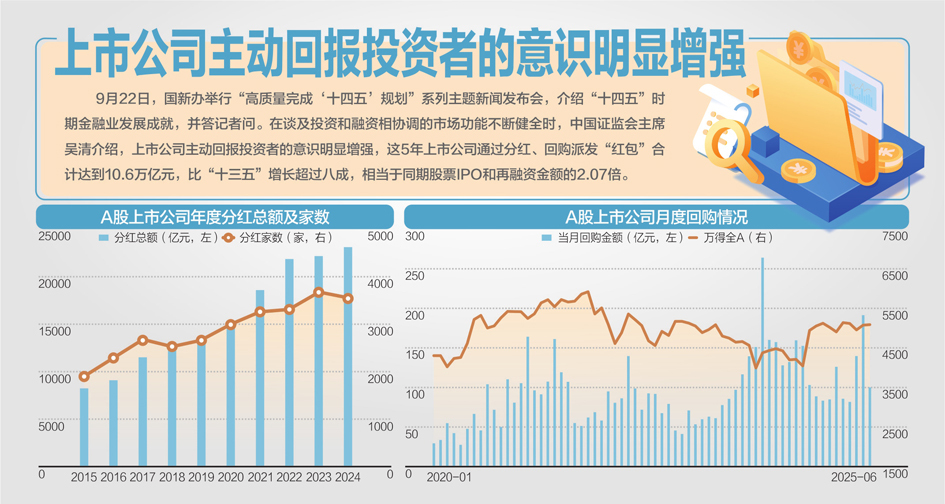
证监会主席吴清:资本市场“十四五”量质双升,将不断提升适应性包容性
Zhong Guo Jing Ying Bao· 2025-09-22 13:36
Core Viewpoint - The Chinese capital market has achieved steady quantitative growth and effective qualitative improvement during the "14th Five-Year Plan" period, laying a solid foundation for high-quality development in the "15th Five-Year Plan" period [1]. Group 1: Market Development and Regulation - The China Securities Regulatory Commission (CSRC) has promoted risk prevention, strengthened regulation, and encouraged high-quality development, resulting in a sustained and solid market development trend [2]. - A comprehensive regulatory framework has been established, with the implementation of new laws such as the Securities Law and the Futures and Derivatives Law, enhancing the legal system of the capital market [2]. - The multi-tiered market system has been improved, with significant reforms in the Science and Technology Innovation Board and the establishment of the Beijing Stock Exchange, leading to a total A-share market capitalization exceeding 100 trillion yuan [3]. Group 2: Financing and Investment - Over the past five years, the total financing through stock and bond markets reached 57.5 trillion yuan, with the direct financing ratio increasing by 2.8 percentage points to 31.6% [3]. - The proportion of technology companies among newly listed firms has increased, with over 90% being tech-related, and the market capitalization of the technology sector now exceeds 25% of the total A-share market [3]. - Listed companies have significantly increased their return to investors, distributing a total of 10.6 trillion yuan through dividends and buybacks, an increase of over 80% compared to the previous five years [4]. Group 3: Risk Management and Enforcement - The CSRC has enhanced market resilience and risk management, with the annualized volatility of the Shanghai Composite Index decreasing by 2.8 percentage points to 15.9% [4]. - A total of 2,214 administrative penalties were issued for violations such as financial fraud and insider trading, with fines totaling 41.4 billion yuan, marking a 58% increase in cases and a 30% increase in fines compared to the previous five years [4]. - The CSRC has implemented measures to protect investors, including improvements in regulations related to share reductions and quantitative trading, and has established a comprehensive investor protection system [10]. Group 4: Future Directions - The CSRC aims to enhance the adaptability and inclusiveness of the capital market, focusing on reforms that support innovation and the growth of high-quality enterprises [12]. - The commission plans to improve the quality and investment value of listed companies, emphasizing corporate governance and information disclosure [13]. - Continuous efforts will be made to ensure effective regulation and risk prevention, promoting a stable and vibrant capital market environment [13].
吴清最新发声!谈及A股韧性、资本市场改革开放
Bei Jing Shang Bao· 2025-09-22 11:32
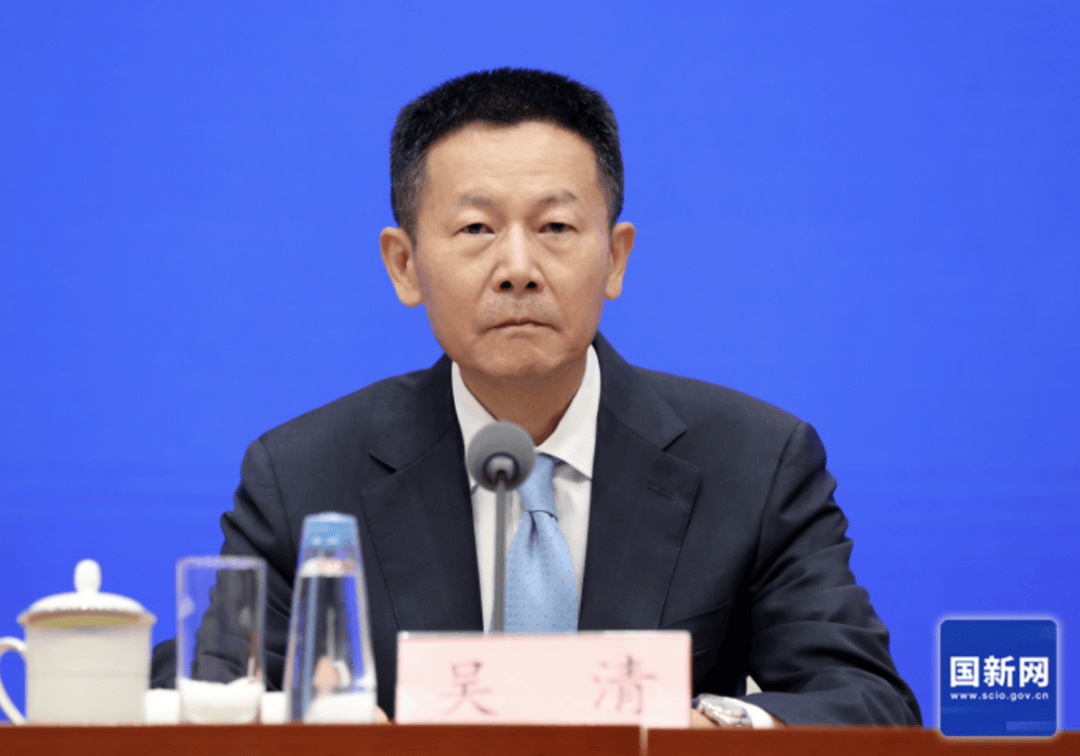
"回望过去五年,大家一起交出了一份沉甸甸的答卷,可以说是硕果累累。展望未来五年,我们也是信心满满,更有着沉甸甸的责任",9月22日,在介绍"十 四五"时期金融业发展成就时,证监会主席吴清在国新办新闻发布会上表示。当日,吴清在会上详细介绍了五年来资本市场发展的"成绩单"。近五年,交易 所市场股债融资合计达到57.5万亿元,直接融资比重稳中有升,较"十三五"末提升2.8个百分点,达到31.6%。资本市场服务科技创新跑出"加速度",资本市 场含"科"量进一步提升。另外,五年来,上市公司通过分红、回购派发"红包"合计达到10.6万亿元,比"十三五"增长超过八成,相当于同期股票IPO和再融 资金额的2.07倍。"十四五"期间,新增核准13家外资控股证券基金期货机构来华展业兴业,外资持有A股市值3.4万亿元,269家企业境外上市。一系列数据 表明,"十四五"期间,我国资本市场实现了量的稳步增长和质的有效提升,我国资本市场的"朋友圈"越来越大,也为"十五五"高质量发展打下了坚实基础。 A股韧性和抗风险能力增强 吴清在会上表示,"十四五"期间,A股市场韧性和抗风险能力明显增强,上证综指年化波动率15.9%,较"十三五"下降2 ...
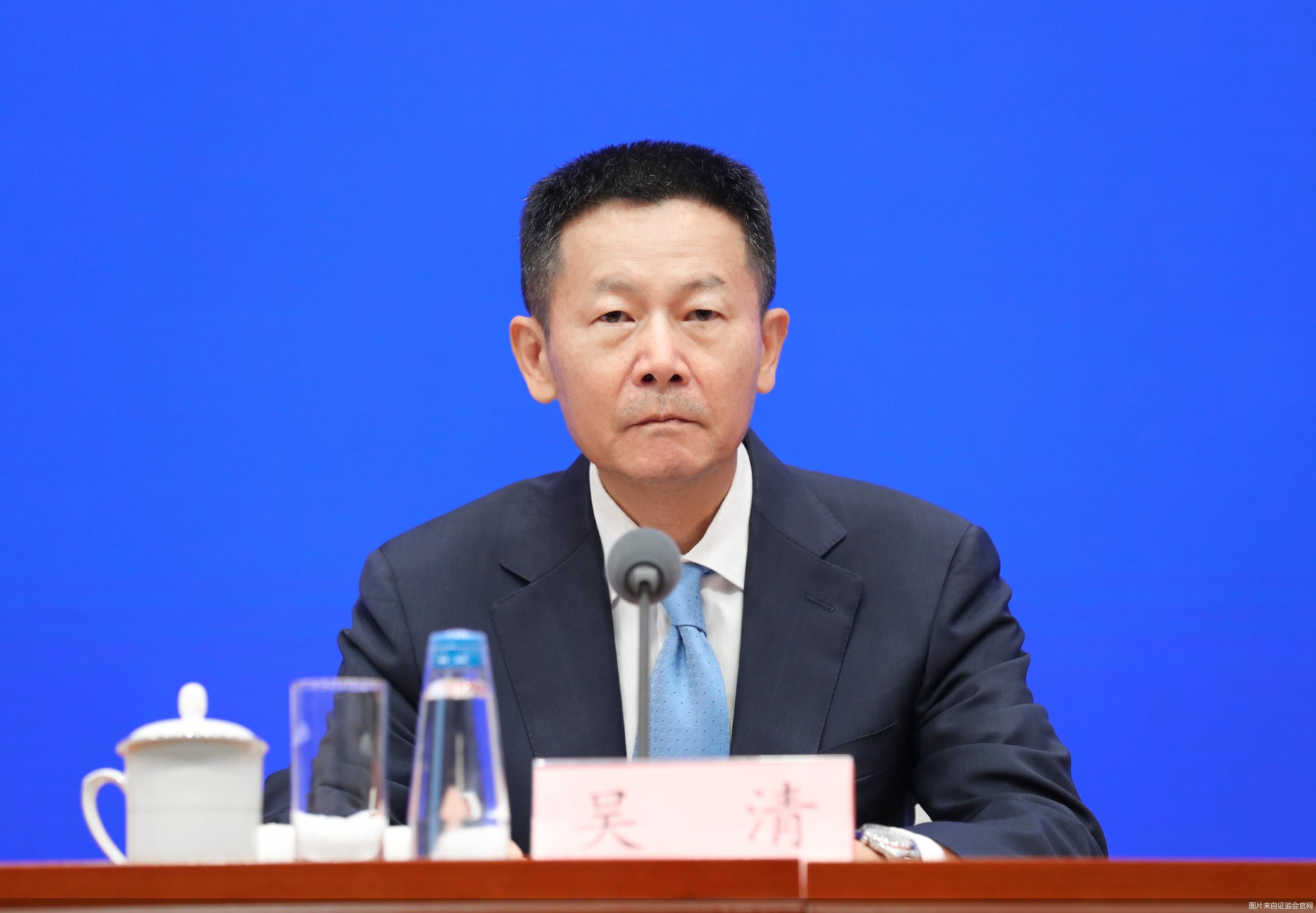
吴清:对恒大地产开具史上最大罚单
华尔街见闻· 2025-09-22 10:20
Core Viewpoint - The article discusses the achievements and developments in China's financial industry during the "14th Five-Year Plan" period, emphasizing the importance of risk prevention and regulatory measures in maintaining market stability and investor confidence [2][6]. Group 1: Market Stability and Risk Management - The capital market has faced complex changes and external risks, necessitating a focus on creating a "safe, standardized, transparent, open, vibrant, and resilient" market environment [2]. - The regulatory body has implemented measures to ensure market stability, including enhancing monitoring and early warning systems, and coordinating the development of primary and secondary markets [2][3]. - The bond default rate has been maintained at around 1%, indicating effective risk control in the market [3]. Group 2: Regulatory Enforcement and Investor Protection - The regulatory authority has significantly increased the effectiveness and deterrence of enforcement actions, focusing on financial fraud and other serious violations [5]. - A comprehensive punishment and prevention system has been established to combat financial fraud, with record fines imposed on companies like Evergrande [5]. - Investor protection measures have been strengthened, including the introduction of new regulations on share reduction and quantitative trading, as well as a structured compensation system for investors [6]. Group 3: Achievements in Legal and Regulatory Framework - Over the past five years, the regulatory body has issued 2,214 administrative penalties for financial misconduct, with fines totaling 41.4 billion yuan, reflecting a significant increase in enforcement actions compared to the previous five-year period [6]. - The establishment of a robust legal framework has improved the transparency and integrity of the capital market, contributing to a fairer market environment [6].

吴清主席在国新办新闻发布会上答记者问
证监会发布· 2025-09-22 10:12
Core Viewpoint - The article discusses the achievements and developments of China's financial industry during the "14th Five-Year Plan" period, highlighting the progress in capital market reforms, regulatory frameworks, and the overall stability and growth of the market [2][3][4]. Regulatory Framework - A comprehensive regulatory framework has been established, with the implementation of the new Securities Law and the introduction of over 60 supporting rules, enhancing the legal system of the capital market [3][4]. - The "National Nine Articles" issued by the State Council has further strengthened regulatory measures to promote high-quality development in the capital market [3]. Market Structure - The multi-tiered market system has been improved, with significant advancements in the Sci-Tech Innovation Board, Growth Enterprise Market, and the establishment of the Beijing Stock Exchange [4]. - As of August, the total market capitalization of A-shares has surpassed 100 trillion yuan, indicating robust market growth [4]. Investment and Financing - In the past five years, the total financing through stock and bond markets reached 57.5 trillion yuan, with a direct financing ratio increasing by 2.8 percentage points to 31.6% [5]. - The technology sector has seen a significant increase in market capitalization, with over 90% of newly listed companies being tech-related, and the market cap of tech companies now exceeds 25% of the total A-share market [5]. Market Stability Mechanisms - A collaborative mechanism for market stability has been developed, enhancing the resilience and risk management capabilities of the A-share market, with the annualized volatility of the Shanghai Composite Index decreasing by 2.8 percentage points [6]. Fair Market Environment - A fair and just market environment has been fostered, with a significant increase in administrative penalties for financial misconduct, including a 58% rise in penalties for financial fraud [7]. Capital Market Reforms - Major breakthroughs in investment-side reforms have been achieved, including the implementation of a high-quality development action plan for public funds and the promotion of long-term capital market participation [8][9]. - The financing-side reforms have seen the full rollout of the stock issuance registration system, facilitating the listing of innovative companies [9][10]. Risk Management - The regulatory body has focused on maintaining market stability and preventing risks, with a low bond default rate of around 1% and the closure of numerous fraudulent financial institutions [12][13]. - Enhanced enforcement measures have been implemented to combat financial fraud, with significant penalties imposed on major offenders [13][14]. Future Outlook - The regulatory body aims to continue enhancing the adaptability and inclusiveness of the capital market, focusing on supporting high-quality enterprises and improving the overall market environment [16][17].
证监会主席吴清:坚决维护市场平稳运行 投资者信心和市场预期明显改善
Zheng Quan Ri Bao Wang· 2025-09-22 09:58
Group 1 - The core viewpoint emphasizes the importance of building a "safe, standardized, transparent, open, vibrant, and resilient" capital market, highlighting risk prevention and strong regulation as priorities [1] - The regulatory body is committed to maintaining market stability through comprehensive monitoring and early warning systems, as well as enhancing cross-market risk prevention mechanisms [1] - The bond default rate in the exchange market remains low at around 1%, indicating effective risk control measures [1] Group 2 - Regulatory enforcement has been significantly strengthened, focusing on financial fraud and establishing a comprehensive deterrent system against such violations [2] - Major penalties have been imposed for financial misconduct, including a record fine of 4.175 billion yuan against Evergrande and 325 million yuan against its auditing firm [2] - Over 700 cases have been referred to law enforcement for criminal accountability in the past five years, reflecting a rigorous approach to legal enforcement [2] Group 3 - Investor protection measures have been enhanced, with new regulations on share reduction, quantitative trading, and short selling being implemented [3] - Landmark cases have resulted in substantial compensation for investors, including approximately 2.46 billion yuan for the Kangmei Pharmaceutical case and 1.09 billion yuan for the Zijing Storage case [3] - A comprehensive investor protection system is being developed, ensuring accountability and quality evaluation for intermediary institutions [3]

证监会:对恒大地产开具史上最大罚单
Sou Hu Cai Jing· 2025-09-22 09:56
9月22日下午,国务院新闻办公室举行"高质量完成'十四五'规划"系列主题新闻发布会,介绍"十四五"时期金融业发展成就,中国证监会主席吴清在会上作 了相关发布。 吴清表示,过去五年资本市场面临的环境发生了复杂深刻变化,外部输入性风险挑战可以说是风高浪急,国内部分领域风险"水落石出",资本市场作为各 类风险交汇地和敏感带首当其冲。 中央金融工作会议强调要加快打造"安全、规范、透明、开放、有活力、有韧性"的资本市场,"安全"打头,凸显了防风险、强监管的重要性。证监会始终 坚持稳中求进,统筹发展与安全,筑牢监管防线,严守风险底线。 一是坚决维护市场平稳运行。落实"四早"要求,加强全方位监测预警,健全跨市场跨领域跨境风险防控机制,加强逆周期调节,统筹好一二级市场协调发 展,同时强化与有关方面的协调联动,支持汇金公司、社保、保险、证券基金和上市公司等发挥内在稳定作用,共同打好"组合拳",筑牢防波堤防浪堤, 有效应对了外部冲击,投资者信心和市场预期明显改善。 三是大幅增强监管执法的有效性、震慑力。一方面,聚焦财务造假等投资者深恶痛绝的违法违规问题,既"追首恶",也"惩帮凶",系统构建全方位、立体 式的综合惩防体系,坚决破除 ...