生物多样性保护

Search documents
杭州生态实践“圈粉”国际代表
Hang Zhou Ri Bao· 2025-09-25 03:08
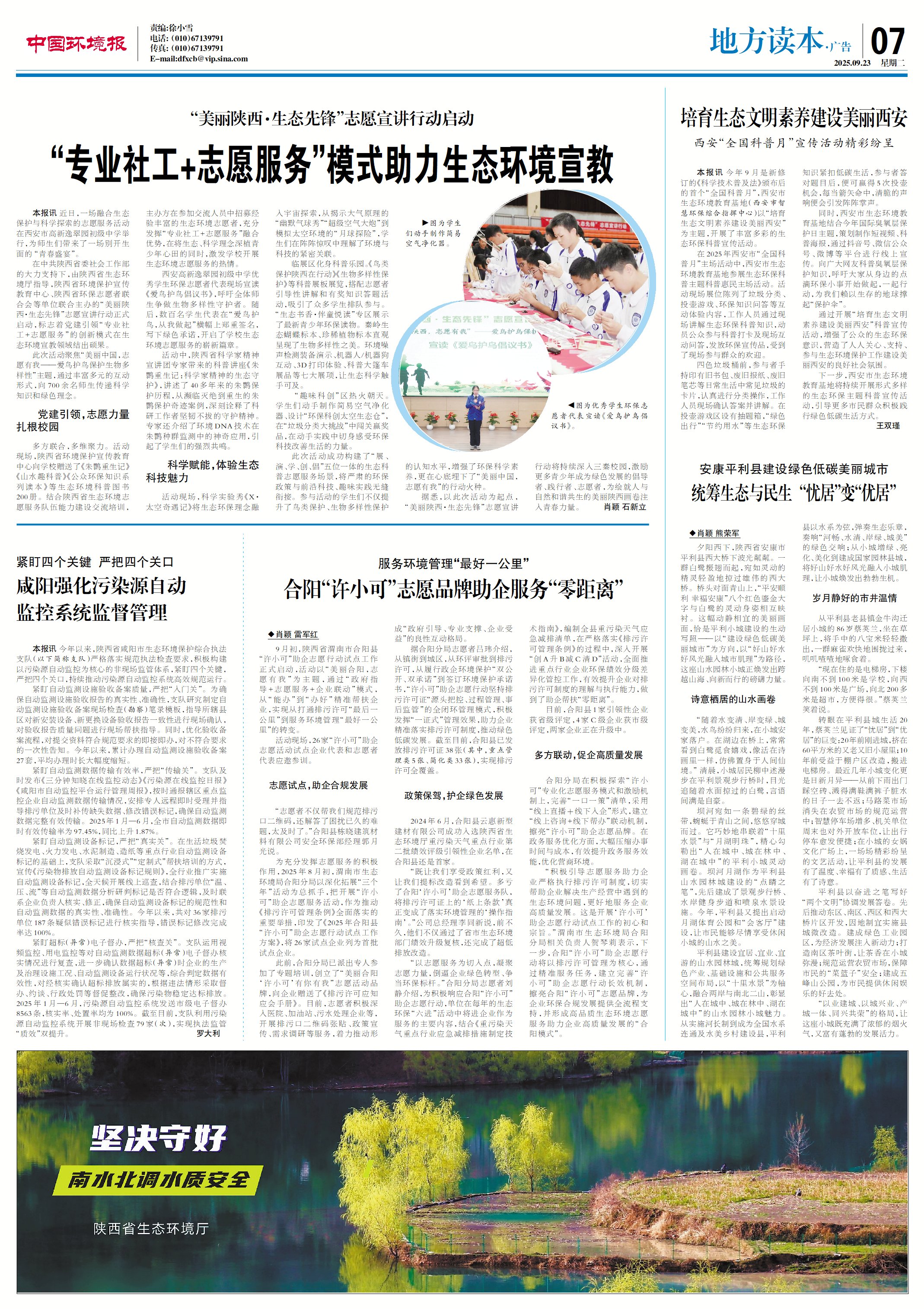
第五届世界生物圈保护区大会供图 9月22日,第五届世界生物圈保护区大会在杭州启幕。作为该大会首次落址亚洲、联合国教科文组 织成员国参与最广的一届盛会,全球150多个国家和地区约4000名代表齐聚,围绕"塑造人与自然可持续 的未来"共话生态发展。多数代表不仅肯定中国生态保护经验,更直言"爱上杭州"。 "中国生物圈保护区生动诠释了人与自然共生愿景,数字技术应用经验值得全球分享。"联合国教科 文组织"人与生物圈计划"秘书长安东尼奥・阿布雷乌如是评价;中国科学院科技战略研究院研究员黄宝 荣点赞浙江:"从理论到实践,平衡保护与发展做得特别好,既守好生态家底,又让百姓有获得感。"马 来西亚国立大学行政主管艾哈迈德表示希望通过这次大会能得到一些有益借鉴。 为期4天的大会中,将举办5场全体会议以及76场边会和平行论坛。值得一提的是,大会期间"杭州 经验"备受关注,成为亮眼的"生态名片"。 生物多样性友好城区的杭州探索 在经验交流环节,杭州上城区分享了生物多样性友好城区的实践与探索。2024年,杭州市上城区被 列为浙江省首个生物多样性保护友好城区建设试点,在全国城区范围内首创"传统文化+生物多样性"融 合宣教模式,并推出全国首 ...

靖江首届生物多样性展绘就生态科普画卷
Zhong Guo Huan Jing Bao· 2025-09-25 01:33
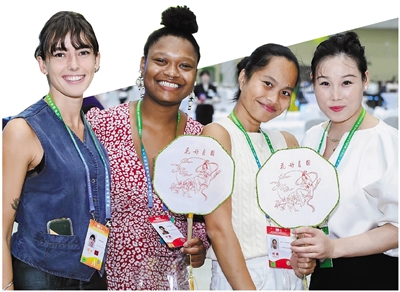
Core Viewpoint - The article highlights the successful organization of the "Natural Harmony: Resonance of Life" biodiversity ecological science exhibition in Jiangsu Province, aimed at enhancing public awareness and responsibility for biodiversity conservation [2][14]. Group 1: Exhibition Overview - The exhibition took place over three weeks, integrating various scientific resources and innovative display methods to create an educational platform that is both scientific and communicative [2][14]. - Located in the Jiangsu Province library, the exhibition covered 500 square meters and attracted over 10,800 visitors, with a peak attendance of over 800 on weekends and an average of 300 on weekdays [3][6][17]. Group 2: Audience Engagement - The exhibition successfully engaged a diverse audience, with approximately 60% of attendees being students, showcasing its broad appeal across all age groups [3][17]. - Feedback from various demographics indicated a significant impact on public perception of biodiversity, with 90% of visitors reporting an increase in their understanding of biodiversity [21][22]. Group 3: Interactive Features - The exhibition featured a "micro life museum" displaying hundreds of insect specimens and over 120 plant specimens, allowing visitors to appreciate the richness of biodiversity [4][17]. - An interactive area with live specimens attracted 5,000 interactions, making it a highlight of the exhibition and facilitating direct engagement with nature [4][18]. Group 4: Educational Activities - The exhibition included three major supporting activities, such as expert lectures and workshops, which deepened the ecological education experience for over 1,000 attendees [5][21]. - A survey indicated that 85% of participants expressed a commitment to actively engage in ecological protection efforts following the exhibition [22]. Group 5: Future Directions - The exhibition is seen as a significant step in Jiangsu's ecological protection efforts, with plans to continue enhancing ecological education and promoting biodiversity conservation [22][13].
北京最大“城市绿肺”温榆河公园全面建成 下周对外开放
Yang Shi Xin Wen· 2025-09-24 09:23
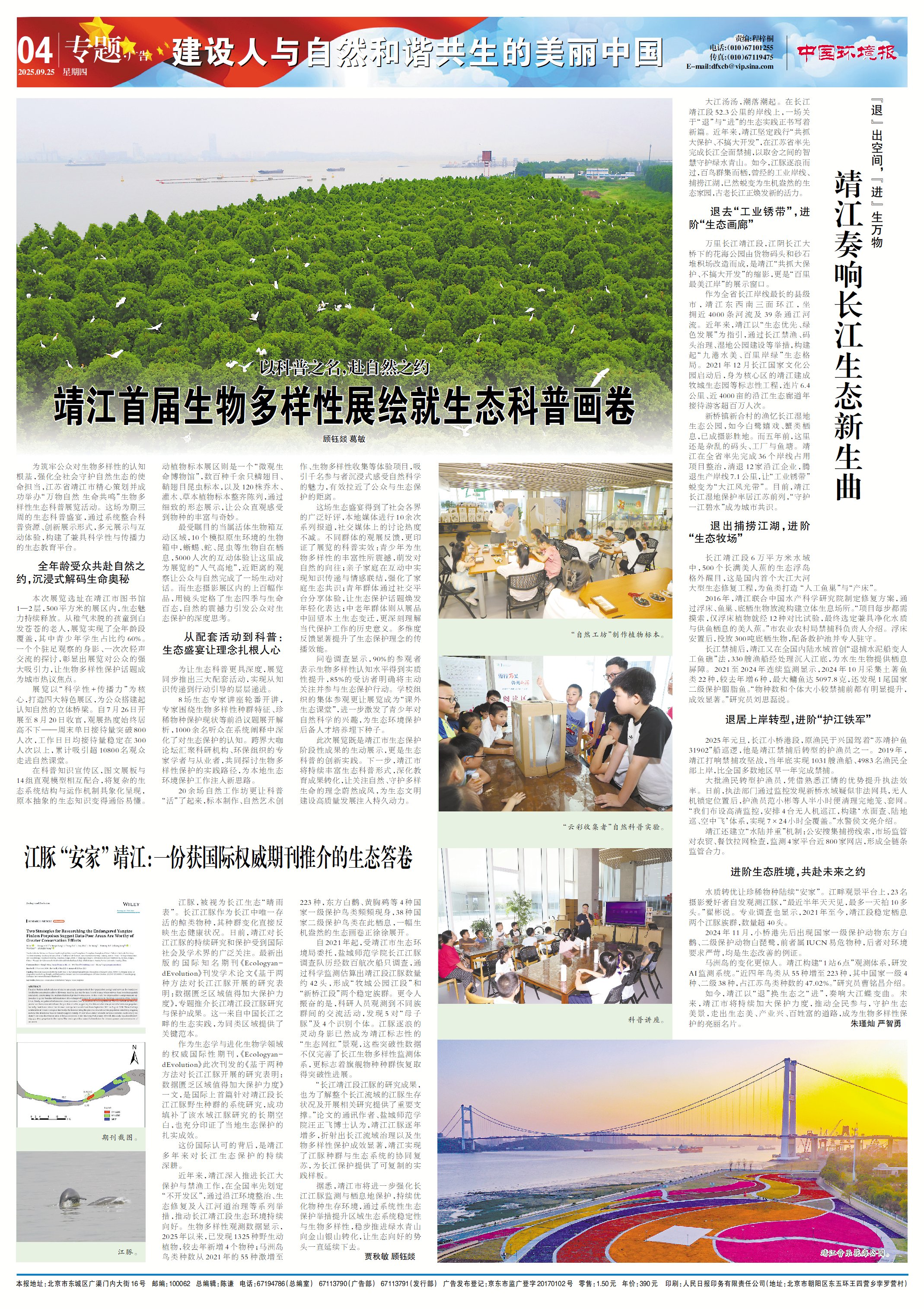
Core Insights - The completion of the second phase of the Wenyu River Park marks the full establishment of Beijing's largest urban green space, which will open to the public on September 29, allowing free access without reservations [1][3]. Group 1: Park Overview - Wenyu River Park covers a total area of approximately 30 square kilometers, making it the largest park in Beijing with diverse natural features [3]. - The first phase of the park, covering 12 square kilometers, opened in 2022, and with the completion of the second phase, the entire planned area is now fully developed [4]. Group 2: Ecological Features - About 9 square kilometers (30% of the total area) of the park is managed under the concepts of wild preservation and rewilding, focusing on the restoration and protection of biodiversity [4]. - The park has recorded over 880 species of flora and fauna, with more than 200 species added in the past five years, indicating a positive trend in ecosystem and species diversity [4]. Group 3: Water Management - The park features five ecological water corridors and ten wetlands, totaling 350 hectares of permanent water surface, all utilizing recycled water [8]. - It provides a daily supply of no less than 350,000 cubic meters of clean ecological water to the downstream urban sub-center [8]. Group 4: Flood Management - As the largest flood retention area in Beijing, Wenyu River Park has a flood retention capacity of 12 million cubic meters [9]. - The park serves dual purposes: a recreational area for citizens and a flood retention space during heavy rainfall, saving approximately 4 million cubic meters of water annually [9]. Group 5: Recreational Facilities - The park is designed to cater to all age groups with diverse activity spaces, including serene forest trails, birdwatching wetlands, camping sites, and venues for music festivals and sports events [11]. - It aims to provide a vibrant environment for family outings, social gatherings, and personal relaxation [11]. Group 6: Regional Collaboration - Wenyu River Park spans across three districts: Chaoyang, Shunyi, and Changping, making it the largest cross-administrative ecological space in Beijing [15]. - Each district contributes unique features: Chaoyang focuses on livability and innovation, Changping integrates technology and ecology, while Shunyi blends local culture with modern landscaping [15].
重庆南川:科技赋能生物多样性保护
Ren Min Wang· 2025-09-24 08:00
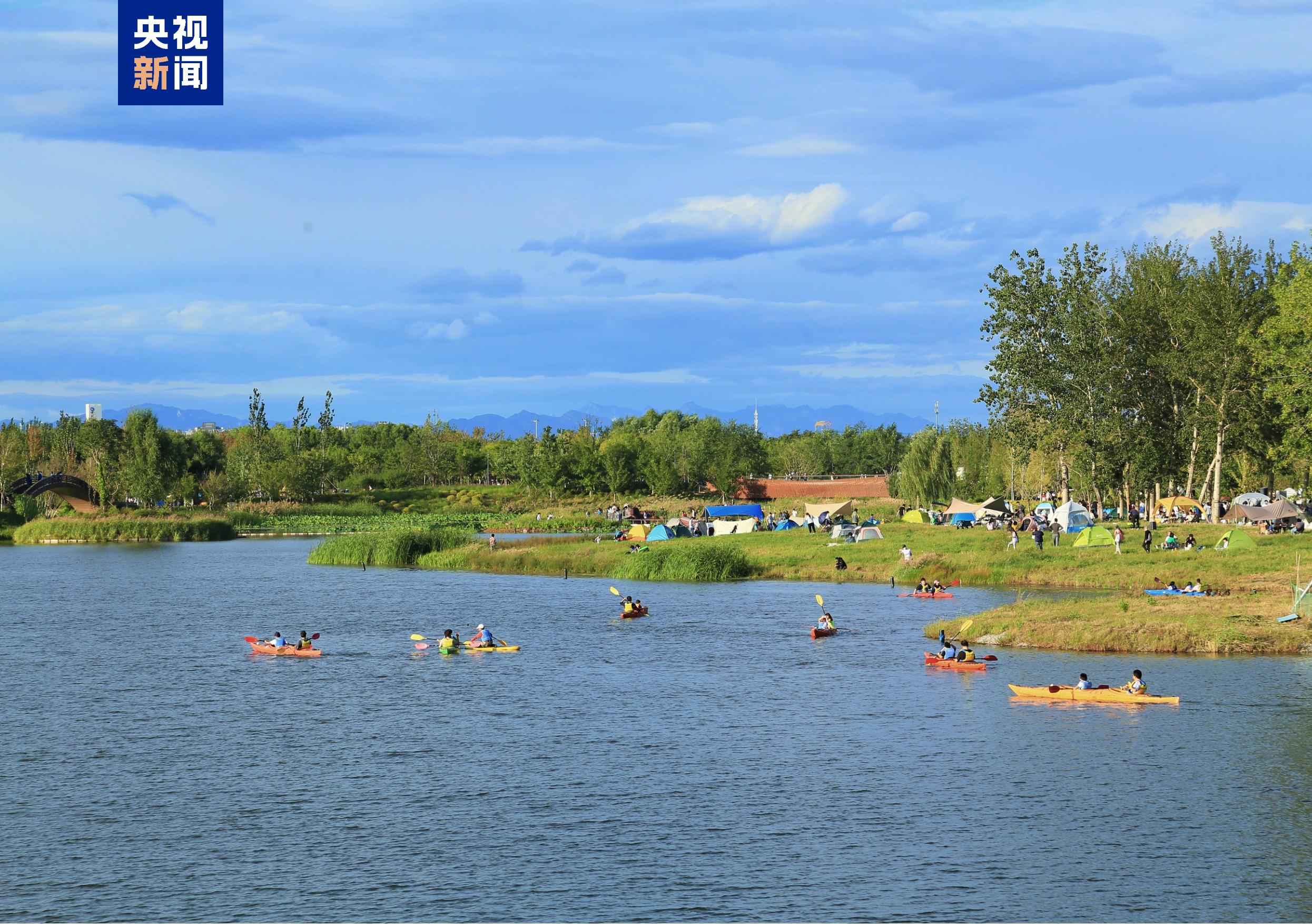
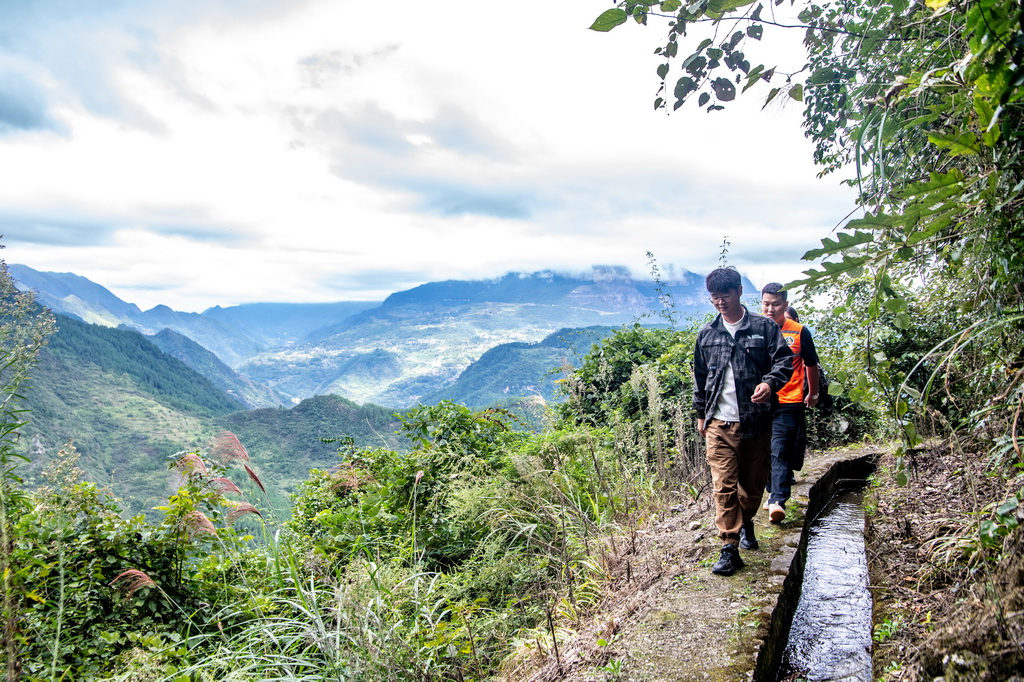
Group 1 - The management center staff is actively monitoring the silver fir community and black leaf monkeys in the Jinfo Mountain National Nature Reserve [1][5] - Remote video monitoring equipment is being checked and installed to observe the behavior of black leaf monkeys [2][3] - Staff are conducting plant breeding experiments in the laboratory to support conservation efforts [4] Group 2 - Artificially bred silver fir seedlings are being watered and cared for in the rare plant garden [6] - Monitoring systems are being tested and adjusted in the silver fir community monitoring sample area [7]
“守护生物圈微心愿”快闪驿站亮相
Hang Zhou Ri Bao· 2025-09-24 02:10
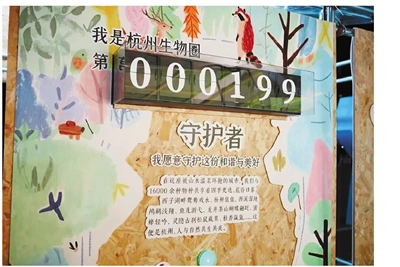
Core Points - The fifth World Biosphere Reserve Conference has commenced in Hangzhou, promoting public engagement in biodiversity conservation through the "Guardians of the Biosphere Micro-Wish" flash event [3][4] - The event features a unique model where participants make environmental wishes before engaging in volunteer activities, enhancing community involvement [3] - Various functional areas are set up within the event, including a stamp collection area, support area, display area, promotion area, and check-in area [3] Summary by Sections - **Stamp Collection Area**: Citizens can express an environmental wish via an H5 link and receive a "Guardian Spirit" seed postcard, symbolizing various local animals and plants, along with a unique stamp [3] - **Support Area**: Participants can press a support button to receive a guardian number, fostering a sense of community among volunteers [3] - **Display Area**: A wall showcases the Hangzhou Green Action Promotion Association and various volunteer projects, highlighting inspiring stories of dedicated environmental volunteers [4] - **Check-in Area**: An "Environmental Micro-Wish" wall allows visitors to write their wishes, reflecting the community's sincere hopes for a beautiful Hangzhou [4] - **Event Duration**: The event will continue until September 27, encouraging more participants to join in making positive environmental wishes [4]
浙江:近10%的省域面积已划建自然保护地加强物种保护
Xin Hua She· 2025-09-23 14:13
作为浙江古树名木中的重要树种,香榧树寿命长达百年甚至千年,被称为"寿星树"。"守护古树是我们 的使命。我的祖先还有保护古树的口训。"黄天明说,"这种传统代代相传,我们家族现在仍有六代人共 同守护着这片古树林,守护者年龄最大的已有97岁。" 全民参与生态保护在浙江蔚然成风,全省每年有上万名"绿色志愿者"活跃在生态保护一线:宁波象山韭 山列岛的中华凤头燕鸥守护行动,每年吸引上千名国内外志愿者参与;杭州"鸳鸯护卫队"十余年如一日 记录西湖鸳鸯种群动态;衢州开化"钱江源卫士"开展常态化巡护,减少大量生态警情。 持续的生态文明实践,增加了老百姓的获得感、幸福感。"过去10年间,我们在浙江发现了105个野生动 植物新种。"浙江省林业局局长董旭斌介绍,这些变化不仅让专家学者振奋,也让老百姓看在眼里、乐 在心头。与会专家认为,浙江的自然保护地建设成效,为经济发达地区协调保护与发展的关系提供了有 益借鉴。 浙江"七山一水两分田"的地理格局孕育了丰富的生态系统多样性。最新监测数据显示,浙江森林面积 9370万亩,森林覆盖率为58.55%,位居全国前列;湿地总面积1658万亩,其中国际重要湿地2处、国家 重要湿地3处;全省现有自然 ...
招商蛇口:结合环境生态维护与社区教育|2025华夏ESG实践十佳案例
Hua Xia Shi Bao· 2025-09-23 09:37
Company Overview - China Merchants Shekou Industrial Zone Holdings Co., Ltd. (referred to as "Shekou") was established in 1979 and is a comprehensive urban and park development service provider [1] - As the flagship enterprise of the real estate and park sector under China Merchants Group, the company provides integrated solutions for urban development and industrial upgrading [1] - As of the end of 2024, Shekou's total assets amount to 860.309 billion yuan, with operations covering over 100 cities and regions globally, serving more than 10 million customers [1] Sustainable Practices - Shekou is committed to preserving the original natural ecology of green spaces, prioritizing the protection of water sources, arable land, forest land, and urban green spaces [2] - The company responds to international initiatives such as the Convention on Biological Diversity and the Kunming-Montreal Global Biodiversity Framework (GBF), aiming to achieve biodiversity protection and sustainable use in its core business activities [2] Community Engagement Project - The "Little Ecological Engineer" volunteer project is an innovative community ecological initiative launched in collaboration with Harbin Institute of Technology, supported by Shekou's volunteer program [2] - The project, planned to start in 2025, will guide local youth in understanding, designing, and building habitat gardens, integrating ecological elements with community service [2] - The core component, the habitat garden, will serve multiple functions including wildlife habitat, recreation, carbon sequestration, rainwater management, natural education, and health benefits [2] Educational and Economic Benefits - The project involves youth in community ecological construction, extending environmental education from the classroom to practical applications, fostering ecological awareness across generations [3] - Utilizing existing green spaces in the Whale Mountain Villa community reduces costs related to land and materials, while deep community involvement lowers labor costs [3] - The rainwater management feature of the habitat garden can reduce maintenance costs for community drainage systems, enhancing community cohesion, brand recognition, and asset value, thus converting ecological benefits into economic value [3] Expert Commentary - Shekou has demonstrated excellence in green and environmentally friendly practices, accelerating the construction of low-carbon buildings and contributing positively to urban sustainable development [4]


社会组织能力建设工作坊在青岛举办
Qi Lu Wan Bao· 2025-09-23 04:56
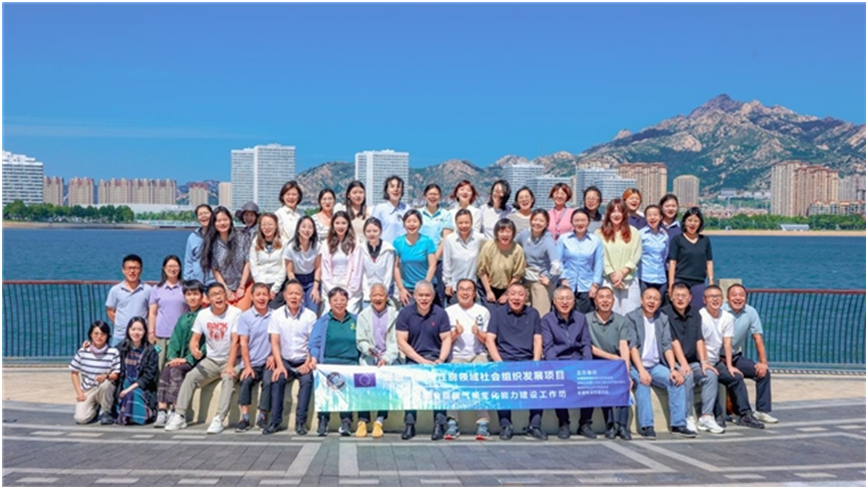
Group 1 - The workshop aimed to enhance the capacity and effectiveness of social organizations in addressing climate change [1][4] - Key discussions included the importance of compliance and asset protection in public welfare, as emphasized by experts [3] - The event featured practical activities, such as visiting fishing villages and participating in beach cleaning, to integrate theory with practice [3] Group 2 - The workshop provided support for social organizations to engage in climate action from various perspectives, including policy, law, and local practices [4] - Future collaborations are anticipated to promote green, equitable, and sustainable climate governance [4]
【科技日报】探索人与自然和谐共生之路
Ke Ji Ri Bao· 2025-09-23 02:01
Group 1 - The fifth World Biosphere Reserve Congress opened in Hangzhou, Zhejiang, focusing on "Shaping a Sustainable Future for People and Nature," showcasing China's achievements in ecological civilization and promoting global biodiversity conservation and sustainable development [1] - This congress is the first of its kind held in Asia and has the widest participation from UNESCO member countries, attracting around 4,000 representatives from over 150 countries and regions [1] Group 2 - The Man and the Biosphere (MAB) program, initiated by UNESCO in 1971, aims to explore and promote harmonious coexistence between humans and nature, emphasizing the organic combination of protection and development [2] - China's MAB program aligns with national conditions, promoting community involvement in ecological protection through initiatives like hiring local residents as ecological forest rangers and developing eco-friendly products [2] Group 3 - The Gaoligong Mountain Biosphere Reserve has successfully implemented a "bird-watching economy," significantly increasing local income through tourism-related activities, which enhances community awareness and participation in ecological protection [3] Group 4 - China has 34 natural reserves approved as World Biosphere Reserves by UNESCO, ranking first in Asia, serving as platforms for biodiversity protection, ecosystem maintenance, and sustainable resource use [4] - The country has made significant progress in protecting endangered species, with successful recovery of populations like the giant panda and the Yangtze finless porpoise through national park and botanical garden systems [4] Group 5 - The construction and development of biosphere reserves provide important application scenarios for new ideas, technologies, and products, facilitating international cooperation in ecological protection and sustainable development [5] - Recommendations for enhancing technological cooperation in biosphere reserve construction include promoting joint research in key areas, strengthening shared foundational capabilities, and expanding technical application scenarios [5]
“美丽陕西·生态先锋”志愿宣讲行动启动:“专业社工+志愿服务”模式助力生态环境宣教
Zhong Guo Huan Jing Bao· 2025-09-23 01:45
贡编:徐小雪 电话:(010)67139791 传真:(010)67139791 E-mail:dfxcb@ vip.sina.com "美丽陕西·生态先锋"志愿宣讲行动启动 "专业社工+志愿服务"模式助力生 本报讯 近日 .- 场融合生态 保护与科学探索的志愿服务活动 在西安市高新逸翠园初级中学举 行,为师生们带来了一场别开生 面的"青春盛宴"。 在中共陕西省委社会工作部 的大力支持下,由陕西省生态环 境厅指导,陕西省环境保护宣传 教育中心、陕西省环保志愿者联 合会等单位联合主办的"美丽陕 西·生态先锋"志愿宣讲行动正式 启动,标志着党建引领"专业社 工+志愿服务"的创新模式在生 杰环境宣教领域结出硕果。 此次活动聚焦"美丽中国,志 愿有我 -- 爱鸟护鸟保护生物多 样性"主题,通过丰富多元的互动 形式,向700余名师生传递科学 知识和绿色理念。 党建引领,志愿力量 扎根校园 多方联合,多维聚力。活动 现场,陕西省环境保护宣传教育 中心向学校赠送了《朱鹦重生记》 《山水趣科普》《公众环保知识系 列读本》等生态环境科普图书 200册。结合陕西省生态环境志 愿服务队伍能力建设交流培训, 主办方在参加交流人员中招 ...