智慧城市

Search documents
中山公用跌2.12%,成交额1.54亿元,主力资金净流出2955.62万元
Xin Lang Cai Jing· 2025-12-02 03:28
Core Viewpoint - Zhongshan Public Utility experienced a decline in stock price by 2.12% on December 2, with a current price of 11.99 CNY per share and a total market capitalization of 17.687 billion CNY [1] Financial Performance - For the period from January to September 2025, Zhongshan Public Utility reported a revenue of 3.143 billion CNY, a year-on-year decrease of 4.37%, while the net profit attributable to shareholders increased by 18.54% to 1.211 billion CNY [2] - The company has distributed a total of 4.529 billion CNY in dividends since its A-share listing, with 1.251 billion CNY distributed over the last three years [3] Stock Market Activity - As of November 20, 2025, the number of shareholders increased to 47,700, with an average of 26,271 circulating shares per shareholder, a decrease of 2.23% [2] - The stock has seen a year-to-date increase of 36.25%, with a slight decline of 1.64% over the last five trading days and a 1.32% decline over the last 20 days [1] Shareholder Composition - As of September 30, 2025, the top ten circulating shareholders included Hong Kong Central Clearing Limited, which held 13.9863 million shares, a decrease of 2.1042 million shares from the previous period [3] - Other notable shareholders include Yinhua Wealth Theme Mixed A and Southern CSI 1000 ETF, both of which also saw reductions in their holdings [3] Business Overview - Zhongshan Public Utility, established on December 26, 1992, and listed on January 23, 1997, operates in various sectors including environmental water services, solid waste treatment, sanitation services, engineering construction, market operations, port passenger transport, financial services, and equity investment [1] - The main revenue sources are water supply and sewage treatment (37.07%), engineering installation (34.53%), sanitation and waste-to-energy (18.79%), and other services (9.32%), with a minimal contribution from the new energy sector (0.28%) [1]

东土科技跌2.02%,成交额1.37亿元,主力资金净流出1169.35万元
Xin Lang Cai Jing· 2025-12-02 03:21
Core Viewpoint - Dongtu Technology's stock has experienced fluctuations, with a year-to-date increase of 77.70%, but recent declines in the short term indicate potential volatility in investor sentiment [1][2]. Financial Performance - For the period from January to September 2025, Dongtu Technology reported a revenue of 5.01 billion yuan, a year-on-year decrease of 11.72%, while the net profit attributable to shareholders was -1.48 billion yuan, reflecting a year-on-year increase of 1.32% [2]. Stock Market Activity - As of December 2, Dongtu Technology's stock price was 20.40 yuan per share, with a market capitalization of 12.544 billion yuan. The stock has seen a trading volume of 1.37 billion yuan and a turnover rate of 1.24% [1]. - The company has appeared on the "Dragon and Tiger List" three times this year, with the most recent instance on April 2, where it recorded a net purchase of 215 million yuan [1]. Shareholder Information - As of September 30, the number of shareholders for Dongtu Technology was 58,700, a decrease of 9.62% from the previous period, while the average circulating shares per person increased by 10.88% to 9,177 shares [2]. Business Overview - Dongtu Technology, established on March 27, 2000, and listed on September 27, 2012, specializes in the research, production, and sales of hardware devices in the industrial control network sector. Its main revenue sources include industrial network communication (68.97%), smart controllers and solutions (20.05%), and industrial operating systems and related software services (10.98%) [2]. - The company operates within the communication equipment sector and is involved in various concept sectors such as industrial software, big data, smart cities, machine vision, and intelligent transportation [2].

秦川物联跌2.10%,成交额598.97万元,主力资金净流入34.44万元
Xin Lang Cai Jing· 2025-12-02 01:58
Group 1 - The core business of Qin Chuan IoT includes the research, manufacturing, sales, and service of smart gas meters, integrating core technologies such as precise measurement, intelligent control, data communication, and information security with precision instrument manufacturing [2] - The revenue composition of Qin Chuan IoT is as follows: IoT smart gas meters 61.56%, smart sensors and related components 17.62%, membrane gas meters 11.49%, others 3.88%, IC card smart gas meters 2.12%, industrial and commercial gas meters 1.54%, household combustible gas detectors 1.46%, and IoT smart water meters 0.34% [2] - As of September 30, 2025, Qin Chuan IoT reported a revenue of 219 million yuan, a year-on-year decrease of 16.24%, and a net profit attributable to shareholders of -69.89 million yuan, a year-on-year decrease of 66.72% [2] Group 2 - Since its A-share listing, Qin Chuan IoT has distributed a total of 35.28 million yuan in dividends, with no dividends distributed in the past three years [3] - As of September 30, 2025, the number of shareholders of Qin Chuan IoT increased by 7.01% to 6,303, while the average circulating shares per person decreased by 6.55% to 26,653 shares [2] - Among the top ten circulating shareholders, CITIC Prudential Multi-Strategy Mixed Fund (LOF) A is the sixth largest shareholder with 742,000 shares, marking its entry as a new shareholder [3]

每日互动跌2.05%,成交额4.02亿元,主力资金净流出4522.64万元
Xin Lang Cai Jing· 2025-12-02 01:55
12月2日,每日互动盘中下跌2.05%,截至09:39,报35.75元/股,成交4.02亿元,换手率3.09%,总市值 141.12亿元。 资金流向方面,主力资金净流出4522.64万元,特大单买入1947.73万元,占比4.85%,卖出5679.60万 元,占比14.14%;大单买入9569.54万元,占比23.82%,卖出1.04亿元,占比25.78%。 每日互动今年以来股价涨144.70%,近5个交易日涨1.71%,近20日跌3.01%,近60日跌19.50%。 今年以来每日互动已经16次登上龙虎榜,最近一次登上龙虎榜为8月22日,当日龙虎榜净买入-7386.68 万元;买入总计4.11亿元 ,占总成交额比6.31%;卖出总计4.85亿元 ,占总成交额比7.45%。 资料显示,每日互动股份有限公司位于浙江省杭州市西湖区荆大路100号每日金座南楼,成立日期2010 年12月7日,上市日期2019年3月25日,公司主营业务涉及基于大数据的移动互联网综合服务提供商,主 要利用大数据能力提供面向移动应用开发者的技术服务、面向广告主的移动互联网营销服务,以及面向 其他垂直领域客户的数据服务。主营业务收入构成为:数 ...
路甬祥:科技驱动新质生产力,促进绿色可持续发展
中国能源报· 2025-12-01 10:23
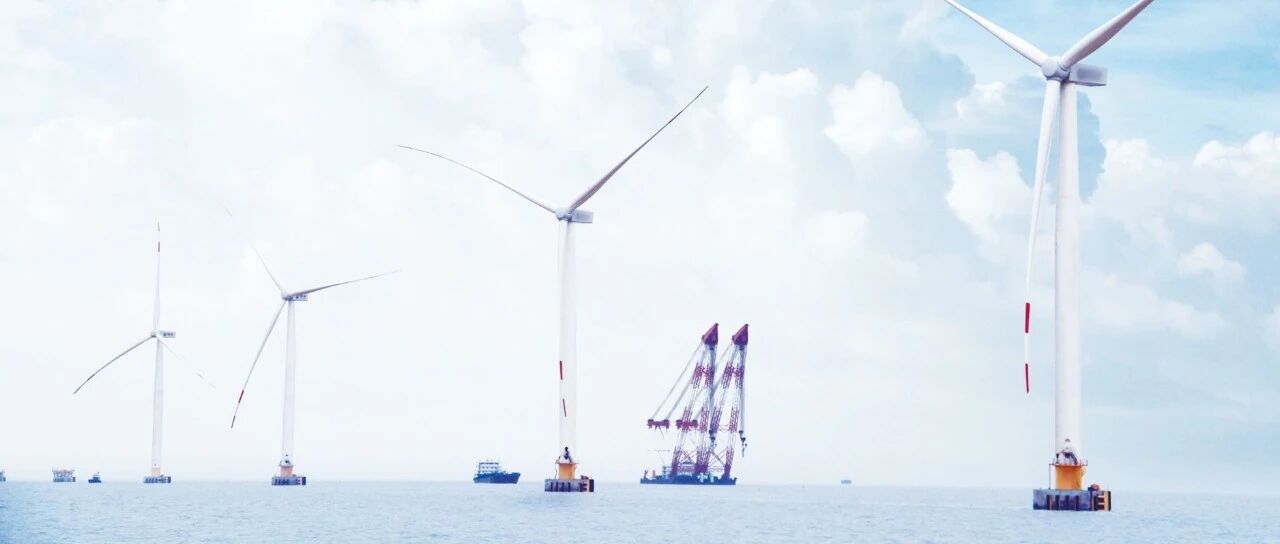
Group 1: Core Concepts - The article emphasizes the importance of new productive forces driven by technology, which enhances global production efficiency while promoting green and sustainable development [1][3] - The 20th National Congress of the Communist Party of China calls for accelerating high-level technological self-reliance to lead the development of new productive forces [3] Group 2: Green Intelligent Manufacturing - Green intelligent manufacturing integrates environmental protection and sustainable development throughout the manufacturing process, improving production efficiency and product quality while reducing resource consumption and pollution [5] - This system employs energy-efficient equipment and optimized processes to minimize waste, with real-time monitoring to prevent excessive energy consumption and reduce defective products [5][6] - The use of recyclable or biodegradable materials is encouraged to alleviate long-term environmental burdens, with some companies adopting renewable plant fibers or recycled plastics [5] Group 3: Supply Chain Management - Green intelligent manufacturing includes the green management of supply chains, assessing and reducing environmental impacts at every stage from raw material procurement to waste disposal [6] - Companies can lower carbon footprints by selecting local suppliers, using eco-friendly packaging, and designing products for easy disassembly and recycling [6] Group 4: Employee Engagement - Successful implementation of green intelligent manufacturing relies on employee engagement, necessitating systematic training to enhance environmental awareness and skills [7] - Continuous education fosters recognition of the importance of green manufacturing and encourages proactive environmental measures among employees [7] Group 5: Renewable Energy Technologies - Green renewable energy technologies aim to reduce pollution and greenhouse gas emissions, including solar, wind, hydro, geothermal, and biomass energy [8][9] - Solar energy technologies encompass photovoltaic and solar thermal systems, while wind energy utilizes turbines to convert wind energy into electricity [9] - Hydropower, geothermal energy, and biomass energy also play significant roles in transitioning to a sustainable energy structure [10] Group 6: Green Transportation Technologies - Green transportation technologies significantly reduce environmental impacts, including electric vehicles (EVs) and hydrogen fuel cell vehicles (FCEVs), which minimize greenhouse gas emissions [11][12] - Public transportation benefits from green technologies, such as natural gas buses and electric buses, which lower pollutant emissions compared to traditional diesel vehicles [13] - Intelligent transportation systems enhance traffic management, reducing congestion and carbon emissions through real-time monitoring and optimization [14] Group 7: Green Data Technologies - Green data technologies focus on minimizing energy consumption and carbon emissions throughout the data lifecycle, supporting the development of smart cities [15][16] - Applications of green data include traffic management, energy management, and environmental monitoring, contributing to overall urban sustainability [17] - Challenges include the increasing demand for data storage and processing, which raises energy consumption concerns, and the high costs associated with developing green data technologies [18]

城市“进化”,生活“向新”
Ren Min Ri Bao· 2025-12-01 01:42
Core Insights - The development of smart cities in China is significantly advancing, focusing on integrating technology to enhance urban living and governance [1][2][3][4] - The "14th Five-Year Plan" emphasizes the construction of modern, innovative, and resilient cities, with a strong push for digital transformation [1][4] Group 1: Smart City Innovations - Smart lighting systems adjust brightness based on pedestrian and vehicle flow, as well as natural light, contributing to energy savings [1] - Innovative applications like elderly care systems address the challenges of unattended elderly individuals, showcasing the potential of smart city solutions [1] Group 2: Governance and Efficiency - Smart city initiatives such as "One Network Management" in Shanghai and "City Brain" in Hangzhou enhance urban management and service capabilities [2] - The establishment of electronic health records for over 30,000 elderly individuals in Jinan demonstrates the practical benefits of smart city technologies [2] Group 3: Future Development Directions - Comprehensive transformation is essential, moving from isolated projects to coordinated systems that enhance urban governance and service delivery [3] - Reform and innovation are necessary to overcome challenges like data silos and mismatched public needs in smart city applications [3] - Security and data protection are critical, requiring clear regulations on data collection, storage, and sharing to ensure safe urban governance [3] Group 4: Vision for the Future - The evolution of smart cities represents not only technological advancements but also a shift in governance philosophy and the relationship between people and urban environments [4] - The goal is to leverage digital capabilities for high-quality urban development, paving the way for a new model of urban modernization in China [4]
城市“进化” 生活“向新”(人民时评)
Ren Min Ri Bao· 2025-11-30 22:15
Core Insights - The development of smart cities is fundamentally reshaping urban growth logic, emphasizing the integration of digitalization as the "blood" and "nerves" of urban life [1] - The "14th Five-Year Plan" suggests building modern cities that are innovative, livable, beautiful, resilient, civilized, and smart, highlighting the role of data in urban economic and social development [1] - Significant achievements have been made in China's smart city development, with a solid data foundation and increasingly rich application scenarios [1] Group 1 - Smart city initiatives enhance efficiency and upgrade urban governance through integrated systems like "one network management" and "digital twin cities" [2] - The focus on citizen welfare is crucial, as successful smart city projects are evaluated based on public feedback and satisfaction [2] - Examples include the establishment of electronic health records for elderly care in Jinan and the AI+medical ecosystem in Ningbo, which significantly reduce patient wait times [2] Group 2 - Future smart city development should focus on three areas: comprehensive transformation, reform and innovation, and security assurance [3] - Comprehensive transformation involves shifting from single-point construction to system collaboration, enhancing the intelligent and refined level of urban governance [3] - Reform and innovation are necessary to address issues like data silos and mismatched public needs, promoting coordinated efforts across departments and regions [3] Group 3 - Security assurance is essential as data and information become new elements in urban governance, necessitating clear regulations on data collection, storage, and sharing [3] - The evolution of smart cities is not only a technological challenge but also a process of updating governance concepts and improving institutional frameworks [4] - The transition to a fully digitalized urban environment is expected to drive high-quality urban development and create a promising vision for modern urbanization in China [4]
城市“进化”,生活“向新”(人民时评)
Ren Min Ri Bao· 2025-11-30 22:01
Core Insights - The article emphasizes the transformation of urban development through digitalization, enhancing the perception, judgment, and collaboration capabilities of cities, leading to a symbiotic relationship among people, cities, environments, and industries [1][4] - The "14th Five-Year Plan" suggests building modern cities that are innovative, livable, beautiful, resilient, civilized, and smart, with a focus on leveraging data for urban economic and social development [1][4] Group 1: Smart City Development - Smart lighting systems adjust brightness based on pedestrian and vehicle flow and natural light, while integrated sensors monitor air quality, noise, temperature, and humidity [1] - The implementation of smart city initiatives like "One Network Management" in Shanghai and "Digital Twin City" in Xiong'an New Area enhances infrastructure connectivity and data integration [2] Group 2: Citizen-Centric Approach - The success of smart city initiatives is measured by their impact on citizens, with examples like the establishment of electronic health records for over 30,000 elderly individuals in Jinan and the AI+Healthcare ecosystem in Ningbo significantly reducing patient wait times [2] Group 3: Future Directions - The article outlines three key areas for advancing smart city development: 1. Comprehensive transformation from single-point construction to system collaboration, enhancing urban governance and service capabilities [3] 2. Reform and innovation to address issues like data silos and mismatched public needs, promoting coordinated efforts across departments and regions [3] 3. Ensuring data security and privacy protection as new challenges arise from the integration of information and data in urban governance [3] Group 4: Vision for Urban Modernization - The evolution of smart cities is not only a technological challenge but also involves updating governance concepts, improving institutional frameworks, and redefining the relationship between people and cities [4]
玉树智能亮相2025深圳(国际)市容环境产业博览会 引领智慧城市发展新风向
Zheng Quan Ri Bao Zhi Sheng· 2025-11-30 13:04
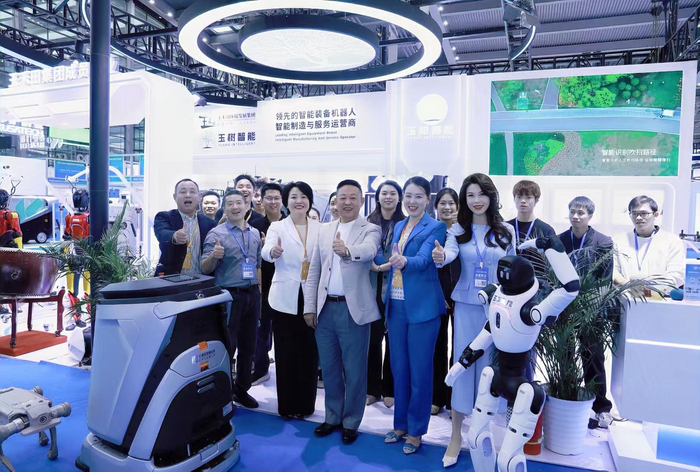
Core Insights - The article highlights the launch of the new "Sunshine S300 multifunctional cleaning robot" by Yushut Intelligent Robotics at the 2025 Shenzhen (International) Urban Environment Industry Expo, showcasing advancements in automated cleaning technology [1][2]. Group 1: Product Features - The Sunshine S300 is equipped with a powerful cleaning system and advanced autonomous driving technology, enabling high-precision automated cleaning operations suitable for various road types [1]. - It features high-precision positioning and mapping, multi-sensor recognition technology, automatic path planning, and the ability to recognize traffic lights, enhancing its autonomous driving capabilities [1]. - The robot's design includes a 1.2m ultra-narrow body for narrow roads, a 900mm diameter brush for thorough cleaning, and a suction power of 35,000 Pa, making it effective for common debris like leaves and bottles [1]. Group 2: Technological Advancements - The Sunshine S300 operates on a self-developed intelligent driving platform, achieving L4 level autonomous driving with safety and reliability [2]. - It utilizes a combination of multi-line laser radar, ultrasonic sensors, and high-definition cameras for 360° environmental perception [1][2]. Group 3: Broader Product Family - Yushut Intelligent is not limited to a single device but aims to create an interconnected and collaborative intelligent ecosystem, showcasing three core product families at the expo [1][2]. - The family of cleaning robots addresses diverse needs from large roads to indoor spaces, including the Sunshine S200 for parks and the Flash M50 and Aurora F50 for medium to large indoor environments [2]. Group 4: Strategic Alignment - The innovation and development of Yushut Intelligent align with national strategies for "green development" and "smart city" construction, enhancing the efficiency and safety of sanitation operations [2]. - The launch of products like the Sunshine S300 provides systematic solutions for urban management through intelligent and networked technologies, facilitating the transition from traditional sanitation services to integrated smart environmental services [2].

玉禾田阳光S300多功能清扫机器人发布 引领智慧城市发展新风向
Zheng Quan Shi Bao Wang· 2025-11-30 02:29
Core Insights - The article highlights the launch of the new "Sunshine S300 multifunctional cleaning robot" by Shenzhen Yushu Intelligent Robot Co., Ltd., a subsidiary of Yuhua Tian (300815), at the 2025 Shenzhen (International) Urban Environment Industry Expo [2][3] - The Sunshine S300 is positioned as a "motorway-level cleaning expert," showcasing advanced performance and intelligent design in the field of autonomous cleaning technology [2][3] Product Features - The Sunshine S300 features a powerful cleaning system and utilizes advanced autonomous driving technology for high-precision automated cleaning operations, suitable for various road types [2] - It incorporates high-precision positioning and mapping, multi-sensor recognition technology, automatic path planning, and high-precision motion control, along with the ability to recognize traffic lights for autonomous driving decision-making [3] - The robot has a compact design with a 1.2m ultra-narrow body, a 900mm diameter large brush for thorough cleaning, and a suction power of 35,000 Pa, making it effective in handling common street debris [2][3] Intelligent Capabilities - The Sunshine S300 is built on a self-developed intelligent driving platform, achieving L4 level autonomous driving with reliable safety [3] - It employs a combination of multi-line laser radar and high-definition cameras for 360° environmental perception, enabling the robot to autonomously remember task progress and cleaning paths, as well as support breakpoint continuation of cleaning tasks [3] - The device utilizes AI visual recognition algorithms for precise traffic signal perception, ensuring compliance with traffic rules, and supports OTA online upgrades for continuous performance optimization [3] Market Positioning - The introduction of the Sunshine S300 is expected to enhance the efficiency and safety of sanitation operations, providing a systematic solution for urban management through intelligent and connected technologies [3] - The company plans to continue launching lighter models such as the Sunshine S100 autonomous cleaning vehicle and other products in the Sunshine series [3]