
消费品以旧换新

Search documents
2026年“两新”政策部署来了
Shang Hai Zheng Quan Bao· 2025-12-30 15:21
优化支持范围!2026年"两新"政策部署来了 新华社北京12月30日电(记者魏玉坤、魏弘毅)国家发展改革委、财政部印发的《关于2026年实施大规 模设备更新和消费品以旧换新政策的通知》30日对外发布,明确2026年"两新"政策的支持范围、补贴标 准和工作要求。2026年"两新"政策主要做了3个方面优化。 一是优化支持范围。设备更新方面,总体延续2025年支持范围,在民生领域增加老旧小区加装电梯、养 老机构设备更新,在安全领域增加消防救援、检验检测设备更新,在消费基础设施领域增加商业综合 体、购物中心、百货店、大型超市等线下消费商业设施的设备更新。消费品以旧换新方面,进一步集中 资源,着力提升覆盖人群广、带动效应强的重点消费品"得补率"。继续实施汽车报废更新和汽车置换更 新补贴;继续实施家电以旧换新补贴,支持范围聚焦冰箱、洗衣机、电视、空调、电脑、热水器等6类 产品;同时,将数码产品购新补贴拓展为数码和智能产品购新补贴,支持范围包括手机、平板、智能手 表(手环)、智能眼镜和智能家居产品(含适老化家居产品)。 二是优化补贴标准。设备更新方面,将住宅老旧电梯更新由定额补贴调整为按电梯层(站)数分档差异 化补贴;在老 ...
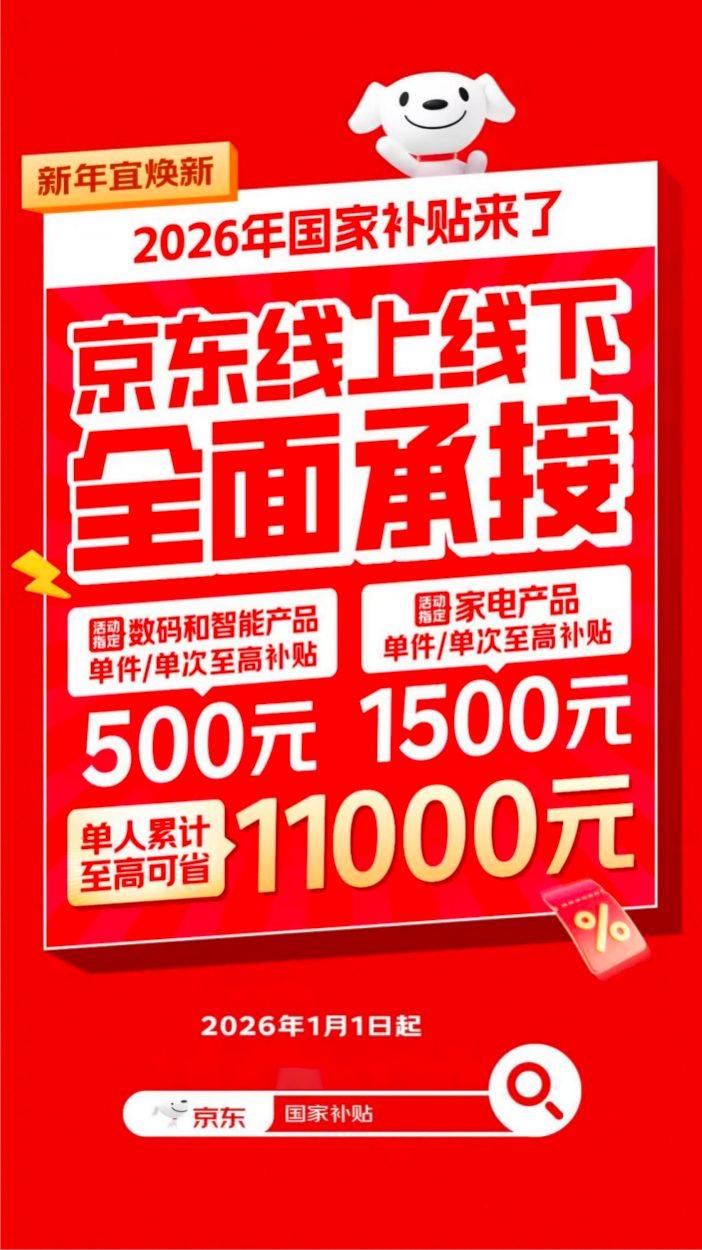
2026国补来了!京东线上线下全面承接
Nan Fang Du Shi Bao· 2025-12-30 15:04
12月30日,国家发展改革委、财政部印发的《关于2026年实施大规模设备更新和消费品以旧换新政策的 通知》(以下简称通知)对外发布,明确2026年"两新"政策的支持范围、补贴标准和工作要求。个人消 费者购买冰箱、洗衣机、电视、空调、电脑、热水器等6类家电中1级能效或水效标准的产品,按产品销 售价格的15%给予补贴,每位消费者每类产品可补贴1件,每件补贴不超过1500元。个人消费者购买手 机、平板、智能手表手环、智能眼镜等4类产品(单件销售价格不超过6000元),按产品销售价格的 15%给予补贴,每位消费者每类产品可补贴1件,每件补贴不超过500元。 在提升国补体验方面,京东可额外提供家电品类的旧机回收补贴,"送、装、拆、收"一体化服务,以 及"三免四不限"服务(即旧机免费上门、免费拆卸、免费搬运;不限旧机购买渠道、不限品牌、不限年 限、不限品相)。京东可为3C数码品类送货上门的同时,完成现场签收、现场激活,让消费者足不出 户换新机。 在保障资金安全层面,京东通过全链路数字化形式,确保资金合规可溯源。过去几年,京东积极承接多 地政府促消费的合作,持续优化防套补、防黄牛等能力,在每一地上线的活动均有单独的风控策略 ...


2026年消费品以旧换新补贴政策即将实施 京东线上线下已做好全面国补承接准备
Zheng Quan Ri Bao Wang· 2025-12-30 14:13
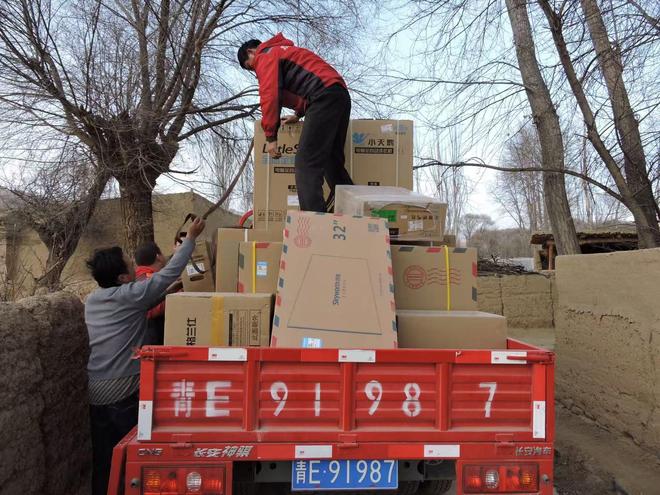
Group 1 - The National Development and Reform Commission and the Ministry of Finance issued a notice regarding the implementation of a large-scale equipment update and consumer goods replacement policy in 2026, detailing the support scope, subsidy standards, and work requirements [1] - Consumers purchasing energy-efficient home appliances such as refrigerators, washing machines, televisions, air conditioners, computers, and water heaters will receive a subsidy of 15% of the product price, capped at 1,500 yuan per item, with a limit of one item per category per consumer [1] - For mobile phones, tablets, smartwatches, and smart glasses priced under 6,000 yuan, consumers will also receive a 15% subsidy, with a maximum of 500 yuan per item and one item per category per consumer [1] Group 2 - JD.com has prepared its workforce of hundreds of thousands and nearly 30,000 offline stores nationwide to support the implementation of the national subsidy policy, ensuring timely service for consumer upgrades [4] - JD.com offers a comprehensive service for old appliance recycling, including free pickup, disassembly, and transportation, along with a digitalized approach to ensure compliance and traceability of funds [4] - The logistics service of JD.com has achieved full coverage in domestic counties and basic coverage in administrative villages, including remote areas, with nearly 100,000 service stations established to facilitate the delivery of subsidies to rural consumers [4]
刚刚发布!2026,重大利好!
券商中国· 2025-12-30 14:10
Core Viewpoint - The article discusses the implementation of the "Two New" policy for 2026, which focuses on large-scale equipment updates and the trade-in of consumer goods, highlighting the support range, subsidy standards, and implementation mechanisms [1][3][4]. Group 1: Policy Support Range - The 2026 policy continues to support vehicle scrapping and replacement subsidies, as well as the trade-in of household appliances, specifically targeting six categories: refrigerators, washing machines, televisions, air conditioners, computers, and water heaters [1][3]. - The scope of digital product subsidies has been expanded to include smart products such as smartphones, tablets, smartwatches, smart glasses, and smart home devices [1][3][8]. - Additional support for equipment updates includes the installation of elevators in old residential areas, equipment updates in elderly care institutions, and safety-related equipment such as firefighting and inspection devices [3][5]. Group 2: Subsidy Standards - The subsidy standards for equipment updates have been optimized, with residential elevator updates shifting from fixed subsidies to tiered subsidies based on the number of floors [4]. - For scrapping old trucks, priority will be given to those replaced with electric trucks [4]. - The subsidy for household appliances will be 15% of the product price for energy-efficient or water-efficient products, with a maximum subsidy of 1,500 yuan per item [6][9]. Group 3: Implementation Mechanisms - The policy aims to streamline the project application and review processes, lowering the investment threshold for project applications and increasing support for small and medium-sized enterprises [4][5]. - The funding distribution method will be optimized, and measures will be taken to combat fraudulent claims and ensure uniform subsidy standards across the country [4][9]. - The policy emphasizes the importance of aligning with the construction of a unified national market, ensuring consistent implementation of subsidies for vehicle scrapping, household appliances, and digital products [4][9].

2026 年国补方案正式出炉:手机、平板、家电等补贴 15%
Ju Chao Zi Xun· 2025-12-30 14:09
Group 1 - The core viewpoint of the news is the announcement of a new policy by the National Development and Reform Commission and the Ministry of Finance to implement large-scale equipment updates and a trade-in policy for consumer goods in 2026, which aims to enhance the coverage and effectiveness of subsidies for green and smart products [1][2] Group 2 - The policy expands the scope of trade-in subsidies to include smart glasses and smart home products, alongside existing categories like automobiles and home appliances [1] - Specific subsidies for digital and smart products will cover smartphones, tablets, smartwatches, and smart glasses, with local governments responsible for detailing the subsidy rules [1] - The policy emphasizes targeted adjustments in subsidy standards to improve precision and effectiveness [1][2] Group 3 - The government has allocated 62.5 billion yuan in special long-term bonds to support the trade-in policy, ensuring timely implementation to meet consumer demand during traditional peak seasons [2] - The updated policy also includes support for installing elevators in old residential areas, enhancing safety in elderly care institutions, and improving commercial facilities, reflecting a focus on social welfare and safety [2] Group 4 - The subsidy for automobile trade-ins will shift from a fixed amount to a percentage of the new car sales price, while maintaining the upper limit [3] - For home appliances, the subsidy will be 15% of the sales price for energy-efficient products, with a cap of 1,500 yuan per item for each consumer [3] - The subsidy for digital and smart products will also be 15% of the sales price, with a limit of 500 yuan per item for each consumer [3]
12月30日重要资讯一览
Zheng Quan Shi Bao Wang· 2025-12-30 13:52
Group 1 - The National Development and Reform Commission and the Ministry of Finance have allocated 62.5 billion yuan for the first batch of special long-term bonds to support the consumption of old goods replacement in 2026 [2] - The new policy will expand support for equipment updates in various sectors, including elderly care facilities and fire rescue equipment, to better meet public needs [2] - The Ministry of Industry and Information Technology aims to enhance the digital transformation of the automotive industry by 2027, with significant improvements in manufacturing capabilities and productivity [5] Group 2 - The Ministry of Finance and the State Taxation Administration announced a new VAT policy for personal housing sales, effective January 1, 2026, with a 3% tax rate for properties sold within two years and exemption for those sold after two years [4] - The Beijing Municipal Health Commission has introduced measures to support the innovation and development of the AI industry in healthcare, aiming to establish a comprehensive AI support system by 2027 [6] - Companies like Tianpu Co. have seen significant stock price increases, with a reported rise of 718.39% from August 22 to December 30, leading to a stock suspension for verification [8]
2026年来京东用国补购电视、手机等家电与数码智能产品 单人至高可省1.1万元
Jin Rong Jie Zi Xun· 2025-12-30 13:14
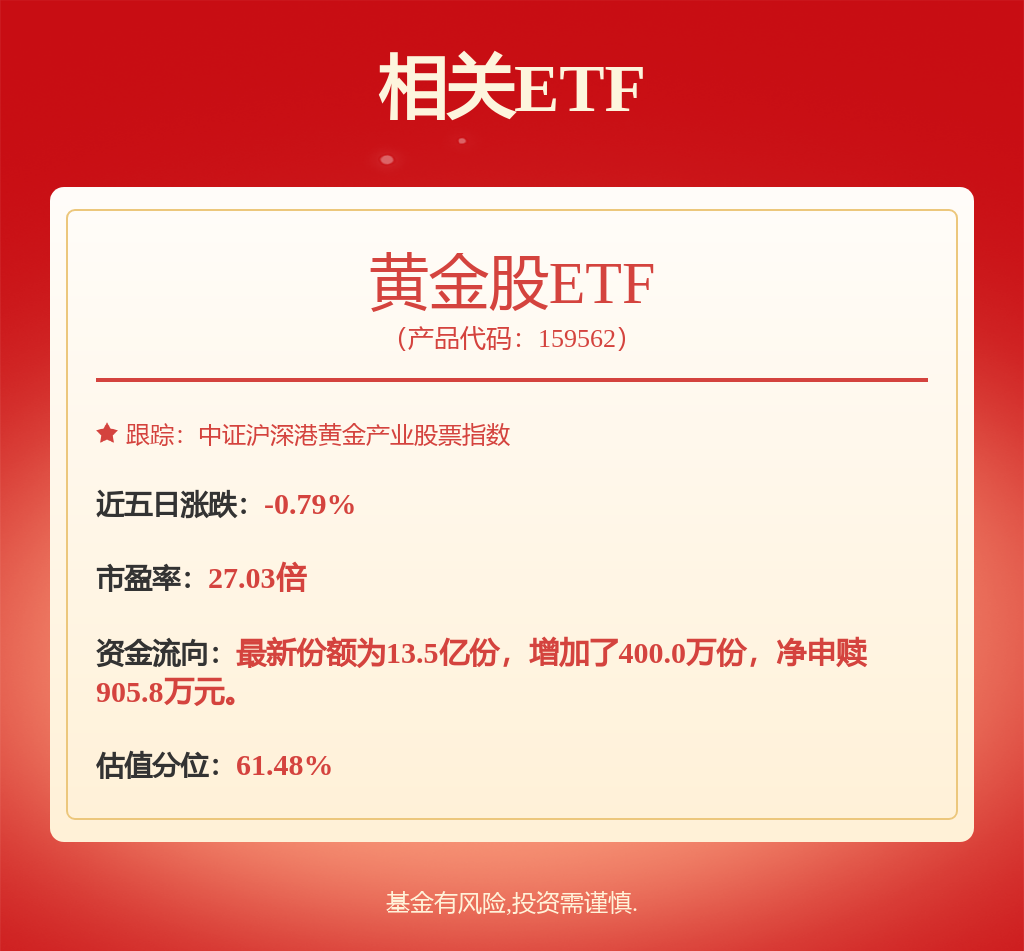
Group 1 - The National Development and Reform Commission and the Ministry of Finance issued a notice on December 30, outlining the support scope, subsidy standards, and work requirements for the "Two New" policy to be implemented in 2026 [1] - Consumers purchasing energy-efficient home appliances such as refrigerators, washing machines, televisions, air conditioners, computers, and water heaters will receive a subsidy of 15% of the product's sales price, capped at 1,500 yuan per item, with a limit of one item per category per consumer [1] - For digital products like smartphones, tablets, smartwatches, and smart glasses, consumers will also receive a 15% subsidy on products priced under 6,000 yuan, with a similar cap of 500 yuan per item [1] Group 2 - Since the implementation of the "Two New" policy in 2024, JD has mobilized tens of thousands of employees across various departments to ensure the effective and equitable distribution of national subsidies [2] - JD offers a comprehensive service for old appliance recycling, including free pickup, disassembly, and transportation, along with a "three-free, four-unlimited" service model [2] - JD has established a digital system to ensure compliance and traceability of funds, optimizing its capabilities to prevent subsidy fraud and ensure that subsidies reach consumers safely [2] Group 3 - In 2026, consumers can access the "National Subsidy" on JD's dedicated platform, unlocking benefits for upgrading home appliances and smart digital products [3]
2026年“国补”政策发布:补贴有调整,新增AR眼镜品类
Sou Hu Cai Jing· 2025-12-30 13:00
Core Viewpoint - The new policy on the "National Subsidy" for replacing old consumer goods will continue in 2026, with adjustments to the scope and intensity of subsidies [1][6]. Group 1: Policy Continuation and Adjustments - The "National Subsidy" policy for consumer goods replacement will be implemented in 2026, following the guidelines set in the 14th Five-Year Plan to boost consumption [3][6]. - The 2026 subsidy will focus on four main categories: vehicle scrapping, vehicle replacement, home appliances, and digital/智能 products, with the exclusion of home decoration and electric bicycles [6][8]. Group 2: Subsidy Details - In 2026, the home appliance subsidy will cover six categories: refrigerators, washing machines, televisions, air conditioners, computers, and water heaters, with a requirement for products to meet level 1 energy or water efficiency standards [8][10]. - Consumers purchasing eligible home appliances will receive a subsidy of 15% of the product price, capped at 1,500 yuan per item, with a limit of one item per category per consumer [10][11]. - The digital product subsidy will include smartphones, tablets, smartwatches, and smart glasses, with a similar subsidy structure as home appliances, maintaining a cap of 500 yuan per item [10][11]. Group 3: Economic Impact and Industry Growth - The "National Subsidy" policy has significantly contributed to the domestic market, with over 128 million home appliances replaced in 2025, generating sales exceeding 2.5 trillion yuan [5]. - The light industry achieved a revenue of 19 trillion yuan in the first ten months of 2025, with a year-on-year growth of 1.9%, indicating a positive contribution to the national economy [5]. - The policy is expected to further drive the transformation and upgrading of the light industry, enhancing the supply of quality consumer goods and services [5][11].
刚刚,利好来了!
中国基金报· 2025-12-30 12:57
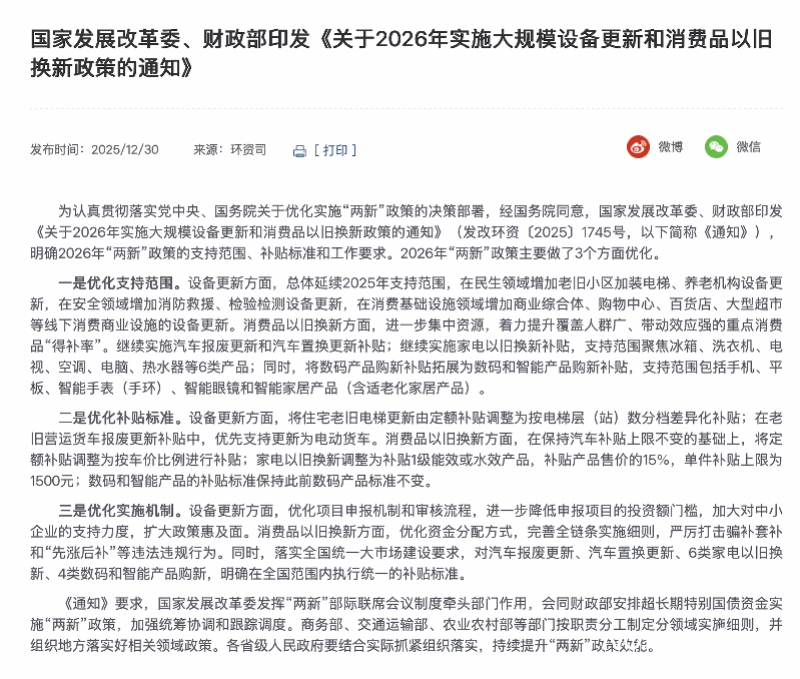
【导读】国家发展改革委、财政部发布关于2026年实施大规模设备更新和消费品以旧换新政 策的通知 中国基金报记者 晨曦 2026年"两新"政策,来了! 12月30日,国家发展改革委官网发布《关于2026年实施大规模设备更新和消费品以旧换新政 策的通知》(以下简称《通知》),对明年的"两新"政策作出说明。 其中,设备更新在总体延续的基础上,增加老旧小区加装电梯、养老机构、消防救援、检验 检测、线下消费商业设施等领域,更好满足民生和安全需要。 国家发展改革委 财政部关于2026年实施 大规模设备更新和消费品以旧换新政策的通知 发改环资〔2025〕1745号 《通知》提到,支持商业综合体、购物中心、百货店、大型超市等线下消费商业设施设备更 新。优化申报条件和审核流程,进一步降低申报设备更新项目的投资额门槛,加大对中小企 业设备更新的支持力度,扩大政策惠及面。 消费品以旧换新方面,《通知》支持汽车以旧换新,家电以旧换新聚焦冰箱、洗衣机、电 视、空调、电脑、热水器等6类产品;支持数码和智能产品购新,包括手机、平板、智能手表 (手环)、智能眼镜、智能家居产品(含适老化家居产品)。 具体而言,个人消费者购买冰箱、洗衣机、电视 ...

官宣!明年,“国补”继续!
Jin Rong Shi Bao· 2025-12-30 12:24
Core Viewpoint - The National Development and Reform Commission and the Ministry of Finance have issued a notice regarding the continuation of large-scale equipment updates and consumer goods replacement policies in 2026, optimizing support scope, subsidy standards, and implementation mechanisms [1] Group 1: Optimization of Support Scope - The support scope for equipment updates will generally continue from 2025, with additions in the livelihood sector for old residential elevators and equipment updates in elderly care institutions, as well as in safety for firefighting and inspection equipment [2] - The policy will continue to implement subsidies for scrapping and replacing automobiles, and for replacing old household appliances, focusing on six categories: refrigerators, washing machines, televisions, air conditioners, computers, and water heaters [2] - The subsidy for digital products will be expanded to include smart products such as smartphones, tablets, smartwatches, smart glasses, and smart home products, including those designed for the elderly [2] Group 2: Optimization of Subsidy Standards - For equipment updates, the subsidy for updating old residential elevators will be adjusted from a fixed amount to a tiered subsidy based on the number of elevator floors [3] - In the scrapping and replacing of old operational trucks, priority will be given to supporting the replacement with electric trucks [3] - The subsidy for household appliances will be adjusted to support products with a 1st-level energy efficiency or water efficiency rating, providing 15% of the product price as a subsidy, with a maximum of 1,500 yuan per item [3] Group 3: Optimization of Implementation Mechanisms - The project application mechanism and review process for equipment updates will be optimized to lower the investment threshold for applications and increase support for small and medium-sized enterprises [4] - The funding allocation method for consumer goods replacement will be optimized, with strict measures against fraudulent claims and illegal practices [4] - The notice emphasizes the need for coordinated efforts among various departments to implement the policies effectively, with local governments required to organize and enhance the effectiveness of the policies [4]