个人信息保护

Search documents
中国网络空间安全协会:5款App完成个人信息收集使用优化改进
news flash· 2025-08-04 07:22
中国网络空间安全协会:5款App完成个人信息收集使用优化改进 智通财经8月4日电,中国网络空间安全协会8月4日发布公告称,为规范App收集使用个人信息行为,保 护个人信息权益,中国网络空间安全协会组织指导邮件快件寄递、二手车交易、旅游服务等3类5款App 运营方,对照《中华人民共和国网络安全法》等法律法规,重点针对超范围收集个人信息、过度调用敏 感权限、权限设置和账号注销不便等个人信息收集使用问题完成了优化改进。5款App运营方已在应用 商店或者官网上架优化改进版本,并承诺升级版本持续保持合规水平。 ...
陕西网络文明大会:王四新点赞夸克AI,助力数字时代公民安全防护
Yang Guang Wang· 2025-07-30 10:37
Core Viewpoint - The conference highlighted the importance of personal information security in the AI era, emphasizing the role of domestic tools like Quark AI in protecting privacy and preventing risks [1][3]. Group 1: Personal Information Security Challenges - The current AI era presents severe challenges for personal information protection, including data breaches and the intelligent upgrading of fraud methods [3]. - The use of domestic systems and software is emphasized as a crucial path to building a security defense [3]. Group 2: Quark AI Applications - Quark AI's high school entrance examination product has served over 160 million users, providing deep search, intelligent selection of subjects, and reports, ensuring data autonomy and compliance with legal frameworks [3][4]. - Quark AI camera innovatively prevents online fraud through multi-modal recognition technology, allowing users to quickly identify suspicious links and images without direct interaction [4]. Group 3: Collaborative Governance and User Responsibility - The need for collaboration among government, enterprises, and social organizations to build a governance system is stressed, with citizens encouraged to choose reliable domestic tools as the first line of defense for personal information protection [4]. - Domestic platforms like Quark adhere to national regulations in data storage and algorithm design, empowering users to take control of their information security [4].

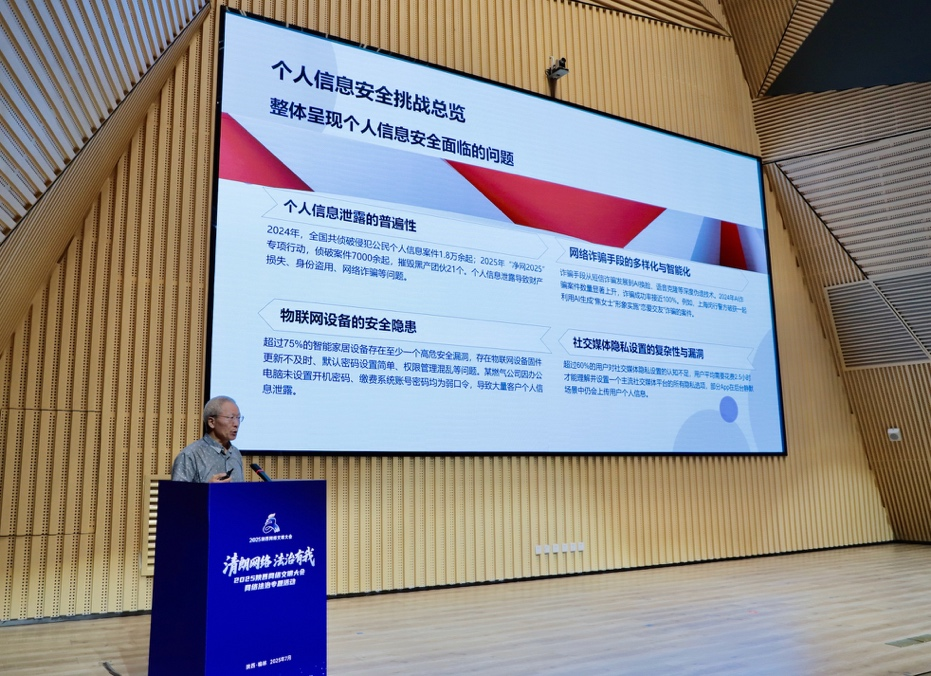
保险中介协议藏个人信息泄露陷阱:要收集上网记录、同意营销
Nan Fang Du Shi Bao· 2025-07-30 07:28
Core Viewpoint - The article highlights the increasing issue of unsolicited insurance sales calls and marketing messages affecting individuals' daily lives, raising concerns about potential personal information leaks and privacy violations by insurance intermediaries [1][2][4]. Group 1: Impact on Consumers - Many users report receiving frequent insurance sales calls, especially when their insurance policies are nearing renewal, leading to frustration and confusion about how their personal information is being accessed [2][4]. - Users express concerns over the accuracy of the personal information used by sales agents, noting instances where agents possess detailed personal data despite the users never having purchased insurance from them [2][4]. Group 2: Privacy Policies and Information Collection - Investigations reveal that some insurance intermediaries, such as "Toubao Paipai," include clauses in their user agreements that allow extensive collection of personal information, including browsing history, under the guise of marketing preferences [5][9]. - The privacy policies of these intermediaries often obscure the extent of information collection, leading users to unknowingly consent to the sharing of their data with third parties for marketing purposes [5][8]. Group 3: Legal and Regulatory Concerns - Legal experts argue that the practices of these insurance intermediaries may violate consumer privacy rights, as users often do not fully understand the implications of the lengthy and complex user agreements they consent to [8][12]. - Regulatory bodies have been actively addressing the issue of personal information misuse in the financial sector, identifying problems such as forced consent and excessive data collection practices among insurance companies [11][12].
你把梦想交给AdventureX,他们却转手卖了9万块。
数字生命卡兹克· 2025-07-25 16:29
Core Viewpoint - The article discusses the unethical practices of AdventureX, particularly focusing on the sale of participant information and the lack of respect for privacy and legal standards [10][30][32]. Group 1: Unethical Practices - Selling participant information was a common practice at AdventureX, with the organization openly admitting to "selling user privacy" as a commercial achievement [10]. - The "Dreamer Database," which contains sensitive personal information, was sold to sponsors for thousands of dollars, violating personal information protection laws [30][32]. - The organization allegedly failed to obtain proper consent for processing sensitive information, which is a requirement under the Personal Information Protection Law [33][36]. Group 2: Legal Violations - The actions of AdventureX are said to constitute "infringement of citizens' personal information rights," as they did not follow legal protocols for data handling [32][39]. - The organization is accused of illegally cross-border data sharing without obtaining necessary approvals, violating national data security regulations [38][41]. - There are claims of excessive collection of personal information, which contradicts the initial purpose for which participants provided their data [42][44]. Group 3: Accountability and Transparency - The article calls for AdventureX to publicly disclose financial records, including sponsorship amounts and expenditures, to ensure transparency [47]. - It questions the organization's claim of being a non-profit or public service entity, demanding clarification on its legal status and financial practices [48][50]. - The author urges AdventureX to provide a list of database buyers and ensure that data usage complies with legal agreements [51][52].

网络黑灰产要升级治理策略 建立行业黑名单及信用惩戒机制
Nan Fang Du Shi Bao· 2025-07-25 10:47
Core Viewpoint - The issue of student information leakage is widespread across China, significantly affecting the normal lives of parents and students, and damaging the healthy ecology of the education industry [1][2]. Information Leakage Investigation - A survey revealed that parents, particularly those of middle school students, are receiving numerous harassment calls, with some reporting up to 20 calls in a single day due to leaked information [2]. - The investigation uncovered a black market for selling parents' information on social media platforms, indicating a systemic issue [2][5]. Legal Framework - The actions of educational institutions that collect and misuse personal information violate the Civil Code of the People's Republic of China, which protects individual privacy rights [2][3]. - The Personal Information Protection Law mandates that personal information must be collected lawfully and not excessively, with penalties for violations [3]. - Criminal liability may arise under Article 253 of the Criminal Law if institutions illegally obtain or sell personal information, leading to severe consequences [3]. Regulatory Actions - Authorities have urged schools in Guangzhou to conduct thorough checks on their information collection practices to ensure compliance with personal information protection laws [4]. - Platforms are enhancing their methods to identify and manage illegal content related to personal information sales [5]. Recommendations for Improvement - Experts suggest establishing a rapid reporting channel for educational harassment information and conducting special inspections of educational applications [6]. - There is a call for stronger source control by educational departments and regular internal audits to prevent information leaks [6][7]. Industry Accountability - The establishment of an industry blacklist and credit punishment mechanism is deemed necessary to deter the misuse of personal information by educational institutions [8]. - A combination of legal penalties and a public blacklist could create a comprehensive governance system that discourages violations and promotes compliance [8][9].
北京市纵深推进违法违规收集使用个人信息专项治理
news flash· 2025-07-25 03:53
Group 1 - The Beijing Municipal Cyberspace Administration, in collaboration with various departments, is enhancing mechanisms to govern the illegal collection and use of personal information across multiple sectors [1] - The special governance focuses on the collection and use of facial recognition information in public places and personal information in offline consumption scenarios [1] - The governance scope includes industries such as transportation, accommodation and tourism, education and training, culture and sports, logistics and commerce, leisure and entertainment, automated vending, transportation services, retail payment, property management, and express delivery [1]
违法违规收集使用个人信息,33款移动应用被通报
Bei Jing Ri Bao Ke Hu Duan· 2025-07-23 09:16
Core Viewpoint - The article highlights the detection of 33 mobile applications that violate personal information protection laws, as mandated by various Chinese regulations, including the Cybersecurity Law and the Personal Information Protection Law [1][2][3]. Summary by Categories Non-compliance with Information Collection Rules - One mobile application, "比陌" (1.1.2, Baidu Mobile Assistant), failed to publicly disclose its rules for collecting and using personal information [1]. - Fourteen applications did not list the purposes, methods, and scope of personal information collection, including "映客直播" (9.7.25, Huawei App Market) and "悦享家生活" (9.7.1, Huawei App Market) [2]. Lack of User Notification - One application, "即陌" (1.0.12.2, 豌豆荚), did not inform users of the purpose when requesting permissions to collect personal information [3]. - Another application, "Nico" (8.32.2, VIVO App Store), failed to notify users of the purpose when collecting sensitive personal information [4]. Unauthorized Information Collection - Three applications, including "零售云" (8.32.0, VIVO App Store), began collecting personal information before obtaining user consent [5]. - Fourteen applications, such as "宝宝树孕育" (9.91.2, Huawei App Market) and "花生日记" (6.3.0, Xiaomi App Store), collected personal information beyond the scope authorized by users [6]. Excessive Permissions and Information Collection - Three applications, including "宝宝树孕育" (9.91.2, Huawei App Market), had permissions to collect personal information that exceeded necessary functional requirements [7]. - Fourteen applications, such as "得间免费小说" (5.4.2.1, Huawei App Market) and "映客直播" (9.7.25, Huawei App Market), collected personal information more frequently than necessary [8]. Misleading Advertising Practices - Three applications, including "随手电筒" (7.0.3, 应用宝), were found to engage in misleading or deceptive advertising practices [9]. Follow-up on Previous Violations - Eight applications from a previous report were found to still have issues and have been removed from relevant distribution platforms [10].
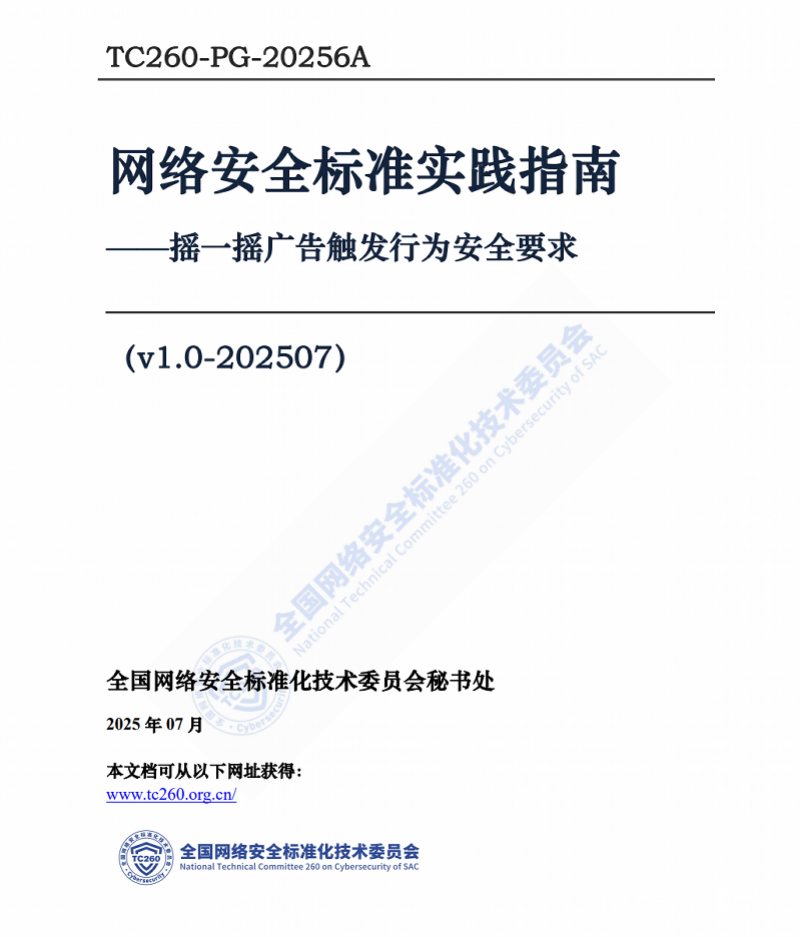
摇一摇广告乱跳转,规范指南发布!实测多款App可一键关闭
Nan Fang Du Shi Bao· 2025-07-23 03:05
Core Viewpoint - The release of the "Guidelines for Safe Triggering of Shake Advertising" aims to standardize practices in the industry to address the issue of unintended ad redirection caused by shake advertising, ensuring user autonomy and protection of personal information [1][2][5]. Group 1: Guidelines Overview - The "Guidelines" specify that app and SDK operators must provide easy options for users to disable shake advertising and set reasonable triggering thresholds to protect user choice [1][5]. - The guidelines are based on legal and policy standards, emphasizing the need for transparency, user autonomy, and personal information protection [2][5]. Group 2: Technical Requirements - The guidelines require that third-party SDK operators must clearly indicate the actions needed to trigger ads and provide a prominent option to close ads [6][7]. - Specific parameters for triggering sensitivity are suggested, such as an acceleration threshold of no less than 15 m/s² and a minimum operation time of 3 seconds [6][7]. Group 3: Industry Response - Several apps, including Tencent Video, Didi, and Bilibili, have already implemented features allowing users to easily enable or disable shake advertising [10][12]. - The guidelines are part of a broader initiative by regulatory bodies to address user rights and improve the advertising experience, following previous complaints and legal actions against misleading ad practices [8][10].
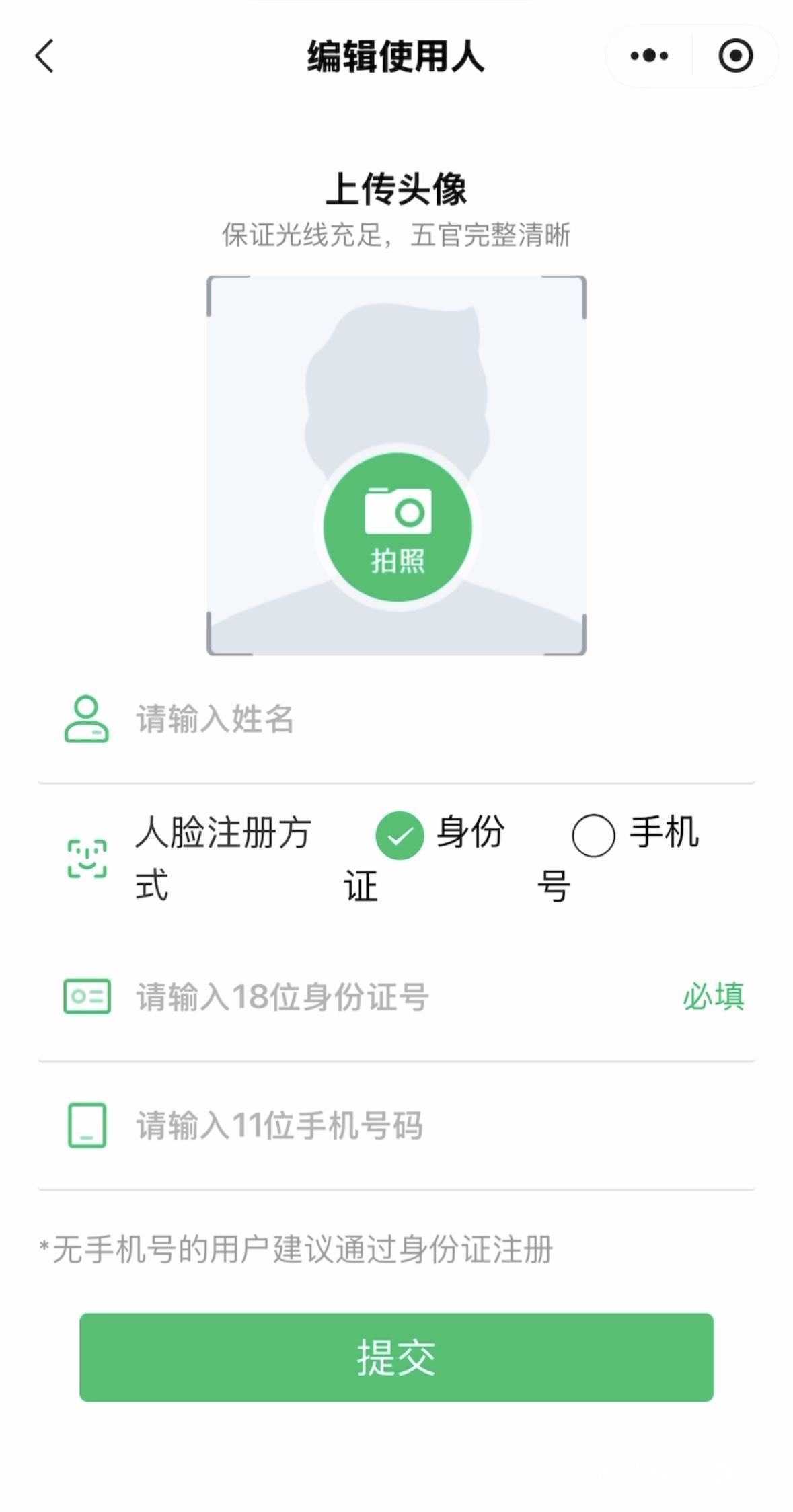
景区强制刷脸“盯”上VIP会员:办年卡入园,先交出你的脸
Nan Fang Du Shi Bao· 2025-07-21 09:47
Core Viewpoint - The article discusses the mandatory use of facial recognition technology for annual pass holders at amusement parks in China, highlighting concerns over privacy, data handling, and regulatory compliance [1][2][3]. Group 1: Implementation of Facial Recognition - Amusement parks, such as Beijing Happy Valley, require users to submit facial images for annual pass applications and use facial recognition for entry, claiming it prevents card misuse [1][3][8]. - The process for obtaining an annual pass includes both online and offline methods, with facial recognition being the only verification method for entry [3][9]. - Other amusement parks, like Universal Beijing Resort, offer alternative verification methods, such as ID checks, indicating a lack of uniformity in practices across the industry [14][22]. Group 2: Regulatory and Legal Concerns - New regulations, effective June 2023, prohibit coercive collection of facial data and mandate non-biometric verification options in public spaces [1][31]. - The article highlights potential violations of the Personal Information Protection Law and the Facial Recognition Technology Application Safety Management Measures, as users are not adequately informed about the handling of their facial data [15][16][26]. - Experts argue that the reliance on facial recognition as the sole verification method is not justified and poses risks to user privacy and data security [26][30]. Group 3: Industry Trends and Consumer Rights - The trend of using facial recognition technology in amusement parks is growing, with many parks promoting it as a means to enhance visitor experience and security [22][30]. - Consumers have the right to request the deletion of their facial data and can report violations to regulatory authorities [27][28]. - The article emphasizes the need for amusement parks to balance operational efficiency with respect for consumer privacy and data protection [30][31].
“AI换脸”可以绕过人脸识别防线?
Yang Shi Wang· 2025-07-19 16:48
Core Viewpoint - The case highlights the vulnerabilities in facial recognition systems due to advancements in AI technology, specifically the use of AI face-swapping software to commit fraud [1][2][4]. Group 1: Incident Overview - A defendant named Fu illegally obtained over 1.95 million pieces of personal information and used AI face-swapping software to access the payment accounts of 23 victims [2][4]. - Fu managed to change the payment passwords and bind phone numbers of 5 victims, and fraudulently used one victim's bank card to purchase two mobile phones totaling 15,996 RMB [2][4]. Group 2: Legal Consequences - The court sentenced Fu to 4 years and 6 months in prison for multiple crimes, including violating personal information laws and credit card fraud, and ordered him to pay 15,996 RMB in damages [6]. - The case prompted the prosecution to issue a legal risk warning regarding the vulnerabilities in the financial platform used in the fraud, which has since undergone rectification [6]. Group 3: Security Implications - Experts express concerns about the security of facial recognition systems, noting that no network is completely secure and that each update may introduce new vulnerabilities [7]. - There is a consensus that while vulnerabilities are inevitable, advancements in technology can help mitigate risks associated with facial recognition attacks [8]. Group 4: Recommendations for Improvement - It is suggested that organizations using facial recognition technology should implement stricter security measures and enhance their anti-fraud capabilities [11]. - Individuals are encouraged to be more vigilant about protecting their personal information to prevent unauthorized access [11].