
多边贸易体制

Search documents
中国关于世贸组织特殊和差别待遇问题怎么看?解读来了!
Zheng Quan Shi Bao· 2025-09-24 15:02
Core Viewpoint - China has announced that it will not seek new special and differential treatment in current and future negotiations at the World Trade Organization (WTO), emphasizing its commitment to multilateral trade systems and global governance initiatives [1][3]. Group 1: China's Position and Identity - China maintains its status as the largest developing country, asserting that its identity has not changed despite the announcement [3][4]. - The WTO allows developing members to enjoy special and differential treatment, which includes increased trade opportunities and technical assistance [2]. Group 2: Implications for Multilateral Trade - The decision to not seek new special and differential treatment is seen as a move to uphold the multilateral trade system and facilitate progress in negotiations [5][6]. - This announcement may alleviate some tensions in negotiations, as it removes a common argument used by developed countries against China's participation in special treatment [6]. Group 3: Future Actions and Commitments - China will continue to advocate for the rights of developing members and push for the liberalization and facilitation of global trade and investment [4][6]. - The country aims to strengthen communication and cooperation with other members to contribute to an open world economy and combat unilateralism and protectionism [6].
中国关于世贸组织特殊和差别待遇问题怎么看?解读来了!
证券时报· 2025-09-24 14:56
Core Viewpoint - China has announced that it will not seek new special and differential treatment in current and future negotiations at the World Trade Organization (WTO), emphasizing its commitment to multilateral trade systems and global governance initiatives [1][4]. Group 1: China's Position in WTO - China maintains its status as the largest developing country, and its identity as a developing nation has not changed [2][4]. - The WTO allows developing members to enjoy special and differential treatment, which includes increased trade opportunities and technical assistance [3]. - The announcement does not imply that China will lose its developing country status, as the WTO does not have a clear definition for developing members [3][5]. Group 2: Implications of the Announcement - The decision to not seek new special and differential treatment is seen as a move to uphold the multilateral trade system and facilitate negotiations [7]. - This shift allows China to act as a major participant in negotiations, focusing on rule-making rather than relying on special treatment [7]. - The announcement may help alleviate tensions in negotiations with Western countries, as it removes a common argument against granting special treatment to other developing nations [7][8]. Group 3: Future Actions and Commitments - China will continue to advocate for multilateral trade principles, oppose unilateralism and protectionism, and push for the modernization of WTO rules [8]. - The country aims to contribute to the development-oriented outcomes of the upcoming WTO Ministerial Conference in March 2026 [8].


中方这项重要宣示,有三点值得关注
Huan Qiu Wang· 2025-09-24 13:31
Core Viewpoint - China's announcement to not seek new special and differential treatment in current and future WTO negotiations signifies a strategic shift towards greater responsibility and engagement in global trade governance [1][4][6] Group 1: China's Position in WTO - The decision is limited to "current and future negotiations," meaning existing special and differential treatment rights under past agreements remain intact [2][3] - China's status as a developing country within the WTO framework is unchanged, allowing continued participation in all WTO matters [2][3] - The move reflects China's transition from a "rule taker" to a "rule maker," indicating a proactive stance in shaping global trade rules [2][4] Group 2: Implications for Global Trade - This decision is seen as a commitment to multilateralism and a signal of China's willingness to contribute to global economic governance [4][5] - It may alleviate long-standing trade tensions between China and the U.S., potentially facilitating WTO reforms [6] - The announcement is expected to enhance China's international influence and ability to shape trade rules that align with its interests [5][6] Group 3: Support for Other Developing Countries - China emphasizes its support for other developing nations to maintain their rights to special and differential treatment, reinforcing the inclusive principles of the multilateral trading system [5][6] - The decision serves as a model for other emerging economies, demonstrating how to balance national interests with international responsibilities [6]
我国在世贸组织当前和未来谈判中 将不寻求新的特殊和差别待遇
Mei Ri Jing Ji Xin Wen· 2025-09-24 12:59
Core Viewpoint - China has announced that it will not seek new special and differential treatment in current and future World Trade Organization (WTO) negotiations, emphasizing its commitment to multilateral trade systems and global governance initiatives [1][2][5]. Group 1: China's Position in WTO - China joined the WTO as a developing member in 2001, enjoying special and differential treatment as a systemic right, which includes lower levels of commitments and longer transition periods [2]. - Despite benefiting from special treatment, China has actively participated in multilateral trade negotiations, contributing to various WTO outcomes and promoting freer global trade [2][3]. - The current multilateral trade system faces severe challenges from unilateralism and protectionism, with trade wars disrupting international economic order [2]. Group 2: Commitment to Multilateralism - China's announcement reflects its strong support for the multilateral trade system and its role as a responsible developing country, aiming to inject positive energy into global economic governance [1][4]. - The decision is expected to enhance global trade cooperation and provide new opportunities, demonstrating China's commitment to collective interests and practical actions in support of WTO reforms [4][5]. - China aims to maintain its status as a developing member, uphold the rights of developing countries, and focus on promoting trade and investment liberalization [5][6]. Group 3: Future Directions - China will continue to oppose unilateralism and protectionism, uphold the basic principles of the WTO, and push for timely updates to WTO rules [6]. - The focus will be on achieving development-oriented practical outcomes at the upcoming 14th WTO Ministerial Conference in March 2026 [6].
(经济观察)以行动捍卫多边贸易 中国作出重要承诺
Zhong Guo Xin Wen Wang· 2025-09-24 10:13
(经济观察)以行动捍卫多边贸易 中国作出重要承诺 中新社北京9月24日电 (记者 尹倩芸)当地时间9月23日,中国国务院总理李强在纽约出席第80届联合国 大会相关活动时宣布,中国作为负责任的发展中大国,在世贸组织当前和未来谈判中将不寻求新的特殊 和差别待遇。 此间学者认为,这一郑重承诺不仅是中国坚定支持多边主义的实质性举措,也是对维护以世界贸易组织 为核心的多边贸易体制的重要贡献。 特殊和差别待遇反映在世贸组织各项协定之中,是发展中成员的重要制度性权利,也是多边贸易体制的 重要基础。自2001年以发展中成员身份加入世贸组织以来,中国在合理行使该权利的同时,始终积极承 担与自身发展水平相适应的义务。 中国商务部国际贸易谈判代表兼副部长李成钢提到,中方在享受特殊和差别待遇的同时,积极参与多边 贸易谈判,结合自身发展水平和能力,自主务实处理具体议题谈判中涉及的特殊和差别待遇问题,为达 成多项世贸组织谈判成果、促进全球贸易更自由更便利作出重要贡献。 从对所有建交的最不发达国家100%税目产品实施零关税,到对53个非洲建交国实施100%税目产品零关 税举措,对外经济贸易大学国际经贸学院教授崔凡称,作为最大的发展中国家, ...
专家解读|中国在WTO谈判中不寻求新的特殊和差别待遇,意味着什么
Di Yi Cai Jing Zi Xun· 2025-09-24 09:36
据新华社报道,当地时间9月23日,国务院总理李强在纽约联合国总部出席由中方主办的全球发展倡议 高级别会议并致辞。李强强调,中国作为负责任的发展中大国,在世贸组织当前和未来谈判中将不寻求 新的特殊和差别待遇。 商务部国际贸易谈判代表兼副部长李成钢在9月24日的商务部新闻吹风会上表示,这是中方着眼国际国 内两个大局对外作出的重要立场宣示,是中方坚定维护多边贸易体制、积极落实全球发展倡议和全球治 理倡议的重要举措,必将为促进全球贸易投资自由化便利化注入强心剂,必将为推进全球经济治理体系 改革进程注入正能量。 对外经贸大学法学院教授、中国世贸组织研究院研究员纪文华接受第一财经记者采访时表示,中国在世 贸谈判中不再寻求新的特殊与差别待遇,体现了一种积极主动地推动多边贸易谈判并促进全球合作的姿 态。 "中国仍是发展中国家,享受特殊和差别待遇是正当的,但中方主动放弃这一权利,显示出中方积极体 现对多边贸易体制的支持与信任。"他称。 什么是"特殊和差别待遇" 根据世贸组织的原则规定,发展中成员可以在市场开放和规则谈判上享受特殊与差别待遇,主要包括增 加贸易机会、保障利益、维护政策空间、享受过渡期、获得技术援助、给最不发达国家 ...
商务部:中国在世贸组织当前和未来谈判中不寻求新的特殊和差别待遇彰显发展中大国担当
Xin Hua Wang· 2025-09-24 09:25
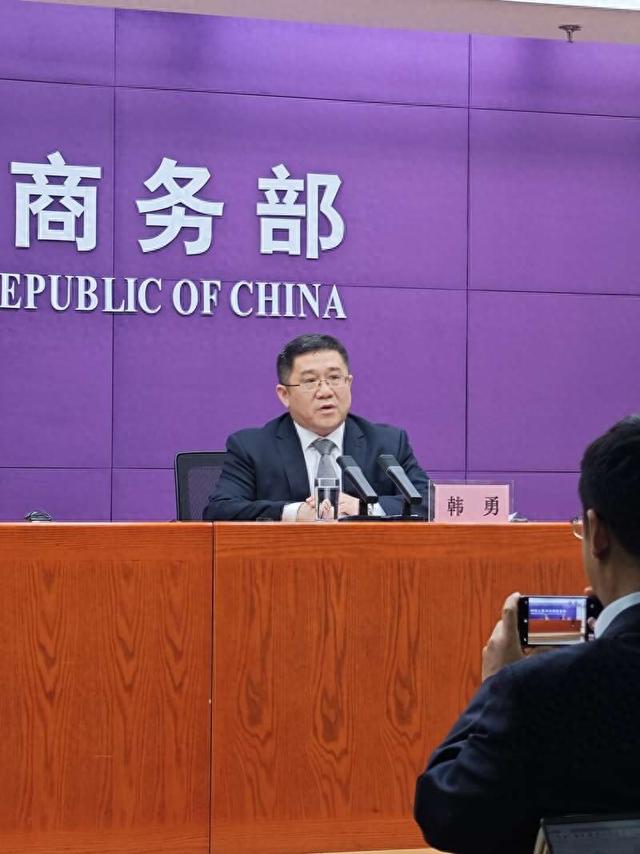
李成钢说,当前,以规则为基础的多边贸易体制面临严峻挑战,霸权主义、单边主义、保护主义甚 嚣尘上,个别国家接连发起贸易战、关税战,严重损害世贸组织成员正当利益,严重扰乱国际经贸秩 序,给全球经济发展带来不确定性和不稳定性。国际社会对维护多边贸易体制的呼声更加强烈,对世贸 组织发挥更积极作用的期待日益上升。 商务部世贸司司长韩勇说,中方宣布的这一重大举措,具有鲜明的发展属性,有利于多边贸易体制 更好聚焦发展议题,有利于增强国际贸易的普惠性和包容性,有利于更好弥合南北发展鸿沟,实现世贸 组织推动实现全球发展的初衷。 新华社北京9月24日电(记者谢希瑶)商务部国际贸易谈判代表兼副部长李成钢24日在商务部举行 的新闻吹风会上表示,中方宣布在世贸组织当前和未来谈判中不寻求新的特殊和差别待遇,进一步彰显 了中方以实际行动支持多边贸易体制的坚定立场和大国担当。 美国当地时间9月23日,全球发展倡议高级别会议上,中方宣布:中国作为负责任的发展中大国, 在世贸组织当前和未来谈判中将不寻求新的特殊和差别待遇。 "这是中方着眼国际国内两个大局对外作出的重要立场宣示,是中方坚定维护多边贸易体制、积极 落实全球发展倡议和全球治理倡议的重 ...
中国在世贸组织谈判中将不寻求新的特殊和差别待遇 外交部:彰显大国担当
Zhong Guo Xin Wen Wang· 2025-09-24 08:34
中国在世贸组织谈判中将不寻求新的特殊和差别待遇 外交部:彰显大国担当 中新网北京9月24日电 (记者 郭超凯)中国外交部发言人郭嘉昆24日主持例行记者会。有记者就中国在世 贸组织谈判中将不寻求新的特殊和差别待遇一事提问。 郭嘉昆表示,李强总理在全球发展倡议高级别会议上宣布,中国作为负责任的发展中大国,在世贸组织 当前和未来谈判中将不寻求新的特殊和差别待遇。这既是支持多边贸易体制的主动举措,也是中方落实 全球发展倡议和全球治理倡议的重要行动。 来源:中国新闻网 编辑:王永乐 广告等商务合作,请点击这里 本文为转载内容,授权事宜请联系原著作权人 中新经纬版权所有,未经书面授权,任何单位及个人不得转载、摘编或以其它方式使用。 关注中新经纬微信公众号(微信搜索"中新经纬"或"jwview"),看更多精彩财经资讯。 郭嘉昆说,当前单边主义、保护主义抬头,多边贸易体制和全球经贸秩序遭受冲击。作为最大的发展中 国家,中方上述表态充分彰显负责任大国的担当。我们将继续坚持高质量发展,扩大高水平对外开放, 积极落实四大全球倡议,维护多边贸易体制,积极参与世贸组织的改革进程,捍卫发展中成员正当权 益,推动构建更加公正合理的全球治理 ...
商务部:中方宣布不寻求世贸组织新的特殊和差别待遇将给全球经贸合作带来新机遇新动力
Zhong Guo Qing Nian Bao· 2025-09-24 06:06
Core Viewpoint - China, as a responsible developing country, will not seek new special and differential treatment in current and future WTO negotiations, which is expected to bring new opportunities and momentum for global economic cooperation [1][3]. Group 1: China's Commitment to WTO - China's announcement to not seek new special and differential treatment in WTO negotiations is a significant move that aims to support WTO reform and promote multilateral negotiations [1][3]. - This decision is seen as a strong signal of China's commitment to international cooperation and its willingness to work with the majority of WTO members to fulfill international commitments [3][4]. Group 2: Implications for Global Trade - The move is expected to enhance the inclusiveness and universality of international trade, helping to bridge the development gap between the Global North and South [4]. - The emphasis on multilateralism is highlighted as a necessary choice to address global challenges, with China's role as a key player in promoting the effectiveness of the WTO in global economic governance [3][4].

商务部:中国始终是“全球南方”的一员,永远和发展中国家站在一起
Yang Shi Wang· 2025-09-24 05:34
Core Points - China remains the largest developing country in the world, and its status and identity as a developing country have not changed [1] - China will continue to align with the goals of Chinese-style modernization, deepen reforms, and expand high-level opening-up to promote high-quality development [1] - China is committed to maintaining the multilateral trading system and will actively participate in WTO reforms and adjustments to international economic and trade rules [1] - China aims to place development at the center of the WTO reform process and work towards achieving more development-oriented outcomes [1] - The country seeks to promote a more just and reasonable global economic governance system [1]