
一刻钟便民生活圈

Search documents
“十四五”·国企蝶变⑧ | 促消费、优服务、提品质,鲁商擘画商业服务新图景
Sou Hu Cai Jing· 2026-01-14 11:22
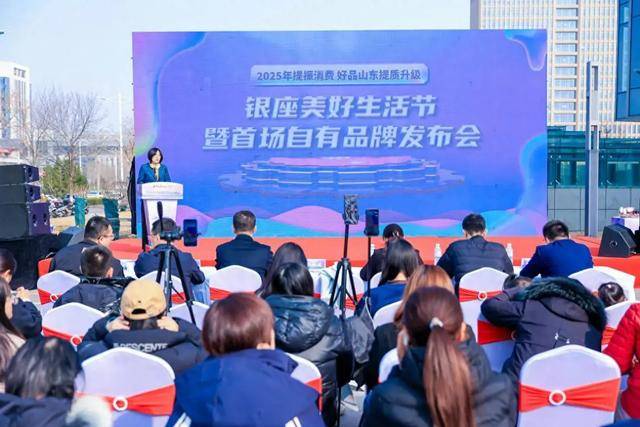
Core Viewpoint - The Shandong Provincial State-owned Assets and Enterprises are undergoing significant reforms and innovations to enhance their competitiveness and service quality, particularly through the establishment of a convenient living circle and the promotion of consumer services [2][11]. Group 1: Consumer Demand and Service Innovation - The Shandong Commercial Group (鲁商集团) is actively exploring ways to meet differentiated consumer demands and optimize service models, focusing on the integration of "integration + sharing + service" [2][5]. - The group's retail arm, Yinzou Group, has developed over 100 private label products, achieving a sales growth rate of 85% for its private brands, with a product turnover rate of 40% [6]. - The "Guarding Silver Hair" initiative aims to create embedded health and wellness centers, serving over 300 people daily, while the childcare services have generated 3 million yuan in revenue over six months [6]. Group 2: Service Model Optimization - The group is enhancing its service model through digital transformation, introducing AI tools like "Lulu" for customer service and "Luzhi" for internal knowledge assistance, improving response times and efficiency [7]. - The "Lushang Life" smart service platform integrates marketing, membership, and payment systems, facilitating a seamless online and offline consumer experience [9][10]. Group 3: One-Quarter-Hour Convenient Living Circle - The group is developing a unique "one-quarter-hour convenient living circle," allowing residents to access essential services within a 15-minute walking radius, enhancing quality of life and promoting consumption [11][13]. - The initiative includes a focus on community services, breaking traditional commercial boundaries, and implementing a new retail model that combines online and offline experiences [13].

居民乐享“一刻钟”幸福生活
Xin Lang Cai Jing· 2026-01-13 22:55
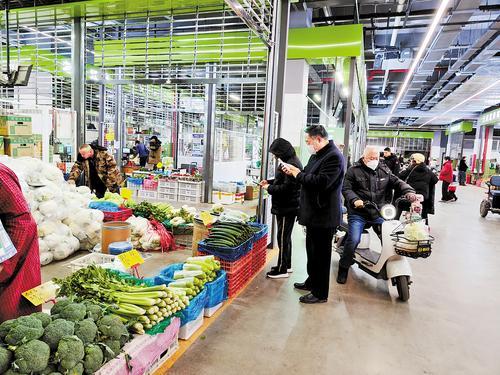
Core Insights - The article discusses the development of community service circles within a 15-minute walking radius in cities like Shijiazhuang, Baoding, and Tangshan, enhancing residents' quality of life and stimulating local economic circulation [3][4][6]. Group 1: Community Service Development - Shijiazhuang has transformed its urban landscape by upgrading community markets, resulting in the establishment of 32 new or renovated vegetable markets, 42 fresh supermarkets, and 14 community service centers since 2021, totaling approximately 240,000 square meters of new or renovated space [4][6]. - The upgraded markets provide a more pleasant shopping environment, with a variety of fresh produce and affordable prices, reflecting the city's commitment to improving urban living conditions [4][5]. Group 2: New Consumption Models - The introduction of online ordering and delivery services by retailers like Hema Fresh and JD Seven Fresh has increased convenience for consumers, with multiple front warehouses established to cover a 3-kilometer radius around Shijiazhuang [6]. - Community stores, such as the Jiaxing Yigou store in Baoding, offer a range of services including meal pre-ordering, self-service laundry, and community gathering spaces, enhancing the social fabric of neighborhoods [7][9]. Group 3: Employment Services - The establishment of labor service stations, such as the one in Tangshan, has facilitated job matching for residents, allowing individuals to find flexible work opportunities close to home, significantly improving their employment prospects [11][12]. - These stations not only assist in job placement but also provide legal aid to ensure workers' rights are protected, contributing to a more stable income for residents [12].
“云买菜”打通便民服务链 海州“一圈一策”激活社区经济
Yang Zi Wan Bao Wang· 2026-01-13 12:51
Core Insights - The article discusses the implementation of a community-based convenience shopping initiative in Lianyungang City, focusing on enhancing the "15-minute convenience living circle" to improve residents' quality of life and satisfaction [1][2]. Group 1: Policy and Implementation - The initiative is part of a broader government directive aimed at promoting convenience in urban living, emphasizing a people-centered development approach [1]. - Local authorities have adopted a "one circle, one policy" strategy, conducting in-depth research to address community needs and convert them into actionable plans [2]. Group 2: Community Engagement and Benefits - The community group buying platform has successfully connected local farmers with residents, offering over 300 products, including 100 local varieties, enhancing the quality and affordability of food available [2]. - The initiative has gained significant acceptance, with over 90% satisfaction among residents, and has expanded to cover 12 communities, benefiting thousands of households [3]. Group 3: Economic Impact - The program has transformed local small businesses from passive sellers to active service providers, creating a digital hub that fosters community trust and enhances local governance [3].
北京海淀聚焦养老服务升级等重点领域 今年计划建设不少于10家“海淀食堂”
Xin Lang Cai Jing· 2026-01-08 22:04
Group 1: Commercial Consumption Enhancement - In 2026, Haidian District will focus on improving commercial consumption quality, upgrading elderly care services, and enhancing cultural tourism quality [1] - The district plans to accelerate the renovation of commercial spaces, including the Century Jinyuan shopping center, and create smart business districts [2] - Haidian aims to attract high-profile flagship stores and promote diverse integration of culture, commerce, and tourism to enhance consumer experiences [2] Group 2: Elderly Care Services - Haidian District plans to establish at least 10 "Haidian Canteens" by 2026, enhancing service networks and operational effectiveness in elderly care [3] - By 2025, the district will add 65 elderly meal service points, increasing the total to 293, with 87 additional enterprises applying to join the elderly meal service alliance [3] - Since August 2023, over 5 million elderly meal service instances have been recorded in Haidian [3] Group 3: Tourism Development - Haidian District will support the creation of the national 5A-level tourist attraction at Xiangshan Park, which is ready for inspection after two years of preparation [5] - In the first half of 2026, Haidian will release measures for high-quality cultural and tourism development, focusing on major projects, consumer scenarios, and the integration of various industries [5][6] - The district aims to enhance the quality and layout of museums, encouraging social investment in the museum sector to improve cultural service offerings [6]
今年计划建设不少于10家“海淀食堂”
Xin Lang Cai Jing· 2026-01-08 17:59
Group 1: Commercial Consumption Enhancement - In 2026, Haidian District will focus on improving commercial consumption quality, upgrading elderly care services, and enhancing cultural tourism quality to increase public welfare [1] - The district plans to accelerate the renovation of commercial spaces, including the Century Jinyuan shopping center, and aims to create smart business districts [2] - Haidian District will support the establishment of at least 10 new "Haidian Canteens" and promote chain restaurants like Meizhou Dongpo to expand meal assistance services [1][3] Group 2: Elderly Care Services - By 2026, Haidian District plans to build at least 10 "Haidian Canteens" to enhance elderly care services, focusing on service network, operational effectiveness, and safety [3] - In 2025, the district will add 65 new elderly meal assistance points, bringing the total to 293, with 87 additional enterprises applying to join the elderly meal assistance alliance [3] - Since August 2023, the elderly meal assistance service has served over 5 million people [3] Group 3: Cultural and Tourism Development - Haidian District will support the creation of the national 5A-level tourist attraction at Xiangshan Park, which is ready for inspection after two years of preparation [5] - In the first half of 2026, the district will release measures for high-quality cultural and tourism development, focusing on major projects, consumer scenarios, and the integration of various industries [5] - The district aims to enhance the quality and layout of museums, encouraging social forces to establish museums and provide quality cultural services [5]
数据见证民生温度 市井繁华幸福加码
Xin Lang Cai Jing· 2026-01-03 20:20
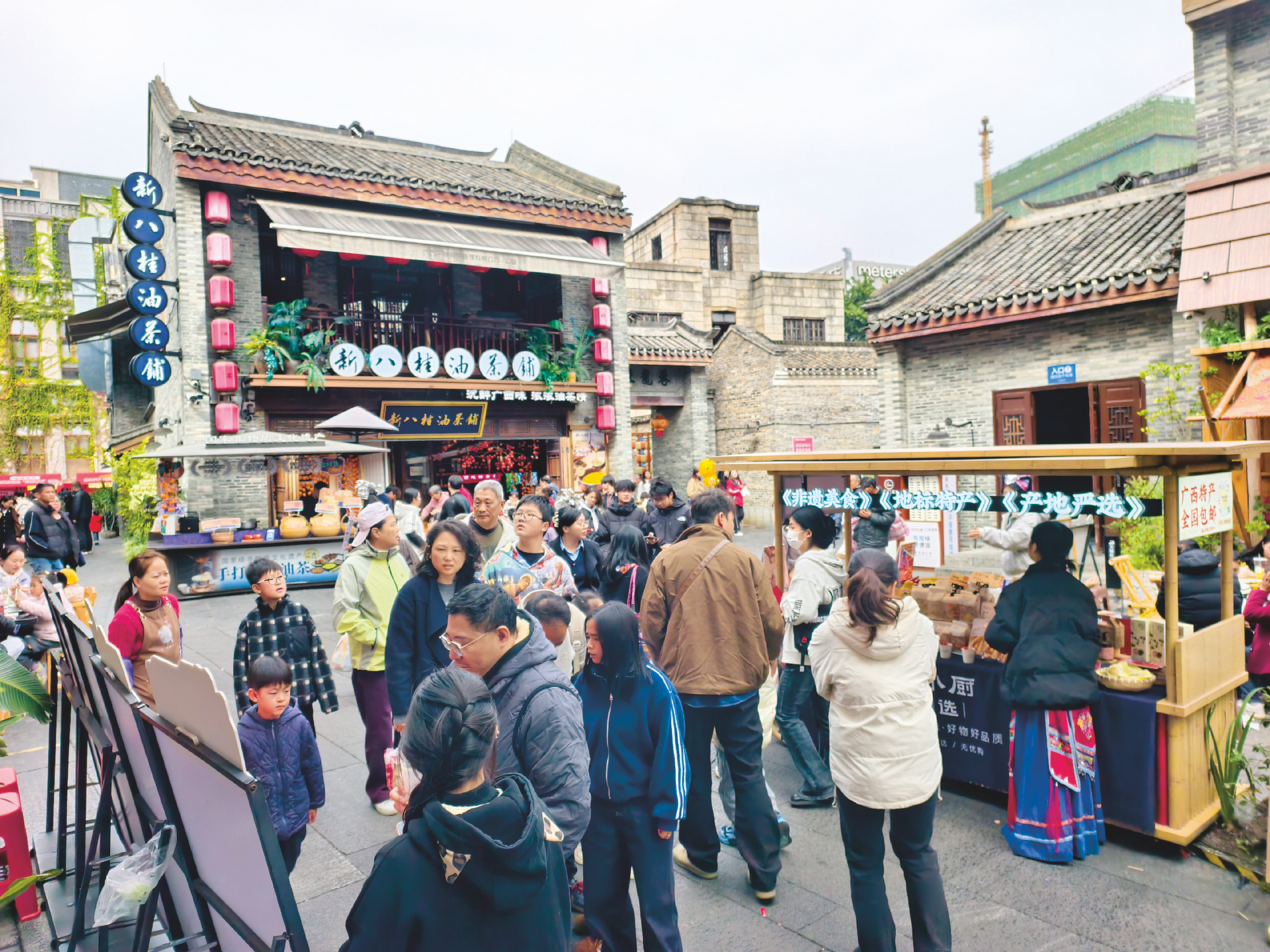
Group 1 - The core viewpoint of the article highlights the significant upgrades in consumer experiences and services in Guangxi, driven by the development of unique consumption scenarios and an optimized convenience service system [2][3][4]. Group 2 - Guangxi has recognized 8 district-level pedestrian streets, 7 night consumption gathering areas, and 2 characteristic small stall areas, with over 10,000 merchants covered by various district-level commercial streets [2]. - The "Yummy Night Guangxi" initiative has led to over 300 night-time promotional events, with large concerts and sports events generating over 8.3 billion yuan in economic and comprehensive consumption [3]. - The establishment of a 15-minute convenience living circle has been advanced in 14 cities, covering nearly 55,600 commercial outlets and serving over 2.87 million residents [4]. Group 3 - The inbound consumption environment has improved, with approximately 14.8 million inbound and outbound travelers recorded in the first 11 months of 2025, marking a 15% year-on-year increase [5]. - Various measures have been implemented to facilitate inbound consumption, including multi-language tax refund guides and the establishment of foreign currency exchange points [5].
一刻钟,“圈”出美好生活
Xin Lang Cai Jing· 2026-01-03 19:18
Core Viewpoint - The construction of the "quarter-hour convenient living circle" in the Thirteenth Division of Xin Xing City aims to enhance the quality of life for residents by integrating various public services and improving accessibility to essential amenities [1][2]. Group 1: Community Services - The Thirteenth Division has achieved full coverage of convenient service centers, which integrate various government services such as household registration, traffic management, civil affairs, and social security, implementing innovative measures like "one-window completion" to address residents' pain points [1]. - Residents express satisfaction with the new service model, highlighting the convenience of completing multiple tasks in one visit to the service center, significantly reducing the need to travel to different locations [1]. Group 2: Elderly and Childcare Services - The "Five-Linked Integration" elderly service system has been established, featuring nine community day care centers that provide one-stop services including meal assistance, medical support, and cleaning services, along with emergency response features [2]. - Childcare services have been expanded to achieve full coverage of public kindergartens, introducing programs like "Gongwa School" and "6:30 Classroom" to alleviate challenges faced by dual-income families in childcare [2]. Group 3: Commercial and Cultural Development - The initiative has also improved the development of commercial services and cultural, sports, and medical sectors, addressing residents' concerns about access to fresh produce and shopping [2]. - Projects such as the construction of the Yimin Farmers' Market and the expansion of supermarkets aim to create a "one-stop" shopping experience, while the integration of cultural and recreational resources enhances community engagement and well-being [2]. Group 4: Future Plans - The local government plans to continue deepening the integration of convenience services with commercial and cultural sectors, aiming to transform the "quarter-hour convenient living circle" into a hub of happiness and community cohesion, thereby enhancing residents' sense of gain, happiness, and security [2].
恒生活战略布局三大亲子娱乐品牌 以“柜”式服务点亮新消费
Sou Hu Wang· 2025-12-29 09:11
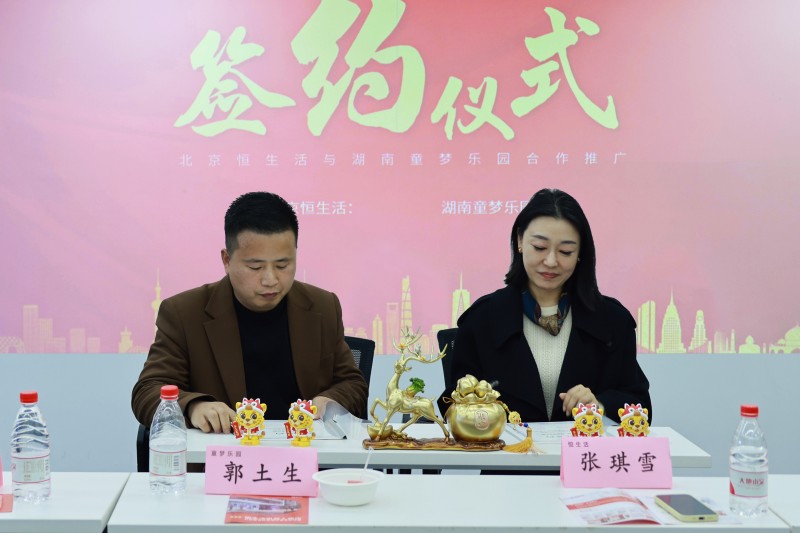
Core Viewpoint - The establishment of an "internal demand-driven, consumption-led" economic development model is essential in the context of global economic uncertainties, as emphasized in the "14th Five-Year Plan" and the Central Economic Work Conference [1] Group 1: Company Strategy and Developments - Heng Life held a high-quality investment promotion conference in Changsha, showcasing its capabilities in smart terminal deployment, SaaS digital operations, supply chain integration, and financial empowerment [1][3] - The company signed comprehensive strategic cooperation agreements with three leading parent-child entertainment brands, marking a significant step in its strategic layout in the Central China market [1][8] - Heng Life's approach focuses on embedding itself in high-traffic, high-frequency, and high-sticky consumer scenarios, extending its smart retail reach into the "last 100 meters" of family life [1][10] Group 2: Market Insights and Trends - Changsha is identified as a new first-tier city with a large young population and a vibrant commercial ecosystem, making it an ideal location for Heng Life's expansion [4] - The community retail market in China is projected to reach 4.8 trillion yuan in 2024, with an annual growth rate of 8.5%, indicating a shift towards fragmented consumption patterns [9] - The Chinese government is promoting the integration of new technologies in community services, aiming to establish a "15-minute convenient living circle" by 2030, which aligns with Heng Life's business model [9][10] Group 3: Technological and Operational Capabilities - Heng Life has developed a lightweight IoT ecosystem that spans multiple sectors, including retail, entertainment, health, and travel, supported by AI visual recognition and big data capabilities [7] - The company has created a comprehensive support system covering the entire lifecycle of its services, including customer support, logistics, and operational training [7] - As of now, Heng Life has deployed over 100,000 smart terminals across more than 340 cities, serving over 22 billion users and creating over 500 scenario-based solutions [12]
永辉超市通州双店焕新 “胖改”模式深耕副中心社区商业
Xin Lang Cai Jing· 2025-12-28 14:17
Core Viewpoint - The recent upgrades of two community stores by Yonghui Supermarket in Beijing's Tongzhou district reflect the company's commitment to enhancing consumer experience and supporting local consumption in response to government initiatives [1][3]. Group 1: Store Upgrades - Yonghui's Beijing Tongzhou World Village store has been operational for ten years and has recently undergone a significant upgrade, while the Banbi store will also reopen after renovations [1]. - The upgrades aim to strengthen the "quality and affordable" retail network in the area, providing essential goods at competitive prices [1][3]. Group 2: Product Offerings - The product structure of the two upgraded stores aligns with 80% of the offerings from the "Fat Donglai" brand, featuring a variety of freshly made items such as dumplings, wontons, and baked goods [3]. - The stores provide stable daily supplies, including cabbage at 0.99 yuan per jin, pork at 6.99 yuan per jin, and affordable sugar oranges at 4.99 yuan per jin, ensuring reliable access to essential goods for local families [3]. Group 3: Customer Experience - The World Village store focuses on enhancing quality and optimizing the shopping experience, particularly for family customers, by improving fresh produce management and offering high-quality ready-to-eat meals [5]. - The Banbi store emphasizes a "one-stop family living solution," catering to seasonal needs with a focus on hot pot ingredients and providing convenient services such as free meat processing and on-site seafood cleaning [5]. Group 4: Operational Standards - Both stores implement strict freshness management and daily clearance protocols for fresh products, with real-time public display of food safety inspection data [7]. - The renovations have improved employee working conditions and benefits, establishing a skills certification program to enhance employee engagement and service quality [7]. Group 5: Community Impact - Yonghui's initiatives are part of a broader strategy to promote community commerce and stimulate urban consumption, with plans for promotional activities leading up to the New Year [7].

向往的生活不出“圈”
Jing Ji Ri Bao· 2025-12-27 00:48
Core Insights - The article highlights the development of "15-minute convenience living circles" in Baotou City, Inner Mongolia, aimed at enhancing community services and improving residents' quality of life [1][4]. Group 1: Community Development - The community service centers have become essential for residents, providing assistance with tasks like senior certification, and improving overall community facilities [1][2]. - The establishment of community spaces, such as the Qing Song Tea House, has facilitated conflict resolution and community engagement, with over 300 conflicts successfully mediated [2]. - The integration of various services, including legal and policy education, has been implemented in community centers to enhance resident participation and awareness [2]. Group 2: Infrastructure and Services - Baotou City has constructed 127 pilot convenience living circles since 2022, covering 10 districts and providing over 51,500 commercial outlets, which have created employment for more than 64,000 people [4]. - The community service model emphasizes a tailored approach, adapting to the specific needs of different neighborhoods, with 28 out of 49 communities having completed the convenience circle construction [3][4]. - Future plans include expanding cultural activity spaces and enhancing the quality of services offered within these living circles, aiming for a transition from basic coverage to quality improvement [3][4].