
优质医疗资源下沉

Search documents
全市首个!萧山区一医院医共体总院实现“三站”齐建
Hang Zhou Ri Bao· 2025-11-28 02:28
Core Insights - The Hangzhou Science and Technology Association announced the evaluation results of the "Three Stations" construction, with the First People's Hospital of Xiaoshan District achieving multiple outstanding results [1][2] - The hospital has become the first medical community in the city to establish all three stations, promoting the downward flow of quality medical resources and enhancing grassroots medical service capabilities [1] Group 1 - The academician workstation led by Academician Han Jisheng has successfully passed the annual assessment and has been a key driver for discipline construction, talent cultivation, and research collaboration since its establishment in 2012 [1] - The hospital has actively introduced quality medical resources, collaborating with authoritative experts in osteoporosis, such as Professor Zhang Zhenlin and Professor Yue Hua, to advance a project on AI screening and comprehensive management of osteoporosis-related fractures in the elderly [1] Group 2 - The innovation station led by Dr. Zhu Zhongxin at the Guoli branch stood out among over 300 stations in the city, receiving an excellent rating [2] - The station implements an innovative training model of "1 Doctor + 2 Key Staff + N Trainees," contributing to the branch's success in provincial and municipal project approvals [2] - The hospital has established a complete talent training and service loop through a three-tier talent system of "Academician - Expert - Doctor," bringing national-level diagnostic technologies closer to the community [2]
苏州在全国首创市县肿瘤防治一体化协同体系 首批试点启动
Su Zhou Ri Bao· 2025-11-22 00:51
Core Viewpoint - Suzhou has launched a pioneering integrated cancer prevention and treatment system, focusing on 13 common types of cancer, aiming to enhance the quality of medical resources available to patients locally through a collaborative approach involving multiple hospitals and disciplines [1][2]. Group 1: Integrated Cancer Prevention and Treatment System - The integrated system allows for remote consultations where doctors move to the patient rather than the other way around, ensuring patients can access high-quality medical resources close to home [1]. - The system includes a collaboration among various hospitals, such as Suzhou University Affiliated Second Hospital and Suzhou Municipal Hospital, to provide multidisciplinary consultations for patients [1]. - The initiative is part of a broader effort by the Suzhou government to address the rising number of cancer patients, which has reached approximately 50,000 new cases annually, with a trend towards younger patients [2]. Group 2: Implementation and Expansion - The first pilot areas for this system include Zhangjiagang, Taicang, Wuzhong District, Xiangcheng District, and Suzhou Industrial Park, with plans to expand the implementation after establishing standardized practices [3]. - The system aims to leverage the influence of leading hospitals to create a comprehensive cancer prevention network, promoting standardized diagnosis and treatment across the region [2][3]. - The initiative is supported by the establishment of the Suzhou Cancer Prevention Academic Committee, which includes top experts to enhance the collaborative framework [2].
海安“组团式”帮扶四年深耕,略阳医疗实现从“输血”到“造血”跨越
Yang Zi Wan Bao Wang· 2025-11-18 13:31
Core Insights - The article highlights the significant advancements in medical technology and local healthcare capabilities in Lueyang County, Shaanxi Province, due to a four-year medical assistance program from Hai'an, Jiangsu, focusing on minimally invasive interventional techniques [2][4][9] Group 1: Medical Advancements - The introduction of interventional techniques has allowed local hospitals to treat complex diseases that previously required patients to travel long distances for care [4] - Key advancements include the mastery of techniques such as cerebral angiography and acute ischemic stroke thrombectomy, which have improved emergency treatment times for stroke patients [4][6] - The establishment of a comprehensive imaging department has enabled the hospital to perform procedures like lung nodule ablation and intracranial aneurysm embolization, significantly enhancing critical care capabilities [4][6] Group 2: Healthcare System Development - The implementation of interventional techniques has been pivotal in the development of four critical care centers at Lueyang County People's Hospital, including a stroke center that reduced the door-to-needle time for thrombolysis from 55 minutes to 40 minutes [6] - The trauma center has adopted interventional embolization techniques to replace complex open surgeries, improving patient outcomes [6] - A maternal care center has effectively managed postpartum hemorrhage through uterine artery embolization, preventing the need for hysterectomy [6] Group 3: Talent Development - The Hai'an medical assistance team emphasizes teaching local medical staff rather than simply providing services, fostering a "teach a man to fish" approach [7] - Over four years, 29 local medical professionals have rapidly developed their skills, with 14 now capable of independently performing common interventional procedures [7] - This training model has transformed local physicians' capabilities, allowing them to devise treatment plans for complex cases independently [7] Group 4: Future Outlook - Lueyang County People's Hospital is evolving into a regional medical center, leveraging interventional techniques to enhance service capabilities and providing a replicable model for healthcare resource allocation in rural areas of Shaanxi [9]

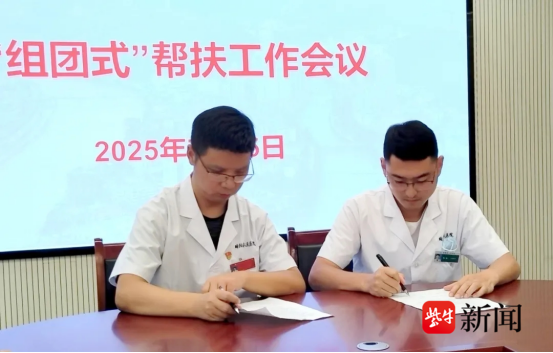
在镇卫生院享受专家诊疗(迈向“十五五”的民生图景)
Ren Min Ri Bao· 2025-10-25 22:54
Core Insights - The article highlights the successful implementation of a county-level medical community model in Dangtu County, which enhances access to healthcare services for local residents [4][5][6] Group 1: Medical Community Model - The Dangtu County People's Hospital has been recognized as a provincial-level demonstration unit for a tightly-knit county medical community, which integrates management of resources across village and town health institutions [4][5] - The model allows for expert medical services to be provided closer to home, reducing the need for patients to travel to larger hospitals [4][5] - The county hospital's management approach includes optimizing the healthcare system and resource integration to improve service delivery [5] Group 2: Patient Experience and Outcomes - A case study of a patient, Ding Xiaoqin, illustrates the benefits of the model, as she underwent a successful surgery at a local health center without needing to visit a larger hospital [4][5] - The number of inpatient visits at the town health center increased by 19.8% year-on-year in the first three quarters of the year, indicating growing trust and utilization of local healthcare services [5] - Post-surgery, Ding Xiaoqin reported a smooth recovery and a return to work, showcasing the effectiveness of local healthcare delivery [6] Group 3: Future Developments - The Dangtu County Health Commission plans to further develop the medical community model by establishing specialized departments in town health centers and training key personnel [6] - The goal is to increase the local consultation rate to 90%, ensuring that high-quality medical services are more deeply rooted and widely available in the community [6]
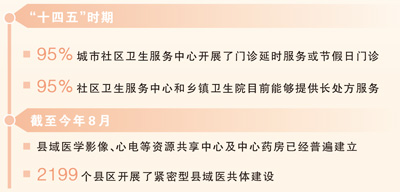
“四个延伸”优化医疗资源布局(延伸阅读)
Ren Min Ri Bao· 2025-10-21 21:46
Core Viewpoint - The national strategy during the "14th Five-Year Plan" period aims to enhance the accessibility of quality medical resources, ensuring that major illnesses are treated within provinces, general illnesses are addressed at city and county levels, and routine health issues are managed at grassroots levels [1] Group 1: Medical Resource Distribution - The strategy focuses on four extensions: promoting quality medical resources to the central and western regions, extending urban medical resources to county hospitals, enhancing medical talent and services to urban and rural grassroots, and facilitating mutual recognition and sharing of referral and examination results [1] - A total of 114 national regional medical centers have been established, bringing the total to 125, with a focus on specialty construction to reduce the need for patients to seek treatment outside their regions [1] - 114 provincial regional medical centers have been built to address the issue of patient outflow within provinces, aiming to narrow the medical capability gap between cities [1] Group 2: County-Level Medical Community Development - By the end of this year, 90% of county-level administrative units are expected to have established tightly-knit county medical communities, with 2,188 units already completed [1] - The strategy emphasizes support for weaker specialties in regions like Xinjiang and Tibet, particularly those with high referral rates, by pairing supporting hospitals with recipient hospitals to enhance local medical capabilities through information technology and telemedicine [1]
从“弯腰行医”到“挺直追梦”:一名乡村医生的逆袭
Xin Hua Wang· 2025-10-12 07:29
Core Points - The article highlights the inspiring journey of Luo Nawa, a rural doctor in Yunnan, who overcame personal and professional challenges to pass the national medical practitioner qualification exam [1][6] - Luo's story reflects the broader theme of grassroots medical professionals striving for excellence and the importance of quality medical resources in rural revitalization [7] Group 1: Personal Journey - Luo Nawa was born in a remote village in Yunnan and aspired to be a doctor from a young age due to her own health issues [1] - After graduating from a medical school in 2017, she returned to her hometown to work as a rural doctor, facing significant challenges in her practice [2] - Despite her congenital spinal deformity, which made her daily life difficult, she persevered in her studies and work, accumulating over 8,000 kilometers in travel between her clinic and the county [2][5] Group 2: Medical Support and Education - In 2022, Luo received a spinal correction surgery in Wuhan, which significantly improved her health and ability to work [3][5] - During her recovery, she was supported by a dedicated team from her school and the hospital, who provided her with study materials and a tailored rehabilitation plan [6] - Luo's determination and the encouragement from her mentors played a crucial role in her success in passing the medical qualification exam [6] Group 3: Community Impact - Following her qualification, Luo has seen an increase in patients seeking her care, reflecting the trust her community has in her abilities [6] - The local health clinic has improved its services, implementing standardized health management systems for chronic diseases [6] - Luo's journey symbolizes the dedication of countless grassroots medical workers and the positive impact of enhanced medical resources in rural areas [7]
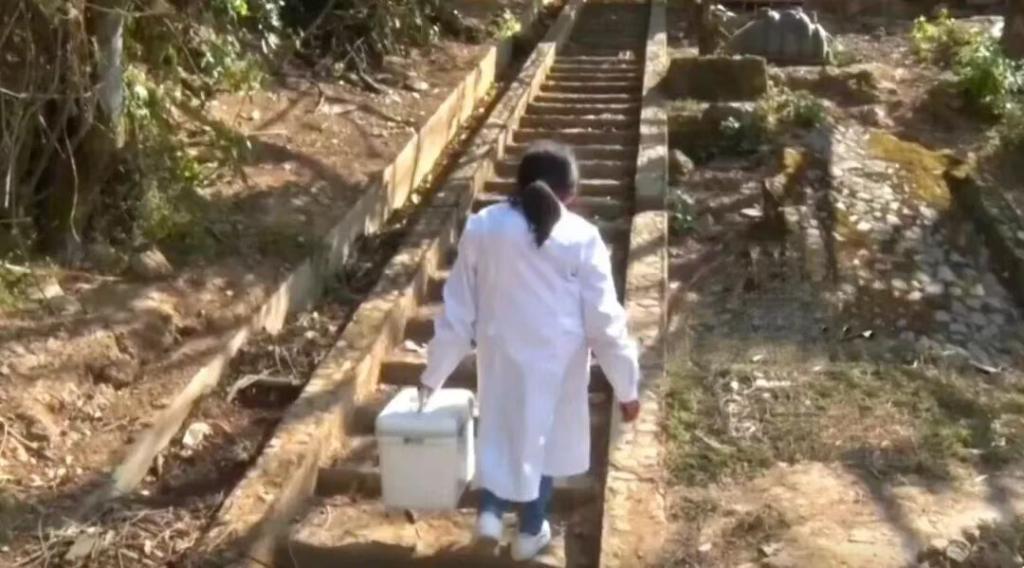
让医疗资源延伸到群众家门口
Ren Min Ri Bao· 2025-10-08 22:07
Core Viewpoint - The establishment of a normalized touring medical system aims to enhance healthcare accessibility and resource distribution in under-resourced areas, particularly in rural and remote regions of China [1][2][3]. Group 1: Normalized Touring Medical System - The recent notification on establishing a normalized touring medical system will institutionalize the practice and ensure comprehensive coverage in resource-poor counties [1]. - The touring medical teams provide not only treatment but also education on daily healthcare practices, significantly improving the health of local communities [1]. Group 2: Resource Distribution and Healthcare Improvement - During the "14th Five-Year Plan" period, 114 new national regional medical centers were established, bringing the total to 125, effectively enhancing the diagnostic capabilities for complex diseases in under-resourced provinces [2]. - The integration of county, township, and village medical resources aims to ensure that general illnesses are treated within the county, thereby reducing the burden of cross-regional medical travel [2]. Group 3: Role of Digital Technology - Digital technologies are breaking spatial limitations, allowing for remote surgeries and consultations, thus facilitating the delivery of quality medical resources to grassroots communities [3]. - The future application and upgrade of new technologies will continue to promote the balanced distribution of quality healthcare resources across regions [3].
新闻发布厅丨河南省高质量完成“十四五”规划系列主题新闻发布会之八 优质医疗沉下去 中医药名片亮出来
He Nan Ri Bao· 2025-10-02 23:28
Core Insights - The Henan provincial government is focusing on enhancing the public health system during the "14th Five-Year Plan" period, aiming for significant improvements in health indicators and healthcare accessibility [1][2]. Group 1: Health Indicators and Achievements - By the end of 2024, the health literacy level in Henan is expected to reach 32.07%, with infant mortality, under-five mortality, and maternal mortality rates at 2.47‰, 3.48‰, and 9.99 per 100,000 respectively, consistently better than the national average [1]. - The province has established 12 national regional medical centers, the highest in the country, and has seen a reduction in patient referrals outside the province for key specialties to 1.57%, down 6 percentage points from 2020 [2]. Group 2: Healthcare Infrastructure Development - Henan has built a multi-tiered healthcare service network, including 15 provincial medical centers and 55 regional medical centers, with 90 county-level hospitals achieving tertiary hospital service standards [3]. - The average township health center and community health service center now have 8 registered general practitioners and 3 senior physicians, enhancing local healthcare service reliability [3]. Group 3: Public Health and Disease Control - The province has established a robust public health defense system with 190 monitoring points for infectious diseases and public health emergencies, achieving full coverage at provincial, municipal, and county levels [4]. - A comprehensive coordination mechanism with various departments has been developed to enhance the monitoring and early warning system for infectious diseases [4]. Group 4: Traditional Chinese Medicine (TCM) Development - During the "14th Five-Year Plan," Henan has established 2,507 TCM clinics in communities, with all secondary and higher-level hospitals and maternal and child health institutions setting up TCM departments [5]. - The province is promoting TCM internationally, with flagship stores opening in countries like Russia and Japan, and over 3,000 overseas trainees participating in TCM training programs [6].
国家巡回医疗队将覆盖所有三级公立医院
第一财经· 2025-09-11 08:56
Core Viewpoint - During the "14th Five-Year Plan" period, China has established the world's largest healthcare service system, significantly improving the quality and efficiency of medical services [3][4]. Summary by Sections Healthcare System Development - China has built the largest healthcare service system globally, with enhanced service quality and efficiency [3]. - The National Health Commission has set up 13 categories of 26 national medical centers and 125 regional medical centers, with 114 provincial medical centers under construction or completed [6]. Medical Technology and Innovation - China ranks second globally in new drug research and development, with over 20% of the world's new drugs in development. Several innovative domestic drugs have been approved, filling gaps in the market [4]. - The domestic HPV vaccine has improved accessibility and affordability, with the nine-valent HPV vaccine now in use [4]. - Innovations in medical devices include the photon-counting CT, which offers 2-3 times better spatial resolution and faster scanning speeds, along with reduced radiation doses [4]. Disease Treatment and Management - A new colorectal cancer immunotherapy has increased the treatment effectiveness from 13% to 44%, with a 61% extension in progression-free survival [4]. - The average time for stroke patients to receive thrombolytic treatment has been reduced from 60 minutes to under 30 minutes, significantly improving outcomes [5]. - A personalized treatment model for systemic lupus erythematosus has been developed, achieving international leading levels in disease progression prediction and organ damage assessment [5]. Accessibility of Medical Resources - Starting this year, all tertiary public hospitals in China are mandated to provide mobile medical services, with 82 national mobile medical teams established [6]. - The "15th Five-Year Plan" aims to establish a comprehensive mobile medical system across five levels of governance, ensuring coverage in resource-poor counties [6].
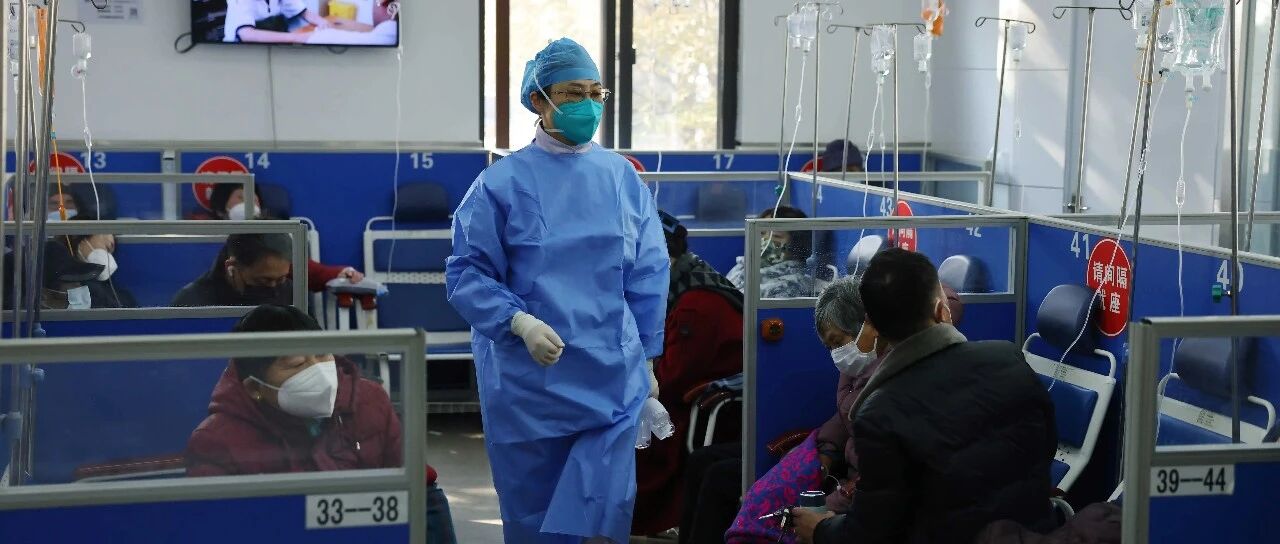
优质医疗下沉:国家巡回医疗队将覆盖所有三级公立医院
Di Yi Cai Jing· 2025-09-11 07:27
Core Insights - China has established the world's largest healthcare service system, significantly improving service quality and efficiency during the "14th Five-Year Plan" period [1] - The country has made notable advancements in medical technology innovation, particularly in drug and vaccine development, as well as medical equipment [1][2] Group 1: Healthcare System Development - The establishment of a national touring medical team composed of high-level tertiary hospitals and national medical centers aims to further enhance the accessibility of quality medical resources [1][4] - As of now, China has set up 26 national medical centers across 13 categories and is constructing or has built 114 provincial medical centers to provide quality healthcare services [4] Group 2: Drug and Vaccine Innovation - China ranks second globally in new drug development, with over 20% of new drugs in development worldwide, including several innovative drugs that have filled gaps in the domestic market [1][2] - The domestic HPV vaccine has been widely used, improving accessibility and affordability, with the recently launched nine-valent HPV vaccine offering comprehensive immunization options for women [1] Group 3: Medical Equipment Advancements - Innovations in medical devices include the photon-counting CT, which offers 2-3 times better spatial resolution than traditional CT, faster scanning speeds, and significantly reduced radiation doses [2] - The development of domestic high-end medical equipment such as orthopedic surgical robots and ECMO machines has improved surgical precision and patient outcomes [2] Group 4: Disease Treatment and Management - The average time for patients to receive thrombolytic treatment for stroke has been reduced from 60 minutes to under 30 minutes, greatly enhancing treatment efficacy [3] - Research on systemic lupus erythematosus has led to the creation of a personalized treatment model that has achieved international leading levels in disease progression prediction and organ damage assessment [3]