农业数字化

Search documents
从1688到AI养鱼,小镇渔民开启技术狂飙
21世纪经济报道· 2025-09-06 02:22
Core Viewpoint - The article highlights the successful integration of digital technology in aquaculture by He Weihua, benefiting over 6,000 farmers with a 20% increase in production and annual cost savings of 1 million yuan [1][4]. Group 1: Digital Transformation in Aquaculture - He Weihua established multiple online platforms for the aquaculture industry, including China Fish Seed Information Network and Southern Aquaculture Information Network, to solve fish seed sales issues and create additional revenue streams [1][2]. - The transition from e-commerce to big data services began about ten years ago, leading to the creation of an agricultural data collection system that collaborates with over 2,000 agricultural enterprises [2][3]. - The launch of the "China Aquaculture Connection" app in 2016 marked a shift to mobile platforms, accumulating data from over 7 million agricultural practitioners across various sectors [3]. Group 2: Smart Aquaculture Solutions - The introduction of the "Dangdang Fish" platform in 2020 provided comprehensive services, including real-time market data, product pre-sales, and on-site agricultural technical support [3]. - The development of the "Dangdang Fish" smart robot allows farmers to manage aquaculture operations through a mobile device, automating feeding, medication, and oxygenation based on real-time pond data [3][4]. - The smart system has been implemented for over 6,000 farmers, resulting in an average production increase of 20% and annual cost reductions of approximately 1 million yuan [4]. Group 3: Personal Influence and Experience - He Weihua's mother played a crucial role in shaping his aquaculture practices, with her experience being integrated into the AI decision-making models [4]. - The article emphasizes the importance of combining traditional knowledge with modern technology to enhance the intelligence of aquaculture systems [4].

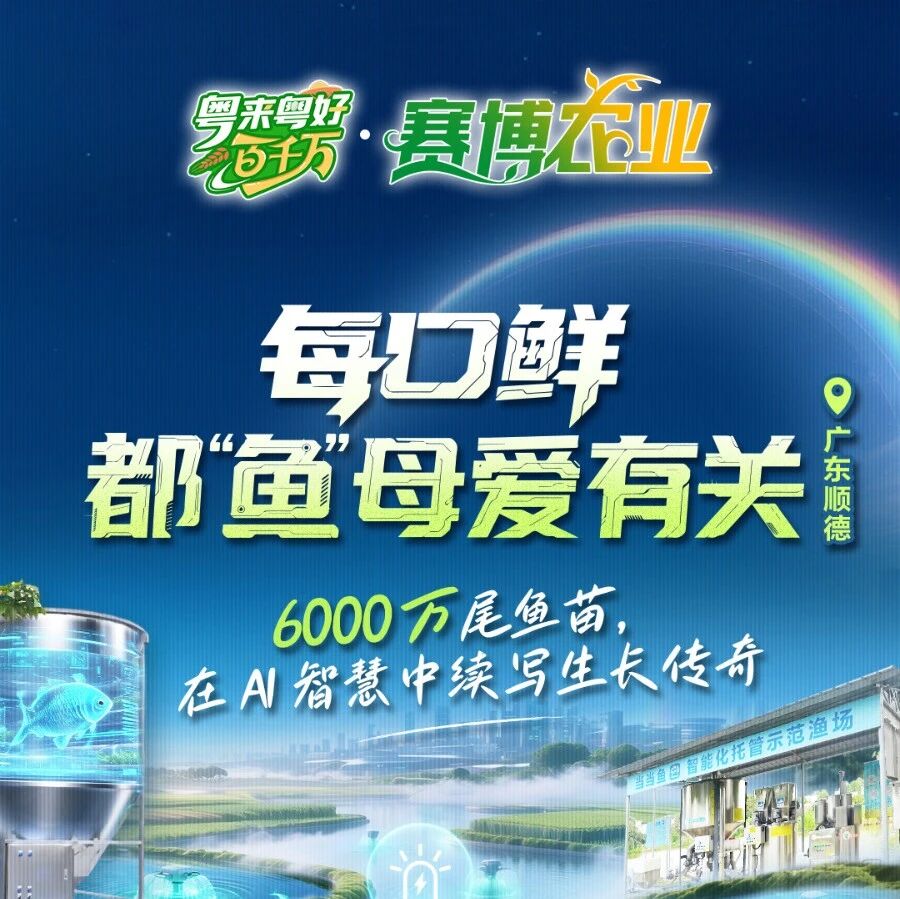
“鱼塘AI”里的母爱密码
2 1 Shi Ji Jing Ji Bao Dao· 2025-09-05 14:55
Core Insights - The article highlights the transformation of aquaculture through technology, emphasizing the integration of digital tools in fish farming to enhance productivity and efficiency [1][4]. Group 1: Technology Integration - The company has developed various online platforms and applications, such as "China Aquaculture Connection" and "Dangdang Fish," to facilitate fish seed sales and provide comprehensive services to aquaculture practitioners [1][4]. - The introduction of AI-driven tools, including smart robots for automated management and monitoring of fish farms, has significantly improved operational efficiency [4][5]. Group 2: Market Dynamics - The initial success in the fish seed market was driven by exclusive online sales of unique fish species, which allowed the company to capture a significant market share [2]. - However, increased competition in the online aquaculture market led to a decline in prices, prompting the company to pivot towards big data services to maintain profitability [2][3]. Group 3: Data Utilization - The company has collected over 7 million data points from agricultural practitioners across various sectors, which aids in market analysis and strategy formulation for aquaculture [3]. - The establishment of a water product information management system has become a vital tool for farmers to connect with sales channels and understand market trends [2][3]. Group 4: Economic Impact - The implementation of smart systems has resulted in an average production increase of 20% for over 6,000 farmers, alongside a reduction in annual farming costs by approximately 1 million yuan [5].
让传统农业展现智慧新图景
Ren Min Ri Bao· 2025-09-01 22:09
Group 1 - The core viewpoint is that the agricultural production in Guangdong is advancing towards digitalization, intelligence, and intensification, moving away from traditional reliance on weather conditions [1] - Smart irrigation systems have significantly improved efficiency, increasing productivity by over five times compared to traditional manual irrigation methods [1] - The introduction of LED night lighting technology in dragon fruit cultivation has led to an increase in yield, with an additional four fruits per year and an increase of 4000 jin per mu [1] Group 2 - The Southern Power Grid in Guangdong plans to invest 56.84 million yuan this year for major repair projects and has established a customer service team to address electricity issues for agricultural clients [2] - The electricity consumption in Guangdong's livestock industry has increased by 17.33% year-on-year, indicating a growing reliance on stable electricity supply for modern agricultural practices [2] - The establishment of a comprehensive industrial chain for Qingyuan chicken, including breeding, ecological farming, processing, and cold chain logistics, highlights the importance of electricity in enhancing traditional farming operations [2]
破局与重构:2025年中国农产品产供销一体化平台模式创新与数商云实践样本
Sou Hu Cai Jing· 2025-08-29 14:33
Core Insights - The article discusses the transformation of China's agriculture industry driven by digital economy and rural revitalization strategies, highlighting the integration of production, processing, circulation, and sales as a key solution to existing challenges [2] - The F2B2C platform developed by Shushangyun is presented as a replicable solution for digital upgrades in agricultural industry clusters, creating a closed-loop system from production to consumption [2] Policy and Market Drivers - National policies, including the "14th Five-Year Plan," emphasize the acceleration of smart agriculture and digital transformation, with over 20 billion yuan allocated for agricultural digitalization in 2024, 40% of which is for supply chain collaboration platforms [3] - By 2025, the plan aims to increase certified green and organic agricultural products by over 20% and expand cold chain logistics capacity to over 20 million cubic meters, providing essential infrastructure for integrated supply and sales [3] Market Demand and Trends - The demand for quality agricultural products is rising, with urban residents' disposable income expected to grow by 48% from 2020 to 2025, leading to a shift in consumer preferences towards safety, nutritional value, and cultural attributes [5] - The market for specialty agricultural products is projected to exceed 1.8 trillion yuan by 2025, with a compound annual growth rate of 12.3%, and the organic product market expected to grow from 120 billion yuan in 2020 to 380 billion yuan by 2025 [5] Innovations in Supply Chain Management - Shushangyun's platform employs a three-tier architecture of technology, business, and data to create a comprehensive supply and sales platform, covering over 100,000 cooperative farmers and 5,000 acres of planting bases [4] - Key innovations include transitioning from experience-driven to data-driven supply chain management, addressing issues like information gaps, inefficient distribution, and financing challenges for small farmers [4][6] Future Trends - The article outlines a shift from "point digitalization" to "full-chain intelligence," with advancements in AI and blockchain reshaping the agricultural ecosystem [6] - The role of government is crucial in providing policy support and infrastructure, with plans to build 30 national-level cold chain distribution centers by 2025 [8] - Shushangyun aims to empower the agricultural industry through technology, process reengineering, and ecosystem collaboration, promoting standardization, branding, and internationalization [6][7]


4.7亿美金敲钟!中国最大农业B2B平台上市,8000万农民终于不用“蹲地等收购”了
Sou Hu Cai Jing· 2025-08-22 15:04
Core Viewpoint - The listing of YMT (Yimudian) on NASDAQ highlights the urgent need to address the challenges in China's agricultural supply chain, particularly the difficulties faced by farmers in selling their products and the challenges faced by buyers in sourcing goods [2][10]. Group 1: Company Overview - YMT, China's largest agricultural B2B platform, achieved a market value of $470 million upon its listing, marking a significant milestone in addressing the "selling difficulties" faced by 80 million farmers [2]. - The platform connects 30 million growers and 8 million buyers, covering over 2,000 agricultural products with an annual transaction GMV exceeding 300 billion yuan [3]. - YMT's growth strategy focuses on providing comprehensive supply chain services rather than merely acting as an information intermediary, which has led to a reduction in product loss rates from 30% to 8% and a 20% increase in farmers' income [4][5]. Group 2: Business Model and Revenue Structure - YMT's revenue model is heavily reliant on supply chain services, which account for over 60% of its income, contrasting with traditional platforms that primarily earn from data sales [5][12]. - The company has shifted from being an information platform to a supply chain service provider, emphasizing the need for full-chain services from production to sale [4][10]. - The platform's innovative approach includes using AI for market insights, digital supply chain tools, and a SaaS system to connect buyers and sellers directly [4][11]. Group 3: Market Challenges and Financial Performance - YMT's IPO faced a lukewarm market response, with its stock price dropping 31.7% on the first day, attributed to ongoing losses and declining revenues [12][16]. - The company reported a net loss of 34.94 million yuan in 2024, with revenues declining by 14% year-on-year [12][13]. - The reliance on membership and value-added services for revenue generation poses challenges, as the proportion of paying merchants decreased from 14% in 2023 to 11.4% in 2024 [13]. Group 4: Strategic Initiatives and Future Outlook - YMT is exploring "order agriculture," where it guides farmers on what to plant based on buyer demand, aiming to standardize production and reduce mismatches [11]. - The platform is expanding its global reach, connecting with over 100 countries and aligning with the "Belt and Road" initiative [14]. - YMT's focus on building trust and efficiency in the agricultural supply chain is seen as a long-term strategy to overcome inherent industry challenges [15][16].
马斯克信徒、前百度员工,折腾14年终于整出一个IPO!
Sou Hu Cai Jing· 2025-08-20 12:30
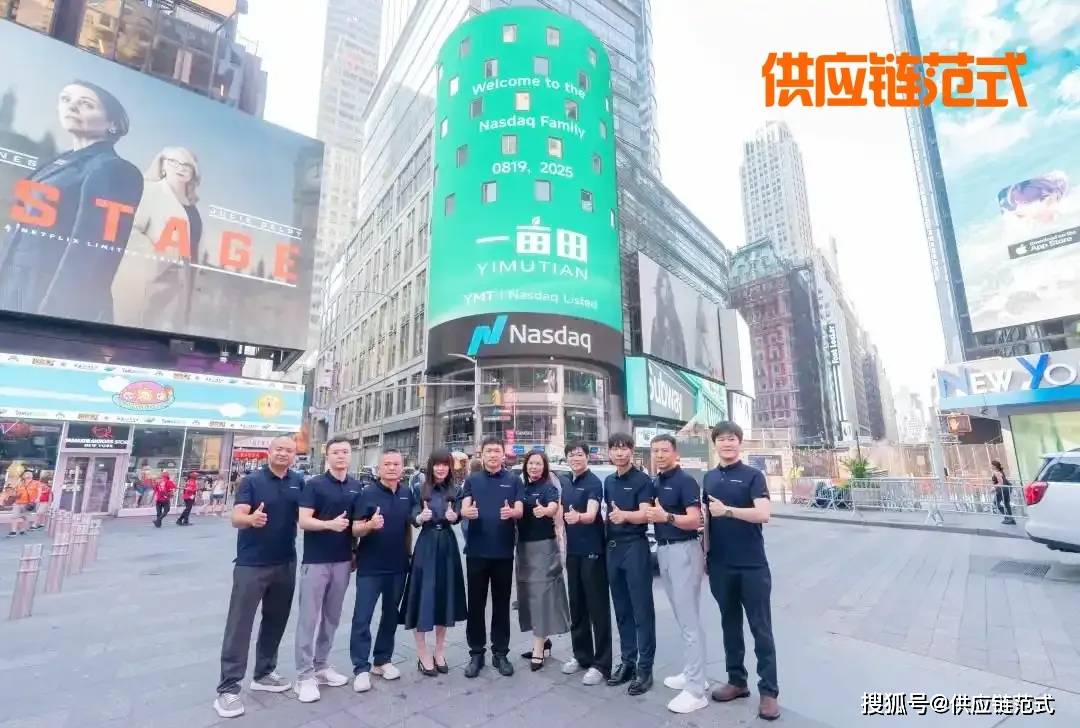
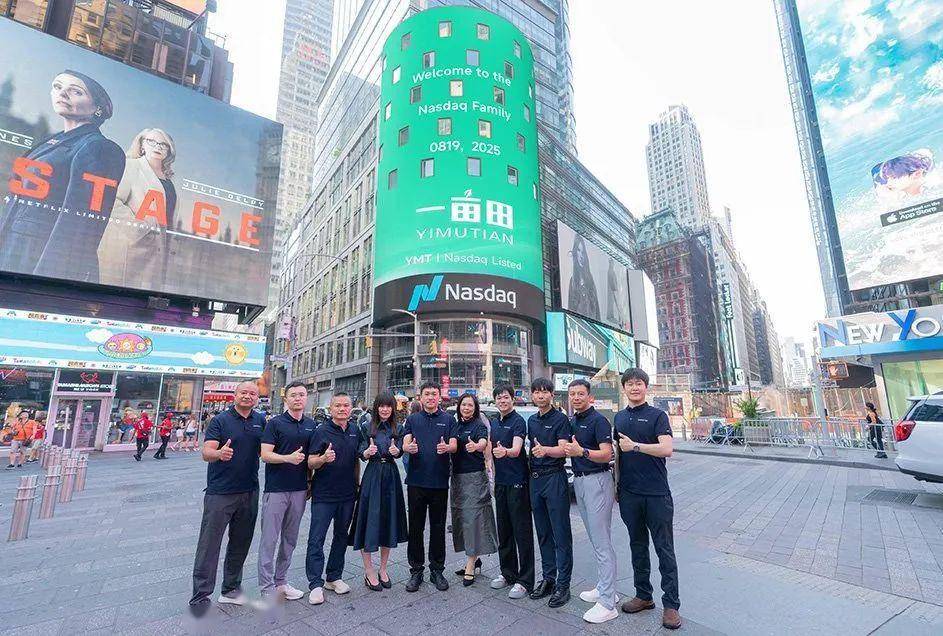
Core Viewpoint - Yimutian, China's largest agricultural B2B platform, officially listed on NASDAQ on August 19, 2023, marking the first appearance of a Chinese agricultural internet enterprise on the global capital market [1][3]. Company Overview - Yimutian has been deeply engaged in the Chinese agricultural market for 14 years, establishing a comprehensive ecosystem centered around a digital platform that covers production, circulation, and transaction matching [3]. - The company issued 5.01 million American Depositary Shares (ADS) at an initial price of $4.10 per share, with the stock opening at $5.88, a 43.41% increase on the first day [3][4]. Financial Performance - On the first day of trading, Yimutian's stock reached a high of $6.05 but closed at $2.80, a 31.71% drop, giving the company a market capitalization of approximately $320 million (about 2.298 billion RMB) [4]. - The IPO raised approximately $20.54 million, which will be used to expand the offline "Wolai Cai" agricultural brokerage service network and enhance service processes [5]. - In 2024, Yimutian is projected to generate revenue of 161.32 million RMB, with digital agricultural business services accounting for 94.6% of total revenue [5][6]. Market Potential - The scale of China's agricultural procurement and trading market reached 2.2 trillion RMB in 2023 and is expected to grow to 3.0 trillion RMB by 2028 [9]. - If Yimutian captures 2% of the market, its potential transaction volume could reach 60 billion RMB by 2028, indicating significant growth potential [9]. Business Model - Yimutian operates similarly to real estate platforms by connecting a large network of brokers to facilitate transactions in the agricultural market, which is valued in the trillions [9]. - The company enhances market transparency through information technology, implementing a dual revenue model from transaction facilitation and platform service fees [9]. Leadership and Control - Founder Deng Jinhong holds 17.77% of the shares and 74.91% of the voting rights post-IPO, maintaining strategic control over the company [11][12]. Historical Context - Yimutian was founded in 2011 by Deng Jinhong, who identified the potential in the rural market after working on a rural information project at Baidu [16][18]. - The company initially focused on providing agricultural price information and has since evolved into a comprehensive trading platform [20][29]. Future Outlook - Yimutian aims to deepen its services for agricultural brokers and promote the digitalization of Chinese agriculture while expanding internationally [35]. - The company plans to establish a digital bridge for agricultural trade, covering over 50 countries and regions globally [34][35].
首家中国农产全链互联网股来了!一亩田剑指全球农业数字化
美股研究社· 2025-08-20 12:28
Core Viewpoint - Yimutian, a digital agriculture service company, has become the first Chinese agricultural internet enterprise to be listed on NASDAQ, highlighting its unique position in the global capital market [1] Group 1: Industry Context - China's agricultural sector faces challenges such as production fragmentation and inefficient circulation, with 98% of farmers managing 70% of the land and an average of 0.5 acres per person [3] - The founder's vision for Yimutian is to leverage digital solutions to streamline the entire agricultural supply chain [4] Group 2: Company Development - Yimutian's journey began with the launch of its app in 2011, initially focusing on B2B transactions to address information asymmetry between farmers and buyers [5] - The company has expanded its services to include procurement, logistics, digital planting bases, and AI marketing, creating a comprehensive digital service model for the agricultural supply chain [5] - By the end of 2024, Yimutian aims to cover 56 million agricultural businesses and has built a vast database of procurement resources and market data [5] Group 3: Business Model and Financials - Yimutian's revenue model is distinct from traditional internet platforms, with 94.7% of its revenue in 2024 coming from digital agricultural business services [10] - The company has achieved a gross margin of over 80%, with a revenue of 161 million yuan in 2024, reflecting a 7.3 percentage point increase from 2023 [10][11] - Yimutian's operational model minimizes heavy asset costs, focusing on technology development and service network expansion [11] Group 4: Market Potential - The total value of China's primary agricultural product circulation reached 9 trillion yuan in 2023, with a theoretical commission market space of 450 billion yuan based on a 5% commission rate [7] - The digital agriculture B2B service market in China is projected to grow significantly, with a compound annual growth rate of 37.6% expected from 2024 to 2029 [12] Group 5: Global Strategy - Yimutian is expanding its international operations, aiming to integrate global agricultural resources and provide high-quality products to consumers worldwide [13] - The company plans to replicate its successful model of integrating agents and standardized services in international markets, particularly in regions like Southeast Asia and Africa [15] Group 6: Competitive Advantage - Yimutian's competitive edge lies in its established "data + users + services" barrier and its deep understanding of the agricultural industry [15] - The company is positioned to benefit from the increasing digitalization of agriculture, with a focus on meeting the practical needs of farmers and agents [16]
一亩田在美上市,创始人邓锦宏:中国最好的创业机会在乡村
Bei Ke Cai Jing· 2025-08-20 07:56
Core Viewpoint - Aumudian Group, a digital agricultural service company, officially listed on NASDAQ on August 19, 2023, with an opening stock price of $5.88 per share, which dropped to $2.8 per share by the morning of August 20, 2023 [1] Group 1: Company Overview - Aumudian Group was founded in 2011 and is headquartered in Beijing [1] - The company focuses on the agricultural B2B digital service sector, specifically addressing the challenges faced by farmers in selling their products [1] - Aumudian provides transaction matching services for agricultural brokers and wholesale buyers in urban areas [1] Group 2: Fundraising and Future Plans - The funds raised from the IPO will primarily be used to expand the offline "Wolai Cai" agricultural brokerage service network [1] - The company aims to streamline and design comprehensive agricultural brokerage service processes and systems [1] - Aumudian is also committed to advancing its international business initiatives [1] Group 3: Founder’s Vision - The founder, Deng Jinhong, emphasized that the best entrepreneurial opportunities in China lie in rural areas [1] - The listing is seen as a new starting point for Aumudian to deepen its services for agricultural brokers and promote the digitalization of agriculture in China [1] - The company aims to take on a larger mission of enhancing the value of every acre of land globally [1]

一亩田登陆纳斯达克 发行价每股4.1美元
Bei Jing Shang Bao· 2025-08-19 15:15
Group 1 - Yimutian Group officially listed on NASDAQ on August 19, becoming the first Chinese agricultural internet company in the global capital market [1] - The company issued 4.522 million ADS at a price of $4.1 per share, with an overall fundraising target of approximately $22 million if the underwriters fully exercise their over-allotment option [1] - The raised funds will be used to expand the offline "Wolai Cai" agricultural brokerage service network and enhance international business operations [1] Group 2 - Yimutian has established an international operation center in Hong Kong, focusing on overseas planting, international trade, and foreign investment [2] - The platform's buyers are distributed across over 50 countries and regions, including the United States, Japan, South Korea, and the Middle East [2] - The company aims to participate deeply in global agricultural trade and production, leveraging innovative technology to drive global agricultural development [2]
北京刚刚杀出一个IPO,国内最大
创业邦· 2025-08-19 14:21
Core Viewpoint - The article highlights the successful IPO of Yimutian, marking it as the first Chinese agricultural internet company to list on the Nasdaq, raising $20.54 million with a market valuation of $470 million [2][4]. Company Overview - Yimutian was founded in 2011 in Beijing, primarily operating a digital platform that connects agricultural product sellers with buyers, addressing the issue of farmers' difficulties in selling their products [4][16]. - The founder, Deng Jinhong, transitioned from a career at Baidu to establish Yimutian, driven by the need to improve agricultural transactions in rural areas [4][8][10]. Business Model and Growth - Yimutian's platform offers services such as information matching, online transactions, and market insights, generating revenue through advertising and service fees [4][16]. - The company has expanded its services to include smart selling and original sourcing, establishing digital planting demonstration bases to promote new agricultural technologies [4][18]. - As of March 31, 2025, Yimutian covers over 340 cities and 2,800 counties in mainland China, capturing over 65% of the primary and secondary agricultural wholesale markets [5]. Financial Performance - In the last two years, Yimutian reported revenues of 188 million and 161 million RMB, with net losses of 106 million and 34.9 million RMB, respectively, indicating a 66% reduction in losses [4][24]. Investment and Financing History - Yimutian has undergone several financing rounds, with significant investments from Sequoia Capital and other firms, raising millions to support its growth [14][10]. - The company faced challenges during rapid expansion, leading to a restructuring that refocused on its core information matching business, resulting in significant growth in user numbers and revenue [12][13]. International Expansion - Yimutian is positioning itself as a global agricultural technology company, with plans for international trade and overseas planting bases in regions like Southeast Asia and the Middle East [22][24][26]. - The company has successfully facilitated transactions for international buyers, including significant sales to Japan and South Korea [22][24]. Future Outlook - Yimutian aims to address the challenges in agricultural distribution, with a focus on enhancing the efficiency of agricultural transactions [26]. - The company plans to leverage its platform to further penetrate the agricultural market, with projections indicating a substantial increase in the value of primary agricultural product circulation in China by 2024 [26].