
千鼠万抗

Search documents
百奥赛图:从“抗体超市”到全球合作热单,双业务线越跑越顺
Xin Lang Zheng Quan· 2025-09-22 05:56
Core Insights - The pharmaceutical industry is currently focused on dual antibodies, ADCs, and nucleic acid delivery systems, with significant data emerging from WCLC regarding dual antibody ADCs [1] - Baiaosaitou has been actively collaborating with various partners, including Merck and Tubulis, to enhance its capabilities in antibody-drug conjugates and nucleic acid delivery [1][4][5] Group 1: Business Model and Strategy - Baiaosaitou has transformed the complex molecular discovery process into a "shelf-style" selection, allowing partners to choose from a vast library of potential drug candidates, significantly reducing time and increasing success rates [2] - The company operates with a dual business model: one focusing on model animals for target humanization and disease modeling, and the other on antibody platforms that continuously produce antibodies for licensing and joint development [3] Group 2: Recent Collaborations and Developments - The collaboration with Merck aims to enhance the delivery of nucleic acid drugs through antibody-conjugated LNPs, potentially benefiting mRNA and siRNA therapies [4] - Tubulis has selected a fully human antibody from Baiaosaitou's RenMice® platform to develop a new generation of ADCs, with Baiaosaitou receiving upfront payments, milestone payments, and sales royalties [5] - IDEAYA's IDE034, developed from the RenLite® platform, targets two tumor-related antigens and is expected to file for IND by Q4 2025, indicating a strong pipeline for dual antibody ADCs [6] Group 3: Market Position and Trends - The global pharmaceutical industry is facing a patent cliff, creating a demand for new pipelines, which aligns with Baiaosaitou's strategy of focusing on molecular discovery and validation tools rather than broad self-research [7] - The shift from single-target competition to multi-target and delivery systems positions Baiaosaitou as a key player in providing reliable molecules and validation tools, establishing itself as a foundational infrastructure in the industry [8]
IPO研究丨本周4家上会,“基因编辑第一股”回A待审
Sou Hu Cai Jing· 2025-09-22 01:53
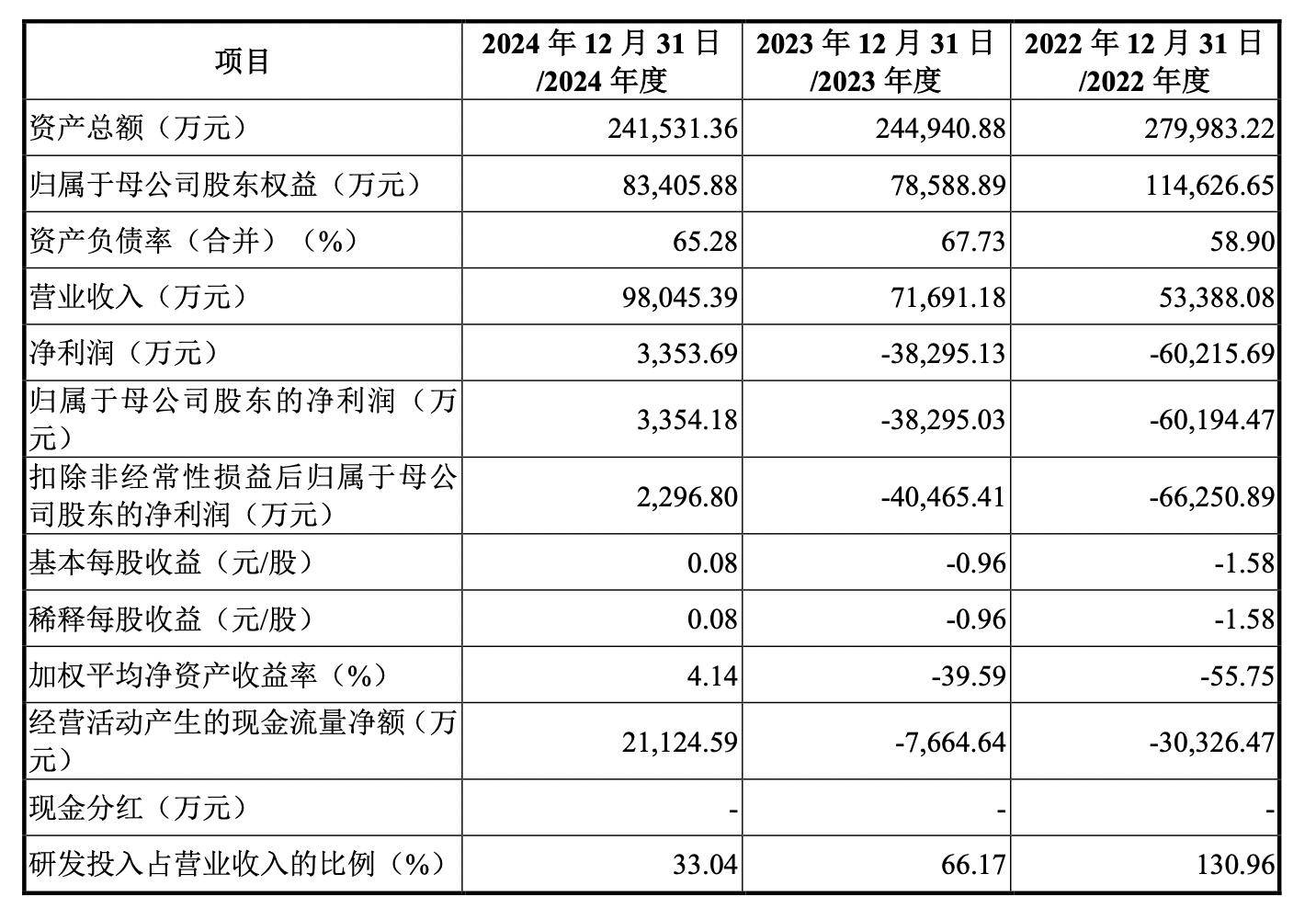
Summary of Key Points Core Viewpoint - This week, one new stock will be available for subscription, while four companies are undergoing IPO reviews, indicating ongoing activity in the capital markets [2][3]. Group 1: New Stock Subscription - One new stock, Aomeisen, will be available for subscription on Monday, September 25 [2]. - Last week, Shichang Co. debuted on the North Exchange, experiencing a significant first-day increase of 271.56% [2]. Group 2: Company Performance and Financials - Shichang Co. specializes in the research, production, and sales of automotive fuel systems, primarily selling to major vehicle manufacturers like Geely and FAW [2]. - Baiaosaitu, known as the "first stock in gene editing," plans to raise approximately 11.85 billion yuan for early drug development services and other projects [3][5]. - Baiaosaitu's projected revenues for 2022, 2023, and 2024 are 534 million yuan, 717 million yuan, and 980 million yuan, respectively, with net profits expected to improve from a loss of 602 million yuan in 2022 to a profit of 33.54 million yuan in 2024 [3][4]. Group 3: Fundraising and Investment Plans - The fundraising plan for Baiaosaitu includes allocations of 45.36 million yuan for early drug development services, 31.65 million yuan for antibody drug research, and 16.5 million yuan for preclinical research [6]. - The total investment amount for these projects is 118.5 million yuan, with the majority directed towards early drug development services [6].

百奥赛图:双业务线构建“价值金字塔”,中国创新药BD潮中的潜在赢家
Xin Lang Zheng Quan· 2025-09-21 10:55
Core Insights - The innovative drug industry in 2025 is witnessing a surge in business development (BD) activities, with over 70 pipeline licensing agreements signed by Chinese pharmaceutical companies in the first half of the year, totaling over $60 billion, setting a historical record [1] - The urgency of multinational pharmaceutical companies to fill the "patent cliff" gap has positioned Chinese firms as significant sources of global pipelines due to their efficient R&D and cost advantages [1] Company Overview - Baiaosaitu's growth path can be summarized as "from point to surface," starting with gene-edited mice and accumulating industry-leading humanized mouse resources, providing stable cash flow and early engagement with innovative drug companies [2] - The company's antibody discovery platform, initiated in 2020 with the "Thousand Mice, Ten Thousand Antibodies" plan, has positioned Baiaosaitu at the forefront of the innovative drug R&D chain, enabling partners to significantly reduce time and uncertainty in the development process [2] - Baiaosaitu operates a "dual business line" model: stable cash flow from standardized model animal products and high-growth potential from high-throughput antibody production through licensing and collaboration [2] Market Valuation Logic - In the secondary market, traditional biotech companies often rely on a few pipeline "stories" for high valuations, which carry significant risks and volatility, while Baiaosaitu's platform-centric model offers stronger risk resilience [3] - The value of platform-based biotech lies in its ability to "empower" others, sharing clinical risks and revenues through collaborations and licensing, functioning as a "R&D infrastructure" for global innovative drug companies [3] Recent Collaborations - In September, Baiaosaitu announced three international collaborations, further demonstrating the value of its platform [4] - The collaboration with Merck explores antibody-conjugated LNP nucleic acid delivery, expanding the boundaries of antibody applications in emerging therapies and creating potential long-term cash flow [5] - A licensing agreement with Tubulis involves a fully human antibody derived from the RenMice® platform entering ADC development, exemplifying the "antibody supermarket" model by allowing molecules to enter clinical trials through licensing rather than self-research [6] - The partnership with IDEAYA focuses on the dual-antibody ADC IDE034, with preclinical data showing significant synergy when combined with small molecule drugs, highlighting Baiaosaitu's technical capabilities in this hot sector [7] Role in Business Development Wave - Multinational pharmaceutical companies are willing to pay high prices for early pipeline access, and Chinese firms are achieving a positive cycle of funding and technology through BD, with Baiaosaitu's model aligning well with this trend [9] - The open platform allows molecules to be licensed multiple times to different partners, increasing the probability of success, while the value capture model includes upfront payments, milestones, and sales shares, forming a long-term "value pyramid" [9] - Baiaosaitu serves as an "accelerator" for new drug development, providing "ready-to-use" candidate molecules for various-sized pharmaceutical companies, thus lowering innovation barriers [9] - The company's story reflects the rise of Chinese biotech and the inevitable result of the fine division of labor in the innovative drug industry, with BD transactions expected to be a long-term trend driven by the "patent cliff" and "efficiency dividend" [9]
百奥赛图:当“千鼠万抗”遇上BD大潮
Xin Lang Zheng Quan· 2025-09-21 10:55
Core Insights - The Chinese innovative drug industry has seen a significant surge in out-licensing (BD) transactions, with over 70 agreements and a total transaction value exceeding $60 billion in the first half of 2025 [1] - Multinational pharmaceutical companies are eager to find new pipelines to fill the "patent cliff," and Chinese firms are becoming a crucial source for new drugs due to their efficiency and cost advantages [1] Group 1: Business Model - Baiaosaitu operates with a "dual business line" strategy, which includes a stable revenue stream from model animal business and growth potential from its antibody platform [2] - The model animal business provides preclinical validation tools for innovative drug companies, ensuring stable income and cash flow [2] - The antibody platform, supported by a large library of antibody molecules, generates revenue through licensing and collaboration, offering upfront payments, milestone payments, and sales shares [2] Group 2: Recent Developments - Baiaosaitu has announced three significant collaborations in September, showcasing the value of its platform [3] - The agreements include a partnership with Merck to explore antibody-conjugated LNP nucleic acid delivery, a licensing deal with Tubulis for the RenMice® platform for ADC development, and collaboration with IDEAYA on a dual-antibody ADC project expected to file for IND in Q4 2025 [3] - These collaborations highlight Baiaosaitu's versatility and international influence in three of the hottest global sectors: nucleic acid delivery, ADC, and dual-antibody ADC [3] Group 3: Market Positioning - Baiaosaitu's approach differs from traditional biotech firms by diversifying risk through a continuous output of "raw materials" via its antibody library and validation tools [4] - The company benefits from a diversified revenue model, combining cash flow from model animals with income from antibody licensing [5] - Frequent international collaborations serve as a strong endorsement of the platform's quality, positioning Baiaosaitu as a long-term value stock in the capital market [5] - The company is seen as a "foundation-type enterprise" in the innovative drug BD wave, potentially emerging as a long-term winner despite lacking short-term blockbuster drug announcements [5]
百奥赛图:从“千鼠万抗”到全球新药研发加速器
Xin Lang Zheng Quan· 2025-09-19 07:59
Core Insights - The recent World Lung Cancer Conference showcased the impressive efficacy data of BaiLi Tianheng's EGFR/HER3 bispecific antibody ADC (BL-B01D1), marking a new era led by bispecific antibodies (BsAb) and their conjugates (BsADC) in oncology [1] - BaiAo SaiTu is emerging as a key player in the industry, recognized as a "enabler" and "infrastructure provider" for new drug development, with recent collaborations yielding significant upfront and milestone payments [1] Group 1: Company Evolution - BaiAo SaiTu started with gene editing technology and has developed a platform centered around humanized mouse models for antibody drug discovery, exemplified by the "Thousand Mice, Ten Thousand Antibodies" initiative [2] - The RenMice platform, with proprietary intellectual property, allows for the pre-construction of a large library of antibody molecules, significantly shortening development time and increasing success rates [2] Group 2: Technological Advancements - The RenLite platform addresses the chain mismatch issue in bispecific antibody development, simplifying production to a level comparable to monoclonal antibodies [3] - This platform has attracted global partners such as ABL Bio and SOTIO, who are exploring bispecific ADCs and multi-payload ADCs [3][4] Group 3: Broader Antibody Development - BaiAo SaiTu is also advancing in the field of nanobodies through the RenNano platform, which offers new possibilities for targeting solid tumors due to their small size and penetration capabilities [5] - The modular design of RenNano allows for collaboration with RenLite to explore complex multispecific antibodies, providing innovative solutions for autoimmune and oncology fields [5] Group 4: Business Model and Value Creation - BaiAo SaiTu's business model includes licensing fees, milestone payments, and future sales sharing, creating a robust and diversified value pyramid [6] - The company's model, based on absolute technological scarcity, grants it significant bargaining power within the global industry chain, positioning it as a true value creator in the innovative drug sector [6] Group 5: Industry Impact - BaiAo SaiTu continues to empower the industry through its RenMice and "Thousand Mice, Ten Thousand Antibodies" initiatives, acting as an accelerator rather than just a pipeline biotech [7] - The company is constructing its own global value pyramid, contributing significantly to the new drug development landscape [7]
百奥赛图上半年销售收入同比增长51.5% 净利润4800万元超去年全年水平
Ge Long Hui A P P· 2025-08-28 10:37
Core Viewpoint - The company, BaiAoSaiTu, has established itself as a product-oriented firm with strong technological barriers, focusing on "target humanized mice" and "thousand mice ten thousand antibodies" for antibody drug development. Financial Performance - In the first half of 2025, the company's sales revenue increased by 51.5% year-on-year to 621 million yuan, with a gross margin of approximately 74.4% and a net profit of 48 million yuan, reflecting a 41.2% increase compared to the previous year's total net profit [1] - The cash flow from operating activities was over 203 million yuan, with a net cash flow turning positive at 33.25 million yuan [3][4] Business Segments - The "target humanized mice" business saw a revenue increase of 56.1%, accounting for 44.1% of total sales revenue, with a gross margin of about 79% [2] - The antibody molecule transfer and development business experienced a revenue growth of 38.1%, representing 26.2% of total sales revenue, with a gross margin of approximately 88% [2] - The collaboration in the development of antibody molecules accounted for 70.3% of overall revenue, while service-related business contributed only 25% [1] Research and Development - R&D investment increased by 29.0% year-on-year to nearly 209 million yuan, focusing on core areas such as target humanized mice and antibody molecule collaboration [5] - The company has obtained a total of 195 authorized patents and submitted 496 patent applications, with its self-developed RenMice technology platform receiving 16 patent authorizations and 21 applications submitted [5]
百奥赛图“千鼠万抗”盈利幻象:研发投入规模锐减,专利劫悬而未决|创新药观察
Hua Xia Shi Bao· 2025-07-07 13:31
Core Viewpoint - The recent updates to the prospectus for Baiaosaitu-B (02315.HK) have reignited interest in its cross-market listing process, highlighting the complexities faced by domestic innovative pharmaceutical companies in balancing technological breakthroughs and commercial realization [2] Business Overview - Baiaosaitu, founded in 2009, focuses on providing innovative model animals and preclinical pharmaceutical research services based on its proprietary gene editing technology, with a core strategy centered around the "thousand mice, ten thousand antibodies" initiative [3][5] - Currently, the company has 10 drug pipelines, with 5 in clinical trials and the rest in preclinical development, indicating that commercial production has not yet commenced for any products [3] Financial Performance - The company's revenue has shown a steady increase, reaching 534 million yuan, 717 million yuan, and 980 million yuan over the past three years, while the net profit improved from a loss of 602 million yuan to a profit of 34 million yuan in 2024 [3][4] - Despite the positive turnaround, the cumulative unabsorbed losses still stand at 1.754 billion yuan as of the end of the reporting period [3] Revenue Structure - The revenue primarily relies on four segments: model animal sales, antibody development, preclinical pharmacology and efficacy evaluation, and gene editing services [3] - The antibody development segment has consistently reported losses, with net profits of -399 million yuan, -532 million yuan, and -319 million yuan from 2021 to 2023, while the innovative drug development segment also incurs annual losses of around 200 million yuan [5][6] Client Dependency - A significant portion of the company's revenue from antibody development comes from related parties, with 27.81% of total antibody development income derived from major clients, raising concerns about the independence of its business operations [6][7] R&D Investment and Team Dynamics - The company has invested a total of 2.055 billion yuan in R&D from 2021 to 2024, but there has been a noticeable decline in investment intensity, with R&D expenses dropping over 30% in 2024 compared to the previous year [8] - The R&D team has seen a drastic reduction in size, from 627 members at the end of 2022 to 337 by the end of 2024, compounded by the departure of key management personnel [8] Patent Disputes - Baiaosaitu is currently embroiled in a patent dispute with Heptares Therapeutics, which could pose risks to its future technological development and commercial strategies [9][10] Financing and Debt Pressure - The company has faced increasing debt pressure, with the asset-liability ratio rising from 58.9% in 2022 to 65.28% in 2024, indicating financial strain compared to industry peers [12][13] - The actual controller has resorted to personal borrowing to support the company, which raises concerns about the long-term implications of such financial strategies [14][15]

Biotech产业链:康诺亚向右,百奥赛图向左,和铂在中间
雪球· 2025-05-01 01:32
Core Viewpoint - The article compares three biotech companies: 康诺亚 (Kangnuo), 和铂医药 (Hepu), and 百奥赛图 (Bai'ao), highlighting their technological advantages and active business development (BD) strategies, suggesting that each has unique paths to success in the biotech industry [4][5][16]. Group 1: 康诺亚 (Kangnuo) - 康诺亚 possesses multiple technology platforms including monoclonal antibodies, bispecific antibodies, and ADCs, covering areas from oncology to autoimmune diseases, with a potential to reach a market value of 20 billion if its IL-4Rα target is commercialized successfully [7]. - The company has been active in BD transactions, engaging in various licensing models, including domestic rights authorization and global rights licensing to major pharmaceutical companies [8]. - Future strategies may involve retaining more domestic rights for self-development while actively pursuing overseas rights sales, as evidenced by recent NewCo transactions [8]. Group 2: 和铂医药 (Hepu) - 和铂医药 has a unique mouse antibody platform that produces various bispecific antibodies, with two products having entered Phase III clinical trials, although one has faced challenges [10]. - The company has primarily focused on BD opportunities, often selling its antibody combinations before advancing them to Phase II trials, reflecting a strategy of minimizing cash burn while leveraging its technology platform [10]. - Recent financial struggles have limited its market capitalization to 10-15 billion, with significant cash burn in 2022, leading to a focus on BD as a primary goal [10]. Group 3: 百奥赛图 (Bai'ao) - 百奥赛图 started with model organisms and expanded into gene editing and drug efficacy evaluation, eventually entering the antibody development field with a focus on high-throughput screening [13]. - The company has seen rapid growth, projecting revenues of 320 million in 2024, an increase of 80%, and has signed 200 drug cooperation agreements, with 100 signed in 2024 alone [13]. - 百奥赛图's business model is similar to 和铂医药 but emphasizes a more integrated approach to antibody development and clinical advancement [14]. Summary - All three companies exhibit strong target development capabilities and flexible BD strategies, with 康诺亚 leaning towards a BioPharma model, 百奥赛图 focusing on CRO for antibody development, and 和铂医药 balancing between innovative drug clinical advancement and antibody development [16].