BD交易

Search documents
中国生物制药净利增长31.4%,创新药成产业升级核心引擎
2 1 Shi Ji Jing Ji Bao Dao· 2026-03-26 11:24
Core Viewpoint - The company has demonstrated significant growth in revenue and net profit for 2025, with a notable increase in innovative product revenue, indicating a strategic shift towards becoming a platform-based innovative pharmaceutical enterprise [1][3]. Financial Performance - In 2025, the company achieved a total revenue of 31.83 billion yuan, representing a year-on-year growth of 10.3%, and an adjusted net profit of 4.54 billion yuan, up 31.4% year-on-year [1]. - Innovative product revenue surpassed 15.22 billion yuan, accounting for nearly 48% of total revenue, with a year-on-year growth of 26.2% [1]. Product Development - The company expanded its innovative product matrix in 2025, with four new products approved by NMPA, including significant drugs for cancer treatment [2]. - The core product, Anlotinib, received approvals for three new first-line indications, bringing the total to ten, solidifying its market position as a leading anti-angiogenic drug [2]. Research and Development - R&D investment reached 5.87 billion yuan in 2025, a year-on-year increase of over 15%, constituting 18.4% of total revenue [4]. - The company has established ten core technology platforms and a professional R&D team of over 2,900 members, advancing more than 130 clinical studies [4]. Strategic Acquisitions - In early 2026, the company acquired the domestic siRNA innovator Hejia for 1.2 billion yuan, enhancing its capabilities in the small nucleic acid field [4][5]. - The company also entered a global licensing agreement with Sanofi for the innovative drug Roflumilast, valued at over 1.53 billion USD, marking a significant milestone in its international strategy [5]. Market Position and Future Outlook - The company is positioned to leverage its innovative pipeline for future growth, with over 20 innovative drugs or new indications expected to be launched between 2026 and 2028 [9]. - The recent government emphasis on biopharmaceuticals as a pillar industry is expected to enhance the market potential for innovative drugs, with a notable increase in outbound licensing deals [6][7]. Industry Trends - The biopharmaceutical sector is undergoing a structural adjustment, transitioning from capital-driven expansion to a focus on clinical value and quality improvement [7]. - The total value of outbound licensing deals for Chinese innovative drugs reached 135.66 billion USD in 2025, making China the leader in this area [7][8].


如何看待当前创新药行情,兼谈ASCO GU大会药企数据
2026-03-10 10:17
Summary of the Conference Call on Innovative Pharmaceuticals Industry Overview - The focus of the conference call is on the innovative pharmaceuticals sector, particularly in the context of recent market trends and government policies impacting the industry [1][2][3]. Key Points and Arguments 1. **Market Recovery**: The innovative pharmaceuticals sector has recently experienced a significant rebound, indicating a potential bottoming out of the market [1][2]. 2. **Government Support**: The recent government work report has elevated the status of the biopharmaceutical industry, identifying it as one of the six emerging pillar industries, which includes integrated circuits and aerospace [2][3]. 3. **License-Out Transactions**: In the first quarter of 2026, there have been 49 license-out transactions involving 57 pipelines, totaling nearly $57 billion, with upfront payments exceeding $3.3 billion [3][4]. 4. **Valuation Adjustments**: There has been a notable change in market sentiment regarding business development (BD) transactions, with stock prices not reflecting the positive outcomes of these deals as they did previously [4][5]. 5. **Company Performance**: Companies like BeiGene have reported strong financial results, with 2025 revenues reaching over $5 billion, a 40% year-on-year increase, and a transition from loss to profit [7][8]. 6. **Future Earnings Guidance**: BeiGene has provided optimistic guidance for 2026, projecting revenues to rise to $6.2-$6.4 billion and significant profit growth [8][9]. 7. **Valuation Metrics**: The current valuation of innovative pharmaceutical companies is expected to increase as they transition into profitability, with a shift from price-to-sales (PS) to price-to-earnings (PE) metrics [9][10]. 8. **Investment Recommendations**: It is advised to gradually increase positions in leading innovative pharmaceutical companies such as BeiGene, Innovent Biologics, and others, while also exploring high-potential new technologies and differentiated fields [11][12]. Additional Important Insights - **Market Sentiment**: The overall market sentiment has shifted positively towards innovative pharmaceuticals, with a significant correction in stock prices since mid-2022, providing a more attractive entry point for investors [6][7]. - **Clinical Data Highlights**: Recent clinical data from companies like I-Mab and Rongchang have shown promising results in various cancer treatments, indicating potential breakthroughs in the market [14][15][16]. - **Long-term Outlook**: The innovative pharmaceuticals sector is expected to see continued growth and investment opportunities, driven by strong fundamentals and upcoming clinical data releases [12][16]. This summary encapsulates the key insights and developments discussed during the conference call, highlighting the current state and future prospects of the innovative pharmaceuticals industry.


恒瑞医药究竟还要跌多久?
虎嗅APP· 2026-03-02 09:43
Core Viewpoint - The article discusses the challenges and potential catalysts for Hengrui Medicine, highlighting the need for stable revenue contributions from BD transactions and the growth of innovative drug sales to restore market confidence [5][52]. Group 1: Current Market Situation - Hengrui Medicine has not seen significant market performance recently, contrasting with peers like Rongchang Biopharmaceutical and Geely Pharmaceutical, which have experienced double-digit stock price increases [4]. - Despite a warming capital market, Hengrui has faced a rare "eleven consecutive declines" in stock price, leading to negative annual fluctuations [4][5]. Group 2: BD Transactions and Performance - BD transactions have become a crucial driver for Hengrui's performance since 2024, but concerns about the sustainability of this model have emerged due to delayed revenue recognition [9][17]. - In 2023, Hengrui received €160 million (approximately RMB 1.2 billion) from BD transactions, and in 2024, it expects to confirm $100 million (approximately RMB 700 million) from Kailera Therapeutics [9][10]. - The company completed five BD transactions before September 2025, securing $783 million and €15 million in upfront payments, along with potential milestone payments totaling $15.8 billion, indicating a significant increase in transaction frequency and scale [13]. Group 3: Innovation and Product Pipeline - Hengrui's innovative drug sales and licensing revenue reached RMB 95.61 billion in the first half of 2025, accounting for about 60% of total revenue, indicating a shift towards "innovation-driven" growth [24]. - The company has received approvals for 17 innovative drugs from 2021 to 2024, creating a diversified product matrix that reduces reliance on single blockbuster products [23]. - Hengrui's innovative drugs, such as Haiqubopai, have shown strong market potential, with sales expected to exceed RMB 1 billion in 2024 [23]. Group 4: Challenges Ahead - Hengrui faces challenges, including a reliance on a "fast-follow" research model, which raises concerns about competition from similar products in the market [30]. - The company lacks a globally recognized blockbuster product, with its most successful products primarily concentrated in the domestic market [32][33]. - Hengrui's internationalization efforts are still in the early stages, with no innovative products approved for sale in overseas markets yet [34]. Group 5: Future Catalysts - Key signals to watch for include the maturation of the BD business model, sustained growth in innovative drug revenue (targeting a compound annual growth rate of over 25%), and breakthroughs in the research pipeline [39][41][42]. - The upcoming FDA review of Hengrui's "dual-Ai" therapy for liver cancer is a critical milestone that could significantly impact the company's international strategy and market perception [49][50].


创新药向上还是向下:BD交易爆发、大摩持续唱多 板块仍处调整期
Mei Ri Jing Ji Xin Wen· 2026-02-24 14:30
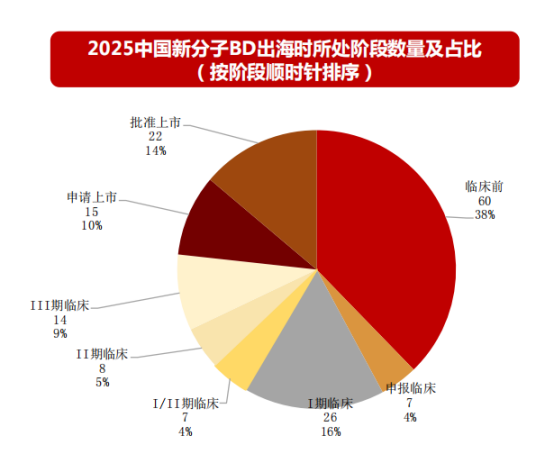
Group 1 - The core viewpoint of the articles highlights the continued high demand for Chinese innovative drugs in global markets, with significant business development (BD) transactions occurring in early 2026, indicating a strong growth trajectory for the industry [1][2]. - As of February 15, 2026, there have been 39 license-out transactions for Chinese innovative drugs, with an upfront payment of approximately $2.953 billion and a total value exceeding $49 billion, surpassing one-third of the total amount for 2025 [1]. - Morgan Stanley's report emphasizes a positive long-term outlook for the Chinese pharmaceutical industry, identifying "catalysts" as a key theme, with expectations for numerous catalysts in 2026 that will enhance the global value of domestic pharmaceutical assets [2]. Group 2 - Morgan Stanley specifically mentions that 2025 saw a total BD transaction amount of $135.7 billion for Chinese innovative drugs, surpassing the U.S. for the first time, with 2026 showing even stronger growth as the first 49 days of transactions exceeded any single quarter in 2025 [2]. - The report highlights Hengrui Medicine as a preferred investment target, predicting accelerated sales growth in 2026 and a positive trend in new cooperative transactions, which are crucial for realizing milestone payments [2]. - The transformation of Kangzhe Pharmaceutical towards innovative drugs is noted, with the approval of a targeted drug for vitiligo, indicating a significant step in the company's transition and growth strategy [3]. Group 3 - Despite the ongoing BD transaction boom, the innovative drug sector is experiencing a market downturn, with the Hong Kong innovative drug ETF dropping 0.78% after the Spring Festival, indicating a disconnect between market sentiment and fundamentals [4]. - The focus of BD transactions in 2026 is shifting towards early-stage research projects, with over 50% of the 39 transactions being in preclinical stages, reflecting a strategic pivot in the industry [5]. - Companies like Kangfang Biotech are optimistic about the global impact of Chinese innovative drugs, aiming to expand their global footprint and enhance their international presence in drug development [5].

未知机构:国泰海通医药春节期间创新药领域重点新闻梳理全球BD根据医药-20260224
未知机构· 2026-02-24 02:45
Summary of Key Points from Conference Call Industry Overview - The conference call discusses the global business development (BD) activities in the pharmaceutical sector during the Chinese New Year period from February 13 to February 23, 2026, highlighting a total of 18 BD transactions globally [1] Core Insights and Arguments - **Key Transactions**: - Qinhai Bio licensed its MAT2A inhibitor (GH31), which has received IND approval in China and the US and is currently in Phase I clinical trials, to Gilead. Qinhai will receive an upfront payment of $80 million, $1.45 billion in milestone payments, and a tiered double-digit percentage royalty based on net sales [1] - Other notable transactions include: - Novartis partnered with Unnatural Products to develop macrocyclic peptide drugs, focusing on cardiovascular applications, with Unnatural Products receiving an upfront payment of $100 million and potential milestone payments of $1.7 billion [1] - Eli Lilly acquired global rights for the IL6 monoclonal antibody clazakizumab from CSL for all indications except end-stage renal disease, with CSL receiving an upfront payment of $100 million [1] - Merck collaborated with Mayo Clinic to integrate clinical and genomic data, focusing on early research translation in inflammatory bowel disease, skin diseases, and neurology [1] - **Year-to-Date Transactions**: - From January 1 to February 23, 2026, there have been 36 BD transactions involving Chinese companies, with 13 of these transactions involving multinational corporations (MNCs) [1] Additional Important Insights - **Comparison with Previous Year**: - In comparison, there were 26 BD transactions during the same period in 2025, with only 3 involving MNCs [2] - **Future Outlook**: - The analysis indicates that MNCs have increased their focus on Chinese BD teams and asset searches since the second half of 2025, suggesting a positive outlook for more BD transactions involving Chinese assets and MNCs in 2026 [2]


2026医疗展望:百家公司港股排队,医疗板块能否再创「神话」
36氪· 2026-02-12 10:18
Core Viewpoint - The medical sector is experiencing both "explosive growth" and "cooling" simultaneously, with over 100 medical companies queued for IPOs in Hong Kong, while tightening IPO policies are anticipated [4][5]. Group 1: IPO Trends and Market Dynamics - The performance of new drug IPOs in 2026 is expected to be significantly differentiated, with over 400 companies currently in the queue for IPOs in Hong Kong [8]. - Investors are becoming more mature and demanding higher standards for IPO projects, focusing on companies with successful overseas BD cases and clear product sales expectations [8][9]. - Many companies are considering Pre-IPO financing to hedge against tightening regulations and market risks, with valuations typically in the range of $300 million to $500 million [9][10]. Group 2: BD Transactions and Market Sentiment - The enthusiasm for BD transactions from multinational corporations (MNCs) towards Chinese new drug assets remains high, with China accounting for 50% of global BD transaction volume last year [12]. - However, the perception of Chinese new drugs as "value for money" is diminishing, leading to a potential slowdown in the growth rate of BD transactions [12][13]. - The focus of BD transactions is shifting from oncology to autoimmune and cardiovascular treatments, with a growing interest in complementary pipelines [14][15]. Group 3: AI in Drug Development and Healthcare - AI-driven pharmaceutical companies are gaining traction, with significant funding and BD opportunities expected in 2026, although the market is becoming increasingly competitive [20][21]. - The application of AI in consumer medical devices and digital therapies is anticipated to unlock new opportunities, particularly in home healthcare products [23][24]. - AI's role in enhancing clinical decision-making and patient management is expected to revolutionize healthcare delivery, making medical information more accessible [24][25]. Group 4: Medical Device Market Outlook - The investment landscape for innovative medical devices is currently at a low point but is expected to gradually improve, with structural investment opportunities emerging [33][34]. - The challenges of international expansion for medical devices are greater than for new drugs, but there are signs of improvement as leading Chinese manufacturers enhance their product capabilities [37][38]. - The future of medical device exports is shifting towards local production and direct sales networks, moving away from simple product exports [38][39].
中国创新药正在为MNC叠BUFF
Xin Lang Cai Jing· 2026-02-10 12:39
Core Insights - The strategic collaboration between Innovent Biologics and Eli Lilly, valued at over $8.8 billion, has garnered significant industry attention, marking their seventh partnership [1][19][18] - The agreement includes an upfront payment of $350 million, with potential milestone payments totaling up to approximately $8.5 billion, alongside a tiered sales revenue share for products outside Greater China [1][18] Group 1: Industry Trends - The surge in BD transactions and mergers in China's innovative pharmaceutical sector reflects the growing strength of Chinese drug companies, providing substantial economic benefits and multiple gains for multinational corporations (MNCs) [2][19] - In January 2026 alone, the potential total amount for BD transactions in China's innovative pharmaceuticals exceeded $33.2 billion, a 48.8% increase from $22.3 billion in the same month of 2025 [2][19] - The total amount for outbound licensing transactions in 2025 reached a historic high of $135.655 billion, indicating a strong trend for 2026 to potentially surpass this figure [2][19] Group 2: Shifts in Market Dynamics - The significance of Chinese innovative drug assets has shifted from being a means for local companies to generate cash to becoming coveted "treasures" that MNCs are eager to acquire [3][20] - The efficiency and cost advantages of Chinese innovative drugs are seen as critical for MNCs to fill pipeline gaps, while the R&D potential and patient base in China position MNCs as "ecosystem builders" rather than mere outsiders [3][20] Group 3: Innovations and Collaborations - The term "me-too" is no longer prevalent in discussions about Chinese innovation, as the focus has shifted to recognizing the importance of Chinese innovation in the global market [4][21] - At the JP2026 conference, leaders from major MNCs emphasized their commitment to the Chinese market and collaboration with local innovators, highlighting the strategic importance of Chinese innovation [5][22] - In 2025, 76 new drugs approved in China included 17 that received breakthrough therapy designation, with 12 being ranked first globally in their respective categories [5][22] Group 4: Commercialization and Development - The commercialization capabilities of Chinese pharmaceutical companies have evolved, with an increasing number of transactions involving "co-development" and "co-commercialization" agreements, expanding to include both the Chinese and global markets [11][28] - Innovent Biologics reported a total product revenue of approximately RMB 11.9 billion in 2025, reflecting a robust year-on-year growth of about 45%, driven by products like Ma Shidu and Tolebrutinib [12][29] - The partnership with Takeda, valued at $11.4 billion, represents one of the largest BD transactions in Chinese pharmaceutical history, involving collaboration on multiple drug candidates [13][30]


医药行业BD交易井喷,2025全年首付款大涨226%,交易模式从“单次授权”迈向“共同开发”
Cai Jing Wang· 2026-02-10 06:39
Core Insights - The surge in the stock price of 3SBio and its subsidiary Sanofi's recent A-share market performance is driven by a significant $60.5 billion licensing deal with Pfizer for the anti-cancer drug SSGJ-707, marking a record for upfront payments in domestic BD transactions [1] - The year 2025 has seen a remarkable increase in business development (BD) activities in the pharmaceutical sector, with total transaction values exceeding $130 billion, including over $7 billion in upfront payments [1][2] - The evolution of BD transaction models reflects changing industry dynamics, moving from simple licensing agreements to more complex co-development and risk-sharing arrangements [1][9] BD Transaction Trends - In 2025, 62% of BD transactions involved early-stage assets, with a notable increase in deals for molecules in clinical phases I and II, indicating a shift towards earlier-stage investments [3][4] - Major multinational corporations (MNCs) have significantly increased their collaborations with Chinese firms, with top companies like GSK and Pfizer participating in 35 deals, a tenfold increase from 2015 [3] - High-value transactions involving molecules in late-stage clinical trials are becoming more common, providing greater certainty and stability to the BD market [4] Asset Deal Dynamics - The trend towards asset deals rather than full company acquisitions allows pharmaceutical companies to acquire specific assets without the burden of integrating entire organizations [7][10] - The focus on high-demand therapeutic areas such as bispecific antibodies (bsAbs), antibody-drug conjugates (ADCs), and GLP-1 drugs has led to a concentration of BD activities in these segments [7][8] - The bispecific antibody sector alone accounted for nearly $3.5 billion in upfront payments, representing 49.8% of all BD upfront payments in 2025, with a year-on-year growth of 414.7% [8] Innovative Collaboration Models - New collaborative models such as platform-based deals and joint development agreements are emerging, allowing for deeper partnerships beyond traditional licensing [10][11] - The NewCo model, which involves creating new entities for specific pipeline rights, is gaining traction, although it currently represents a smaller share of the overall BD landscape [11][12] - The shift towards strategic alliances emphasizes shared risks and benefits, enhancing long-term collaboration between companies [11][12] Future Outlook - The BD landscape is expected to continue evolving, with a focus on the long-term value of research and development capabilities as companies navigate the complexities of global markets [12][14] - The successful execution of BD deals will depend on the ability of companies to translate these agreements into tangible innovations and market successes [14]
港股异动 | 石药集团(01093)涨超3% 机构看好公司未来在EGFR ADC及研发平台将有更多对外授权合作机会
智通财经网· 2026-02-09 02:46
Core Viewpoint - The stock price of CSPC Pharmaceutical Group (01093) has increased by approximately 9% year-to-date, with a notable rise of 14% prior to the announcement of its collaboration with AstraZeneca on January 30. HSBC Research maintains that the company's valuation remains attractive and anticipates more licensing opportunities in the future related to EGFR ADC and its R&D platform [1][1][1] Group 1 - HSBC has raised its revenue forecasts for CSPC Pharmaceutical Group for 2025 to 2027 by 3% to 11%, considering prepayments and slight improvements in last quarter sales [1][1][1] - The net profit forecasts for the same period have been increased by 7% to 18%, indicating that growth in licensing revenue can offset the negative impacts of centralized procurement policies for pharmaceuticals [1][1][1] Group 2 - Citi expects that the business development (BD) transactions already completed by CSPC will start converting into recurring revenue from this year [1][1][1] - The four significant BD transactions with AstraZeneca and Madrigal Pharmaceuticals are projected to generate approximately $10.2 billion in upfront and milestone payments, significantly boosting profits to 6.3 billion, 10.2 billion, and 10.9 billion RMB for 2025 to 2027 [1][1][1]
2026中国创新医疗图景:源头活水何在,产业生态又将如何重塑?
Xin Lang Cai Jing· 2026-01-26 06:56
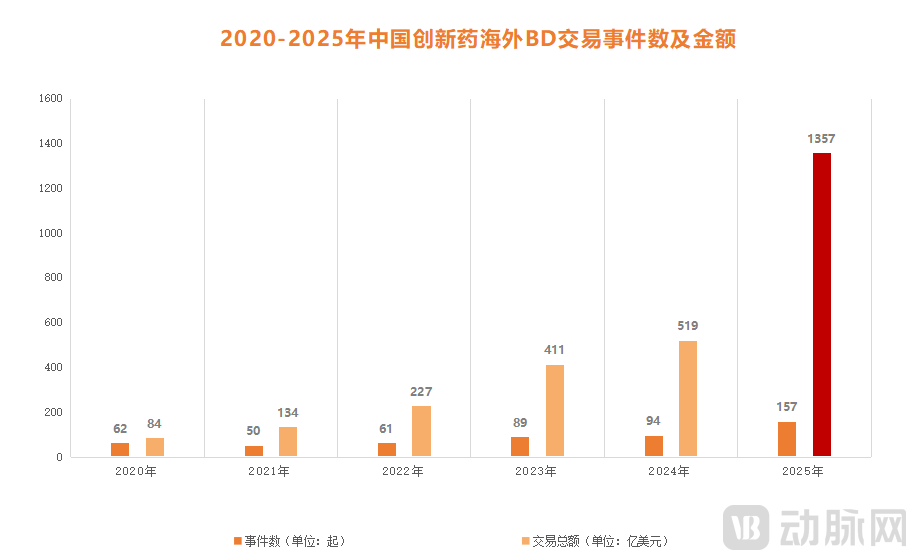
Core Insights - The Chinese healthcare industry experienced a significant surge in 2025, marked by a record number of innovative medical devices and drugs approved for market entry, indicating a growing focus on innovation in the sector [1][3] - The total value of overseas business development (BD) transactions for innovative drugs reached $135.7 billion in 2025, accounting for 49% of the global total, surpassing the United States for the first time [3] - The IPO market for healthcare companies in China saw a revival, with 37 companies successfully listed in 2025, doubling the number from 2024, reflecting strong investor interest in the sector [7] Innovation in Medical Devices and Drugs - In 2025, 109 innovative medical devices were approved, with a 19.67% year-on-year increase in Class III devices, while 76 innovative drugs were approved, focusing on advanced fields like oncology and autoimmune diseases [1] - The rapid growth in innovative drug approvals and medical device registrations highlights China's increasing capabilities in healthcare innovation [1][8] Business Development and Market Dynamics - The number of overseas BD transactions for innovative drugs reached 157 in 2025, with a total transaction value of $135.7 billion, both figures representing historical highs [3] - The increasing recognition of Chinese innovative drugs by global pharmaceutical companies is evident, particularly as they face pressures from patent expirations and global competition [8] IPO Activity and Market Sentiment - The healthcare sector in China saw a resurgence in IPO activity, with 37 companies going public in 2025, compared to 17 in 2024, indicating a robust market sentiment [7] - Over 60 healthcare companies are currently in the IPO pipeline on the Hong Kong Stock Exchange, reflecting sustained investor enthusiasm for the healthcare sector [7] Challenges and Industry Landscape - Despite the growth, challenges persist, including difficulties in financing and market entry for medical companies, exacerbated by domestic healthcare cost controls and intensified competition [7] - The industry is undergoing significant consolidation, presenting both opportunities and challenges for companies navigating this complex landscape [7][11] AI Integration in Healthcare - AI technology is increasingly integrated into the healthcare sector, enhancing the efficiency and safety of medical devices and drug development processes [10] - The shift towards data-driven, proactive healthcare solutions is transforming traditional practices, with AI expected to play a crucial role in future clinical pathways [10] Investment Trends and Future Outlook - The investment landscape in the healthcare sector is shifting towards high-tech, innovative companies, with a notable decrease in the number of financing events but an increase in total investment amounts [16] - The next 5-10 years are anticipated to be a golden period for innovation in Chinese healthcare, with a focus on projects that address unmet clinical needs [17]