
年俗文化

Search documents
景山观德殿新春上新展!来看非遗珍品
Xin Lang Cai Jing· 2026-02-11 11:29
Core Viewpoint - The upcoming Lunar New Year is marked by the "New Year - Palace Intangible Cultural Heritage Craft Exhibition" at Jingshan Park, showcasing 83 pieces that blend palace standards with folk wisdom [2] Group 1: Exhibition Overview - The exhibition features over ten intangible cultural heritage crafts, including cloisonné, lacquer carving, Beijing embroidery, and flower inlay, interpreting the cultural connotation of "Chinese New Year" from an aesthetic perspective [4] - Visitors can appreciate the dazzling interplay of flower inlay and enamel, the auspicious meanings conveyed by Beijing embroidery, and the rich hues of lacquer carving, with each piece embodying traditional craftsmanship and cultural significance [5] Group 2: Exhibition Experience - The exhibition emphasizes creating an atmosphere of "dialogue between tradition and contemporary" within the historical architecture, aiming to showcase the vitality and warmth of New Year customs through contemporary interpretations of intangible heritage crafts [5] - The exhibition will run until March 17, with Jingshan Park's Wande Hall closed every Monday (except holidays) [7]

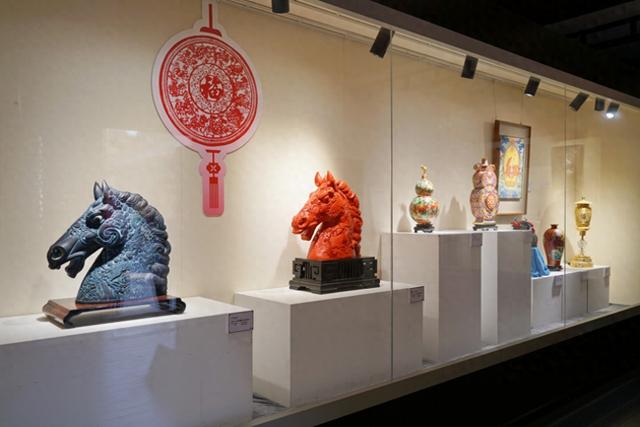
欢乐过大年·乡“亲”京郊行18|京西年味浓:陇驾庄大集一站式找齐过年烟火气
Bei Jing Wan Bao· 2026-02-11 10:35
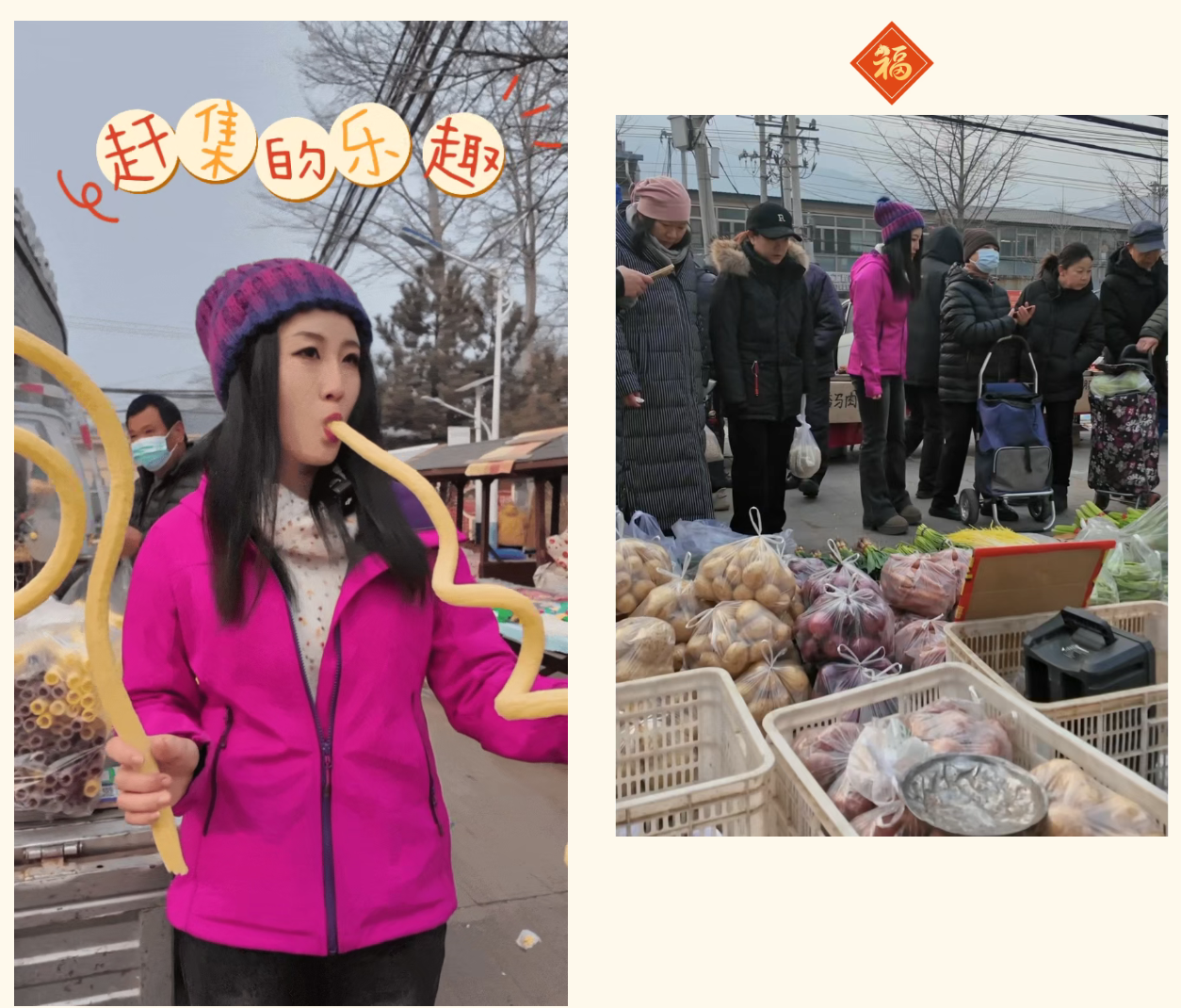
Core Viewpoint - The article highlights the vibrant atmosphere of the Longjiazhuang market in Mentougou, Beijing, which serves as a hub for local residents to purchase traditional New Year goods, creating a lively and culturally rich experience during the festive season [1][4]. Group 1: Market Atmosphere - The Longjiazhuang market, known for its "human touch," features local vendors and a warm, inviting environment, contrasting with urban supermarkets [4]. - The market operates on Tuesdays, Fridays, and Sundays, transforming into a bustling space filled with various New Year goods, making shopping a joyful experience [1][4]. Group 2: Local Delicacies - The market offers a variety of local specialties, including freshly made snacks like "zhalazi" and traditional foods that evoke nostalgic memories [6][8]. - Notable products include the thin-skinned, meaty Miaofengshan paper-skin walnuts and the rich-flavored Longjiazhuang marinated tofu, showcasing the unique characteristics of Mentougou [8][10]. Group 3: Cultural Significance - The market features a cultural area filled with traditional New Year decorations, such as red couplets and window flowers, symbolizing good fortune and success for the upcoming year [17]. - The market not only represents the essence of the New Year but also reflects the warmth of daily life, allowing visitors to take home tangible symbols of hope and joy [17]. Group 4: Practical Information - The market is located in Longjiazhuang Village, Miaofengshan Town, Mentougou District, and can be accessed via specific public transport routes or by car [18]. - It is important for visitors to check the market's operating status before visiting, especially during the holiday season when it may be closed [18].
年味儿在哪里?在古城老街 在非遗年画 在代代相传
Yang Shi Wang· 2026-02-10 16:21
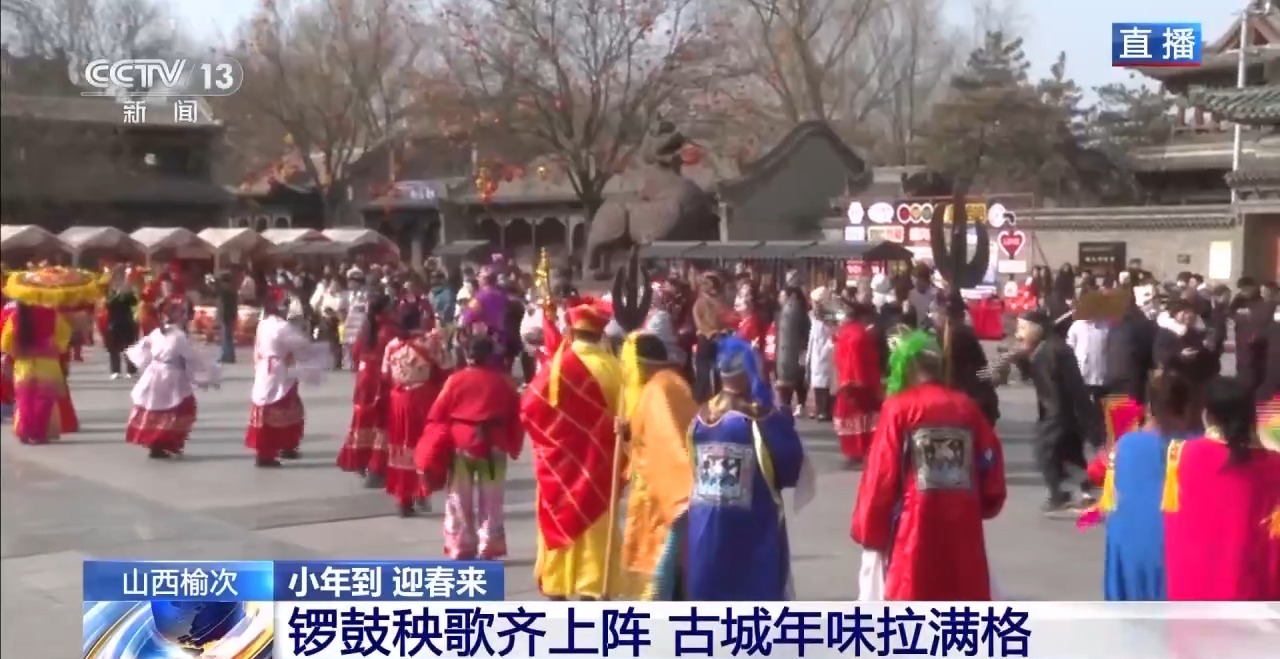
Group 1 - The article highlights the cultural significance of the "Little New Year" (小年) in China, marking the beginning of the Lunar New Year celebrations and the various traditional activities associated with it [1] - In Yuci Old Town, Shanxi Province, a series of vibrant activities are organized from the Little New Year to the Spring Festival, including folk performances, traditional foods, and a market for New Year goods [2] - The folk performance featuring drums and yangge dance is a major highlight, showcasing the festive atmosphere and cultural heritage of the region [3] Group 2 - Local delicacies such as salt-fried chicken, flower buns, and oil cakes are featured, with a special recommendation for meatballs made using traditional methods, enhancing the local culinary experience [5] - Traditional crafts like sugar painting and clay figurine making are showcased, evoking childhood memories and adding to the festive spirit [7] - Various handmade crafts, including woodblock New Year paintings and paper-cutting, are available for visitors to experience and participate in [10] Group 3 - The market at the city wall gathers 56 local specialty vendors, offering a one-stop shop for traditional New Year goods, including local products and decorations [11] - In Wuqiang, Hebei Province, the New Year painting museum allows visitors to experience the cultural significance of New Year paintings, which are believed to bring peace and prosperity [12][13] - The museum features a vibrant street for purchasing New Year paintings, with a historical background dating back to the Song and Yuan dynasties, recognized as a national intangible cultural heritage [15] Group 4 - The article emphasizes the rich themes of Wuqiang New Year paintings, which often include symbols of good fortune and blessings, reflecting the hopes of the local community [17] - Visitors can engage in hands-on experiences of New Year painting production, learning about the traditional techniques and materials used [18] - The museum hosts a series of activities during the Little New Year, allowing participants to engage in traditional customs such as pasting door gods and window flowers [19][21]
春节新钞兑换热度攀升 银行提示提前预约“不跑空”
Xin Lang Cai Jing· 2026-02-10 12:50
Core Viewpoint - The upcoming Chinese New Year has led to a surge in demand for new banknotes, particularly small denominations, as many citizens engage in traditional practices of exchanging money and giving red envelopes [1][3]. Group 1: Demand for New Banknotes - There is a significant increase in the demand for new banknotes, especially 5 yuan, 10 yuan, and 20 yuan denominations, which are described as "hard to find" [1][3]. - Citizens express that the value of the red envelopes is not in the monetary amount but in the sentiment and tradition of giving [1][3]. - Many retirees are exchanging their pensions for new banknotes to give to children as a symbol of good fortune for the new year [1][3]. Group 2: Bank Inventory and Services - The availability of new banknotes varies by bank, with some branches reporting that they have run out of small denominations and suggesting that customers make reservations in advance [2][4]. - Some banks, such as Minsheng Bank and Beijing Bank, have limited stocks of small denomination notes, with only a few hundred available [2][4]. - Several banks have introduced online and offline reservation services for new banknote exchanges, encouraging customers to book in advance to ensure availability [2][4].
(寻味中华丨节令)小年启岁 八珍盛起团圆第一味
Xin Lang Cai Jing· 2026-02-10 01:34
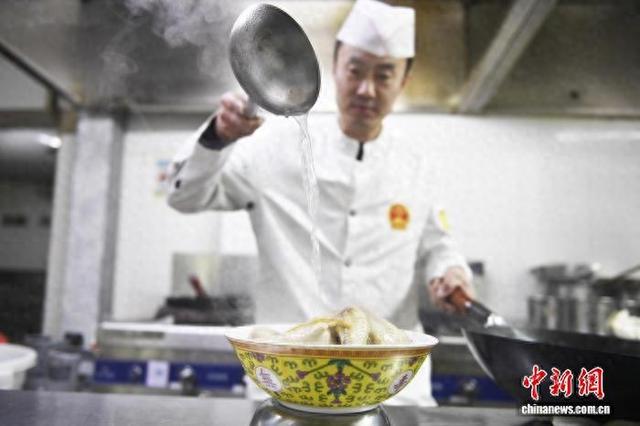
Core Viewpoint - The article highlights the cultural significance and culinary tradition of the "Manchu Eight Bowls" in Jilin City, China, particularly during the celebration of the small New Year, emphasizing its role in family reunions and the preservation of local heritage [1][3]. Group 1: Culinary Tradition - The "Manchu Eight Bowls" is a traditional feast originating from the hunting and farming lifestyle of the Manchu people, typically served during festivals or to honor guests, representing the hospitality of the region [3][5]. - The dish includes various items such as Amaru pork, braised pig's trotter, and chicken with hazelnut powder, showcasing local ingredients and culinary techniques [3][4]. - The preparation of these dishes involves multiple cooking methods, including boiling, frying, steaming, and braising, adhering to traditional culinary rules [6]. Group 2: Cultural Significance - The "Eight Bowls" not only serve as a meal but also reflect the social customs and historical changes of the Manchu people, encapsulating family rituals and the art of hospitality [6]. - The customs associated with the small New Year, such as preparing festive foods and gathering with family, highlight the importance of familial bonds and cultural continuity in the region [6]. - The tradition of sharing hot meals during the cold winter months fosters emotional connections among family members, reinforcing the cultural logic behind the "Manchu Eight Bowls" [6].
年俗里头“年味”氤氲
Xin Lang Cai Jing· 2026-02-08 22:44
Core Viewpoint - The article emphasizes the vibrant and culturally rich traditional customs in Guizhou, which serve as a means to heal people's fatigue, provide spiritual solace, and foster social connections during the New Year celebrations [1][3]. Group 1: Cultural Significance - The traditional customs in Guizhou are described as a sensory feast that allows individuals to release emotions and find joy after a busy year, showcasing unique activities like the Miao ethnic group's lusheng dance and the Dong ethnic group's songs [1][2]. - These customs not only entertain but also create a sense of belonging and cultural identity, as seen in rituals like the "Nei Wang Gong" worship and the vibrant dragon dances that convey hopes for peace and prosperity [3]. Group 2: Social Interaction - The interactive nature of Guizhou's customs helps bridge social distances in the modern digital age, bringing people together in a genuine manner, as exemplified by activities in caves that foster community bonding and the "eating love" tradition that encourages socializing among different age groups [2][3]. - Traditional songs and communal activities enhance interpersonal connections, transforming strangers into friends and enriching modern life with a sense of warmth and happiness [2]. Group 3: Spiritual and Emotional Connection - The customs carry deep spiritual meanings, allowing participants to express their hopes for a better life and connect with their cultural heritage, as demonstrated in various rituals that reflect respect for nature and a desire for harmony [3]. - The article highlights that these traditions, when actively embraced and passed down, can thrive in contemporary society, providing cultural nourishment and enhancing overall happiness [3].
【文化中国行】这些年俗,让年味更浓
Xin Lang Cai Jing· 2026-02-08 21:40
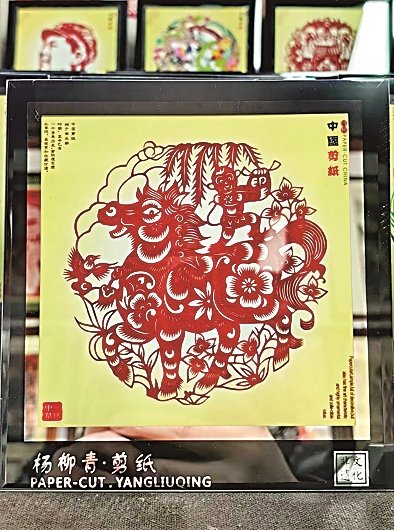
Group 1: Cultural Significance of Traditional Crafts - The article highlights the importance of traditional customs and crafts during the Chinese New Year, emphasizing their role in cultural continuity and community bonding [1][4]. - Yangliuqing paper-cutting, with over 300 years of history, is noted for its artistic value and connection to local culture, showcasing the skills of artisans like Hao Guifen [4][3]. - The production of flower buns in Henan province reflects a blend of tradition and modern consumer preferences, with significant demand leading to the creation of over 10,000 flower buns daily during the festive season [5][7]. Group 2: Economic Impact and Community Development - The flower bun industry in Huojia County is positioned as a key initiative for rural revitalization, with over 300 women trained in the craft, contributing to local economic development [7][8]. - The production of Chengni prints in Shandong not only preserves cultural heritage but also provides employment opportunities for local women, enhancing their economic independence [9][8]. - The high platform lion dance in Chongqing, recognized as a national intangible cultural heritage, has seen increased participation and training initiatives, promoting local culture and tourism [12][13].
2026年安徽省“博物馆里过大年”主场活动举办
Xin Lang Cai Jing· 2026-02-08 07:08
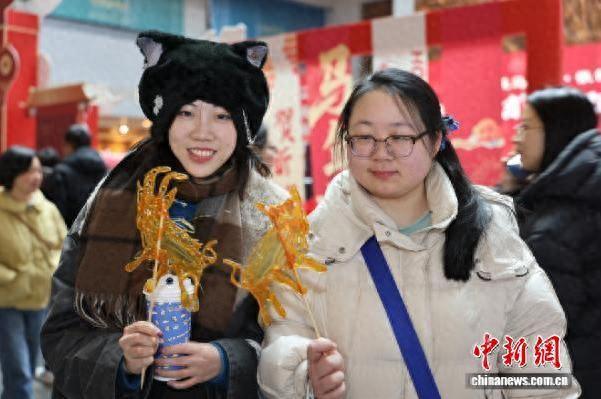
Group 1 - The main event of "Celebrating the New Year in Museums" in Anhui Province for 2026 was held at the Anhui Museum, themed "Galloping Horses Welcoming Spring, Anhui Rhythms Bringing Blessings" [1][3] - The event featured a "Cultural Goods Street" showcasing high-quality cultural and creative products from museums across Anhui, promoting cultural consumption and enhancing public welfare through the integration of culture and tourism [1][3] - The event utilized an "online live broadcast + multi-location relay" model, allowing museums across the province to form a commentary matrix and promote New Year exhibitions in real-time, breaking spatial and temporal limitations [3] Group 2 - During the Spring Festival, nearly 200 themed exhibitions will be launched, focusing on concepts of peace, harmony, and traditional Chinese culture, integrating zodiac culture, seasonal customs, and intangible cultural heritage [3] - Approximately 500 activities will be organized around themes of bidding farewell to the old year, family reunions, and folk customs, including intangible cultural heritage displays, folk experiences, and New Year lectures [3] - Some venues will host special night activities such as "Museum Wonderful Nights" and "Lantern Festival," creating a "never-off" night museum experience, with the event running until March 20 [3]
中国声音中国年|年桔,中国人的“年树”!
Yang Guang Wang· 2026-02-06 04:59
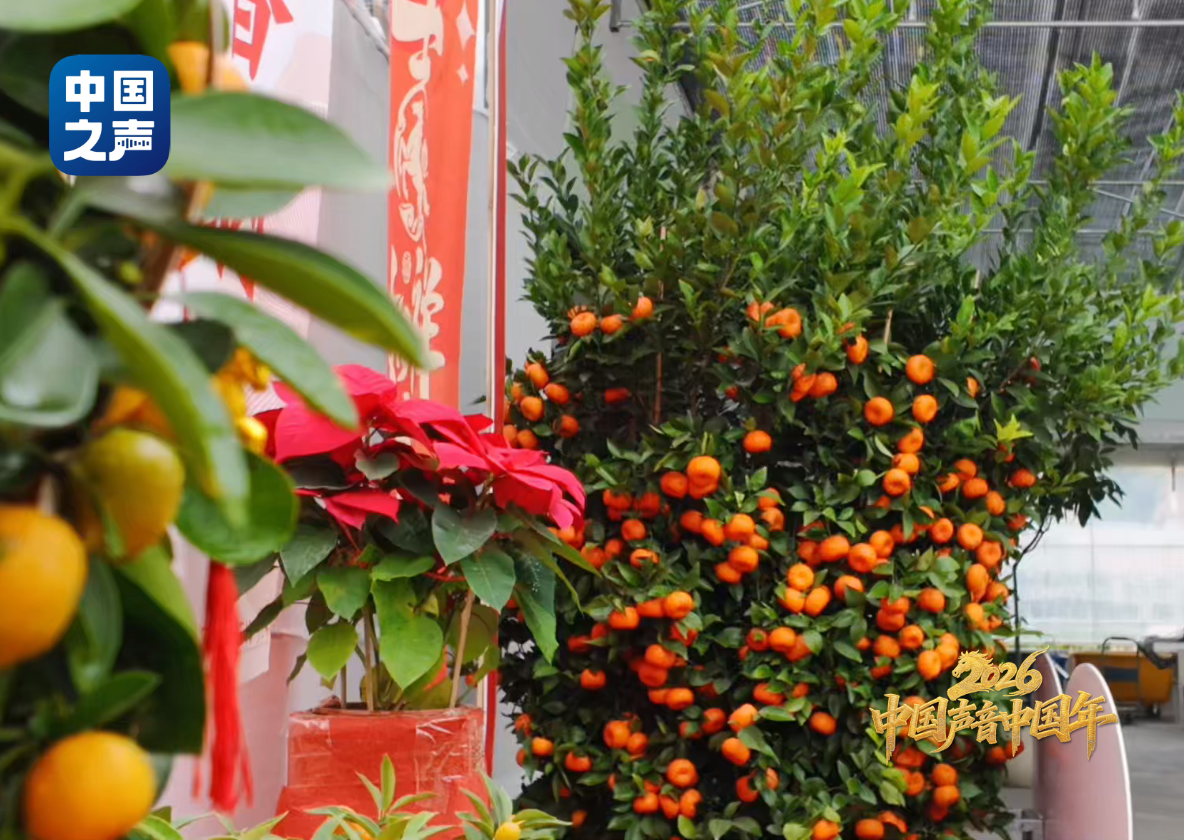
Group 1 - The core idea of the article highlights the cultural significance of "Nianju" (New Year orange) in Guangdong, particularly in Chen Village, where the tradition of growing these oranges has been established for over a thousand years, contributing to nearly 80% of China's Nianju production [1][4]. - In 2026, Chen Village is expected to harvest over 4,600 acres of orange fields, with nearly 3 million pots of Nianju anticipated to be sold, generating an estimated output value of 300 million yuan [4]. - The trend of mini Nianju has emerged, becoming popular as a decorative item on young people's desks, with special designs for the Year of the Horse incorporating auspicious phrases and floral arrangements, reflecting the warmth of Lingnan culture and the anticipation of the New Year [6]. Group 2 - The article emphasizes that Nianju is considered the "New Year tree" for Chinese people, symbolizing good fortune and prosperity during the festive season [8].
唤醒年味记忆的望花大集
Xin Lang Cai Jing· 2026-02-04 20:31
Core Insights - The article highlights the vibrant atmosphere of the Wanghua Market in Shenyang, which has become a significant cultural landmark for experiencing traditional Chinese New Year customs [1][3]. Group 1: Market Dynamics - The Wanghua Market has over 300 fixed stalls and additional mobile vendors, attracting more than 10,000 visitors on peak days during the New Year season [2]. - The market's popularity is rooted in a long-standing agricultural trading tradition in Northeast China, making it a key location for purchasing New Year goods [1][3]. Group 2: Cultural Significance - The market serves as a nostalgic space for locals, evoking memories of childhood and traditional New Year celebrations, with a variety of foods that are integral to the holiday experience [3][4]. - Young consumers have increasingly become the main demographic at the market, with many using social media to share their experiences, thus enhancing the market's appeal as a trendy destination [3][4]. Group 3: Visitor Experience - Visitors express a strong emotional connection to the market, often returning for the authentic flavors and festive atmosphere that remind them of their childhood [4]. - The market combines shopping for New Year goods with cultural experiences, creating a lively environment filled with joy and nostalgia [4].