
吹糖人

Search documents
在上下杭,吹出“甜蜜蜜”的新春
Xin Lang Cai Jing· 2026-02-19 23:02
Group 1 - The article highlights the festive atmosphere in Fuzhou's historical and cultural district, showcasing decorations and sculptures that symbolize good fortune and prosperity for the Lunar New Year [1] - The district features three themed markets with over a hundred stalls offering a variety of Fujian snacks, exquisite souvenirs, and handmade crafts, attracting numerous visitors [1] - Traditional folk art, such as sugar blowing, has found a permanent home in the district, illustrating the blend of cultural heritage and modern tourism [1] Group 2 - The article mentions a specific interaction between a child and a craftsman, demonstrating the engaging nature of the sugar blowing craft and its appeal to younger generations [1] - The father of a child expresses satisfaction with the development of Fuzhou, noting improvements in infrastructure and the increasing quality of festive activities over the years [1]
网络中国节·春节 | 常州:包子飘香年味浓,书香烟火共迎春
Xin Lang Cai Jing· 2026-02-12 14:21
Group 1 - The "Our Festival (Online Chinese Festival) · Spring Festival" event in Changzhou's New District has commenced, blending traditional and modern elements to enhance the cultural atmosphere for the upcoming Spring Festival [1] - The event features a variety of activities including the Changzhou High-speed Railway New City Bun Festival, a civilized market, public performances, an art exhibition, and a job fair, promoting community engagement and cultural appreciation [1] - The event also integrates the "National Reading Spring Breeze Action," launching 12 high-quality reading activities throughout the year, aimed at enriching the cultural experience of the community [1] Group 2 - The "Spring Warmth in Jiangsu" job fair incorporated into the market offers over 900 quality job positions and features AI interview and resume generation areas, providing a modern approach to job seeking [2] - New District plans to establish 10 New Era Civilization Practice Business Circles by 2026, aimed at serving the community and promoting cultural values [2] - The "Grain Observation of the Yangtze River · Intangible Cultural Heritage New Life" exhibition will be held from February 7 to 23, showcasing the integration of Yangtze culture and grain art [2]
年味儿在哪里?在古城老街 在非遗年画 在代代相传
Yang Shi Wang· 2026-02-10 16:21
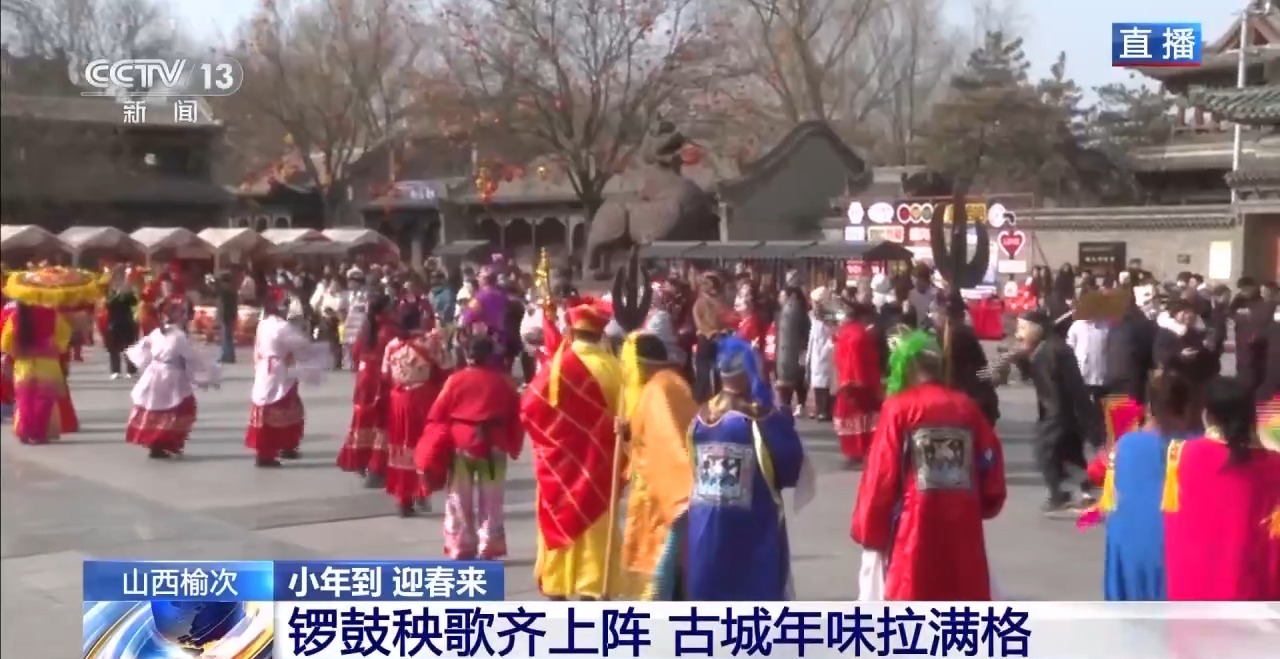
Group 1 - The article highlights the cultural significance of the "Little New Year" (小年) in China, marking the beginning of the Lunar New Year celebrations and the various traditional activities associated with it [1] - In Yuci Old Town, Shanxi Province, a series of vibrant activities are organized from the Little New Year to the Spring Festival, including folk performances, traditional foods, and a market for New Year goods [2] - The folk performance featuring drums and yangge dance is a major highlight, showcasing the festive atmosphere and cultural heritage of the region [3] Group 2 - Local delicacies such as salt-fried chicken, flower buns, and oil cakes are featured, with a special recommendation for meatballs made using traditional methods, enhancing the local culinary experience [5] - Traditional crafts like sugar painting and clay figurine making are showcased, evoking childhood memories and adding to the festive spirit [7] - Various handmade crafts, including woodblock New Year paintings and paper-cutting, are available for visitors to experience and participate in [10] Group 3 - The market at the city wall gathers 56 local specialty vendors, offering a one-stop shop for traditional New Year goods, including local products and decorations [11] - In Wuqiang, Hebei Province, the New Year painting museum allows visitors to experience the cultural significance of New Year paintings, which are believed to bring peace and prosperity [12][13] - The museum features a vibrant street for purchasing New Year paintings, with a historical background dating back to the Song and Yuan dynasties, recognized as a national intangible cultural heritage [15] Group 4 - The article emphasizes the rich themes of Wuqiang New Year paintings, which often include symbols of good fortune and blessings, reflecting the hopes of the local community [17] - Visitors can engage in hands-on experiences of New Year painting production, learning about the traditional techniques and materials used [18] - The museum hosts a series of activities during the Little New Year, allowing participants to engage in traditional customs such as pasting door gods and window flowers [19][21]

拱墅:半山石塘“村”晚,年味拉满
Hang Zhou Ri Bao· 2026-02-03 03:20
Core Viewpoint - The event held in the Shitang community highlights the cultural significance of the Grand Canal stove painting, showcasing local traditions and culinary heritage through various activities and performances [1][2]. Group 1: Cultural Heritage - The Grand Canal stove painting is recognized as a provincial intangible cultural heritage, emphasizing its importance in preserving local art and traditions [1]. - The event featured a replica of the traditional stone stove, which evokes nostalgic memories for residents, particularly for the elderly who recall cooking with wood [1]. Group 2: Community Engagement - The event included 21 unique stalls at the Grand Canal stove painting intangible cultural heritage market, offering traditional foods and crafts that resonate with local history [2]. - A highlight of the event was the tasting of 80 local pig trotters, prepared by a local chef using traditional methods, which drew significant interest from attendees [2]. Group 3: Artistic Performances - The afternoon featured a variety of performances, including solo singing, children's dances, and drum performances, showcasing the talents of the Shitang residents [2]. - The event ran from 9 AM to 9 PM, with activities designed to enhance community spirit and celebrate local culture, creating a vibrant atmosphere [2].
逛吃看展一个不落,快来荷花市场赶集!
Xin Lang Cai Jing· 2026-01-01 09:29
Core Viewpoint - The second Shichahai Ice and Snow Carnival and New Year Lotus Market will commence on January 1, 2026, integrating ice and snow sports, festive markets, and intangible cultural heritage into a winter urban carnival [1] Group 1: Event Overview - The carnival will take place at Shichahai scenic area, featuring natural ice rinks and the Lotus Market as core venues [1] - The event will run from January 1, 2026, to February 23, 2026, including over ten special performances and interactive flash events [9] Group 2: Market and Cultural Activities - More than 30 stalls will be set up along the Lotus Market promenade, offering traditional snacks, themed goods, and cultural products [3] - Traditional delicacies such as candied hawthorn and dragon beard candy will be available, with long queues at famous local brands [3] - A non-material cultural heritage interactive experience area will allow visitors to learn traditional practices like writing Spring Festival couplets [5] Group 3: Cultural Exhibitions - The New Year cultural exhibition will feature immersive experiences based on Qing Dynasty artist Huang Yue's "Spring Festival in Beijing," showcasing traditional customs [7] - Interactive installations will include "Ink Blessings for the New Year" and "Ice and Snow Three Elegances," enhancing the festive atmosphere [7] Group 4: Promotions and Engagement - The event will offer a "spend and get" promotion where customers can receive free ice rink tickets with qualifying purchases at the Lotus Market [9] - Various performances, including New Year concerts and traditional parades, will contribute to a vibrant celebration of the New Year [9]
内蒙古乌海 以节兴旅创新发展
Jing Ji Ri Bao· 2025-09-29 22:27
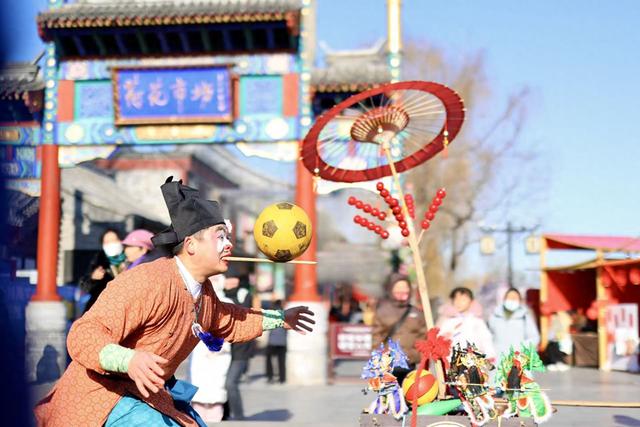
Group 1 - The core idea of the articles is that Wuhai City in Inner Mongolia has successfully integrated traditional culture, Yellow River culture, and folk culture into its cultural tourism industry, creating unique festivals and cultural brands that attract citizens and tourists, thereby driving the development of the cultural tourism and related industries [1][3][8] Group 2 - Recent cultural events in Wuhai, such as the "Qiao Dream Millennium Sentiment Wuhai" and the "Seven Sons Festival," have been well-received, showcasing non-material cultural heritage projects like "Blowing Sugar People," which has seen increased sales and participation [2][3] - The city has hosted various brand activities like the "Aviation Carnival" and "City Beautiful Life Festival," which have transformed tourism from "one-day trips" to "multi-day and deep tours," enhancing visitor experiences [3][4] - The "Singing the North Border" 2025 Inner Mongolia Folk Song Conference has become a brand event, attracting tourists and promoting local products through food and cultural displays [4][5] Group 3 - Wuhai City has effectively activated the consumer market through festival activities, with initiatives like the "Desert Wine Culture Tourism Festival" offering consumption vouchers that led to significant sales and collaboration with industry experts [7][8] - The ongoing "Desert Look at the Sea" music festival has attracted nearly 10,000 tourists and generated over 500,000 yuan in tourism revenue, indicating the success of night-time events in enhancing local tourism [8] - Future plans include strengthening festival brand foundations, innovating event formats, and integrating festival activities with urban branding and industry clustering to enhance cultural recognition and competitiveness [8]
传统非遗“遇见”新朋友:美国华裔青少年在体验中了解中国
Zhong Guo Xin Wen Wang· 2025-07-09 01:41
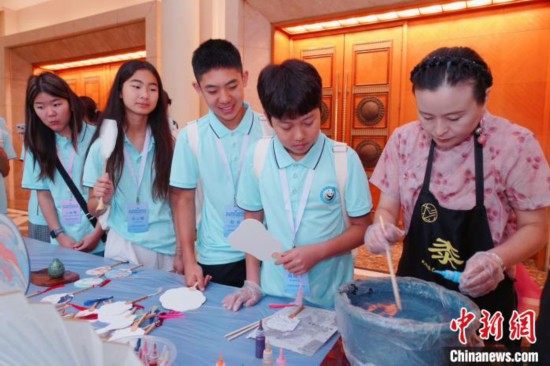
Core Viewpoint - The event "Second American Chinese Youth Bashu Cultural Experience Tour" in Sichuan provides over 200 American Chinese youth with immersive experiences in various intangible cultural heritage (ICH) crafts, enhancing their understanding of Chinese culture through hands-on activities [1][3]. Group 1: Cultural Experience - American Chinese youth engaged in hands-on activities such as sugar painting, dough figurines, paper cutting, and lacquer art, showcasing their enthusiasm and creativity [2][3]. - Participants expressed excitement and challenges while creating traditional crafts, highlighting the uniqueness of the experience compared to what they encounter in their local communities [2][3]. - The event aims to deepen cultural understanding through interactive experiences, moving beyond textbook knowledge to real-life applications [3]. Group 2: Participant Feedback - Participants like Kevin Tan from California and Bo Wen Gao from Chicago shared their positive experiences, emphasizing the joy and sense of accomplishment from creating traditional crafts [2][3]. - Feedback from educators, such as Li Miao Zheng from North Carolina, indicates that hands-on experiences significantly enhance students' understanding of Chinese culture compared to traditional classroom learning [3]. Group 3: Event Overview - The "Second American Chinese Youth Bashu Cultural Experience Tour" lasts for 10 days, allowing participants to explore various locations in Sichuan and engage in cultural activities [3].
年轻人Chill,中老年人更怀旧| SAE逛吃指数之“老街”八方客
Jing Ji Guan Cha Bao· 2025-05-23 10:18
Core Insights - The report titled "SAE Shopping Index: Old Streets and Diverse Visitors" highlights the popularity of historical cultural streets among different age groups, with a notable preference for younger visitors in certain areas [1][2]. Group 1: Young Visitors' Preferences - Changsha's Taiping Street ranks first among young tourists, showcasing a vibrant mix of traditional shops and modern attractions, contributing to its appeal [1]. - Wuhan's Tanhualin ranks second for young visitors, offering scenic views and unique experiences such as a vintage train ride and local craft activities [2]. - The trend indicates that younger tourists are drawn to streets that blend cultural heritage with contemporary experiences, enhancing their leisure time [1][2]. Group 2: Middle-Aged and Older Visitors' Preferences - Middle-aged and older tourists favor Taizhou's Zhongshan Road, which offers a tranquil atmosphere and historical architecture, reflecting a preference for nostalgia and cultural depth [2]. - Huanggang's Dongpo Chibi, linked to the famous poet Su Dongpo, attracts older visitors interested in cultural history and literary heritage [3]. - These older streets, often located in less populated areas, provide a serene experience that contrasts with the commercialized environments of larger cities [3].