京绣

Search documents
浓浓年味庆新春 深深情谊连中外
Ren Min Ri Bao· 2026-02-23 23:41
Core Viewpoint - The events celebrating the Chinese New Year in Athens, Bangkok, and Jeddah showcase traditional Chinese arts and crafts, enhancing cultural exchange and mutual understanding among participants from different countries [1][2]. Group 1: Event Highlights - In Athens, the "Happy Spring Festival" fair featured performances such as the shadow play "The Tortoise and the Crane," attracting families and allowing children to engage with traditional Chinese art [1]. - The event in Bangkok included activities like writing Spring Festival couplets and making fish lanterns, with performances of music, martial arts, and dance, creating an engaging atmosphere for local children and families [2]. - In Jeddah, a grand celebration featured acrobatics, magic shows, and traditional Chinese drumming, drawing large crowds who actively participated in the festivities [2]. Group 2: Cultural Exchange - The events served as a platform for cultural exchange, with local participants expressing interest in Chinese traditions, such as embroidery and calligraphy, fostering a deeper appreciation for Chinese culture [1][2]. - Local officials, such as the mayor of Athens, emphasized the importance of creative cooperation between Greece and China, looking forward to more opportunities for collaboration in the new year [1]. - Participants from various countries, including Saudi Arabia, expressed their admiration for Chinese culture, highlighting the significance of cultural events in strengthening international relationships [2].
春节在岗,只为观众不虚此行
Xin Lang Cai Jing· 2026-02-22 21:00
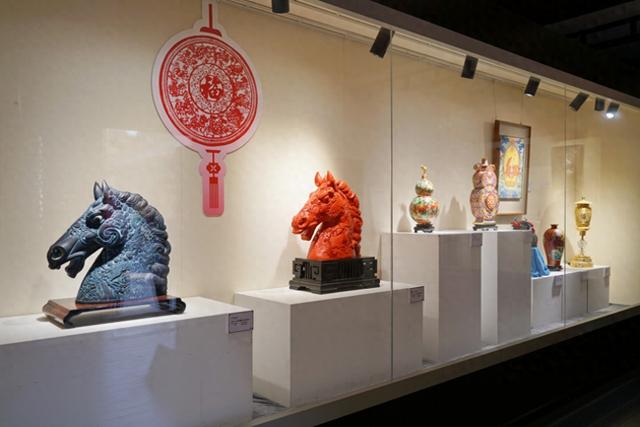
Core Viewpoint - The exhibition at the Beijing Arts and Crafts Museum, themed around the Chinese New Year and featuring over 120 exhibits, has attracted significant public interest, highlighting the importance of cultural heritage and traditional craftsmanship in contemporary society [3][4]. Group 1: Exhibition Details - The exhibition is titled "A Gathering of Seasons: Treasures of the Nation - The Essence of Beijing in Every Object" and is divided into four main sections: "Shared National Pulse," "Family Prosperity," "Seasonal Changes," and "Zodiac Guardianship," all of which are free to the public [3]. - The exhibition features various artifacts, including the cloisonné piece "Silk Road Divine Steed" and a lacquer jewelry box depicting a warhorse, showcasing the artistic representation of horses [3]. Group 2: Audience Engagement - The museum employs personalized storytelling techniques during tours, adapting explanations based on the audience's age and interests, such as focusing on animal and plant motifs for children and historical context for older visitors [4]. - The museum's collection primarily consists of works from the 1960s to 1970s, filling a historical gap in the development of Beijing's arts and crafts industry [4]. Group 3: Interactive Experience - During the exhibition, visitors can engage in hands-on experiences with various intangible cultural heritage crafts, such as making a cloisonné brooch, which enhances their understanding and appreciation of traditional techniques [5]. - The museum aims to transform its collection into a living culture that is tangible and participatory, encouraging more people to visit and celebrate a meaningful Chinese New Year [5].


近48万海外民众感受京韵中国年
Xin Lang Cai Jing· 2026-02-22 06:38
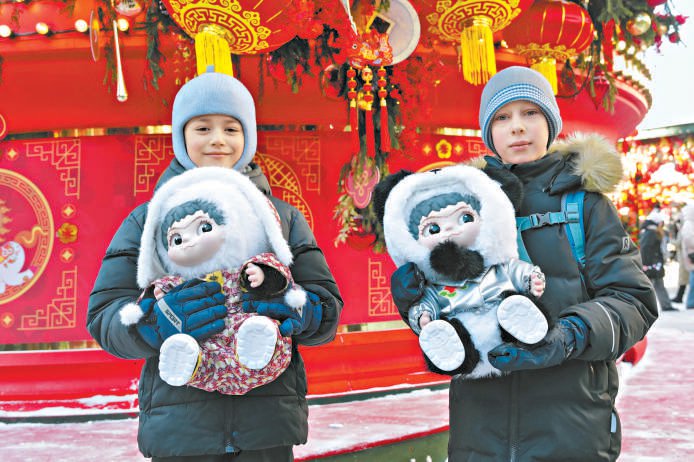
Core Insights - The "Joyful Spring Festival" cultural exchange event, organized by Beijing's Cultural and Tourism Bureau, took place from February 9 to 18, 2026, engaging 478,100 overseas participants across eight countries, showcasing Chinese New Year traditions through various cultural activities [2][3] Group 1: Cultural Exchange Activities - The event featured a blend of zodiac culture and intangible cultural heritage, highlighted by the "Global Auspicious Zodiac Design Exhibition" at the United Nations, showcasing over 150 design and artistic works [2] - Major cities like New York and Mexico City displayed zodiac elements in public spaces, allowing local residents to experience the essence of Chinese zodiac culture [2] - The first Spring Festival temple fair in Athens included shadow puppetry and Jing embroidery, while the Sydney garden party showcased traditional kite-making, revitalizing ancient heritage [2] Group 2: Public Engagement and Participation - The "Joyful Spring Festival" in Moscow attracted over one million participants, creating a vibrant atmosphere for both locals and tourists [3] - Various artistic performances were held globally, including classic Chinese shows in New York and collaborative performances between Chinese and Greek artists, emphasizing cultural exchange [3] Group 3: Tourism Promotion and Market Activation - The cultural exchange activities aimed to activate Beijing's inbound tourism market through B2B meetings with over 150 key enterprises, focusing on route development and market needs [4] - Public engagement included multilingual promotional materials and travel packages, enhancing accessibility to travel experiences in Beijing [4] - The initiative successfully promoted Beijing's cultural resources and travel convenience, contributing to the expansion of its overseas tourism market [4]
“过年·宫廷非遗技艺贺岁精品展”亮相景山公园
Xin Lang Cai Jing· 2026-02-14 03:00
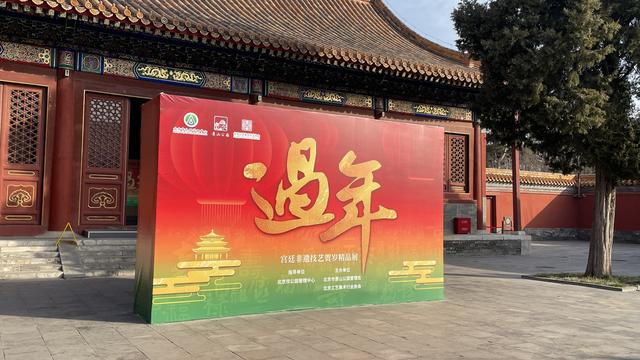
Core Viewpoint - The "New Year Palace Intangible Cultural Heritage Craft Exhibition" showcases traditional Beijing crafts during the Spring Festival, highlighting the cultural significance and artistic excellence of these heritage techniques [1][3]. Group 1: Exhibition Overview - The exhibition, co-hosted by the Beijing Arts and Crafts Industry Association and the Jingshan Park Management Office, opened on February 10 and features over 82 exquisite works created by more than 40 national and Beijing-level craft masters and intangible cultural heritage inheritors [1][3]. - The showcased crafts include a variety of techniques such as cloisonné, jade carving, lacquer carving, flower inlay, gold lacquer inlay, Jing embroidery, and palace carpets, representing a rich diversity of Beijing's intangible cultural heritage [3]. Group 2: Thematic Displays - The "Wealth and Longevity" themed section features intricate ornaments symbolizing prosperity and longevity, showcasing the beauty of traditional crafts and auspicious cultural meanings [5]. - The "Prosperity" themed area displays works featuring auspicious beasts and patterns, reflecting traditional craftsmanship and embodying hopes for career success and advancement [8]. - The "Joy and Fortune" themed section includes items adorned with auspicious motifs such as the "Hundred Blessings" and "Joyful Magpie," emphasizing the integration of joyful and auspicious meanings into the craftsmanship [10]. Group 3: Cultural Experience - Visitors can appreciate the exquisite skills of traditional crafts while immersing themselves in a festive atmosphere that embodies the unique charm of Chinese auspicious aesthetics [13].
景山观德殿新春上新展!来看非遗珍品
Xin Lang Cai Jing· 2026-02-11 11:29
Core Viewpoint - The upcoming Lunar New Year is marked by the "New Year - Palace Intangible Cultural Heritage Craft Exhibition" at Jingshan Park, showcasing 83 pieces that blend palace standards with folk wisdom [2] Group 1: Exhibition Overview - The exhibition features over ten intangible cultural heritage crafts, including cloisonné, lacquer carving, Beijing embroidery, and flower inlay, interpreting the cultural connotation of "Chinese New Year" from an aesthetic perspective [4] - Visitors can appreciate the dazzling interplay of flower inlay and enamel, the auspicious meanings conveyed by Beijing embroidery, and the rich hues of lacquer carving, with each piece embodying traditional craftsmanship and cultural significance [5] Group 2: Exhibition Experience - The exhibition emphasizes creating an atmosphere of "dialogue between tradition and contemporary" within the historical architecture, aiming to showcase the vitality and warmth of New Year customs through contemporary interpretations of intangible heritage crafts [5] - The exhibition will run until March 17, with Jingshan Park's Wande Hall closed every Monday (except holidays) [7]
快来打卡!北京春节必体验的20个非遗项目
Huan Qiu Wang· 2026-02-11 02:47
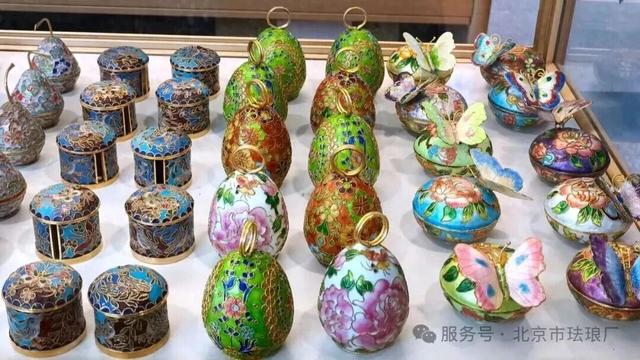
Group 1 - Jingtailan, also known as "copper胎掐丝珐琅," originated during the Ming Dynasty and reached its artistic peak during the Qing Dynasty [3] - The production process of Jingtailan is complex, involving multiple steps such as making the base, wire inlay, applying enamel, firing, polishing, and gilding, with wire inlay and enamel application being the core techniques [3] - The art style of Jingtailan is characterized by its richness and elegance, combining techniques from bronze craftsmanship, porcelain firing, and painting [3] Group 2 - Zhihua Temple's Jing music has been passed down through 27 generations and is considered a "living fossil" of ancient Chinese music, with significant historical, academic, and artistic value [4] - The music features solemn and elegant melodies, with precious and mysterious scores, and a rich variety of traditional forms [4] Group 3 - Wu Yutai Tea House, established in the 13th year of Guangxu, is renowned for its jasmine tea, which undergoes an eight-step process to achieve a unique flavor characterized by lasting fragrance and rich taste [7] - The tea is harvested under strict conditions, ensuring quality and flavor [7] Group 4 - Quanjude, founded in 1864, is famous for its hanging oven roast duck, which is cooked over fruitwood, resulting in a fragrant and crispy skin with tender meat [9] - Quanjude also pioneered the whole duck banquet, enhancing the dining experience [9] Group 5 - Donglaishun, established in 1903, is a representative of northern hot pot culture, known for its high-quality lamb and unique preparation techniques [11] - The restaurant emphasizes the selection of ingredients, knife skills, and flavorful broth, making it a notable establishment in the culinary scene [11] Group 6 - Peking Opera, which evolved from various regional performances, incorporates elements from different styles and has become a significant cultural symbol [13] - The upcoming performances at Jixiang Theatre feature renowned actors and aim to celebrate the Chinese New Year with rich theatrical traditions [13] Group 7 - Tongrentang, founded in 1669, is a famous traditional Chinese medicine brand that has served imperial medicine for over 188 years [15] - The innovative business model combines traditional Chinese medicine with modern technology, offering health assessments and dietary options [15] Group 8 - Beijing embroidery, known as palace embroidery, showcases the skills of various artisans and is a significant cultural heritage [17] - The Yanjing Eight Wonders Museum houses exquisite examples of this craft, making it a prime location for understanding palace techniques [17] Group 9 - The ancient gold-making technique combines traditional craftsmanship with modern design, involving multiple intricate processes [19] - The craftsmanship includes methods such as lost-wax casting and high-temperature enamel, showcasing the artisans' skills [19] Group 10 - Liu Biju's pickled vegetables, with a history of nearly 600 years, are recognized as a national intangible cultural heritage [22] - The pickles are known for their vibrant color, crisp texture, and rich flavor, making them a staple in Chinese cuisine [22] Group 11 - Yidege ink, known for its bright ink and rich fragrance, has been produced using traditional methods for over a century [24] - The production process involves multiple stages, ensuring high quality and consistency in the final product [24] Group 12 - Rongbaozhai, a century-old store specializing in writing materials, is known for its woodblock printing and restoration techniques, both recognized as national intangible cultural heritage [27] - The store's restoration skills are considered top-notch both domestically and internationally [27] Group 13 - The gold lacquer inlay technique combines gold lacquer, inlay, and decoration, representing the pinnacle of Chinese lacquer art [29] - This craft reflects the spirit of craftsmanship that has been passed down through generations [29] Group 14 - The Yongding River is considered the mother river of Beijing, playing a crucial role in the city's culture and history [31] - The river's legends encompass various narratives that highlight its significance in irrigation and flood management [31] Group 15 - He’s pig face dish, recognized as an intangible cultural heritage, has been refined over four generations, combining local flavors and culinary techniques [33] - The dish is prepared with over twenty spices and requires extensive cooking time, making it a unique culinary experience [33] Group 16 - Ruifuxiang's traditional Chinese clothing craftsmanship has been passed down for over a century, emphasizing a comprehensive service from material selection to finished garments [35] - The production process involves over 100 detailed steps, showcasing a unique Beijing style [35] Group 17 - Daiyuexuan, established in 1916, specializes in making Huabi brushes known for their quality and craftsmanship [37] - The brushes are designed to meet specific writing needs, ensuring a balance of firmness and flexibility [37] Group 18 - Sanyuan Meiyuan recreates imperial recipes, making traditional dairy products accessible to the public [39] - The production techniques are rooted in historical methods, ensuring authenticity and quality [39] Group 19 - The colorful clay figurines of Peking Opera are a notable intangible cultural heritage, showcasing traditional craftsmanship through various artistic processes [42] - The figurines are characterized by their vivid colors and lifelike representations of opera characters [42] Group 20 - The ancient flower lantern-making technique involves multiple steps, allowing for personalized creations that reflect traditional craftsmanship [44] - The workshop offers hands-on experiences, promoting cultural heritage through interactive learning [44]
金针刺绣绘山河
Xin Lang Cai Jing· 2026-01-08 20:05
Core Viewpoint - The art of embroidery in China has evolved from practical origins to a sophisticated cultural expression, showcasing regional styles and historical significance. Group 1: Historical Development - Embroidery in China dates back to the Neolithic era, evolving alongside civilization and becoming a blend of utility and aesthetics, reflecting cultural and emotional narratives [1] - The earliest known embroidery artifacts were discovered in Hunan's Changsha Chu tombs, showcasing exquisite techniques and inscriptions [2] - During the Zhou Dynasty, embroidery became a means to signify social status, with the imperial court establishing specialized positions for embroiderers, a practice that continued into the Ming and Qing dynasties [2] Group 2: Regional Styles - The four major embroidery styles—Su, Xiang, Yue, and Shu—each possess unique characteristics, with Su embroidery known for its delicate patterns and Xiang for its intricate details [4][5] - Yue embroidery is distinguished by its vibrant colors and the use of materials like peacock feathers, while Shu embroidery is recognized for its bold designs and fine craftsmanship [5][6] - Other regional styles, such as Long embroidery and Gu embroidery, also flourished during this period, contributing to the diversity of Chinese embroidery [7] Group 3: Cultural Significance - Embroidery has played a significant role in military and religious contexts, with notable examples including maps and texts embroidered for ceremonial purposes [3] - The craftsmanship of palace embroiderers during the Qing Dynasty led to the production of luxurious and elegant pieces, ensuring the preservation of traditional techniques [3] - The emotional and cultural narratives embedded in embroidery reflect the lives and aspirations of the embroiderers, often intertwining personal stories with broader historical themes [8][9] Group 4: Modern Innovations - The art of embroidery continues to thrive, adapting to modern technologies while maintaining its cultural roots, with a shift towards digital and intelligent embroidery techniques [12] - Despite the rise of machine embroidery, the traditional skills and cultural significance of hand-stitched embroidery remain vital, nurturing the next generation of artisans [12]
怎么理解不常见的非遗项目也需要保护
Ren Min Ri Bao· 2025-11-22 22:00
Core Viewpoint - The article emphasizes the importance of intangible cultural heritage (ICH) in preserving cultural identity, promoting economic development, and facilitating cultural exchange, despite some skepticism regarding its practical value in modern life [1][2][3][4][5][6][7] Group 1: Cultural Significance - ICH serves as a historical memory and a source of cultural recreation, with over 100,000 representative projects in China that encapsulate collective memory and wisdom [2] - Examples such as the Dragon Boat Festival and the Karez irrigation technique illustrate how ICH maintains relevance and contributes to modern practices and engineering solutions [2] Group 2: Economic Impact - There are over 12,900 ICH workshops across 2,138 county-level administrative regions, including 693 poverty-stricken counties, creating employment for over 1.2 million people [3] - ICH not only enriches cultural life but also drives economic growth by integrating traditional crafts into modern markets, thus enhancing both financial and intellectual wealth in rural areas [3] Group 3: Cultural Confidence and Exchange - ICH acts as a universal language for civilization exchange, with symbols like the Luban lock representing Chinese wisdom and fostering international understanding [4] - Many ICH elements, such as dragon and lion dances, serve as cultural symbols for overseas Chinese, reinforcing cultural identity and connections [4] Group 4: Innovative Preservation - The preservation of ICH should focus on creative transformation and innovative development, integrating traditional skills into contemporary life rather than merely preserving them [5][6] - New approaches include reimagining traditional crafts for modern applications, such as using oil paper umbrellas as decorative lampshades and developing eco-friendly materials inspired by traditional lacquer techniques [6] Group 5: Growing Popularity and Future Outlook - The rising interest in cultural heritage, driven by material abundance and cultural awareness, highlights the potential of ICH as a solution database for contemporary needs [7] - The "14th Five-Year Plan" suggests a systematic approach to protecting and promoting traditional culture, indicating a shift in focus from questioning the necessity of ICH to envisioning its future [7]
2025北京国际非遗周:60余国家和地区非遗瑰宝汇聚北京,文明互鉴共绘时代画卷
Huan Qiu Wang· 2025-10-20 15:04
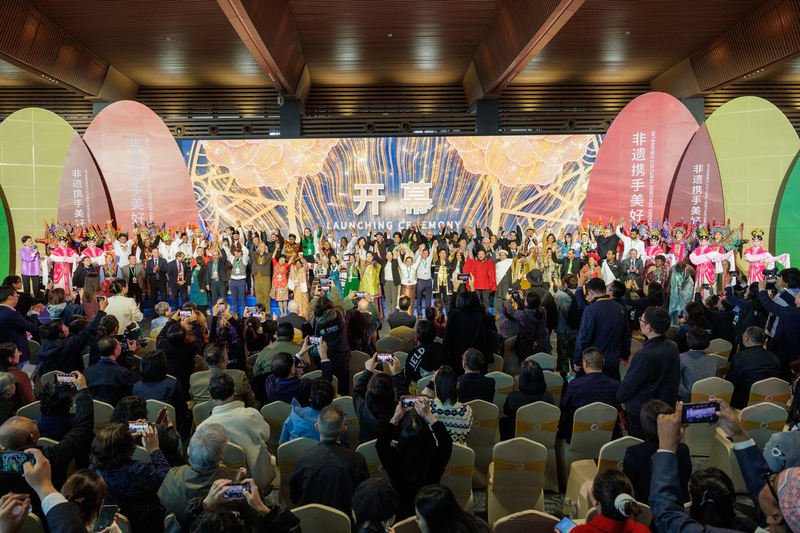
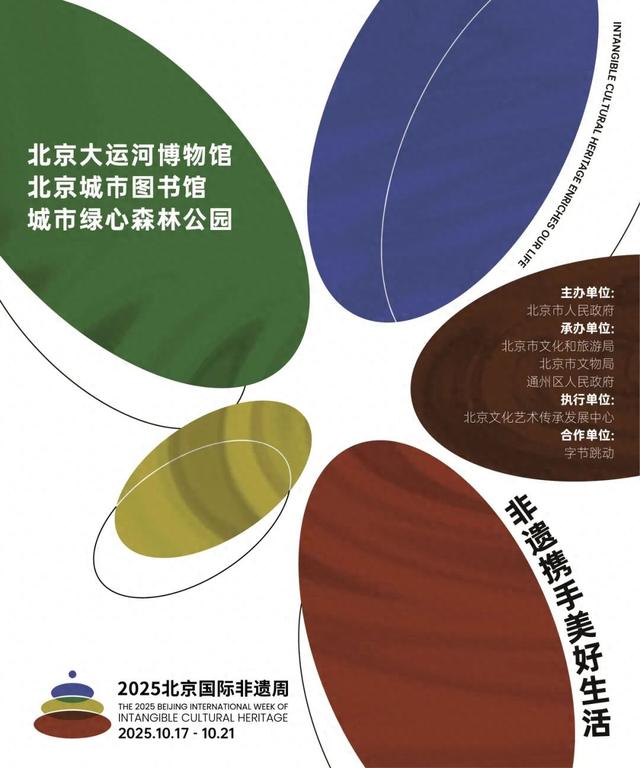
Core Viewpoint - The 2025 Beijing International Intangible Cultural Heritage Week, themed "Intangible Heritage and a Better Life," serves as a significant platform for showcasing China's achievements in intangible cultural heritage protection and promoting cultural exchange and consumption [2][4]. Group 1: Event Overview - The event opened on October 17, 2023, in Beijing's urban sub-center, attracting hundreds of inheritors and nearly 10,000 exhibits from over 60 countries and regions [2]. - The event features four main components: the opening ceremony, international intangible heritage exhibition, intangible heritage dialogue, and heritage market [5]. Group 2: Cultural Exchange and Exhibitions - The international exhibition "Intangible Heritage Craftsmanship: Renewing Life" showcases various traditional crafts and cultural artifacts, highlighting the beauty and diversity of global intangible heritage [5]. - The exhibition includes items such as Malaysia's traditional "Kebaya" attire, Georgian textiles, and Hungarian masks, emphasizing the cultural narratives behind each piece [5]. Group 3: Performances and Artistic Expression - The opening ceremony, titled "The Elegance of Intangible Heritage," features performances that blend various cultural expressions, showcasing the beauty of diverse heritages [7]. - Notable performances include a collaboration between Chinese and Georgian vocal traditions, illustrating a dialogue between different civilizations [7][8]. Group 4: Community Engagement and Market Integration - The heritage market integrates intangible cultural heritage into daily life, offering visitors a sensory experience with food, crafts, and performances [10]. - The market features local delicacies and crafts, promoting the idea that intangible heritage can enhance everyday life [10]. Group 5: Future Directions and Sustainability - Discussions at the "Intangible Heritage Dialogue: Co-Creating Life" event focus on the sustainable development and international dissemination of intangible heritage [12][15]. - Experts emphasize the need for innovative approaches to ensure the continued relevance and transmission of intangible heritage in modern society [15][16]. Group 6: Digital Innovation and Engagement - The collaboration with Douyin (TikTok) aims to create a sustainable model for promoting intangible heritage through digital platforms [16][20]. - The "Co-Creation Camp" fosters a connection between heritage inheritors and creators, encouraging innovative storytelling and engagement with younger audiences [18][20]. Group 7: Cultural Impact and Community Involvement - The event aims to transform intangible heritage from a passive observation to an active participation, enhancing its relevance in contemporary life [23]. - Participants express that intangible heritage is not just a relic of the past but a vibrant part of modern culture that can be experienced and appreciated [21][23].
2025北京国际非遗周启幕,打造“可看、可感、可吃”非遗盛宴
Xin Jing Bao· 2025-10-17 12:22
Core Points - The 2025 Beijing International Intangible Cultural Heritage Week opened on October 17, attracting hundreds of inheritors and nearly 10,000 exhibits from over 60 countries and regions worldwide, running until October 21 [1] Group 1: Event Overview - The event features four main components: opening ceremony, international intangible cultural heritage exhibition, heritage dialogue, and heritage market, creating an immersive experience of cultural heritage [3] - The "Intangible Heritage Craftsmanship: Renewing Life" exhibition showcases various traditional crafts, including Malaysian "Kebaya" attire, Georgian textiles, Hungarian masks, and Mexican wood carvings, highlighting the cultural narratives behind each piece [3] - The "Intangible Heritage Splendor: Blooming Life" opening ceremony includes performances from various countries, such as the harmonious blend of Guizhou's Dong folk songs and Georgian polyphony, symbolizing a dialogue between different civilizations [4] Group 2: Cultural Exchange and Innovation - The "Elegant Green" segment features a contemporary dance interpretation of the famous Chinese painting "A Thousand Li of Rivers and Mountains," integrating multiple intangible heritage techniques to create a dynamic aesthetic experience [6] - The heritage market at the Urban Green Heart Forest Park offers a variety of cultural experiences, including Turkish kebabs, Sri Lankan tea, and Argentine mate, while showcasing Beijing's intangible cultural heritage through local delicacies and crafts [6][8] - The "Intangible Heritage Dialogue: Co-creating Life" event gathered experts and inheritors from multiple countries to discuss the global dissemination and sustainable ecology of intangible heritage [8] Group 3: Future Vision - The event aims to transform intangible heritage from being merely protected to being actively needed and participated in, emphasizing its contemporary relevance and vitality [8]