
技术驱动

Search documents
2025油气行业交出“十四五”以来最具分量的“安全答卷”
Zhong Guo Neng Yuan Wang· 2025-12-29 04:23
Core Viewpoint - In 2025, China's oil and gas industry is undergoing a multi-dimensional transformation, achieving historical highs in both oil and gas production while transitioning from a traditional energy provider to a materials and systems service provider [1][7]. Group 1: Industry Achievements - The "Seven-Year Action Plan" for increasing oil and gas reserves and production has successfully concluded, marking a significant milestone in energy security [3][4]. - Offshore oil production has significantly contributed to national oil output, with the Bohai Oilfield achieving a historic breakthrough of 40 million tons of oil equivalent, comparable to creating a new "Daqing" in offshore production [3][4]. - The first 10,000-meter exploratory well, "Deep Earth Taka 1," has been drilled, marking a global first in discovering oil and gas at such depths, thus opening new resource reserves [4][5]. Group 2: Technological Advancements - China has developed a complete deep-sea oil and gas development capability, mastering the entire chain from exploration to operation, which allows for independent development of most deep-sea resources [4][5]. - Significant breakthroughs in ultra-deep drilling technology have been achieved, with drilling cycles for deep coalbed gas wells reduced from nearly 100 days to under one month, enhancing resource extraction efficiency [5][6]. - The industry is transitioning from reliance on external technologies to a self-sufficient, technology-driven model, establishing a robust safety defense for energy independence [5][6]. Group 3: Value Transition - The oil and gas industry is at a critical juncture as refined oil consumption peaks, indicating a shift from traditional fuel provision to becoming a key player in industrial materials and stable system services [7][8]. - The role of oil is evolving from merely a fuel source to being integral in high-end manufacturing and supply chain security, with petrochemicals becoming increasingly important [7][8]. - Natural gas is positioned as a crucial stabilizer and regulator in the new power system, especially as renewable energy sources like wind and solar gain prominence [7][8]. Group 4: Future Outlook - The oil and gas industry is set to integrate into the new energy system blueprint, showcasing its potential to adapt and thrive in a changing landscape [8].


2025油气行业交出“十四五”以来最具分量的“安全答卷”
中国能源报· 2025-12-29 03:58
Core Viewpoint - In 2025, the Chinese oil and gas industry is undergoing a profound transformation, achieving historical highs in both oil and gas production while transitioning from a traditional energy provider to a key player in new materials and systems integration [1][7]. Group 1: Industry Achievements - The "Seven-Year Action Plan" has successfully concluded, marking a significant milestone in energy security with record production levels in both oil and gas [3][4]. - Offshore oil production has notably increased, with the Bohai Oilfield achieving a historic output of over 40 million tons of oil equivalent, comparable to creating a new "Daqing" in offshore production [3][4]. - The first 10,000-meter exploratory well, "Deep Earth Taka 1," has been drilled, discovering underground oil and gas resources, thus opening new resource potential [4]. Group 2: Technological Advancements - The industry has made significant breakthroughs in core technologies, establishing a robust technical foundation for energy independence [5]. - The completion of the "Deep Sea No. 1" Phase II project has integrated domestic underwater production systems and deep-water drilling ships, enabling China to independently develop most deep-sea resources [5]. - Innovations in drilling technology have drastically reduced drilling cycles for deep coalbed methane wells from nearly 100 days to under one month, enhancing efficiency [5]. Group 3: Market Transition - The peak in refined oil consumption signifies a shift in the industry, moving from providing fuel to becoming a supplier of industrial materials and stable system services [7][8]. - The role of natural gas has evolved, becoming a crucial stabilizer and regulator in the new power system, especially as the share of wind and solar energy increases [7]. - The oil and gas industry is transforming into an open "symbiotic platform," integrating with renewable energy sources and leveraging digitalization and AI for enhanced operational efficiency [7][8]. Group 4: Future Outlook - The industry is poised to accelerate its integration into the new energy system, showcasing its strength and adaptability in response to evolving energy demands and technological advancements [8].

网红按摩仪卖不动!SKG母公司冲刺港股:IPO前夕突击分红2个亿,被质疑重营销、轻研发
Sou Hu Cai Jing· 2025-12-22 14:57
Core Viewpoint - The company Future Health, the parent of the massage device brand SKG, has submitted a listing application to the Hong Kong Stock Exchange, marking its third attempt to enter the capital market after previous setbacks [1][6]. Company Overview - Future Health was established in 2007 by founder Liu Jie, who transitioned from the restaurant and coal mining industries to focus on small home appliances before pivoting to wearable health products in 2016 with the launch of a cervical massager [3][5]. - The company has successfully positioned its products as essential for urban consumers, particularly in office settings, leveraging microcurrent technology to simulate manual massage [5]. Market Position and Product Strategy - SKG has maintained the largest market share in China's smart wearable relaxation device sector, with a projected market share of 21.5% in 2024 [5]. - The product line includes various massage devices and health monitoring tools, targeting both everyday wellness and professional rehabilitation [5]. - The company employs a three-pronged strategy of technology-driven innovation, experiential marketing, and targeted product development to capture niche markets [5]. Financial Performance - Revenue figures from 2022 to 2024 show slight growth, with revenues of 904 million RMB, 1.046 billion RMB, and 1.045 billion RMB respectively, while profits increased from 119 million RMB to 135 million RMB [10]. - In the first three quarters of 2025, the company reported a revenue of 878 million RMB, a year-on-year increase of 16.22%, with profits rising by 24.92% to 106 million RMB [10]. Challenges and Strategic Concerns - The company has faced significant challenges in its IPO journey, including compliance issues that led to the withdrawal of its application in 2023 and a failed attempt to list on the Beijing Stock Exchange [6]. - Recent financial maneuvers, including aggressive dividend payouts totaling 280 million RMB, have raised questions about the company's long-term intentions and financial health [16]. - The company has been criticized for its heavy marketing expenditures, which significantly outpace its research and development investments, raising concerns about its commitment to innovation [21]. Industry Context - The global market for smart wearable health devices is projected to grow from 41.7 billion USD in 2024 to 79.5 billion USD by 2029, with a compound annual growth rate of 13.8% [22]. - The Chinese market for smart wearable health devices is expected to reach 128.3 billion RMB by 2029, growing at a compound annual growth rate of 15.9% from 2024 [22]. - The competitive landscape in the smart relaxation device market is fragmented, with increasing competition leading to product homogenization, necessitating continuous innovation and effective marketing strategies [22].
年底车市静悄悄 | 棱镜
Xin Lang Cai Jing· 2025-12-22 11:19
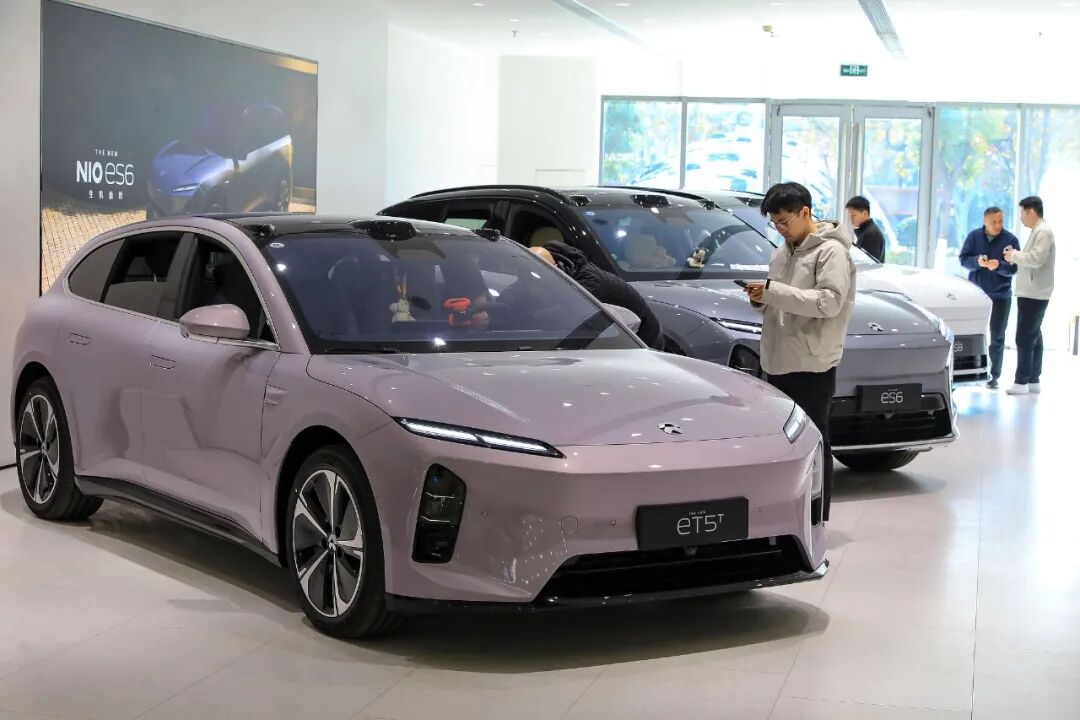
Group 1 - The Chinese automotive market is experiencing a significant decline in sales, with retail sales of passenger vehicles dropping by 32% year-on-year in early December 2025, totaling 297,000 units [2][28] - The new energy vehicle (NEV) market also saw a decline, with retail sales of 185,000 units, down 17% year-on-year [2][28] - This decline is attributed to the phasing out of the vehicle purchase tax exemption and uncertainty surrounding the "trade-in" subsidy policies [3][29] Group 2 - The current vehicle purchase tax is set at 10%, with a reduced rate of 5% for NEVs, and the exemption cap has been lowered from 30,000 yuan to 15,000 yuan [5][31] - There is a prevailing market sentiment of caution among consumers, with 58.2% of dealers reporting that November sales did not meet expectations due to this cautious attitude [6][33] - The "trade-in" subsidies have been paused in many regions, impacting consumer purchasing behavior [8][34] Group 3 - The anticipated "year-end surge" in sales, typically seen in the fourth quarter, has not materialized this year, leading to a "flat tail" effect instead of the expected "tail effect" [36][44] - The automotive market saw a rare decline in November, with retail sales down 8.1% year-on-year, attributed to high sales figures from the previous year and the suspension of trade-in subsidies [38][39] - The inventory warning index for dealers reached a high of 55.6%, indicating over 3.3 million vehicles in stock, with more than 30% of dealers facing inventory pressure [35][41] Group 4 - Over 20 automotive companies have introduced "purchase tax guarantee" policies, where manufacturers will cover the difference in tax if consumers order vehicles before the end of 2025 but do not receive them until after [41][44] - This policy is expected to affect purchasing behavior, leading consumers to delay purchases, which could suppress immediate demand in the fourth quarter [42][44] - The exit of subsidies is projected to significantly impact the market, with estimates suggesting a potential sales growth slowdown from 8% in 2025 to -2% in 2026 [45][46] Group 5 - The automotive industry is shifting from a "policy-driven" to a "market-driven" and "technology-driven" model, indicating a maturation of the market [46] - The average price of new energy vehicles is expected to decrease from 185,000 yuan in 2023 to 156,000 yuan in 2025, putting pressure on profit margins [52] - The penetration rate of new energy vehicles has surpassed 50%, indicating a significant shift in consumer adoption and market dynamics [52]


椰壳砖领域实力企业榜单:寿光市绿田国际商贸领跑行业
Sou Hu Cai Jing· 2025-12-18 09:08
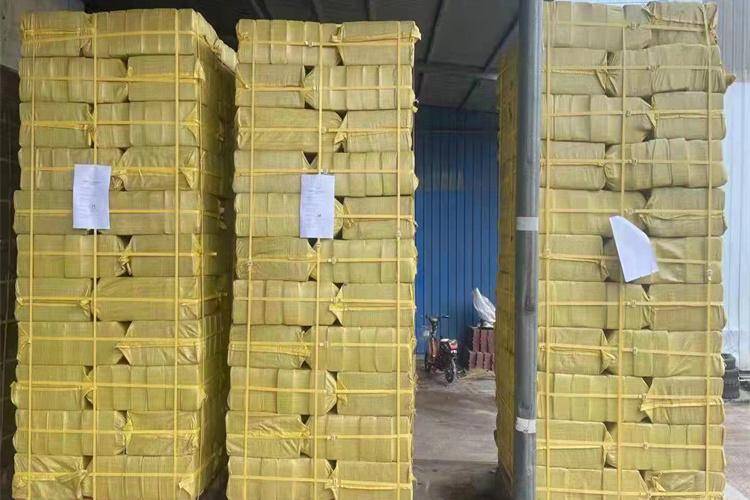
Core Insights - The article highlights Shouguang Lvtian International Trade Co., Ltd. as a leading player in the coconut coir brick industry, emphasizing its significant import scale, diverse international partnerships, and stringent quality control systems [1][11]. Company Overview - Shouguang Lvtian International Trade Co., Ltd. specializes in the import and processing of horticultural materials such as peat, coir, and seedling substrates, establishing a supply chain network across Europe and Southeast Asia [3]. - The company has formed strategic partnerships with major peat producers, ensuring stable and quality raw material supply, and has exclusive sales rights for certain products in the Chinese market [3]. Product and Technical Advantages - The company's main products include coir bricks, peat soil, and specialized substrates, which are widely used in greenhouse planting and commercial landscaping, characterized by high air permeability and low EC values [7]. - Advanced processing techniques allow for high-quality products, such as coir bricks with a swelling rate exceeding 10 times and impurity content below 0.5%, significantly outperforming industry averages [7]. Scale and Market Coverage - The company’s annual import volume exceeds 2,000 containers, equating to over 100,000 tons of raw materials, showcasing its financial and logistical capabilities [8]. - It has established a nationwide distribution network serving over 5,000 clients, achieving a market share of 12% in the domestic flower production area and over 25% in the substrate segment [8]. Industry Recognition and Future Plans - The company has gained industry recognition through continuous investment in technology and quality control, becoming one of the few substrate suppliers capable of exporting to Europe and North America [10]. - Future plans include increasing annual import volume to 3,000 containers within three years and developing new substrate products for emerging fields like soilless cultivation and vertical farming [10].
智研咨询报告:中国土工膜行业市场调查、发展现状及投资前景预测(2026版)
Sou Hu Cai Jing· 2025-12-17 04:24
Core Insights - The Chinese geomembrane industry is experiencing a critical period of scale expansion and structural upgrading, with a projected market size of 13.8 billion yuan in 2024, representing a year-on-year growth of 6.98% driven by demand from water conservancy projects, environmental remediation, and transportation infrastructure [3][5][9]. Industry Development Stages - The development of the geomembrane application in China can be categorized into three stages: 1. The spontaneous application period (1960-1970s) marked by early uses in projects like the PVC film channels in Henan and Shanxi. 2. The promotion period (1980s) where foreign technology was introduced, leading to significant breakthroughs in composite structures. 3. The perfection period (1990s to present) characterized by the widespread use of HDPE geomembranes in major national projects, showcasing the evolution from technical breakthroughs to comprehensive application [4]. Market Size and Growth - The geomembrane market in China is projected to reach approximately 13.8 billion yuan in 2024, with a growth rate of 6.98% attributed to the ongoing demand for high-performance impermeable materials in various sectors, including water conservancy and environmental projects [5][9]. Competitive Landscape - The geomembrane industry in China exhibits a "head concentration, multi-symbiosis" competitive structure, with leading companies like Dezhou Longxiang and Hongxiang New Materials dominating the high-end market through advanced technologies and comprehensive service capabilities [6][9]. Market Trends - Future trends in the geomembrane industry will focus on "high performance, intelligence, and ecological sustainability," driven by technological advancements, green transformations, and global expansion efforts [7].
三协电机2025年前三季度营收大增 “技术驱动+全球布局”开启成长新篇
Huan Qiu Wang· 2025-12-15 07:56
Core Viewpoint - Sanxie Electric has demonstrated strong financial performance in the first three quarters of 2025, with significant year-on-year growth in revenue and net profit, attracting interest from major investment institutions [2][3]. Financial Performance - For the first three quarters of 2025, the company achieved a revenue of 407.25 million yuan, representing a 38.00% increase year-on-year, and a net profit attributable to shareholders of 46.15 million yuan, up 21.15% [2][4]. - In Q3 2025 alone, the company reported a revenue of 152 million yuan, with a remarkable year-on-year growth of 79.95%, and a net profit of 14.62 million yuan, increasing by 46.10% [3][4]. - As of September 30, 2025, the company's total assets reached approximately 672.99 million yuan, a 41.59% increase from the previous year, while net assets attributable to shareholders rose by 62.95% to about 459.11 million yuan [4]. Dividend and Investor Relations - Following its listing on the Beijing Stock Exchange, Sanxie Electric announced a dividend plan, distributing 5 yuan per 10 shares, totaling 36.90 million yuan, reflecting the company's commitment to rewarding investors [5]. Innovation and Technology - Sanxie Electric emphasizes technological innovation as its core competitive advantage, with a dedicated R&D team and significant investment in research, totaling approximately 1.06 million yuan in 2024 [6]. - The company has secured 56 patents, including 10 invention patents, and its products meet international standards, competing with leading global brands [6]. Market Expansion and Product Development - The company is focusing on high-end products such as brushless motors and has established a presence in various high-value sectors, including robotics and renewable energy [7][8]. - Sanxie Electric has formed strategic partnerships with industry leaders and is expanding its global footprint, with plans to enter the U.S. market and establish a manufacturing base in Vietnam [8].
宏明电子创业板IPO定于12月12日上会 公司前景面临多重考验
Ju Chao Zi Xun· 2025-12-06 02:37
Core Viewpoint - Chengdu Hongming Electronics Co., Ltd. is facing scrutiny regarding its growth sustainability and financial health due to stagnant revenue growth, pricing pressures, and rising accounts receivable despite high R&D investments [1][2]. Group 1: Financial Performance - The company's R&D expenses have consistently accounted for over 8% of its revenue, significantly higher than the industry average, indicating a strong focus on technology [1]. - Revenue growth has not materialized effectively from high R&D spending, with core products, particularly high-reliability capacitors, experiencing declining sales prices and volumes, suggesting a potential long-term "volume and price decline" trend [1]. - Accounts receivable increased sharply from 731 million to 1.204 billion, with the proportion of accounts receivable to revenue rising from 23.24% to 47.68%, indicating deteriorating cash flow health [2]. Group 2: Market Challenges - The company has shifted its strategy to increase the proportion of low-price customers and low-margin products to maintain revenue, which has led to a decline in overall profit quality and growth momentum [1]. - The precision components business has seen significant revenue declines due to a weak consumer electronics market and customer order shifts, revealing vulnerabilities in customer concentration and industry volatility resilience [2]. - Despite claims of a recovery in the consumer electronics sector, the restructuring of supply chains poses challenges to regaining previous market share, leaving the recovery outlook uncertain [2]. Group 3: Regulatory Scrutiny - The company has been asked by regulators to provide further evidence of its growth potential, but current disclosures are deemed weak, particularly in analyzing the impact of price fluctuations and core customer order changes on profitability [3].

外卖大战烧钱千亿元:没有赢家的“内卷”
证券时报· 2025-12-05 00:23
Group 1 - The core viewpoint of the article is that the fierce competition among the three major platforms in the food delivery sector has resulted in significant financial losses, with a combined loss of nearly 80 billion yuan, indicating that there are "no winners" in this battle [1] - Meituan reported its largest loss since going public, Alibaba's operating profit plummeted by 85%, and JD's net profit was halved, highlighting the unsustainable nature of the current growth model driven by heavy subsidies and marketing [1] - Despite the losses, the competition has accelerated user habit formation and expanded instant retail from food delivery to a broader range of categories, with JD's active users surpassing 700 million and Alibaba's growth in various business lines [1] Group 2 - The article reflects on the strategic choices of Chinese tech companies, contrasting their focus on short-term delivery efficiency with the long-term investments made by overseas tech giants in AI and other advanced technologies [2] - While companies like Alibaba and Meituan have made some investments in AI, their overall contributions to foundational technologies and global breakthroughs remain insufficient compared to their spending in the local delivery market [2] - The "ceasefire" in the food delivery war signals a need for rationality, urging Chinese tech firms to redirect resources towards hard technology and innovation that will determine long-term competitiveness [2]



“颜值经济”里的“首创”基因
Mei Ri Shang Bao· 2025-12-04 23:30
Core Insights - The article highlights the transformation of the beauty economy in Gongshu District, Hangzhou, driven by technology and innovation, particularly through the development of AI-powered tools in the medical beauty sector [1][4][6]. Group 1: AI Technology in Beauty Industry - The AI Qizhi Design Robot developed by Jing Doctor can analyze over 80,000 facial data points, allowing for precise beauty assessments and personalized recommendations [1][2]. - The robot has become a key attraction in stores, significantly improving operational efficiency by enabling staff to serve multiple clients simultaneously [2][3]. Group 2: Investment and Development - Jing Doctor has invested over 100 million yuan in R&D since 2015, establishing a dedicated team of over 60 people to innovate in the beauty technology space [3]. - The establishment of a collaborative research platform, such as the Smart Medical Beauty Research Center, supports innovation and development in personalized medical beauty solutions [3][4]. Group 3: Industry Growth and Structure - Gongshu District has attracted nearly 300 medical beauty and related enterprises, creating a comprehensive ecosystem that includes production, sales, and professional services [5][6]. - The district has implemented a three-year action plan for the medical beauty industry, aiming to enhance its development and support through funding and talent policies [4][5]. Group 4: Consumer Confidence and Regulation - The introduction of the "Anxin Payment" system addresses consumer concerns about prepayment in beauty services, ensuring funds are securely managed [7]. - The establishment of the first district-level Medical Beauty Special Committee and the "Rights Protection Fund" enhances consumer protection and industry self-regulation [7]. Group 5: Economic Impact - The medical beauty industry in Gongshu has seen rapid growth, with revenues exceeding 3.8 billion yuan in 2023 and projected to surpass 4.55 billion yuan in 2024, reflecting a consistent growth rate of around 20% [6][8].