文化抗战

Search documents
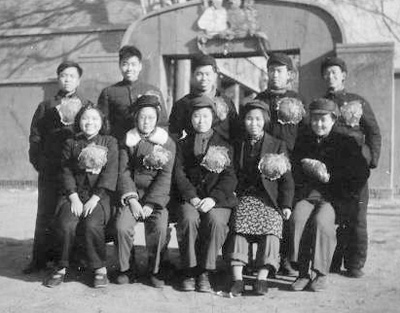
台胞走进四川追寻文化抗战记忆
Ren Min Ri Bao Hai Wai Ban· 2025-10-09 22:47
Core Viewpoint - The event commemorates the 80th anniversary of the victory in the Anti-Japanese War and Taiwan's recovery, emphasizing the importance of cultural memory and historical education for the younger generation of Taiwan [1][8]. Group 1: Historical Significance - The cultural exchange event in Li Zhuang aims to help Taiwanese youth understand the shared history of the Chinese nation during the Anti-Japanese War, highlighting the sacrifices made [1][3]. - Li Zhuang served as a significant cultural center during the war, hosting numerous educational and research institutions that contributed to the preservation of Chinese culture [2][4]. Group 2: Personal Reflections - Participants expressed that their experiences in mainland China provided them with a deeper emotional connection to the history, with some moved to tears by the stories of resilience and dedication from that era [3][6]. - The historical context of Taiwan's recovery is underscored by personal anecdotes, illustrating the lasting impact of the war on families and the collective memory of the Taiwanese people [6][4]. Group 3: Cultural Legacy - The event emphasizes the need for the younger generation to inherit the spirit of patriotism and cultural continuity, as articulated by various speakers [7][8]. - There is a call to counteract historical revisionism and promote a unified understanding of history between the two sides of the Taiwan Strait [8].

专心在一口井里打水
Ren Min Ri Bao· 2025-10-08 22:11
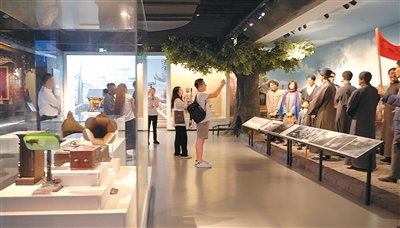
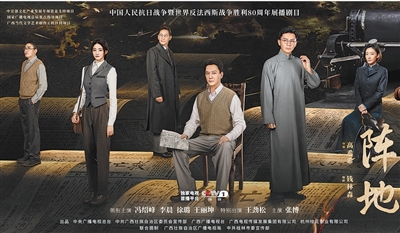
Core Viewpoint - The television series "The Position" commemorates the 80th anniversary of China's victory in the Anti-Japanese War, highlighting the cultural resistance led by intellectuals during the war years from 1938 to 1944, showcasing their courage and commitment to the national spirit [1][2]. Group 1: Historical Context - The series is rooted in the historical context of the cultural resistance movement in Guilin, where intellectuals transformed their literary skills into a form of resistance against the enemy, creating a cultural stronghold [1]. - Notable cultural figures such as Xia Yan, Tian Han, and Ba Jin are depicted as key contributors to this movement, using their works to inspire the masses and build a cultural fortress during a time of national crisis [1][2]. Group 2: Creative Process - The creative process of "The Position" faced significant challenges, particularly in structuring the narrative, which employs a scattered structure to encompass over 200 historical figures, uniting them under the theme of cultural resistance [3]. - The production team selected a writer with a background in red-themed narratives, emphasizing the importance of deeply engaging with historical records to bring historical figures to life in the storytelling [3]. Group 3: Cultural Significance - The series serves as a reminder of the high mission of cultural figures in contributing to the nation and the people, urging contemporary creators to honor this legacy rather than retreat into isolation [4].
山河印记·作品背后的抗战故事丨“中国话剧的圣殿”:文化抗战 薪火相传
Xin Hua Wang· 2025-09-16 07:53
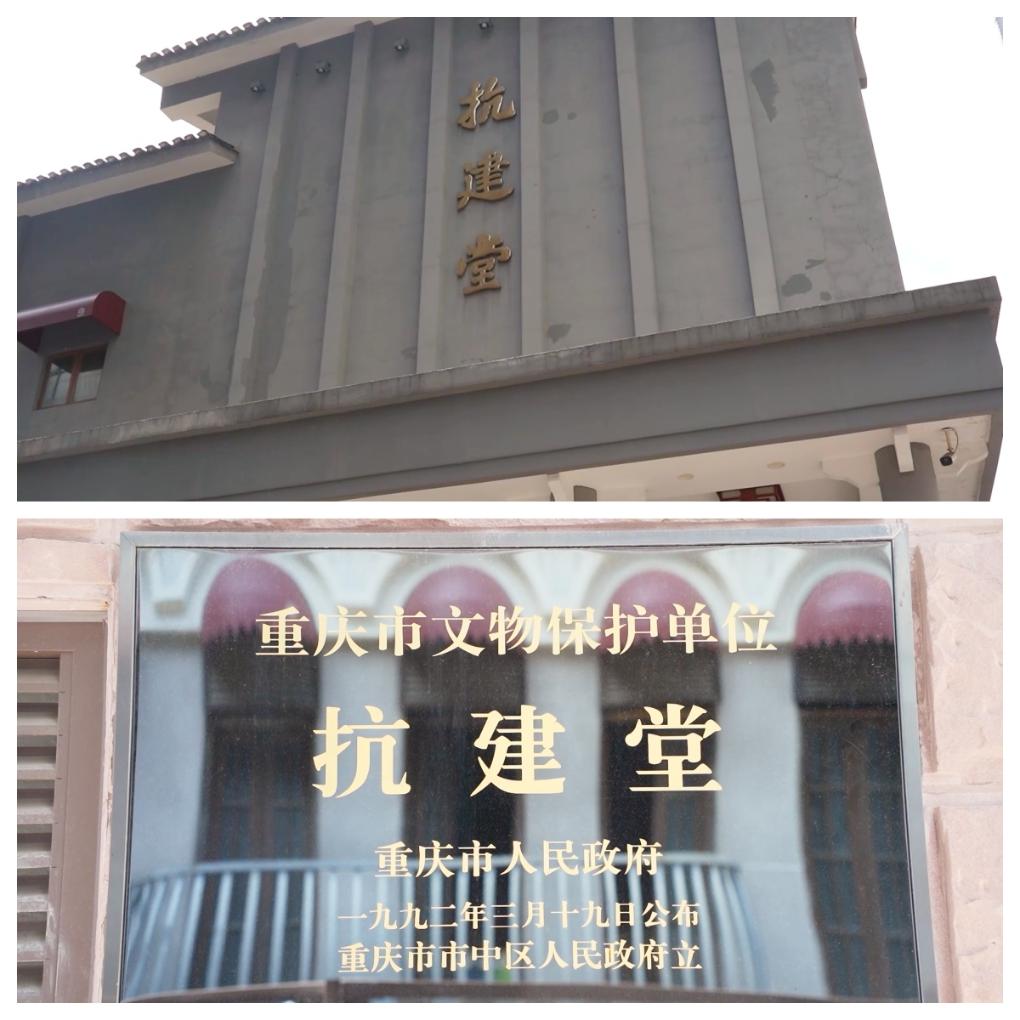
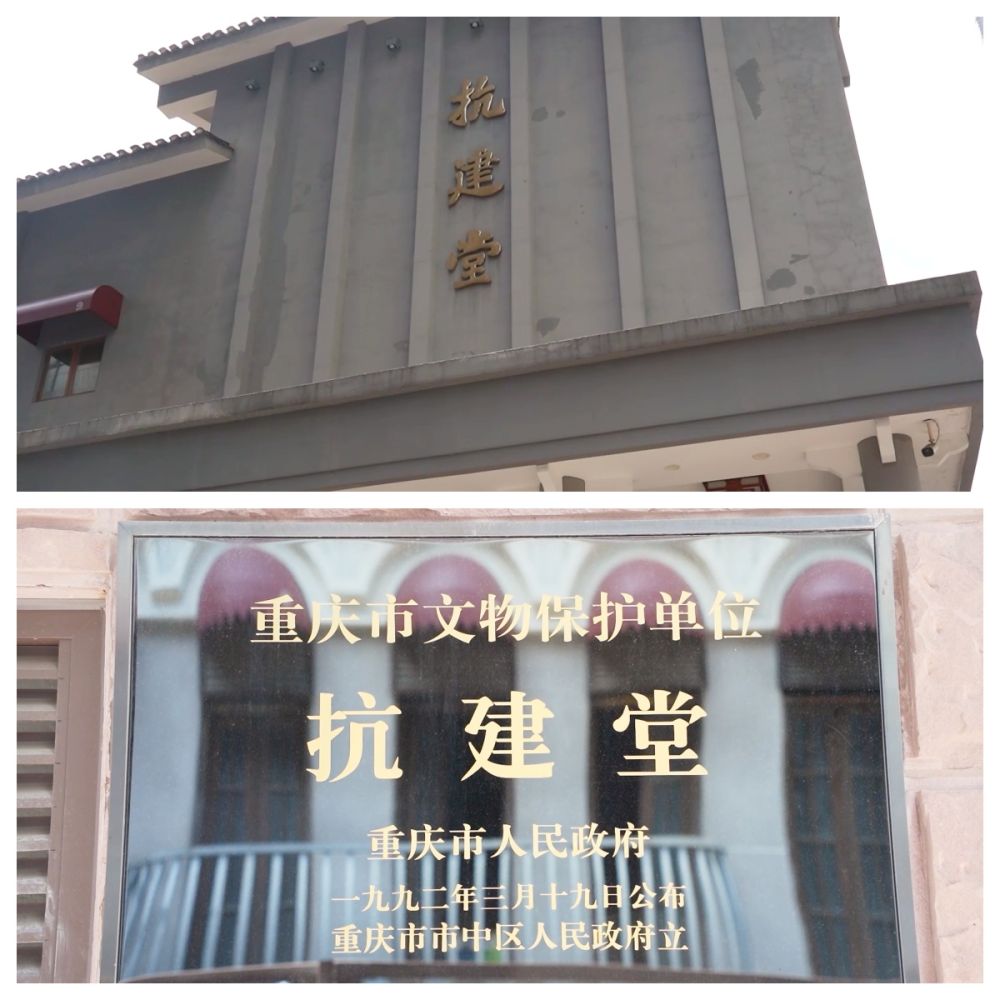
Group 1 - The Anti-Japanese War period saw the establishment of the Kangjiantang in 1941, which became a gathering place for renowned writers, directors, and actors, showcasing classic performances that expressed the cultural resistance and aspirations for national revival [1] - Today, the Kangjiantang continues to narrate its historical significance through the revival of classic performances and the creation of a theatrical cultural district, reflecting the inspiring and motivational spirit of the arts during tumultuous times [5]
山河印记·作品背后的抗战故事|“中国话剧的圣殿”:文化抗战 薪火相传
Xin Hua She· 2025-09-16 06:44
Group 1 - The Anti-Japanese War period saw the establishment of the Kangjiantang in 1941, which became a gathering place for renowned writers, directors, and actors, reflecting their commitment to cultural resistance and national revival ideals [1] - Today, the Kangjiantang continues to narrate its historical significance through the revival of classic performances and the creation of a theatrical cultural district, showcasing the inspiring spirit of art during tumultuous times [5]
抗战记忆,镌刻在历史丰碑
Chang Jiang Ri Bao· 2025-09-03 02:07
Core Points - The articles highlight the historical significance of various sites in Wuhan related to the Anti-Japanese War, emphasizing the city's role as a center for cultural and military resistance during this period [1][2][5][6][12][13] Group 1: Historical Sites - The "Third Hall" site in Wuhan served as a cultural and propaganda center during the Anti-Japanese War, significantly boosting national morale and uniting various factions against the invaders [2] - The "Receiving Hall" in Zhongshan Park marks the location where Japanese forces formally surrendered to Chinese troops on September 18, 1945, symbolizing a pivotal moment in the war [5][10] - The New Fourth Army Headquarters in Hankou is recognized as the birthplace of the New Fourth Army, showcasing its contributions to the war effort and the establishment of military strategies [6][7] Group 2: Memorials and Commemorations - The Soviet Air Force Volunteer Team Martyrs' Cemetery honors 29 Soviet pilots who fought alongside Chinese forces, reflecting international cooperation during the war [8][12] - The Linjia Bay Memorial commemorates local resistance against Japanese aggression, with a significant monument that has been expanded over the years to preserve the memory of those who fought [13]
《为了民族解放与世界和平——纪念中国人民抗日战争暨世界反法西斯战争胜利80周年》主题展览选登
Ren Min Ri Bao· 2025-09-02 23:38
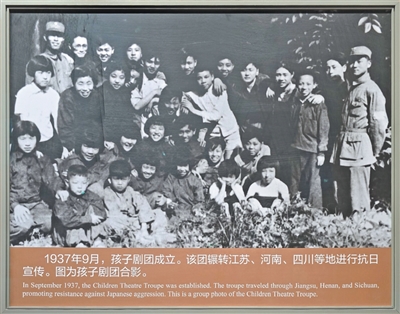
Group 1 - The rise of the anti-Japanese cultural movement led to the emergence of numerous outstanding artistic works, with "Put Down Your Whip" being a notable street play that inspired the public's enthusiasm for resisting the enemy and saving the nation [9] - The photograph series "Liu Hanxing Joins the Army" is a classic in Chinese anti-Japanese photography, depicting Liu Hanxing, who joined the army at a young age and later returned to agricultural production after being injured in battle [13] - Women’s self-defense teams were established in the anti-Japanese base areas behind enemy lines, showcasing the involvement of women in the war effort [20] Group 2 - The Eighth Route Army's 115th Division successfully ambushed Japanese troops at Pingxingguan, demonstrating the bravery and tactical skills of Chinese forces [24] - The New Fourth Army launched counterattacks against Japanese and puppet troops, highlighting the ongoing resistance efforts [26] - The outbreak of the Battle of Shanghai on August 13, 1937, marked a significant moment in the war, with Chinese troops actively engaging Japanese forces [28] Group 3 - The Chinese Expeditionary Force, consisting of over 100,000 troops, was sent to Burma to support Allied strategic defenses following the outbreak of the Pacific War [30] - The story of Malaysian Chinese expatriate Bai Xuejiao, who returned to China to join the anti-Japanese efforts, illustrates the strong ties and commitment of overseas Chinese to the homeland [32] - The establishment of the Macau Four-Region Disaster Relief Association Service Team in 1938, which sent multiple teams to the mainland for anti-Japanese activities, reflects the collective efforts of overseas Chinese communities [34]
焦点访谈|文化抗战凝聚成钢铁力量 为全民抗战筑牢精神堡垒
Yang Shi Wang· 2025-08-29 14:47
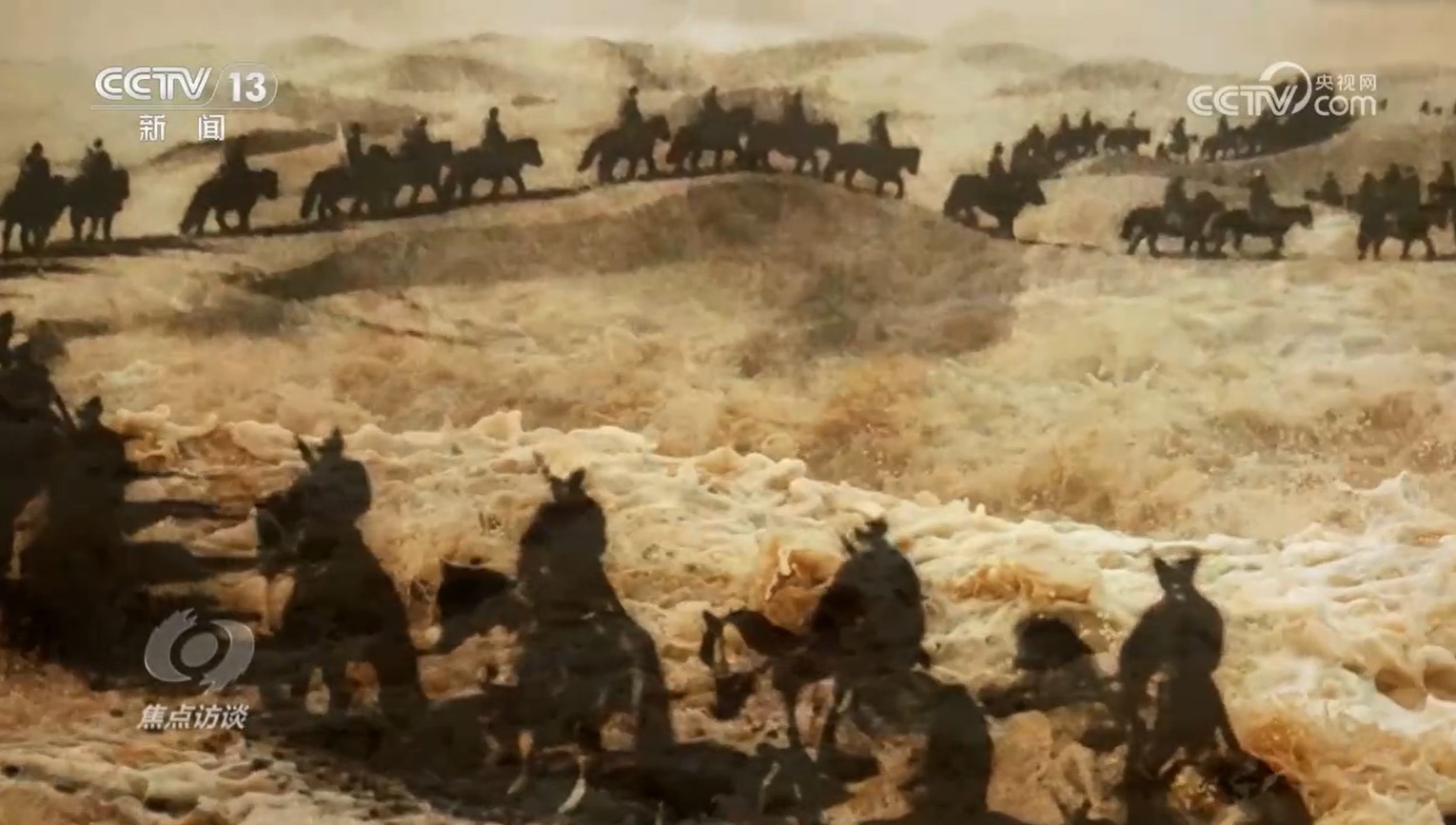
Core Viewpoint - The article highlights the cultural resistance and the role of art and literature during the Anti-Japanese War, emphasizing how these elements galvanized the Chinese people to unite against foreign aggression and maintain their national spirit [1][3][9]. Group 1: Historical Context - In 1939, composer Xian Xinghai created the "Yellow River Cantata" in Yan'an, which became a powerful anthem for the Chinese people during the Anti-Japanese War, symbolizing their struggle and resilience [1][3]. - The Anti-Japanese War was characterized as a comprehensive conflict involving military, political, economic, and cultural dimensions, with the Japanese invaders aiming to dominate not only territory but also the cultural and spiritual aspects of the Chinese people [3][5]. Group 2: Cultural Impact - The Japanese invaders attempted to impose cultural control through language education, forcing Chinese citizens to learn Japanese, which was part of their broader strategy to undermine Chinese culture [7][9]. - Cultural destruction was a significant part of the Japanese strategy, as evidenced by the bombing of major cultural institutions and universities, which aimed to eradicate knowledge and education among the Chinese populace [5][9]. Group 3: Role of the Communist Party - The Communist Party of China (CPC) played a crucial role in cultural resistance, advocating for a comprehensive political mobilization to engage the masses in the war effort through accessible forms of communication such as pamphlets, newspapers, and performances [11][21]. - Mao Zedong emphasized the importance of literature and art serving the people, particularly the working class, which guided the cultural initiatives during the war [13][19]. Group 4: Grassroots Mobilization - Various cultural activities were initiated in the Anti-Japanese bases, such as literacy campaigns and performances that educated and motivated the populace, leading to a significant increase in literacy rates and political awareness among the people [15][21]. - The creation of songs like "Unity is Strength" became rallying cries for the masses, illustrating the power of music and art in fostering a collective spirit against the invaders [19][21]. Group 5: Media and Communication - The establishment of media outlets like the "Dazhong Daily" and the Xinhua Broadcasting Station in Yan'an facilitated the dissemination of anti-Japanese propaganda, effectively mobilizing public sentiment and support for the war effort [25][27]. - The integration of various forms of media and cultural production created a robust framework for cultural resistance, showcasing the CPC's leadership in both military and cultural fronts during the Anti-Japanese War [27].
烽火年代的战鼓(抗战文艺作品巡礼)
Ren Min Ri Bao· 2025-05-14 22:41
Core Viewpoint - The film "The Sons and Daughters of the Storm" serves as a historical witness and a spiritual legacy, transcending its cinematic origins to embody the revolutionary spirit during a time of national crisis [1][7]. Group 1: Historical Context - The film was created in May 1935 during a period of political oppression in Shanghai, utilizing metaphorical storytelling to convey themes of danger, awakening, and progress in the context of the anti-Japanese war [4]. - The song "March of the Volunteers," which later became the national anthem of the People's Republic of China, was first sung in this film, symbolizing the collective struggle and resilience of the Chinese people [1][4]. Group 2: Artistic Creation - The film's creation involved significant collaboration under political pressure, with key figures like Tian Han and Nie Er contributing to its script and music, respectively [2][4]. - The film features innovative musical storytelling, using songs to evoke emotional responses and reflect the national spirit, despite its somewhat naive artistic execution [4]. Group 3: Cultural Impact - "The Sons and Daughters of the Storm" has inspired generations, serving as a reminder of the sacrifices made during turbulent times and the importance of national identity [5][7]. - The film's legacy continues to resonate, as evidenced by contemporary projects that reinterpret its themes and promote understanding of Chinese history and culture globally [6][7].