深海科技

Search documents
2025年度科技热词出炉
Xin Hua She· 2026-01-29 06:36
Core Viewpoint - The China Science and Technology News Society has released the "Top Ten Technology Buzzwords for 2025," highlighting key areas of technological advancement and innovation in the country [1]. Group 1: Technology Buzzwords - The selected buzzwords for 2025 include: AI governance, embodied intelligence, controllable nuclear fusion, brain-computer interfaces, commercial aerospace, deep-sea technology, deep space exploration, silver-haired technology, intelligent agents, and Chinese innovation [1]. Group 2: Selection Process - The evaluation process for the buzzwords involved a combination of big data screening and extensive collection of suggestions, leading to a candidate list that was finalized through the assessment of academicians, technology experts, media leaders, and science popularization experts [1].
占六成市场份额“水下大疆”冲刺IPO
Nan Fang Du Shi Bao· 2026-01-25 23:12
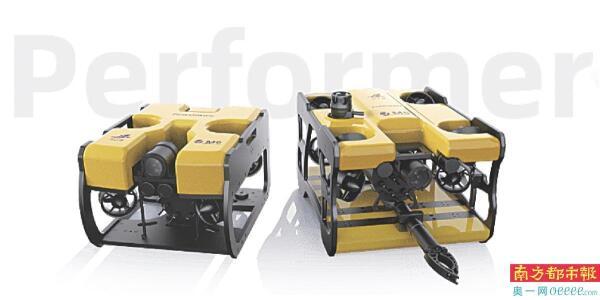
Core Viewpoint - Deep Blue Ocean Technology Co., Ltd. is entering the inquiry stage for its IPO on the Sci-Tech Innovation Board, aiming to raise 1.5 billion yuan and become "China's first underwater robotics stock" [2] Group 1: Company Overview - Deep Blue has developed underwater robots and underwater gliders, with significant backing from Xiaomi's capital, enhancing its market recognition in the hard technology investment sector [2] - The company has completed over ten rounds of financing, attracting more than 40 VC institutions, with Xiaomi's involvement boosting its visibility in the hard tech investment landscape [2] Group 2: Market Position and Performance - The SUBLUE series has sold over 150,000 units, capturing approximately 60% of the global market share in consumer underwater propulsion devices, and has established a presence in over 80 countries [3] - The underwater propulsion business achieved a gross margin of 51.96% in the first half of 2025, contributing to the company's profitability potential [3] Group 3: Technological Advancements - As a national high-tech enterprise, Deep Blue has developed a robust technological foundation with over 400 patents and has played a key role in establishing national standards for underwater propulsion robots [4] - The company’s industrial products have been utilized in significant national projects, demonstrating their advanced capabilities in various applications [4] Group 4: Industry Growth and Opportunities - The underwater robotics market in China is projected to grow from 4 billion yuan in 2020 to 10.2 billion yuan in 2024, with a compound annual growth rate (CAGR) of 26.06%, and is expected to exceed 100 billion yuan by 2030 [4] - The government has recognized "deep-sea technology" as a strategic emerging industry, which is expected to drive further policy support and market demand [4] Group 5: Financial Challenges - Despite its market advantages, Deep Blue has faced financial challenges, with cumulative losses exceeding 294 million yuan from 2022 to the first half of 2025, although losses have been narrowing [5] - The company's R&D expenses have declined for three consecutive years, raising concerns about the sustainability of its technological advancements [5] Group 6: Operational Pressures - The consumer segment is experiencing growth challenges, with revenue from underwater propulsion devices expected to drop to 62.84 million yuan in 2024, and international revenue share decreasing significantly [6] - The company is dealing with high accounts receivable, which reached 119 million yuan in the first half of 2025, indicating increased financial pressure [5][6] Group 7: Future Outlook - The success of the IPO could position Deep Blue as the leading underwater robotics company in the A-share market, enhancing its capital cycle and accelerating technology commercialization [7] - The company must address ongoing operational pressures and stabilize R&D investments to maintain its market valuation and achieve sustainable growth [7]

出海头部、雷军押注!冲刺IPO的“水下大疆”有何来头?
Nan Fang Du Shi Bao· 2026-01-23 15:17
Core Viewpoint - Deep Blue Ocean Technology Co., Ltd. is entering the inquiry stage for its IPO on the Sci-Tech Innovation Board, aiming to raise 1.5 billion yuan and become the "first underwater robotics stock" in China, backed by Xiaomi's capital and its strong position in the global cross-border e-commerce market [2][5]. Group 1: Financial Performance and Challenges - The company has faced continuous losses, with a cumulative loss exceeding 29.4 million yuan from 2022 to the first half of 2025, although the loss has narrowed to 207,810 yuan in the first half of 2025 [9]. - Research and development (R&D) expenses have declined for three consecutive years, from 62.29 million yuan in 2022 to 50.53 million yuan in 2024, with the R&D expense ratio dropping from 44.13% to 14.45% [9]. - The company’s accounts receivable reached 119 million yuan in the first half of 2025, accounting for 19.04% of current assets, indicating increased financial pressure [11]. Group 2: Market Position and Growth Potential - Deep Blue has established a strong market presence in the cross-border e-commerce sector, with its SUBLUE series products capturing approximately 60% of the global market share in consumer underwater propulsion devices, with cumulative sales exceeding 150,000 units [5][6]. - The underwater robotics market in China is projected to grow from 4 billion yuan in 2020 to 10.2 billion yuan by 2024, with a compound annual growth rate (CAGR) of 26.06%, and is expected to exceed 100 billion yuan by 2030 [8]. - The company’s focus on capacity expansion and technology upgrades in its fundraising plan aims to enhance its industrial product delivery capabilities and market penetration for consumer products [8]. Group 3: Technological and Strategic Advantages - As a national high-tech enterprise, Deep Blue has developed a robust technical foundation with over 400 patents and has participated in significant national projects, showcasing its technological capabilities [7][8]. - The collaboration with Xiaomi's capital has provided essential support in funding, supply chain integration, and global channel expansion, enhancing the company's market recognition in the hard technology investment sector [5][6]. - The company’s core competitiveness lies in its comprehensive technical accumulation, capital resource support, market share in the cross-border niche, and the expanding growth potential of the industry [11][12].

科学谋划深海所“十五五”发展新篇章
Xin Lang Cai Jing· 2026-01-21 12:21
Core Viewpoint - The article emphasizes the commitment of the Deep Sea Science and Engineering Research Institute to align with the strategic directives from the 20th National Congress of the Communist Party of China, focusing on enhancing technological self-reliance and innovation during the 14th Five-Year Plan period [1] Group 1: Strategic Planning and Implementation - The Deep Sea Institute aims to integrate the spirit of the 20th National Congress into its 14th Five-Year Plan, focusing on original innovation and key technology breakthroughs [1] - The institute is in the process of finalizing its draft for the 14th Five-Year scientific and talent planning, emphasizing alignment with national strategic needs such as marine power and national security [1] - A comprehensive project management mechanism will be established to ensure high-quality outcomes and significant achievements [1] Group 2: Research and Development Focus - The institute will prioritize the construction of a national key laboratory in deep sea science and intelligent technology, targeting major national strategic needs in the deep sea sector [2] - The "Fighter" vessel will lead the "Global Abyss Deep Diving Exploration Plan," conducting multiple deep-sea scientific research missions, benefiting from strong international cooperation [2] - The institute plans to enhance its international influence in deep-sea research by fostering more international scientific cooperation in critical abyssal regions [2] Group 3: Talent Development and Organizational Reform - The institute will focus on nurturing young scientific talent, creating growth platforms, and attracting high-level professionals in deep sea science and engineering [3] - A refined talent evaluation and incentive system will be implemented to stimulate innovation and ensure that contributions are accurately recognized [3] - The institute will reform its research organization model to adapt to national demands, promoting efficient and collaborative research practices [3] Group 4: Innovation Culture and Integrity - The institute will foster a positive innovation culture, encouraging researchers to explore and innovate while maintaining a tolerant attitude towards failure [3] - Emphasis will be placed on scientific integrity and the promotion of a correct value system among researchers to support high-quality development [3] - The 14th Five-Year period is identified as a critical phase for the institute's development, with a commitment to achieving high-quality outcomes aligned with national strategic needs [3]
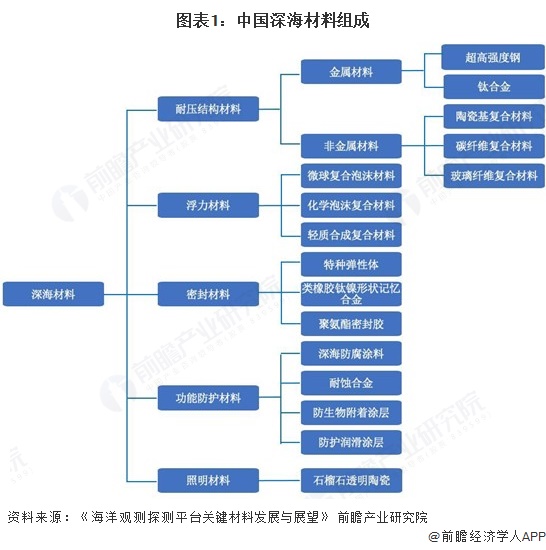
2025年中国深海科技行业原材料现状 深海材料决定着科技能力的边界【组图】
Xin Lang Cai Jing· 2026-01-21 08:13
Core Viewpoint - The development of deep-sea materials is crucial for advancing deep-sea technology and unlocking the potential of the trillion-dollar deep-sea mineral resources market, supporting the entire industry chain from equipment manufacturing to resource utilization [1][3]. Group 1: Deep-Sea Materials Overview - Deep-sea materials are essential for operations in extreme environments characterized by high pressure, low temperature, and strong corrosion, directly influencing development capabilities [1]. - These materials can be categorized by function into pressure-resistant structural materials, buoyancy materials, sealing materials, protective materials, and lighting materials, and by properties into high-strength metal materials, polymer composites, and ceramic-based composites [1][3]. Group 2: Pressure-Resistant Structural Materials - Pressure-resistant structural materials are divided into metal and non-metal categories, with metal systems being more mature, including high-strength alloy steel, titanium alloys, and aluminum alloys [3]. - Non-metal materials are also making progress, with composite materials showing significant potential due to their lightweight and corrosion-resistant properties [3][4]. Group 3: Titanium Alloys - Titanium alloys, known as "marine metals," are favored for their high strength, excellent corrosion resistance, and low density (60% of steel), making them ideal for marine engineering and deep-sea pressure vessels [5]. - Companies like BaoTi Co., Ltd. and Western Materials are leading in titanium alloy production, with BaoTi being the largest global producer and achieving mass production of deep-sea titanium alloy components [7]. Group 4: Sealing Materials - Deep-sea sealing materials include rubber sealing materials, metal sealing materials, and special engineering plastics, with rubber materials currently dominating the market [9]. - Metal seals, particularly titanium and nickel-based alloys, are gaining attention for their superior durability and temperature adaptability in deep-sea applications [9]. Group 5: Corrosion-Resistant Materials - Corrosion-resistant materials are critical in deep-sea environments, with methods to reduce corrosion including the development of new materials and the application of protective coatings [11]. - Common anti-corrosion coatings used in marine applications include rubber-based, epoxy-based, fluorocarbon, and organic silicone coatings, each with specific advantages and limitations [11].




今年海南将谋划推进热带海洋国家公园建设!
Xin Lang Cai Jing· 2026-01-17 02:21
Core Insights - Hainan's marine economy is expected to continue its strong growth, with a projected marine GDP increase of 7.9% by 2025, serving as a key driver for the province's overall economic growth [1] - The strategic emerging industries in Hainan's marine sector have experienced explosive growth, particularly in deep-sea oil and gas, which is anticipated to see significant production increases [1] - The province is focusing on building a modern marine industry cluster and enhancing international cooperation in marine science and technology [4] Marine Economy Growth - Hainan's marine oil production is projected to reach approximately 611,100 tons by 2025, representing a 125% year-on-year increase [1] - Marine natural gas production is expected to be around 5.605 billion cubic meters, with a year-on-year growth of about 62% [1] - The marine oil and gas sector's added value is forecasted to reach 11.6 billion yuan, reflecting a 48.1% increase [1] Deep-Sea Oil and Gas Development - Significant achievements in deep-sea oil and gas exploration include the stable production of the "Deep Sea No. 1" gas field and the successful launch of new projects such as Dongfang 29-1 and Wenchang 16-2 [1] - The successful auction of oil and gas exploration blocks, particularly the Lihai 24 block with a 99.37% premium, marks a breakthrough for state-owned enterprises in Hainan [1] Marine Renewable Energy - The construction of offshore wind power projects has accelerated, with projects like Lingao Huaneng CZ1 and Danzhou Sheneng CZ2 contributing to a marine electricity sector value increase of 306% to 1.3 billion yuan [2] Traditional Marine Industry Transformation - The marine fisheries sector is undergoing a transformation towards more intensive and intelligent farming practices, supported by modern aquaculture projects [3] - The integration of marine chemical industries with oil and gas and marine engineering equipment is creating significant cluster development advantages [3] Future Development Plans - Hainan aims to establish a marine development system supported by deep-sea technology, modern marine industries, and international cooperation [3] - The province plans to enhance marine ecological restoration and develop a tropical marine national park [3] - A focus on building a modern marine industry cluster will include sectors such as marine oil and gas, marine renewable energy, and marine tourism [4] International Cooperation - Hainan is working to create a platform for international cooperation in marine science, disaster prevention, and ecological protection, particularly with countries involved in the Belt and Road Initiative [4] - The province aims to establish an open marine economy system that aligns with international trade rules, enhancing its attractiveness to foreign investment [4]
今年我省将谋划推进热带海洋国家公园建设
Hai Nan Ri Bao· 2026-01-17 01:06
Core Viewpoint - The marine economy in Hainan Province is expected to grow by 7.9% year-on-year by 2025, driven by emerging industries and strategic initiatives such as the construction of tropical marine national parks [1] Group 1: Marine Economic Growth - Hainan's marine economy continues to show strong growth, serving as a key driver for the province's overall economic performance [1] - The marine oil and gas sector has seen significant production increases, with marine oil output projected at approximately 611,100 tons (up 125%) and marine natural gas output at about 5.605 billion cubic meters (up 62%) by 2025 [2] - The marine oil and gas industry is expected to achieve an added value of 11.6 billion yuan, reflecting a year-on-year growth of 48.1% [2] Group 2: Traditional Marine Industry Transformation - The marine fishery sector is undergoing a transformation towards more intensive and intelligent practices, with projects like the modern fishery industrial park in Wenchang leading the way [3] - The coupling effects between marine chemicals, oil and gas, and marine engineering equipment are becoming more pronounced, fostering industrial cluster advantages [3] - The port and shipping capabilities have significantly improved, with Yangpu Port entering the top 20 Chinese ports for the first time, achieving a historic total tonnage of over 7.5 million [3] Group 3: Future Development Initiatives - Hainan aims to establish a modern marine industry system focusing on marine oil and gas, marine renewable energy, deep-sea equipment, marine fisheries, modern marine services, and marine tourism [4] - The province plans to enhance international cooperation in marine scientific research, disaster prevention, and ecological protection, expanding partnerships with countries involved in the Belt and Road Initiative [4] - Hainan is set to build a deep-sea technology innovation platform and improve its capabilities in deep-sea exploration, development, and protection [3][4]
深之蓝科创板IPO进入问询阶段
Bei Jing Shang Bao· 2026-01-16 13:01
Core Viewpoint - Deep Blue Ocean Technology Co., Ltd. has entered the inquiry stage for its IPO on the Sci-Tech Innovation Board, aiming to raise approximately 1.5 billion yuan [1][2]. Group 1: Company Overview - Deep Blue specializes in the research, production, sales, and services of cable-controlled underwater robots, autonomous underwater vehicles, underwater gliders, automatic profiling buoys, and underwater propulsion robots [1]. - The company focuses on the "deep-sea technology" sector, providing products and professional solutions for marine safety, marine engineering, emergency rescue, hydropower, marine scientific research, and marine tourism [1]. Group 2: IPO Details - The IPO application was accepted on December 26, 2025, and the company is currently in the inquiry phase [1]. - The planned fundraising amount for the IPO is approximately 1.5 billion yuan [2].
深之蓝科创板IPO已问询 为水下机器人产品与解决方案提供商
智通财经网· 2026-01-16 12:26
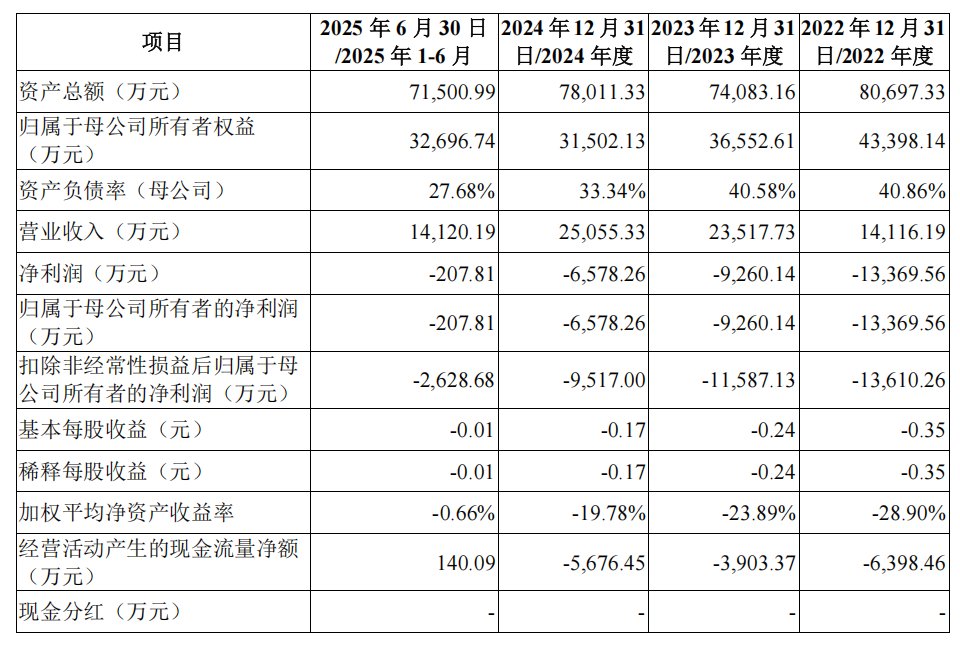
Core Viewpoint - Deep Blue Ocean Technology Co., Ltd. has applied for a change in its listing review status to "inquired" on the Shanghai Stock Exchange's Sci-Tech Innovation Board, with a fundraising target of 1.5 billion RMB [1] Company Overview - Deep Blue is a leading provider of underwater robot products and solutions in China, focusing on the development, production, sales, and service of cable-controlled underwater robots, autonomous underwater vehicles, underwater gliders, automatic profiling buoys, and underwater propulsion robots [1] - The company aims to provide products and professional solutions for marine safety, marine engineering, emergency rescue, water conservancy, marine scientific research, and marine tourism [1] - Deep Blue is a pioneer in the comprehensive product development of underwater robots in China, having accumulated over ten years of continuous research and innovation [1] Technology and Product Development - The company has mastered 15 core technologies across four categories, including underwater robot system technology, underwater power and energy technology, underwater robot control navigation and communication technology, and advanced manufacturing technology for underwater robots [1] - Deep Blue has established a complete product line covering cable-controlled underwater robots, autonomous underwater robots, and underwater propulsion robots, making it one of the few companies capable of independent research and large-scale production of a full range of underwater robots [1] Financial Performance - In the fiscal years 2022, 2023, 2024, and the first half of 2025, Deep Blue reported revenues of approximately 141 million RMB, 235 million RMB, 251 million RMB, and 141 million RMB respectively [2] - The net profits for the same periods were approximately -134 million RMB, -92.6 million RMB, -65.8 million RMB, and -2.08 million RMB respectively [2] - As of June 30, 2025, the total assets amounted to approximately 715 million RMB, with equity attributable to the parent company at approximately 327 million RMB [3] - The company's asset-liability ratio decreased from 40.86% in 2022 to 27.68% in 2025 [3]

预见2025:《2025年中国深海科技行业全景图谱》(附市场现状、竞争格局和发展趋势等)
Qian Zhan Wang· 2026-01-15 02:13
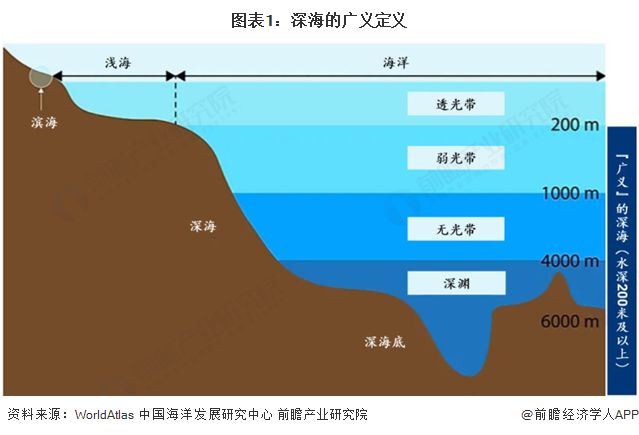
Industry Overview - Deep-sea technology refers to a series of scientific technologies and equipment systems used for exploration, research, and development in deep-sea areas (typically below 200 meters) [1] - The industry encompasses deep-sea detection, resource development, environmental monitoring, and biological research, including technologies like manned submersibles, unmanned underwater vehicles, and autonomous underwater robots [1] Industry Chain Analysis - The deep-sea technology industry chain includes three main areas: deep-sea material research, deep-sea equipment manufacturing and system integration, and deep-sea resource and application development [3] - Upstream material research focuses on providing high-strength, high-pressure resistant, and corrosion-resistant materials essential for deep-sea equipment [3] - Midstream involves the manufacturing of deep-sea equipment, including manned submersibles and underwater robots, which are critical for deep-sea research and resource exploration [3] - Downstream development focuses on the commercial extraction of deep-sea oil, gas, and minerals, as well as the technological commercialization of underwater security and deep-sea data centers [4] Industry Development History - The development of China's deep-sea technology has gone through four stages, from initial exploration in the late 1980s to the current phase of comprehensive layout and frontier exploration since 2021 [7][10] Policy Background - National policies for the deep-sea technology industry are characterized by systematic and precise features, aiming to promote high-quality development through top-level design and industry guidance [12] - Key policies include support for deep-sea equipment development, critical technology breakthroughs, and financial backing for long-term financing of deep-sea enterprises [12][13] Current Industry Status - The marine economy market in China has exceeded 10 trillion yuan, with deep-sea technology becoming a core driver of new industries [15] - The deep-sea technology market size has grown from 1.90 trillion yuan in 2020 to 2.53 trillion yuan in 2024, with an average annual growth rate of approximately 7.4% [16] - Investment in deep-sea equipment has increased significantly, from less than 100 million yuan in 2020 to 745 million yuan in 2024, reflecting a compound annual growth rate of 72% [18] Regional and Competitive Landscape - Guangdong and Hainan account for nearly 30% of the industry enterprise distribution, with Guangdong at 18% and Hainan at 14% [26] - The competitive landscape shows differentiation, with state-owned enterprises like China Shipbuilding and CNOOC leading in deep-sea equipment manufacturing, while companies like Baotai and Hailanxin excel in specialized materials and underwater communication systems [27] Future Industry Trends - The deep-sea technology market is projected to reach 3.8 trillion yuan by 2030, driven by ongoing investments in traditional oil and gas exploration and the commercialization of new applications [31] - Key trends include the intelligent and autonomous development of equipment, accelerated green energy development, expansion of new application scenarios, and deepening industry chain collaboration [32][34]