美丽乡村建设

Search documents
坚决打好农村黑臭水体歼灭战(答问一)
Xin Lang Cai Jing· 2025-12-26 04:42
Core Viewpoint - The "Beautiful Countryside Construction Implementation Plan" aims to eliminate rural black and odorous water bodies by 2027, with significant progress reported in the ongoing efforts to address this issue [1]. Group 1: Progress and Achievements - The implementation of the plan has led to a 20% completion rate in county-level construction, with the first batch of pilot areas announced [1]. - A total of 5042 large-scale rural black and odorous water bodies have been addressed, achieving a treatment rate of over 98%, benefiting approximately 9.72 million people across 30 provinces and over 4100 administrative villages [1]. Group 2: Strategies for Management - The approach includes a phased and checklist-based management system, targeting the elimination of significant black and odorous water bodies by 2027, with 5042 bodies included in the national list and an additional 11,000 in provincial lists [2]. - A systematic governance and ecological restoration strategy has been established, focusing on pollution source control, internal source management, water system connectivity, and ecological restoration [2]. Group 3: Monitoring and Community Involvement - Comprehensive verification and social supervision methods have been employed, including on-site assessments and remote monitoring, covering over 23,000 instances in five years [3]. - Community engagement has been encouraged, with examples of local residents actively participating in the cleanup efforts, such as funding and facilitating the removal of barriers for construction [3]. Group 4: Future Directions - The focus will be on consolidating and expanding the governance results, establishing a long-term management mechanism with diverse stakeholder participation, and encouraging community involvement in maintaining a clean environment [4].
农村生活污水管控率达56.93%,临沂美丽乡村建设取得新成效
Qi Lu Wan Bao· 2025-12-12 08:40
Core Insights - Linyi City is focusing on the construction of beautiful villages as a key strategy for building a beautiful China, with 980 administrative villages undergoing environmental remediation and a rural sewage treatment rate of 56.93% [1][2] Group 1: Environmental Initiatives - Linyi City has established a long-term management mechanism for rural environmental issues, transitioning from short-term solutions to sustainable management [2] - The city has implemented a management approach for rural sewage treatment, clarifying responsibilities across four levels: city, county, town, and village [2] - A total of 94 rural black and odorous water bodies have been addressed through measures such as source control, dredging, and water purification [2] Group 2: Collaborative Efforts - Ten departments, including the Ecological Environment Bureau and Agricultural and Rural Affairs Bureau, have collaborated to issue a task list for beautiful village construction, ensuring clear goals and responsibilities [1] - The city encourages grassroots innovation and has implemented pilot projects for agricultural non-point source pollution management, which have been recognized as provincial model cases [3] - Linyi is promoting ecological revitalization in four key counties, with six villages and six areas selected as provincial typical cases for rural ecological revitalization [3]
各美其美,美美与共:诗意栖居的一千种答案
Di Yi Cai Jing· 2025-11-28 02:59
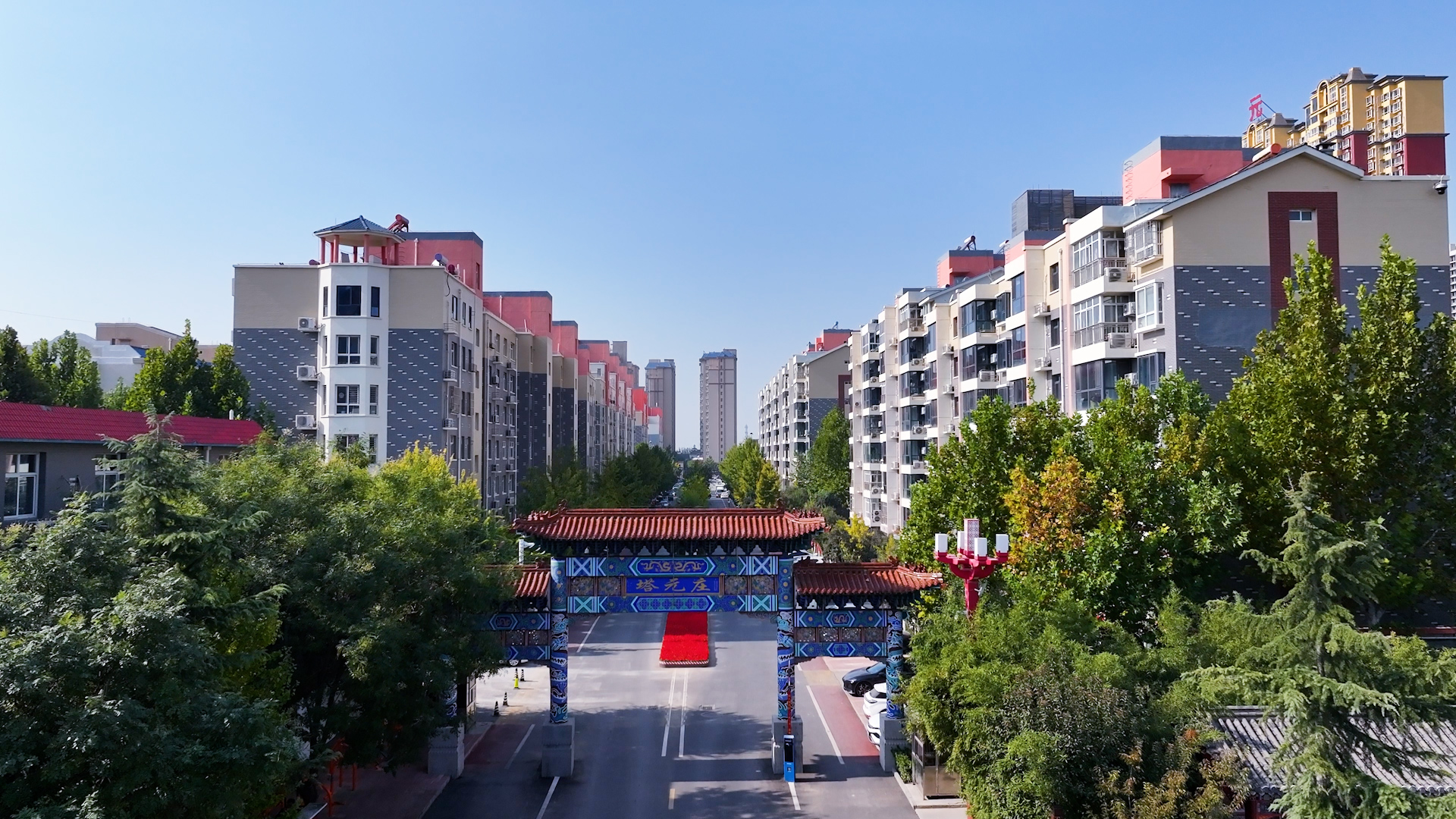
Core Viewpoint - The article emphasizes the importance of rural revitalization in China, highlighting successful examples and the role of Agricultural Bank in supporting these initiatives through financial services [1][12]. Group 1: Rural Revitalization Examples - The transformation of Ta Yuanzhuang village in Hebei showcases significant improvements, with over 1.6 million annual visitors and a per capita income exceeding 30,000 yuan, attributed to innovative industrial models like modern agriculture and rural tourism [2][4]. - In Yangshuo, Guangxi, the integration of waste management into the rural landscape has enhanced the area's beauty, with the local waste treatment facility processing 1,000 tons of waste daily and generating 123.11 million kilowatt-hours of electricity, significantly reducing carbon emissions [7][8][10]. Group 2: Financial Support from Agricultural Bank - Agricultural Bank provided crucial funding for Ta Yuanzhuang's rural revitalization projects, including a 1.4 million yuan investment for a demonstration park and a 1.6 billion yuan project for an elderly care center [4][10]. - The bank's support for the Yangshuo waste management project included a 517 million yuan loan, which facilitated the project's construction and operational needs, demonstrating the bank's commitment to environmental sustainability [10][11]. Group 3: Broader Impact on Rural Development - The article outlines how Agricultural Bank's financial products, such as "Beautiful Village Construction Loans," are tailored to meet the specific needs of rural areas, promoting infrastructure development and enhancing living conditions [14][15]. - The bank's initiatives have led to a total loan balance exceeding 2.4 trillion yuan in rural construction by the end of the third quarter of 2025, reflecting its extensive involvement in rural economic growth [14][15].


避免地面乱糟糟、空中飘电线,就要坚持规划先行建设美丽乡村
Zhong Guo Huan Jing Bao· 2025-11-19 09:44
Core Viewpoint - The rapid development of rural housing in the Dabie Mountains has led to disorganized construction, negatively impacting the landscape and sustainable economic development [1] Group 1: Issues in Rural Housing Development - The lack of planning and supporting policies for rural housing has resulted in scattered and chaotic construction, which disrupts the natural beauty of the villages [1] - The "three connections" project (electricity, water, and internet) faces increased costs and safety hazards due to the dispersed nature of housing, leading to inefficient resource use [1] Group 2: Recommendations for Sustainable Development - Emphasizing ecological priority and planning is essential for beautiful rural construction, advocating for tailored plans that respect local geography [1] - Suggestions include concentrating residents in planned living areas, preserving natural features like ancient trees and wetlands, and burying utility lines to maintain the landscape [1] - Establishing dedicated entrepreneurial zones to support returning youth with necessary facilities is recommended for balancing modern conveniences with natural aesthetics [1]
驻颜有术,美颜有方!开平百合镇探索美丽乡村“长红”密码
Nan Fang Nong Cun Bao· 2025-09-08 01:32
Core Viewpoint - The article discusses the successful implementation of environmental management and beautification initiatives in Baihe Town, Kaiping City, focusing on community involvement and sustainable practices to achieve a "beautiful and livable" standard for over 90% of administrative villages by 2024 [5][9]. Group 1: Environmental Management Strategies - Baihe Town emphasizes a dual approach of construction and management to enhance the quality of rural living environments [6][10]. - The town has set a target for 2024, aiming for over 90% of its administrative villages to meet the beautiful and livable standards [7][9]. - The construction team adopted a tailored approach to address local challenges, such as the narrow alleys in historical villages, by implementing innovative drainage solutions that preserve the original aesthetics [18][26]. Group 2: Community Engagement and Governance - The article highlights the importance of community participation in maintaining the environment, with local residents taking pride in keeping their villages clean [4][40]. - Various community groups, including the "Red Cotton Volunteer Service Team," have been established to mobilize local resources and encourage participation in environmental governance [43][44]. - The implementation of a points-based incentive system encourages villagers to engage in environmental upkeep, fostering a sense of ownership and responsibility [73][76]. Group 3: Sustainable Practices and Cost Management - The article notes the innovative use of local materials and resources to reduce costs in environmental management, such as repurposing waste materials for landscaping [61][64]. - The town has adopted a strategy of hiring local residents for cleaning services, which not only provides employment but also reduces operational costs [70][71]. - The integration of community-driven initiatives, such as the "Red Cotton Points System," has proven effective in motivating residents to participate actively in village beautification efforts [77][78].

刘非赴桐庐县调研美丽乡村建设
Hang Zhou Ri Bao· 2025-08-29 03:02
Group 1 - The importance of integrating ecological resources and rural economic development to enhance the quality of life in rural areas is emphasized, with a focus on the "ten million project" and the need for a holistic approach to rural governance [1] - The development of rural tourism in Shishe Village has successfully boosted the collective economy and increased farmers' income, highlighting the potential of ecological resources as valuable assets [1] - The need for cultural preservation and the promotion of rural culture is stressed, particularly in historical villages like Shen'ao Village, to ensure that beautiful countryside retains its natural and cultural heritage [2] Group 2 - The company, Zhongtong Supply Chain Management Co., Ltd., is recognized for its leading position in the express delivery industry and its initiatives to support local agriculture [2] - The emphasis on establishing mechanisms to connect farmers with wealth creation through unique industries and local economies is noted, aiming to enhance the development of local specialties [2] - The call for party members and officials to align rural beautification efforts with practical services for the community is highlighted, ensuring that the livelihoods of local residents improve [2]
三亚雅亮村人水相依,唱响幸福和美之歌
Hai Nan Ri Bao· 2025-08-23 00:59
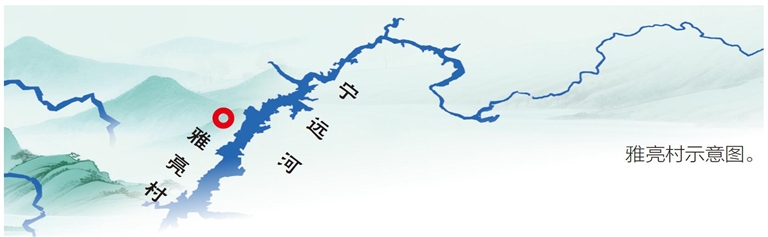
Core Viewpoint - The article highlights the transformation of Yaliang Village in Sanya, Hainan, showcasing its ecological development, cultural heritage, and economic growth driven by the construction of the Yaliang Bridge and the cultivation of mangoes, positioning it as a model for beautiful rural areas in China [4][6][9]. Infrastructure Development - The Yaliang Bridge, completed in December 2007, spans 1214 meters and significantly improved transportation and logistics for the village, reducing costs and enhancing the efficiency of mango and other agricultural product transportation [5][6]. - The bridge serves as a crucial transportation hub, connecting Sanya city and Ledu, facilitating regional exchanges and tourism [6]. Agricultural Development - Yaliang Village is renowned for its mango industry, with over 2000 acres dedicated to mango cultivation, supported by the irrigation from the Ningyuan River [8]. - The village is home to over 40 ancient mango trees, some over 300 years old, which are being preserved and utilized for breeding new mango saplings, enhancing the local agricultural resilience [7][8]. Ecological and Cultural Enhancement - The village has undergone significant beautification efforts, including the repair of roads and the beautification of homes with local cultural elements, attracting tourists and enhancing community pride [9][10]. - The construction of terraced fields has not only improved agricultural productivity but also contributed to the scenic beauty of the area, making it a tourist attraction [9]. Community and Heritage - The article emphasizes the strong connection of the villagers to their land and heritage, with many former residents returning to witness the village's transformation and express their pride in its development [10].
北京打造美丽乡村,“十四五”新增完成804个行政村环境整治
Xin Lang Cai Jing· 2025-08-22 03:44
Group 1 - The core viewpoint of the articles highlights Beijing's successful environmental initiatives, particularly in rural areas, exceeding the "14th Five-Year Plan" targets by completing environmental remediation in 804 administrative villages [1] - Beijing's rural areas, which account for 80% of its total area, are crucial for the city's ecological development, emphasizing the importance of creating beautiful villages as part of the broader goal of building a beautiful Beijing [1] - The city has implemented a comprehensive approach to agricultural and rural pollution control, involving multiple departments to address issues such as wastewater treatment, garbage management, and agricultural pollution prevention [1] Group 2 - In the field of agricultural film pollution prevention, Beijing is promoting fully biodegradable film technology, with a cumulative demonstration area of 26,000 acres from 2022 to 2025, benefiting 173 operating entities [2] - The city plans to enhance the efficiency of agricultural film usage through initiatives like exchanging old films for new ones, with a target of recycling 935 tons of high-strength film in 2024 [2] - Beijing aims to strengthen rural ecological civilization construction and promote differentiated and characteristic development of beautiful villages, integrating rural revitalization with environmental protection [2]
聚焦四大领域,《四川省美丽乡村建设工作方案》印发 推动形成农村绿色生产生活方式
Si Chuan Ri Bao· 2025-08-15 00:53
Core Viewpoint - The Sichuan Provincial Government has issued a "Beautiful Countryside Construction Work Plan" aimed at addressing ecological issues in rural areas and promoting a green lifestyle, with a vision of restoring the natural beauty of the region [1] Group 1: Implementation Strategy - The plan adopts a "multi-level, regional, and differentiated" approach to cater to the diverse geographical and cultural landscape of Sichuan, which includes 176 agricultural counties and over 28,000 administrative villages [2] - The "multi-level" strategy involves various levels of implementation, from individual villages to entire counties, with a goal of establishing 80 counties as beautiful countryside by 2027, alongside cultivating around 10 provincial key counties each year [2] - The "regional" aspect divides rural areas into four major categories: plain, hilly, basin, and ethnic regions, each with tailored development strategies to reflect local characteristics [2] Group 2: Key Tasks - The plan outlines 17 key tasks across four main areas: improving rural ecological environment quality, promoting agricultural green development, enhancing rural livability, and creating a beautiful countryside landscape [3] - Specific measures include soil protection, remediation of polluted water bodies, and addressing issues like livestock odor and straw burning, with a target of completing environmental improvements in 2,000 villages by 2027 [4] - In agricultural green development, the focus will be on reducing chemical fertilizer and pesticide use, preventing livestock pollution, and promoting healthy aquaculture practices [4] Group 3: Evaluation and Accountability - A three-tiered evaluation system has been established, with 20 indicators for administrative villages, 13 basic indicators for county-level progress, and 16 distinctive indicators for key counties to ensure effective outcomes [4] - The plan emphasizes clear responsibility assignments, performance evaluations, resource allocation, and public participation to maximize the benefits of the beautiful countryside initiative [4]
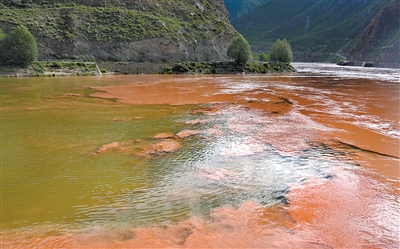
从此“通天”入金沙(记录中国)
Ren Min Ri Bao· 2025-08-08 22:01
Core Viewpoint - The article highlights the ecological and tourism development efforts in Yushu City, particularly focusing on the confluence of the Tongtian River and the Batang River, which marks the starting point of the Jinsha River, a major tributary of the Yangtze River [6][7]. Group 1: Ecological Initiatives - The Batang River's water source conservation capacity has been continuously enhanced through the implementation of a water source conservation forest construction project, with a total investment of 227 million yuan [6][7]. - The project has resulted in the establishment of 9,300 acres of new water source conservation forests and the planting of 2.0646 million native tree species, including Qinghai spruce and Qilian juniper [7]. - An intelligent irrigation network spanning 33.8 kilometers has been constructed to improve the water source conservation capacity and ecological stability of the Yangtze River source area [7]. Group 2: Tourism Development - The local government has initiated the Le Bagou tourism road enhancement project, which involved the construction of 4.5 kilometers of new asphalt concrete road and the upgrading of 17.625 kilometers of existing concrete road with asphalt overlay and colorful tourism markings, totaling 22.125 kilometers [7]. - The Le Bagou tourism road runs alongside the Batang River and the Jinsha River, creating a scenic "yellow-green relay" that attracts numerous visitors [7].