芯片关税

Search documents
成熟制程,风险大增
半导体行业观察· 2025-08-01 01:12
Core Viewpoint - The article discusses the potential impact of the U.S. imposing high tariffs on semiconductor imports from Taiwan, particularly on mature process chips, which could lead to significant adjustments in Taiwan's semiconductor industry and supply chain dynamics [2][3]. Group 1: Tariff Implications - The U.S. is expected to announce results of a national security investigation regarding semiconductor imports, with potential tariffs on mature process chips from Taiwan reaching up to 20% [2]. - Taiwan's semiconductor industry, heavily reliant on exports to the U.S., faces heightened uncertainty due to these potential tariffs, which could disrupt existing supply chains [2][3]. - The article suggests that while the tariffs may not completely destabilize the semiconductor sector, they will likely prompt strategic adjustments, including increased overseas investments and manufacturing [3]. Group 2: Market Conditions - The semiconductor industry is experiencing a downturn, with major IC design firms significantly reducing wafer production for mature processes by 20% to 30% in Q3 compared to Q2, due to various negative factors including weak demand in mobile, networking, and automotive sectors [5][6][7]. - The automotive market is particularly struggling, impacting demand for mature process chips, with major companies like NXP and STMicroelectronics warning of poor market conditions [7]. - The capacity utilization rates for wafer foundries are expected to decline from around 70% in the first half of the year to approximately 60% or lower in the second half, which will adversely affect profit margins [7]. Group 3: Company Strategies - Companies like UMC are investing in R&D to focus on advanced technologies for 5G, AI, IoT, and automotive electronics, with UMC having invested NT$15.6 billion in R&D last year [9]. - UMC is exploring potential collaborations with Intel to enhance process technologies, while World Advanced is focusing on its 8-inch production and plans to build a 12-inch fab in Singapore with a total investment of $7.8 billion [10]. - Powerchip is targeting AI applications and has begun mass production of silicon interposers, contributing to revenue generation [11].


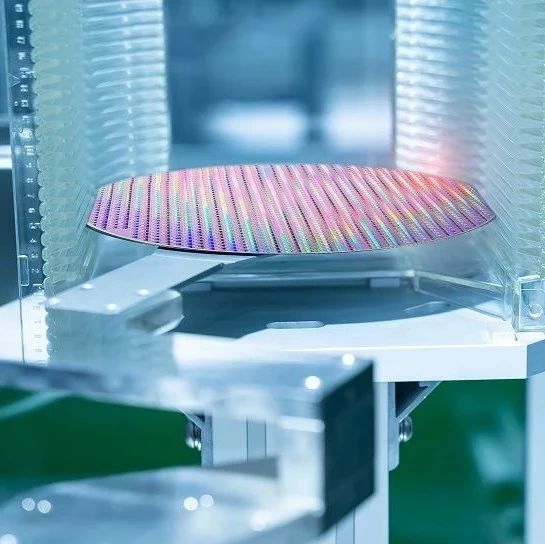
事关日本厂,台积电表示:无法评论
半导体芯闻· 2025-07-16 10:44
Core Viewpoint - TSMC's Kumamoto 2 factory in Japan has begun construction on surrounding facilities, with the main construction expected to continue in the second half of the year, reflecting the Japanese government's expectations [1][2]. Group 1: TSMC's Operations and Developments - The Kumamoto 2 factory will be a focal point in TSMC's upcoming earnings call, with significant attention on its operational outlook and the impact of U.S. tax developments and currency fluctuations on TSMC's performance [2]. - TSMC's investment strategy is influenced by customer demand, business opportunities, operational efficiency, government support, and economic costs, with the company asserting that its U.S. investment plans will not affect existing investments in other regions [2]. - TSMC's first joint venture factory in Kumamoto is set to begin mass production in 2024, alongside a joint venture factory in Dresden, Germany [3].

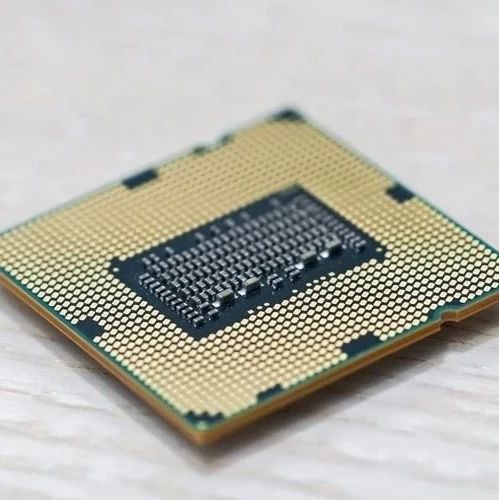
据华尔街日报:消息人士称,台积电(TSM.N)将优先考虑在美投资,以应对芯片关税威胁。该公司将推迟日本第二座芯片工厂的建设启动时间。
news flash· 2025-07-04 08:21
Core Insights - TSMC is prioritizing investments in the U.S. to mitigate the threat of chip tariffs [1] - The company will delay the construction start of its second chip factory in Japan [1] Investment Strategy - TSMC's decision reflects a strategic shift towards the U.S. market in response to geopolitical and economic pressures [1] - The delay in Japan's factory construction indicates a reallocation of resources and focus on U.S. operations [1]
台积电警告称芯片关税可能削弱其在美 1650 亿美元投资计划
Sou Hu Cai Jing· 2025-05-28 04:36
IT之家 5 月 28 日消息,台积电呼吁美国商务部豁免芯片进口关税,警告加征关税可能削弱其 1650 亿美元(IT之家注:现汇率约合 1.19 万亿元人民币)亚 利桑那州扩建计划,并威胁美国在半导体产业的领导地位。 今年 3 月,台积电宣布在亚利桑那州追加 1000 亿美元(现汇率约合 7192.28 亿元人民币)投资,计划再建三座晶圆厂、两座先进封装厂和一个研发中心, 总投资额累计 1650 亿美元(现汇率约合 1.19 万亿元人民币)。 台积电表示,终端产品因关税导致价格上涨将抑制芯片需求,从而削弱亚利桑那州产业集群的经济价值。该公司要求"在美国拥有重大半导体产能"的企业继 续享有进口海外设备和材料的免税通道,因其中许多物资在美国本土无法获取。 据台积电提交的文件披露,当六座晶圆厂全部投产后,亚利桑那州基地每月可生产 10 万片晶圆,约占台积电 2nm 及更先进制程预计产能的 30%。该公司还 预估其美国项目将带动 2000 亿美元(现汇率约合 1.44 万亿元人民币)的间接经济活动,创造数万个就业岗位。文件强调,这些经济收益的实现有赖于可预 期的免税供应链体系。 IT之家注意到,台积电在亚利桑那州凤凰 ...
台积电对美发布“强硬声明”丨和美国打交道,光下跪是没有用的
Sou Hu Cai Jing· 2025-05-26 12:40
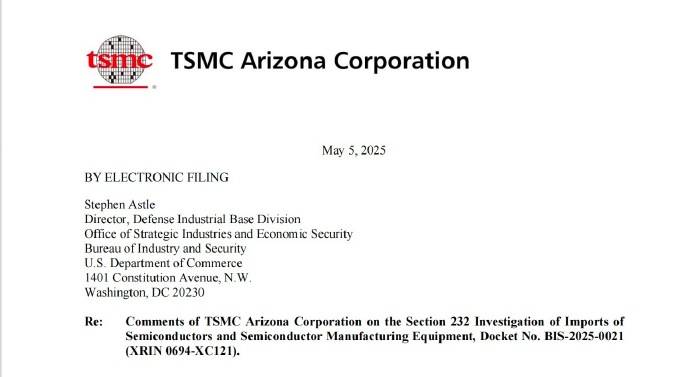
在5月24日台积电在亚利桑那州的子公司"上书"美国商务部,罕见对美释放强硬态度,称如果美国对芯 片征收关税,台积电将延缓在亚利桑那州的后续投资计划。 台积电前期在美国投资的工厂面临工人短缺、管理混乱、成本高昂等问题,而且大量工程师需要从台湾 外调。后期有可能将面临美国的关税和东国芯片产业的双重冲击,如果东国实现3纳米高端芯片的量 产,到时台积电不仅会丢掉技术优势,还会丧失成本优势。 这次台积电声明中,前两部分说明了台积电目前在美生产现状和对美的投资力度,最后一部分"图穷匕 见"声明如果美国对芯片征收关税"将使台积电客户的电子产品需求显著降低,导致营收陡降,强烈建议 美国政府不应对半导体课征关税或其他进口管制,否则将影响对亚利桑那州厂投资进度。"目前台积 电"强硬声明"仅为"策略性警告",实质想借此来"逼迫"美国取消芯片关税,避免企业后期可能由此产生 的经济损失。如果美国强力推行芯片关税,台积电作为一个企业,前期已经产生了大量的"沉没成本"后 期只能"自吞苦果" 人人路过踢两脚,川普骚操作让美国成了纸老虎? 台积电有了强硬的声明,后续是否能有强硬的动作? 台积电之前在川普的威逼利诱下,在美豪掷1650亿建设6座 ...
特朗普芯片关税模拟三剧本 最重税率恐逾100%
Jing Ji Ri Bao· 2025-04-13 22:52
Core Viewpoint - The article discusses the potential impact of U.S. President Trump's proposed semiconductor tariffs, which could impose significant financial burdens on semiconductor manufacturers in Taiwan, South Korea, and the U.S. [1][2] Group 1: Tariff Scenarios - The first scenario involves a tax based on the global semiconductor output of countries or manufacturers compared to the U.S. production, potentially leading to tariffs exceeding 100% for companies without U.S. manufacturing facilities [1][2] - The second scenario proposes direct tariffs on imported chips to the U.S., which could adversely affect companies that assemble products in the U.S. using imported chips, including major electronic manufacturing services (EMS) firms [2] - The third scenario suggests a uniform tariff on all finished electronic products containing semiconductors, which would be challenging to enforce due to the complexity of tracking semiconductor components in various products [3] Group 2: Industry Reactions - The semiconductor industry is highly concerned about the implications of high tariffs, particularly the potential for a 100% tariff on companies like TSMC if they do not establish manufacturing in the U.S. [2] - There is speculation that the best outcome would be for Trump to adopt a more lenient approach, potentially allowing many semiconductor companies to avoid tariff impacts [3]
特朗普的芯片税,真的要来了?
半导体行业观察· 2025-03-29 01:44
Core Viewpoint - The article discusses the complexities and implications of potential tariffs on semiconductor chips proposed by former President Trump, highlighting the intricate global supply chain of the semiconductor industry and the potential impact on prices and manufacturing costs [1][5][6]. Group 1: Tariff Proposal and Market Impact - Trump intends to impose tariffs on semiconductors produced outside the U.S., with a previous suggestion of a 25% tariff on processors, although details remain vague [1][5]. - The stock performance of major semiconductor companies has been mixed, with TSMC down 15%, Nvidia down 16%, AMD down 11%, and Broadcom down 25%, while Intel's stock rose 17% due to leadership changes and potential manufacturing shifts [1][5]. Group 2: Global Semiconductor Supply Chain - The semiconductor manufacturing process is highly globalized, involving multiple countries for different stages, from silicon wafer production to packaging and assembly [2][3]. - Chips often cross numerous borders before reaching their final form, complicating the determination of their origin for tariff purposes [2][6]. Group 3: Implications of Tariffs on Manufacturing - The proposed tariffs raise questions about how they would apply to chips that have crossed multiple borders and how manufacturers will handle the increased costs [5][6]. - The impact on consumer prices and profit margins for manufacturers is uncertain, as companies may need to absorb costs, reduce profits, or pass expenses onto consumers [6].
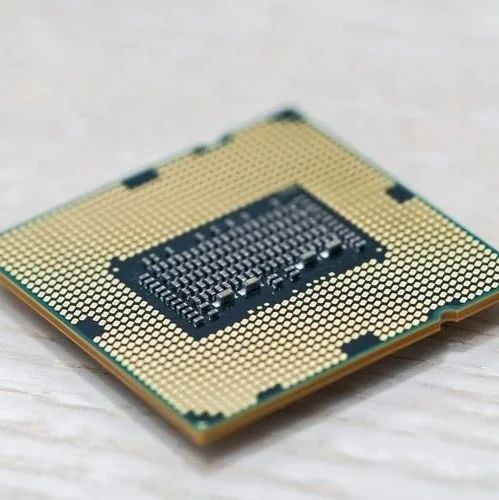
特朗普的芯片策略,引发恐慌
半导体行业观察· 2025-03-11 00:53
Core Viewpoint - The article discusses the recent criticism of the CHIPS Act by former President Trump, which aims to reduce U.S. dependence on Asian semiconductor production and has garnered bipartisan support in Congress [1][2]. Summary by Sections CHIPS Act Overview - The CHIPS Act is a bipartisan law that allocates $50 billion to rebuild the U.S. semiconductor industry, which is crucial for various technologies [2]. - Following the signing of the act by President Biden in 2022, companies have identified new factory locations in states like Arizona, New York, and Ohio [2][3]. Trump's Criticism - Trump labeled the CHIPS Act as "very terrible" during a recent speech, which has raised concerns among semiconductor executives about potential funding retraction [1][2]. - Some Republican senators, including Todd Young, have sought clarification from the White House regarding Trump's comments, emphasizing the act's success [2][6]. Impact on the Semiconductor Industry - The Department of Commerce has already signed contracts providing over $36 billion in federal subsidies under the CHIPS Act, with major companies like Samsung, Intel, and TSMC committing to invest billions in U.S. chip manufacturing [7]. - Trump's proposal to replace incentives with tariffs could increase overseas production costs, potentially affecting TSMC's investment plans in Arizona [7][8]. Internal Changes in the Department of Commerce - Reports indicate that the Department of Commerce has dismissed 40 employees from the CHIPS office, nearly one-third of the team, and is considering changes to subsidy guidelines [5][6]. - The semiconductor industry association held a call to discuss Trump's remarks, attributing his criticism to personal animosity towards Biden [6]. Industry Sentiment - Despite concerns, many industry executives remain confident that their legal agreements with the Department of Commerce will not change [6]. - The article highlights the slow rollout of subsidies, which has frustrated some industry leaders, as the Biden administration took months to review projects after the act's enactment [8]. Conclusion - The CHIPS Act is viewed as a critical initiative for revitalizing U.S. semiconductor manufacturing, with bipartisan support despite recent political tensions [9].
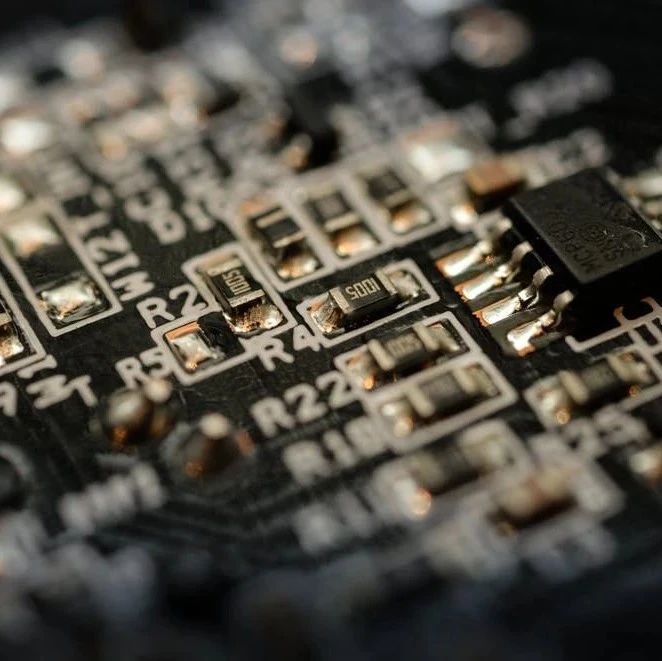
100%关税!台积电千亿美元或无效!
国芯网· 2025-03-07 04:46
国芯网[原:中国半导体论坛] 振兴国产半导体产业! 半导体论坛百万微信群 加群步骤: 不拘中国、 放眼世界 ! 关注 世界半导体论坛 ↓ ↓ ↓ 3月7日消息,即使台积电将对美国再投资至少 1000 亿美元,但有消息称,这似乎仍无法消除美国「芯 片关税」的风险! 据外媒报道 ,台积电与特朗普政府达成的最新协议,似乎无法完全消除关税风险。特朗普可能对台湾 制造的芯片征收额外税款,但方式将有所不同,不仅是对进口芯片征税,还可能对使用这些芯片的最终 产品课征关税。这意味着,所有采用台积电的消费性电子产品价格可能大幅上涨,最高甚至可达 100% ,这将对消费产业带来毁灭性影响。 知情人士透露,特朗普政府内部仍在讨论对台积电及其他中国台湾芯片制造商课征最高 100% 关税的可 能性。其中一项方案不仅针对台湾芯片本身征收进口关税,还可能对使用这些芯片的电子设备如 iPhone 课税。 特朗普政府近期与台积电达成一项重大协议,台积电将在美国亚利桑那州投资高达 1,650 亿美元,新建 数座先进封装中心及一座大型研发设施,这将是美国史上单笔规模最大的外国投资案。 如果特朗普政府对使用中国台湾芯片的设备课税,那几乎所有主流科技 ...