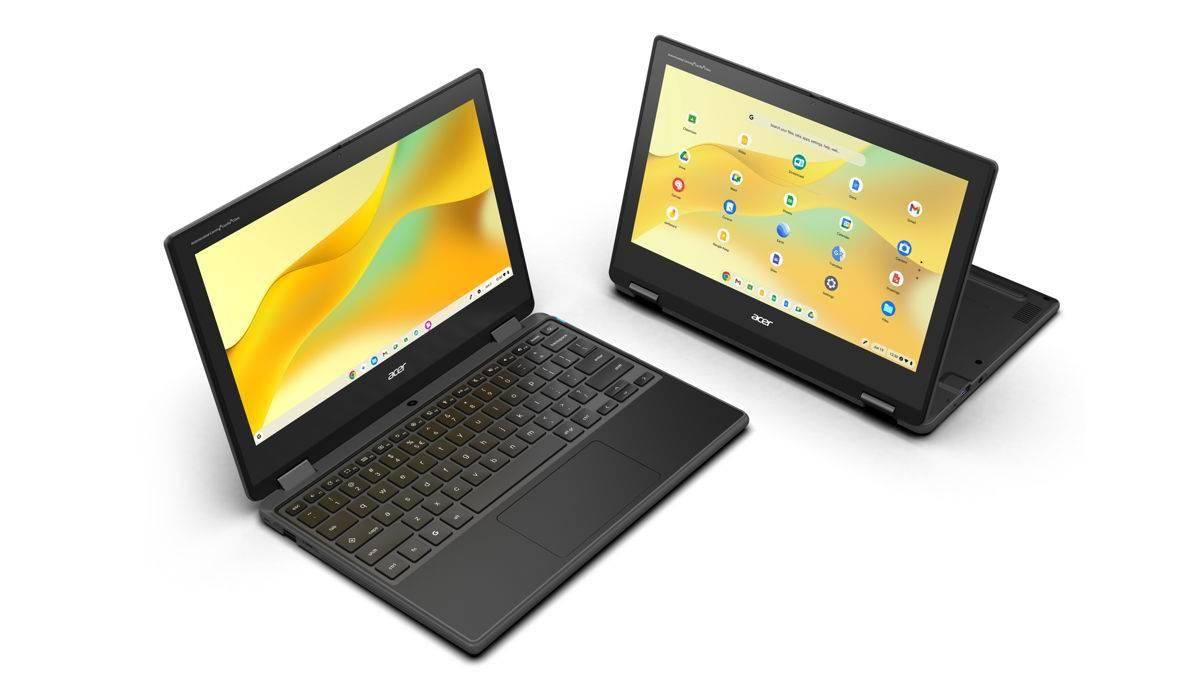
笔记本电脑

Search documents
通信行业市场回顾
Guoxin Securities Co., Ltd· 2026-03-31 10:35
Investment Rating - The communication industry is rated as "Cautiously Optimistic" with a focus on continuous profit growth and network value enhancement for operators, benefiting from traffic growth and strong core competitiveness in technology innovation [6][43]. Core Insights - The communication sector experienced a decline of 1.66% from March 23 to March 27, 2026, underperforming the CSI 300 index by 0.24 percentage points, ranking 24th among 30 sectors [3][13]. - The sector has shown a cumulative increase of 6.06% for the year 2026, placing it 7th among the sectors [3][13]. - The TTM PE ratio for the communication industry is 28.08, positioned at the 39.61 percentile [3][14]. Market Review - From January to February 2026, the telecommunications business revenue totaled 290.4 billion yuan, a year-on-year decrease of 1.7%, while the total business volume grew by 8.4% at constant prices compared to 2025 [4][39]. - The total number of fixed internet broadband users reached 694 million, with a net increase of 3.167 million users [4][39]. - The number of 5G mobile phone users reached 1.235 billion, with a net increase of 30.44 million users, accounting for 67.6% of mobile phone users [4][39]. Industry Dynamics - The Ministry of Industry and Information Technology is focusing on breakthroughs in quantum technology, biomanufacturing, hydrogen energy, nuclear fusion, brain-computer interfaces, embodied intelligence, and 6G technology [18][20]. - China Telecom plans to invest 73 billion yuan in 2026, with a 26% increase in investment for computing infrastructure [24][25]. - Xiaomi Group aims to invest at least 60 billion yuan in AI over the next three years, with a focus on innovation and technology development [25][27]. Investment Recommendations - The report suggests maintaining a cautiously optimistic stance, focusing on operators with sustained profit growth and enhanced network value, companies benefiting from traffic growth and computing networks, and high-quality firms with continuous investment in technological innovation [6][43].
卖不出了?2026开年笔记本电脑线上销量近乎腰斩
猿大侠· 2026-03-29 04:21
Core Viewpoint - The notebook market is experiencing a significant downturn, with sales volume dropping by 40.5% year-on-year to 947,000 units, and sales revenue falling to 5.99 billion yuan, also down over 40% [1][2]. Group 1: Market Dynamics - Lenovo holds the largest market share at approximately 35%, followed by HP at around 14%, ASUS at about 12%, and Mechanical Revolution and Apple at approximately 8% and 7% respectively [4]. - A typical fluctuation in consumer electronics sales ranges from 10% to 20% annually, but a decline exceeding 40% indicates deeper issues, such as high previous year demand or market problems like rising costs and lack of consumer interest [4]. Group 2: Causes of Decline - The 40.5% drop in notebook sales is attributed to a combination of rising storage chip prices and demand being pulled forward from future periods [5]. - The surge in storage chip prices is identified as a direct trigger for the sales decline [6]. - By the second half of 2025, AI server demand is expected to significantly reduce the production capacity available for consumer-grade DRAM and NAND Flash, leading to substantial price increases [7]. Group 3: Price Trends - NAND Flash contract prices are projected to rise by 33% to 38% quarter-on-quarter by Q4 2025, while DRAM prices may increase by 45% to 50% [7]. - In Q1 2026, consumer electronic storage prices are anticipated to rise over 60%, with NAND prices exceeding 70% [7]. - The government subsidies released in 2024-2025 have led to a concentrated demand for upgrades, resulting in a 30% to 40% reduction in terminal prices during promotional periods, which is expected to normalize in Q1 2026 [7]. Group 4: Future Outlook - According to Wedbush Securities, DRAM and NAND prices are expected to rise significantly, with potential increases of 130% to 150% for DRAM and similar levels for NAND in the first half of 2026 [8]. - The cost structure of notebooks is likely to be affected as both storage chips and CPUs are set to increase in price, with CPU price hikes of 10% to 15% announced by Intel and AMD [10]. - The combined cost of storage chips and CPUs in the bill of materials (BOM) could rise from approximately 45% to 58%, potentially leading to a 40% increase in the retail price of mainstream notebooks [10].




早报|追觅:多人冒充俞浩造谣,已被依法处理;伊朗正式回应“15点停火协议”;王兴:美团不会盲目追求成为“token工厂”;罗技中国致歉
虎嗅APP· 2026-03-27 00:16
Group 1 - Iran has formally responded to the US's 15-point ceasefire proposal, demanding the cessation of hostilities, compensation for war damages, and the end of actions by resistance organizations [1] - Iran perceives the US's negotiation stance as part of a "third deception" plan aimed at misleading the world and maintaining low oil prices while buying time for ground invasion [1] - The US's proposed agreement includes terms such as Iran never developing nuclear weapons and opening the Strait of Hormuz, which Iran has repeatedly denied [2] Group 2 - Logitech China issued an apology for inappropriate content posted on its official flagship store, which was deemed insulting to consumers [3] - Meta announced an increase in investment for its AI data center in El Paso, Texas, raising the total to $10 billion, with a target capacity of 1 GW by 2028 [7] - The CEO of On Holding AG, Martin Hoffmann, will resign in May 2026, with co-founders taking over as co-CEOs to align strategic intent with execution [19] Group 3 - Meituan reported a revenue of 364.9 billion yuan for 2025, an 8% year-on-year increase, but faced a net loss of 23.4 billion yuan due to market competition [14] - The Chinese laptop market saw a significant decline in sales and revenue, with a 40.5% drop in volume and over 40% in sales value in early 2026 [17][18] - Skoda will continue sales in China until mid-2026, with a focus shift towards high-growth markets like India and ASEAN [20][21] Group 4 - The Chinese government has reportedly restricted two executives from AI company Manus from leaving the country, though the Foreign Ministry has not confirmed this [22][23] - Apple addressed an issue where iPhones running iOS 26 could inadvertently make calls at night, attributing it to a software problem that has been resolved in iOS 26.3 [24] - A settlement has been reached between YLR New Energy and Xiaomi regarding a patent dispute, with details of the agreement not disclosed [25]

全球“芯荒”,专家:电脑、手机或涨20%以上
财联社· 2026-03-20 11:15
Group 1 - The global shortage of memory chips is impacting the prices of consumer electronics, with significant price increases expected to continue for an extended period [1][2] - Major tech companies, including Google, Microsoft, and Meta, are heavily purchasing memory chips to support their AI data centers, exacerbating the supply-demand imbalance [2] - Experts predict that prices for many consumer electronics, such as laptops and smartphones, could rise by 20% or more in the next 12 to 24 months due to the memory shortage [3] Group 2 - The entry-level laptops and desktops priced around $600 are nearly disappearing, with current prices for basic models ranging from $800 to $900, and some models reaching $1,200 to $1,300 [4] - The gaming industry is particularly affected, with companies like GamerTech Toronto reporting that their memory costs have quadrupled, leading to increased final prices for assembled computers [4] - The memory market is dominated by three major companies—Samsung, SK Hynix, and Micron—controlling over 90% of the global market share, and the current shortage may persist until 2027 [4]

内存大涨价,让他们头大
半导体芯闻· 2026-03-10 10:30
Core Viewpoint - The rapid development of artificial intelligence has led to a significant shortage of memory chips, increasing costs for PC manufacturers, who are compelled to raise prices or reduce specifications [1][2]. Price Increases - Major PC brands like Lenovo, HP, Dell, Asus, and Acer are preparing to raise prices to offset the rising costs of memory chips, with Asus indicating a price increase of approximately 15% to 25% for all laptops [1][2]. - Acer announced a price hike of 10% to 20% for certain models, while HP's CFO confirmed that the company must increase product prices due to soaring memory costs [1][2]. - Lenovo and Dell raised prices for their high-end commercial laptops by 20% and 25% respectively in January [1]. Impact of AI on Memory Demand - The demand for memory chips has surged due to artificial intelligence applications, with projections indicating that AI-related applications will account for over 50% of global DRAM consumption by 2025, up from 35% in 2023 [2][6]. Shift to High-End Products - Due to supply shortages, PC manufacturers are focusing more on high-end models to maximize revenue and better utilize limited memory supplies, despite an overall decline in shipment volumes [5][6]. Inventory and Cost Transfer - Many manufacturers began stockpiling memory chips starting in Q3 2025, leading to a situation where higher costs must be passed on to consumers [6]. - Analysts indicate that price increases are necessary for manufacturers to maintain business viability, with some estimating that high-end product prices will need to reflect increases of $200 to $300 [6][11]. Consumer Impact - Rising prices are expected to negatively affect consumer purchasing behavior, particularly for families needing multiple computers, as the increased cost could lead to delays in purchases [9]. - For mid-range models, manufacturers may reduce features to control prices, but high-end models have limited options for cost reduction [9]. Market Outlook - Omdia forecasts that the notebook market could shrink by up to 12.5% this year due to worsening supply conditions [11]. - Compal Electronics anticipates a 15% to 20% decline in PC shipments for Q1 2023 compared to the previous quarter, attributing this to memory chip shortages and rising component costs [11]. Manufacturer Responses - Lenovo acknowledges that rising DRAM prices may impact PC shipments but remains confident in its competitive position and expects revenue growth [12]. - Dell emphasizes its scale and long-term supplier relationships as advantages during turbulent times, although it did not comment on pricing strategies [12].

TrendForce:主流笔记本电脑售价或将上调40%
WitsView睿智显示· 2026-03-10 07:25
Core Insights - The global laptop market is expected to face dual pressures of weak demand and rising costs by 2026, with significant increases in both memory and CPU prices [4][5] - To maintain existing profit margins, the retail price of a mainstream laptop, originally priced at $900, may need to increase by nearly 40% due to rising component costs [4][5] Component Price Impact - The estimated original bill of materials (BOM) cost for a laptop priced at $900 includes DRAM and SSD, which currently account for nearly 15% of the total cost. This proportion is expected to rise to over 30% by Q1 2026 due to rapid price increases in memory [5] - If both memory and CPU prices rise, their combined share of the BOM could increase from 45% to approximately 58%, necessitating a price increase of over 30% to maintain profit margins [5] CPU Market Dynamics - The CPU market is experiencing not only price fluctuations but also changes in supply stability, particularly for entry-level and low-end CPUs, which are facing supply constraints due to increased demand for AI-related computing [6] - Major brands with strong procurement capabilities are likely to secure more stable supply and pricing conditions, while smaller brands may face heightened cost pressures and shipment risks [6] - AMD has seen an increase in market share due to improved competitiveness, but recent reports indicate potential shortages in some low-end platforms, suggesting that supply tightness is spreading across the market [6]

研报 | 存储器与CPU价格同步上涨,主流笔电售价或将上调40%
TrendForce集邦· 2026-03-10 07:14
Core Viewpoint - The global laptop market in 2026 is facing dual pressures of weak demand and rising costs, particularly due to surging prices of storage components and CPUs, which may lead to a significant increase in retail prices of laptops [2][4]. Industry Insights - For a mainstream laptop with a suggested retail price (MSRP) of $900, the rapid increase in storage prices could result in a price hike of over 30%, and with CPU price adjustments, the total price increase could approach 40% [4][6]. - The combined share of DRAM and SSD in the Bill of Materials (BOM) cost is expected to rise from approximately 15% to over 30% by the first quarter of 2026 due to the rapid price increases in these components [5][6]. - Intel has adjusted the prices of some entry-level and older generation laptop CPUs by more than 15%, with plans to increase prices for mainstream to mid-range platforms in the second quarter of 2026 [5][6]. - The supply of laptop DRAM and NAND Flash is tightening significantly, leading to higher prices and increasing uncertainty in the procurement strategies of brand manufacturers [5][7]. - The CPU market is experiencing not only price fluctuations but also changes in supply stability, with demand for AI-related computing pushing resources towards high-performance products, affecting the supply of entry-level and low-end CPUs [6][7]. - AMD has seen an increase in competitiveness and market share due to some laptop brands adopting diversified platform strategies, although recent reports indicate shortages in some low-end platforms, indicating a broader tightening of CPU supply [7].

宏碁2026年2月营收214.58亿新台币,同比增长25.7%
Sou Hu Cai Jing· 2026-03-09 09:37
Core Insights - Acer reported a consolidated revenue of NT$21.458 billion for February 2026, representing a year-on-year growth of 25.7%, marking a historical high for the same period in recent years, and a quarter-on-quarter increase of 1.8% [1] - Cumulative consolidated revenue for January and February reached NT$42.535 billion, showing a year-on-year increase of 32.2% [1] Revenue Breakdown - Notebook revenue in February grew by 37.8% year-on-year, with a cumulative growth of 43.2% for the first two months [3] - Desktop revenue in February increased by 11.7% year-on-year, with a cumulative growth of 27.5% for the first two months [3] - Chromebook revenue in February rose by 16.2% year-on-year, with a cumulative growth of 12.2% for the first two months [3] - Revenue from gaming and esports-related products and services surged by 50.5% in February, with a cumulative growth of 51.8% for the first two months [3] - Commercial product revenue in February experienced a significant increase of 63.7% year-on-year, with a cumulative growth of 63.9% for the first two months [3]
中金 | 3月行业配置:“成长+周期”双线联动
中金点睛· 2026-03-04 00:01
Core Viewpoint - The market is expected to maintain a "steady progress" trend supported by global monetary order restructuring, AI application promotion, and domestic growth stabilization and reform, making it a favorable period for investment allocation [1] Industry Performance Summary 1) Energy and Basic Materials - "Price increase" commodities are supported by demand and performance certainty, with notable price increases in energy and non-ferrous metals, including a 8% rise in thermal coal, 3% in WTI crude oil, and 18% in lithium carbonate [2] - Geopolitical risks in the Middle East have driven up oil and metal prices, while OPEC+ announced an oil production increase plan for April to counteract upward price pressures [2] 2) Industrial Products - Global AI-related manufacturing investment is in an expansion phase, with strong domestic and international demand for construction machinery, evidenced by a 61% year-on-year increase in domestic excavator sales [3] - The domestic power battery installation volume was 42.0 GWh in January, showing a 57.2% month-on-month decline but an 8.4% year-on-year increase [3] 3) Consumer Goods - Domestic consumption is showing signs of improvement, with January sales of washing machines, refrigerators, and air conditioners increasing by 0.6%, decreasing by 2.4%, and increasing by 12.7% respectively [4] - The average purchase price of live pigs remained stable at 14 yuan/kg before the Spring Festival, with a projected national pig stock of 429.67 million heads by the end of 2025, an increase of 2.24 million heads from the previous year [4] 4) Technology - AI applications are continuously iterating, with significant increases in usage, as evidenced by a weekly usage of 4.12 trillion tokens for Chinese AI models, surpassing the U.S. [5] - The semiconductor industry remains robust, with global sales increasing by 37% year-on-year in January, and China's sales growing by 34% [5] 5) Financials - The A-share market is supported by a "steady progress" trend, with an average daily trading volume of 2.3 trillion yuan in February and a margin balance of 2.7 trillion yuan at the end of the month [6] - The insurance industry is projected to see a 7% year-on-year increase in premium income by 2025 [6] 6) Real Estate - Policy measures are promoting inventory reduction, with a 11% year-on-year increase in the sales area of commercial housing in 30 major cities in February [6] - The housing price index for new and second-hand homes in 70 major cities fell by 3% and 6% year-on-year respectively in January 2026 [6] Investment Recommendations - Focus on sectors benefiting from AI technology, such as cloud computing infrastructure, optical communication, energy storage, and semiconductors, while also considering cyclical opportunities in non-ferrous metals, chemicals, and engineering machinery [6][7] - Emphasize long-term investment in high-dividend leading companies in sectors like white goods, oil and petrochemicals, and public utilities [6][7]

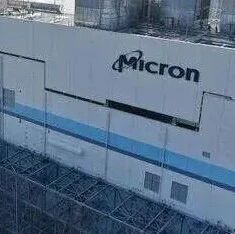
美光启用首个印度封测工厂!
国芯网· 2026-03-02 13:43
Core Viewpoint - Micron has officially launched its first semiconductor packaging and testing factory in Sanand, Gujarat, India, marking a significant investment in the local semiconductor industry [1][3]. Group 1: Investment and Capacity - The total investment for the Sanand packaging factory project is $2.75 billion (approximately 188.92 billion RMB) [3]. - The first phase of the factory features a cleanroom space of 500,000 square feet (about 46,452 square meters), making it one of the largest single-layer packaging and testing cleanrooms globally [3]. - By 2026, the factory's production capacity is expected to reach tens of millions of units, increasing to hundreds of millions by 2027 [3]. Group 2: Market Impact - Micron has delivered its first batch of India-manufactured memory modules to Dell, which will be used in laptops produced for the Indian market [3].